Sending Flowers to Pochep from Abroad Without the Guesswork
Pochep is a quiet town in the Bryansk region, and when someone you love lives there, distance makes every gesture count twice as much. Ordering flowers from London, Berlin, New York or Dubai feels complicated — different time zones, unfamiliar customs, uncertainty about what actually arrives at the door. This article walks you through everything a sender outside Russia genuinely needs to know, from choosing the right bouquet for the occasion to understanding how your flowers will look and last once they get there.
Why Pochep Is Different from Sending to a Big City
Most people ordering from abroad picture a large Russian city when they think about flower delivery. Pochep is different. It is a small town of around twenty thousand people in the Bryansk region, roughly four hundred kilometres south-west of Moscow. That geography matters because it shapes what is available, how flowers travel, and what your recipient will experience when the bouquet arrives.
In a smaller town, a beautifully arranged bouquet stands out far more than it would in a city centre. Your recipient's neighbours will notice. Colleagues will ask. That social warmth is real, and it means the presentation of your order carries extra weight. A well-wrapped bouquet with a handwritten card is not a small detail here — it becomes a story the person tells for days.
From a logistics perspective, Pochep is reachable and we deliver there directly. What this means for you as a sender is that you should plan your order with a little more lead time than you might for Moscow or Saint Petersburg. Placing your order at least a day ahead of the occasion gives the flowers the best chance of arriving at peak freshness. Same-day orders are possible, but earlier in the day is always safer when you are working across time zones and cannot easily make a phone call to check on things.
The climate in the Bryansk region is continental, with cold winters and warm summers. That temperature range affects which flowers travel best in each season, and we will cover that in detail shortly.
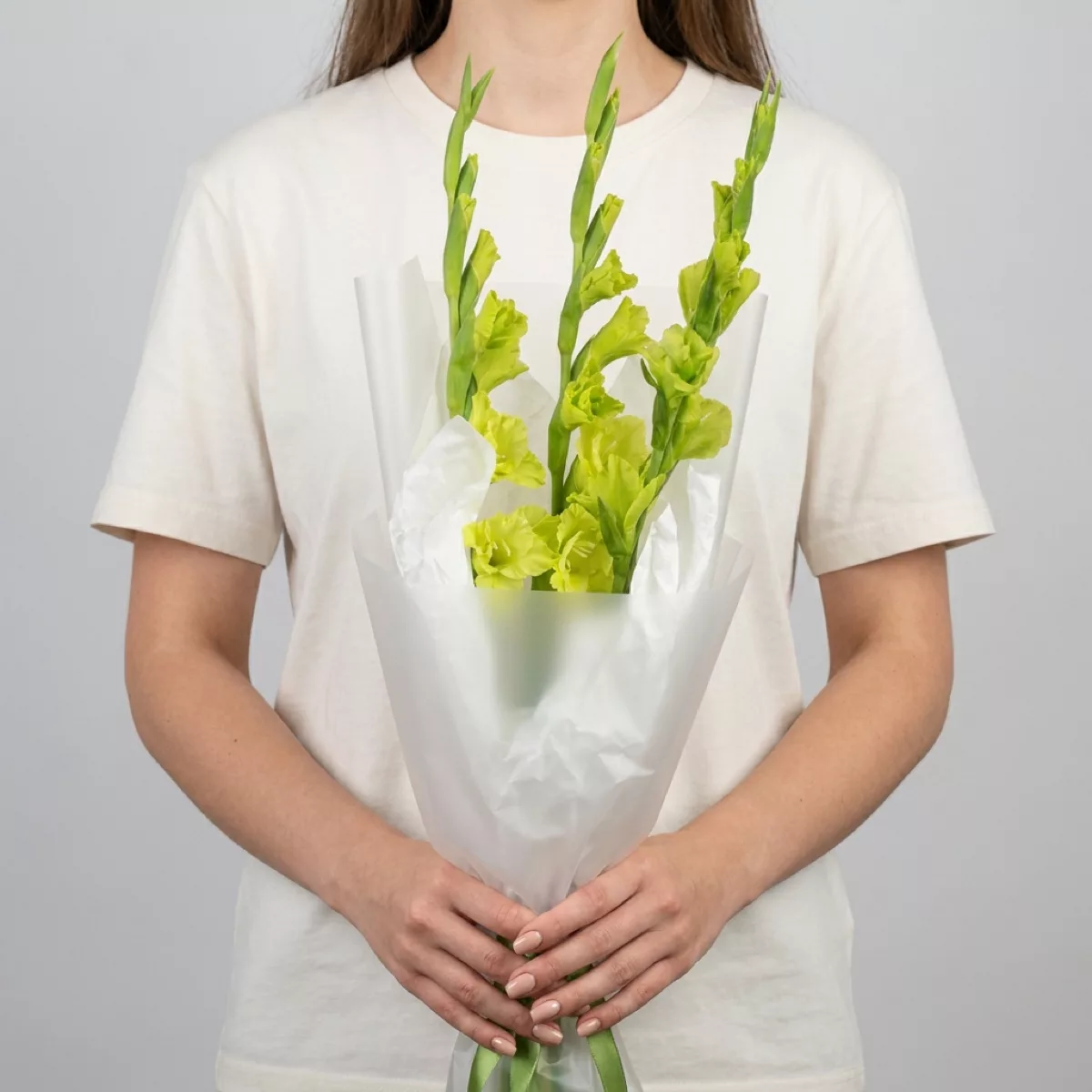
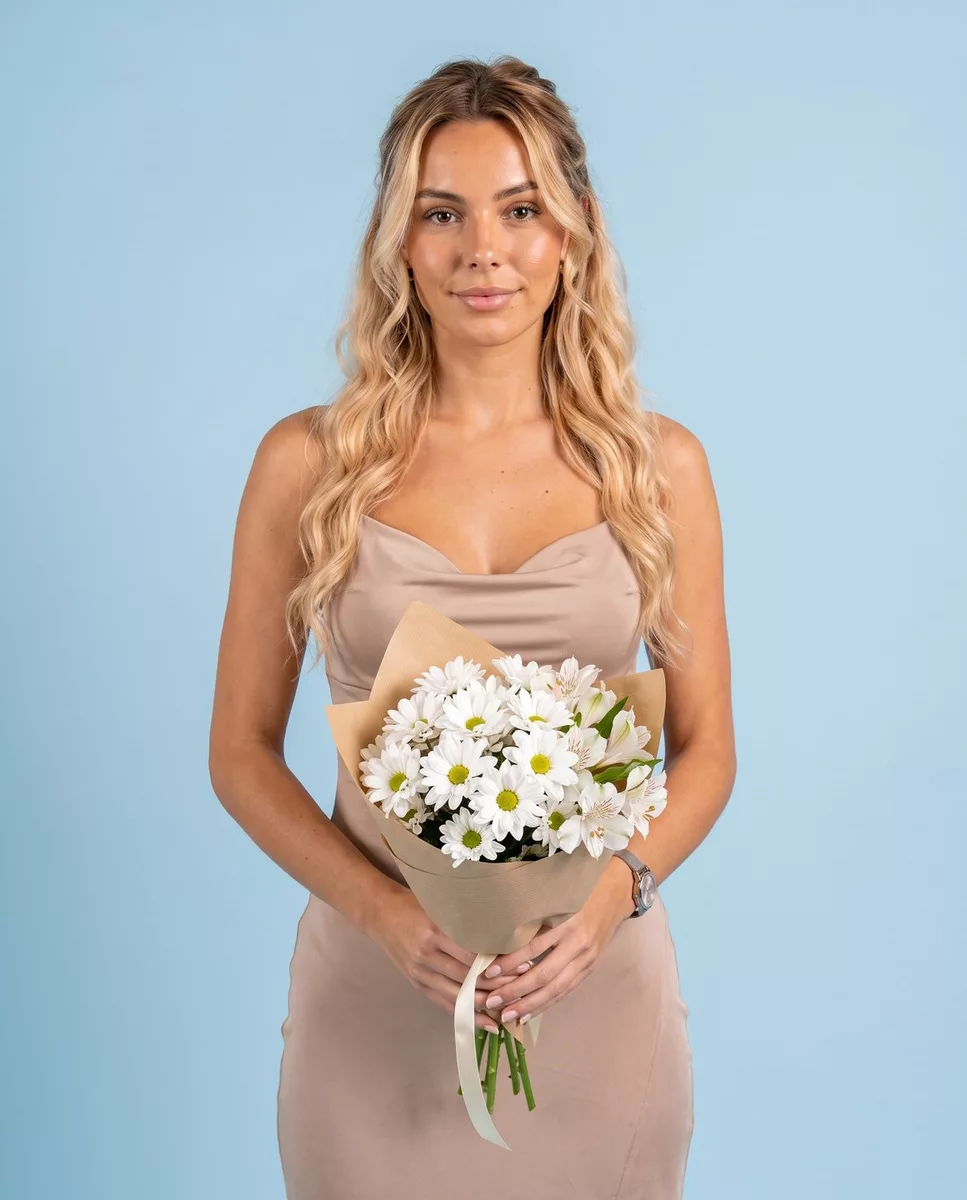
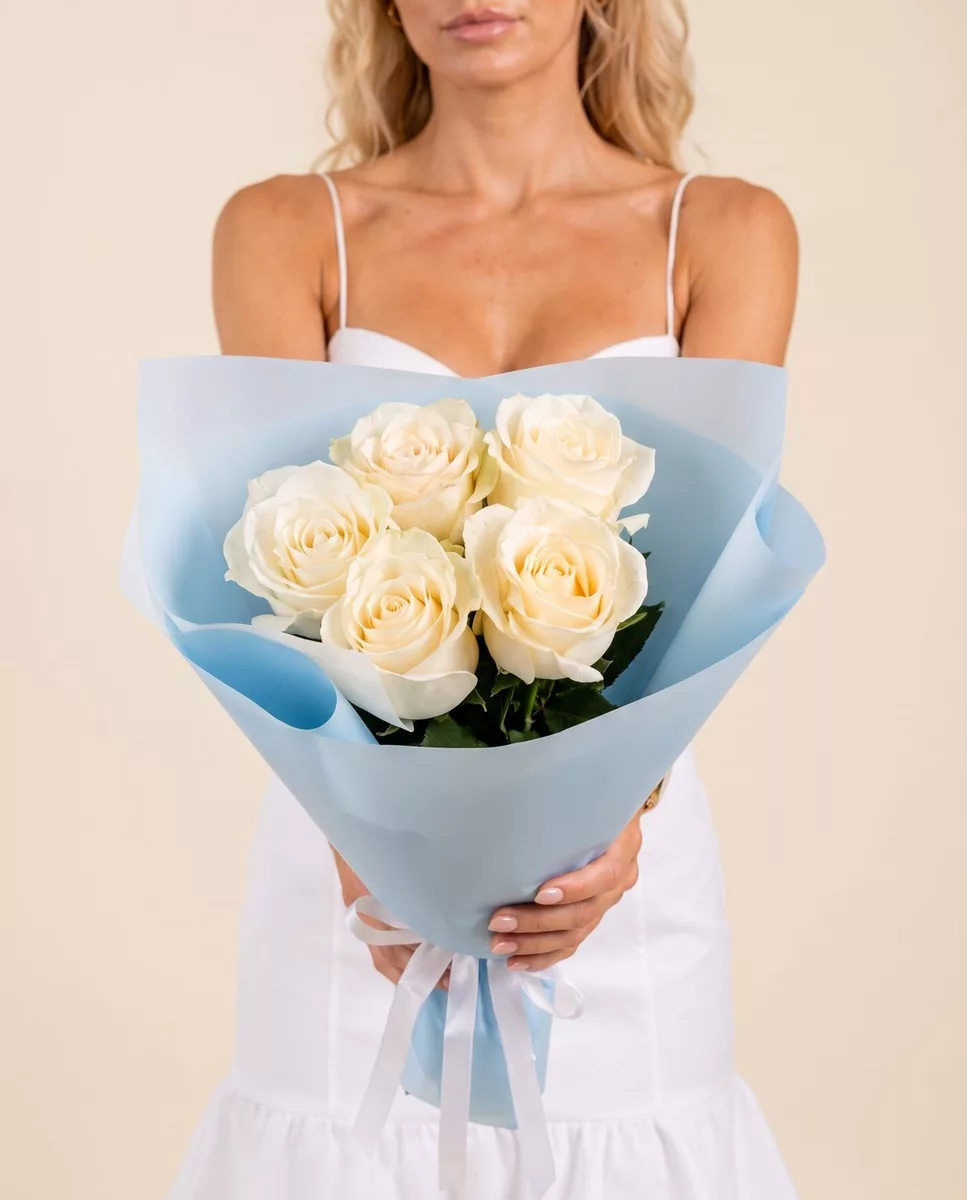
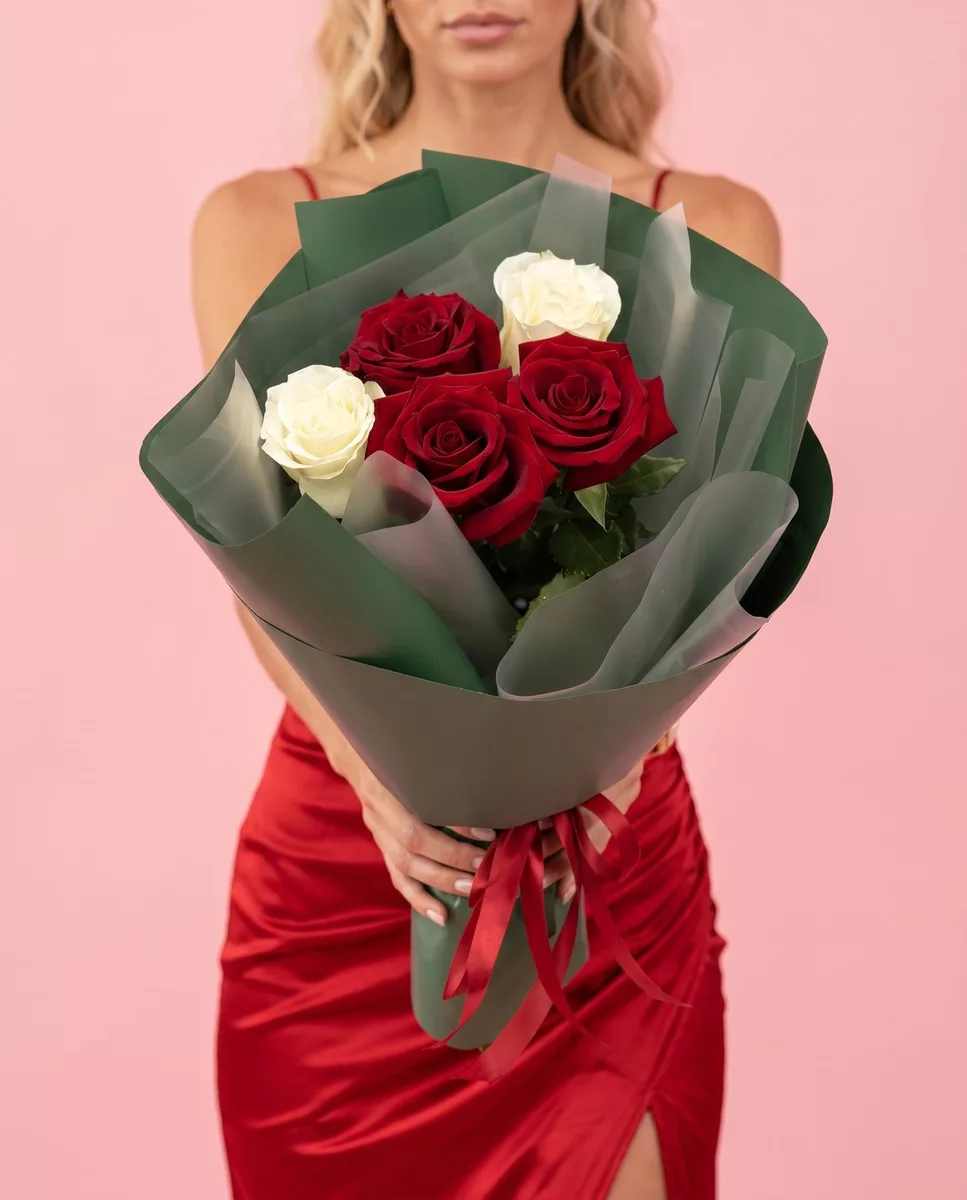
Bouquets we can deliver
Reading the Occasion Before You Choose a Single Stem
Before you think about roses versus tulips, think about the person and the moment. Russian flower-giving culture is rich with meaning, and getting the tone right matters more than picking the most expensive option on the page.
Birthdays are the most common reason people send flowers from abroad. For a woman's birthday, lush and generous arrangements read as celebratory — think full-headed garden roses, ranunculus, or a mixed bouquet with peonies in season. For a man's birthday, a cleaner composition with anthuriums, tropical foliage, or a single-variety arrangement feels more fitting. Russian culture does not exclude men from receiving flowers; it is quite normal and appreciated.
Anniversaries call for something romantic and considered. Deep red roses remain the classic choice, but a monochromatic arrangement in blush or burgundy with textural greenery like eucalyptus or ruscus can feel more personal and less generic. If you know the couple well, a combination that reflects their personalities — wildflower-style for someone outdoorsy, structured and elegant for someone more formal — will be remembered.
New baby celebrations are joyful and pastel. Soft whites, creamy yellows, and pale pinks work beautifully. Avoid strong-scented flowers like lilies if the baby is newborn, as the fragrance can be overwhelming in a small space.
For professional occasions — a colleague's promotion, a teacher's appreciation, a business milestone — white and green arrangements project respect and warmth without overstepping. Chrysanthemums, alstroemeria, and lisianthus hold up well and look polished without being showy.
Seasonal Flowers That Actually Arrive in Good Condition
One of the most common mistakes international senders make is choosing flowers that look stunning in a website photo but travel poorly or are simply not at their best in a given season. A working florist will always tell you: a flower in its natural season is always more beautiful than the same flower forced out of season.
In winter — November through February — roses, spray roses, chrysanthemums, carnations, and alstroemeria are your most reliable choices. These varieties tolerate cold transit well and have strong vase life even when temperatures outside are well below zero. Avoid tropical flowers like bird of paradise or heliconia in deep winter; they suffer below ten degrees Celsius and can arrive blackened at the edges.
Spring brings tulips, daffodils, hyacinths, and the first ranunculus. Tulips are deeply loved in Russia and a springtime bouquet of them — monochromatic or mixed — feels genuinely seasonal and thoughtful. Hyacinths carry a strong, beautiful fragrance that fills a room.
Summer is peony season, and if there is one flower that Russian recipients universally adore, it is the peony. Lush, fragrant, and generous-looking, a peony bouquet in June or July is almost impossible to get wrong. Garden roses, lisianthus, and sweet peas also shine in summer.
Autumn is rich with dahlias, sunflowers, and late-season roses. A sunflower arrangement feels warm and cheerful as the days shorten, and dahlias in rust, burgundy, or deep orange are striking and long-lasting. Whatever the season, we source flowers that are appropriate for the conditions your recipient will experience.
Budgeting When You Are Paying in a Foreign Currency
Paying for flowers in Russia from abroad involves a currency conversion, and it is worth thinking about this clearly before you place your order. The exchange rate between your currency and the Russian ruble moves, and what feels like a modest sum in euros or pounds may translate into a very generous arrangement — or a smaller one than you expected — depending on the timing.
As a general principle, it is better to set your budget in rubles if you can, or to look at the ruble price of the arrangement you want rather than converting mentally from your home currency. Our website shows prices clearly, and you can order in a way that reflects what you actually want to spend.
For a meaningful single-occasion bouquet — something that will genuinely impress your recipient — aim for the mid-range options rather than the minimum. In a smaller town like Pochep, a beautiful bouquet is a significant gesture, and the difference in cost between a modest arrangement and a truly lovely one is often smaller than you might expect.
If you want to add a gift alongside the flowers — chocolates, a small plant, or a soft toy for a new baby — bundling these into one order is practical and means everything arrives together. Separate deliveries in a town like Pochep are less efficient and harder to coordinate from a distance.
Also keep in mind that tipping is not expected in Russian flower delivery culture. Your recipient will not feel anything is missing if there is no cash tip, so do not worry about that element of the transaction.
Getting the Delivery Details Right from Thousands of Kilometres Away
The single most common reason a flower delivery goes wrong is incomplete or inaccurate address information. This is especially true for smaller towns, where street numbering can be irregular and apartment buildings may have multiple entrances. When you are ordering from abroad and cannot easily call ahead, getting the address right from the start is essential.
For Pochep specifically, make sure you have the full address including the street name in Russian (or at least in transliteration), the building number, the apartment or office number, the floor, and ideally the entrance number if it is a multi-entrance building. If your recipient lives in a private house rather than an apartment block, note that too, as it changes how the courier approaches the delivery.
If the delivery is a surprise — which it often is when ordered from abroad — you do not need to give your recipient the exact time. But do make sure someone will be home or reachable by phone during a broad window. Our couriers will call ahead, and if no one answers, the flowers wait in appropriate conditions, but re-delivery in a smaller town takes longer than in a city.
Time zones are your friend if you use them correctly. Pochep is in Moscow Time, which is UTC plus three, with no daylight saving adjustment. If you are in London, that is three hours ahead of you in winter and two hours ahead in summer. Place your order in your morning, and the delivery can happen during your recipient's afternoon — a pleasant surprise to end their working day.
Always include a mobile phone number for the recipient. This is the most important single piece of information after the address itself.
What Your Recipient Should Do When the Flowers Arrive
Most people outside Russia do not realise that flower care customs vary, and your recipient in Pochep may or may not know the best way to keep a bouquet looking beautiful. If you include a card, you can add a simple note with care instructions — it is a genuinely thoughtful touch and it means your flowers last longer, which extends the pleasure of your gift.
The first thing to do with any fresh bouquet is to trim the stems at a diagonal angle, about two centimetres from the bottom, using a sharp knife or scissors. This opens up the stem's water channels immediately. Do this under running water if possible, or at least quickly before placing the stems in a vase, so air does not re-enter the cut.
Water temperature matters. Lukewarm water — not cold, not hot — is right for most cut flowers. Tulips are the exception: they prefer cool water. Change the vase water every two days and re-trim the stems each time. This alone can add three to five days to vase life.
Keep the bouquet away from direct sunlight, radiators, and fruit bowls. Ripening fruit releases ethylene gas, which accelerates wilting in cut flowers. In winter, Pochep homes are well-heated, so finding a cooler spot — near a window that is not in direct sun — will help flowers last longer.
Roses and ranunculus typically last seven to ten days with proper care. Tulips last five to seven days. Chrysanthemums and alstroemeria can last two weeks or more. Peonies, when they arrive as tight buds, will open over two to three days and are spectacular at full bloom.
The Card Message: Small Words That Travel a Long Distance
When you are far away, the card is the part of the bouquet that speaks in your voice. It deserves more thought than a last-minute line typed into a checkout box. Russian recipients read cards carefully, and a message that is warm, specific, and personal will be kept long after the flowers have faded.
If you are not sure whether to write in Russian or English, consider your recipient. If they read English comfortably, an English message from someone abroad feels authentic — it reflects who you are and where you are writing from. If your recipient is more comfortable in Russian and you have someone who can help you translate, a message in their own language feels intimate and shows real effort.
Avoid generic phrases that could apply to anyone. Instead of simply writing happy birthday, say something about the specific year they have had, or a memory you share, or something you are looking forward to doing together. These specifics transform a card from a formality into something genuinely moving.
Russian culture values directness in affection. It is not considered excessive to write that you love someone, that you miss them, or that you are proud of them. If you feel it, write it. The distance between you and your recipient is already doing the emotional heavy lifting — your words just need to be honest.
For professional or more formal occasions, keep the tone warm but measured. Acknowledging the achievement, wishing continued success, and signing with your name and perhaps your location — London, New York, Berlin — reminds the recipient that your regard for them crosses borders. That detail alone makes the gesture memorable.
Sending flowers to Pochep from abroad is not complicated once you know what to pay attention to. The address, the timing, the season, and the card message are the four things that determine whether your bouquet becomes a truly memorable moment for your recipient. Pochep is a town where a beautiful delivery stands out, where people notice and appreciate the effort behind a gesture that has travelled such a long way. Get those details right, and the flowers do the rest.
Frequently asked questions
How far in advance should I order flowers for delivery to Pochep from abroad?
Ordering at least twenty-four hours before the occasion is strongly recommended when you are sending from abroad. This gives you time to confirm the address, account for time zone differences, and ensure the flowers are prepared at peak freshness. For major dates like Valentine's Day or International Women's Day on March 8th, two to three days ahead is even better, as demand across Russia is very high on those dates.
Can I send flowers to Pochep as a surprise without telling the recipient?
Yes, and surprises are very common with international orders. The key is providing an accurate address and a working mobile number for the recipient. Our courier will call ahead before arriving, so the recipient will know someone is coming even if they do not know it is flowers. If you want the occasion itself to be a surprise, simply do not mention the delivery in advance — the call from the courier is usually the first indication.
What flowers should I avoid sending to Pochep in winter?
Tropical and heat-sensitive varieties struggle in cold transit. Bird of paradise, heliconia, and some orchid varieties can show cold damage — blackened or translucent petals — when temperatures drop significantly during transport. In winter, choose roses, chrysanthemums, carnations, alstroemeria, or spray roses. These varieties are cold-tolerant and arrive looking fresh even when the temperature outside in Bryansk region is well below freezing.
Is it acceptable to send flowers to a man in Russia?
Absolutely. Sending flowers to men is entirely normal in Russian culture, particularly for birthdays, professional achievements, or significant personal milestones. Arrangements that suit men well tend to be cleaner in composition — single-variety bouquets, bold colours like deep red or white, or designs that include tropical foliage and anthuriums. A thoughtful arrangement for a man is always well received and never considered unusual.
Can I include a message in English on the card if my recipient lives in Pochep?
Yes, and for many international senders it is the most natural choice. A card written in your own language feels authentic and personal — it reminds your recipient that the message comes genuinely from you, from wherever in the world you are. If your recipient reads English, they will appreciate it. If you prefer to write in Russian and need help with translation, you can include a note in the order comments and we can assist with simple messages.
Ready to send flowers?
Pick the city, choose the bouquet, and a local florist takes it from there.
Choose a city →