Sending Flowers to Podporozhe from Abroad? Read This First
You are sitting in Berlin, Toronto, or Dubai, and someone you love is in Podporozhe — a quiet town on the Svir River in the Leningrad Oblast, far from the nearest big city. You want to send flowers that actually arrive fresh, look beautiful, and feel personal. The distance between you and the recipient does not have to show in the bouquet. This guide walks you through everything a sender outside Russia needs to know, from picking the right blooms for the season to understanding what your recipient will experience when the courier knocks on the door.
Why Podporozhe Is Different from Sending to a Major City
Podporozhe sits roughly 260 kilometres northeast of Saint Petersburg, which makes it a genuinely remote destination by most standards. It is not a small village, but it is far from the dense urban infrastructure that makes same-day flower delivery easy in Moscow or Saint Petersburg. This geography matters when you are placing an order from abroad, because it shapes what is realistic and what is not.
Turboflora operates from Saint Petersburg and delivers across Russia, including towns like Podporozhe, within a one-to-two-hour window once an order is confirmed. That promise holds because the logistics chain is tightly controlled from one base, not handed off to unknown intermediaries. For you as a sender, this means one contact point, one quality standard, and one tracking experience.
What the distance does affect is your planning window. Ordering from a European time zone with a two-hour difference, or from North America with a seven-to-ten-hour gap, means you need to account for when your message actually reaches the florist. Early morning orders in Saint Petersburg time — roughly before noon — give the widest delivery window for the same day. If you are in Tokyo or Sydney, that calculation shifts considerably, and placing the order the evening before your intended delivery date is the safest approach.
Supportive knowledge of local conditions also helps. Podporozhe experiences genuine winters with temperatures dropping well below freezing from November through March. This affects which flowers survive the journey from the courier's vehicle to the recipient's hands, and it is a detail worth understanding before you choose your arrangement.
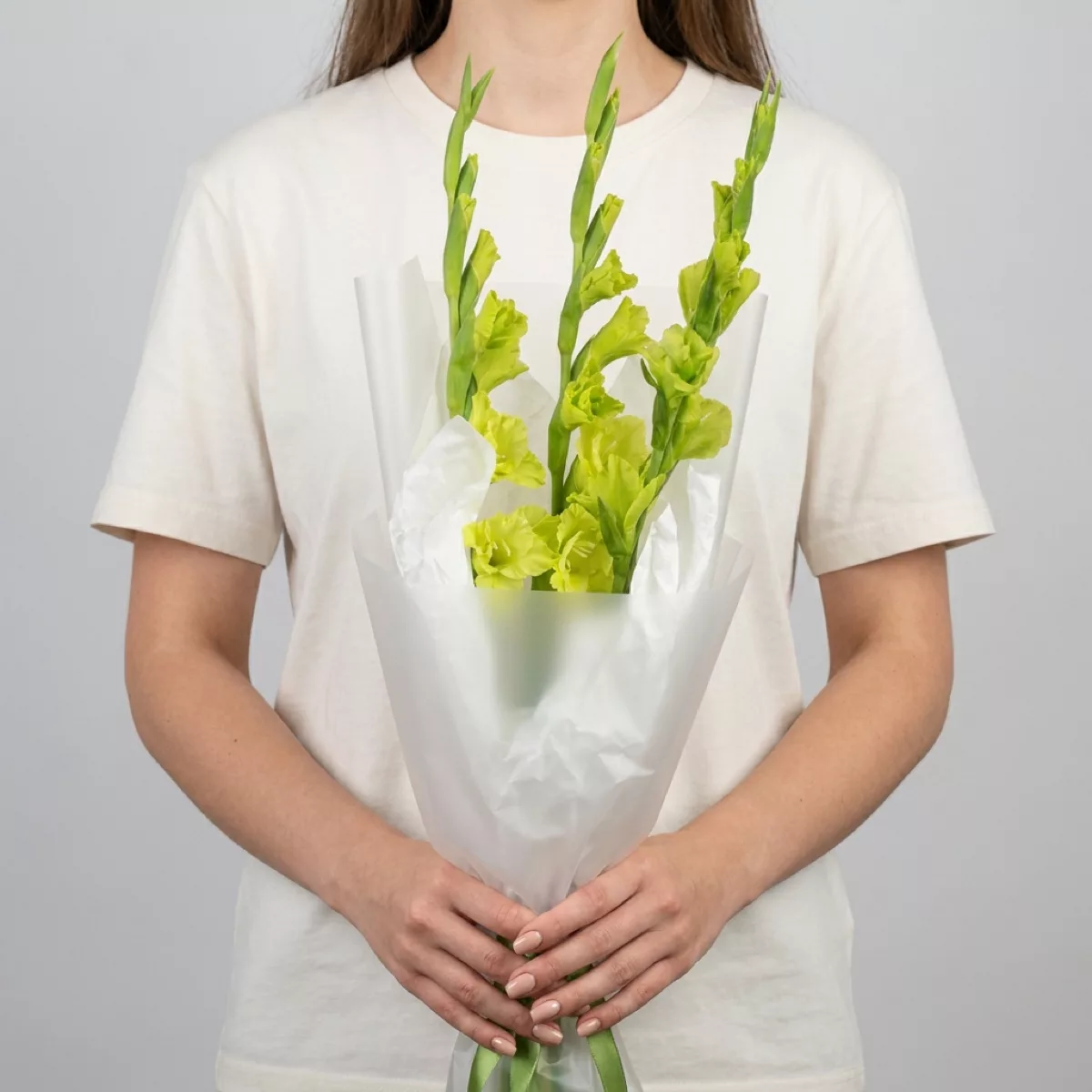
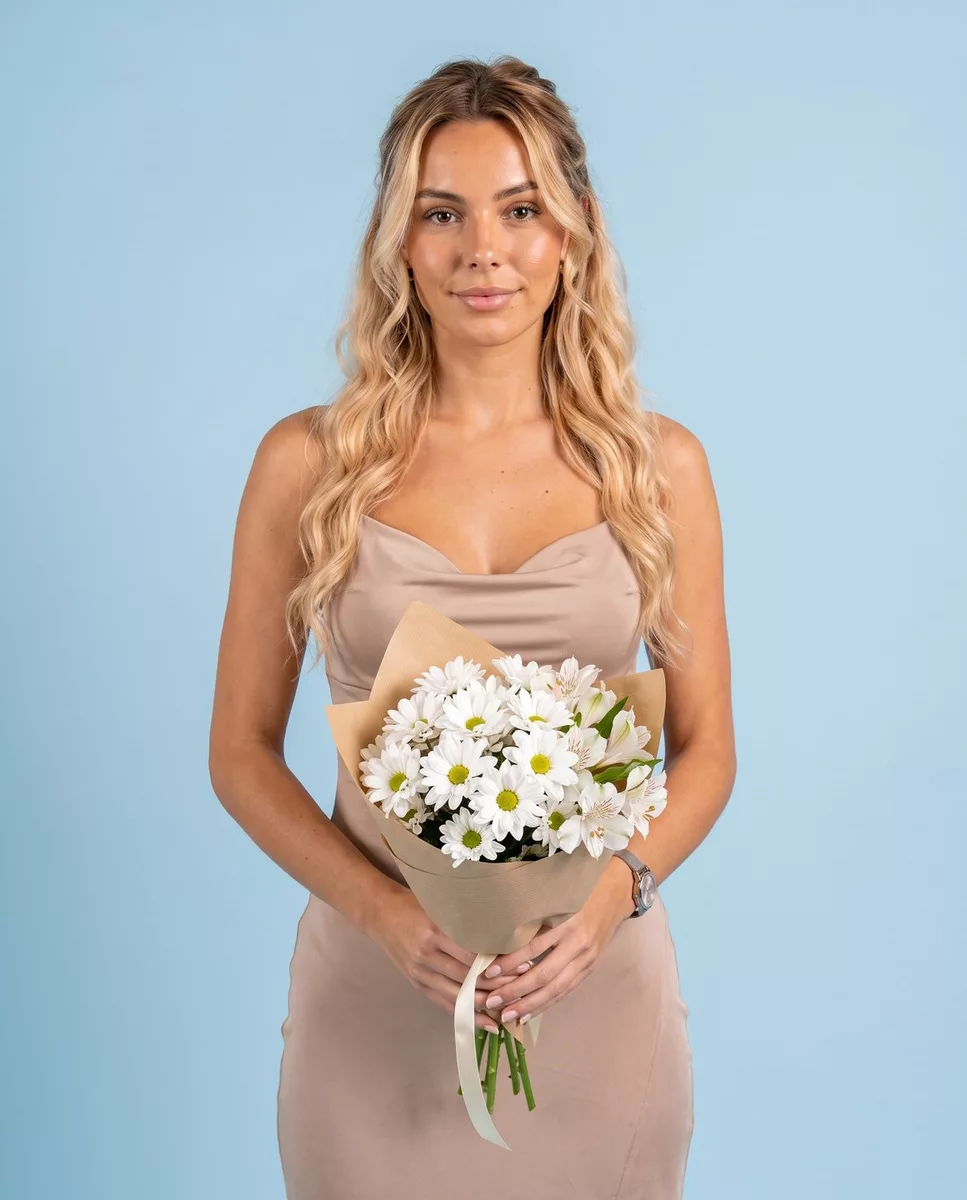
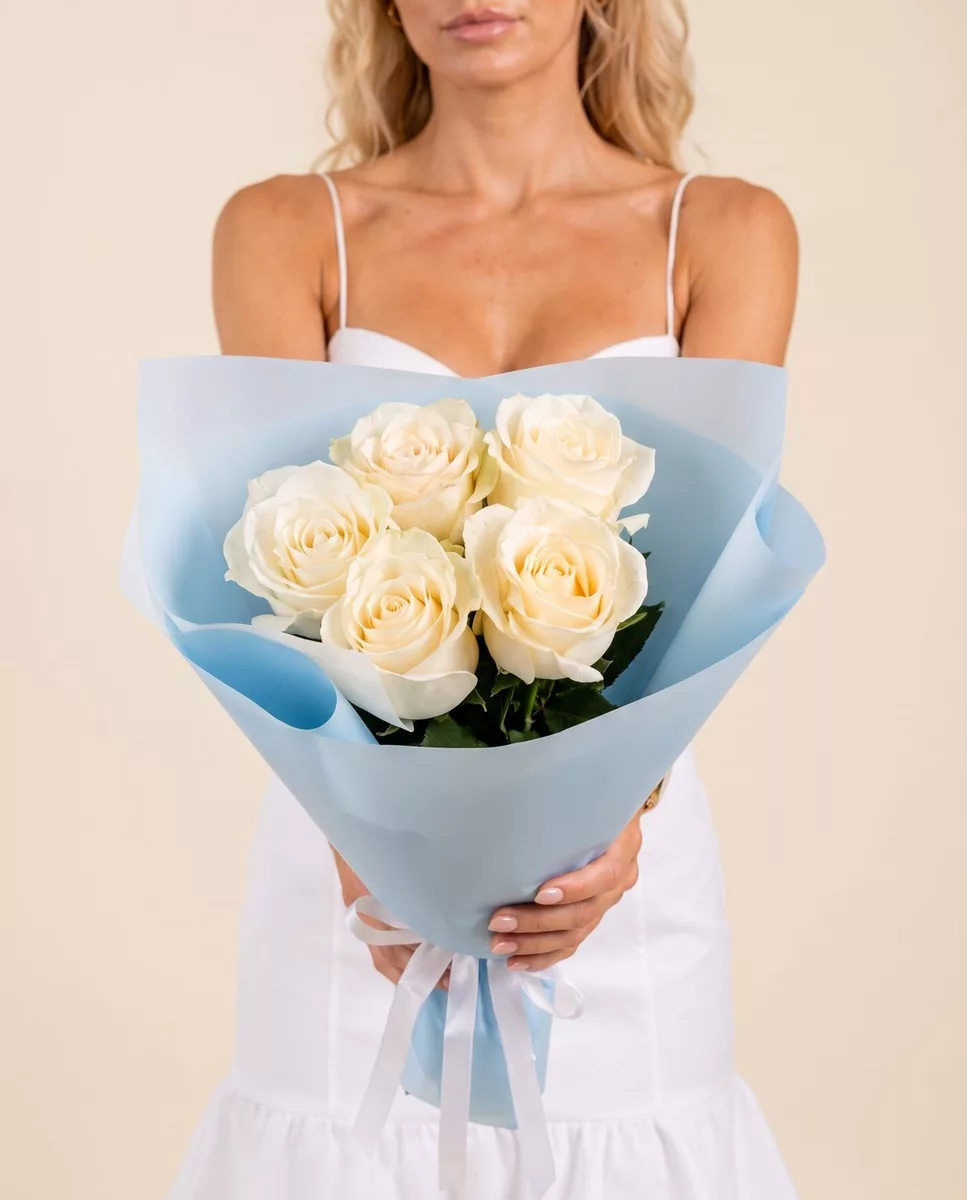
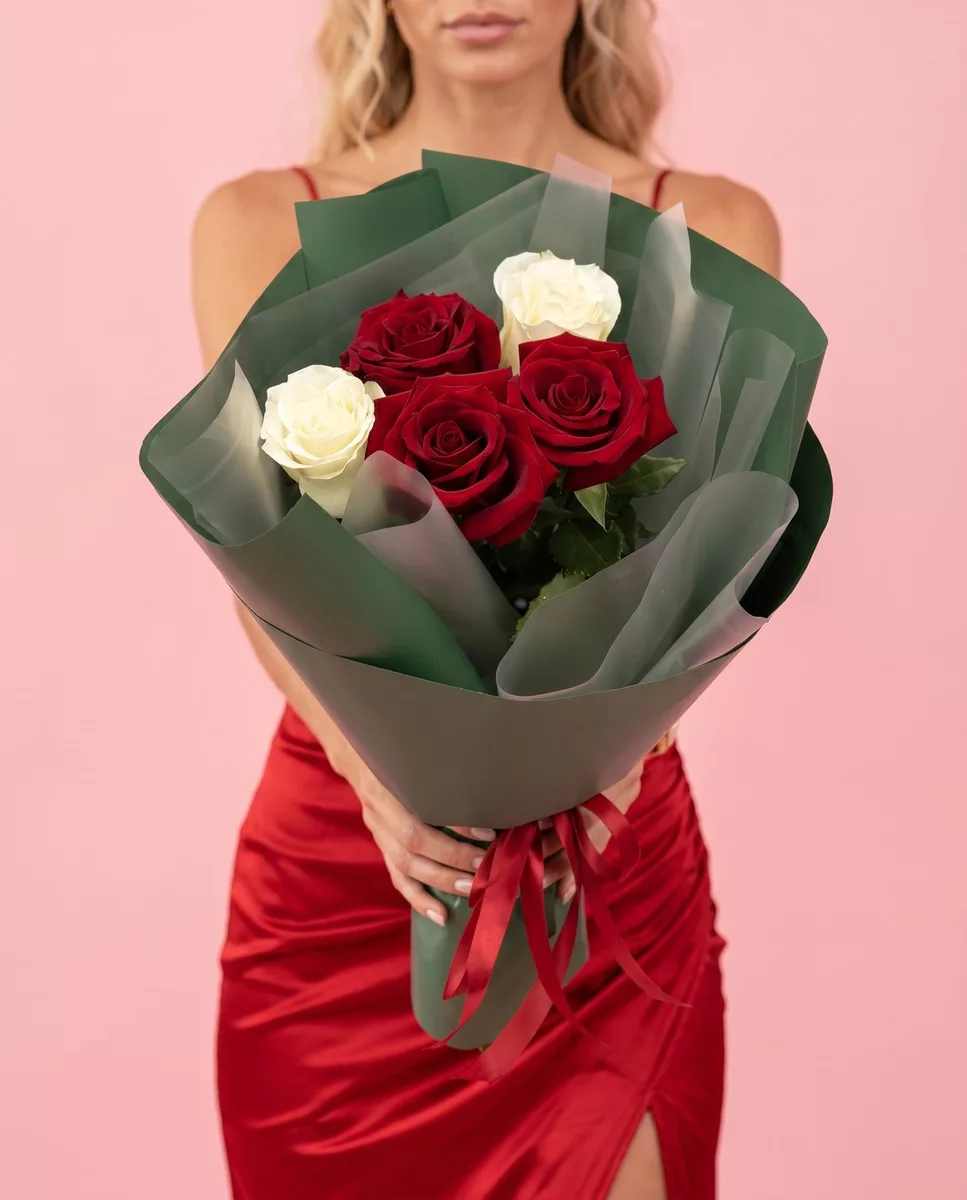
Bouquets we can deliver
What Russian Flower Customs Mean for Your Gift
If you have not sent flowers inside Russia before, a few cultural details will help you choose more confidently. The most widely known rule is about odd numbers: bouquets in Russia are traditionally given in odd quantities — five roses, seven tulips, eleven stems of freesia. Even numbers are reserved for mourning contexts. This is not a rigid law, but it is a deeply embedded habit, and recipients notice. Turboflora's florists follow this convention automatically, so if you order a standard bouquet, this is already handled.
Colour carries meaning too, though less rigidly than the number rule. Red roses signal romantic love clearly and universally. White flowers — white roses, white chrysanthemums, white lilies — are elegant and well received for birthdays and celebrations, though some older recipients associate all-white arrangements with formal solemnity. A mix of white with soft pink, peach, or cream reads as warm and celebratory to almost anyone.
Russian recipients tend to appreciate generous, full-looking bouquets. A tight cluster of three stems, however expensive the variety, can feel sparse by local standards. Volume and variety — perhaps garden roses combined with lisianthus and eucalyptus — tend to land better than a single-variety minimalist arrangement, unless you know the recipient has a specific modern aesthetic.
Finally, it is entirely normal and appreciated to include a handwritten card message. In Russian culture, the written word in a card carries real weight. You can write your message in English if the recipient reads it — many younger Russians do — or request a Russian translation when you place the order.
Choosing Flowers for the Season and the Journey
The flowers you choose should suit both the occasion and the month, because Podporozhe's climate is not forgiving to delicate blooms in cold weather. In January and February, when temperatures outside can reach minus fifteen Celsius or lower, fragile open blooms like garden roses with very thin petals or fully open peonies face a real risk during the short walk from the vehicle to the building entrance. Buds travel better in deep winter.
Roses are reliable year-round because they are sturdy and universally understood as a gift. Spray roses add texture and volume without adding fragility. Tulips are popular from late winter through spring and hold their shape well in cooler temperatures — in fact, they prefer the cold and will last longer in a cool room. Chrysanthemums are robust in all seasons and carry a cheerful, abundant look that suits birthdays and casual appreciation equally.
For warmer months — May through September — you have much more freedom. Peonies become available and are enormously loved in Russia, often associated with warmth, femininity, and celebration. Sunflowers read as joyful and unpretentious. Lisianthus, sometimes called Russian rose for its ruffled petals, adds elegance without the formality of a classic rose arrangement.
Always think about the recipient's home. A small apartment benefits from a compact, upright arrangement that fits a standard vase. A house with more space can carry a wide, sprawling bouquet. Mentioning this context when you order helps the florist make a composition that actually fits the life it is entering, not just the photograph it will become.
Budgeting When You Are Paying from a Foreign Account
Paying for flower delivery from abroad involves a few practical steps that differ from a domestic Russian order. International bank cards — Visa and Mastercard from European, American, or Asian banks — work through the standard payment gateway on the Turboflora website. Some banks flag cross-border transactions and may ask for confirmation via their app or SMS. Having your banking app open when you checkout saves time and avoids the order timing out.
Currency conversion happens at your bank's rate, not at a fixed exchange. The price you see on the site is in Russian roubles, and your bank converts this at the moment of transaction. Rates fluctuate, so the rouble equivalent of what feels like a mid-range budget in euros or dollars may buy a generous bouquet or a modest one depending on the current exchange. Checking the rate before you browse helps you set realistic expectations.
As a rough orientation without quoting prices: a small, single-variety bouquet sits at one end of the range; a large mixed composition with premium roses, seasonal accent flowers, and decorative greens sits at the other. Most senders from abroad choose something in the middle — a confident, full-looking arrangement that photographs well and fills the recipient's space. This is also the range where florists have the most creative flexibility.
If the occasion is significant — a milestone birthday, a major professional achievement, a reunion after a long separation — investing in a larger arrangement is worth it. The recipient will keep it for a week or more, and the impression it makes on arrival is proportional to its generosity. Flowers are one of the few gifts where size genuinely communicates feeling.
Writing Your Message: What to Say Across the Distance
The card message is often the part that senders from abroad overthink. You do not need to write something poetic. What matters is that the words feel specific to the person receiving them — not a generic greeting that could have been sent to anyone. Mention something real: a shared memory, the exact reason you are thinking of them today, or simply the fact that the distance between you does not change how you feel.
If the recipient reads English comfortably, write in English without hesitation. Many Russians under forty read English well, and a message in your own language carries a warmth that a translated version sometimes loses. If you are unsure, you can provide the message in both languages, or ask for a translation to Russian when placing the order.
Keep the tone warm and direct. Russian communication style tends to be sincere rather than ironic, especially in written form. Phrases that feel casual or lightly sarcastic in English can read as cold or confusing when translated. Straightforward expressions of affection, gratitude, or congratulation land perfectly.
For a birthday, mention their age only if you know they would enjoy it — some people love the acknowledgment, others prefer the day without numbers. For a celebration of an achievement, name the achievement specifically. For no occasion at all — just because you were thinking of them — say exactly that. A message that says 'I was thinking of you and wanted you to know' is one of the most touching things a person can receive, especially when it arrives as a surprise with flowers.
If you are sending to a colleague or a professional contact rather than a close friend or family member, keep the message brief and warm, avoiding anything too personal.
Giving Delivery Instructions That Actually Work
Podporozhe is a town where most residents live in apartment buildings, many of them Soviet-era multi-storey blocks with intercom systems and sometimes unreliable buzzers. When you place your order, the delivery address needs to include the full street name and number, the building number if the address has one, the apartment number, and the floor. In Russia, apartment addresses follow a specific format: street, house number, apartment number. Missing any of these details causes delays.
If the recipient lives in a building with a security code or a door code for the entrance, include it in the delivery notes. If you do not know it, the simplest solution is to give the recipient a heads-up that a delivery is coming — without telling them what it is — and ask them to be reachable by phone at the expected time. The courier will call ahead.
The phone number you provide for the recipient is essential. Russian delivery logistics rely heavily on the courier calling the recipient to confirm they are home or to coordinate access to the building. An international number for the sender is useful for order confirmation, but the recipient's local Russian mobile number is what makes the actual handoff smooth.
If you want the delivery to be a complete surprise, you can ask in the order notes that the courier not reveal the sender's name on the phone — only that a delivery is arriving. The card inside the bouquet then carries the full message. This creates a genuine moment of surprise and works well for romantic gestures or milestone celebrations where the reveal matters as much as the flowers themselves.
Helping Your Recipient Keep the Flowers Fresh Longer
Fresh flowers from a professional florist arrive in good condition, but what happens in the first hour after delivery determines how long they last. Roses cut and arranged that morning can last seven to ten days with basic care. Tulips last five to seven days. Chrysanthemums are among the longest-lasting cut flowers and can hold for two weeks in the right conditions. Peonies, when they arrive in tight bud, open slowly over several days and are at their most spectacular on days three through five.
The single most important step is a clean vase with fresh, cool water. Tap water is fine. The stems should be trimmed at an angle — about two centimetres — with a sharp knife or scissors, ideally under water to prevent air bubbles from blocking water uptake. This sounds fussy, but it makes a visible difference in how long the flowers stay upright and vibrant.
Keep the arrangement away from direct sunlight, radiators, and fruit bowls. Ripening fruit releases ethylene gas, which accelerates flower aging noticeably — even a bowl of apples on the same table can shorten vase life by a day or two. In winter, Podporozhe apartments are often very warm due to central heating, so placing the flowers near a window at night, where it is cooler, extends their life.
Change the water every two days and re-trim the stems each time. Remove any leaves that sit below the waterline, as they decompose and cloud the water. If a stem of freesia or lisianthus begins to wilt before the others, remove it so it does not affect the remaining flowers. These small habits transform a week-long bouquet into a ten-day one.
Sending flowers to Podporozhe from abroad is entirely possible, and when it is done with the right timing, the right varieties, and clear delivery details, the result is a genuinely moving gift. The distance between you and the recipient is real, but it does not have to feel real to them when a fresh, generous bouquet arrives at their door. Plan a day ahead if you are in a distant time zone, choose flowers suited to the season, write something true in the card, and let the florist handle the rest. The person in Podporozhe will feel the thought behind it.
Frequently asked questions
Can I order flowers for Podporozhe if I live outside Russia and have no Russian phone number?
Yes. You can place the order using your international contact details. The key is to provide a working Russian mobile number for the recipient, as the courier will call them to confirm delivery. Your own contact information is used for order confirmation and can be an international email address or phone number.
What is the latest I can place an order from a European time zone for same-day delivery to Podporozhe?
Podporozhe operates on Moscow time, which is UTC plus three. Most European countries are one to two hours behind. To be safe, place your order by 10 a.m. your local time to reach the florist well within the same-day window. Orders placed later may be scheduled for early next-day delivery instead, which is often just as good.
Are there flowers I should avoid sending to Podporozhe in winter?
Fully open, thin-petalled blooms are more vulnerable in very cold temperatures during the brief outdoor transit. Buds travel more safely in January and February. Roses, chrysanthemums, and carnations are reliably sturdy. Tulips actually prefer cooler conditions. Avoid requesting wide-open peonies or delicate anemones in deep winter unless the building has a sheltered entrance.
Will my recipient know the flowers came from abroad, or will it seem like a local order?
The bouquet arrives fresh and locally prepared, so it looks and feels like any high-quality florist delivery. If you want the international origin to be part of the message, include it in your card note. Otherwise, the card simply carries your words, and the flowers speak for themselves. There is nothing in the packaging that indicates an overseas sender.
Can I send flowers to Podporozhe for a reason other than a birthday or anniversary?
Absolutely. Flowers in Russia are given for a wide range of occasions: professional achievements, the end of a school year, welcoming a new home, a friend's recovery after illness, or simply because you have not seen someone in a long time. There is no requirement for a formal occasion. A surprise delivery with a sincere card message is meaningful on any ordinary day.
Ready to send flowers?
Pick the city, choose the bouquet, and a local florist takes it from there.
Choose a city →