Sending Flowers to Pokrov from Abroad? Here Is Everything That Matters
You are somewhere outside Russia — London, Berlin, Dubai, New York — and someone you love is in Pokrov. Maybe it is a birthday, an anniversary, or simply a moment when you want them to feel remembered. The distance feels enormous until you realise that a fresh bouquet can reach their door within one to two hours of you clicking confirm. What stands between you and that moment is mostly information, and this article gives you all of it.
Why Pokrov Is Worth Knowing Before You Order
Pokrov is a small city in Vladimir Oblast, about 100 kilometres east of Moscow along the M7 highway. It is not a major metropolitan centre, which means the rhythm of life there is quieter and more personal. When flowers arrive in a city like this, they are noticed. Neighbours see the delivery van. The recipient tells friends. A bouquet here carries more social weight than it might in a crowded capital district, so presentation and freshness genuinely matter.
The climate in Vladimir Oblast is continental, with cold winters that can drop well below minus twenty Celsius and warm but not tropical summers. This matters for flower care because a bouquet left in an unheated hallway in January will suffer just as much as one left in direct July sun. When you order, think about the season and where your recipient lives — a ground-floor flat with a cold entrance is very different from a heated office building.
Pokrov also sits in a region with strong Orthodox Christian traditions. Flowers are given freely and warmly across all occasions here: birthdays, name days, professional celebrations, housewarmings, and visits to new mothers. There is no occasion too small for a bouquet, and the gesture is always understood as genuine affection rather than formality. Knowing this helps you choose with confidence rather than second-guessing whether flowers are appropriate.
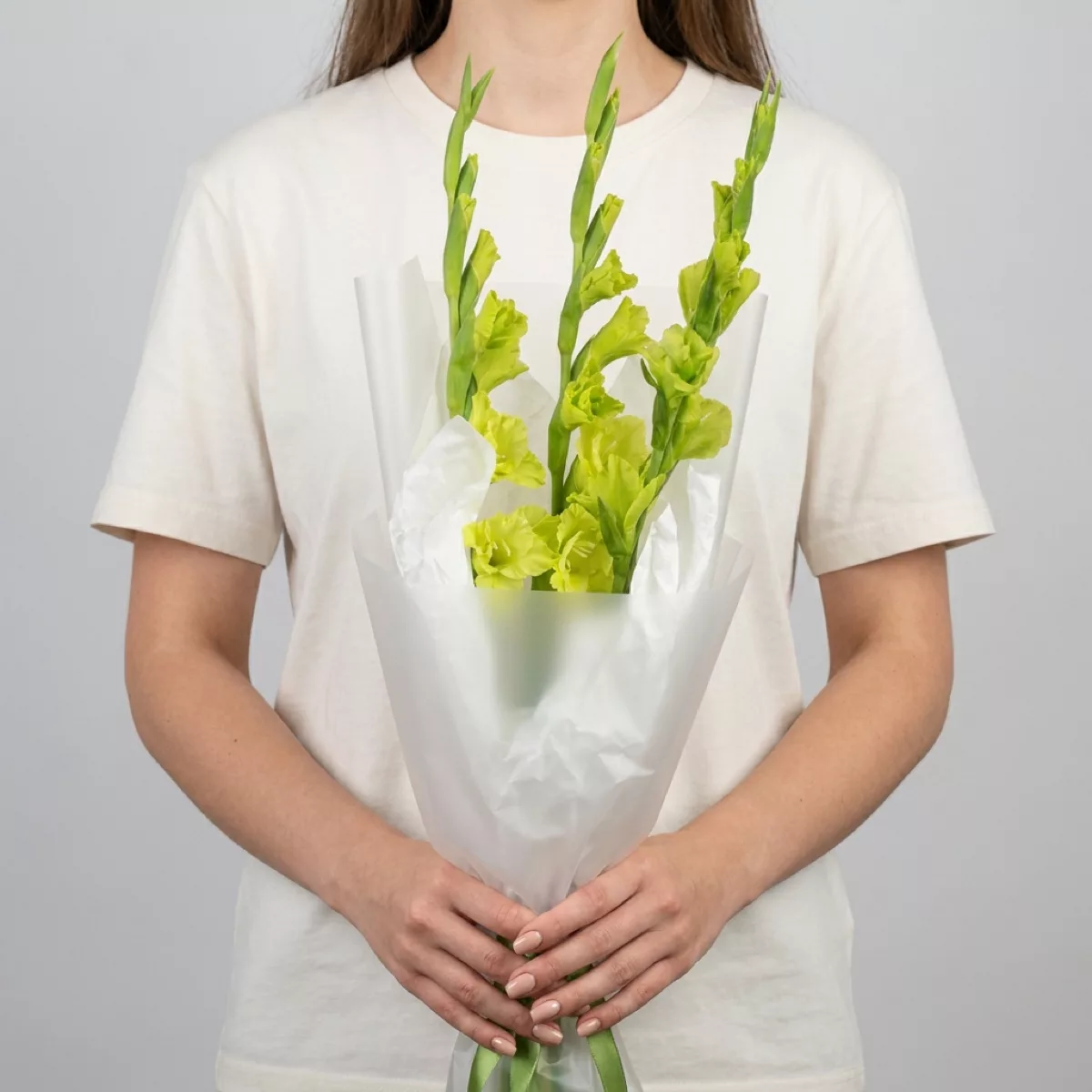
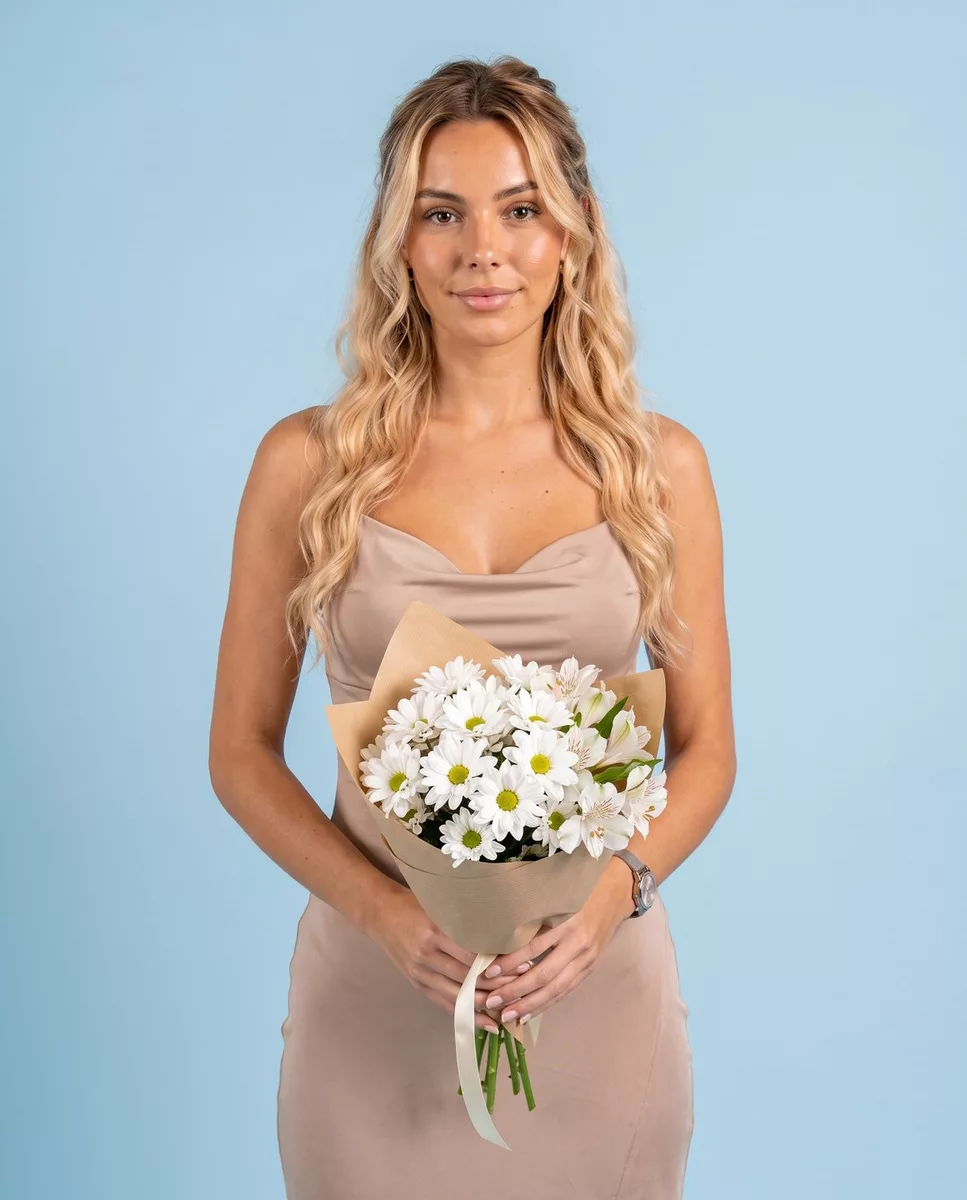
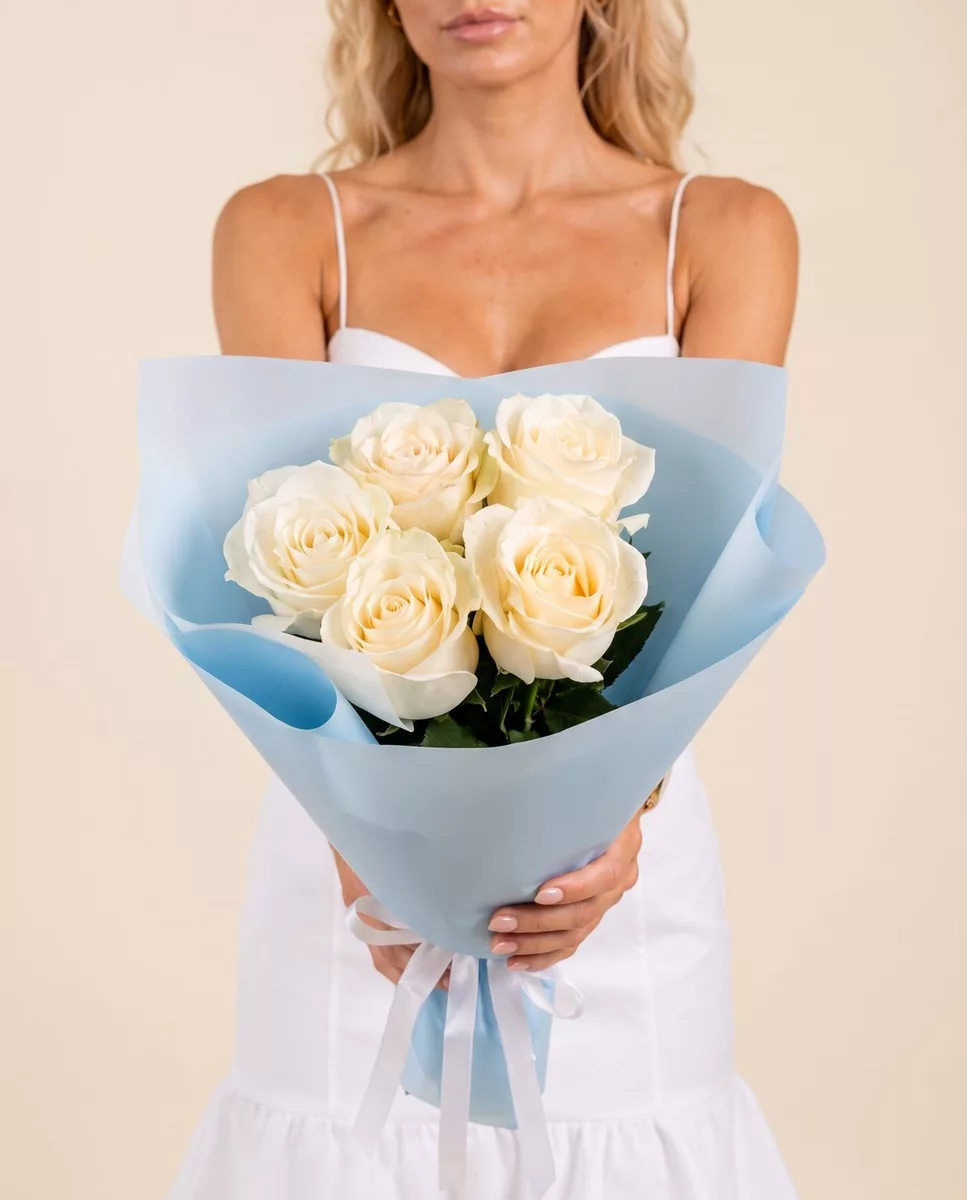
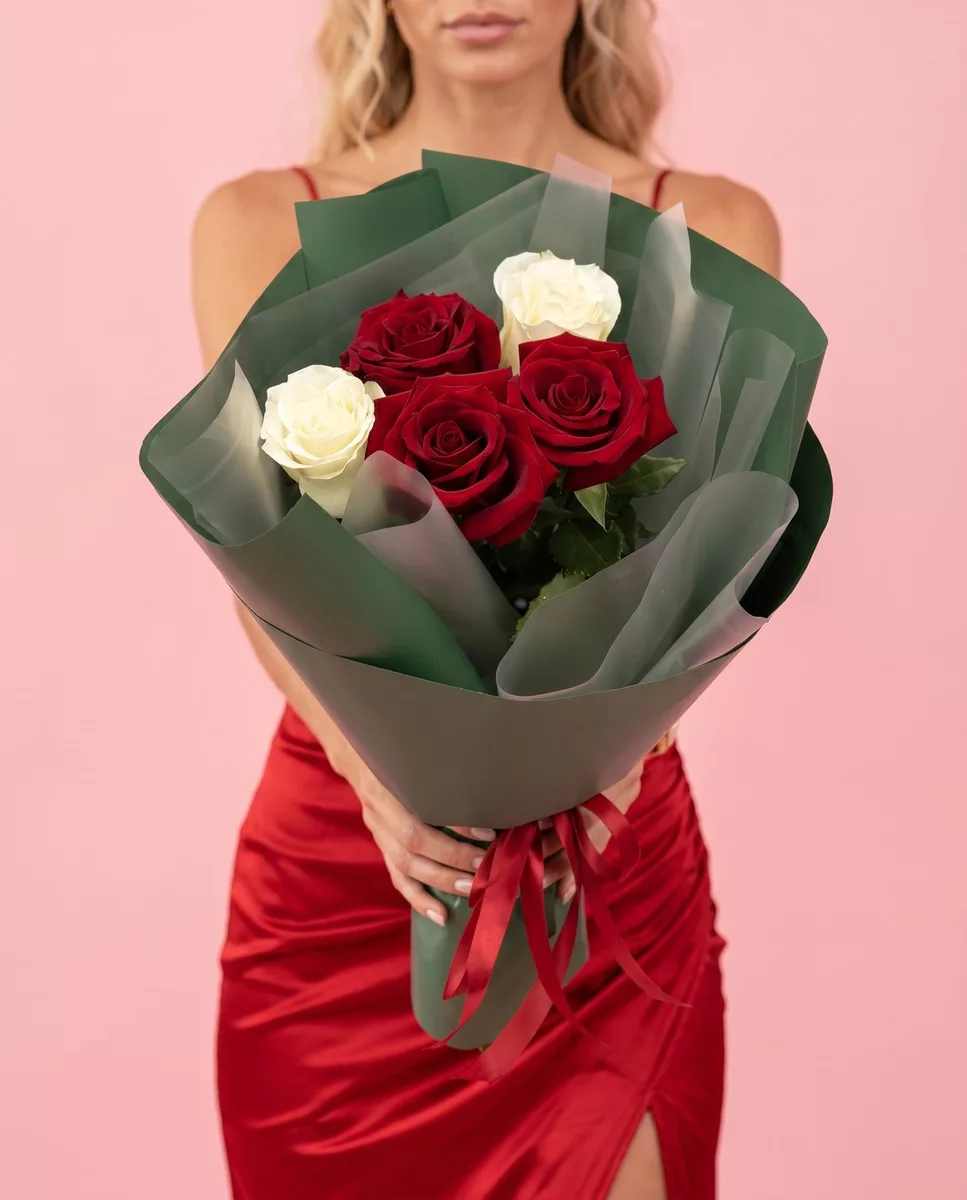
Bouquets we can deliver
Reading the Occasion Before You Choose Any Flower
The single most useful thing you can do before browsing any arrangement is to picture the recipient in the moment they open the door. Are they celebrating something publicly, like a work promotion or a university graduation? Do they live alone and rarely receive visitors? Are they recovering from an illness and need cheering up rather than impressing? The answers shape everything from flower choice to bouquet size to the colour palette.
For a birthday, warmth and energy work well — think sunflowers, bright gerberas, or a mixed seasonal bouquet with contrasting textures. For a romantic occasion, roses remain the clearest signal, and a monochrome arrangement of one variety in a single colour reads as more intentional and sophisticated than a mixed bunch. For a housewarming or a thank-you, something that will last well in a vase and look good in a living room is more considerate than a dramatic statement piece that wilts in four days.
Russian recipients generally appreciate volume. A bouquet that looks generous — full stems, visible greenery, wrapped with care — signals that the sender made a real effort. This does not mean the most expensive option; it means the arrangement should not look sparse. A compact bouquet of fifteen full-headed roses wrapped in kraft paper and tied with ribbon reads as far more thoughtful than a loose handful of mixed stems in cellophane. When you describe the occasion in your order notes, a good florist will use that context to make these decisions well.
Timing Your Order Across Time Zones
This is where most international senders make their first mistake. Pokrov operates on Moscow Time, which is UTC plus three hours with no daylight saving adjustment. If you are in Western Europe, you are two or three hours behind. If you are in the United States on the East Coast, you are eight hours behind. If you are in the Gulf region, you are one hour ahead. Write down the local Pokrov time you want delivery to happen, then work backwards to when you need to place the order.
For a morning delivery — say, flowers waiting when your recipient wakes up or arrives at work — you may need to order the evening before from your time zone. For an afternoon or evening delivery, a same-day order placed before noon Moscow Time is usually achievable. The one-to-two-hour delivery window is measured from when the order is confirmed and the bouquet is assembled, not from when you first visit the website.
Special dates require even more lead time. The week before March 8th, which is International Women's Day and the single busiest flower day in Russia, sees demand multiply dramatically. The same applies to February 14th and the period around New Year. If your recipient's birthday falls near any of these dates, order at least two to three days ahead and specify the exact delivery slot you want. A precise delivery time — mid-morning on a Tuesday, for example — is always more reliable than a vague request for sometime during the day.
Choosing Flowers by Season in a Continental Climate
Russia's seasons are pronounced, and the flowers that look their best change significantly across the year. Working with the season rather than against it means your bouquet arrives fresher, lasts longer, and costs less to assemble beautifully.
In winter, from December through February, peonies and garden roses are not locally available and must travel far, which affects their vase life. This is the season for Dutch roses, chrysanthemums, alstroemeria, and orchid stems — all of which travel and hold extremely well in cold conditions. A white and green arrangement of roses, eucalyptus, and waxflower is elegant and practical in January. Tulips also appear in Russian shops from January onwards and are enormously popular.
Spring, from March through May, brings the most emotional flower choices. Tulips peak in March, and a single-variety bouquet of fifty tulips in one colour is a classic Russian Women's Day gift. Ranunculus and hyacinths appear briefly and are worth requesting if the timing is right. By May, peonies begin their short season — if your recipient loves peonies, late May and June are the only weeks to send them at their best.
Summer offers garden roses, lisianthus, and snapdragons alongside sunflowers, which are grown locally and arrive very fresh. Autumn, from September through November, is the season for dahlias, asters, and spray chrysanthemums — rich, warm colours that suit the falling leaves outside. Knowing the season lets you write a more specific request and trust the result.
What to Write on the Card — and What to Avoid
The card is the part of the delivery that the recipient will read alone, possibly more than once. It deserves more thought than most senders give it. A card that says only Happy Birthday feels like a placeholder. A card that says something specific — a shared memory, a reason you are thinking of them today, a line that only the two of you would understand — turns a beautiful bouquet into something genuinely moving.
In Russian culture, it is common and warm to address someone by their first name and patronymic in a formal or respectful message, for example Irina Alexandrovna rather than just Irina. If you know the patronymic, using it on the card is a small gesture that Russian recipients notice and appreciate. If you do not know it, a warm first-name message is completely fine and reads as affectionate rather than careless.
When writing in English to a Russian recipient, keep sentences short and clear. Flowery English idioms do not always translate well even for recipients who speak some English. If you want to write in Russian but are not confident in the language, it is better to write a sincere short message in English than a long one in imperfect Russian. You can also write your message in English and ask for it to be transliterated or translated — include that request clearly in the order notes.
Avoid superlatives that feel generic: most beautiful, greatest, forever. Specific and true always lands better than grand and vague.
How to Give Care Instructions to Someone Who Did Not Expect a Delivery
If the bouquet is a surprise, your recipient may not know what to do with it the moment it arrives. A short note inside the packaging with basic care steps makes a real difference to how long the flowers last, and it shows you thought about the whole experience rather than just the purchase.
The first thing any recipient should do is cut the stems. A diagonal cut of about two centimetres, made with a sharp knife rather than scissors, opens the stem's vascular tissue properly and lets it drink. Scissors can crush the stem end. The cut should happen immediately before the stems go into water, not five minutes earlier on the kitchen counter.
Water temperature matters. Lukewarm water, not cold and not hot, is right for most cut flowers. The exception is tulips, which prefer cool water and will last longer if the vase is kept in a cool room. Roses and gerberas do well in room-temperature water with a small amount of the flower food sachet that usually comes with a professional bouquet.
The vase should be clean. Bacteria in a dirty vase will shorten vase life by several days. A quick wash with dish soap and a rinse is enough. Place the arrangement away from direct sunlight, radiators, and fruit bowls — ripening fruit releases ethylene gas, which accelerates wilting in nearby flowers. With these simple steps, roses and chrysanthemums will last seven to ten days, tulips five to seven, and gerberas around a week in good conditions.
Confirming Delivery When You Cannot Be There
One of the real anxieties of sending flowers internationally is not knowing whether they arrived, whether the recipient was home, and whether the bouquet looked as good in person as it did on the screen. Setting up the delivery details carefully before you confirm the order removes most of this uncertainty.
Always provide a working Russian mobile number for the recipient. Russian delivery drivers will call ahead, typically ten to fifteen minutes before arrival, to confirm the address and check that someone is home. Without a valid contact number, the driver cannot complete this step and the delivery may be delayed or rescheduled. If your recipient does not have a Russian mobile number — for example, they are visiting from abroad themselves — provide an alternative contact method and note it clearly.
If the recipient will not be home at the delivery time, there are two good options. The first is to arrange delivery to a workplace, which is very common in Russia and often preferred because the recipient gets to enjoy the moment in front of colleagues. The second is to coordinate with the recipient's household — a family member, a housemate — without spoiling the surprise entirely. You can tell them a delivery is coming without saying what it is.
After delivery, you will typically receive a confirmation. If you want a photograph of the bouquet at the door, note that request when ordering. Seeing the finished arrangement and knowing it arrived safely closes the loop on an experience that began with you, far away, wanting someone to feel loved.
Sending flowers to Pokrov from another country is not complicated once you know the moving parts: the time zone arithmetic, the seasonal varieties, the care instructions, and the small cultural details that make a Russian recipient feel genuinely seen. The distance between you and the person you are thinking of is real, but a fresh, well-chosen bouquet on their doorstep within hours of your order is also real. That is the part worth focusing on.
Frequently asked questions
Can I order flowers for Pokrov if I do not speak Russian?
Yes, completely. You can place your order in English, write your card message in English, and communicate with us in English throughout. The only thing to prepare in advance is a valid Russian mobile number for the recipient, so our driver can call ahead before arrival. Everything else can be handled in your language.
What happens if the recipient is not home when the flowers arrive?
Our driver will call the recipient's mobile number before arriving. If there is no answer and no one is home, we will contact you to arrange a new delivery slot. This is why providing an accurate and active Russian mobile number for the recipient is the single most important detail in your order.
Which flowers last longest if I am sending to Pokrov in winter?
In cold months, chrysanthemums, alstroemeria, and Dutch roses are the most reliable choices for vase life. They handle cold entrance halls and temperature changes better than more delicate varieties. Orchid stems also last exceptionally well. Avoid sending tropical varieties like bird of paradise in deep winter as they are sensitive to cold shock.
Is it appropriate to send flowers to a man in Russia?
Yes, though the choice of flowers matters. Practical, structured arrangements work better than soft romantic bouquets. Single-variety compositions, plants in pots, or arrangements built around strong shapes and greens are all well received. Roses and tulips are given to men in Russia without any awkwardness, particularly for birthdays or professional milestones.
How far ahead should I order for March 8th delivery to Pokrov?
For International Women's Day on March 8th, we strongly recommend ordering at least three days in advance and specifying your preferred delivery window precisely. This is the highest-demand period in the Russian flower calendar. Orders placed on March 7th or 8th without a reserved slot may face delays. Early ordering also gives you access to the full range of seasonal varieties.
Ready to send flowers?
Pick the city, choose the bouquet, and a local florist takes it from there.
Choose a city →