Sending Flowers to Polysaevo from Abroad? Read This First
You are somewhere outside Russia — maybe in Berlin, Dubai, or Toronto — and someone you love is in Polysaevo, a quiet city in the Kemerovo region of Siberia. You want to send them flowers, something real and fresh that arrives at their door rather than a digital greeting. The distance feels enormous, but the gesture does not have to be complicated. What you do need is the right information: how Russian flower delivery works, what grows well in Siberian temperatures, which occasions call for which blooms, and how to make sure your order actually reaches the right address. This guide walks you through all of it, from the first click to the moment your recipient opens the door.
Understanding Polysaevo Before You Order
Polysaevo sits in the Kemerovo region of western Siberia, part of the Kuznetsk Basin — a coal-mining area with a close-knit community feel. It is not a major city, but it is a real place with real streets, apartment blocks, and people who appreciate a thoughtful delivery just as much as anyone in Moscow or Saint Petersburg. Knowing this matters because it shapes your expectations.
Delivery to Polysaevo is possible, but you should plan with a slightly wider time window than you would for a capital city. Turboflora operates from Saint Petersburg and coordinates delivery across Russia, including Siberian cities. Express same-day delivery may depend on the time of your order relative to Moscow time, so placing your order at least 24 hours ahead is always the smarter move.
The city experiences a genuine continental Siberian climate. Winters are long and cold, with temperatures regularly dropping below minus 20 degrees Celsius from November through February. This is not a detail to ignore when sending flowers. Roses and tropical stems like anthuriums can suffer in extreme cold if they spend even a few minutes in unprotected outdoor conditions during transit. Always note any special packaging requests when ordering in winter months.
Polysaevo's residents tend to be warm and unpretentious. A bouquet does not need to be extravagant to be meaningful — a well-composed arrangement of seasonal blooms in honest colors will be received with genuine appreciation. Think about the person first, the occasion second, and let those two things guide your choices rather than trying to impress with sheer size.
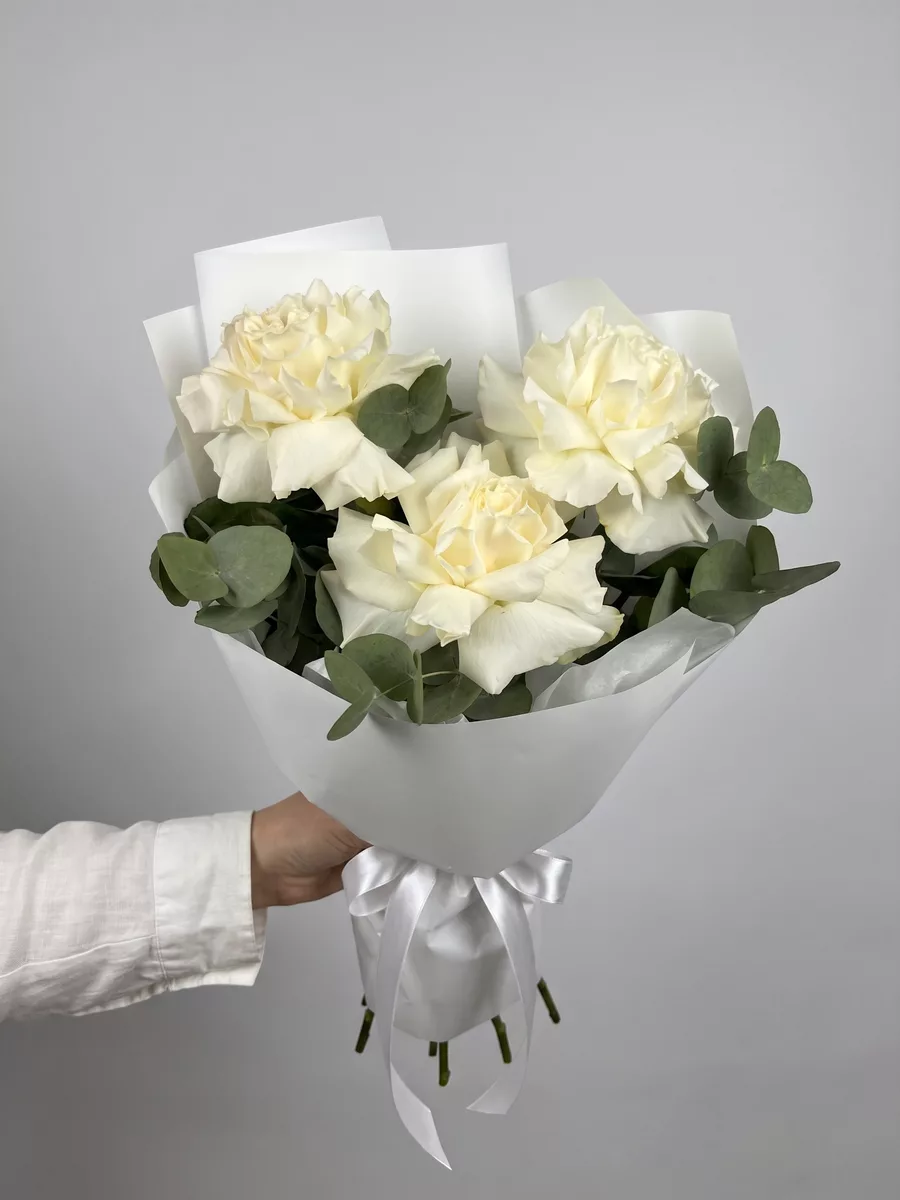
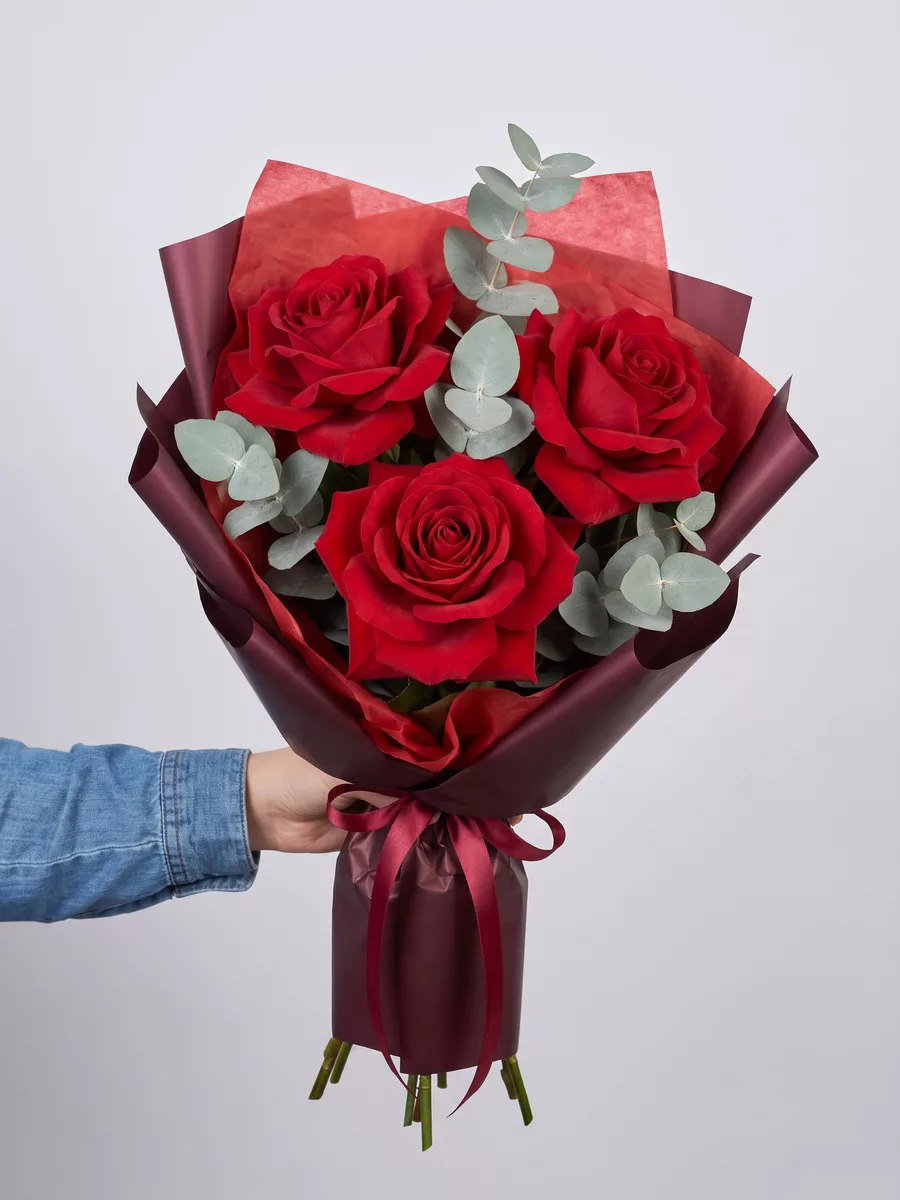
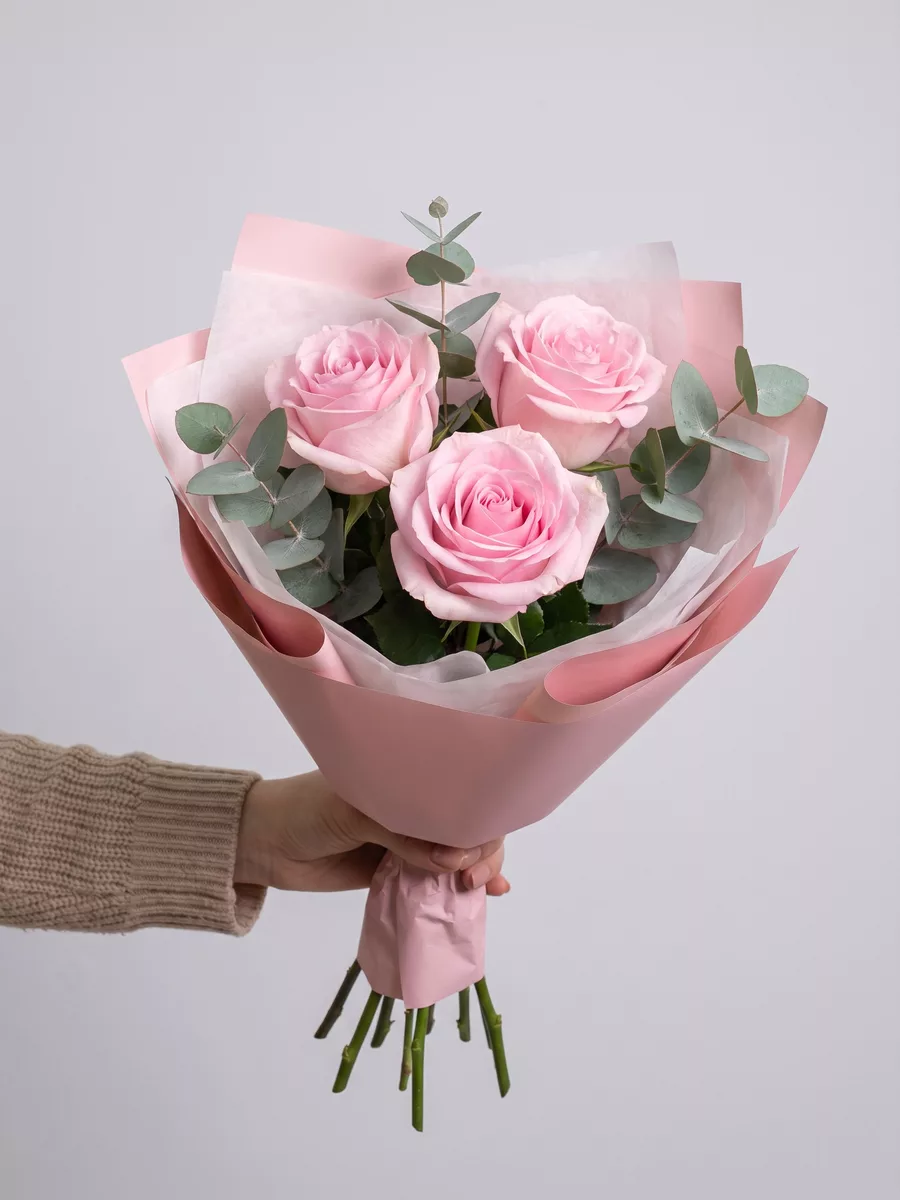
Bouquets we can deliver

Choosing the Right Moment: Occasions That Matter in Russia
Russian gifting culture has its own rhythm, and if you are sending from abroad you may not be familiar with all of it. The most celebrated occasions for flowers in Russia go well beyond birthdays and anniversaries. International Women's Day on March 8th is arguably the biggest flower-giving day of the year — virtually every woman in Russia expects flowers that day, from mothers and grandmothers to colleagues and neighbors. If your recipient is a woman and March 8th is approaching, order early, ideally three to four days in advance.
New Year is another peak moment. Russians celebrate on the night of December 31st, and a bouquet arriving on that day or the morning of January 1st carries real emotional weight. February 23rd, Defender of the Fatherland Day, is a day to honor men — flowers are less traditional here, but a small bouquet for a father or grandfather is always welcomed warmly.
Birthdays remain the most personal occasion, and Russians typically appreciate an odd number of flowers in a bouquet. This is a genuine cultural custom, not a superstition to dismiss. Even numbers of stems are traditionally associated with mourning, so when you specify your bouquet, ask for five, seven, nine, or eleven stems rather than six or ten. A florist who knows their craft will follow this automatically, but it is worth confirming when ordering from outside the country.
Graduations, new babies, housewarming gifts, and name-day celebrations are all valid reasons to send flowers. If you are unsure about the occasion, a classic mixed bouquet with roses, alstroemeria, and greenery works for almost any positive event.
What Flowers Survive the Siberian Journey
Not every variety handles long transit and extreme temperatures equally well, and Polysaevo's climate makes this a practical question rather than an aesthetic one. The good news is that the most beloved flowers in Russia are also among the most resilient.
Roses are the backbone of Russian gifting culture, and modern spray roses and garden roses are bred for vase longevity. A well-conditioned rose can last seven to ten days in a cool room. For winter deliveries to Siberia, roses travel better than many exotic alternatives because they tolerate brief cold exposure without immediately wilting, especially when wrapped in insulating kraft paper.
Chrysanthemums are genuinely underrated for Polysaevo deliveries. They are extremely hardy, last up to two weeks in a vase, and come in a wide range of colors from cream and pale yellow to deep burgundy. A mono-bouquet of white or blush chrysanthemums looks elegant and modern, not old-fashioned.
Alstroemeria is another excellent choice — small, cheerful, long-lasting, and available year-round. Mixed with eucalyptus or ruscus, it creates a textured, generous-looking bouquet without requiring the most delicate handling.
In warmer months, from May through September, the options expand considerably. Peonies are wildly popular in Russia during June and July. Lisianthus, which resembles a ruffled rose but lasts longer, is a wonderful summer choice. Eustoma varieties in lilac, white, and pale pink are especially well-received by recipients who appreciate something a little less expected.
Avoid tropical stems like bird of paradise or heliconia for winter orders to Siberia. They are stunning in warm climates but genuinely vulnerable to cold shock during the last stretch of outdoor delivery.
Budgeting When You Are Paying in a Foreign Currency
Ordering flowers across international borders introduces a practical layer that has nothing to do with floristry: currency conversion, payment methods, and understanding what your money actually buys. When you look at bouquet prices in rubles, the numbers can seem either very large or surprisingly small depending on your home currency, so it helps to think in terms of what you are getting rather than raw figures.
At the more modest end of the budget, you can expect a neat, single-variety bouquet — perhaps seven alstroemeria stems with greenery, or a small bunch of spray roses. It is a genuine, fresh gift, not an afterthought, and for many occasions it is entirely appropriate.
A mid-range budget opens up mixed compositions: roses combined with lisianthus and eucalyptus, or a generous mono-bouquet of garden roses in a single saturated color. This is the sweet spot for birthdays, anniversaries, and Women's Day gifts.
At the higher end, you are looking at large-format arrangements, premium rose varieties like David Austin-style garden roses, or elaborate compositions with multiple textures and focal flowers. These make a real visual statement when the door opens.
When paying from abroad, check whether your card issuer charges foreign transaction fees. Some senders prefer to use PayPal or international payment systems to avoid surprise charges. Always confirm the total before finalizing the order, and keep in mind that delivery fees may be calculated separately based on the destination district within Polysaevo.
If you are ordering for a major holiday like March 8th or New Year, prices naturally rise with demand. Ordering a week in advance not only secures better availability but often locks in standard pricing before the seasonal surge.
How to Write a Card Message That Lands Well
The card is often the part that international senders underestimate, and it is the part your recipient will read more than once. A few practical points make the difference between a message that feels personal and one that feels like a form letter.
First, decide on the language. If your recipient reads English comfortably, a card in English is perfectly fine and can feel warm and intimate. If they are more comfortable in Russian, consider writing your message in Russian or asking the florist to translate a short phrase for you. Turboflora can include a handwritten card with your text — just submit it clearly when placing the order.
Keep the message specific rather than generic. Instead of writing simply happy birthday, mention something concrete: the number of years you have known each other, a shared memory, or why you wanted to mark this particular day from so far away. Distance is actually an asset here — it explains and amplifies the gesture.
For Russian recipients, a warm, slightly formal opening is appreciated. Russians often address loved ones with affectionate diminutives of their names, so if you know your recipient's nickname — Natasha instead of Natalya, for instance — use it. It signals that you know them, not just their address.
Avoid humor that relies heavily on cultural references from your home country; it may simply not translate. Warmth, sincerity, and a specific detail about the person or the occasion are always the right ingredients. A three-sentence card that says something real is better than a paragraph of pleasant but vague good wishes.
If the flowers are a surprise, make sure the card does not reveal the sender's name in the delivery instructions — keep that detail only in the card itself.
Giving Your Recipient the Best Vase Life
A beautiful bouquet that wilts in two days is a missed opportunity, and as the sender you can do something about it — not by being there, but by including care instructions with the order or messaging your recipient directly after delivery.
The single most important step is recutting the stems as soon as the bouquet arrives. Even if the flowers were freshly cut that morning, the stems seal over during transit. A diagonal cut of about two centimeters, made with a sharp knife rather than scissors, opens up the vascular tissue and allows the flower to drink immediately. This one step can add two to three days of vase life.
Water temperature matters. Lukewarm water — not cold, not hot — is absorbed more quickly by most cut flowers. Roses and chrysanthemums both respond well to this. Change the water every two days and rinse the vase each time to prevent bacterial buildup, which is the main reason flowers fade early.
Polysaevo apartments tend to be well-heated in winter, which is comfortable for people but drying for flowers. Your recipient should keep the bouquet away from radiators and direct heat sources. A cooler room, or even a hallway overnight, extends freshness noticeably.
For roses specifically, removing the lower leaves that would sit below the waterline prevents rot. Alstroemeria and chrysanthemums are more forgiving but benefit from the same basic care. If the bouquet includes a packet of flower food, it should be dissolved in the water from day one — it is not optional packaging.
A quick message to your recipient explaining these steps is a kind addition to the gift. It shows you thought about their experience beyond the moment of opening the door.
Placing Your Order from Outside Russia: Practical Steps
The mechanics of ordering internationally are simpler than many people expect, but a few details deserve careful attention to make sure everything goes smoothly.
Start with the delivery address. Russian addresses follow a specific format: street name, building number, apartment number, city, region, and postal code. If you are not sure of the full address, confirm it with your recipient or a family member before placing the order. A missing apartment number in a large residential block can delay delivery significantly, and in a city like Polysaevo where buildings may share similar street numbers, precision matters.
Specify the delivery time window when you order. If your recipient has a regular work schedule, a midday delivery may mean no one is home. Ask about their availability, or request an evening delivery slot. Many senders choose to keep the delivery a surprise while still confirming the recipient will be home — a vague message saying you should be home Tuesday evening is enough without giving the game away.
Double-check the phone number you provide. Turboflora's delivery team may call the recipient to confirm the address or coordinate the handover. An incorrect or outdated phone number is one of the most common reasons a delivery is delayed. If your recipient has recently changed their number, make sure you have the current one.
When writing special instructions, be clear and brief. If the bouquet is for a surprise, say so. If there are access codes for the building entrance, include them. If the recipient prefers to receive deliveries at a specific door or entrance, note it.
Finally, place your order during Moscow business hours when possible. This gives the team the maximum window to process, prepare, and dispatch your order to Polysaevo with the care it deserves.
Sending flowers to Polysaevo from another country is a genuinely moving thing to do. The distance between you and your recipient is real, and a fresh bouquet arriving at their door makes that distance feel bridgeable in a way that a message on a screen simply cannot. With the right variety for the season, a delivery time that suits your recipient's schedule, a card that says something true, and a few words about keeping the flowers fresh, you have given them something they will remember. Turboflora handles the rest — from Saint Petersburg all the way to their door in Siberia.
Frequently asked questions
Does Polysaevo's Siberian cold affect which flowers I should choose for delivery?
Yes, it does. In winter months, delicate tropical stems like anthuriums or open garden roses are more vulnerable during the final outdoor leg of delivery. Chrysanthemums, alstroemerias, and tightly budded roses handle cold transit better. If you are ordering between November and February, ask Turboflora to pack with insulating wrap and choose stems that travel well in low temperatures.
How does Polysaevo's location in the Kemerovo region affect delivery timing from abroad?
Polysaevo is not a major logistics hub, so build in more time than you would for Moscow or Saint Petersburg. Ordering at least 24 hours ahead of your intended delivery date is sensible. Factor in the time difference between your country and Moscow time when placing the order, since that is the reference point Turboflora uses to coordinate same-day or next-day dispatch.
What flower combinations feel right for someone from a close-knit Siberian city like Polysaevo?
Unpretentious and warm tends to land better than showy or overly formal. Mixed seasonal bouquets with sunflowers, alstroemerias, or field-style arrangements in honest colors suit the local character well. A composition that looks considered rather than corporate will feel more personal and genuine to someone who lives in a community where sincerity matters more than spectacle.
Is there a budget range where flowers for Polysaevo delivery feel generous without being excessive?
A mid-range bouquet sits comfortably as a meaningful gesture for most occasions in Polysaevo. You do not need an elaborate arrangement to make an impression. A well-composed bouquet of seven or nine stems with good foliage and honest presentation reads as thoughtful and warm. Reserve larger premium arrangements for significant milestones like anniversaries or landmark birthdays rather than everyday celebrations.
How should I tell my recipient in Polysaevo to care for the flowers once they arrive in winter?
Ask them to unwrap the bouquet indoors immediately and not leave it near a cold draught from windows or doors. Trim the stems at an angle, place in cool but not cold water, and keep away from radiators, which dry out petals quickly. In a Siberian apartment with strong central heating, flowers dehydrate faster than expected, so refreshing the water daily extends vase life noticeably.
Ready to send flowers?
Pick the city, choose the bouquet, and a local florist takes it from there.
Choose a city →