How to Order Flowers to Primorsko-Akhtarsk from Another Country
You are somewhere far from Russia — another country, another time zone — and someone you love is in Primorsko-Akhtarsk, a quiet coastal town on the Azov Sea. You want them to open the door and find something beautiful waiting. That gap between intention and delivery is exactly what this article closes.
Why Primorsko-Akhtarsk Is Worth Thinking About Carefully
Primorsko-Akhtarsk sits on the Krasnodar coast, a town of roughly 30,000 people that most flower logistics skip entirely. It is not Krasnodar city, and it is not a resort hub like Sochi. That matters to you as a sender because a florist without real reach into the region will simply decline the order or send something that has been in transit for two days.
Turboflora delivers across Russia, including towns like this one, with a target window of one to two hours from order confirmation. That speed is not a marketing phrase — it is the practical result of a cold-chain approach that keeps roses at four to six degrees Celsius until the moment of handoff.
For the recipient, the difference between a flower that arrives fresh and one that arrives wilted is the difference between feeling remembered and feeling like an afterthought. Primorsko-Akhtarsk has a warm, humid climate for much of the year, which means heat-sensitive varieties like garden roses and sweet peas need careful handling. Knowing this before you order helps you choose a bouquet that will actually look the way you imagined it.
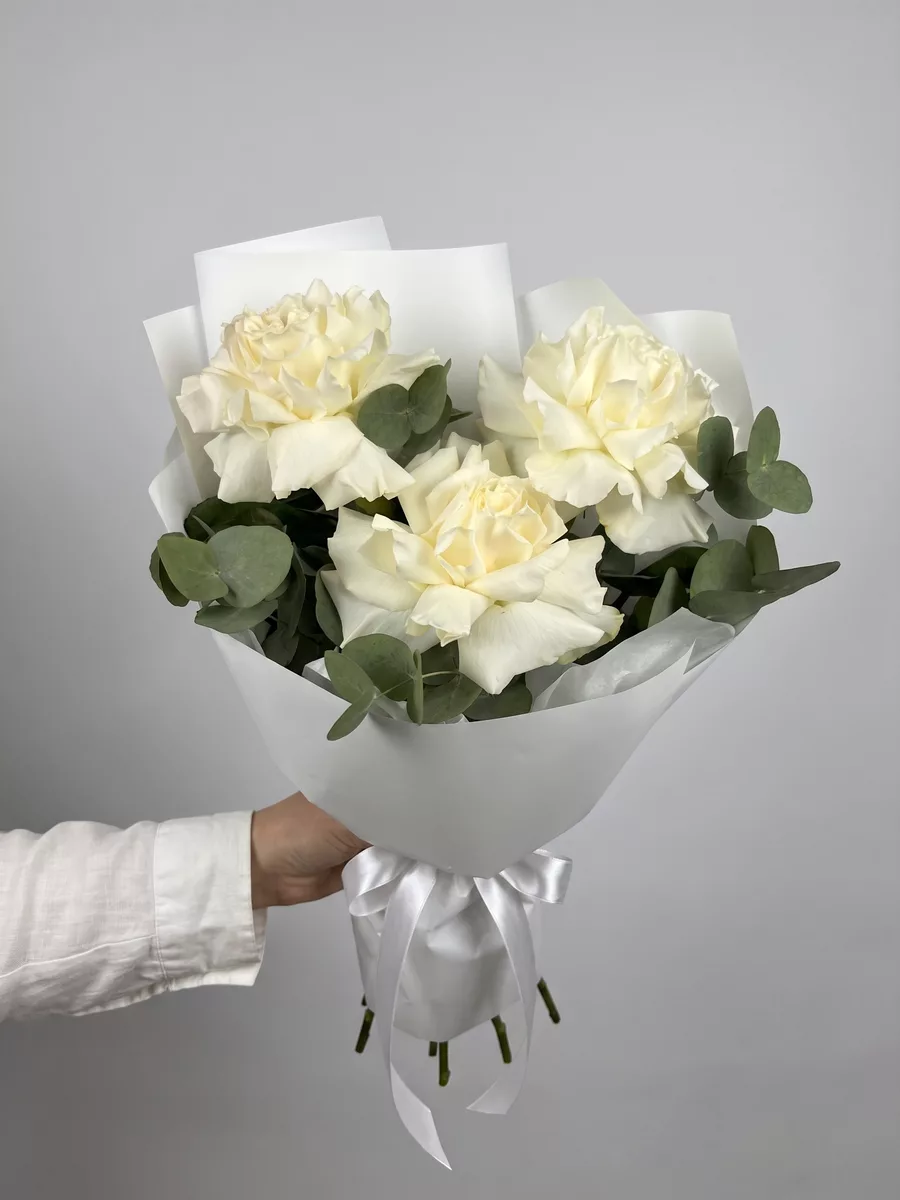
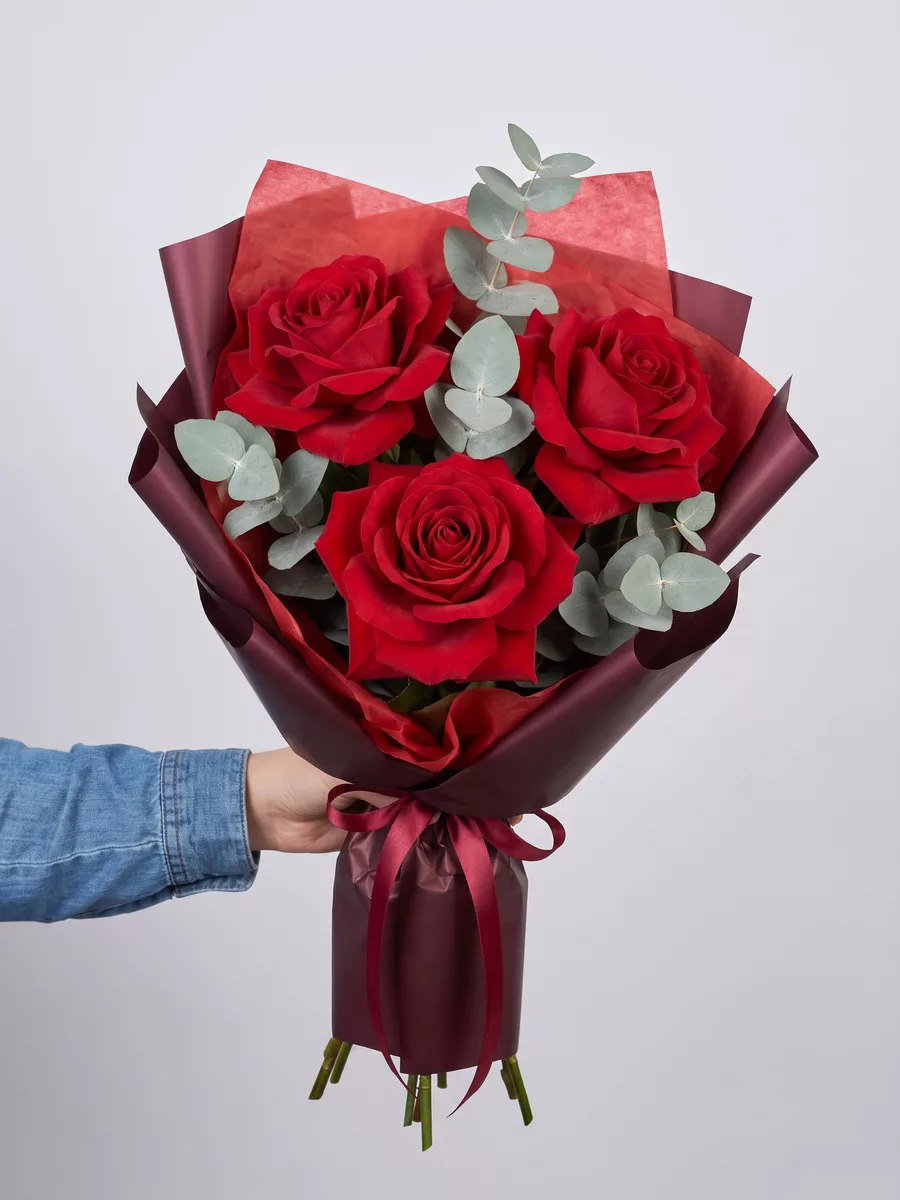
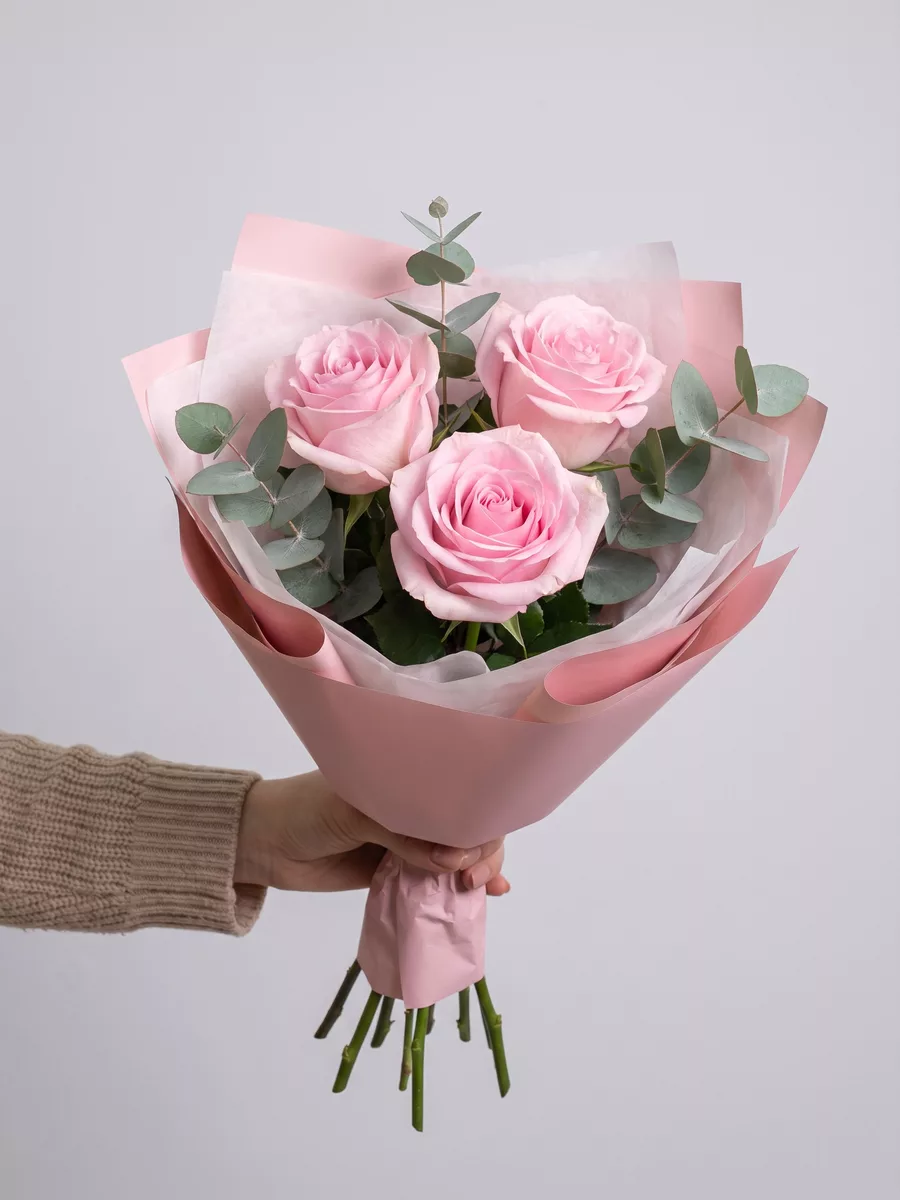
Bouquets we can deliver

Understanding Russian Flower Gifting Customs Before You Order
If you have not sent flowers inside Russia before, a few customs are worth knowing so your gift lands exactly right. The most important rule is odd numbers. Bouquets in Russia are always given in odd numbers of stems — three, five, seven, eleven, fifteen. Even numbers are reserved for mourning, so a bouquet of ten roses would carry entirely the wrong meaning. When you place your order, confirm that the arrangement follows this convention.
Wrapping matters as much as the flowers themselves. Russian recipients expect a bouquet that is fully dressed — kraft paper, organza, or a ribbon-tied composition that looks considered and complete. A bare bunch of stems handed over without presentation reads as careless, even if the flowers themselves are expensive.
Color carries meaning too, though less rigidly than the odd-number rule. Red roses signal romantic love clearly and universally. Soft pinks, whites, and peaches work for mothers, colleagues, and friends without any ambiguity. Yellow flowers were once considered unlucky in Soviet tradition, but that association has faded significantly among younger generations. If you are unsure, a mixed bouquet built around blush tones and greenery is always a safe and generous choice.
Finally, Russians often greet the delivery person at the door and receive the flowers with both hands. The gesture is instinctive and warm. Knowing this helps you write a card message that fits the moment — personal, unhurried, and genuinely felt.
Choosing the Right Flowers for the Season and the Climate
Primorsko-Akhtarsk sits in a temperate steppe zone that gets genuinely hot in July and August, with temperatures regularly reaching 32 to 35 degrees Celsius. In winter, the town is mild by Russian standards but can drop below zero, especially with the damp wind off the Azov. Both extremes affect which flowers travel well and which do not.
In summer, your safest choices are heat-tolerant varieties. Spray chrysanthemums hold up beautifully in warmth and last ten to fourteen days in a vase with proper care. Alstroemeria is another reliable summer flower — its stems are sturdy, its colors are vivid, and it does not wilt in transit the way thin-petaled flowers do. Lisianthus, which resembles a ruffled rose, is elegant and surprisingly resilient in heat.
Avoid delicate summer choices like lily of the valley, sweet peas, or ranunculus in July and August unless you know delivery will happen early in the morning before the day heats up. These flowers are stunning but fragile.
In cooler months from October through March, the range opens up considerably. Dutch roses in deep burgundy or cream, tulips in any color, freesia with its sharp clean scent, and hyacinths all travel well in the cold and look generous and full when arranged together. A mixed bouquet of white freesia, blush roses, and eucalyptus stems is the kind of thing that stops a person mid-sentence when they open the door. That is the combination to reach for in autumn and winter.
How to Place an Order from a Foreign Country Without Confusion
Ordering from abroad introduces a few practical friction points that are easy to solve once you know they exist. The first is time zones. Primorsko-Akhtarsk operates on Moscow Time plus zero, meaning it runs on MSK. If you are in London, that is three hours ahead of you. If you are in New York, that is eight hours ahead. When you choose a delivery window, always convert to Moscow Time before confirming, and double-check that the recipient will actually be home or reachable at that hour.
The second point is the recipient's address. Russian addresses follow a specific format: street name first, then building number, then apartment number if applicable. Many buildings in smaller Russian towns also have an entrance number, called a podyezd, and a floor. If your recipient lives in a multi-unit building and you do not have the entrance number, delivery can be delayed. Ask the recipient casually in advance, or ask the florist to call ahead — Turboflora contacts recipients before arrival as standard practice.
Payment from abroad is straightforward through international card options on the website. You do not need a Russian bank account or a Russian phone number to complete an order. The confirmation and tracking updates are available in English.
Write your card message in Russian if you can, or provide a transliteration. A message in the recipient's own language always lands more warmly than one that had to be mentally translated. If you only know a few words, even a simple phrase like s lyubovyu, meaning with love, adds something real.
Bouquet Options Across Different Budgets and Occasions
The occasion shapes the composition more than any other factor. A birthday calls for something abundant and celebratory — think a full-headed arrangement with garden roses, lisianthus, and dried pampas grass accents, tied in a wide satin ribbon. The volume signals effort and affection in a way that a small tight posy does not.
For an anniversary, especially a significant one, monobouquets carry real weight in Russian gifting culture. Fifty red roses or twenty-five white peonies in season say something that a mixed arrangement cannot quite match. The singularity of one variety, repeated generously, reads as devotion rather than decoration.
If the occasion is lighter — a thank-you, a housewarming, a new job — a smaller composition of five to seven stems in a complementary palette works well without feeling excessive. Alstroemeria and waxflower together make an easy, cheerful pairing that lasts well and does not overwhelm a small apartment.
For mothers and grandmothers, which is one of the most common gifting scenarios for senders from abroad, soft colors are almost universally right. A seven-stem bouquet of blush spray roses with white gypsophila and a few stems of eucalyptus is the kind of thing older Russian women genuinely love — it is familiar, fragrant, and easy to arrange in a standard vase.
Whatever the occasion, add a handwritten card. Turboflora can include your message with the delivery. A few sincere sentences in any language mean more than the most expensive flowers delivered in silence.
Vase Life and Care Instructions Your Recipient Will Actually Use
Most people in Russia know to put flowers in water immediately, but the details beyond that are often guessed at rather than known. If you are sending flowers to someone who will want them to last, it is genuinely kind to pass along a few specific instructions with the delivery card or in a message afterward.
The single most important step is a clean cut. Stems should be trimmed at a 45-degree angle under running water, removing about two centimeters from the base. This opens the vascular tissue and lets the flower drink properly. Scissors crush the stem; a sharp knife or proper floral shears are better.
Water temperature matters more than most people expect. Lukewarm water, around 20 degrees Celsius, is absorbed faster than cold water by most cut flowers. The exception is bulb flowers like tulips and hyacinths, which prefer cool water to slow their development and extend their bloom.
Strip any leaves that fall below the waterline. Submerged foliage rots within a day and turns the water cloudy and bacterial. Changing the water every two days and re-cutting the stems each time adds three to five days of vase life to almost any bouquet.
Keep the vase away from direct sunlight, radiators, and fruit bowls. Ripening fruit emits ethylene gas, which accelerates wilting in cut flowers noticeably. A cool corner of a room, away from drafts, is the ideal spot. Roses and chrysanthemums kept this way will last ten to twelve days easily. Tulips, which move and grow after cutting, are best enjoyed for their dynamic quality over five to seven days.
What Can Go Wrong and How to Avoid It
Sending flowers internationally involves a few failure points that experienced senders learn to anticipate. The most common mistake is ordering too late in the day without accounting for the time difference. If it is 2 p.m. in Berlin, it is already 4 p.m. in Primorsko-Akhtarsk. A same-day order placed at that hour may still be possible, but the window is tight. Order before noon in your local time if the delivery is time-sensitive.
The second common mistake is an incomplete address. As mentioned earlier, Russian apartment buildings require entrance numbers and sometimes door codes. A driver who cannot access the building will wait and call, but if the recipient is not answering their phone, the delivery fails. Confirm the full address with your recipient in advance, even if you frame it casually.
A third mistake is choosing flowers without thinking about the recipient's living situation. A grand floor arrangement in a tall vase is a wonderful gift for someone with a house and a hallway. For someone in a small apartment with no vases and nowhere to put a large arrangement, a compact hand-tied bouquet in a water bubble wrap is far more practical and will be received with more genuine delight.
Finally, do not forget the card. Flowers without a message are beautiful but ambiguous. A card that names the occasion and the sender transforms a delivery into a memory. Even three sentences — why you are sending, what you wish for them, who you are — make the gift complete in a way that no additional stems can.
Sending flowers from abroad to a town like Primorsko-Akhtarsk is a small act with a large effect. The distance you are crossing, both geographic and emotional, is exactly what makes the gesture matter. When the door opens and someone sees a fresh, well-composed bouquet standing there with your name on the card, they do not think about logistics. They think about you. Turboflora handles the cold chain, the timing, and the presentation so that what reaches your recipient is exactly what you intended — something alive, considered, and genuinely beautiful.
Frequently asked questions
Can I really get flowers delivered to Primorsko-Akhtarsk the same day I order?
Yes, same-day delivery is available when you place your order early enough in the day. Because Primorsko-Akhtarsk runs on Moscow Time, senders from Western Europe or the Americas should order before noon in their local time to ensure the delivery window falls within normal hours for the recipient. Turboflora targets a one-to-two-hour delivery window from order confirmation.
What is the best flower choice for a birthday in summer in Primorsko-Akhtarsk?
In summer heat, spray chrysanthemums, alstroemeria, and lisianthus are the most reliable choices because they tolerate warmth without wilting quickly. Avoid thin-petaled flowers like ranunculus or sweet peas in July and August. A bouquet built around alstroemeria in warm tones with waxflower accents will look vibrant and last well even when temperatures are high.
Do I need to speak Russian to place an order from abroad?
No. The Turboflora website supports international orders and the checkout process works in English. You can write your card message in any language, though a few words in Russian always add a personal touch. The florist team will handle all communication with the recipient in Russian on your behalf, including the pre-delivery call to confirm arrival.
Why do Russian bouquets always have an odd number of stems?
This is a longstanding cultural convention in Russia where even numbers of flowers are associated with mourning and are brought to funerals. Odd numbers — three, five, seven, eleven — are for celebrations and living occasions. It is one of the most consistent rules in Russian flower gifting, observed across generations and regions, and Turboflora follows it automatically in every arrangement.
How do I make sure the flowers last as long as possible after delivery?
Ask your recipient to re-cut the stems at a 45-degree angle under water immediately on arrival, place them in clean lukewarm water, and strip any leaves below the waterline. Changing the water every two days and keeping the vase away from fruit, sunlight, and radiators adds several days of vase life. Most bouquets from Turboflora, handled this way, stay fresh for ten to fourteen days.
Ready to send flowers?
Pick the city, choose the bouquet, and a local florist takes it from there.
Choose a city →