Sending Flowers to Proletarsk from Abroad: What You Need to Know
You are somewhere far from Russia — another country, another time zone — and someone you care about is in Proletarsk, a quiet town in the Rostov region in southern Russia. You want to send them flowers, but the distance makes everything feel uncertain. Will the bouquet arrive fresh? Will it mean what you intend it to mean? The answer to both questions is yes, if you understand a few things about how flower delivery works across that distance and what choices will serve the moment best.
What Proletarsk Is Like and Why It Matters for Your Order
Proletarsk sits in the Rostov region of southern Russia, on the Manych River, in a landscape that is mostly steppe. The climate there is continental — hot summers that can push well above 30 degrees Celsius and cold winters that drop below freezing. That range matters directly for your flowers. In July and August, a bouquet left in a warm hallway will fade within a day unless the recipient knows to move it somewhere cool immediately. In January and February, the cold itself becomes a risk during the final stretch of delivery, which is why packaging and speed both matter.
Proletarsk is a smaller town, which means the person receiving your flowers will almost certainly notice the gesture more acutely than they might in a large city. There are fewer flower shops, fewer everyday occasions for receiving a bouquet, so what arrives at the door carries genuine weight. That is actually an advantage for you as a sender. You do not need an elaborate arrangement to make an impression. A well-chosen, fresh bouquet of roses or alstroemeria, delivered promptly, will be remembered.
When you place your order from abroad, the time zone difference is the first practical detail to sort out. Proletarsk operates on Moscow Standard Time, which is UTC plus three. If you are in Western Europe, that is two to three hours ahead of you. If you are in North America, the gap is eight to eleven hours depending on your location. Factor that into your delivery window so the flowers do not arrive at midnight or early morning when no one is home to receive them.
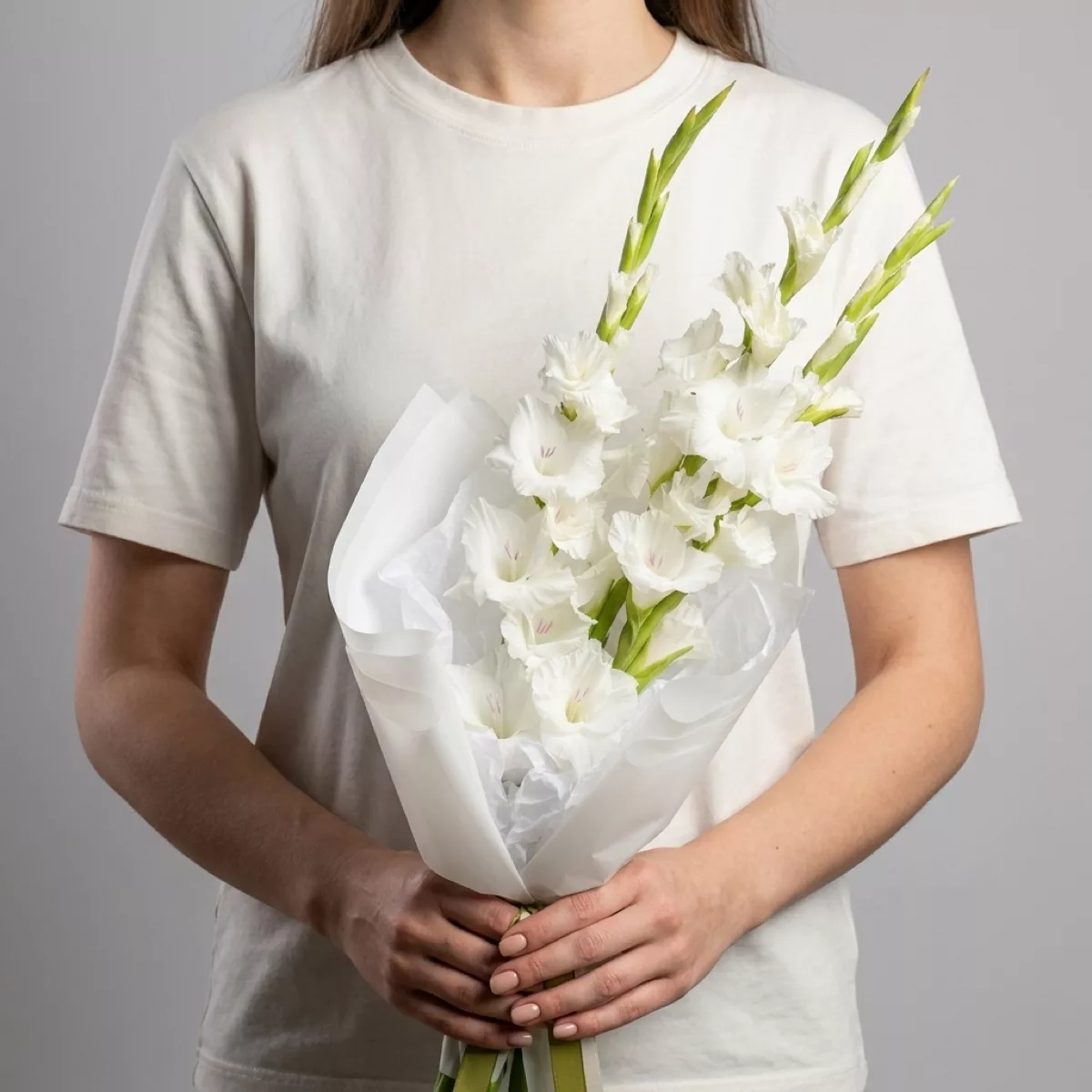
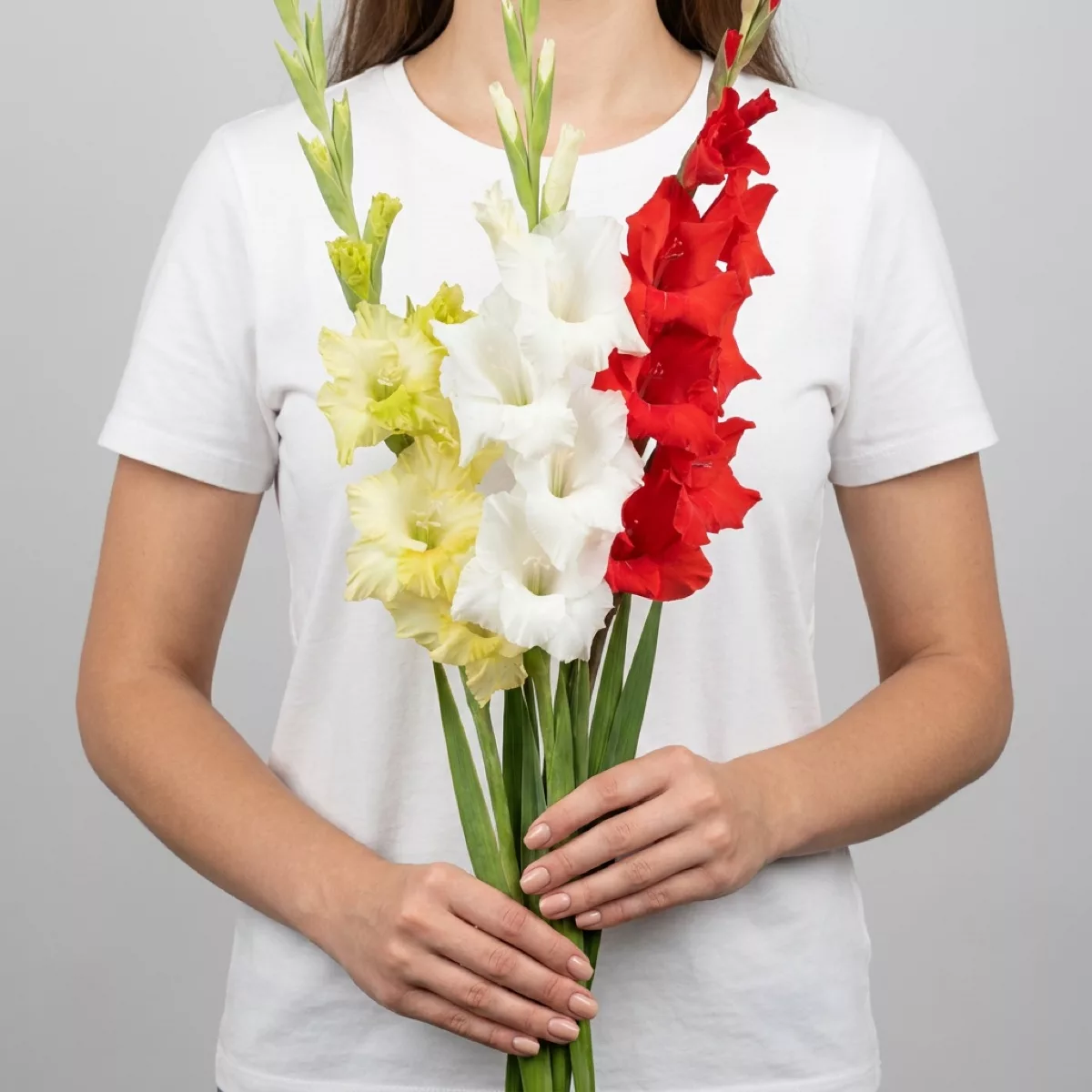
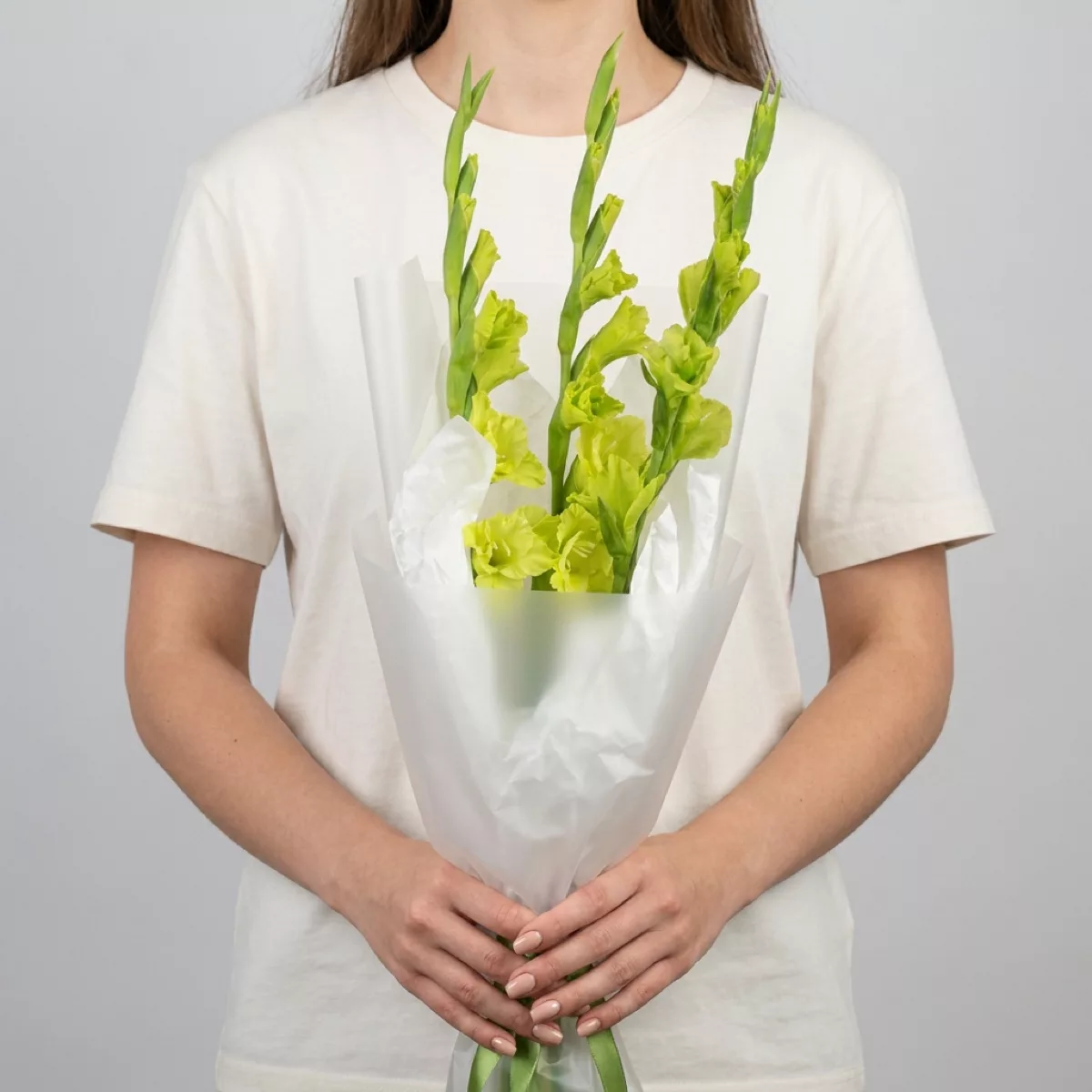
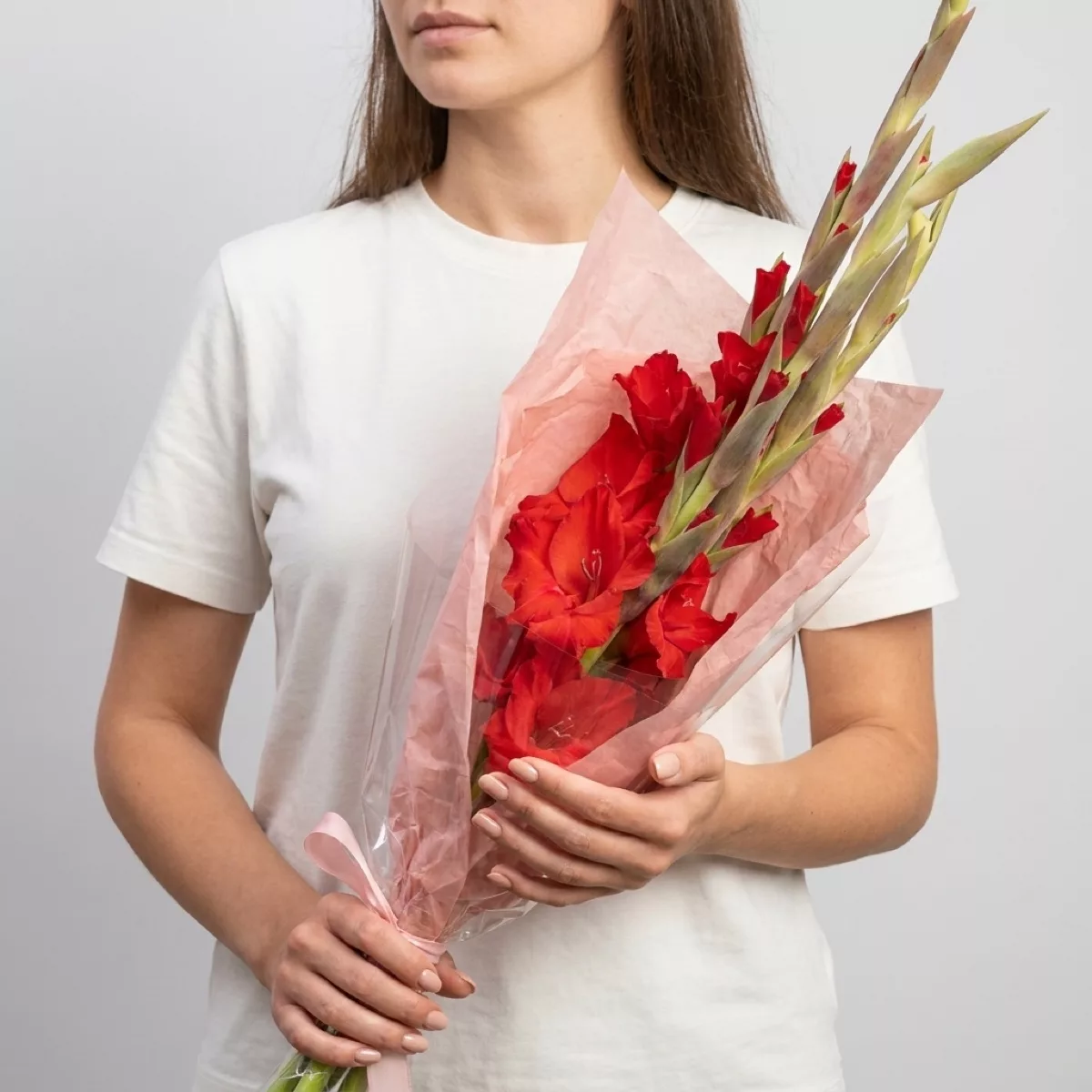
Bouquets we can deliver
Russian Flower Customs a Foreign Sender Should Understand
Russian flower-giving has a few conventions that differ from what you might expect elsewhere, and knowing them helps you choose correctly. The most important one is the odd-number rule. In Russia, even numbers of flowers are associated with mourning and are brought to cemeteries. When you send a bouquet to someone for a birthday, anniversary, or simply to say you are thinking of them, the count should be odd — five roses, seven tulips, eleven stems of spray chrysanthemum. Most florists building bouquets professionally follow this automatically, but it is worth confirming when you place your order.
Color carries meaning too, though Russians tend to be practical about it rather than rigidly symbolic. Red roses read as romantic love, full stop. If you are sending to a friend, a colleague, or a relative, a mixed bouquet or white, yellow, and pink tones will feel more appropriate. Yellow flowers, which some older European traditions associate with jealousy or parting, are perfectly acceptable in Russia and are widely given as cheerful gifts. Do not avoid them.
Wrapping and presentation matter enormously in Russian flower culture. A bare bunch handed over without any paper or ribbon reads as an afterthought. A properly dressed bouquet — craft paper, ribbon, a small card — signals that thought went into the gift. The card message is also taken seriously. Russians tend to write warmly and specifically rather than using generic phrases, so if you include a note, make it personal. Even a sentence or two in simple language, translated into Russian if possible, will be appreciated far more than a standard printed greeting.
Choosing Flowers for the Occasion, Not Just the Season
Before you think about which variety to send, think about who is receiving the bouquet and what they are likely to feel when they open the door. A grandmother celebrating her birthday will respond differently to a bouquet than a young woman receiving flowers after a job promotion, or a couple marking an anniversary. The occasion shapes the choice more than any other factor.
For romantic occasions, garden roses and spray roses in deep red, blush, or coral are reliable and carry clear emotional meaning. If you want something softer and more poetic, ranunculus in season — late winter through spring — offer layers of petals and a gentle, almost nostalgic quality that photographs beautifully and lasts well in a vase. For celebrations and congratulations, sunflowers work wonderfully in summer and early autumn, projecting warmth and generosity without any romantic subtext. Gerberas in mixed colors carry the same energy and are available year-round.
For a gesture of affection toward a parent, close friend, or relative, think about combinations rather than a single dominant flower. A mix of alstroemeria, waxflower, and eucalyptus creates volume and texture, stays fresh for up to two weeks, and does not read as either romantic or formal — it simply feels thoughtful. Tulips, available from late winter through May, are one of the most beloved choices in Russia and work for almost any recipient and relationship. They are unpretentious, genuinely beautiful, and carry a sense of the season arriving, which people respond to emotionally even if they cannot explain why.
Seasonal Choices and What Is Actually Fresh in Proletarsk
Ordering from abroad means you cannot walk into a shop and see what is on the buckets that morning. Understanding the seasonal rhythm of flowers helps you make a confident choice without being there in person.
From December through February, the strongest options are roses, chrysanthemums, and carnations — all of which are grown in controlled conditions and available consistently. Tulips begin appearing in late January and early February, and they are at their best in March, which coincides with International Women's Day on March 8th, the single biggest flower-giving day in Russia. If you are sending around that date, order well in advance and expect that demand is extremely high.
Spring and early summer bring ranunculus, lisianthus, and peonies. Peonies have a short but intense season in May and June, and they are extraordinarily popular in Russia — if you are sending in that window, a peony bouquet will feel perfectly timed and genuinely luxurious. Summer through early autumn is the season for sunflowers, dahlias, and garden roses, all of which thrive in the warmth and carry that outdoor, generous feeling that suits warm-weather celebrations.
From October onward, the palette shifts back to roses, chrysanthemums, and mixed foliage arrangements. Autumn in the Rostov region is mild and pleasant, so flowers hold up well during that period. The one variety to use with caution in midsummer heat is hydrangea — it wilts quickly in temperatures above 25 degrees Celsius and requires immediate refrigeration after delivery, which is not always possible for a recipient who is not expecting it.
How to Place an Order from Outside Russia Without Confusion
Ordering flowers internationally sounds complicated, but the practical steps are straightforward once you know what information is needed. The most important detail is a working Russian mobile phone number for the recipient. Delivery in Russia is coordinated by phone — the courier will call ahead to confirm someone is home. Without a local number, delivery becomes genuinely difficult, and the bouquet may not reach its destination on the first attempt.
You will also need a precise address in Russian transliteration or Cyrillic. Proletarsk uses standard Russian postal addressing: street name, building number, apartment number if applicable. If you are not sure of the exact address, ask the recipient casually — or ask a mutual contact — before placing the order. A vague address in a smaller town is harder to resolve than in a major city, where couriers know the streets well.
Payment from abroad is handled through international card processing, so your regular credit or debit card should work without difficulty. Keep your bank's international transaction notifications on so that you are not surprised by a security block mid-checkout. If you want to include a card message, write it in the notes field during checkout. If you write in English, note that in the order so the florist can include it as written — many recipients in smaller Russian towns will still appreciate a message in the sender's own language, because it makes the gesture feel more personal and genuine.
Choose a delivery window that accounts for both the time zone difference and the recipient's schedule. Mid-morning to early afternoon on a weekday is usually the safest window for a working adult.
Budgeting by Feeling, Not Just by Price
When you are sending from abroad, the cost of the bouquet itself is only part of what you are investing. There is the delivery fee, the currency conversion, and sometimes a small international processing charge. Thinking about budget in terms of what the bouquet will communicate — rather than just what it costs — helps you make a decision you feel good about.
A modest, well-made bouquet of five or seven roses with simple greens and good wrapping communicates care and intention clearly. It does not need to be large to be meaningful. In fact, an enormous arrangement can sometimes feel impersonal, as if the sender substituted volume for thought. For a birthday or casual celebration, a mid-sized bouquet of mixed seasonal flowers — say, alstroemeria with waxflower and a few spray roses — hits exactly the right register: generous without being overwhelming.
For significant occasions — a major anniversary, a graduation, a milestone birthday — a larger arrangement with premium flowers makes sense. Peonies in season, garden roses, or a structured bouquet with lisianthus and eucalyptus all read as genuinely special. These are flowers that the recipient will likely photograph and remember.
If you are unsure, err toward freshness over size. A smaller bouquet of flowers that were cut that morning and handled correctly will outperform a larger arrangement of flowers that have been sitting in transit. Turboflora's model of delivering within one to two hours of preparation means that freshness is built into the process — you are not ordering something that will sit in a warehouse before it moves.
Care Instructions to Pass Along to the Recipient
One of the kindest things you can do as a sender is make sure the person receiving the flowers knows how to keep them beautiful. Many people, especially those who do not receive flowers often, are not sure what to do the moment the bouquet arrives. A short note with the delivery, or a quick message from you, can extend the life of the arrangement significantly.
The first step is always the same: cut the stems at an angle, about two centimeters from the bottom, and place them in clean, cool water immediately. Warm or stagnant water shortens vase life noticeably. Roses and tulips do best in a cool room away from direct sunlight and from fruit bowls — ripening fruit releases ethylene gas, which causes flowers to age faster. This is a detail most people do not know and it makes a real difference.
Alstroemeria and chrysanthemums are among the longest-lasting cut flowers, often staying fresh for ten to fourteen days with basic care. Tulips will last five to seven days and will continue to grow and move toward light after they are cut, which some people find charming and others find surprising. Peonies, if they arrive as tight buds, will open over two to three days into full, spectacular blooms — advise the recipient not to be alarmed if the bouquet looks small at first.
Changing the water every two days and re-cutting the stems each time adds several days to any bouquet's life. In summer, placing the vase in the coolest part of the room — away from windows and radiators — is especially important in Proletarsk's warm climate. These are small habits that make the gift last longer and feel more generous.
Sending flowers to Proletarsk from another country is not as complicated as the distance might suggest. The key is knowing a few things in advance: the time zone, the recipient's phone number, the Russian convention around flower counts, and which varieties will travel and last well in the local climate. When those details are in place, what remains is simply the gesture itself — someone far away thinking of someone in a small town on the Manych River, sending something alive and beautiful across the distance. That is what flowers do, in any language.
Frequently asked questions
Can I order flowers for delivery in Proletarsk if I do not speak Russian?
Yes. The order process on turboflora.com is available in English, and you can write your card message in any language. Having the recipient's address and Russian mobile number ready before you start is the most important preparation. The delivery team handles the local coordination, so you do not need to communicate directly in Russian at any point.
How far in advance should I order for a specific date in Proletarsk?
For standard occasions, ordering the morning of the desired delivery date is sufficient given the one-to-two-hour delivery window. For high-demand dates like March 8th or February 14th, placing your order at least two to three days ahead is strongly recommended. The earlier you confirm the date and time window, the more control you have over exactly when the flowers arrive.
What happens if the recipient is not home when the flowers arrive?
The courier will call the recipient's Russian mobile number before arriving. If there is no answer and no one is home, the delivery team will attempt to reach you or the recipient to reschedule. This is why a working local phone number is essential. Providing a neighbor's number as a backup contact in the order notes is a practical precaution for recipients with unpredictable schedules.
Are there flowers I should avoid sending to Proletarsk in summer?
Hydrangeas are the main variety to approach with caution in summer heat, as they wilt rapidly above 25 degrees Celsius and need immediate refrigeration. Delicate open peonies also struggle in high temperatures. Roses, alstroemeria, gerberas, and sunflowers handle summer conditions much better and will stay presentable for a meaningful amount of time after delivery even without perfect conditions.
Is it acceptable to send yellow flowers to someone in Russia?
Yes, absolutely. Yellow flowers are a cheerful and popular gift in Russia and carry no negative meaning in contemporary Russian culture. Sunflowers, yellow tulips, and yellow roses are all widely given and warmly received. The one firm convention to follow is the odd-number rule — any bouquet sent as a gift should contain an odd number of stems, regardless of color or variety.
Ready to send flowers?
Pick the city, choose the bouquet, and a local florist takes it from there.
Choose a city →