Sending Flowers to Protvino from Abroad? Here Is Everything That Matters
Protvino is a small science city in the Moscow Oblast, home to physicists, researchers and the families who support them — people who genuinely appreciate a thoughtful gesture from far away. If you are sitting in Berlin, Toronto or Tokyo trying to arrange a bouquet for someone there, the distance can feel enormous. It does not have to. With the right preparation, a fresh arrangement can arrive at a Protvino door within one to two hours of you placing the order, looking exactly as it should and carrying exactly the feeling you intended.
Why Protvino Is Different from Sending Flowers to a Big City
Most people outside Russia picture Moscow or Saint Petersburg when they think of flower delivery in the country. Protvino is neither — it is a compact, purpose-built scientific town of roughly thirty thousand people, about a hundred kilometres south of Moscow along the Serpukhov corridor. That geography matters when you are choosing a sender, because not every florist reaches it reliably or quickly.
The town has a very specific character. It was built around a particle physics institute, and a large share of residents are scientists or engineers with international connections. Many have colleagues or family members abroad, which means receiving a bouquet sent from overseas is not an unusual event here — it is something people genuinely understand and feel moved by.
What this means practically is that the recipient is likely to be at home or at a research facility rather than a large office complex. Delivery instructions therefore tend to be residential: apartment buildings with entry codes, or institute reception desks that hold parcels. When you place your order, be specific about the building number, entrance number and floor. Russian addresses use a system of korpus (building section) and podyezd (entrance stairwell), and a missing detail can add unnecessary delay. A florist who knows the region will ask you for this at checkout — if they do not, that is a sign to pause.
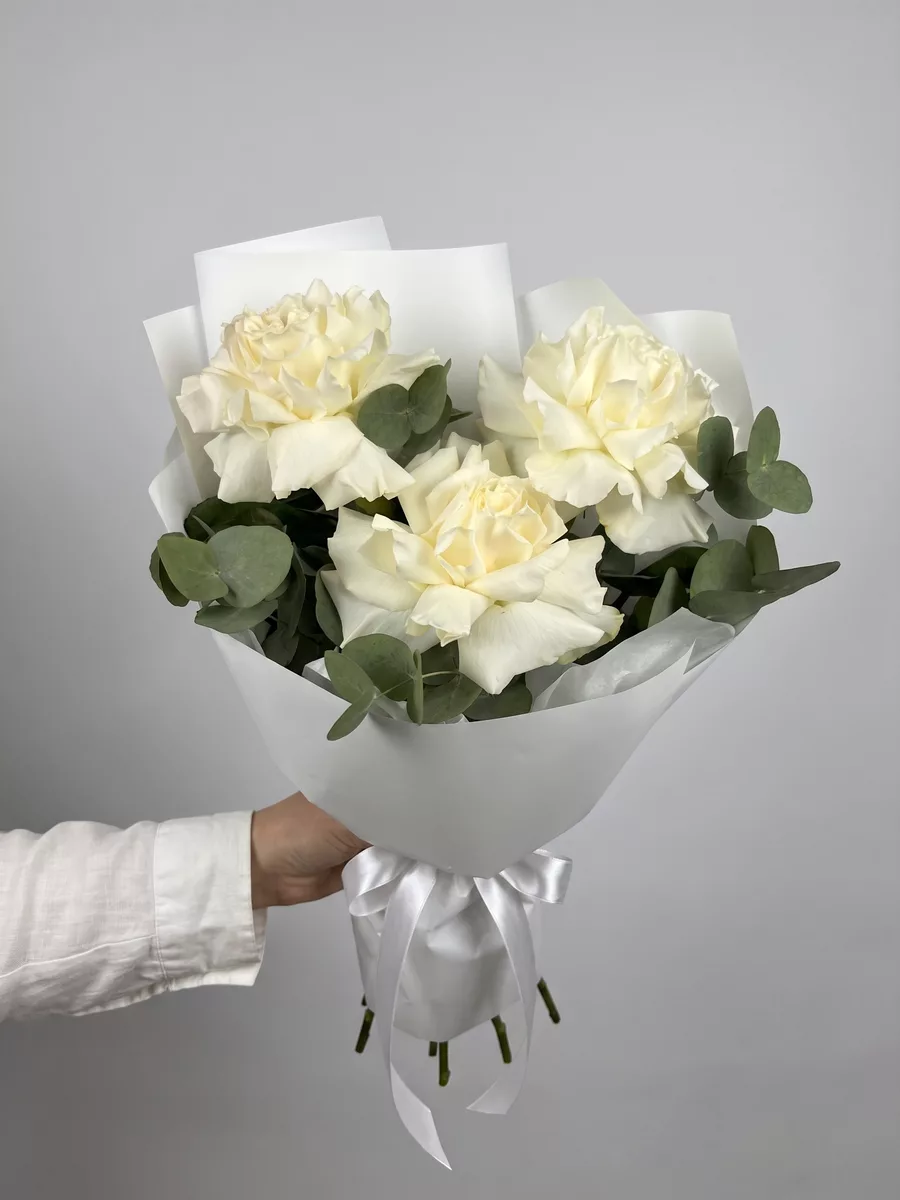
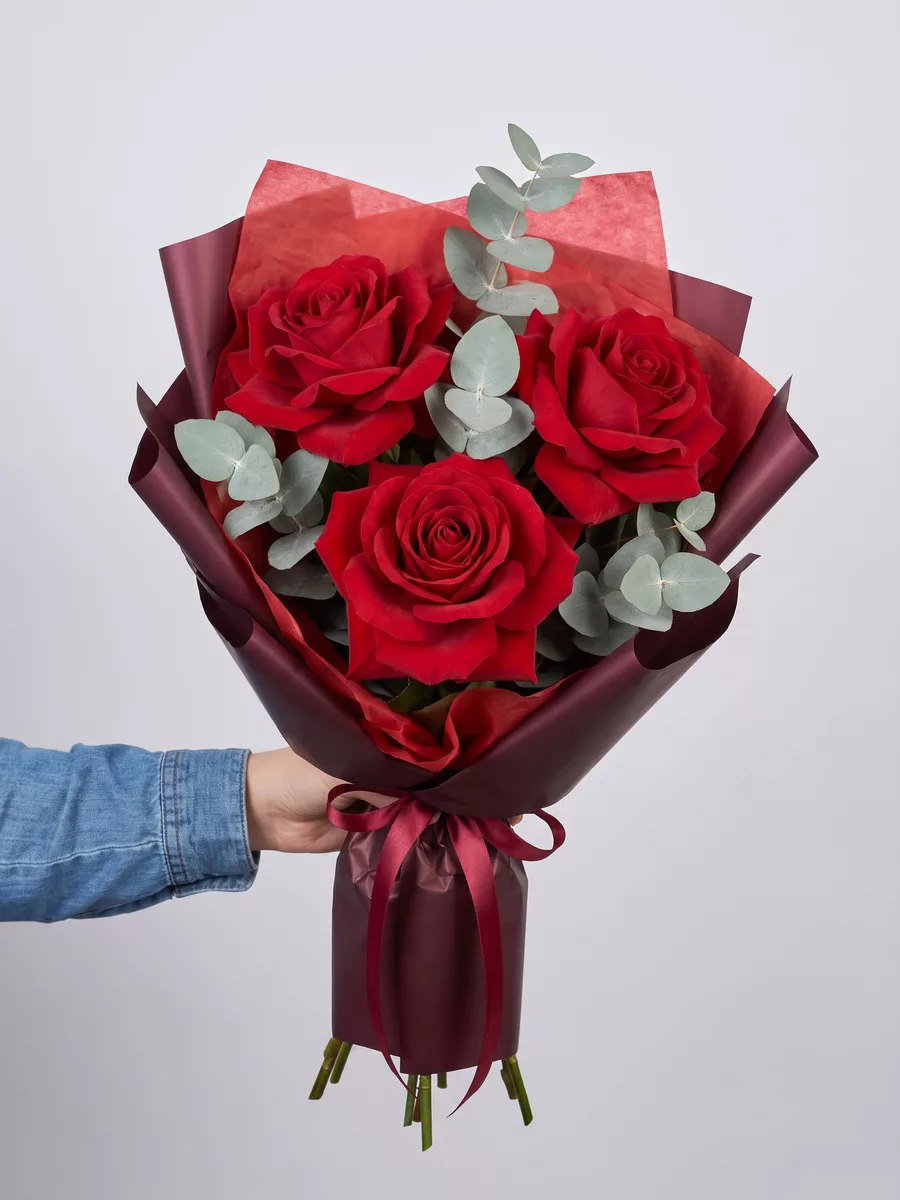
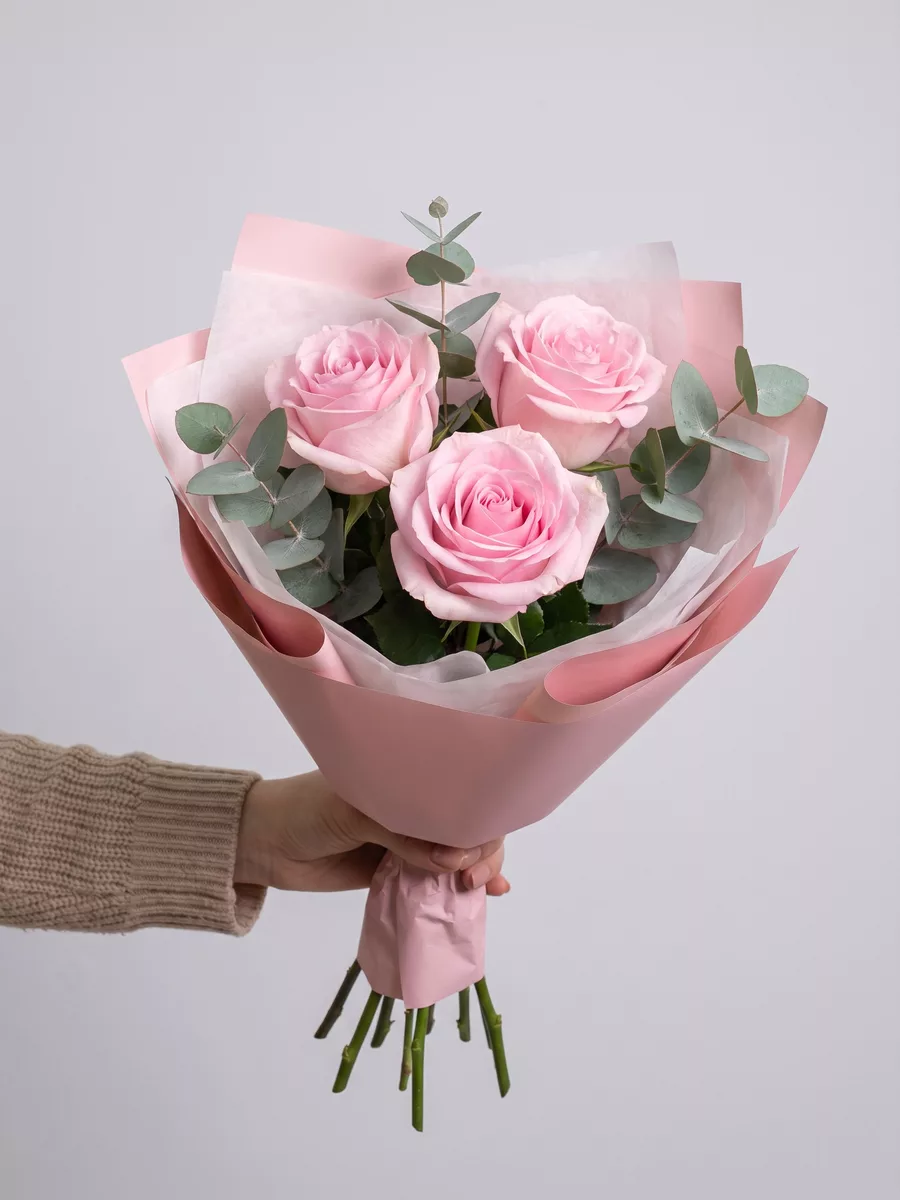
Bouquets we can deliver

The Best Time to Order When You Are in a Different Time Zone
Moscow Standard Time is UTC plus three, and it does not observe daylight saving. That means if you are in New York, you are six hours behind in winter and seven in summer. London is three hours behind Moscow year-round. Sydney is between five and eight hours ahead depending on the season. These gaps matter more than most senders realise.
The sweet spot for ordering is to have your request placed before midday Moscow time. This gives the florist time to assemble the arrangement with fresh stock, handle any refrigeration requirements during transit, and reach the recipient while they are still likely to be home or at work. Orders placed after six in the evening Moscow time may still be fulfilled the same day, but it is worth confirming this directly with the shop rather than assuming.
A common mistake from abroad is ordering at what feels like a reasonable hour locally — say, ten in the morning in California — without realising it is already late evening in Russia. The flowers then go out first thing the following morning, which is usually fine, but not if the occasion is that specific day. Always convert the time before you finalise anything.
If you are marking a birthday or anniversary, consider ordering the evening before your own local time. That buffer almost always lands the bouquet at the right moment without any stress. Turboflora operates across Russia and handles orders with a one-to-two-hour delivery window, so even same-day requests from abroad are very much possible when timed correctly.
Choosing Flowers That Suit the Occasion and the Russian Sensibility
Russia has a strong flower culture, and Protvino is no exception. Flowers are given for birthdays, professional milestones, graduations, name days, and the many Russian calendar celebrations — including International Women's Day on the eighth of March, which is one of the most significant flower-giving days of the year. If your recipient is a woman and the date is anywhere near early March, expect demand to be high and order well in advance.
For a birthday or a warm personal greeting, roses remain the classic choice. Red roses carry romance; soft pinks and creams feel warm and celebratory without romantic implication. Peonies are deeply loved in Russia and available from late spring through early summer — if you are ordering in May or June, a peony arrangement will almost certainly delight. Chrysanthemums are a staple for professional occasions and hold extremely well in transit and at room temperature.
One important cultural note: in Russia, even numbers of flowers in a bouquet are traditionally associated with mourning, so arrangements are always made in odd numbers — five, seven, eleven, fifteen. A good florist will know this automatically, but if you are ever customising an order yourself, keep this in mind. It is not a superstition to be dismissed; many recipients will notice.
For a scientific household — which describes many Protvino families — something elegant rather than showy often lands better. Think structured bouquets of lisianthus, alstroemeria or garden roses rather than oversized tropical arrangements. These flowers also travel better in cooler temperatures, which is relevant in autumn and winter.
Seasonal Considerations: What Arrives Fresh in Each Part of the Year
Russia's climate means that seasonal availability is a real factor, and Protvino sits in a continental zone with cold winters and warm summers. While professional florists source from controlled greenhouses and international suppliers year-round, some varieties genuinely peak at certain times and are worth timing your order around.
From November through February, the cold is your friend in one respect: cut flowers survive transport extremely well in low temperatures, and a bouquet assembled in a Moscow or Saint Petersburg studio will arrive in Protvino in excellent condition even after a courier journey. Roses, spray carnations, alstroemeria and solidago are all robust winter choices. Tulips are available in January and February and feel genuinely spring-like against a grey winter backdrop — they are a lovely choice for a surprise.
Spring brings tulips, daffodils and hyacinths in abundance, followed by peonies in May and June. Summer is the season for sunflowers, which are enormously popular in Russia and photograph beautifully. Autumn is rich with dahlias, chrysanthemums and ornamental branches that give arrangements real texture and depth.
What to avoid in high summer — July and August — is any arrangement that includes delicate open blooms like garden roses at full bloom or sweet peas, unless you know the recipient has air conditioning. Protvino summers can reach thirty degrees Celsius, and flowers sitting in a warm entrance hall for even an hour will suffer. Ask the florist to use buds that will open over the following day or two, giving the recipient the full display once the flowers are in water and indoors.
How to Write a Card Message That Translates Well
The card is often the part that international senders overthink. Russian recipients who have connections abroad — and in Protvino, many do — are generally comfortable receiving a message in English. If your relationship with the recipient is warm and personal, write in whatever language you share. If you are sending to someone you know less well, a short message in Russian is a lovely touch, and most florists can help you transliterate a phrase or two.
Keep the message genuine and specific rather than generic. Instead of writing happy birthday in isolation, add a line about what you are celebrating in them — their curiosity, their warmth, the fact that they always make time to write back. Russian culture places a high value on sincerity, and a card that clearly came from thought rather than habit will be read and re-read.
Avoid overly formal corporate language if this is a personal gift. Phrases like on behalf of our team or as a token of our appreciation read as cold in a personal context. If it is genuinely a professional gift — say, congratulating a colleague on a published paper — then measured, respectful language is appropriate, but still try to include one human detail.
If you want to include a Russian greeting, den rozhdeniya means birthday, s dnem rozhdeniya means happy birthday, and pozdravlyayu means congratulations. These are easy to ask the florist to include in Cyrillic on the card, and the recipient will appreciate that you made the effort. It does not need to be more complicated than that.
Payment from Abroad and What to Expect at Checkout
Paying for a flower delivery in Russia from an overseas bank account used to be complicated, and it is worth understanding the current landscape clearly. International card transactions with Russian shops can sometimes be declined depending on the issuing bank's country and the payment processor in use. This is not unique to flower shops — it is a feature of the broader financial environment since 2022.
Turboflora accepts payment through multiple channels and is experienced in working with international customers. The most reliable approach is to check at checkout which payment methods are available to you specifically, and to have an alternative ready — whether that is a different card, a digital wallet or a transfer through a service that operates across borders. Do not wait until the last minute to discover a payment issue, especially if the delivery is time-sensitive.
If you are sending flowers on behalf of a company, you may need an invoice for accounting purposes. This is straightforward to arrange but worth mentioning when you place the order rather than after the fact. Russian VAT documentation and international invoicing are both manageable with a little advance notice.
One practical tip: if you have a friend or family member in Russia, they can sometimes place the order on your behalf and you reimburse them. This sidesteps payment complexity entirely and can be the simplest solution for a one-off occasion. However, for regular or planned gifting, setting up a direct payment method with the florist is more convenient and ensures you retain full control over the message, timing and flower selection.
Caring for the Flowers Once They Arrive: What to Tell the Recipient
A beautiful arrangement deserves to last, and a little guidance from you to the recipient can make the difference between three days and ten days of enjoyment. If you are sending a message along with the flowers, consider adding one or two care lines — it shows thoughtfulness and helps the recipient get the most from your gift.
The first step is always a fresh cut on the stems, ideally at a diagonal angle using a sharp knife rather than scissors, which can crush the stem tissue. The recipient should do this immediately before placing the flowers in water. Tap water at room temperature is fine; cold water straight from the tap in winter can shock tropical varieties, so letting it sit for a few minutes helps.
Keep the vase away from direct sunlight, radiators and fruit bowls. Ethylene gas released by ripening fruit accelerates wilting in cut flowers — this is a genuine botanical fact that most people do not know, and sharing it will earn you points. Change the water every two days and re-trim the stems each time.
Different flowers have different vase lives. Chrysanthemums and alstroemeria are among the longest-lasting, often going two weeks or more with good care. Roses typically give seven to ten days. Tulips and peonies are shorter-lived but so beautiful while they last that the trade-off is worth it. Lisianthus, which looks like a delicate ruffled rose, is surprisingly tough and will hold for ten days easily.
If the recipient has no vase, a wide-mouthed jar or even a clean bucket works perfectly well. The container matters far less than fresh water and a cool spot away from heat sources.
Sending flowers to Protvino from the other side of the world is genuinely achievable, and when it works well, it lands with real impact. A scientist in a quiet apartment receiving a peony bouquet from a colleague in Amsterdam, or a mother opening the door to find roses sent by her daughter in Toronto — these moments cross the distance in a way that a message cannot. The key is preparation: convert the time zone, get the address details right down to the entrance number, choose flowers that suit the season and the person, and write something true on the card. Turboflora handles the rest, delivering fresh arrangements to Protvino within one to two hours of your order being confirmed.
Frequently asked questions
Does Protvino's location outside Moscow affect how fresh the flowers arrive?
It does add a step compared to a Moscow city delivery. A florist who serves the Serpukhov corridor regularly will account for that transit time by cutting stems to order on the day of dispatch. When you choose a sender, ask specifically whether they have an established route to Protvino rather than treating it as a general Moscow Oblast drop.
What flower choices hold up best given the journey from a Moscow-area florist to Protvino?
Chrysanthemums, alstroemerias and spray roses travel better than open garden roses or ranunculus, which bruise easily in transit. If the occasion calls for something warmer, a mixed arrangement built around a sturdy focal flower with greenery and filler blooms will arrive looking intentional rather than compromised. Ask your florist to condition the stems before packing.
Can I send flowers to a recipient at one of Protvino's research institutes rather than a home address?
Yes, and institute reception desks are often more reliable than residential delivery when the recipient keeps irregular hours. Include the full institute name, building number and the recipient's department or lab if you know it. A brief note to the florist explaining the workplace context helps them time the delivery to normal working hours rather than early morning.
Is there a best season to send flowers to Protvino, given the climate there?
Late spring through early autumn gives you the widest choice of locally sourced stems, and warmer temperatures mean less risk of cold damage in transit. Winter deliveries are entirely possible but ask for cold-weather packaging and avoid delicate tropical blooms. January and February are the hardest months logistically, so build in an extra day of lead time if you are sending around then.
How do I write a card message that will reach a Russian-speaking recipient clearly?
Most florists serving international senders can transliterate or translate a short message for you if you ask at the time of ordering. Keep the message brief — two or three sentences translate cleanly and read naturally. If the recipient is a scientist with international colleagues, an English message is often perfectly understood, but a few words in Russian at the opening always land warmly.
Ready to send flowers?
Pick the city, choose the bouquet, and a local florist takes it from there.
Choose a city →