Sending Flowers to Pugachev from Abroad? Here Is What to Know First
You are sitting in Berlin, Toronto or Dubai, and someone you love is in Pugachev — a quiet city on the Irgiz River in the Saratov region. You want them to open the door and feel remembered, celebrated, genuinely surprised. The distance is real, but the moment you are trying to create is just as real, and with the right approach it is completely achievable. This article walks you through everything that shapes a successful flower delivery to Pugachev when you are placing the order from the other side of the world.
Why Pugachev Is Different from Sending to a Big Russian City
Pugachev is not Moscow or Saint Petersburg. It is a regional city of modest size, and that changes the logistics of flower delivery in ways that matter to you as a sender. Road conditions, seasonal weather and the simple geography of the Saratov region all influence how quickly flowers can arrive and in what condition. When you order through a service that delivers across Russia, the route to Pugachev is planned carefully, and timing windows are structured around realistic travel rather than wishful estimates.
The recipient's address matters more here than in a dense urban centre. A street address in Pugachev should include the full house number, apartment or office number if applicable, and ideally a phone number for the recipient. Russian addresses are written in a specific order — region, city, street, house, apartment — and providing them correctly from the start prevents delays that no florist can recover once the bouquet is already on its way.
One thing that catches international senders off guard is the time difference. Pugachev runs on Moscow Time plus one hour, placing it in UTC plus four. If you are ordering from Western Europe, North America or East Asia, mentally map out what time it will be at the recipient's door before you confirm your delivery window. A bouquet arriving at seven in the morning or nine at night lands differently than one that appears at a warm, expected hour of the day.
Bouquets we can deliver

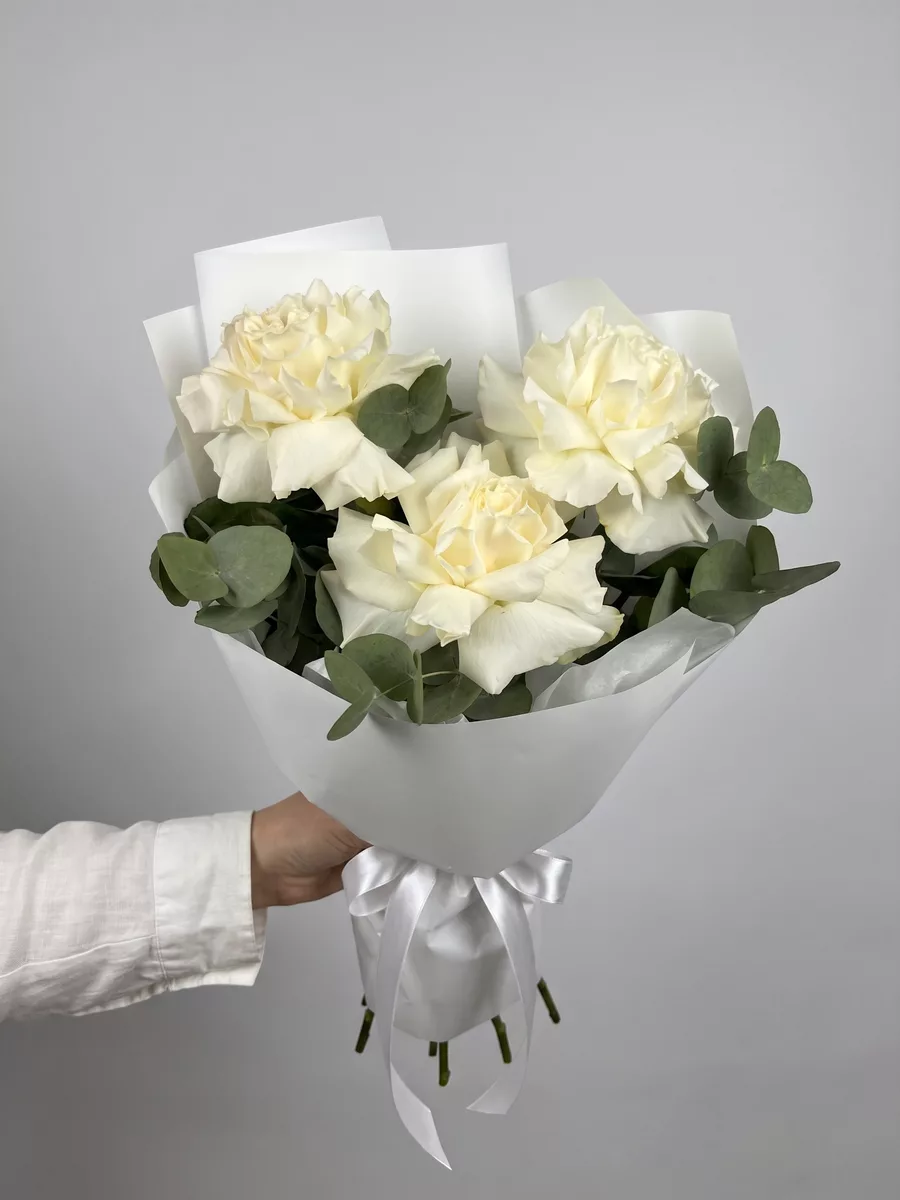
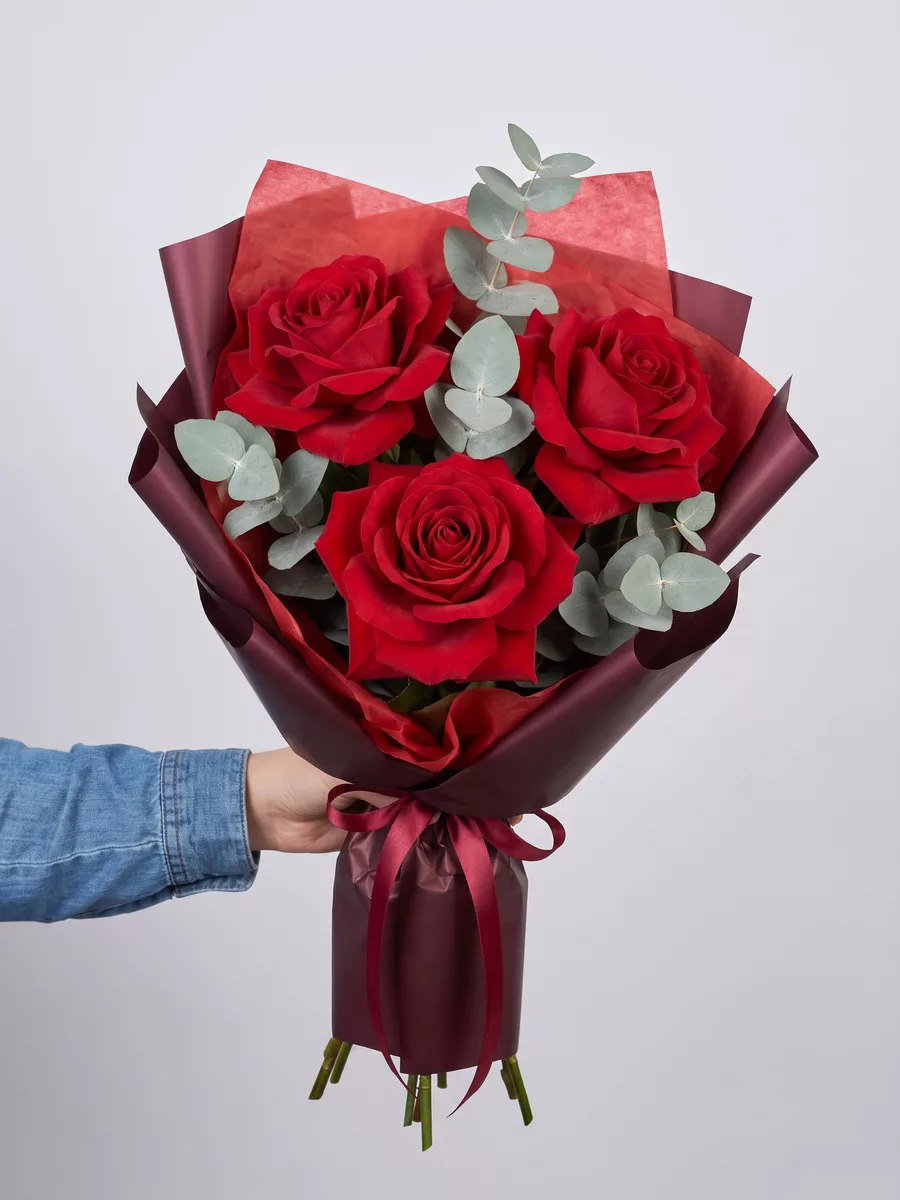
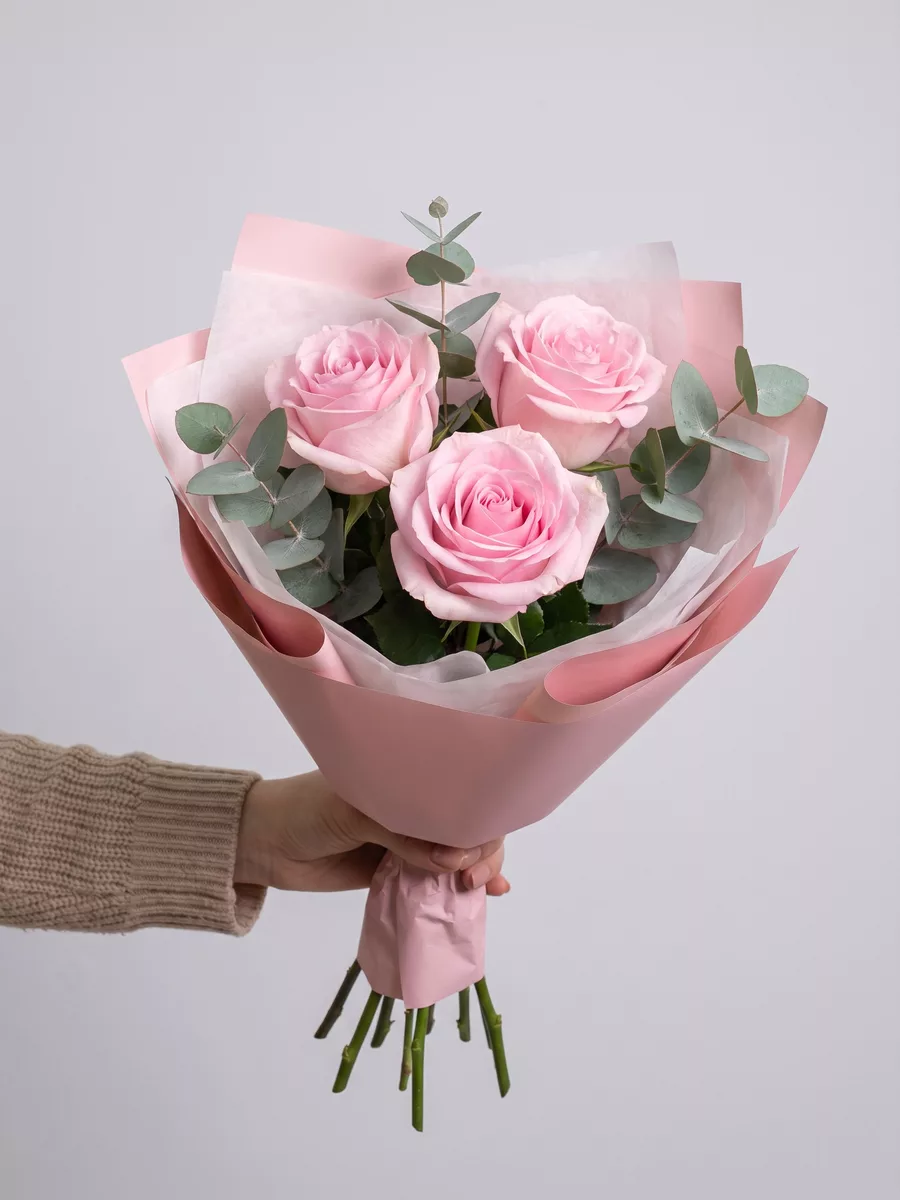
Choosing the Right Occasion Framing for a Russian Recipient
Russians attach strong meaning to flowers, and the way a bouquet is presented — its size, its colour palette, its wrapping — communicates something before a single word is read from the card. If you are sending to celebrate a birthday, an anniversary or a professional achievement, a generous, full bouquet reads as warmth and genuine effort. A small posy, while charming in many Western contexts, can feel understated to a Russian recipient and may not carry the emotional weight you intend.
Colour carries meaning too. Red roses signal deep romantic feeling. White flowers are associated with purity and new beginnings but are also traditionally linked to solemn occasions, so a bouquet of entirely white blooms can feel ambiguous unless it is clearly framed by the card message. Mixing white with vivid pinks, peach tones or warm yellows resolves this instantly and creates something that reads as celebratory without question.
Odd numbers are the rule for gifting in Russia. Bouquets of five, seven, nine or eleven stems are the norm. Even numbers are reserved for funeral arrangements, and sending an even-numbered bouquet — even unintentionally — can unsettle a recipient who knows the custom. When you place your order, a professional florist will naturally compose in odd numbers, but it is worth knowing this if you are specifying exact stem counts yourself.
The card message in Russian, even a short one, is always appreciated. If you write in English, consider adding a transliterated phrase or asking the florist to include a warm greeting in Russian on your behalf. It closes the distance in a way that a translated sentiment rarely does.
Seasonal Conditions and What Flowers Travel Well to Pugachev
The Saratov region experiences genuine continental seasons. Winters are cold and sharp, with temperatures regularly dropping below minus fifteen Celsius between December and February. Summers are dry and hot, often climbing above thirty Celsius in July and August. Both extremes affect which flowers arrive in the best condition and how long they will last once they are in the recipient's home.
In winter, roses, chrysanthemums and carnations are the most reliable travellers. They are hardy enough to handle cold transit if packaged correctly, and they open beautifully once they reach a warm interior. Delicate flowers like anemones, sweet peas or open garden roses are more vulnerable to freezing temperatures during loading and unloading, so they are a better choice in the milder shoulder seasons of April through May or September through October.
In summer, the challenge reverses. Heat accelerates the opening of buds, and flowers that looked perfect at the point of departure can arrive fully open and already losing petals. Sunflowers, spray roses and alstroemeria hold up better in heat than large-headed roses or hydrangeas, which wilt quickly above twenty-five Celsius without refrigerated transport. Mentioning your delivery date when you order allows the florist to select varieties that suit the forecast conditions.
Spring in Pugachev brings tulips and daffodils into season, and these are genuinely the flowers that feel most alive and seasonal in March and April. A hand-tied bunch of mixed tulips in coral, cream and violet is one of the most joyful things you can send for an early spring birthday, and it arrives with a freshness that imported tropical flowers simply cannot match at that time of year.
Timing Your Order Across Time Zones Without Getting It Wrong
The single most common mistake international senders make is placing an order at what feels like a reasonable time in their own city without converting correctly to local delivery time. Pugachev is in UTC plus four, which means that if you are in London during British Summer Time, Pugachev is already three hours ahead of you. If you are on the US East Coast, the gap is seven hours in summer and eight in winter. A quick conversion before you confirm your order is not optional — it is the difference between a lunchtime surprise and a late-evening knock on the door.
For same-day delivery, the cut-off time matters. Most professional services require orders to be placed by a certain hour local time to guarantee same-day dispatch. When you are ordering from abroad, that cut-off may already have passed in Russia even if your morning has barely started. If you are aiming for a specific date — a birthday, an anniversary — placing the order the evening before your local time is almost always the safer approach.
Delivery windows in Russian regional cities are typically expressed in two-hour slots. When you book, you will be asked to choose a window, and the recipient will often receive a call or message before the courier arrives. This is standard practice and actually works in your favour as an international sender, because it reduces the chance of a missed delivery when the recipient is out. If you know the recipient's schedule — that they are home in the mornings but at work by noon — share that when you order and the florist can plan accordingly.
Always provide a working mobile number for the recipient. Russian couriers will call ahead, and without a reachable number, delivery to the correct address is harder to confirm.
Bouquet Combinations That Work Beautifully for This Distance
When you cannot hand-select flowers in person, the combination you describe in your order does the work of your presence. Think in terms of mood rather than a list of species. A warm, celebratory mood for a mother's birthday might be a dense arrangement of peach spray roses, pale yellow chrysanthemums and a few stems of eucalyptus for softness. A romantic gesture for a partner might be deep red roses paired with burgundy alstroemeria and dark foliage to give depth and drama.
For a friend who has just moved into a new home or started a new chapter, something cheerful and long-lasting works better than something dramatic. Mixed gerberas in orange, yellow and pink hold their colour and structure for up to ten days in a vase, which means the recipient gets to enjoy them through the first week of their new beginning. Adding a few stems of solidago or waxflower extends the arrangement and gives it a full, abundant look that reads as generous without requiring rare or fragile blooms.
If the recipient is someone with refined taste — an older relative, a colleague, someone who appreciates understatement — a monochromatic or near-monochromatic arrangement often lands better than a mixed palette. White and cream roses with white lisianthus and silver-green dusty miller is quietly sophisticated. Shades of lavender and soft purple, combining lisianthus, statice and spray roses, feel both elegant and slightly unexpected in a way that memorable gifts usually do.
Wrapping style matters in Russia. A kraft paper wrap with a satin ribbon reads as artisan and modern. Cellophane wrapping is more traditional and is still widely appreciated, particularly by older recipients who associate it with formal celebration.
What to Write on the Card When You Are Far Away
A card message from abroad carries extra weight precisely because the distance is part of the story. You do not need to be a poet. You need to be specific. Naming the occasion, naming what the person means to you, and acknowledging the distance directly — even briefly — turns a card into something the recipient will re-read. Generic phrases like 'wishing you all the best' say almost nothing. A line like 'I am thinking of you from the other side of the world and wanted you to feel it' says everything.
In Russian culture, the card message is read carefully and often kept. It is not unusual for a recipient to share the message with family members present at the occasion. This is not an invasion of privacy — it is a way of celebrating the connection publicly. If you are comfortable with that, write something that you would be glad for others to hear. If the message is private and intimate, note that on your order so the florist can place it inside a sealed envelope.
If you want to write in Russian but are not a native speaker, keep it short. A single sentence in correct Russian is far more powerful than a paragraph of awkward translation. Common phrases like 'S dnem rozhdeniya' for happy birthday or 'Ya tebya lyublyu' for I love you are universally understood and warmly received. Ask the florist to help with transliteration if you are unsure of the spelling.
Avoid humour that depends on cultural context your recipient may not share, and avoid anything that might read as ambiguous in translation. Warmth, directness and sincerity are the three qualities that make a card message work across any language and any distance.
Helping Your Recipient Get the Most from Their Flowers
Flowers delivered to Pugachev will arrive wrapped and conditioned, but what happens in the first hour at home determines how long they last. A few simple habits make a real difference, and if you know your recipient is not experienced with cut flowers, it is worth including care instructions with your order or passing them along in a message.
The first step is always a fresh cut. The stems should be trimmed at a forty-five degree angle with a sharp knife or scissors, removing about two centimetres from the base. This opens the vascular tissue and allows the flower to drink. Cutting under running water or in a bowl of water prevents air from entering the stem before it reaches the vase. This single step can add two or three days to vase life.
Water temperature matters more than most people realise. Lukewarm water encourages buds to open and is generally used for most cut flowers. Cold water slows the process and is useful if you want roses or tulips to stay tightly budded for a day or two before a party or event. Changing the vase water every two days and rinsing the vase itself prevents bacterial growth, which is the main reason flowers fade prematurely.
Placement in the home is the last variable. Flowers last longest away from direct sunlight, heating vents and fruit bowls. Fruit, particularly apples and bananas, releases ethylene gas as it ripens, and this gas accelerates the aging of cut flowers significantly. A cool corner of a room, away from the window in summer and away from the radiator in winter, is the ideal spot. Roses kept this way can last eight to twelve days. Chrysanthemums and carnations often reach two weeks.
Sending flowers to Pugachev from abroad is not a complicated process once you understand the variables — time zones, seasonal conditions, Russian gifting customs and the small details that make the difference between a bouquet that arrives and one that truly lands. The recipient opens the door and feels the effort you made across the distance. That is the whole point, and every decision you make in the ordering process either adds to that feeling or takes away from it. Choose the right flowers for the season, write something real on the card, get the timing right, and the distance becomes almost irrelevant.
Frequently asked questions
Can I order flowers for Pugachev delivery if I am not in Russia and do not speak Russian?
Yes, entirely. You can place your order in English, specify the recipient's address in Russian or Latin script, and include a card message in any language. The florist team handles the local logistics. Providing a working mobile number for the recipient is the most important practical step you can take from abroad.
How far in advance should I order to guarantee delivery on a specific date in Pugachev?
Ordering at least twenty-four hours ahead of the desired delivery date is the safest approach when sending from a different time zone. For major occasions like birthdays or anniversaries falling on weekends, placing the order two days ahead gives you the most reliable window and allows the florist to source the best available flowers for your chosen combination.
What happens if the recipient is not home when the flowers are delivered?
The courier will call the recipient's mobile number before arriving. If there is no answer and no one is home, the florist will contact you as the sender to arrange a second delivery attempt or an alternative drop-off arrangement. This is why a working phone number for the recipient is essential when placing an international order.
Are there flowers I should avoid sending to Pugachev in winter or summer?
In winter, avoid large-headed open roses, hydrangeas and anemones, which are vulnerable to freezing during outdoor transit. In summer heat above twenty-five Celsius, hydrangeas and open peonies are risky. Carnations, spray roses, chrysanthemums, alstroemeria and gerberas are the most reliable choices across both seasons and hold their quality through regional delivery.
Is it appropriate to send flowers to a Russian recipient for a professional achievement or promotion?
Absolutely, and it is quite common in Russian culture to mark professional milestones with flowers. For a colleague or professional contact, choose a restrained, elegant palette — creams, whites and soft greens work well — rather than intensely romantic colours like deep red. A neat, structured arrangement feels more appropriate than a wild, garden-style bouquet for a professional occasion.
Ready to send flowers?
Pick the city, choose the bouquet, and a local florist takes it from there.
Choose a city →