Sending Flowers to Pushchino from Abroad? Read This First
Pushchino sits quietly on the Oka River south of Moscow, a small science town where people genuinely notice when something beautiful arrives at the door. If you are calling or clicking from London, Berlin, New York or Tokyo, you already know the person waiting there deserves something real — not a generic box of wilting stems that crossed too many hands. Here is everything a sender outside Russia needs to feel confident about the whole journey, from picking the right flowers to understanding what happens when they are delivered.
Why Pushchino Is Different from Sending to a Big City
Pushchino is a compact academic town with a population of around twenty thousand people. It was built in the 1960s specifically to house research institutes, and that character has never really left. Streets are walkable, buildings are clustered, and almost everyone knows their neighbours. A flower delivery here feels more personal than it does in Moscow or Saint Petersburg — there is nowhere for it to disappear quietly into a crowd.
That intimacy changes what you should order. A modest but thoughtfully arranged bouquet of garden roses, lisianthus and eucalyptus will land better than an enormous formal arrangement that looks borrowed from a hotel lobby. Recipients in Pushchino tend to appreciate sincerity over spectacle, which is good news for anyone sending from abroad on a careful budget.
The town is roughly a hundred kilometres from Moscow, and delivery logistics follow accordingly. Turboflora works within a one-to-two-hour window across Russia, and Pushchino is fully within that reach. What matters most on your end is placing the order at the right time of day and giving accurate address details, because the town's street numbering in residential blocks can be specific — building number, entrance number and flat number all matter here more than in a city where a doorman can sort things out.
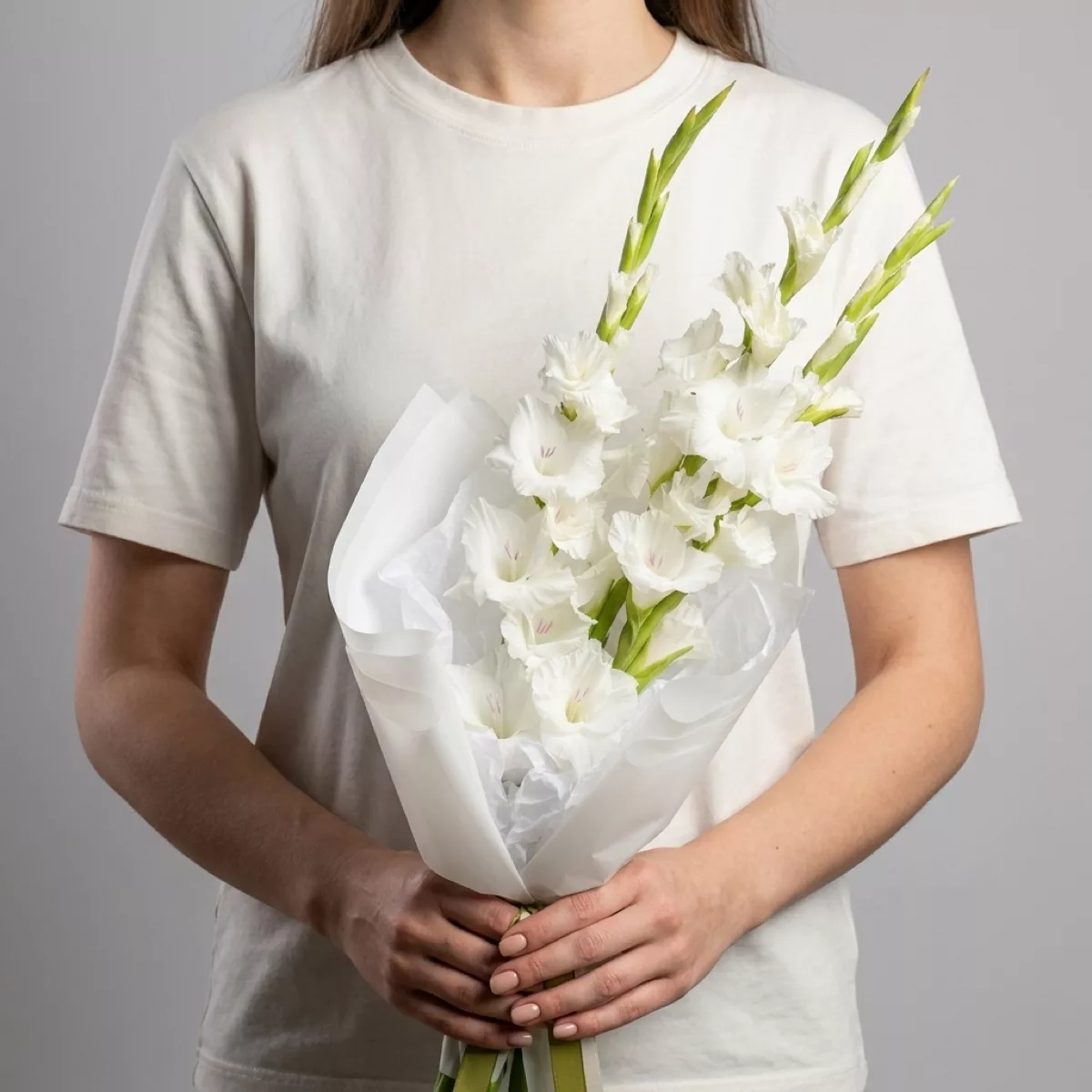
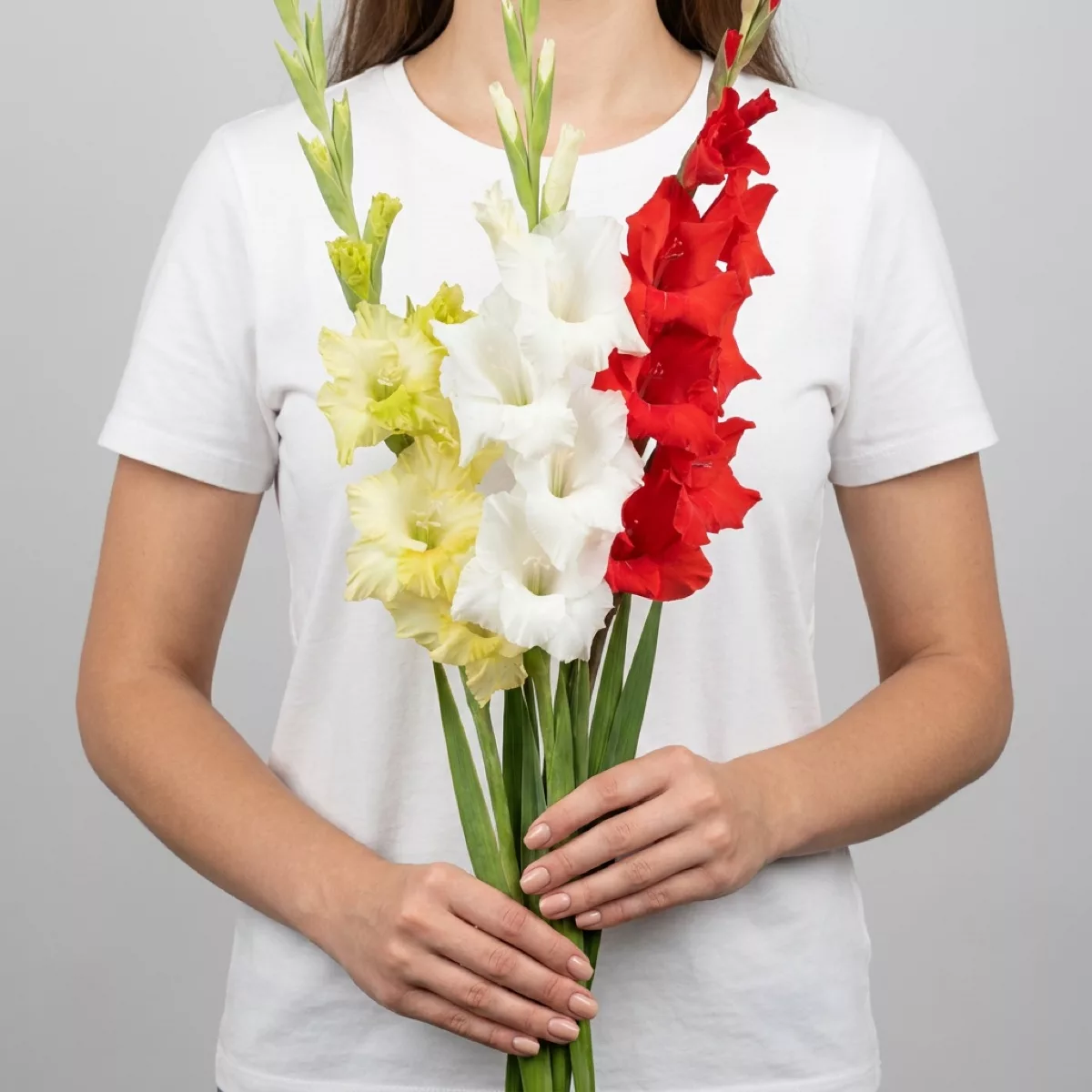
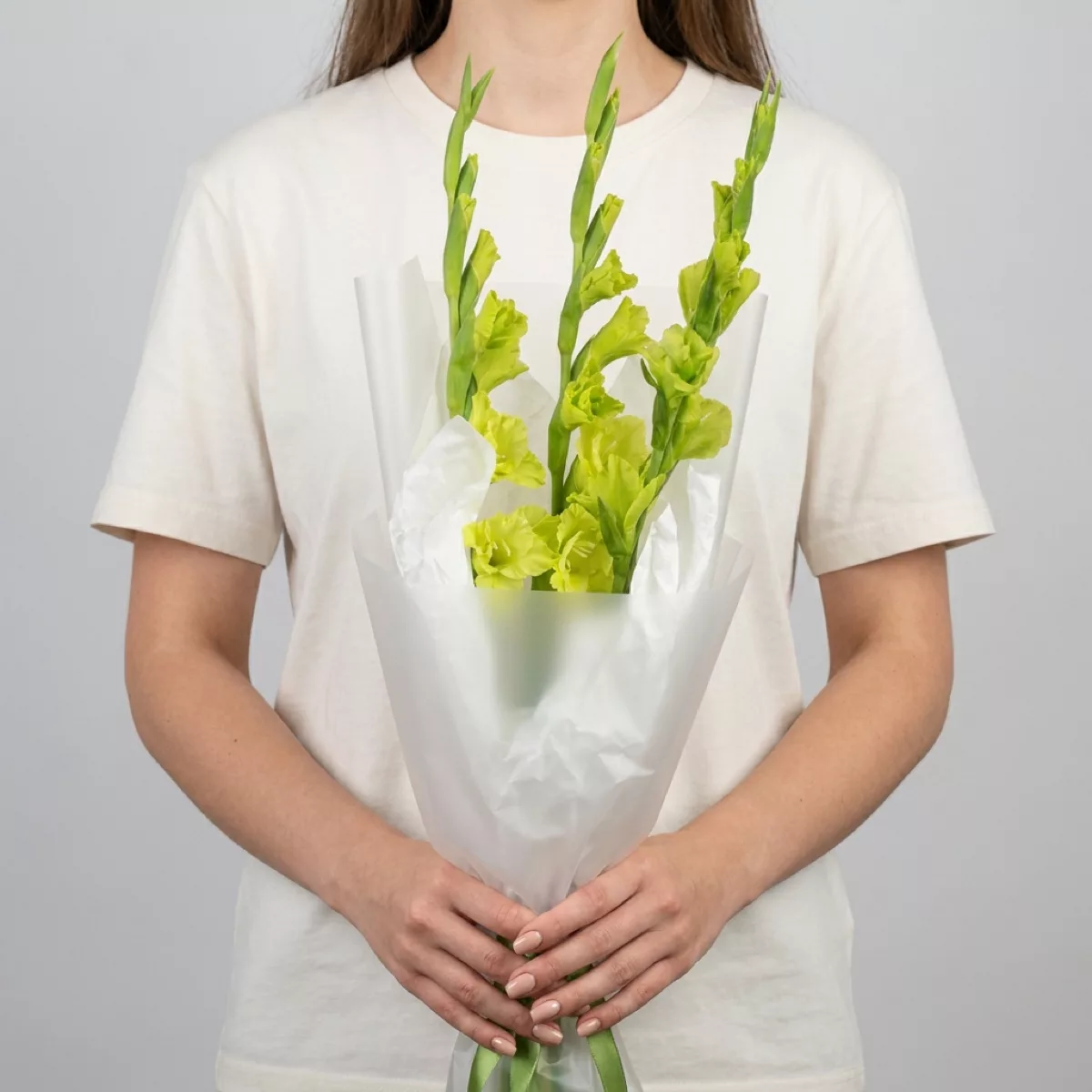
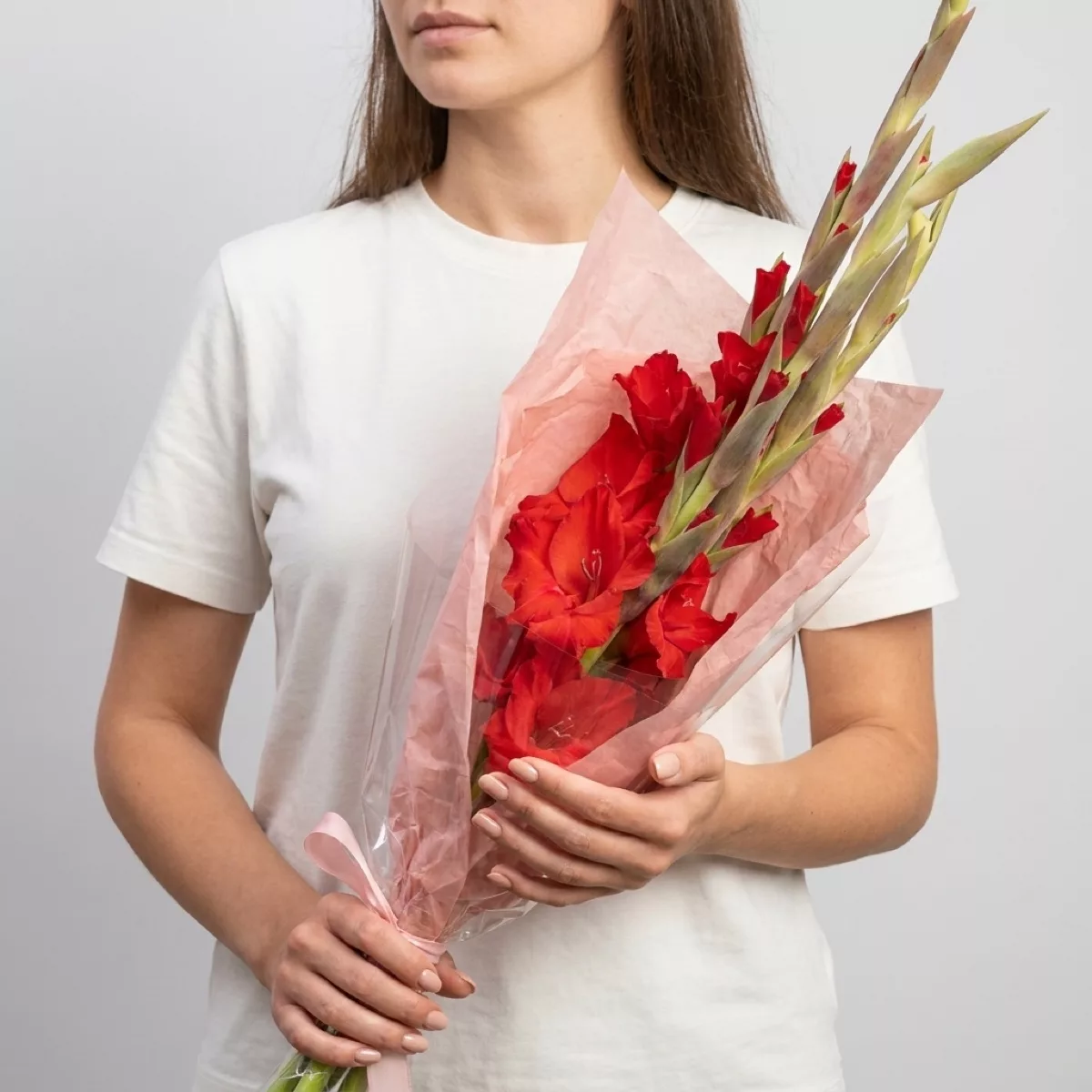
Bouquets we can deliver
Choosing the Right Occasion Tone for a Russian Recipient
Russian flower-giving has a few unspoken rules that are genuinely worth knowing before you order. The most important: always send an odd number of stems. Even numbers of flowers are associated with grief and are used only at memorials. If you are ordering a mixed bouquet, your florist will handle this automatically, but if you are customising individual stem counts, keep this in mind. One, three, five, seven — any of these reads as celebratory and warm.
Colour carries meaning too, though less rigidly than the odd-number rule. Red roses speak clearly to romance and are perfectly appropriate for a partner or spouse. Yellow flowers have an old-fashioned reputation for signalling a break-up or bad luck, though younger Russians are much less superstitious about this, and a warm yellow sunflower arrangement reads as cheerful rather than ominous to most people under forty. White flowers are elegant and neutral — white tulips, white spray roses or white eustoma work beautifully for a birthday, a professional achievement or a housewarming.
For a birthday, lean into colour and texture: a combination of garden roses in blush or coral, ranunculus and seasonal greenery feels generous and alive. For a congratulation on a new job or a defended thesis — Pushchino has plenty of researchers who do exactly that — something structured and confident works well, like deep burgundy peonies when in season, or a tight arrangement of alstroemeria and matthiola. Think about what the moment feels like for the person receiving, and let that guide the palette.
Timing Your Order Across Time Zones
This is where most international senders make their first mistake, and it is an easy one to avoid once you understand the gap. Moscow time is UTC plus three hours, and it does not observe daylight saving. If you are in New York, you are eight or nine hours behind depending on the season. If you are in London, you are three hours behind in winter and two in summer. If you are in Tokyo, you are six hours ahead.
Turboflora delivers within one to two hours of an order being placed, which means you need to place your order during Russian working hours — or at least during the hours when the recipient will actually be home to receive it. Most people in Pushchino are at work or at their institute between nine in the morning and six in the evening local time. A delivery at two in the afternoon Moscow time is ideal for a weekday surprise. Work backwards from that target and you will know exactly when to sit down and place your order.
For significant dates — the eighth of March, which is International Women's Day and one of the biggest flower days in Russia, or Valentine's Day, or New Year — place your order at least a day ahead. These dates see enormous demand, and same-day availability of specific varieties like red roses or white tulips can become genuinely limited. A little planning from abroad protects both your budget and your peace of mind. Set a calendar reminder a week before any important date your recipient celebrates.
Seasonal Flowers and What Travels Well to Pushchino
Russia's climate means that what looks beautiful in a florist's display in June may not exist in February, and understanding this seasonality helps you order something that arrives looking exactly as you imagined. Spring in Pushchino — roughly March through May — is the season of tulips, hyacinths and the first ranunculus. These are fresh, affordable and genuinely beloved by Russian recipients. A bunch of bright tulips on the eighth of March is one of the most classic and appreciated gestures in the country.
Summer brings peonies, which are gloriously full and fragrant, along with garden roses, lisianthus and sunflowers. If you are sending between June and August, this is the moment to be generous with texture — a loose, garden-style arrangement with several varieties mixed together feels luxurious without being stiff. Autumn shifts toward chrysanthemums, dahlias and spray roses, all of which have excellent vase life, which matters when you cannot be there to check on the flowers yourself.
Winter, from November through February, relies more heavily on roses, carnations, alstroemeria and imported tropical stems like gerbera and anthurium. These varieties are robust and travel well in cold temperatures, which is actually an advantage — flowers delivered in minus ten degrees outside arrive in better condition than those delivered in summer heat, as long as they are properly wrapped. Turboflora wraps cold-weather deliveries to protect stems from frost shock, so you do not need to worry about a January birthday bouquet arriving damaged.
What to Write on the Card When You Are Far Away
The card is the part of a flower delivery that stays long after the petals have dropped. When you are sending from another country, it carries extra weight — it is your voice arriving in a room you cannot enter. Keep it personal and direct. A card that says 'I thought of you today and wanted you to know it' lands far more warmly than a formal greeting that could have been written by anyone.
You can write your message in English if the recipient reads it, and many Russians in an academic town like Pushchino do. But if you want to add a line in Russian, even a simple one, it will be noticed and appreciated. 'S lyubovyu' means 'with love.' 'Pozdravlyayu' means 'congratulations.' 'Dumayu o tebe' means 'I am thinking of you.' These small gestures close the distance in a way that a translated generic phrase never quite does.
Avoid trying to be funny in translation unless you know the person's sense of humour extremely well. Humour is the hardest thing to carry across a language, and a joke that misfires on a card sits there for as long as the card is kept. Sincerity always travels better. If the occasion is a birthday, mention a specific memory or a quality you genuinely admire. If it is a congratulation, name what they actually achieved. The flowers say 'I care' — the card says why.
Giving Accurate Delivery Details from Overseas
Russian addresses follow a specific format that differs from Western conventions, and getting this right is the single most practical thing you can do to ensure a smooth delivery. A Pushchino address typically includes the street name, then the building or house number, then — crucially — the korpus (a secondary building identifier, often written as 'k' or 'korp') if there is one, followed by the flat number and the entrance number. In residential blocks, there may be several identical-looking entrances, and a delivery driver needs to know which one.
When you collect the address from your recipient, ask them to write it out in full in Russian. Even if you cannot read Cyrillic, copy and paste the text exactly as given — do not try to transliterate it yourself, as this introduces errors. If your recipient has given you an address in English transliteration, that is usually fine for the order form, but Russian script is always more reliable.
Also confirm whether the recipient will be home during the delivery window, or whether a neighbour or building concierge can accept the order. Many Russian residential buildings have a code-locked door or an intercom system — if your recipient lives in such a building, ask them to share the entry code or intercom number and include it in the delivery notes. A missed delivery in a small town like Pushchino is more disruptive than in a city with flexible re-delivery options, so a little preparation here saves everyone time and disappointment.
Helping Your Recipient Care for the Flowers Once They Arrive
You will not be there to trim the stems or change the water, but you can still influence how long the flowers last by passing on a few simple instructions — either on the card or in a message you send alongside the delivery notification. Fresh flowers delivered by Turboflora arrive hydrated and properly conditioned, but what happens in the first hour at home makes a significant difference to vase life.
The most important step is a diagonal cut of about two centimetres at the base of each stem, made under running water or while the stem is submerged. This prevents an air bubble from forming at the cut end and blocking water uptake. Use scissors or a sharp knife rather than blunt shears, which crush the stem tissue. After cutting, place the flowers immediately into a clean vase with cool, fresh water.
Vase position matters more than most people realise. Keep flowers away from direct sunlight, radiators and fruit bowls — ripening fruit releases ethylene gas, which accelerates wilting in roses, carnations and lisianthus especially. Change the water every two days and re-trim the stems each time. In a warm Russian apartment in winter — and Russian apartments are heated very warmly, often above twenty-two degrees — flowers will last longer if placed in a cooler room overnight, such as a hallway. Roses and spray roses typically last seven to ten days with this care. Tulips and ranunculus are shorter at five to seven days, but they open beautifully and are worth it.
Sending flowers to Pushchino from another country is not complicated once you understand the timing, the address format and the small cultural details that make the difference between a gift that feels personal and one that feels generic. The distance is real, but it does not have to show. A well-chosen bouquet of seasonal flowers, a card written in your own voice and an order placed at the right time of day will arrive looking and feeling exactly as you intended — a moment of colour and warmth in a quiet town on the Oka River, from someone who thought to send it from the other side of the world.
Frequently asked questions
Can I place a flower order for Pushchino if I do not speak Russian?
Yes, entirely. Turboflora's order process works in English, and you can write your card message in English as well. The only thing worth collecting from your recipient in Russian is their full address in Cyrillic script, which you can copy and paste directly into the order form without needing to read or translate it yourself.
How far in advance should I order for a major Russian holiday like March 8th?
For International Women's Day on the eighth of March, which is the busiest flower day in Russia, place your order at least twenty-four to forty-eight hours ahead. Demand for roses and tulips in particular runs very high, and ordering early guarantees both variety availability and your preferred delivery time slot.
What happens if my recipient is not home when the flowers arrive?
It helps to confirm in advance that someone will be available during the delivery window. If your recipient lives in a building with a concierge or a neighbour who can accept the order, include that information in the delivery notes. Providing the building entry code or intercom number in your order also ensures the driver can reach the right door without delay.
Are there flowers I should avoid sending to a Russian recipient?
Avoid even numbers of stems — this is the most important rule in Russian flower-giving, as even numbers are associated with grief. Yellow flowers can carry a negative association for older or more traditional recipients, though most younger Russians find them perfectly cheerful. When in doubt, a mixed bouquet handled by the florist will always respect these conventions automatically.
How long will the flowers last after delivery to Pushchino in winter?
Winter deliveries are well-wrapped to protect against frost, and cold temperatures actually help flowers stay fresh longer. Roses and alstroemeria typically last seven to ten days with proper care — fresh water every two days and a diagonal stem trim each time. Russian apartments are heated warmly, so placing flowers in a cooler hallway overnight will noticeably extend their vase life.
Ready to send flowers?
Pick the city, choose the bouquet, and a local florist takes it from there.
Choose a city →