Sending Flowers to Pyt-Yakh from Abroad? Here Is Everything That Matters
You are somewhere far from Russia — maybe London, Dubai, Toronto or Berlin — and someone you love is in Pyt-Yakh, a city deep in the Khanty-Mansiysk Autonomous Okrug of Western Siberia. You want to send them flowers, but you are not sure whether a delivery this remote is even possible, what to order, or how the whole thing will feel on their end. The good news is that it is entirely possible, and when it is done right, the bouquet that arrives at their door will look as though you handed it to them yourself.
Understanding Where Pyt-Yakh Actually Is
Pyt-Yakh sits in the Yugra region of Western Siberia, roughly 250 kilometres east of Khanty-Mansiysk. It is a mid-sized oil-industry city with a population in the tens of thousands, and it has the infrastructure you would expect — residential districts, a central avenue, schools, hospitals and plenty of ordinary apartment buildings where real people celebrate birthdays, anniversaries and promotions every single day.
What matters for flower delivery is the climate. Winters here are long and genuinely cold, with temperatures regularly dropping below minus 25 degrees Celsius between November and March. Summers are short but warm, sometimes reaching plus 30 degrees in July. This temperature range has a direct effect on which flowers survive the journey from the warehouse to the recipient's hands, and it shapes every decision a thoughtful florist makes when preparing an order for this city.
From the sender's perspective abroad, the distance feels intimidating, but the logistics are already solved. Turboflora operates courier delivery across Russia, including Pyt-Yakh, within a one-to-two hour window from the moment an order is confirmed. You do not need to coordinate anything locally or speak Russian to anyone. You place the order, write your message, and the bouquet travels from a regional fulfilment point directly to the address you provide. The city is not an exception — it is simply a destination with its own seasonal personality.
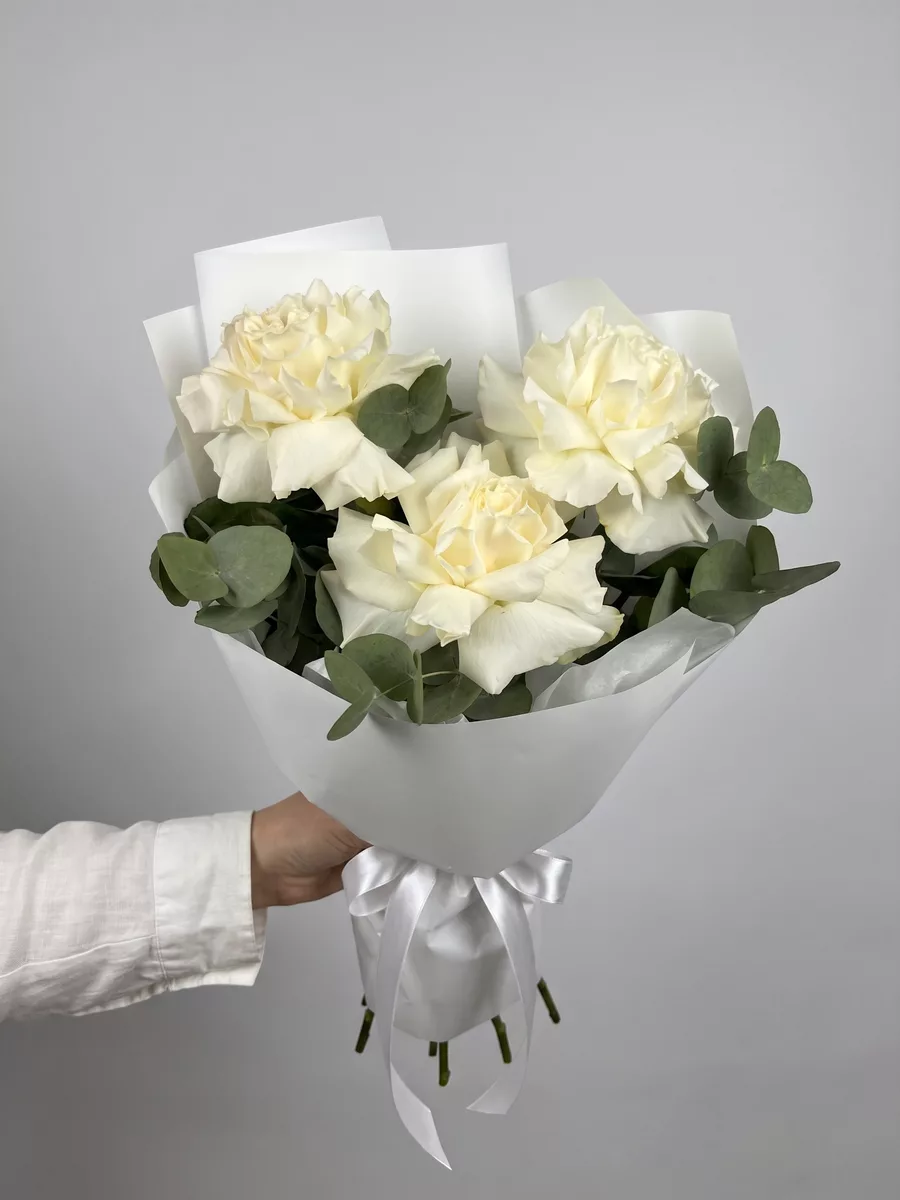
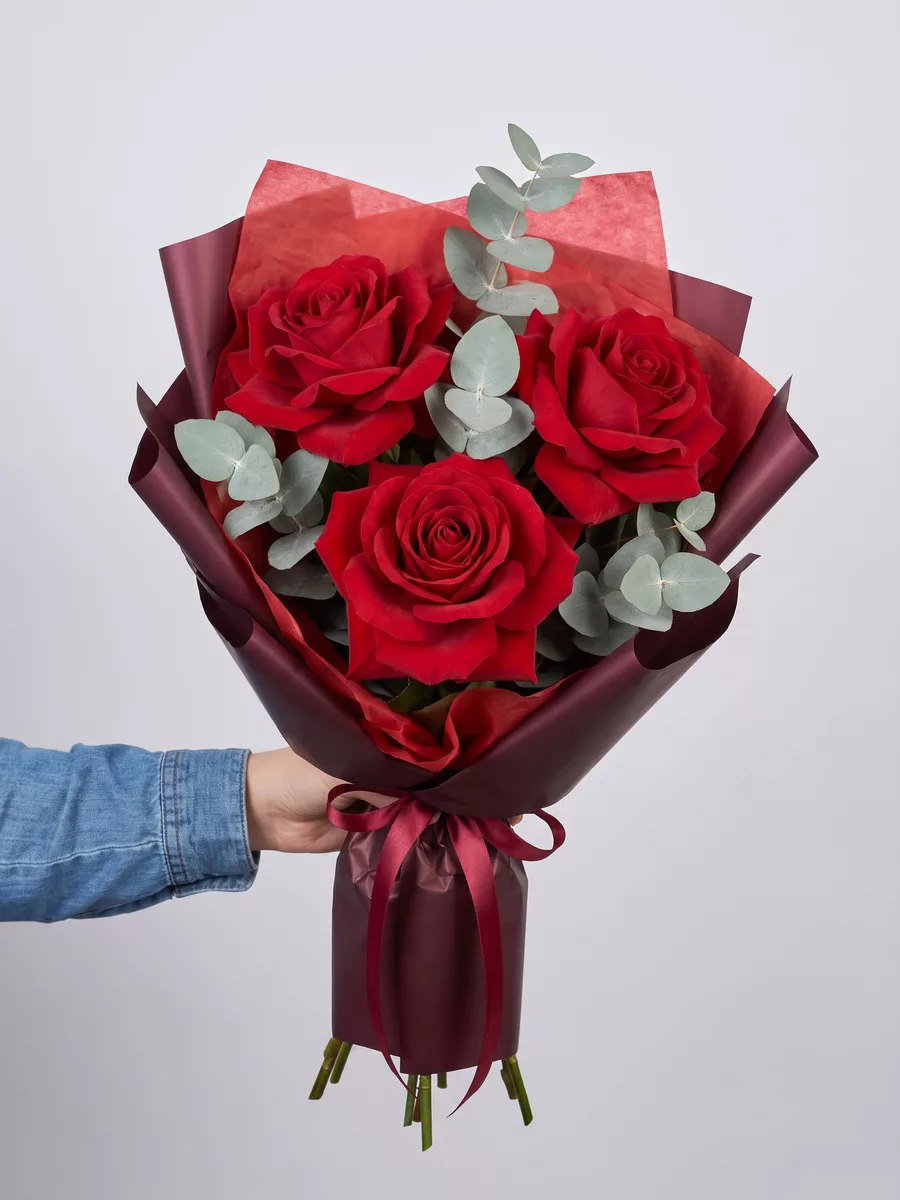
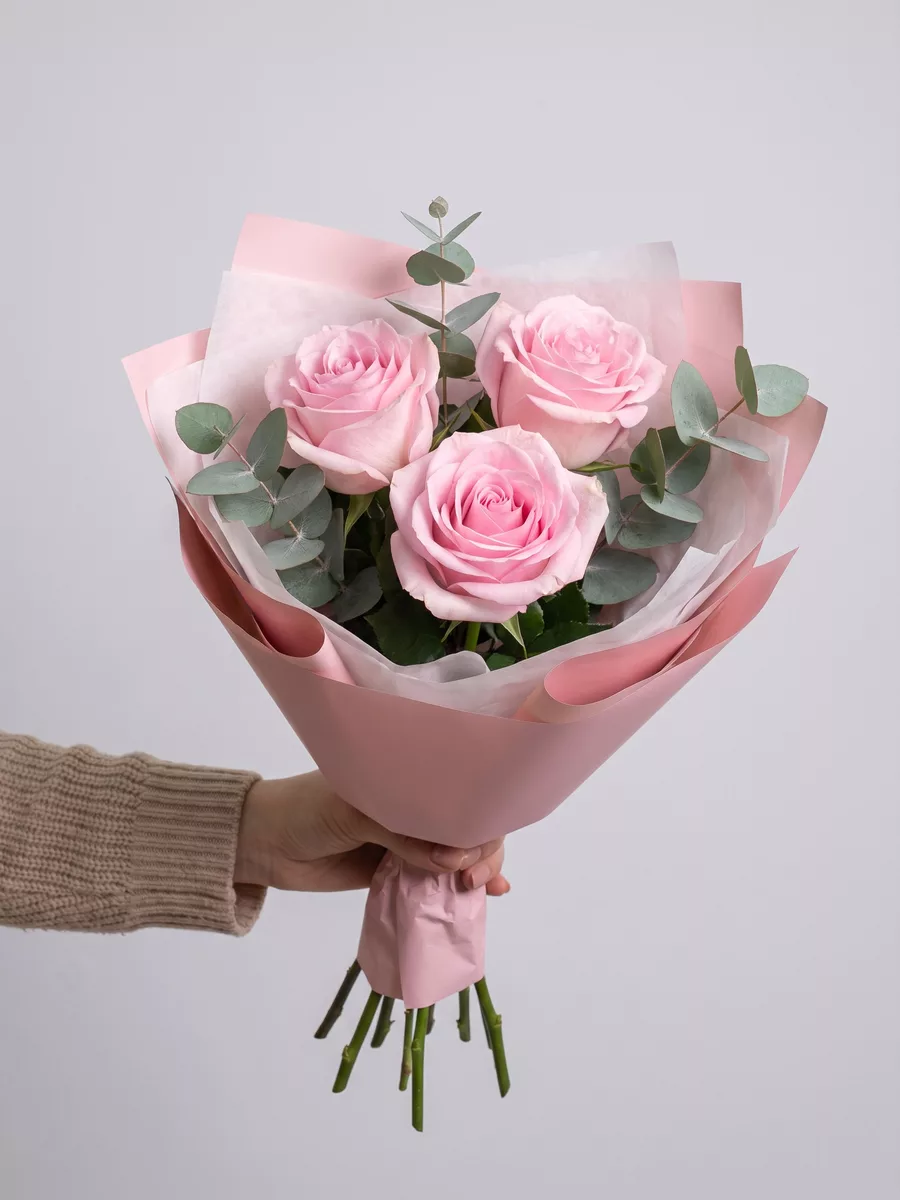
Bouquets we can deliver

Choosing the Right Moment: Time Zones and Delivery Windows
Pyt-Yakh operates on Yekaterinburg Time, which is UTC plus five. If you are calling or ordering from Western Europe, that is three to four hours ahead of you. From the east coast of North America, Pyt-Yakh is eight to nine hours ahead. This gap is the single most important practical detail for a sender abroad, because it determines whether your order arrives at a reasonable hour or lands on someone's doorstep at seven in the morning.
The most appreciated delivery windows are between ten in the morning and eight in the evening local Pyt-Yakh time. Arriving during a workday lunch break or just after the recipient comes home in the early evening creates the best emotional impact — they are alert, they are likely to be with colleagues or family, and the surprise lands fully. Ordering late at night from your own time zone can accidentally schedule a very early delivery, so always convert the time before confirming.
When you place an order, you choose the delivery date and time slot in Moscow Time, which is the standard across Turboflora's platform. Pyt-Yakh is two hours ahead of Moscow, so a slot listed as 12:00 Moscow Time means the flowers arrive at 14:00 in Pyt-Yakh. Keep a simple time zone converter open while you order — it takes thirty seconds and prevents the most common mistake international senders make. Planning a day ahead rather than ordering same-day also gives you more flexibility with time slots and allows the florist to prepare a fresher, more considered arrangement.
What Flowers Actually Survive the Siberian Climate
In deep winter, a bouquet travelling through minus twenty-degree air needs to be wrapped in insulating kraft paper or a thermal sleeve. Flowers that are naturally robust — roses with tight, firm buds, spray chrysanthemums, alstroemeria, carnations and sturdy tulips — handle cold transit far better than open, delicate blooms. Hydrangeas, for example, are beautiful but they wilt quickly when shocked by temperature changes. Ranunculus and anemones, while fashionable, are fragile travellers in Siberian conditions.
In summer, the concern reverses. July and August heat can cause petals to open too fast and shorten vase life dramatically. Flowers with naturally longer stems and waxy petals — gerberas, lisianthus and single-headed roses — hold up better than loose garden varieties. Peonies, which are wildly popular in Russia from late May through June, are actually well-suited to the brief Yugra summer if they are sent in bud: they open slowly over several days and give the recipient a full week of pleasure.
Spring is the most joyful season to send flowers to Pyt-Yakh. Tulips arrive in enormous variety from late February onward — single, double, fringed and parrot types — and they carry enormous cultural significance in Russia around International Women's Day on the eighth of March. A mixed bouquet of pink and white double tulips with a few stems of white muscari tucked between them is both visually generous and emotionally warm. Autumn suits alstroemeria, solidago and deep-toned roses in burgundy or terracotta, which match the mood of the season perfectly.
Reading the Occasion: Russian Customs a Sender Abroad Should Know
Russian flower-giving has its own logic, and knowing a few basics will help you choose something that feels right rather than accidentally awkward. The most important rule is the odd-number convention: bouquets in Russia are almost always made with an odd number of stems. Even numbers are traditionally associated with mourning occasions. A bouquet of eleven roses, fifteen tulips or twenty-one mixed stems feels festive and correct. Even numbers like ten or twelve, while perfectly normal in many Western countries, can feel subtly off to a Russian recipient — not offensive, but slightly unusual.
Colour carries meaning too, though it is less rigid than the number rule. Yellow flowers were once considered unlucky in Soviet-era superstition, but this has softened considerably among younger generations and in urban areas. Still, if you are sending to someone older or more traditional, a mixed bouquet that combines yellow with white or orange is a safer and more joyful choice than pure yellow. Red roses signal romantic love clearly and universally. White flowers are associated with purity and are perfectly appropriate for birthdays, graduations and new beginnings.
Presentation matters enormously in Russian flower culture. A bouquet wrapped in layered paper — perhaps a matte outer layer with a translucent inner sleeve showing the stems — and finished with a wide satin ribbon feels considered and generous. Russians appreciate volume and visual generosity in a bouquet; a single dramatic stem is more of a European aesthetic. When ordering, choose arrangements described as lush or full rather than minimalist, and your recipient will feel genuinely celebrated.
Budgeting by Feel: What Different Levels of Generosity Look Like
Rather than listing prices, which shift with seasons and exchange rates, it helps to think about what different levels of investment actually produce in the vase. An entry-level bouquet for Pyt-Yakh will typically be a single-variety arrangement — perhaps fifteen spray roses or a dozen and a half tulips — wrapped simply and delivered with a card. It is sincere and cheerful, and for a colleague's birthday or a friend's housewarming it lands exactly right.
A mid-range bouquet introduces a second or third element: a base of roses supported by greenery such as eucalyptus or ruscus, with a few stems of waxflower or limonium adding texture. This level feels like a considered gift rather than a gesture, and it is the right choice for a close friend's birthday, a mother's anniversary or congratulating someone on a new job. The arrangement has depth and the recipient will likely photograph it.
At the more generous end, you are looking at large mixed compositions: garden roses combined with lisianthus and eucalyptus, or a seasonal peony bouquet with ranunculus and soft greenery in a hat box. These feel genuinely special and are appropriate for significant milestones — a fortieth birthday, a wedding anniversary, a professional achievement. For a sender abroad, this level of gift also communicates that the distance did not reduce the effort, which is often the most meaningful part of the message. Whatever your budget, communicating the occasion clearly when you order helps the florist make every stem count.
Writing the Card: Making Your Message Arrive Fully
The card that accompanies a flower delivery is often the part the recipient reads three times and keeps for years. For a sender abroad, it carries extra weight because it bridges the physical distance in a way the flowers alone cannot. A few practical points make the difference between a message that lands warmly and one that gets lost in translation.
You can write your card message in English, and Turboflora will include it exactly as written. If you want to write in Russian but are not a native speaker, keep the phrasing simple and direct — short sentences are harder to mistranslate and easier to read aloud. Avoid idioms that do not translate well. Something like 'I am thinking of you today and wishing you every happiness' is warmer and clearer than a complex metaphor that loses its meaning across languages.
Mention the occasion explicitly in the card if it is a specific celebration. Russians appreciate directness in sentiment — saying 'Happy Birthday, I am so proud of you' is not excessive, it is warm. If you are sending to mark a professional achievement, name it: 'Congratulations on your promotion — this is completely deserved.' Specificity makes the recipient feel seen rather than generically appreciated.
If you want to add a small personal touch for someone who grew up with Russian traditions, you might include a line referencing the season: 'I hope these tulips bring a little spring into your home' lands beautifully in February when Pyt-Yakh is still deep in snow. It shows you thought about where they are, not just who they are.
Helping the Flowers Last: Care Instructions Worth Passing Along
Once the bouquet arrives, its vase life depends almost entirely on what the recipient does in the first thirty minutes. The most important step is a fresh diagonal cut on each stem — about two centimetres from the bottom — using a sharp knife rather than scissors. Scissors crush the stem's water channels; a clean cut keeps them open. The stems should go into cool, clean water immediately, and the vase should be rinsed and refilled every two days.
Pyt-Yakh apartments are heated intensively through the long winter, which means indoor air is very dry and quite warm. This shortens vase life for almost every variety. The recipient should keep the bouquet away from radiators, sunny windowsills and the tops of televisions or appliances. A cool corner of the kitchen or a hallway table is ideal. In summer, air conditioning can be equally drying, so the same advice applies.
Different flowers in a mixed bouquet have different lifespans, and knowing this helps the recipient enjoy each stage. Roses and alstroemeria typically last seven to ten days with good care. Tulips last five to seven days but are dramatic openers — they will turn toward any light source and open wide, which many people find beautiful rather than alarming. Chrysanthemums and carnations are the marathon runners of the bouquet, often lasting two weeks. If a stem begins to droop before the others, remove it rather than letting it affect the water quality for the rest.
A small sachet of flower food is included with every Turboflora delivery. It is worth reminding the recipient to use it — many people set it aside without realising how significantly it extends the life of the arrangement.
Sending flowers to Pyt-Yakh from abroad is not complicated once you understand the few things that genuinely matter: the time zone gap, the seasonal climate, the odd-number tradition, and the importance of a card that says something real. The distance between you and the person you are thinking of is real, but a well-chosen bouquet — arriving fresh, wrapped generously and accompanied by your own words — closes that distance in a way that a message or a call simply cannot. Turboflora handles the logistics so that your thought becomes something your recipient can hold, smell and keep on their table for a week.
Frequently asked questions
Can I really send flowers to Pyt-Yakh from outside Russia?
Yes, entirely. You order online through Turboflora's website in English, pay with an international card, and provide the recipient's address in Pyt-Yakh. The delivery is handled directly, with no need for you to contact anyone locally or navigate Russian-language services. Confirmation and tracking updates are sent to your email.
What is the best flower to send in winter when temperatures in Pyt-Yakh are below minus 20?
Roses with tight, firm buds are the most reliable winter choice because they tolerate cold transit without damage. Spray chrysanthemums and carnations are also excellent. Avoid open, delicate flowers like ranunculus or fully open peonies in deep winter — they are beautiful but fragile when exposed to Siberian temperatures, even briefly during the handover at the door.
Why do Russian bouquets always seem to have an odd number of flowers?
The odd-number tradition is genuinely observed across Russia and is not merely a myth. Even numbers of flowers are conventionally associated with mourning contexts. For any celebratory occasion — a birthday, anniversary, promotion or simply a gesture of affection — an odd number of stems is the respectful and culturally appropriate choice, and your recipient will notice and appreciate it.
How far in advance should I order if I want a specific delivery time in Pyt-Yakh?
Ordering at least twelve to twenty-four hours ahead gives you the widest choice of time slots and allows the florist to prepare the freshest arrangement. Same-day delivery is possible, but time slot availability narrows. Remember to convert your preferred delivery time from Pyt-Yakh local time to Moscow Time when placing your order, as the platform uses Moscow Time throughout.
Can I write the card message in English, or does it need to be in Russian?
English is completely fine. Your message will be printed or handwritten on the card exactly as you submit it. Many recipients in Pyt-Yakh read English, and even those who do not will appreciate a translated version from a family member. If you prefer to write in Russian, keep sentences short and avoid complex idioms — simple, direct warmth always translates better than elaborate phrasing.
Ready to send flowers?
Pick the city, choose the bouquet, and a local florist takes it from there.
Choose a city →