Sending Flowers to Raychikhinsk from Abroad
You are somewhere far from Russia — another country, another time zone — and someone you love is in Raychikhinsk, a small city in the Amur Region of Russia's Far East. Maybe it is a birthday, an anniversary, or simply a moment when you want them to feel remembered. The distance feels enormous, but the gesture does not have to. Here is everything a sender outside Russia needs to know to make that bouquet arrive beautifully, on time, and with the right meaning behind it.
Understanding Raychikhinsk Before You Order
Raychikhinsk sits in the Amur Region of Russia's Far East, close to the Chinese border and roughly 130 kilometres from Blagoveshchensk. It is a compact city with a population of around 20,000 people, and it carries the unhurried, community-oriented character common to smaller Russian cities. When you send flowers here, you are sending them into a place where a bouquet is a genuinely noticed event — neighbours may comment, colleagues will ask, and the recipient will almost certainly tell someone about it.
The city experiences a sharply continental climate. Winters are long and very cold, with temperatures regularly dropping below minus 25 degrees Celsius between November and March. Summers are short but warm, sometimes reaching 30 degrees Celsius in July and August. This matters enormously for flower choice and packaging, because a delicate arrangement that travels well in mild European weather behaves very differently in a Siberian January.
For a sender abroad, the key practical point is the time difference. Raychikhinsk operates on Yakutsk Time, which is UTC plus 9. If you are ordering from Western Europe, you are eight or nine hours behind. From the east coast of the United States, you are twelve to fourteen hours behind. This means that a morning order placed in London may already be the following day in Raychikhinsk. Planning your order with this gap in mind is the single most important step you can take before you even choose the flowers.
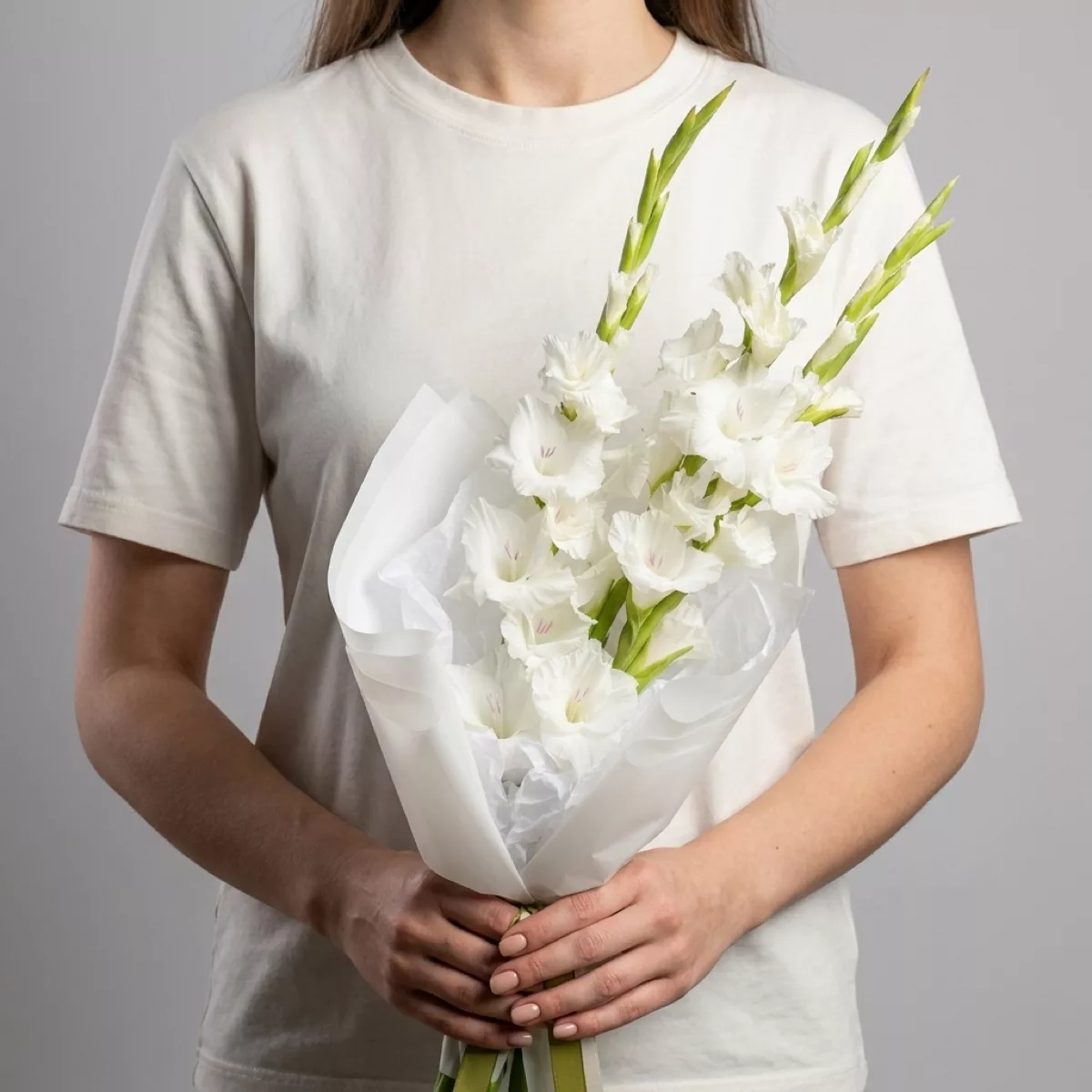
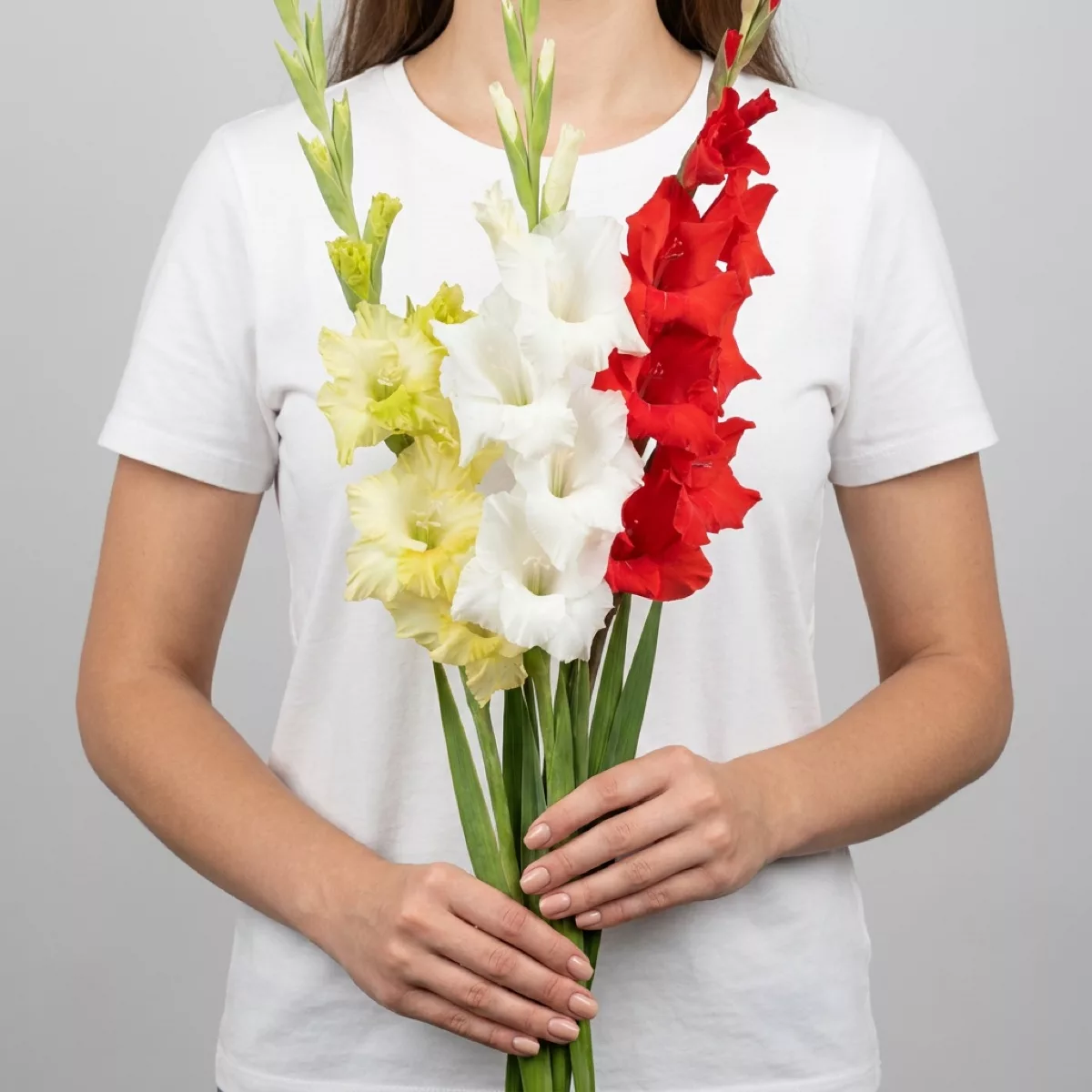
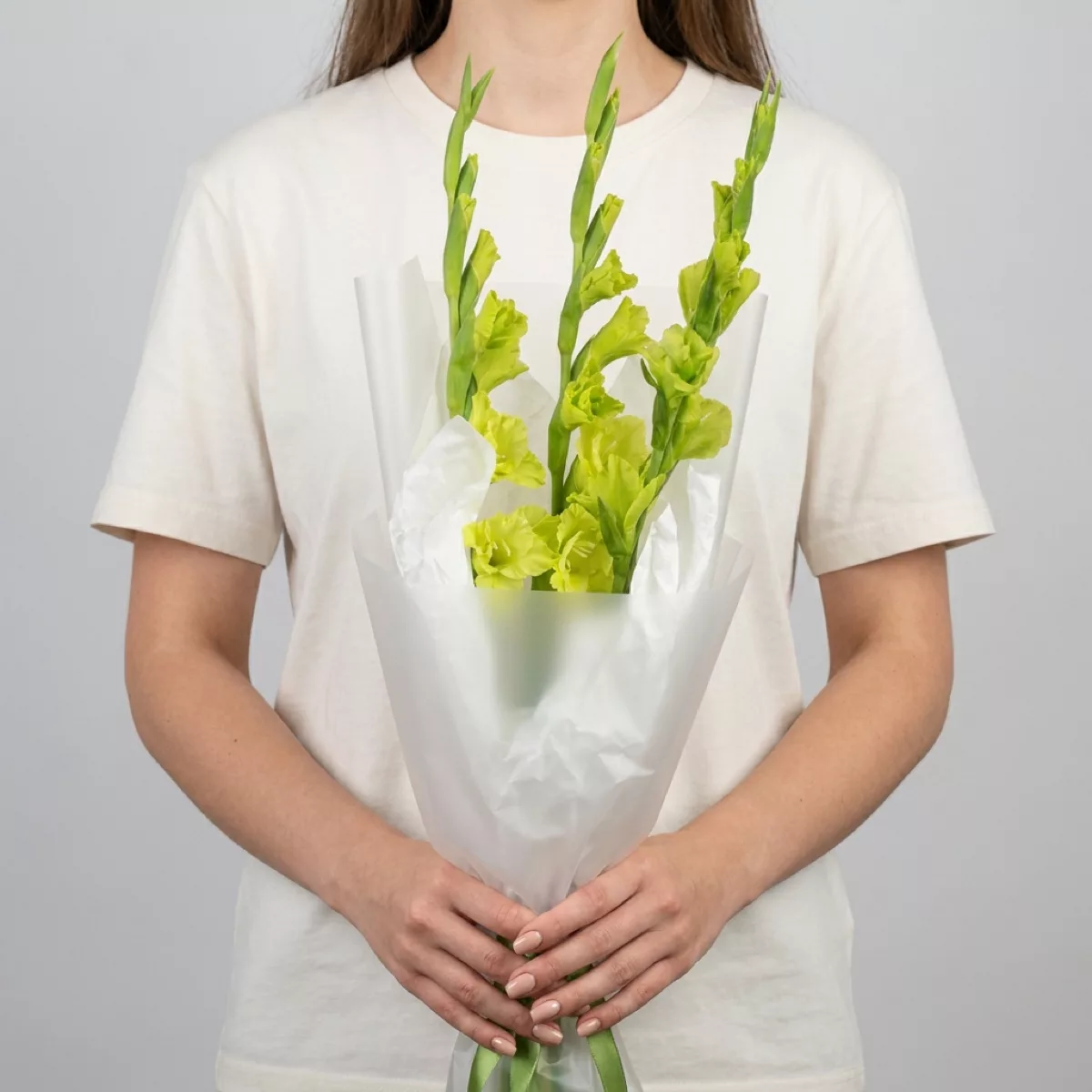
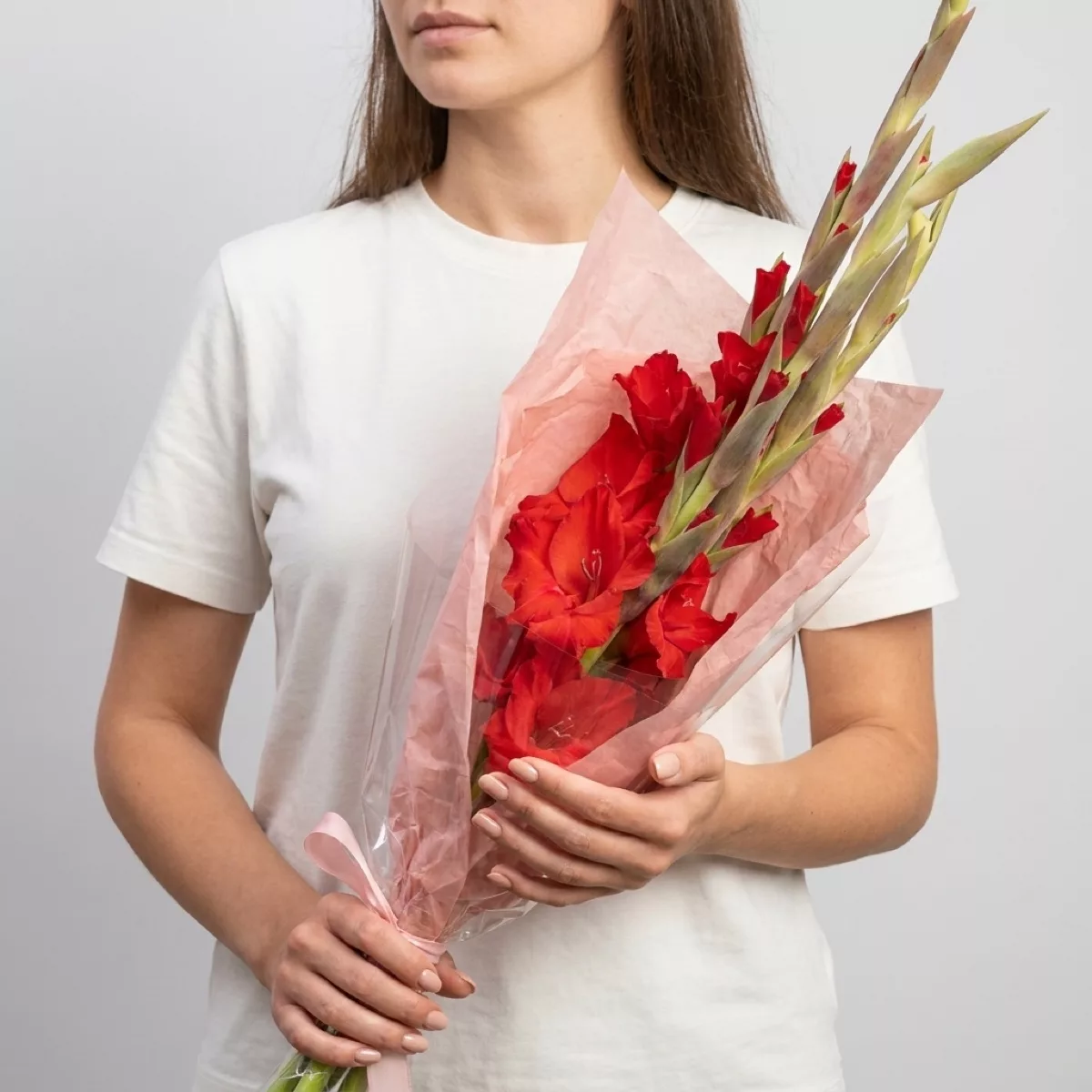
Bouquets we can deliver
Choosing Flowers for the Person, Not Just the Occasion
The best bouquet for Raychikhinsk is the one that fits the recipient's personality and the feeling you want to create. Start there, not with colour charts. If she is the kind of person who fills her home with plants and loves texture, a mixed arrangement of lisianthus, eucalyptus branches and spray roses will feel far more personal than a uniform dozen red roses. If he is practical and a little reserved, a clean, structured bouquet of white chrysanthemums or monochrome tulips in season says something without overwhelming.
In Russian culture, the number of flowers in a bouquet carries meaning. An even number of stems is traditionally associated with funerals, so bouquets for celebrations always contain an odd number — five, seven, eleven, fifteen. If you are ordering for a birthday or anniversary, this is a custom worth following. Most florists working in Russia already apply this automatically, but it is worth confirming when you place your order.
Colour carries softer associations than the number rule, but they are still present. White flowers are clean and elegant and work beautifully for any celebration. Yellow is cheerful and has shed most of its old negative associations among younger generations. Red is romantic and direct. Pink is warm and affectionate, well suited to family occasions or friendships. Purple, particularly in lisianthus or statice, reads as refined and thoughtful. When in doubt, a mix of soft pinks, whites and creams with green foliage is universally well received across generations and occasions.
Seasonal Availability and What Grows Well in the Russian Far East
Raychikhinsk does not have a large local cut-flower growing industry, so most flowers arrive from central Russian distribution hubs or are imported through established supply chains. This means the seasonal availability you might expect from a European florist — local tulips in April, peonies in June — does not map directly onto what is reliably fresh here.
The flowers that travel and hold best across long supply chains are the ones to prioritise. Chrysanthemums are exceptionally durable and available year-round in many varieties, from the large single-headed santini types to the full, round pompon forms. Alstroemeria is another strong choice — it opens gradually after delivery, which means the recipient enjoys the bouquet for longer. Roses sourced from Ecuador or Kenya and distributed through Moscow hold well if properly conditioned and packed.
In late spring and early summer, tulips and peonies become available and are worth requesting if the timing aligns. Peonies in particular are adored across Russia and carry a sense of occasion that few other flowers match. In winter, avoid flowers with very thin or papery petals — anemones and sweet peas, for example, suffer in extreme cold during transit even with insulated packaging. Gerberas can also struggle in hard frost conditions. Stick to roses, chrysanthemums, alstroemeria, lisianthus and carnations in the coldest months, and you will rarely be disappointed with the result.
Timing Your Order Across Time Zones
The time zone gap between your location and Raychikhinsk is not just an inconvenience — it is the central logistical challenge of sending flowers from abroad. Turboflora delivers within one to two hours of order confirmation, which means the window for same-day delivery depends entirely on when your order reaches us relative to local Raychikhinsk time.
The safest approach is to order at least one full day in advance. This removes the time zone calculation from the equation entirely and gives you room to communicate any special instructions clearly. If you are ordering for a birthday, aim for the morning of the recipient's local time — a bouquet that arrives at 10am feels like a celebration, while one that arrives at 8pm feels like an afterthought, even if the flowers are identical.
For landmark occasions like anniversaries or major birthdays, consider ordering two days ahead. This is particularly important if you are ordering during Russian public holidays, when demand spikes significantly. Key dates to be aware of include the 8th of March (International Women's Day, the single busiest flower day in Russia), the 14th of February, and the 1st of January. Around the 8th of March especially, even a 24-hour lead time can feel tight.
When you place your order, include the recipient's phone number. Delivery in Russia typically involves a call ahead to confirm the address and arrange access, particularly in apartment buildings where entry codes or intercoms are common. A valid local phone number makes the difference between a smooth delivery and a missed one.
Writing a Message That Crosses the Distance
A card message is where the emotional weight of your bouquet lives. The flowers create the moment, but the words make it personal. For a sender abroad, this is also an opportunity to acknowledge the distance directly — not as an apology, but as a statement of intention. Something like 'Even from this far away, I wanted you to have something beautiful today' lands very differently from a generic happy birthday message.
If you want to write in Russian but are not a native speaker, keep the message short and simple. A single sentence written correctly in Russian is more touching than a paragraph full of errors. Common transliteration tools can help, but be careful with automatic translation for anything emotionally nuanced — the result can read awkwardly. When in doubt, write in English. Many Russians, particularly in younger and middle-age groups, read English comfortably, and a heartfelt message in your own language is always more genuine than a stiff translated phrase.
Avoid overly formal language in card messages. Russian personal communication, even in writing, tends to be warm and direct between people who care about each other. Use the person's name, or a nickname if you have one for them. Reference something specific — a shared memory, an inside joke, a quality you admire. Florists who deliver these messages see thousands of cards, and the ones that clearly come from a real relationship are always the ones the recipient keeps.
If you want to include a longer letter or a printed photograph alongside the bouquet, mention this when ordering so it can be accommodated properly.
Packaging for Extreme Temperatures
Raychikhinsk's climate creates real challenges for flower delivery that do not exist in most of Europe or North America. In winter, the cold is not just uncomfortable — it is genuinely damaging to cut flowers. Exposed petals can freeze and bruise within minutes at minus 20 degrees Celsius, and the damage is irreversible. A rose that freezes during the last hundred metres of its journey looks wilted and translucent when it thaws, regardless of how perfect it was at the point of packing.
Professional cold-weather packaging uses insulated wrapping, sometimes combined with breathable materials that prevent condensation from forming when the flowers move from cold outdoor air into a warm interior. The transition from cold to warm is actually one of the more stressful moments for cut flowers — rapid temperature change causes stems to take up water unevenly, which can lead to drooping even in otherwise healthy blooms.
In summer, the challenge reverses. July and August temperatures in the Amur Region can be surprisingly high, and flowers left in direct sunlight or in a warm car during delivery will deteriorate quickly. Hydration and shading during transit become the priority.
When ordering for winter delivery, it is worth specifying that the bouquet is for a cold-climate destination and asking for appropriate packaging. Choosing hardier varieties — chrysanthemums, roses, alstroemeria — over more delicate ones is the most effective protection you can offer the flowers. Good packaging and the right flower choice together make the difference between a bouquet that arrives looking as intended and one that disappoints despite everyone's best efforts.
Helping Your Recipient Get the Most from the Bouquet
A beautiful bouquet deserves a few days of life, not just one. Including basic care instructions with your delivery is a small gesture that extends the joy of the gift considerably. If you are sending flowers to someone who does not often receive them, they may not know the basics, and a wilted bouquet two days after delivery is a quiet disappointment you can easily prevent.
The fundamentals are simple. Stems should be cut at an angle — about two centimetres from the bottom — before being placed in water. This increases the surface area for water uptake. The cut should ideally be made under running water or while the stem is submerged, to prevent air bubbles from blocking the vascular tissue. Any leaves that sit below the waterline should be removed, as they decompose quickly and cloud the water.
Fresh water every two days makes a significant difference. Vase water becomes bacterial quickly, particularly in warm interiors, and bacteria block stems and shorten vase life dramatically. Adding a small sachet of flower food — often included with professional bouquets — helps maintain water quality and provides a light nutrient source.
Keep the arrangement away from direct sunlight, radiators and fruit bowls. Ripening fruit releases ethylene gas, which accelerates ageing in cut flowers. In a cool room away from heat sources, a well-conditioned rose can last seven to ten days. Chrysanthemums and alstroemeria often exceed this. Lisianthus, if well hydrated, can last two weeks or more, making it one of the best choices when you want the recipient to enjoy the gift for as long as possible.
Sending flowers to Raychikhinsk from abroad is not complicated once you understand the geography, the climate and the small cultural details that make a bouquet feel genuinely considered rather than simply ordered. The time zone requires planning, the winter requires the right flowers and packaging, and the card message requires honesty over formality. Get those three things right, and the distance between you and the person you are thinking of shrinks to almost nothing. That is what flowers have always done, across every border and every language.
Frequently asked questions
Can I send flowers to Raychikhinsk if I do not speak Russian?
Yes, entirely. You can place your order in English, write your card message in English, and provide the recipient's details in Latin script. The delivery address will need to be accurate, so if you can get the Russian-language address from the recipient in advance, that helps. A valid local phone number for the recipient is the most important piece of information to have ready.
What is the best flower to send to Raychikhinsk in winter?
Roses, chrysanthemums and alstroemeria are the most reliable choices for cold-weather delivery. They tolerate temperature fluctuations better than thin-petalled varieties and hold their shape during transit. Avoid anemones, sweet peas and gerberas in the coldest months, as they are vulnerable to frost damage even with insulated packaging. A bouquet of deep red roses or white chrysanthemums in January feels both seasonal and generous.
How far in advance should I order for a specific date?
One full day in advance is the minimum comfortable lead time when ordering from a different time zone. For major occasions like the 8th of March or New Year, two days ahead is strongly advisable. Same-day delivery is possible if you place your order early enough in Raychikhinsk local time — remember the city runs on UTC plus 9, which is significantly ahead of most European and American time zones.
Why does the number of flowers in a Russian bouquet matter?
In Russian tradition, an even number of stems is associated with mourning and funerals, while an odd number is used for celebrations and gifts. A bouquet of twelve roses, for example, would feel out of place at a birthday, while eleven or thirteen would be entirely correct. This custom is widely observed across generations in Russia, so it is worth confirming your bouquet follows it when you order.
Can I include a gift or a note with the flowers?
A card message is included with every order and is the most personal addition you can make. If you would like to include a longer handwritten letter, a printed photograph or a small accompanying item, mention this specifically when placing your order so it can be arranged properly. Keep in mind that any additional items need to be practical for delivery — fragile or bulky additions may not always be feasible depending on the bouquet size and route.
Ready to send flowers?
Pick the city, choose the bouquet, and a local florist takes it from there.
Choose a city →