Sending Flowers to Rodniki from Abroad? Here Is What to Actually Expect
You are sitting in Berlin, Toronto or Dubai, and someone you love is celebrating in Rodniki — a quiet textile town in the Ivanovo region, where a bouquet arriving at the door means everything. The distance feels enormous, but the gesture does not have to. Here is what an international sender genuinely needs to understand before placing an order, so the flowers arrive fresh, on time and in a way that feels right for the occasion.
Why Rodniki Is Worth Sending to — and What Makes It Different
Rodniki sits in the Ivanovo region of central Russia, a town built around its textile industry and held together by close community ties. It is not a major metropolitan centre, which means a flower delivery there carries more emotional weight than it might in a large city. When a bouquet arrives in a smaller town, neighbours notice, families talk about it, and the recipient feels genuinely singled out. That context matters when you are choosing what to send.
The town experiences a proper continental climate — cold winters that push down to minus fifteen or colder, warm summers, and shoulder seasons that can be unpredictable. Temperature affects how flowers travel, and a florist who understands cold-weather logistics will pack stems accordingly, using insulated wrapping and conditioning the water-filled foam or stems before dispatch.
Because Rodniki is not on every courier's standard route, working with a florist who has established delivery infrastructure across Russian regions — rather than relying on generic postal services — is the practical difference between a bouquet that arrives in perfect condition and one that does not arrive at all. Turboflora delivers across Russia, including the Ivanovo region, with a one-to-two hour delivery window from the moment the order is confirmed. For someone ordering from abroad, that reliability is the whole point.
Bouquets we can deliver

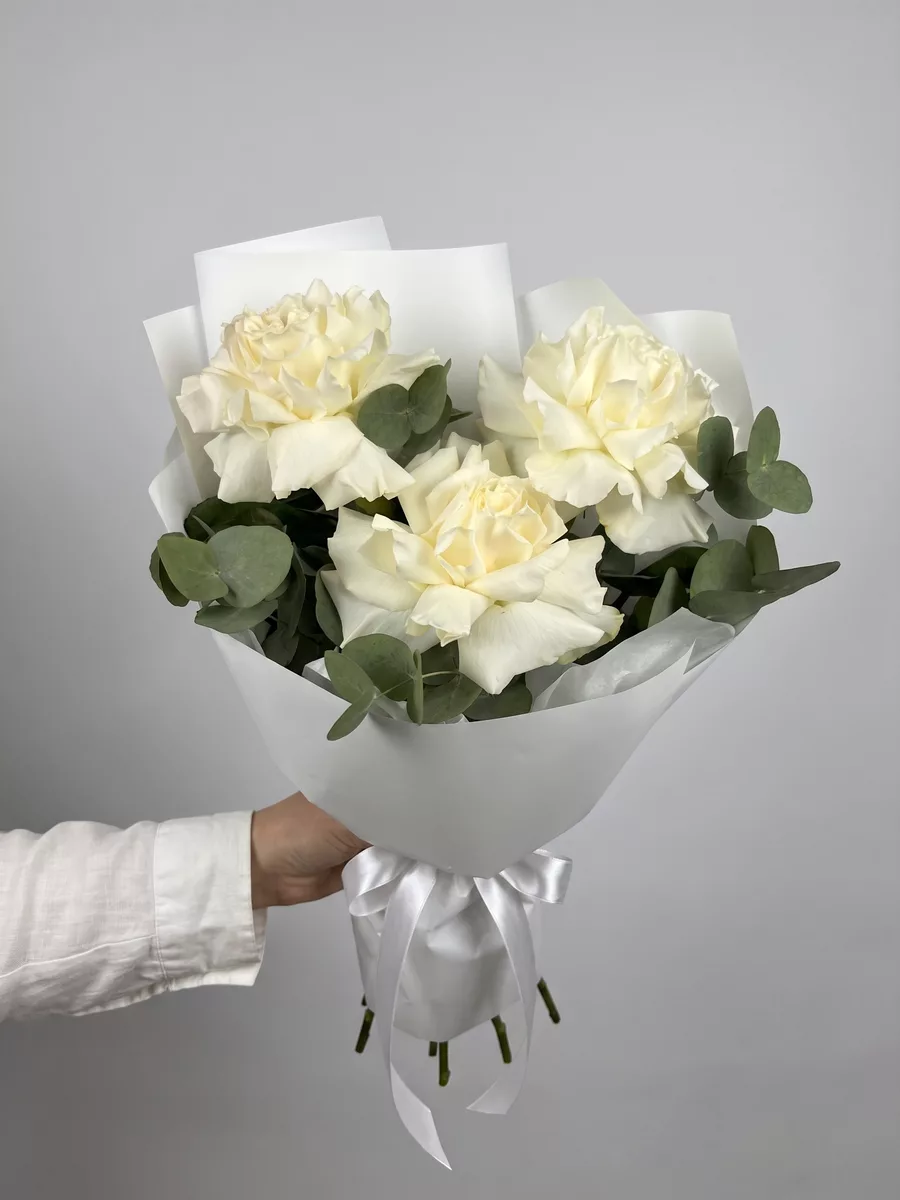
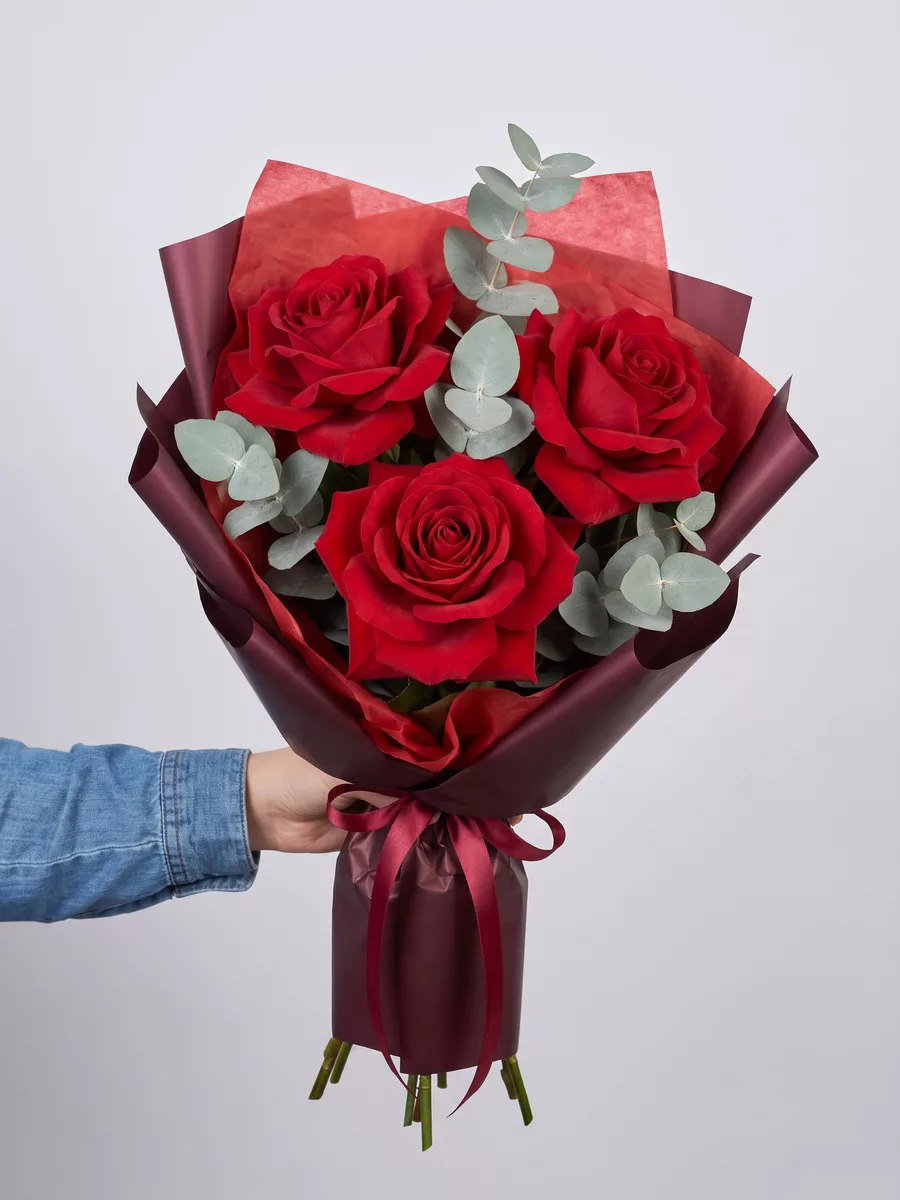
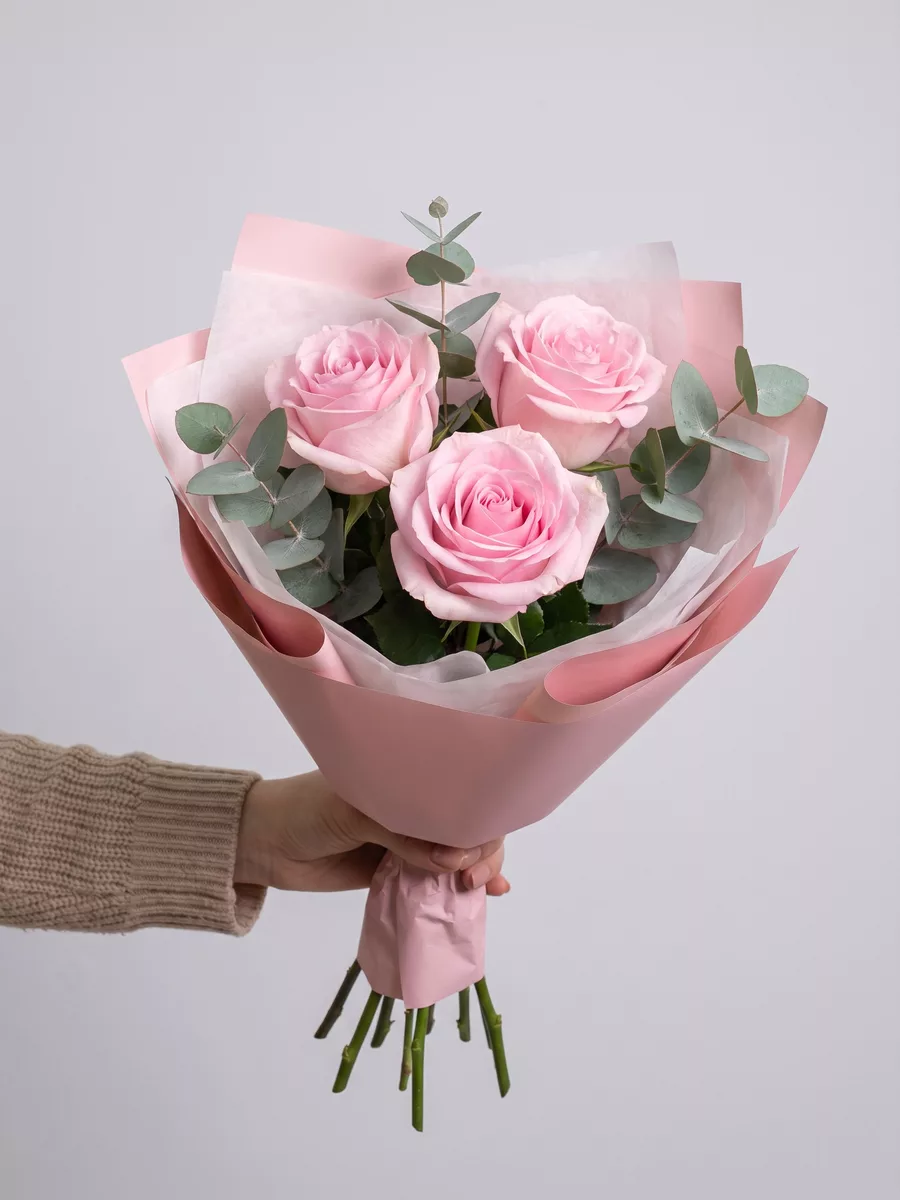
Timing Your Order Across Time Zones — Getting This Right
Moscow time is the reference point for all Russian deliveries, and Rodniki follows it. If you are in London, that is a three-hour gap in winter and two hours in summer. From New York it is seven or eight hours. From Tokyo, six hours in the opposite direction. Before you place an order, convert the delivery window you want into Moscow time and confirm it explicitly when ordering — do not assume the florist will do the conversion for you.
The safest approach for an international sender is to order the evening before, your local time, targeting a mid-morning delivery in Rodniki. This gives the florist time to prepare the arrangement during their working hours and avoids the rush of same-day last-minute requests. If the occasion is a birthday breakfast or a morning anniversary, aim for a nine-to-eleven o'clock delivery slot in Moscow time.
One common mistake is ordering on the day itself without accounting for the time difference. A sender in Los Angeles placing an order at eight in the morning local time will find it is already late afternoon in Rodniki — the window for a daytime delivery has closed. Build in a buffer of at least twelve hours between your order and the desired arrival time when ordering internationally. It removes the anxiety and gives the florist room to prepare something genuinely beautiful rather than rushing through assembly.
What Russian Recipients Actually Expect from a Bouquet
Russian gifting culture around flowers has specific traditions that are worth knowing if you want the bouquet to land well. The most important one: always send an odd number of stems. Even numbers of flowers are associated with mourning in Russian tradition, so a bouquet of twelve roses, however generous it seems, will feel jarring to a Russian recipient. Eleven, fifteen, nineteen, twenty-one — these are the numbers that feel celebratory and correct.
Colour carries meaning too. Red roses signal romantic love very directly and are best reserved for partners. For a mother, a colleague, a friend or a teacher, softer palettes work better — blush pinks, creamy whites, coral tones, or a mix of seasonal blooms in warm yellows and lilac. If you are sending to a woman you know well but are unsure of her taste, a mixed bouquet built around garden roses, alstroemeria and eucalyptus reads as thoughtful and universally appealing.
Presentation matters as much as the flowers themselves. Russian recipients appreciate generous wrapping — kraft paper with a ribbon, or a structured round bouquet with a visible face of blooms. A sparse, minimalist arrangement that might feel elegant in a Scandinavian context can read as underwhelming in a Russian one. When in doubt, go fuller rather than smaller, and ask the florist to include a handwritten card in Russian if you provide the text — that personal touch is remembered long after the flowers have faded.
Choosing Flowers by Season — What Will Actually Be Fresh
Ordering flowers without thinking about the season is the fastest way to end up with a bouquet that looks tired on arrival. In Rodniki's winter months, from November through March, locally sourced garden flowers are not available — the bouquet will be built from greenhouse and imported stems. Roses, chrysanthemums, carnations, alstroemeria, and spray roses travel well in cold weather and hold up beautifully. Tulips are available through winter and early spring, and they are enormously popular in Russia — a generous bunch of tulips in white or pink is a reliable choice.
Spring brings the first seasonal excitement. By late March and through April, hyacinths, ranunculus and anemones appear alongside the first outdoor tulips. These are fragrant, visually striking and feel genuinely seasonal. If you are sending for International Women's Day on the eighth of March — one of the biggest flower-giving days in Russia — order well in advance, because demand is extraordinary and florists book up fast.
Summer opens up the full palette: lisianthus, peonies in May and June, sunflowers from July, dahlias through August and September. Autumn is the season of chrysanthemums and late roses. Peonies are the one variety international senders frequently request out of season — they are simply not available in winter, and substituting them with garden roses or ranunculus achieves a similar soft, layered look. A good florist will tell you this honestly rather than sending something that does not meet the expectation.
How to Place an Order from Outside Russia Without Complications
The practical steps are simpler than most international senders expect. You will need the recipient's full name, a working Russian mobile number, and a precise delivery address including the apartment number and entry code if there is one. Russian addresses follow a specific format: city, street, building number, apartment number — and in older residential blocks, the entrance number matters too. If you do not have the entry code, note that in the order comments so the florist can call ahead.
Payment from abroad is handled through international card systems, and Turboflora's website supports this. If your card is declined due to regional banking restrictions — which does happen with some European and North American cards in the current environment — contact the team directly and they will walk you through an alternative method. Do not abandon the order; there is usually a straightforward solution.
The message card is where many international senders underestimate the impact. Write your message in English if that is your language, and ask the florist to transliterate or translate it into Russian for the card. A message in Russian, even a short one, signals effort and care to the recipient in a way that an English card simply cannot, unless the recipient is fluent. Keep the message warm and specific — mention the occasion, say the name, and make it personal. Generic congratulations read as generic, whatever language they are in.
Helping the Recipient Keep Flowers Fresh Longer
A beautiful bouquet deserves a long vase life, and a few simple instructions make a real difference. When you send flowers, include care notes in your message or ask the florist to attach them to the packaging. Most Russian recipients know the basics, but a reminder never hurts — especially for someone who does not often receive fresh flowers.
The stems should be cut at a diagonal, about two centimetres from the bottom, using a sharp knife rather than scissors. Scissors crush the stem tissue and reduce water uptake. The cut should happen while the stems are submerged in water if possible, which prevents an air bubble from forming at the tip. Change the vase water every two days and add a small sachet of flower food if one is included with the bouquet.
Keep the vase away from direct sunlight, radiators and fruit bowls. Ethylene gas from ripening fruit, particularly apples and bananas, shortens flower life noticeably — roses and tulips are especially sensitive. In winter, Rodniki's apartments can be very warm due to central heating, so placing flowers near a cool window (without a draught) extends their freshness. Roses and alstroemeria typically last seven to ten days with good care. Tulips are shorter — four to six days — but they open beautifully and the display is worth it. Chrysanthemums are the endurance champions, often lasting two weeks or more.
Occasions That Warrant Sending Flowers to Rodniki — and How to Match Them
Birthdays are the most common reason international senders reach out, and they deserve a bouquet that feels celebratory rather than merely polite. For a significant birthday — a fortieth, a fiftieth, a seventieth — go for volume and warmth. A large arrangement combining roses, lisianthus and decorative greenery in rich tones sends a message that the occasion was taken seriously from thousands of kilometres away.
Anniversaries call for something more intimate. A structured hand-tied bouquet of garden roses in blush or cream, tied with a satin ribbon and accompanied by a personal card, feels romantic without being overwhelming. If the couple has a favourite flower, build around that — it shows you remembered.
New baby congratulations are increasingly popular. In Russian tradition, flowers for a new mother tend to be soft and gentle — pale pink or white arrangements, often featuring spray roses, gypsophila or delicate alstroemeria. Avoid strongly scented flowers like lilies near a newborn.
Graduation, promotion and professional achievements are also genuine flower occasions in Russia. A bold, confident arrangement — sunflowers, bright gerberas, or a sculptural bouquet of mixed seasonal stems — suits these moments. Teacher appreciation, particularly around Knowledge Day on the first of September, is a deeply embedded tradition: schoolchildren and their parents send flowers to teachers, and a bouquet from abroad for a beloved teacher carries enormous sentimental value. Whatever the occasion, the fact that you sent from another country is itself part of the gift.
Sending flowers to Rodniki from abroad is not complicated once you understand the moving parts — time zones, odd stem counts, seasonal availability and the right address format. What matters most is that the person receiving that bouquet in a small Russian town knows they were thought of specifically, deliberately and with care. A well-chosen, properly delivered arrangement does exactly that, crossing the distance as cleanly as any message could.
Frequently asked questions
Can I order flowers for Rodniki delivery if I live outside Russia?
Yes. Turboflora accepts international orders and supports payment by foreign cards. You will need the recipient's full Russian address, including apartment number and entry code, plus a working Russian mobile number. If your card is declined due to banking restrictions, contact the team directly for an alternative payment method — the process is straightforward.
How far in advance should I order from a different time zone?
At least twelve hours before the desired delivery time, calculated in Moscow time. If you are in North America or Asia, this often means ordering the evening before your local day. Converting the delivery window to Moscow time before you order prevents the most common mistake — placing an order after the local delivery window has already closed.
Why does the number of flowers in a bouquet matter in Russia?
In Russian tradition, even numbers of flowers are associated with mourning and are brought to funerals. For any celebratory occasion — birthday, anniversary, graduation — always choose an odd number of stems. Eleven, fifteen, nineteen or twenty-one are all appropriate and will feel correct to a Russian recipient in a way that a round dozen simply does not.
Which flowers are available in Rodniki during winter months?
In winter, fresh flowers come from greenhouses and import. Roses, alstroemeria, chrysanthemums, carnations, spray roses and tulips are all reliably available and travel well in cold conditions. Peonies and outdoor garden flowers are not available until late spring. A florist can suggest the best seasonal combination to match your budget and the occasion.
Can I include a message card written in Russian if I do not speak the language?
Yes — write your message in English when placing the order and ask Turboflora to translate or transliterate it into Russian for the card. Even a short message in Russian makes a strong impression on the recipient. Provide the text you want, specify that you would like it in Russian, and the florist will handle the rest.
Ready to send flowers?
Pick the city, choose the bouquet, and a local florist takes it from there.
Choose a city →