Sending Flowers to Rtishchevo from Abroad? Read This First
You are sitting in Berlin, Toronto or Dubai, and someone you love is in Rtishchevo — a quiet city in the Saratov region, far from the capital but full of people who deserve a beautiful bouquet on the right day. The distance feels enormous, but the gesture does not have to. What you need is not luck but a little knowledge about timing, local customs and which flowers actually survive the journey from our Saint Petersburg warehouse to a doorstep in the Volga steppe.
What Rtishchevo Is Like and Why It Matters for Your Order
Rtishchevo sits in the southern part of the Saratov region, a railway hub city with a population of roughly forty thousand people. It has a continental climate: summers are hot and dry, winters are cold and sharp, and the transition seasons — March through April and October through November — can swing dramatically within a single week. This matters directly for the flowers you choose and for how they will look when they arrive.
In summer, daytime temperatures in Rtishchevo can exceed thirty degrees Celsius. Delicate open blooms like garden roses, sweet peas or anemones stress quickly in that heat. In winter, the city regularly drops below minus fifteen, which means exposed petals can freeze between the courier's vehicle and the front door. Our packaging accounts for this, but you as the sender can help by choosing sturdier varieties during extreme seasons.
The city is not a metropolitan centre, so the recipient will feel the thoughtfulness of a delivered bouquet more acutely than someone in Moscow might. A well-chosen arrangement in Rtishchevo is a genuine event. That context should shape how you think about presentation: a generous, full bouquet with good wrapping will make a stronger impression than a minimal spray that might look understated in a smaller home setting. Think volume, think colour, think how it will look on a kitchen table in natural light.
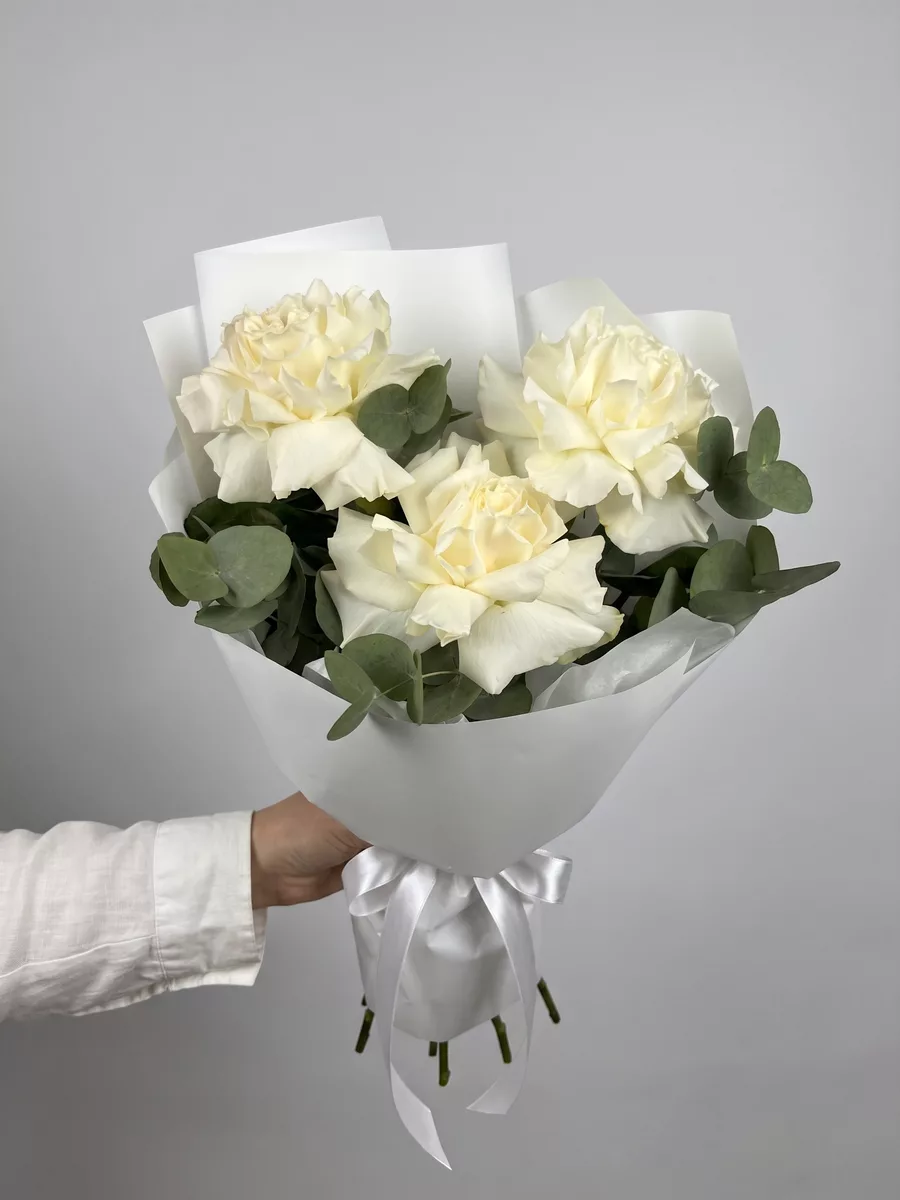
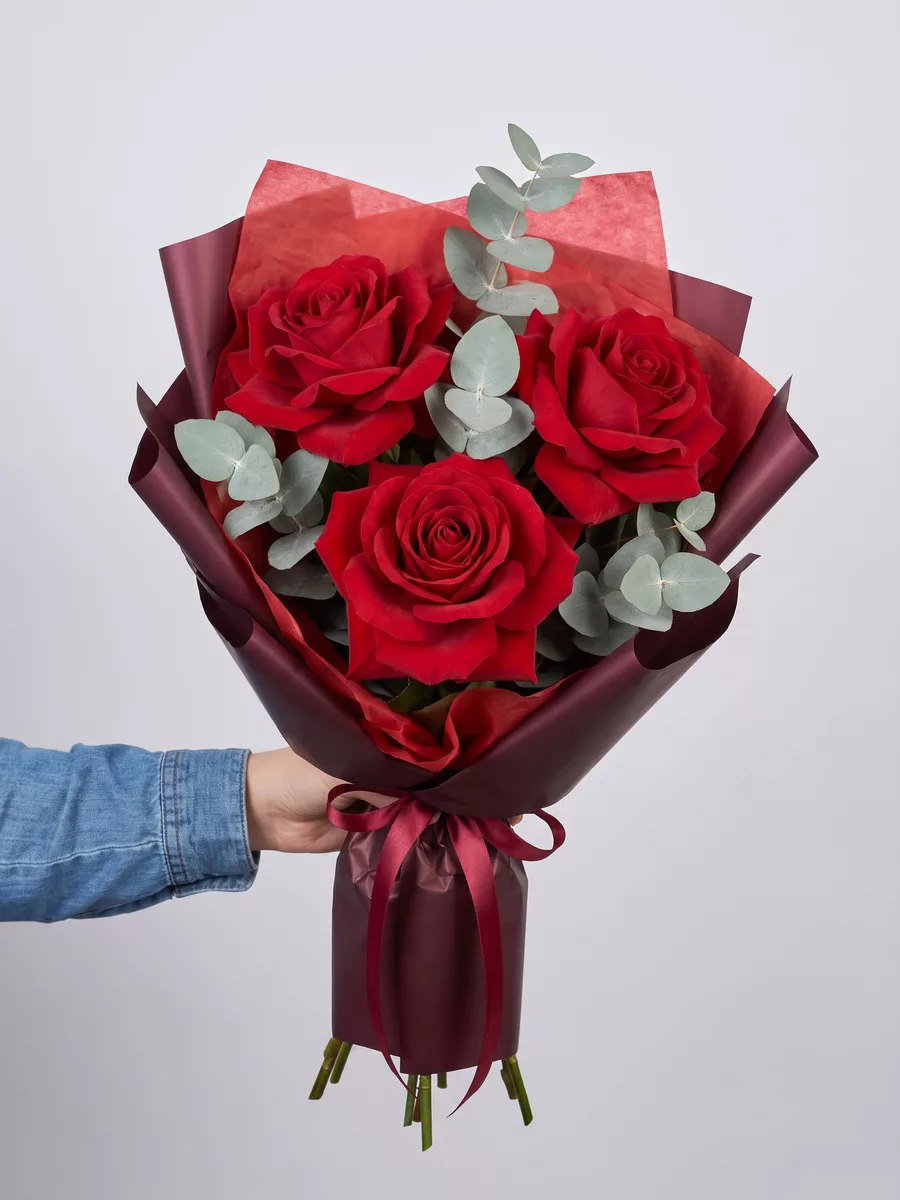
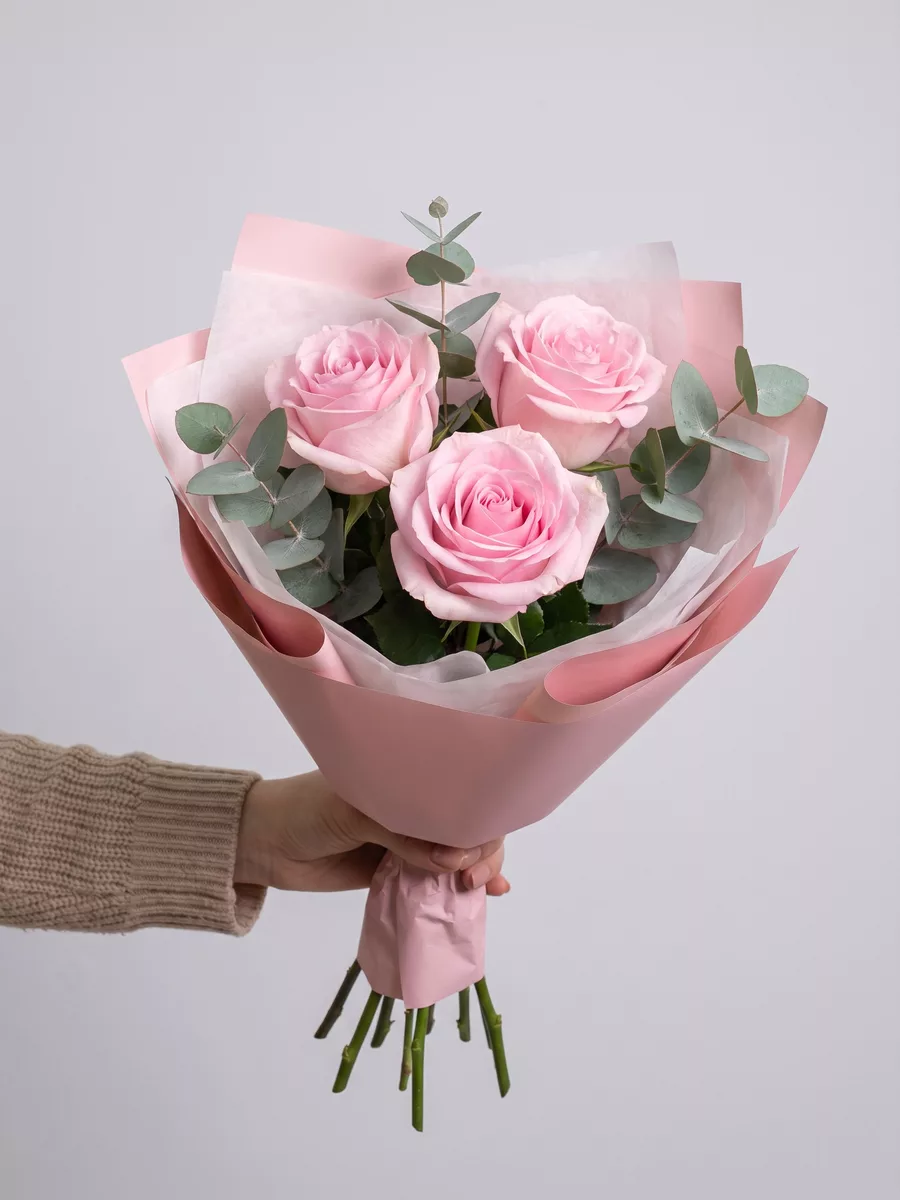
Bouquets we can deliver

Timing Your Order Across Time Zones Without Getting It Wrong
Rtishchevo operates on Moscow Standard Time, which is UTC plus three with no daylight saving adjustment. If you are ordering from Western Europe, you are typically two or three hours behind. From North America's east coast, you are eight hours behind. From the Gulf region, you may actually be only one hour behind or even ahead. Write this difference down before you place your order, because the most common mistake international senders make is confusing their local afternoon with the recipient's evening.
A bouquet ordered at noon in London on a Tuesday arrives in Rtishchevo during what is already late afternoon or early evening local time — which is actually a pleasant moment to receive flowers, right as someone comes home from work. But if you order at six in the evening London time, you are pushing into late night in Rtishchevo, and a nine or ten o'clock doorbell is not always welcome. Morning deliveries, timed for nine to eleven Rtishchevo time, work beautifully for birthdays and are worth the early alarm on your end.
For significant occasions — anniversaries, milestone birthdays, graduations — place your order at least twenty-four hours ahead. This gives the florists time to source the specific varieties you want rather than substituting from available stock. Rush orders are possible, but they narrow your choices. The flowers that arrive on time and look exactly right are always the ones ordered with a little breathing room.
Russian Gifting Customs You Should Know Before You Choose
Flowers carry social meaning in Russia that goes beyond decoration, and knowing a few conventions will help you avoid awkward moments. The most important rule for a sender from abroad: always send an odd number of stems. Even numbers of flowers are traditionally associated with mourning and are placed at graves. A bouquet of eleven roses or fifteen tulips signals celebration; a bouquet of ten signals something entirely different to a Russian recipient. Our florists count automatically, but if you are specifying a custom number, keep this in mind.
Yellow flowers have a complicated reputation in Russian culture. Many older recipients associate yellow roses or yellow chrysanthemums with separation or bad luck in relationships. This is softening among younger generations in cities, but in a smaller city like Rtishchevo, where traditions hold longer, it is safer to avoid all-yellow arrangements unless you know the recipient well and are certain they find the superstition irrelevant. Yellow accents within a mixed bouquet are generally fine.
For a first-time gift to someone's home — meeting a partner's parents, thanking a host — roses are the safest and most respected choice. They read as serious and considered. For a friend's birthday or a colleague's achievement, something more playful works well: alstroemeria mixed with spray roses, or a bright gerbera arrangement. Russians tend to appreciate generous bouquets over minimal ones; a full, lush presentation feels more like a real gift than a single stem or a sparse three-flower spray.
Which Flowers Travel Best to Rtishchevo by Season
Winter, roughly November through February, calls for the most resilient varieties. Roses with tight, high-centred buds — classic hybrid teas — hold cold temperatures far better than open garden varieties. Chrysanthemums are excellent in winter: they are naturally cold-tolerant and last well in centrally heated Russian apartments. Carnations, often underestimated, are genuinely hardy and come in enough colours to feel festive rather than institutional when arranged thoughtfully with eucalyptus or ruscus.
Spring is the season of tulips in Russia, and Rtishchevo is no exception. From late February through April, tulips are the culturally expected flower — they appear everywhere around International Women's Day on the eighth of March, which is the single biggest flower-giving occasion in the Russian calendar. Ordering tulips for that date requires advance planning of at least three to five days; demand is enormous nationwide. Daffodils and hyacinths also work beautifully in spring and add fragrance that a photo cannot capture but a recipient will remember.
Summer heat makes open peonies risky for long transit, but tight peony buds ordered in late May and June travel well and open gradually after delivery — which the recipient gets to watch, which is its own small pleasure. Lisianthus is a summer standout: it resembles a rose but is more heat-tolerant and lasts ten to fourteen days in a vase. Autumn suits dahlias, sunflowers and solidago; their warm tones match the season and they are structurally robust enough to handle the temperature swings of October.
How to Write a Card Message That Lands Well in Russian Context
You do not need to write in Russian. A message in English, French, German or any language the recipient reads is entirely personal and often more moving than a translated phrase that loses its warmth in transit. If you want the card written in Russian, you can provide the text yourself or ask our team to help render a short phrase — we are used to this request from international clients.
Keep the message specific rather than generic. Instead of writing happy birthday, write something that only you could write: a shared memory, a private joke, a reference to the last time you were in the same city. Recipients in smaller cities like Rtishchevo receive fewer internationally sent bouquets than people in Moscow, so the arrival of yours is already remarkable — the card is the moment where you make it personal.
Avoid overly formal language if you are writing to a close friend or family member. Russian culture values warmth and directness between people who are close. A card that sounds like a corporate greeting will feel cold even if the flowers are gorgeous. On the other hand, if you are sending to a professional contact or someone you respect formally, a brief and dignified message is appropriate — do not try to be casual if the relationship is not casual.
One practical note: specify on your order whether the card should be printed or handwritten. A handwritten card adds a tactile quality that printed text cannot match, and for a bouquet traveling a long distance, that small detail signals genuine effort.
Vase Life and Care Instructions for the Recipient
If the recipient has never received a professional florist's bouquet before — which is more common in smaller cities than in capitals — they may not know the basics of keeping flowers alive. You can include care instructions with the order, and it is worth doing. A bouquet that wilts in two days because the stems were not cut or the water was not changed feels like a disappointment, even if the initial presentation was stunning.
The fundamentals are simple. Stems should be cut at a forty-five-degree angle under running water, about two centimetres from the bottom, as soon as the bouquet is unwrapped. This angle increases the surface area for water uptake and prevents the flat base of the stem from sitting against the vase bottom and blocking flow. The water should be cool and changed every two days. Any leaves that fall below the waterline should be removed immediately — submerged foliage rots quickly and contaminates the water, which shortens vase life dramatically.
In summer, keep the vase away from direct sunlight and away from fruit bowls. Ripening fruit releases ethylene gas, which accelerates petal drop in roses and tulips especially. In winter, Russian apartments are often very warm due to central heating — placing the vase in a cooler room overnight, or even near a cool window, extends vase life noticeably. Tulips in particular last longer when kept at ten to fifteen degrees Celsius. Lisianthus and chrysanthemums are the most forgiving varieties for recipients who may forget to change the water regularly — they tolerate neglect better than most.
Placing Your Order from Outside Russia: Practical Details
Ordering from abroad is straightforward, but a few details are worth confirming before you complete the checkout. The delivery address needs to be as complete as possible: street, building number, apartment number and ideally the entrance number, which in Russian apartment blocks is called a podyezd. Many buildings in Rtishchevo have multiple entrances, and a courier without the entrance number can lose significant time — time that costs the flowers their freshness in summer or exposes them to cold in winter.
A working phone number for the recipient is essential. Our couriers call ahead to confirm delivery, both as a courtesy and as a practical measure. If the recipient is not home, we need to arrange a second attempt or a safe handoff. If you do not want to spoil the surprise by giving the recipient's number, you can provide an alternate contact — a family member in the same building, for example — who can receive the bouquet discreetly.
Payment from international cards works through our standard checkout. If you encounter any issue, our support team is available and accustomed to helping senders in different time zones — we deal with clients across Europe, the Middle East and North America regularly. Specify the delivery window you want in Rtishchevo time, not your local time, and double-check the date: a one-day error because of a time zone miscalculation is the most frequent and most easily avoided mistake international senders make. A quick review before you confirm the order takes thirty seconds and saves a great deal of frustration.
Sending flowers to Rtishchevo from the other side of the world is less complicated than it sounds, and far more meaningful than you might expect. A bouquet arriving in a smaller Russian city carries weight — it says that someone abroad was thinking specifically of this person, on this day, enough to learn the customs, choose the right flowers for the season and get the timing right across multiple time zones. That is not a small thing. It is the kind of gesture people in Rtishchevo talk about.
Frequently asked questions
Can I send flowers to Rtishchevo if I do not speak Russian?
Yes, entirely. Our ordering process is available in English, and our support team handles international inquiries regularly. You can write your card message in any language the recipient reads. If you would like the card in Russian and do not speak it yourself, share the sentiment with us and we can help phrase it appropriately for the occasion.
What is the best flower choice for International Women's Day deliveries to Rtishchevo?
Tulips are the traditional and culturally expected choice for the eighth of March across Russia, including Rtishchevo. Mixed tulip bouquets in pink, white and red are particularly popular. Order at least four to five days ahead — demand across the country is extremely high in the days surrounding this date, and early orders get priority access to the freshest stock.
Will the flowers freeze during winter delivery in Rtishchevo?
We use insulated packaging designed for cold-weather delivery in Russian winters. Choosing cold-tolerant varieties — roses with tight buds, chrysanthemums, carnations — reduces risk further. Our couriers move quickly between vehicle and doorstep. Brief exposure to minus temperatures during handoff does not damage properly packaged flowers, though we always recommend the recipient unwrap and place stems in water promptly.
How specific does the delivery address need to be?
Very specific. Include the full street address, building number, apartment number and the entrance number of the building if it has multiple entrances. Russian apartment buildings in cities like Rtishchevo commonly have four to six separate entrances, and a missing entrance number can delay delivery by fifteen to twenty minutes — long enough to matter in summer heat or winter cold.
Can I schedule delivery for a precise time rather than a window?
We offer delivery windows rather than exact minute-precise times, which is standard for fresh flower logistics. You can choose a morning, midday or afternoon window in Rtishchevo local time. For surprise deliveries where the recipient is definitely home at a known hour — after a graduation ceremony, for example — choose the window that covers that period and note the context in your order comments.
Ready to send flowers?
Pick the city, choose the bouquet, and a local florist takes it from there.
Choose a city →