Sending Flowers to a Russian Birthday Party You Can't Attend
You are several time zones away, the party starts in a few hours, and you want the birthday table to have flowers on it when your person walks in. That is a very solvable problem — but only if you move quickly and know what to expect from the Russian side of the delivery.
Why Timing Is the First Thing You Need to Sort Out
Russia spans eleven time zones, so the gap between your clock and the party clock can be brutal. If you are calling from New York, Moscow is eight hours ahead; from London, three; from Tokyo, six hours behind. Work out the local time in the city first, before you do anything else, because a same-day delivery window is typically available until early evening local time.
Turboflora delivers across Russia within one to two hours of order confirmation, which means you have a real chance of getting flowers there on the day — even if you only remembered this morning. But that window closes. Most florists, including us, need the order placed at least ninety minutes before your target arrival time to allow for assembly, wrapping, and transit.
Ask yourself: when will the guests sit down? Russian birthday parties often begin at six or seven in the evening, which gives an overseas sender a reasonable runway if they place the order by mid-afternoon Moscow time. If the celebration is a lunchtime affair, you need to be placing that order the night before. Getting the timing right is the single step that determines whether this works at all, so treat it as non-negotiable before you move on to choosing flowers.
Bouquets we can deliver


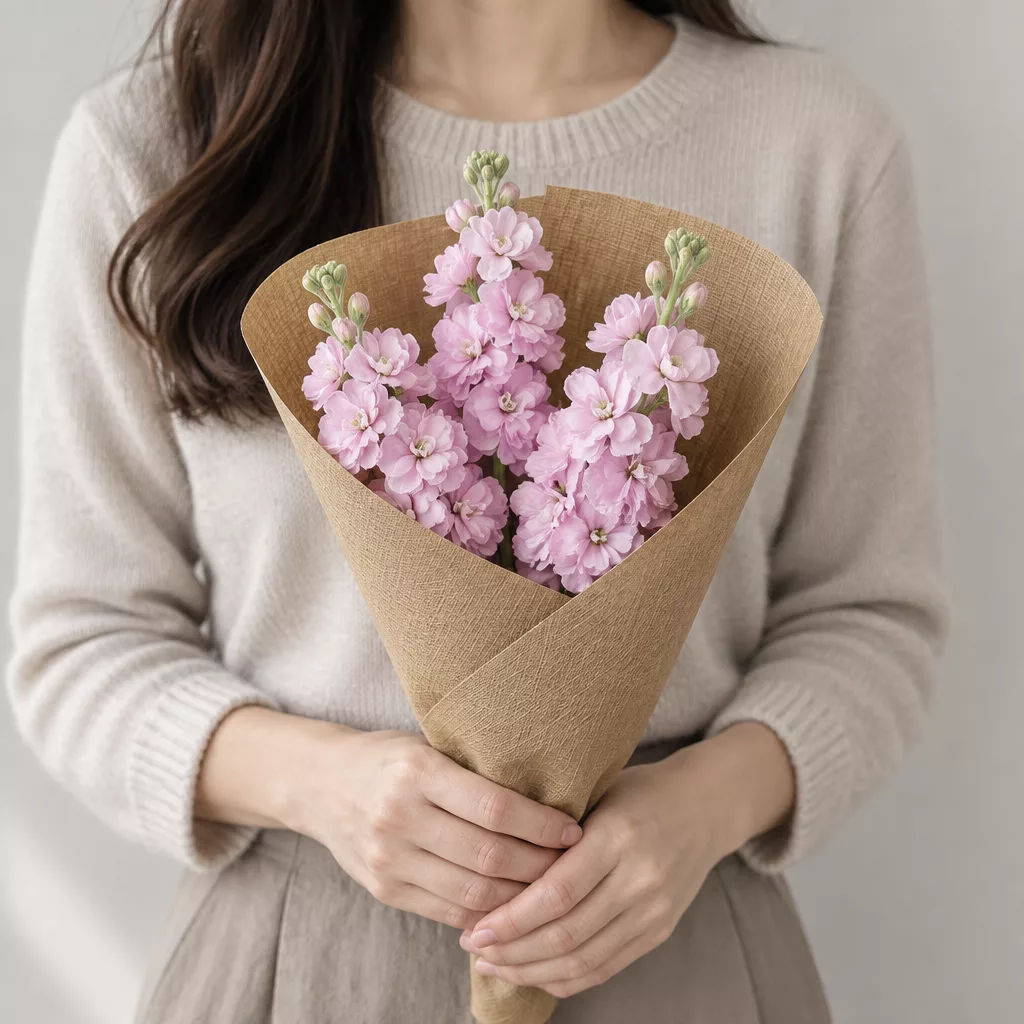
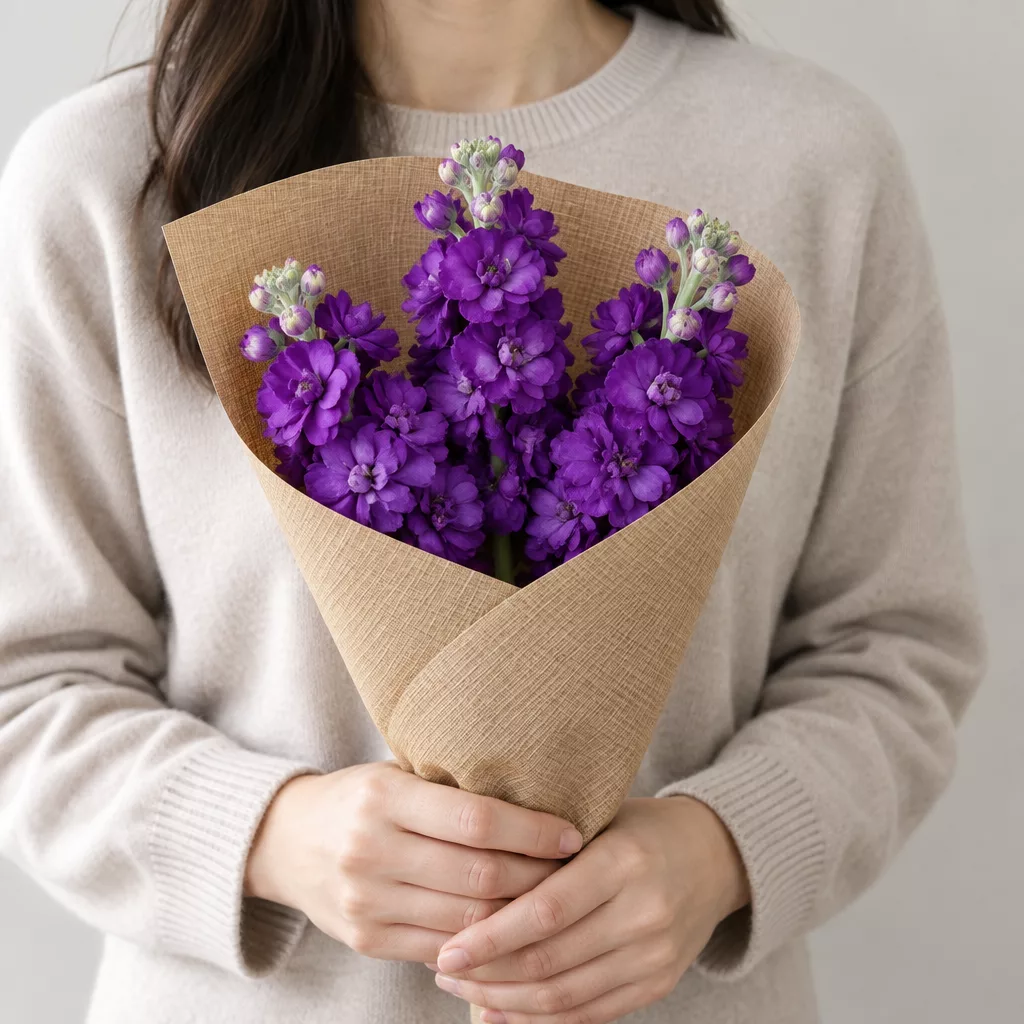
What You Need From the Recipient Before You Order
You cannot deliver flowers to a person — you can only deliver them to an address. That sounds obvious, but it is the detail that stalls the most orders from overseas senders. You need a full street address in Russian or transliterated Latin characters, an apartment or office number if relevant, and a working Russian mobile number for the recipient or a trusted person at the venue.
If you want the delivery to be a surprise, collect the address from a mutual friend or family member rather than the birthday person. In Russia, a courier will typically call ahead on the provided number to confirm someone is available to receive the bouquet. If nobody answers, the delivery may be delayed, so make sure the number you give belongs to someone who will actually pick up.
For party deliveries specifically, it helps to note whether the celebration is at a private apartment, a restaurant, or a dacha. Apartments in older Russian buildings sometimes have intercoms that require a code, and restaurants may have a back entrance for deliveries. Passing that detail along in the order notes takes thirty seconds and prevents a courier from standing outside for ten minutes. A little logistical groundwork on your end means the flowers arrive at the table rather than on the doorstep.
Understanding Russian Birthday Flower Customs
Russian flower-giving has one rule that surprises almost every overseas sender: the number of stems must be odd. Even numbers of flowers are associated with mourning and funerals, so a bouquet of twelve roses sends entirely the wrong message. Thirteen roses, fifteen, or twenty-one — all perfectly fine. Eleven is a classic, elegant choice. This is not a superstition you can skip; it is a social convention that people genuinely notice.
Colour carries meaning too, though less rigidly. Red roses signal deep romantic feeling and are most appropriate from a partner. For a friend, colleague, or relative, softer palettes work better: blush and ivory roses, lilac and white lisianthus, coral spray carnations mixed with eucalyptus. These combinations read as celebratory without making the relationship feel more intense than it is.
Birthday flowers in Russia are meant to be presented publicly, often at the door or at the table in front of other guests. A beautifully wrapped bouquet matters as much as the flowers inside it. Kraft paper with a satin ribbon, or a clear cellophane wrap that lets the colours show through — these are the presentations that photograph well and feel festive. Ask the florist to include a handwritten card in Russian if you want the message to land warmly; even a simple "S Dnem Rozhdeniya" (Happy Birthday) written out means a great deal when it comes from someone far away.
Choosing Flowers That Suit the Season and the Journey
Russia has genuine seasons, and they affect what is available and what will survive the delivery. In winter, from November through March, temperatures in many Russian cities drop well below freezing. Tropical flowers like anthuriums and bird-of-paradise are fragile in cold transit and may arrive with blackened edges. Stick to cold-hardy varieties: roses, alstroemeria, chrysanthemums, and spray carnations all travel well in low temperatures when the courier uses proper insulated packaging.
Spring and early summer bring peonies, which are enormously popular for Russian birthdays. A full, blowsy peony bouquet in soft pink or cream is one of the most beloved gifts you can send. They are available roughly from late April through June. Tulips arrive even earlier, from February onward, and a generous bunch of parrot tulips or double tulips in mixed purples and creams feels both seasonal and generous.
In summer and early autumn, sunflowers are a strong choice — they are cheerful, long-lasting, and hold up well in warm weather. Pair them with burgundy dahlias or orange alstroemeria for a bouquet that feels rich rather than rustic. Avoid delicate flowers like sweet peas or anemones for long urban deliveries in July and August, when even a short time in a warm car can cause wilting. When in doubt, ask the florist which varieties are performing best that week — a good florist will tell you honestly.
Matching the Bouquet to the Birthday Person
A flower arrangement says something specific about the person receiving it, and getting that right from a distance is what separates a memorable gift from a forgettable one. Think first about who this person is and how they live. A grandmother celebrating her seventy-fifth birthday will likely treasure a classic, generous bouquet of garden roses and freesias in soft pinks and whites — something that fills a room with scent. A young professional turning thirty might love a more architectural arrangement: proteas, eucalyptus, and deep-burgundy roses in a structured wrap.
For a child or teenager, bright and playful works best. Gerbera daisies in mixed yellows, oranges, and fuchsias, combined with some seasonal greenery, read as fun rather than formal. For a colleague or boss, white and green combinations — white roses, white lisianthus, green trick dianthus, and ruscus — strike the right note of warmth without overstepping professional distance.
Budget shapes the bouquet more than most senders realise. A smaller budget is better spent on one generous variety done well — fifteen stems of good garden roses, beautifully wrapped — than on a mixed arrangement where every flower is sparse. Ask for a mono-bouquet if you are working with a tighter budget. It looks intentional and confident, and a skilled florist will make fifteen roses look like a statement rather than a compromise.
Writing a Card Message That Travels Well
The card is the part of the gift that the birthday person will read alone, probably more than once. It deserves more than two minutes of thought. If you are writing in English, keep the message warm and direct — something that sounds like you speaking, not like a greeting card template. The florist will transcribe it onto a card or print it; either way, it arrives with the bouquet.
If you want to write in Russian, even a short phrase in Cyrillic is a meaningful gesture. "Pozdravlyayu s Dnem Rozhdeniya" means "Congratulations on your Birthday." "Zhelayu schastya i zdorovya" means "Wishing you happiness and health" — a phrase Russians use genuinely, not as a cliché. Asking a Russian-speaking friend to help you write two lines in Cyrillic takes ten minutes and adds real warmth to the gift.
Avoid vague messages like "thinking of you" or "with love" on their own — they feel unfinished. Instead, name something specific: a shared memory, a quality you admire in the person, a wish that connects to their life right now. "Wish I could be there to raise a glass with you" is more moving than "Happy Birthday." The flowers make the gesture; the card makes it personal. When someone is celebrating far from you, that specificity is what they will remember long after the petals have dropped.
After Delivery: Vase Life and How to Help From Afar
Once the bouquet arrives, its life depends on how it is cared for in the first few hours. You can include care instructions on the card or in a follow-up message, and this is genuinely useful rather than fussy. Most recipients at a party are not thinking about flowers — they are thinking about food and conversation. A quick note pointing them toward a vase of fresh water is a practical kindness.
Roses and alstroemeria will last seven to ten days in a clean vase with cool water, provided the stems are cut at an angle before placing them in water. Chrysanthemums and spray carnations are even hardier — up to two weeks with regular water changes. Peonies are shorter-lived once fully open, typically five to seven days, but their peak — that moment of full, fragrant bloom — is spectacular enough to justify it.
Keep the vase away from direct sunlight and from fruit bowls. Ripening fruit releases ethylene gas, which accelerates wilting in cut flowers — especially roses and tulips. A cool room, indirect light, and a water change every two days will extend the display noticeably. If you want to send a follow-up message the day after the party asking how the flowers looked, do it. People love being asked. It extends the warmth of the gift and tells you what worked, so next time you send flowers from the other side of the world, you do it even better.
Sending flowers to a Russian birthday celebration from overseas is not complicated once you have the address, the timing, and the odd-number rule sorted. Everything else — the variety, the colour, the card — is about knowing the person well enough to make a choice that feels like you. That is something no distance can take away. We deliver bouquets across Russia in 1–2 hours.
Frequently asked questions
Can I order flowers for delivery in Russia if I am paying from a foreign bank card?
Yes. Turboflora accepts international payment methods. When placing the order, use the currency and payment option shown at checkout. If you run into a payment issue, contact us directly — we can usually find a workaround quickly so the delivery timeline is not affected.
What if the birthday person is not home when the courier arrives?
The courier will call the recipient's mobile number before arriving. If there is no answer, they will attempt contact again and wait a short time. To avoid missed deliveries, provide a number for a trusted person at the venue — a family member or party host — as a backup contact in your order notes.
Is it rude to send flowers to a Russian birthday party without also giving a gift?
Not at all. Flowers are a complete and respected gift in Russian culture, not a supplementary gesture. A generous, well-chosen bouquet is considered a thoughtful and appropriate standalone present, especially from someone who cannot attend in person. Adding a heartfelt card makes it feel even more complete.
How far in advance should I place the order to guarantee same-day delivery?
Place your order at least ninety minutes before the desired delivery time in the recipient's local time zone. For evening parties, ordering by mid-afternoon local time is a comfortable window. For lunchtime celebrations or morning surprises, ordering the evening before is the safest approach.
Are there flowers I should definitely avoid for a Russian birthday?
Avoid even numbers of stems — this is the most important rule. Also avoid yellow flowers for romantic relationships, as they can symbolise separation in Russian tradition. For non-romantic occasions, yellow is fine. Chrysanthemums are perfectly acceptable for birthdays despite their funeral associations in some Western countries — in Russia they are widely used for celebrations.
Ready to send flowers?
Pick the city, choose the bouquet, and a local florist takes it from there.
Choose a city →