Sending Flowers to Ryazhsk from Abroad? Read This First
Ryazhsk is a quiet town in the Ryazan region, and the person waiting there for your flowers is just as deserving of something beautiful as anyone in a major city. When you are ordering from London, Berlin, New York, or anywhere else outside Russia, a few things work differently — the time zones, the seasonal availability, the local customs around giving flowers. Get those details right, and what arrives at the door will feel personal and thoughtful rather than generic. This guide walks you through everything a sender abroad needs to know.
Understanding the Distance Between You and Ryazhsk
Ryazhsk sits roughly 200 kilometres southeast of Moscow, in the Ryazan region. It is not a metropolitan centre, but it is a real town with real streets, real addresses, and people who appreciate a well-chosen bouquet just as much as anyone in Saint Petersburg. When you place an order from abroad, you are not sending flowers across an ocean yourself — you are instructing a florist service in Russia to assemble and deliver locally, which is exactly how fresh flowers should travel.
The key thing to understand is that the physical delivery happens within Russia, so the flowers do not cross any border. What crosses the border is your order: your words, your payment, your choice of arrangement. That means the freshness question is answered by how well the Russian end is handled, not by international shipping.
What you do need to manage is the time difference. Ryazhsk follows Moscow Time, which is UTC plus three, with no daylight saving adjustment. If you are in Los Angeles, that is eleven hours ahead of you. If you are in Paris, it is two hours ahead. Placing an order at what feels like a reasonable afternoon hour in your city can mean the delivery window has already closed for the day in Ryazhsk. Always convert the time before you confirm, and build in a buffer of at least an hour for processing. A morning delivery in Ryazhsk often means you need to order the previous evening by your local clock.
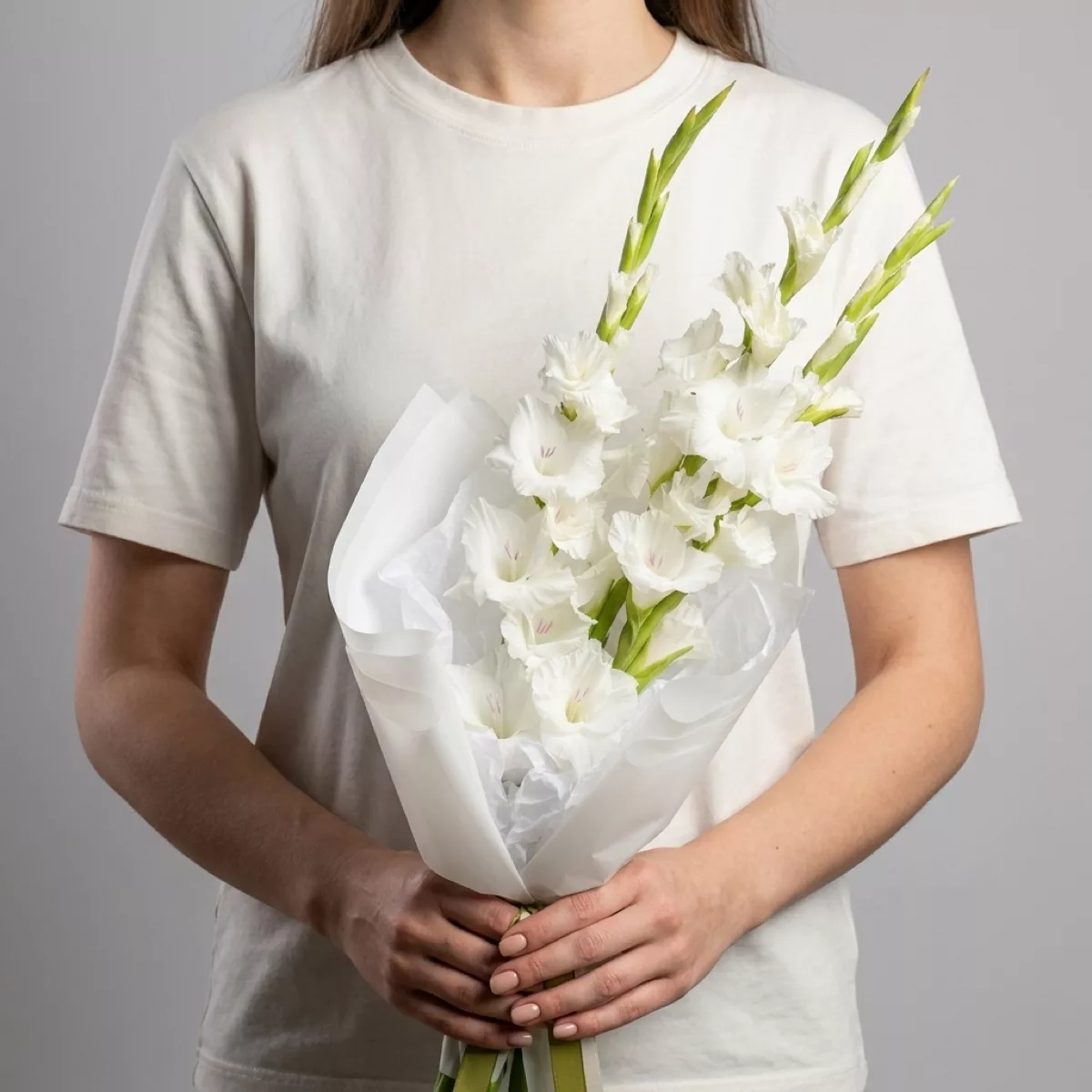
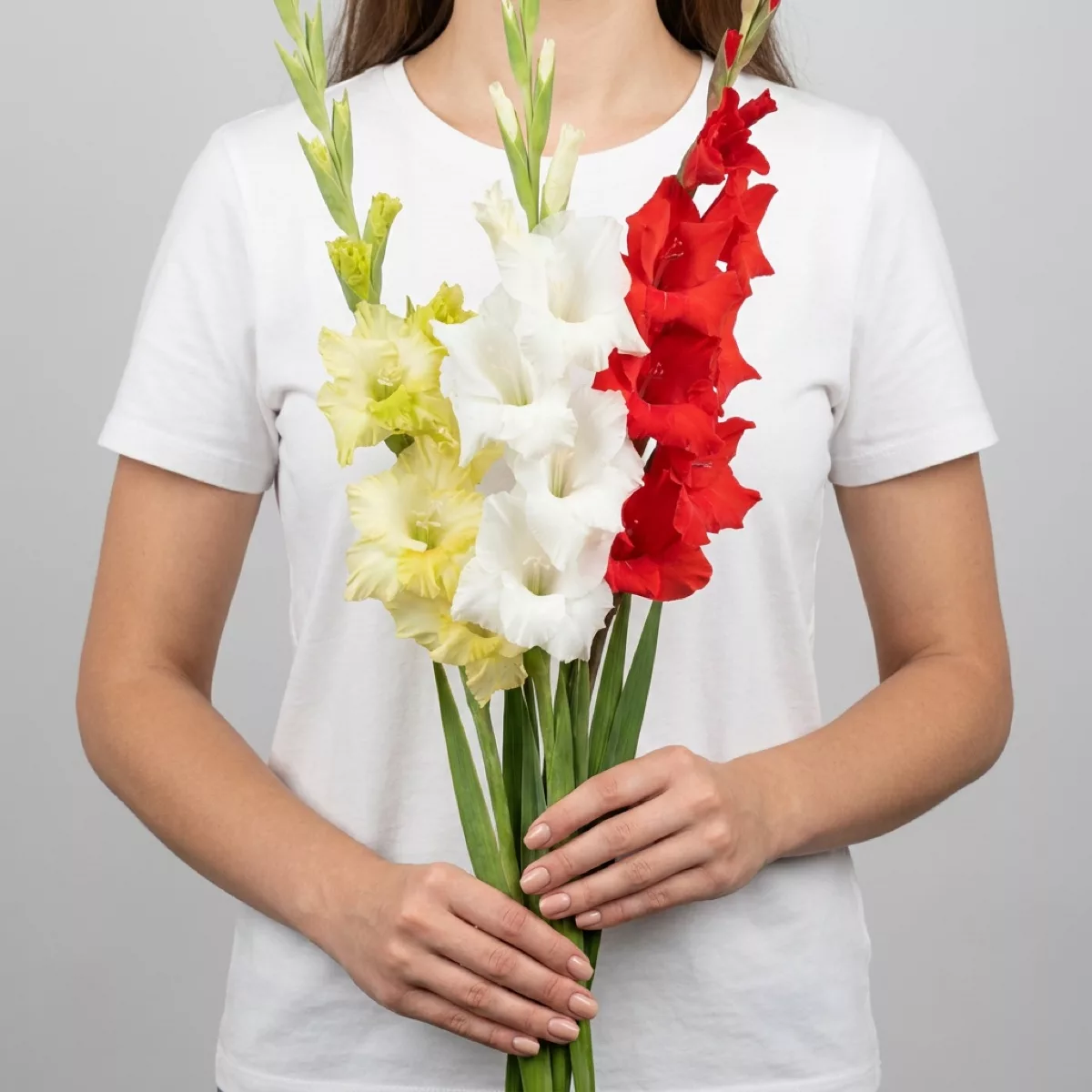
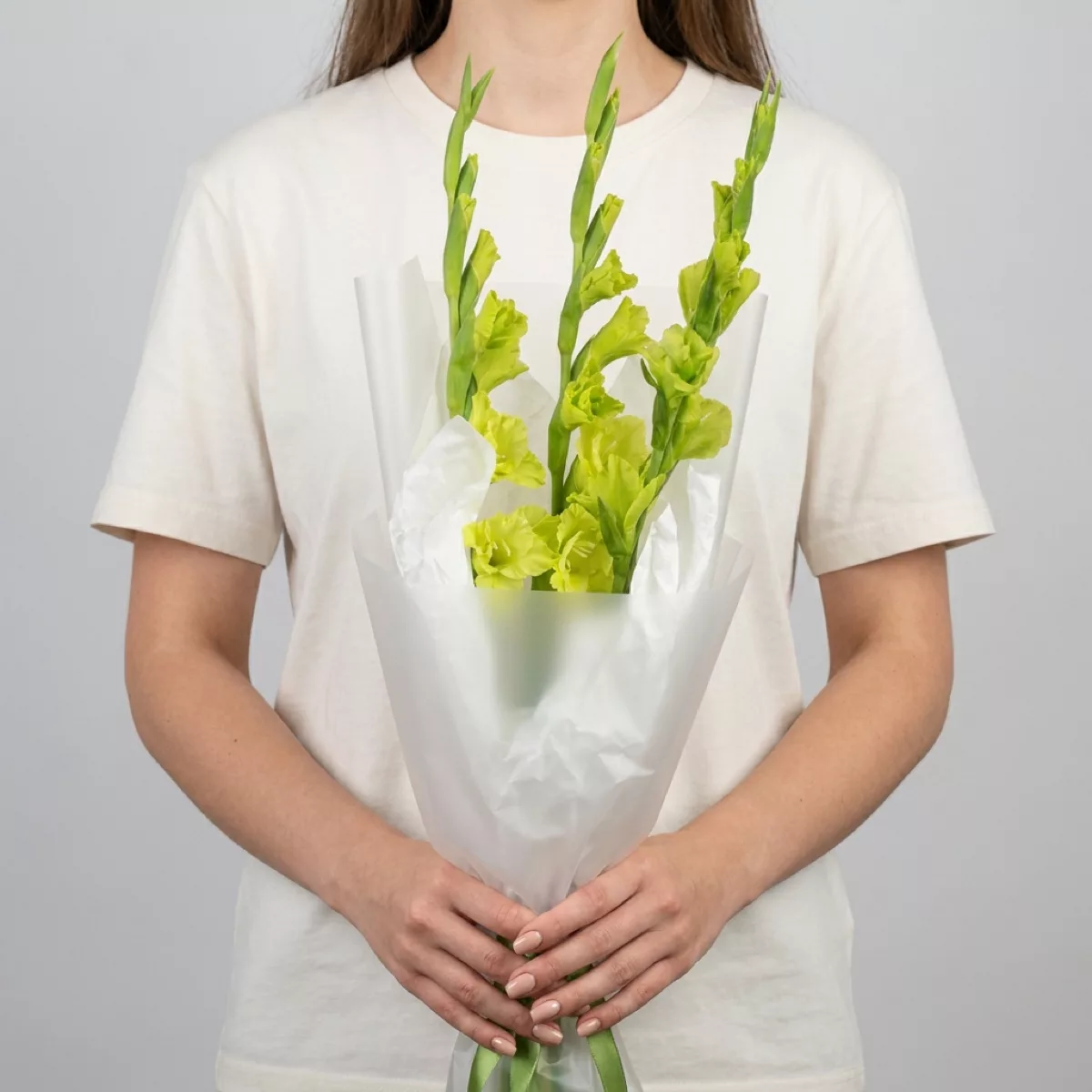
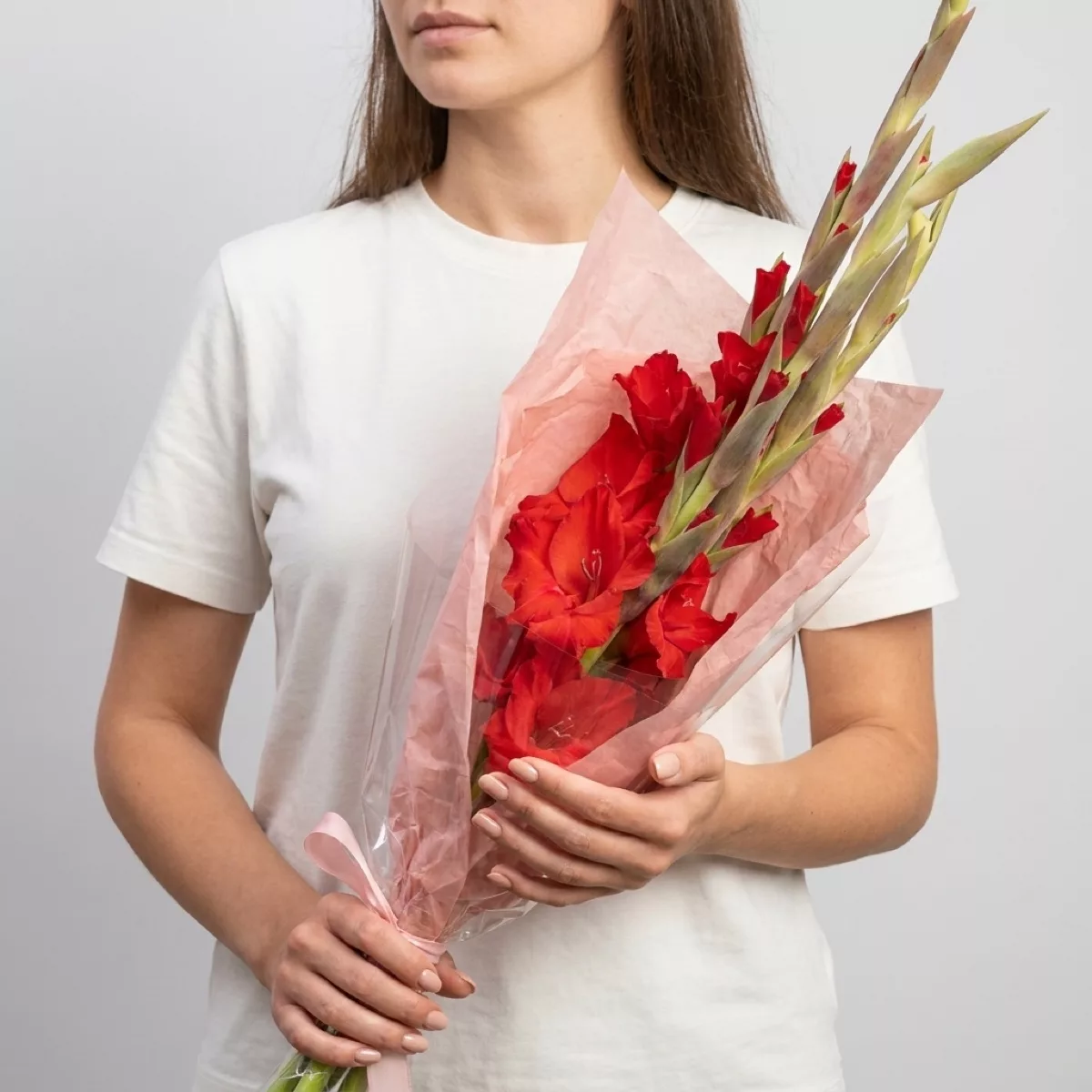
Bouquets we can deliver
Choosing the Right Moment: Occasions That Matter in Russia
Russians mark occasions with flowers in ways that will feel familiar and a few ways that might surprise you. Birthdays are the most common reason to send, and there is no ambiguity there — a lush, colourful bouquet is always welcome. Women's Day on the eighth of March is enormous: practically every woman in the country receives flowers, and demand peaks sharply, so ordering several days in advance is not overcautious, it is necessary.
Valentine's Day is observed but with less intensity than in Western Europe or North America. New Year, by contrast, is the biggest celebration of the year in Russia, and flowers — especially white roses, amaryllis, and winter greenery — make a meaningful gift in the days around January first. If your recipient has a name day, that is also an occasion worth noting: Russians often celebrate the feast day of their patron saint, and flowers fit perfectly.
One custom worth knowing: in Russia, flowers are traditionally given in odd numbers. Even numbers are associated with mourning and are avoided at celebratory occasions. A bouquet of five, seven, nine, or eleven stems is the right instinct. This applies whether you are sending a single variety or a mixed arrangement. If you are unsure how many stems your chosen arrangement contains, it is worth asking when you place the order. Getting this detail right shows cultural awareness and makes the gift feel genuinely considered rather than imported without thought.
What Flowers Work Best for Ryazhsk in Each Season
Ryazhsk has a continental climate with cold winters and warm summers, and that shapes what is available and what looks best at different times of year. In January and February, roses, chrysanthemums, and carnations are the reliable backbone of any arrangement. Tulips begin appearing in late February, just in time for Women's Day, and they are enormously popular — a single-variety tulip bouquet in pink or white is a classic that never reads as lazy.
Spring brings ranunculus, alstroemeria, and freesia, all of which travel well and hold their shape. Freesia in particular has a scent that fills a room, which makes it a memorable choice for a birthday or anniversary. Summer opens up lisianthus, gerbera, and sunflowers, and mixed bouquets with seasonal greenery like eucalyptus or ruscus feel generous and alive.
Autumn is the season for dahlias and spray roses combined with warm-toned fillers like solidago or hypericum berries. These combinations photograph beautifully and last well in cooler indoor temperatures, which is relevant because Russian apartments in autumn are often not yet fully heated.
Winter arrangements benefit from structure: roses with pine branches, white spray chrysanthemums with silver brunia, or deep red carnations with eucalyptus pods. These hold their form even when temperatures outside are well below freezing, which matters because the bouquet will spend some time moving between a warm vehicle and cold outdoor air during delivery. Choosing sturdy varieties is not pessimism — it is respect for the journey.
How to Write a Dedication That Lands Well
The card that accompanies a bouquet is often the part the recipient reads first and remembers longest. When you are sending from abroad, you may be writing in English to someone who reads Russian, or you may be writing in Russian yourself. Both approaches work, and neither is wrong. What matters is that the message feels like you rather than like a template.
If you write in English, keep the message warm and direct. Avoid idioms that do not translate well, such as expressions that depend on cultural references specific to your country. A sentence like 'Thinking of you on your special day and wishing you every happiness' carries across languages without confusion. If you want to include a Russian phrase — 's dnyom rozhdeniya' for happy birthday, or 's prazdnikom' for a general celebration greeting — you can write it in Latin letters phonetically and the florist can transcribe it correctly.
Avoid overly formal language in dedications. Russian communication between close people tends to be warm and direct, not stiff. If you are sending to a friend, write as a friend. If you are sending to a colleague or someone you respect but do not know intimately, a tone of genuine warmth with appropriate restraint works well.
Keep the message to two or three sentences. A very long card message can feel overwhelming when someone is also holding a bouquet and greeting whoever brought it. Short and sincere is almost always better than thorough and exhausting. Leave them room to feel the moment.
Timing Your Order Across Time Zones Without Mistakes
The single most common mistake made by senders from abroad is ordering too late in their own time zone without accounting for the gap. Ryazhsk operates on Moscow Time, UTC plus three, year-round. There is no clock change in spring or autumn in Russia, which actually simplifies things — the offset from your location is consistent regardless of the time of year.
If you want a morning delivery, say between ten and noon Ryazhsk time, and you are in New York, you need to place your order before midnight the previous evening Eastern Time. From London in winter, that means ordering by eight in the morning on the day of delivery. From Tokyo, you have more room — the gap works in your favour, and an afternoon order your time can still reach Ryazhsk in the morning.
For important dates — a birthday, Women's Day, an anniversary — place the order at least twenty-four hours ahead. This is not about logistics being slow; it is about giving the florist time to source the specific varieties you want, particularly if you have requested something seasonal or specific in colour. Last-minute orders can still be fulfilled, but the selection may be narrower.
Also consider the delivery window when you place the order. Many recipients are at work during the day, especially on weekdays. If you know the person's schedule, try to schedule delivery when they are home. An evening delivery between six and eight is often better received than a midday one that requires a neighbour to sign for it. A bouquet that is received in person, at the door, is a different experience entirely.
Caring for the Flowers Once They Arrive
A bouquet that has been assembled and delivered with care still needs the right handling on the receiving end to look its best for as long as possible. If the recipient is not used to caring for cut flowers, a short note with the delivery is a thoughtful addition — you can include basic care instructions in your card message or ask for them to be added separately.
The first step is always a fresh cut. The stems should be trimmed at an angle, about two centimetres from the bottom, using scissors rather than tearing. This increases the surface area for water uptake. The cut should be made under water if possible, or the stems should go straight into water immediately after cutting, before air can block the vessels.
The vase water should be clean, cool, and changed every two days. Flower food sachets, if included with the bouquet, should be dissolved in the water at the correct ratio — not doubled up in the belief that more is better. Remove any leaves that would sit below the waterline, as submerged foliage rots quickly and clouds the water.
In a Russian apartment in winter, the radiators can make rooms quite warm and dry. Keeping flowers away from direct heat sources extends their life noticeably. A windowsill in winter is often cold enough to slow wilting, but check that the glass is not frosting — direct cold from a frozen window can damage petals. Roses typically last seven to ten days with good care. Chrysanthemums and carnations often go longer. Tulips and ranunculus are shorter-lived but more vivid while they last.
What to Do If Something Goes Wrong with the Delivery
Deliveries to smaller towns like Ryazhsk occasionally face challenges that a major city order would not — an address that is harder to locate, a building entrance that requires a code, or a recipient who did not expect the delivery and is briefly unavailable. Knowing how to handle these situations from abroad saves frustration on both ends.
The most useful thing you can do before placing the order is confirm the full address with the recipient or whoever is helping coordinate. In Russia, a complete address includes the city, street name, building number, apartment number, and often the entrance number and floor. If the building has an entry code or intercom, include that information in the order notes. A delivery that cannot get past the front door is no one's fault if the information was not provided.
If you are sending as a surprise — which is a lovely thing to do — try to have at least one person on the receiving end who knows the delivery is coming, even if the recipient does not. A family member, a neighbour, or a colleague can ensure someone is available without spoiling the surprise.
If there is a problem after delivery, contact the florist service directly and promptly. Photographs of the bouquet help resolve quality questions quickly. A reputable service will work with you to find a solution, whether that means a replacement or a partial refund, depending on the situation. The important thing is to raise the issue the same day, while the evidence is fresh and while there is still time to do something meaningful about it.
Sending flowers to Ryazhsk from abroad is genuinely achievable, and when it is done with attention to timing, seasonal choice, and local customs, the result is something the recipient will remember. The distance between you and them does not have to show in what arrives at their door. A well-chosen bouquet, delivered on time, with a card that sounds like you — that is the whole point, and it is within reach from anywhere in the world.
Frequently asked questions
Can I send flowers to Ryazhsk if I do not speak Russian?
Yes, entirely. You can place your order and write your card message in English. If you want to include a Russian phrase on the card, write it out phonetically and note that it should be transcribed — the florist team will handle the rest. The key details are the recipient's full address, their phone number, and the delivery time you want.
How far in advance should I order for a birthday or Women's Day?
For a standard birthday, twenty-four hours is usually enough. For Women's Day on the eighth of March, order at least three to four days ahead. Demand across Russia spikes sharply around that date, and specific varieties — particularly tulips and roses in popular colours — can sell out. Earlier is always safer for major occasions.
What if I do not know the recipient's exact address in Ryazhsk?
Do your best to confirm the address before ordering. A Russian postal address needs the city, street, building number, and apartment number at minimum. If the building has a security entrance or intercom code, include that too. Sending to a workplace is also an option if you have that address — it can actually make delivery easier since someone is reliably present.
Are there flowers I should avoid sending for a celebration in Russia?
Even numbers of stems are traditionally associated with mourning in Russia, so stick to odd numbers — five, seven, nine, eleven. Yellow flowers can sometimes carry a connotation of separation or farewell in Russian culture, though this varies by generation and region. When in doubt, choose mixed colours or ask the florist to suggest a combination suited to a celebratory occasion.
How long will the flowers last after delivery to Ryazhsk?
With proper care — fresh cut, clean water changed every two days, kept away from heat sources — roses typically last seven to ten days, carnations and chrysanthemums often longer. Tulips and ranunculus are shorter-lived, around five days, but very vibrant. Including a care note with the delivery helps the recipient get the most out of the bouquet, especially if they do not regularly keep cut flowers.
Ready to send flowers?
Pick the city, choose the bouquet, and a local florist takes it from there.
Choose a city →