Sending Flowers to Rybnoe from Abroad? Read This First
You are somewhere far from Russia — another country, another time zone — and someone you care about is in Rybnoe, a quiet town in the Ryazan region. You want to send flowers that arrive fresh, look generous, and feel personal. The distance makes it feel complicated, but with the right preparation it is genuinely straightforward. Here is everything a sender outside Russia needs to know before placing an order.
Understanding Rybnoe Before You Order
Rybnoe is a small town in the Ryazan Oblast, roughly 200 kilometres southeast of Moscow. It sits in a continental climate zone, which means cold winters with real frost and warm, sometimes humid summers. This matters for flowers because the temperature outside directly affects how a bouquet travels from the van door to your recipient's hands. In January or February, exposed blooms can suffer cold damage in minutes if left on a doorstep. In July, heat shortens the vase life of delicate varieties like sweet peas or garden roses quite sharply.
For a sender abroad, the key practical point is this: Rybnoe is not a major city, so your order needs to be placed with a florist who actually serves the area rather than one who lists it in a coverage map but relies on uncertain local arrangements. Turboflora delivers directly across Russia, including towns like Rybnoe, which removes the uncertainty of handoffs.
When you are ordering from abroad, you will also be working across time zones. Rybnoe follows Moscow Time, which is UTC plus three hours with no daylight saving adjustment. If you are calling or messaging from Western Europe, North America, or Asia, factor that gap into your planning. An order placed at what feels like midday for you might land at the florist late in the evening Moscow time, pushing delivery to the following morning. Knowing this in advance prevents surprises and lets you choose a delivery window your recipient will actually be home for.
Bouquets we can deliver
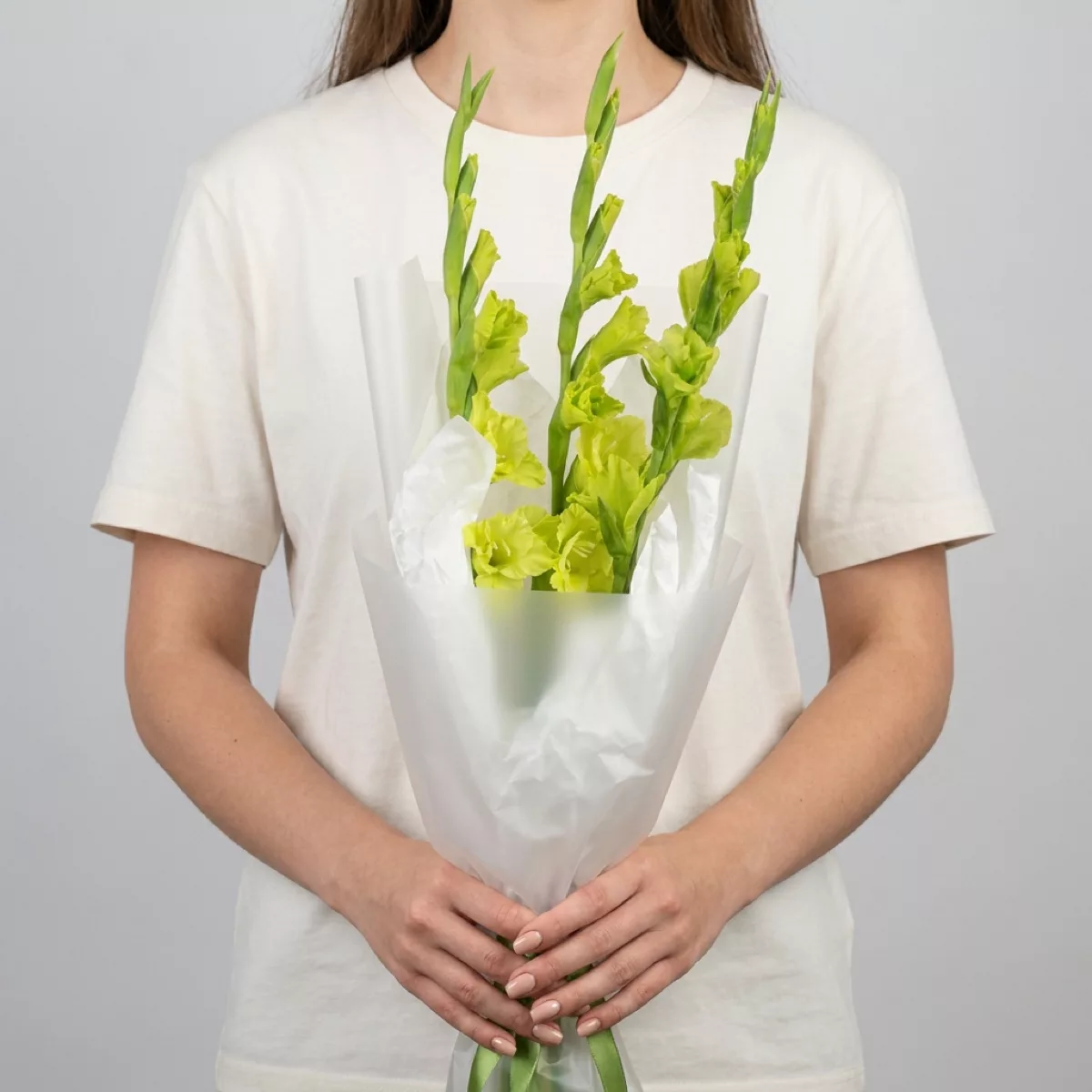
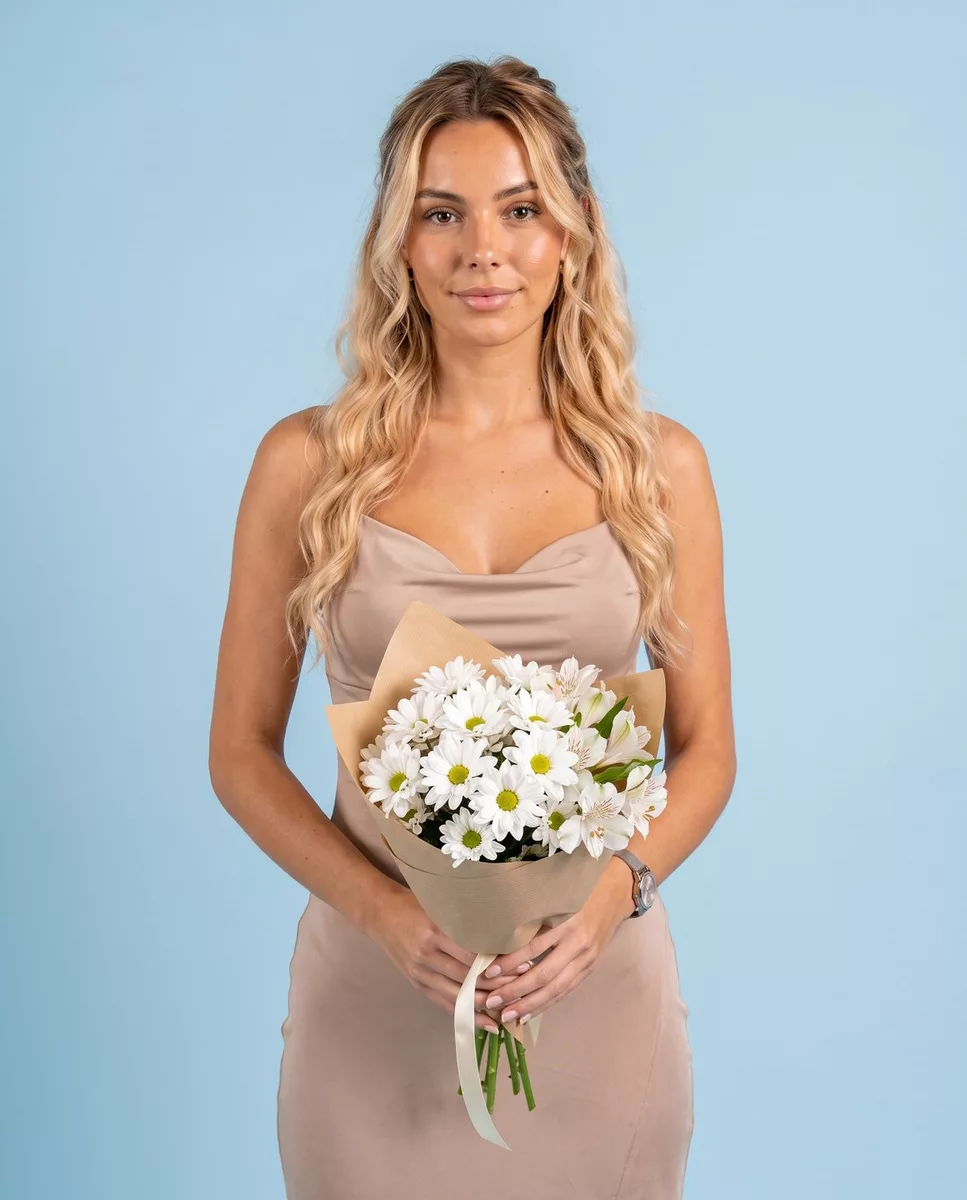
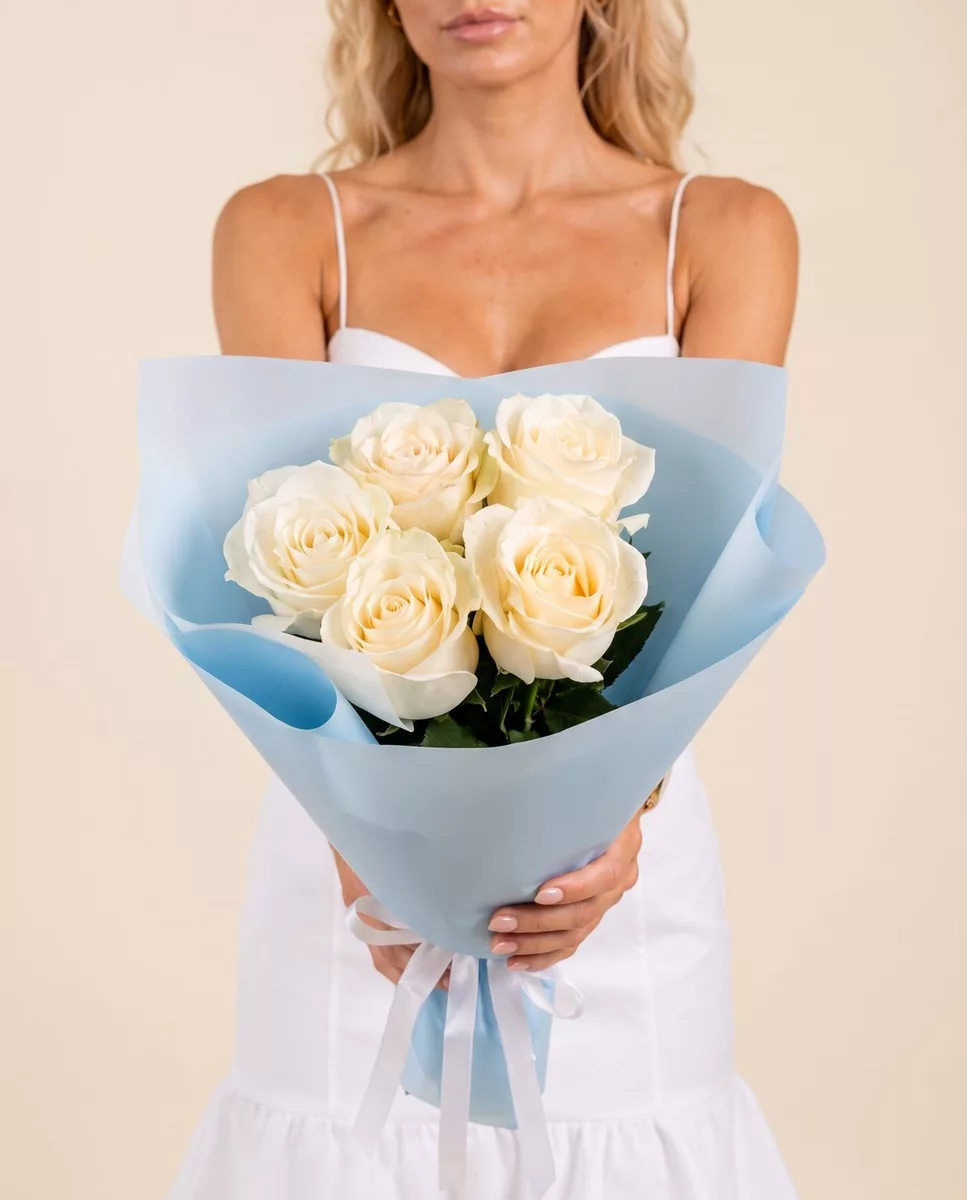
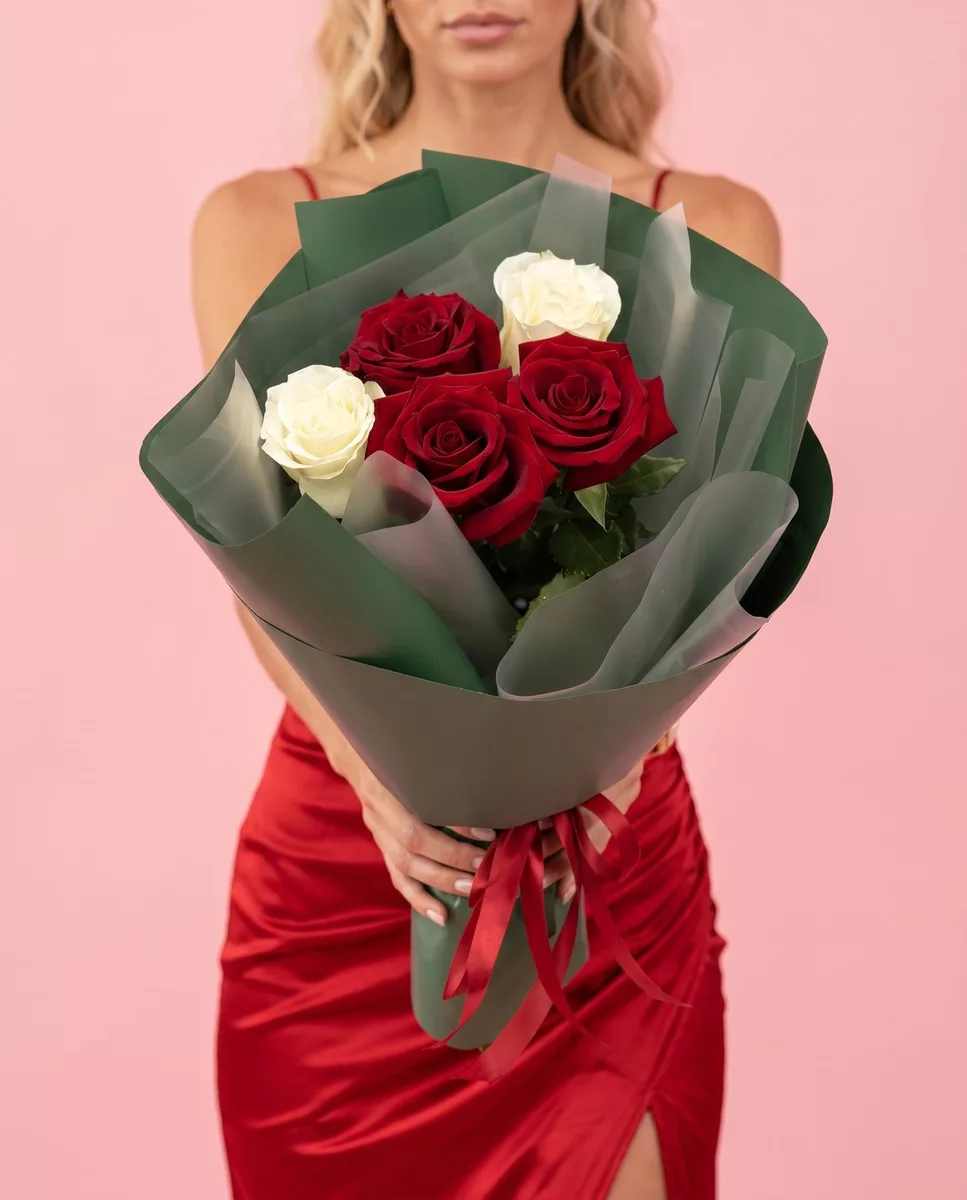
What the Occasion Tells You About the Flowers
Before thinking about varieties or colours, think about the person receiving the bouquet and what the moment means to them. A birthday for a woman in her sixties who grew up in Soviet Russia often calls for something classic and abundant — think lush peonies in season, or a full arrangement of spray roses and alstroemeria with soft greenery. She will likely put it in a prominent vase and appreciate the formality of a well-structured bouquet.
For a younger recipient celebrating a professional achievement, something with more personality works well. Single-variety bouquets of tulips in an unexpected colour, or a loose arrangement mixing ranunculus with eucalyptus, feel contemporary without being strange. Russian gifting culture does appreciate generosity — a small, sparse bouquet can read as underwhelming even if the flowers themselves are beautiful.
For a romantic occasion, red roses remain the clearest signal in Russian culture, but they do not have to be the only option. Deep burgundy peonies in May and June, or rich coral roses paired with dark foliage, carry the same emotional weight with more visual interest. White flowers are generally fine for celebrations in Russia, though they are traditionally avoided for mourning contexts — something worth knowing if you are unfamiliar with local customs.
The number of flowers matters too. Russian tradition holds that even numbers of flowers are given at funerals, so bouquets for living recipients are typically composed of odd numbers. Florists who know the culture follow this automatically, but it is worth being aware of as a sender so you understand why your bouquet might be described as containing eleven or thirteen stems rather than twelve.
Choosing Flowers by Season in a Continental Climate
Rybnoe's climate shapes what is available and what will actually survive the journey looking its best. In winter, from November through March, locally grown flowers are essentially absent, and the selection depends on what travels well from growing regions. Chrysanthemums are outstanding in cold weather — they are robust, long-lasting, and available in a wide range of forms from tight buttons to large decorative heads. Carnations hold up equally well and have experienced a genuine revival in contemporary floristry after decades of being considered old-fashioned.
Spring brings tulips in abundance, and they are excellent value and visually striking in large quantities. Dutch tulips in particular are widely available and travel well when properly hydrated. By late April and May, lilac becomes available and is deeply associated with spring in Russian culture — a large bunch of lilac carries enormous sentimental weight for many recipients who grew up picking it from garden bushes.
Summer is the season for peonies, which peak in late May through June and are arguably the most beloved flower in Russian gifting culture. Garden roses become more accessible and fragrant in summer too. If you are ordering in July or August, ask about hydrangeas — they are dramatic, long-lasting in a vase when properly conditioned, and work beautifully as the centrepiece of a mixed arrangement.
Autumn calls for dahlias, which come in extraordinary variety from small pompons to large decorative forms in deep reds, oranges, and purples. Paired with seasonal foliage, they make arrangements that feel genuinely connected to the time of year rather than generic.
Budgeting When You Are Paying from Abroad
Ordering from outside Russia introduces a currency consideration that is worth addressing plainly. Payments are processed in Russian rubles, and exchange rates fluctuate. What looks like a fixed price in your home currency can vary slightly depending on when your bank processes the transaction. Most international cards work fine, but some senders find it useful to check with their bank beforehand, particularly if their card has restrictions on transactions with Russian merchants.
In terms of what different budget levels deliver, a modest arrangement will typically include a single flower type — tulips, carnations, or spray roses — in a clean, well-presented bouquet. This is entirely appropriate for a friendly gesture or a thank-you. A mid-range budget opens up mixed arrangements with a focal flower like a rose or peony supported by complementary varieties and greenery. This is the most common choice for birthdays and celebrations.
A generous budget allows for premium varieties like garden roses, peonies, or orchid stems, combined with thoughtful presentation including wrapping, ribbon, and a handwritten card. For a significant occasion — an anniversary, a major birthday, a new baby — this level of arrangement makes a strong impression and photographs beautifully, which matters when the sender cannot be there in person.
One practical note: factor in that you will want to add a personal message in Russian if possible. A card written in English is perfectly fine and will be delivered as written, but if you can provide even a brief transliterated Russian phrase, it often means a great deal to the recipient. Florists can sometimes help with simple translations if you ask.
Getting the Delivery Details Right
Accurate delivery information is the single most important thing a sender from abroad can provide. Rybnoe has its own street system, and addresses need to include the street name, building number, apartment number if relevant, and the full postcode. Russian addresses follow a specific format that differs from Western conventions — the region and city come before the street, and apartment numbers are listed separately from building numbers. If you are copying an address from a message your recipient sent, double-check that nothing has been cut off or auto-corrected by your messaging app.
Always include a Russian mobile phone number for the recipient. Delivery drivers will call ahead to confirm arrival, especially for apartment buildings where access requires a door code or an intercom. If your recipient does not answer, the driver may not be able to complete the delivery. As a sender abroad, you will not be reachable by a local call, so the recipient's number is essential rather than optional.
Think carefully about timing. Russian working culture means many people are at their workplace during the day, and a surprise delivery to a home address will fail if nobody is there to receive it. If you know your recipient's schedule, choose a delivery window when they are likely to be home — evening deliveries after 18:00 often work well for working adults. Some senders coordinate quietly with a family member to ensure the recipient will be present without spoiling the surprise entirely.
If the occasion has a fixed time — a birthday dinner, a celebration gathering — aim for delivery at least an hour before the event begins so the flowers can be arranged and enjoyed rather than arriving as guests are already seated.
Vase Life and Care Instructions Across the Distance
When you are sending flowers from abroad, you cannot be there to hand over care instructions in person. Including a small care note with the bouquet is genuinely useful and appreciated — most recipients know the basics, but a specific reminder makes a difference to how long the flowers last.
For roses, the most important step is a clean diagonal cut at the stem base, removing at least two centimetres, done underwater or immediately before placing in water. This prevents air bubbles from blocking water uptake, which is the most common reason roses droop prematurely. Stems should be re-cut every two to three days, and the vase water changed at the same time. Remove any leaves that would sit below the waterline, as they rot quickly and contaminate the water.
Tulips continue to grow in the vase and will lean toward light sources, which some people find charming and others find frustrating. Keeping them in a cool room away from direct sunlight slows this process and extends their life. They also drink a remarkable amount of water, so check the vase level daily.
Peonies, when they arrive in bud form, need patience. A tight peony bud can take one to two days to open fully at room temperature. If a recipient messages you saying the flowers look closed, reassure them — this is normal and the blooms will be spectacular within 48 hours. Placing them in slightly warmer water speeds the process if they want the flowers to open for a specific event.
Hydrangeas are thirsty and wilt dramatically if they run dry, but they recover well if submerged briefly in cool water and re-cut. Chrysanthemums are the most forgiving of all — they tolerate a range of conditions and regularly last ten to fourteen days with basic care.
Common Mistakes Senders from Abroad Make
The most frequent mistake is ordering too late. Senders unfamiliar with the time zone difference often place an order assuming same-day delivery is possible, not realising that by their local time the Moscow working day has already ended. For a delivery in Rybnoe on a specific date, place your order at least 24 hours in advance, and 48 hours ahead if the date is a major Russian holiday like International Women's Day on the eighth of March or Valentine's Day. These are the two busiest flower days of the Russian calendar, and demand is extraordinary.
A second common mistake is providing an incomplete address. Apartment buildings in Russian cities and towns often have multiple entrances, and without an entrance number the driver may wait outside the wrong door. If your recipient lives in a multi-storey building, ask them for their full address including entrance number and floor — this small detail prevents a great deal of confusion.
Some senders try to keep the delivery a complete surprise by not telling the recipient anything at all, including not sharing the recipient's phone number. This is understandable but risky. Without a contact number, a driver who cannot access the building has no way to reach anyone. A better approach is to tell the recipient that something is coming without revealing what, so they are available to receive it.
Finally, some senders choose flowers based purely on what they personally like rather than what suits the recipient or the season. A tropical arrangement heavy with anthuriums or bird-of-paradise might feel exotic and exciting to a sender in a warm country, but it can read as unusual in a Russian context where seasonal and classic varieties carry more cultural resonance. Trust the florist's seasonal recommendations — they reflect both what is fresh and what will be understood and appreciated.
Sending flowers to Rybnoe from abroad is a genuinely meaningful gesture, and getting it right comes down to a few careful decisions: knowing the season, understanding the occasion, providing complete delivery details, and allowing enough time for the order to be prepared and delivered properly. The distance between you and your recipient does not diminish what a fresh, well-chosen bouquet communicates. If anything, the effort of ordering across time zones and borders makes the gift feel more deliberate and more personal. Turboflora handles the logistics so that what arrives at the door is something beautiful, fresh, and worthy of the moment.
Frequently asked questions
Can I order flowers for Rybnoe if I do not speak Russian?
Yes, entirely. You can place your order and communicate with Turboflora in English. The delivery message on the card can also be written in English and will be passed on exactly as you write it. If you would like a simple phrase translated into Russian for the card, just ask when you order and the team will help.
How far in advance should I order for a specific date?
For most occasions, 24 hours in advance is sufficient. For major Russian flower holidays — particularly International Women's Day on the eighth of March and Valentine's Day — place your order at least 48 to 72 hours ahead. These are the two peak days in the Russian flower calendar and demand is very high across the country.
What happens if my recipient is not home when the flowers arrive?
The driver will call the recipient's mobile number before and on arrival. If there is no answer and access is not possible, the delivery team will contact you to arrange a new time. This is why providing an accurate Russian mobile number for the recipient is essential — without it, a missed delivery is much harder to resolve quickly.
Are there flowers I should avoid sending for celebrations in Russia?
Even numbers of flowers are traditionally associated with funerals in Russian culture, so celebration bouquets are composed of odd numbers of stems. Yellow flowers are sometimes considered unlucky in older Russian tradition, though this belief is less common among younger recipients. When in doubt, ask the florist — they will guide you toward choices that feel warm and celebratory in a Russian context.
How long will the flowers last after delivery in Rybnoe?
This depends on the variety. Chrysanthemums and carnations regularly last ten to fourteen days with basic care. Roses last five to eight days when stems are re-cut every few days and water is changed regularly. Tulips typically last five to seven days. Peonies are shorter at four to six days but are so spectacular when open that most recipients feel they are worth it.
Ready to send flowers?
Pick the city, choose the bouquet, and a local florist takes it from there.
Choose a city →