Sending Flowers to Safonovo from Abroad: A Practical Florist Guide
You are sitting in Berlin, Toronto or Dubai, and someone you care about is in Safonovo — a quiet Smolensk Oblast town where a beautiful bouquet arriving at the door genuinely means something. The distance feels enormous, but the gesture does not have to. With the right preparation, fresh flowers can reach your recipient within hours of your order, looking exactly as they should and carrying exactly the feeling you intended.
Understanding Safonovo Before You Order
Safonovo is a small industrial town in Smolensk Oblast, roughly 350 kilometres west of Moscow. It sits in a continental climate zone, which means winters are genuinely cold — temperatures regularly drop below minus fifteen Celsius — and summers are warm but short. This matters for flowers because temperature affects how a bouquet travels and how long it lasts once it arrives.
The town is not a major metropolitan centre, so your recipient will feel the arrival of a thoughtfully arranged bouquet far more acutely than someone in a large city where flowers are everywhere. A delivery here is an event. People notice, neighbours notice, and the recipient will almost certainly photograph it and share it with family.
When you order from abroad, keep the time zone firmly in mind. Safonovo runs on Moscow Time, which is UTC plus three, with no daylight saving adjustment. If you are in New York, that is an eight-hour gap in winter and a seven-hour gap in summer. If you are in London, it is three hours ahead. Place your order early in your own morning to ensure the bouquet lands during a reasonable daytime hour for your recipient — not at nine in the evening when they may already be away from home.
Knowing the recipient's schedule is the single most useful piece of information you can provide. A confirmed delivery window prevents a missed handover and keeps the flowers in perfect condition rather than waiting on a doorstep in freezing air.
Bouquets we can deliver

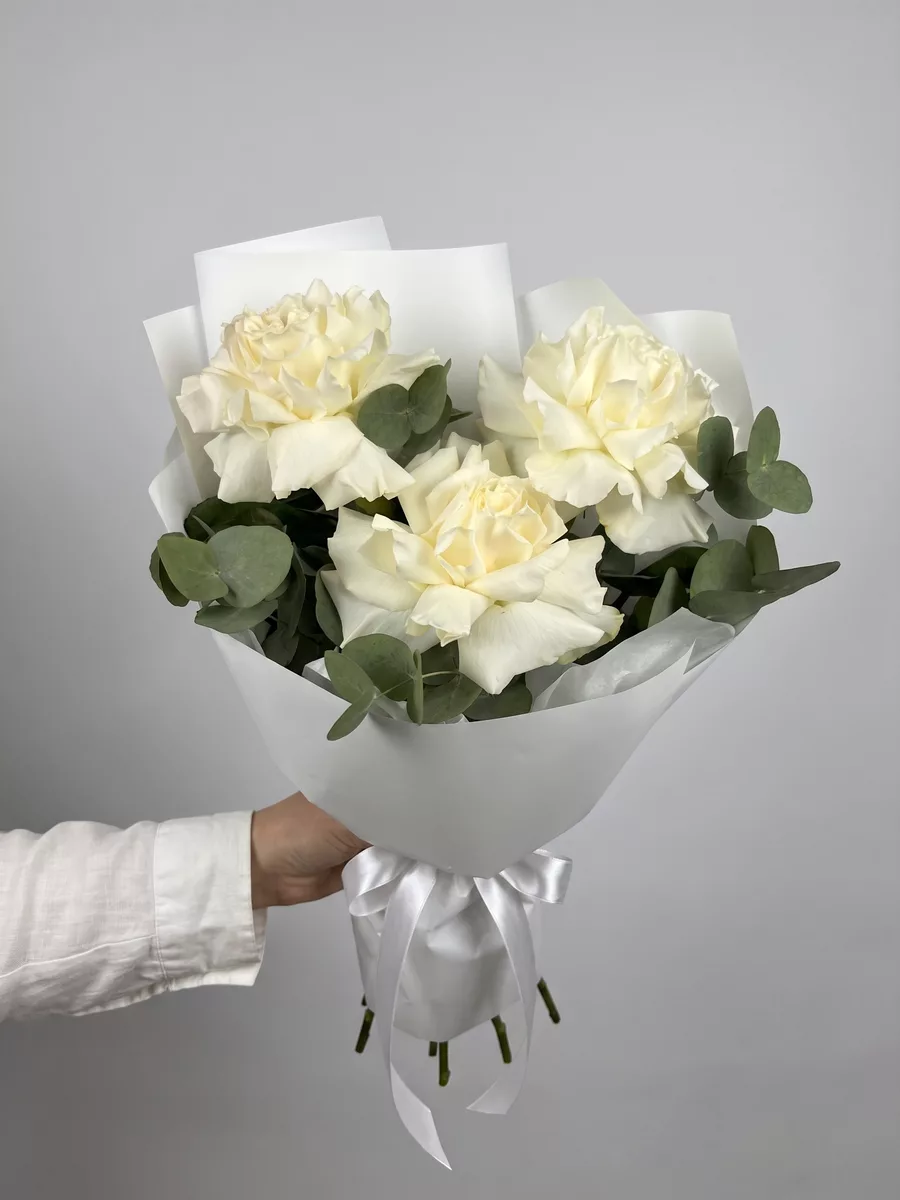
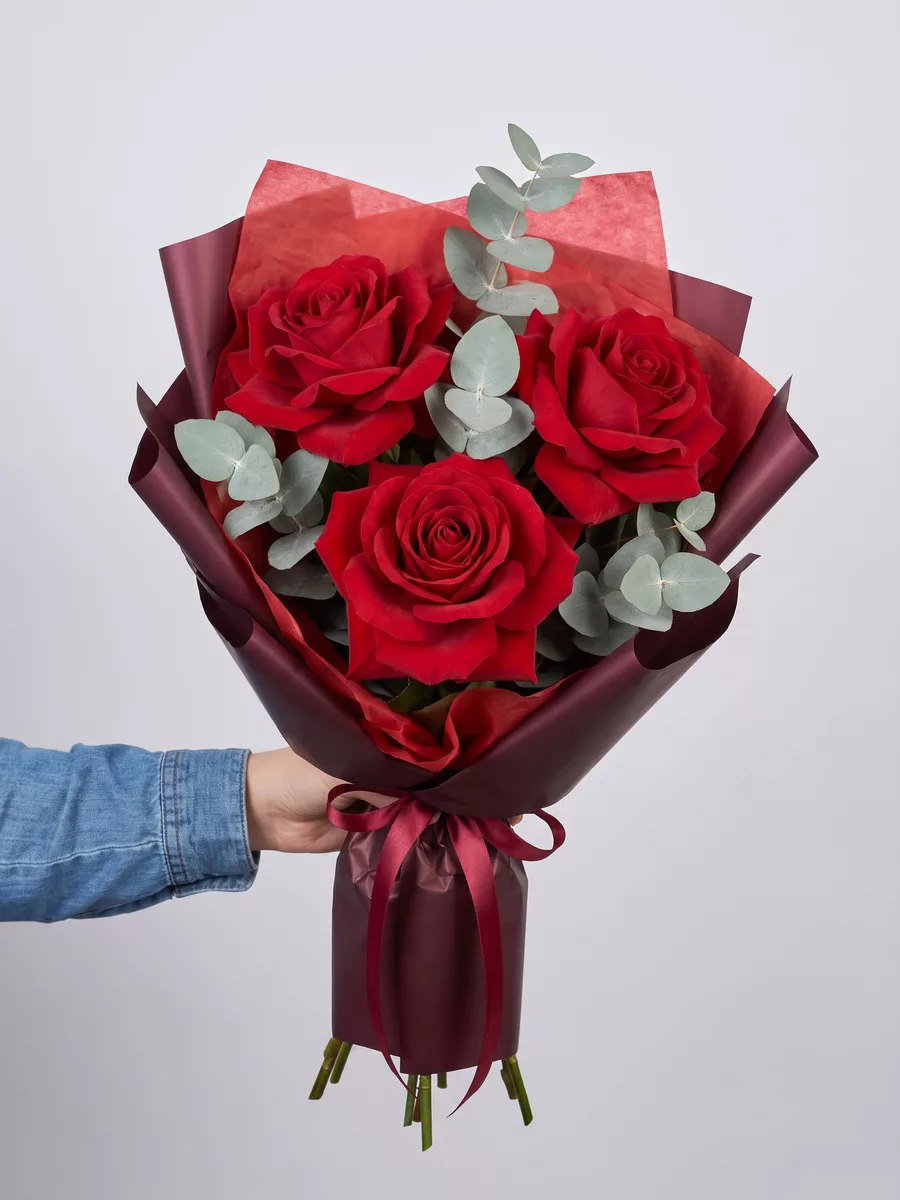
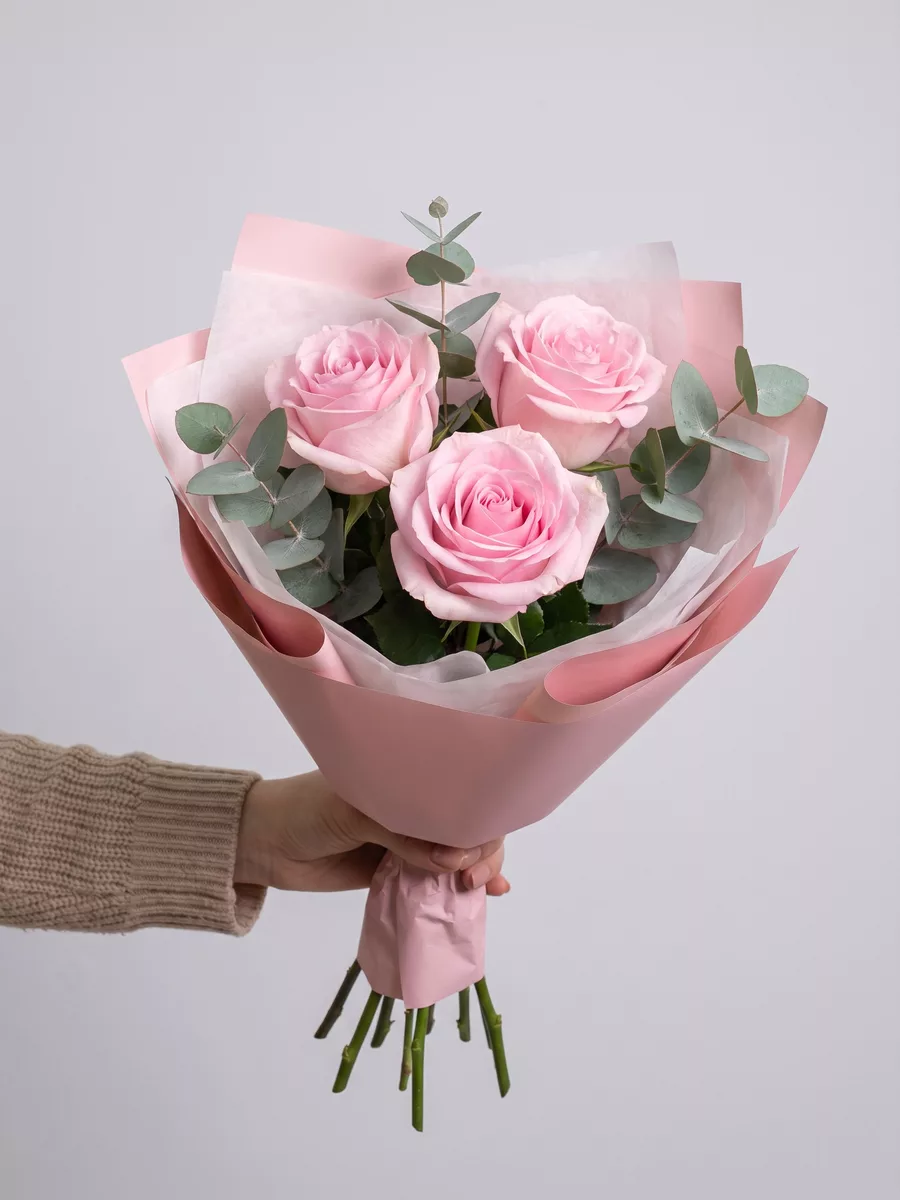
What Russian Flower Customs Mean for Your Choice
Russia has a few flower traditions that differ noticeably from Western European or North American habits, and understanding them helps you choose well. The most important rule is the odd-number rule: bouquets given as gifts always contain an odd number of stems. Even numbers are reserved for funerals. If you are ordering online and selecting a stem count, always confirm it is odd — three, five, seven, nine, eleven and so on. Any reputable florist working in Russia will follow this automatically, but it is worth knowing so you understand why.
Red roses carry strong romantic weight in Russian culture, even more so than in many Western countries. If you are sending to a friend, a mother or a colleague, a mixed seasonal bouquet or something built around peonies, chrysanthemums, alstroemeria or spray roses often reads more warmly than a pure red rose arrangement. That said, for a romantic partner, red roses remain deeply meaningful and entirely appropriate.
Yellow flowers deserve a brief mention. Some older generations in Russia associate yellow blooms with separation or bad luck, though this belief is much weaker among younger people today. If your recipient is over fifty or you are unsure of their views, a bouquet that mixes yellow with white, peach or pink will feel safer and just as beautiful. Sunflowers are a notable exception — they are widely loved across all ages and carry a cheerful, unambiguous meaning.
White flowers, especially white lilies and white roses, are universally appreciated for birthdays, name days and celebrations. They read as elegant and sincere rather than neutral.
Choosing Flowers for the Season and the Occasion
Safonovo's seasons are pronounced, and working with them rather than against them gives your recipient a bouquet that looks alive and feels intentional. In winter, from November through February, ranunculus, tulips from greenhouse growing, spray carnations, hypericum berries and eucalyptus branches create arrangements that feel warm and considered. Tulips in particular are beloved in Russia during the cold months and are closely associated with the approach of spring.
March is the month of International Women's Day on the eighth, one of the most significant flower-giving dates in the Russian calendar. Mimosa branches, daffodils, tulips and early hyacinths define this celebration. If you are ordering for March eighth, place your order at least two days in advance — demand is extraordinarily high and florists are working at full capacity.
Spring and early summer bring peonies, which are perhaps the most adored flower in Russia right now. A peony bouquet in May or June feels generous and genuinely seasonal. Lisianthus, matthiola and garden roses follow through summer. Autumn calls for dahlias, chrysanthemums, solidago and the warm orange and burgundy palette that suits September and October beautifully.
For birthdays, a bouquet that reflects the season is always more impressive than one that fights it. For anniversaries, lean toward classic elegance — garden roses, eucalyptus, perhaps a few stems of white or blush lisianthus. For a new baby or a housewarming, something soft and fragrant like white freesia mixed with pale pink spray roses feels genuinely celebratory without being overwhelming.
How to Place Your Order Successfully from Outside Russia
Ordering from abroad requires a few practical steps that differ slightly from a domestic purchase. First, you will need to provide the recipient's full address in Russian transliteration or Cyrillic if you have it — street name, building number, apartment number and a contact phone number. Russian addresses follow a specific format: the city name comes before the street name in official usage, and apartment buildings often have entrance numbers called podezd. If you know which entrance your recipient uses, include it.
A mobile phone number for the recipient is essential. The delivery courier will call ahead to confirm the handover, and without a working number the delivery cannot be completed. Make sure the number includes the Russian country code, which is plus seven. If your recipient uses WhatsApp or another messaging app, note that in the order comments — couriers in Russia commonly use WhatsApp to send a brief arrival message.
Pay attention to the payment method. Turboflora accepts international cards, so you do not need a Russian bank account. Use a card that does not charge foreign transaction fees if possible, and make sure your bank will not block an unfamiliar Russian merchant — a quick call to your bank before ordering can prevent a frustrating declined transaction.
In the order notes, write your personal message in either English or Russian. If you write in English, the florist can transliterate or translate it onto the card. Keep the message warm and specific — a line about why you are sending flowers today means far more than a generic greeting, especially when the recipient knows you are far away.
Timing, Freshness and the Journey to the Door
Turboflora delivers across Russia with a one-to-two hour window from order confirmation, and Safonovo is served within this framework. The flowers leave the shop already conditioned: stems are cut at an angle, excess foliage below the water line is removed, and the bouquet is wrapped in temperature-appropriate packaging. In winter this means insulated kraft paper and sometimes a heat-retaining sleeve; in summer it means breathable wrapping that prevents condensation from building up inside the bouquet.
Freshness begins at the source. Cut flowers for same-day delivery are not sitting in a cold room for days — they are selected for immediate use, which means the vase life your recipient experiences is as long as it can possibly be. Roses, for example, should last seven to ten days in a clean vase with fresh water. Tulips last five to seven days. Peonies, if they arrive in bud, will open over two to three days and then hold for another four to five. Lilies can last up to two weeks if the stamens are removed before the pollen opens.
One common mistake senders make from abroad is ordering too early in their own time zone without converting to Moscow Time. An order placed at seven in the morning in Los Angeles is two or three in the afternoon in Safonovo, which is fine. But an order placed at ten in the evening in Los Angeles arrives as a request at six or seven in the morning Moscow Time — before operating hours begin. Always convert and confirm the local delivery time before finalising.
If the recipient is at work, consider scheduling delivery for the early evening when they are home, rather than midday when they might miss it entirely.
Presentation, Wrapping and the First Impression
In Russia, how a bouquet looks on arrival carries real social weight. A beautifully wrapped arrangement signals that the sender thought carefully, not just clicked quickly. This is not vanity — it is the visual language of care, and your recipient will read it immediately. Good wrapping for a Russian gift bouquet typically means kraft paper or matte floral paper in a cone or rounded shape, a ribbon tied at the stems, and a small gift card in an envelope rather than a sticker slapped onto the cellophane.
Colour coordination between the flowers and the wrapping paper matters more in Russian florist culture than in many Western markets. A blush peony bouquet wrapped in dusty rose or ivory paper looks considered. The same flowers in bright green cellophane look like an afterthought. When ordering, if you have the option to leave a note about aesthetic preference — soft and romantic, bold and graphic, classic and white — use it. Florists appreciate the direction and your recipient will feel the difference.
Size is worth thinking about too. A large, dramatic bouquet makes a strong impression in a small-town setting like Safonovo, where such things are talked about. But a smaller, exquisitely composed arrangement of five or seven stems can feel more intimate and personal, especially for a close friend or family member. Neither is wrong — it depends entirely on what you want the recipient to feel when they open the door.
Include a handwritten-style card message rather than leaving the card blank or skipping it entirely. In Russian gift culture, the written word accompanying flowers is taken seriously. Even a few sincere sentences in English will be treasured.
After Delivery: Helping Your Recipient Care for the Bouquet
You can extend the life of the bouquet you send by including care instructions in your card message or order notes — the florist can print them on a small care card to include with the delivery. This is a genuinely useful gift within the gift, especially if your recipient does not regularly receive fresh flowers and may not know the basics.
The most important step is immediate: the stems should be recut at a forty-five-degree angle as soon as the bouquet arrives home, and placed in a clean vase with cool, fresh water. Tap water in Russia is generally fine for flowers. The vase should be washed first — bacteria from a previously used vase will shorten the life of even the freshest stems significantly. Remove any leaves that would sit below the waterline, as they decompose and cloud the water.
Keep the bouquet away from direct sunlight, radiators and fruit bowls. Ripening fruit releases ethylene gas, which accelerates the aging of flowers — this is especially true for carnations, roses and alstroemeria. In winter, Russian apartments are often very warm due to central heating, so a cool room or even a brief spell near a window overnight can help flowers last longer.
Change the water every two days and recut the stems each time. If the florist has included a sachet of flower food, dissolve it in the first vase of water according to the instructions. These sachets contain a mild bactericide and a small amount of sugar that genuinely extend vase life — they are not decorative. A recipient who follows these steps will enjoy the bouquet you sent from thousands of kilometres away for a full week or more, which means your gesture stays present in their home long after the delivery day.
Sending flowers to Safonovo from abroad is not complicated once you understand the rhythm of it — the time zone, the customs around odd numbers and colour, the seasonal varieties that look their best right now, and the small details of wrapping and care that make a bouquet feel like a real, considered gift rather than a transaction. The distance between you and your recipient is real, but a fresh, beautifully arranged bouquet arriving at their door in one to two hours makes it feel, for a moment, very small indeed. Plan a little, order with the recipient's schedule in mind, and trust that the flowers will do the rest.
Frequently asked questions
Does the cold climate in Safonovo damage flowers during delivery?
Winter temperatures in Safonovo regularly fall below minus fifteen Celsius, so reputable local florists wrap bouquets in insulating sleeves and move quickly between vehicle and door. Ordering for a midday delivery window reduces the time flowers spend in cold air. Hardier varieties like chrysanthemums, carnations and spray roses handle the journey better than tropical blooms in deep winter.
Which flowers feel most meaningful to a recipient in a small Russian town like Safonovo?
Because Safonovo is not a large city, a well-presented bouquet genuinely stands out. Russians in smaller towns respond warmly to full, generous arrangements rather than minimal stems. Roses, peonies in season, and mixed bouquets with lush greenery read as celebratory and considered. The presentation matters as much as the flowers — ribbon, wrapping and a handwritten card elevate the whole gesture significantly.
Can I request a specific delivery time from abroad to match a celebration in Safonovo?
Most florists serving Safonovo allow you to specify a delivery window at checkout. Given the UTC plus three time zone, calculate your preferred local arrival time before placing the order. A birthday dinner at seven in the evening local time means flowers should arrive by five at the latest. Ordering the evening before your own time zone is the safest approach for precise timing.
What combinations work well if I want to send something for a Russian holiday like Victory Day or International Women's Day?
For Women's Day on the eighth of March, tulips are the traditional and deeply appreciated choice — a large bunch in a single colour feels authentically Russian. For Victory Day, red carnations carry strong cultural meaning and are widely recognised. Mixing carnations with white gypsophila softens the arrangement while keeping the symbolic colour. Avoid overly exotic tropical combinations for these specific occasions, as familiar flowers resonate more deeply.
How do I write a card message that will be understood if my recipient reads only Russian?
When placing your order, type your message in your own language and ask the florist explicitly to translate it before printing. Turboflora florists handling international orders are accustomed to this request. Keep the message short and warm — a single sincere sentence translates better than a long paragraph. Confirm at checkout that the printed card will be in Russian so nothing is lost when the bouquet arrives.
Ready to send flowers?
Pick the city, choose the bouquet, and a local florist takes it from there.
Choose a city →