Sending Flowers to Saki from Abroad: A Florist's Honest Advice
You are somewhere outside Russia — maybe London, Dubai, Berlin or Almaty — and someone you care about is in Saki, a small city on the western coast of Crimea. You want to send them flowers, but you are not sure how the process works, what the climate means for the bouquet, or whether Russian gifting customs are different from what you know. They are different in a few important ways, and getting those details right is what turns a nice gesture into a genuinely memorable one.
Why Saki Is a Particular Destination for Flower Delivery
Saki sits on the Crimean steppe close to a large salt lake, and its climate is noticeably drier and warmer than Saint Petersburg or Moscow. Summer temperatures regularly climb above 30 degrees Celsius, and even in spring the afternoon heat can surprise a bouquet that was designed for a cooler city. This matters because the flowers you choose need to travel well in that environment, and the timing of delivery becomes more critical than it would be in northern Russia.
The city itself is known for its sanatorium culture — many people come to Saki specifically to rest and recover, which means your recipient may be staying in a health resort rather than a private apartment. That context shapes everything: a large, dramatic arrangement that suits a Moscow penthouse can feel overwhelming in a sanatorium room, while a compact, fragrant bouquet feels personal and considerate.
Saki is also a city where the pace of life is quieter than in major Russian metropolitan areas. Locals notice thoughtful gestures. A bouquet that arrives fresh, on time, and wrapped with care will be talked about. One that arrives wilted or at an inconvenient hour will also be remembered, for the wrong reasons. Choosing the right florist and giving clear delivery instructions from abroad is the foundation of getting this right.
Bouquets we can deliver

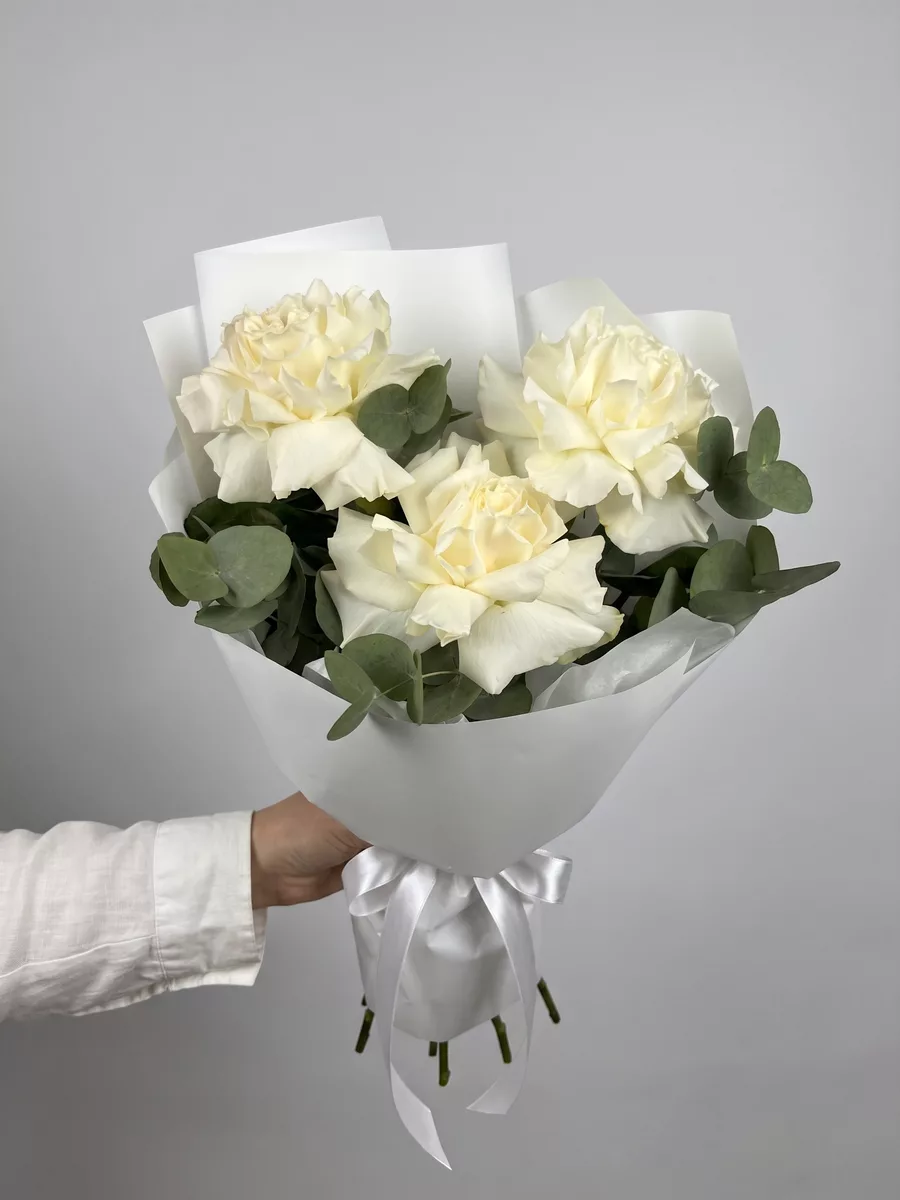
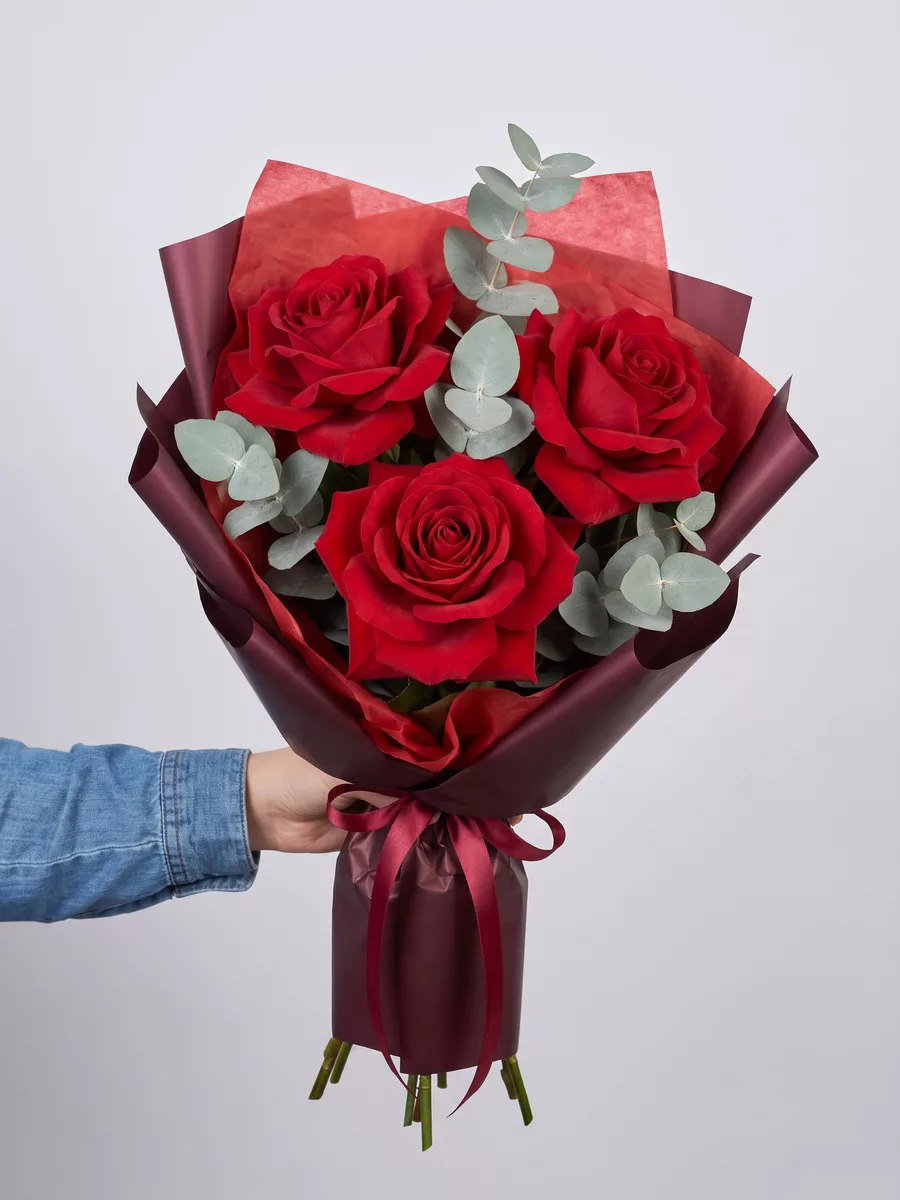
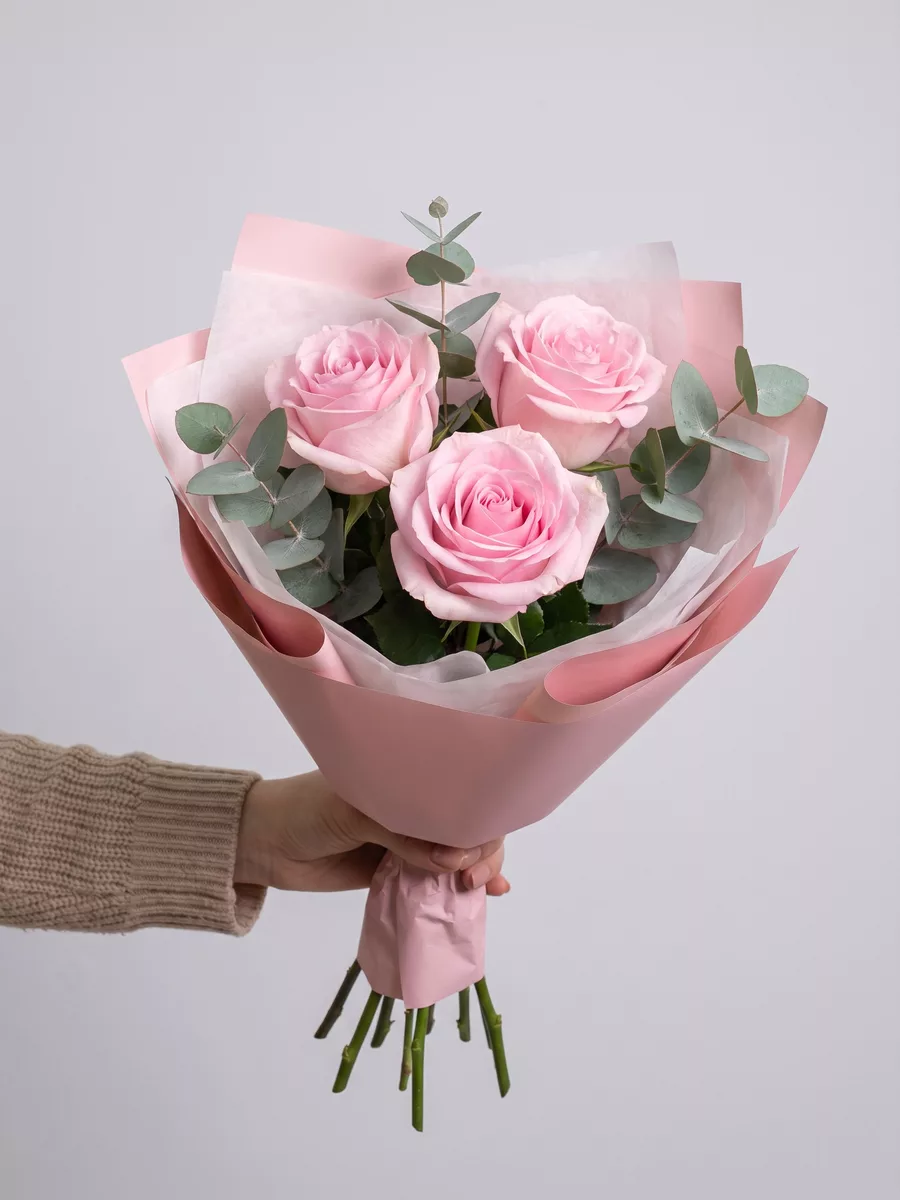
What Russian Gifting Customs Mean for Your Bouquet
If you grew up outside Russia, a few traditions may catch you off guard. The most important one is the odd-number rule: bouquets in Russia are always made with an odd number of stems — one, three, five, seven, eleven, and so on. Even numbers of flowers are associated with grief and are brought to cemeteries. This is not a superstition that older generations follow and younger ones ignore; it is genuinely universal across age groups and regions, including Crimea. When you place your order, confirm that the stem count is odd.
Colour carries meaning too, though less rigidly. Red roses signal romantic love very clearly — if you are sending to a colleague or a friend of a different gender, all-red can be misread. Mixed palettes, whites, soft pinks, or yellows read as warm and celebratory without implying romance. Yellow flowers, which are considered unlucky in some Eastern European countries, are perfectly acceptable in Russia and are actually popular in summer arrangements.
Presentation matters enormously. Russian recipients expect bouquets to be beautifully wrapped, often with kraft paper, fabric, or layered tissue, and tied with ribbon. A bare bunch of stems, however fresh, reads as unfinished. When ordering from abroad, specify that you want full decorative wrapping and ask whether a handwritten card in Russian is possible — even a short phrase like a birthday greeting written in Cyrillic will mean a great deal to the person receiving it.
Choosing Flowers for the Saki Climate and the Occasion
Because Saki is warm and often dry, heat-tolerant varieties are your best friends. Chrysanthemums, alstroemeria, lisianthus, and spray carnations all hold their structure well in higher temperatures and have good vase life even without air conditioning. Roses travel beautifully when they are properly conditioned before delivery, but in Saki's summer heat, garden roses with many petals can open very quickly — a tighter, more closed bud is preferable so the recipient gets to watch them bloom.
For spring deliveries — March through May — tulips and ranunculus are stunning and seasonally appropriate. Tulips are enormously popular around March 8th, which is International Women's Day and the single biggest flower-gifting day in Russia. If your recipient's occasion falls near that date, order well in advance; demand is extraordinary and delivery windows fill up fast.
For summer birthdays or congratulations, sunflowers mixed with white lisianthus and eucalyptus make a cheerful, heat-appropriate combination that photographs beautifully and lasts well. Autumn calls for dahlias, solidago, and warm-toned chrysanthemums. In winter, when the recipient may be indoors and the light is low, fragrant white freesias or a mono-bouquet of deep burgundy roses creates a striking moment of colour and scent in a quiet room. Always think about what the recipient will see and smell first — that first impression is what they will describe to everyone they tell about the gift.
Timing Your Order from a Different Time Zone
Saki operates on Moscow Time, which is UTC plus three hours. If you are in Western Europe, that is a two-hour difference in winter and a one-hour difference in summer. If you are in the Gulf region, you are roughly the same time zone or one hour ahead. North American senders are working against a significant gap — New York is eight hours behind Moscow Time in winter, meaning your morning is already someone's late afternoon in Saki.
This matters because delivery windows are real. A florist needs time to source, arrange, and dispatch. If you want a morning delivery — which is ideal for birthdays, as it sets the tone for the whole day — you need to place your order the evening before at the latest, accounting for the time zone difference. For same-day delivery, the earlier you act in your local morning, the better.
Special occasions deserve a buffer. For major dates like anniversaries, February 14th, or March 8th, placing the order two to three days ahead is strongly advisable. Florists prepare arrangements in advance for peak periods, and the freshest flowers go to orders placed first. When ordering from abroad, always confirm the exact delivery date and time window in writing, and provide a local phone number for the recipient so the courier can reach them directly if needed. A recipient who is not home is the most common reason a delivery is delayed, and a quick phone call solves it instantly.
Budgeting Thoughtfully When Ordering Across Borders
When you are sending flowers from abroad, the price you see online is almost always in Russian rubles. Currency conversion fluctuates, so it is worth checking the rate on the day you order rather than relying on a rough estimate. Most international florist websites that serve Russia accept major credit cards and sometimes PayPal or other digital payment methods — confirm payment options before you commit to a specific bouquet.
A modest but beautifully presented bouquet of five or seven stems with quality greenery and proper wrapping will always outperform a large, loosely assembled bunch. Recipients in Saki, as elsewhere in Russia, pay attention to how a bouquet looks as a whole — the proportions, the wrapping, the ribbon, the card. Spending a little more on presentation rather than sheer volume is nearly always the right decision when you cannot be there in person to hand it over yourself.
For a birthday or anniversary, a mid-range arrangement with a focal flower — one generous bloom like a peony, a large garden rose, or a protea — surrounded by complementary smaller flowers and textural greenery reads as generous and considered. If the occasion is very significant, a large mono-bouquet of roses in a single colour, wrapped in matching paper, is a classic Russian gift that never feels wrong. Add a box of chocolates or a soft toy for a younger recipient if the service allows it — combination gifts are common and appreciated.
How to Write Your Message When You Cannot Be There
The card that comes with the flowers carries enormous weight when you are thousands of kilometres away. It is the only part of the gift that is entirely your voice, and recipients often keep cards long after the flowers have faded. A few practical points make a real difference.
First, keep the message warm and specific rather than generic. Instead of writing 'Happy Birthday, love from abroad,' write something that references a shared memory, an inside joke, or a quality you genuinely admire in the person. Specificity is what makes a card feel personal rather than obligatory. If you are not sure how to phrase something in Russian, write it in English — many recipients in Saki, particularly those with a background in health tourism, will appreciate the gesture of a foreign language, and the florist can sometimes help with a simple translation.
Second, consider the physical card itself. Ask whether the florist offers a handwritten card option rather than a printed one. Handwriting adds warmth that a printed label cannot replicate. If the message is long, a small folded card is better than a tiny label — it gives the recipient something to read slowly and return to.
Third, include your name clearly and, if appropriate, where you are sending from. 'With love from Berlin' or 'Thinking of you from Toronto' adds a layer of meaning — it reminds the recipient that you thought of them from far away, which is itself part of the gift. Distance, acknowledged honestly, makes a kind gesture feel even more intentional.
Caring for the Bouquet Once It Arrives in Saki
Because you will not be there to help, passing on a few care instructions is a thoughtful addition to your card or a quick message to the recipient before delivery. Flowers arriving in Saki's warm climate need attention within the first hour of arrival to look their best for as long as possible.
The stems should be cut at an angle — about two centimetres from the bottom — using a clean knife or sharp scissors, not a tearing motion. This opens the vascular tissue and allows the flower to drink efficiently. The vase should be filled with cool, clean water, and any leaves that would sit below the waterline should be removed immediately, as submerged foliage rots quickly and clouds the water, shortening vase life significantly.
In Saki's summer heat, the bouquet should be kept away from direct sunlight and from any source of heat — a windowsill in full sun will shorten the life of even the hardiest stems by half. A cool interior corner, away from a fan or air-conditioning vent blowing directly on the flowers, is ideal. Water should be changed every two days, and the stems re-cut each time. Chrysanthemums and alstroemeria will typically last ten to fourteen days with this care. Roses and tulips are more sensitive to heat but will last five to seven days if kept cool. Lisianthus, one of the most underrated flowers for longevity, can stay beautiful for up to two weeks in the right conditions.
Sending flowers to Saki from abroad is entirely achievable, and when it is done with attention to timing, variety, presentation, and the small details of Russian gifting culture, it becomes something the recipient will genuinely remember. The distance between you and the person in Saki is not an obstacle — it is part of what makes the gesture meaningful. A bouquet that arrives fresh, beautifully wrapped, with a card written in your own words, tells someone that you thought carefully about them from wherever you are in the world. That is not a small thing.
Frequently asked questions
Can I order flowers for delivery to Saki if I am paying with a foreign bank card?
Yes. Turboflora accepts major international credit and debit cards. Currency conversion happens automatically at your bank's current rate. It is worth checking that your card is not blocked for Russian transactions before you complete the order, as some foreign banks apply restrictions. If you encounter an issue, contact us directly and we will find a solution.
What if the recipient is staying at a sanatorium in Saki rather than a private address?
Sanatorium deliveries are common in Saki and work well. Provide the full name of the sanatorium, the building or ward number if known, and the recipient's full name. Include the recipient's local phone number so the courier can coordinate arrival. Calling ahead to the sanatorium reception to let them know a delivery is coming is a helpful step you can take yourself.
How far in advance should I order for a birthday delivery on a specific morning?
For a guaranteed morning delivery, place your order the evening before at minimum, accounting for the time zone difference between your location and Saki's Moscow Time. For major holidays like March 8th or February 14th, order two to three days ahead. Same-day morning delivery is possible if you order early enough in your local morning that it still falls within Saki's morning hours.
Are there flowers I should avoid sending to Saki in summer because of the heat?
Fully open garden roses with many petals can deteriorate quickly in Saki's summer heat — request tighter buds if you are ordering roses in July or August. Delicate flowers like sweet peas and anemones are also more vulnerable. Chrysanthemums, alstroemeria, lisianthus, and spray carnations are the most reliable summer choices and will arrive and stay fresh far more dependably in warm conditions.
Is it true that yellow flowers are considered bad luck in Russia?
No — that belief is more common in some other Eastern European countries. In Russia, yellow flowers are popular and cheerful, particularly sunflowers and yellow roses. The custom to be aware of is the even-number rule: always send an odd number of stems. Even numbers are associated with mourning and are not appropriate for celebratory occasions. Any reputable Russian florist will automatically follow this convention.
Ready to send flowers?
Pick the city, choose the bouquet, and a local florist takes it from there.
Choose a city →