Sending Flowers to Segezha from Abroad? Read This First
Segezha sits in the Republic of Karelia, a northern city where winters are long and the nearest large flower market is hours away. When you are placing an order from London, Berlin, Tel Aviv or Toronto, the distance feels abstract — but the bouquet arriving at someone's door in Segezha is entirely real, and so is the emotion behind it. This guide walks you through everything a sender outside Russia needs to understand: the right flowers for the climate, the timing logic, what Russian recipients expect, and how to make sure the arrangement still looks alive and generous when it lands.
Why Segezha Needs a Different Approach Than Moscow or Saint Petersburg
Most international senders picture Russia as one delivery zone, but Segezha is genuinely remote by flower-logistics standards. The city sits roughly 300 kilometres north of Saint Petersburg, and Karelia's climate is noticeably colder and more humid than the Russian capital. Winter temperatures regularly drop below minus twenty Celsius, and even in May the nights can still frost. That matters enormously for cut flowers.
A bouquet of garden roses that travels beautifully in a Moscow April can arrive with blackened petals in Segezha if nobody accounts for the cold transition between the vehicle and the front door. Experienced florists know to wrap stems in insulating kraft and choose cold-tolerant varieties for the northern route. Chrysanthemums, spray carnations, alstroemeria and solidago all handle temperature swings far better than tropical or thin-petalled blooms.
The city is also smaller and more tight-knit than a regional capital. Receiving a flower delivery is a noticeable event — neighbours may see the courier, and the recipient is likely to unwrap the bouquet carefully and keep it on display for as long as possible. This means presentation and longevity matter more than sheer volume. A compact, well-conditioned arrangement of fifteen stems will outperform a loose, overstuffed bundle of thirty. When you order from abroad, choosing a florist who understands the northern route is the single most important decision you will make.
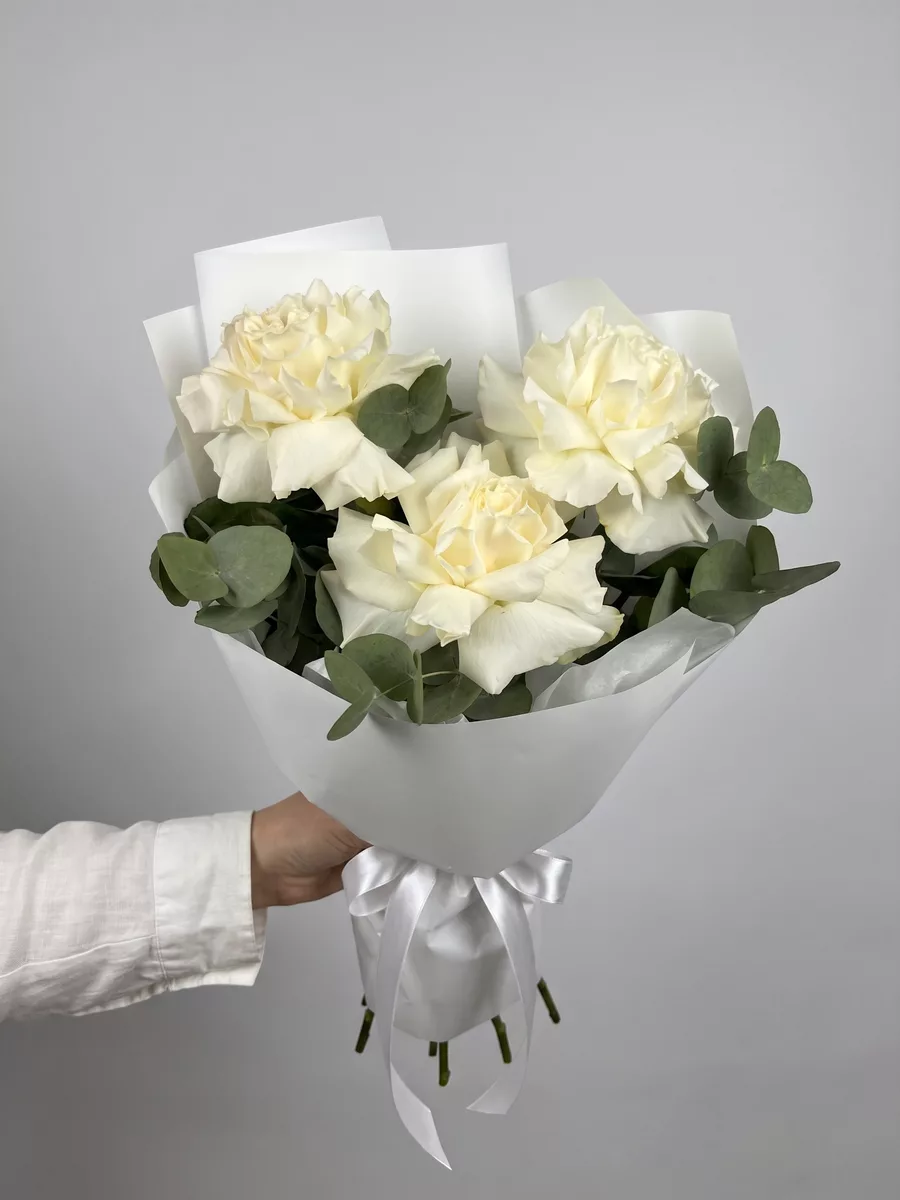
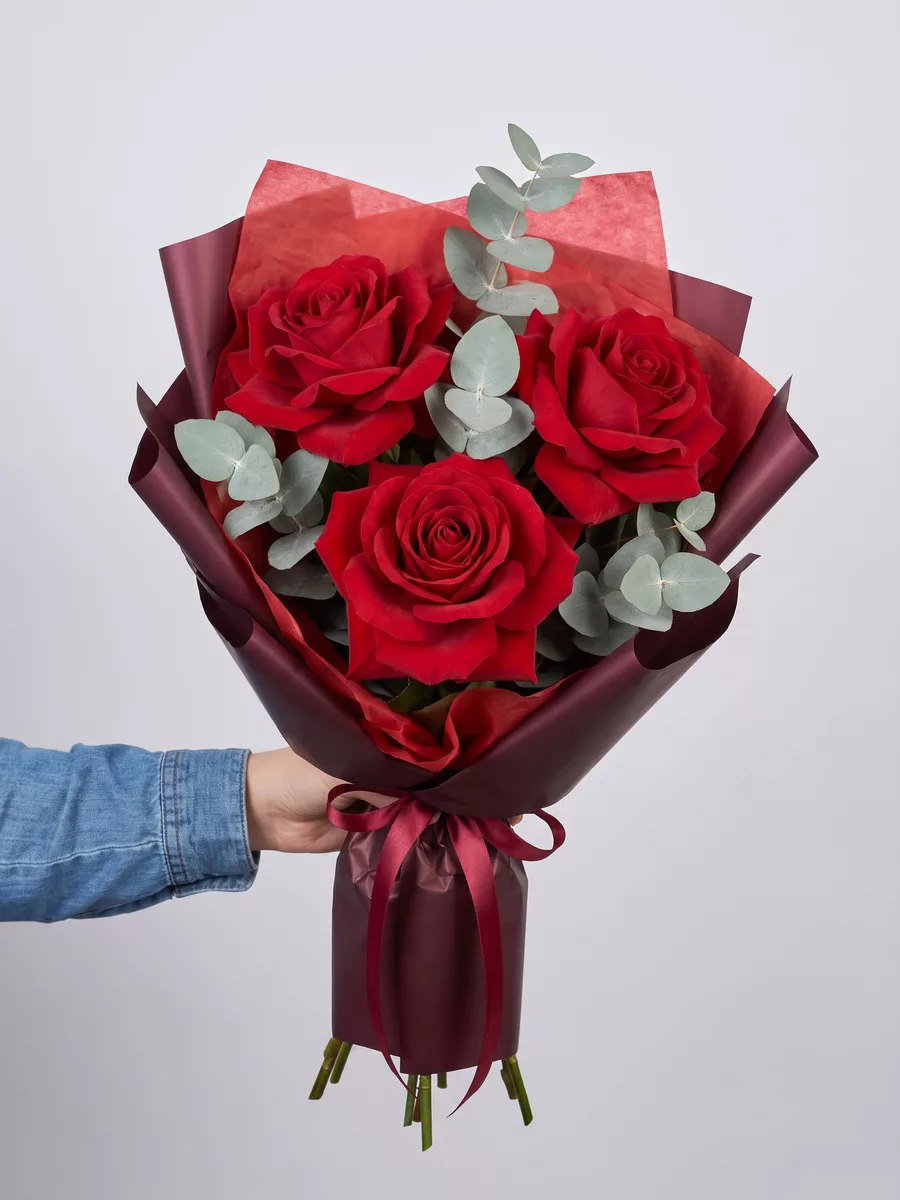
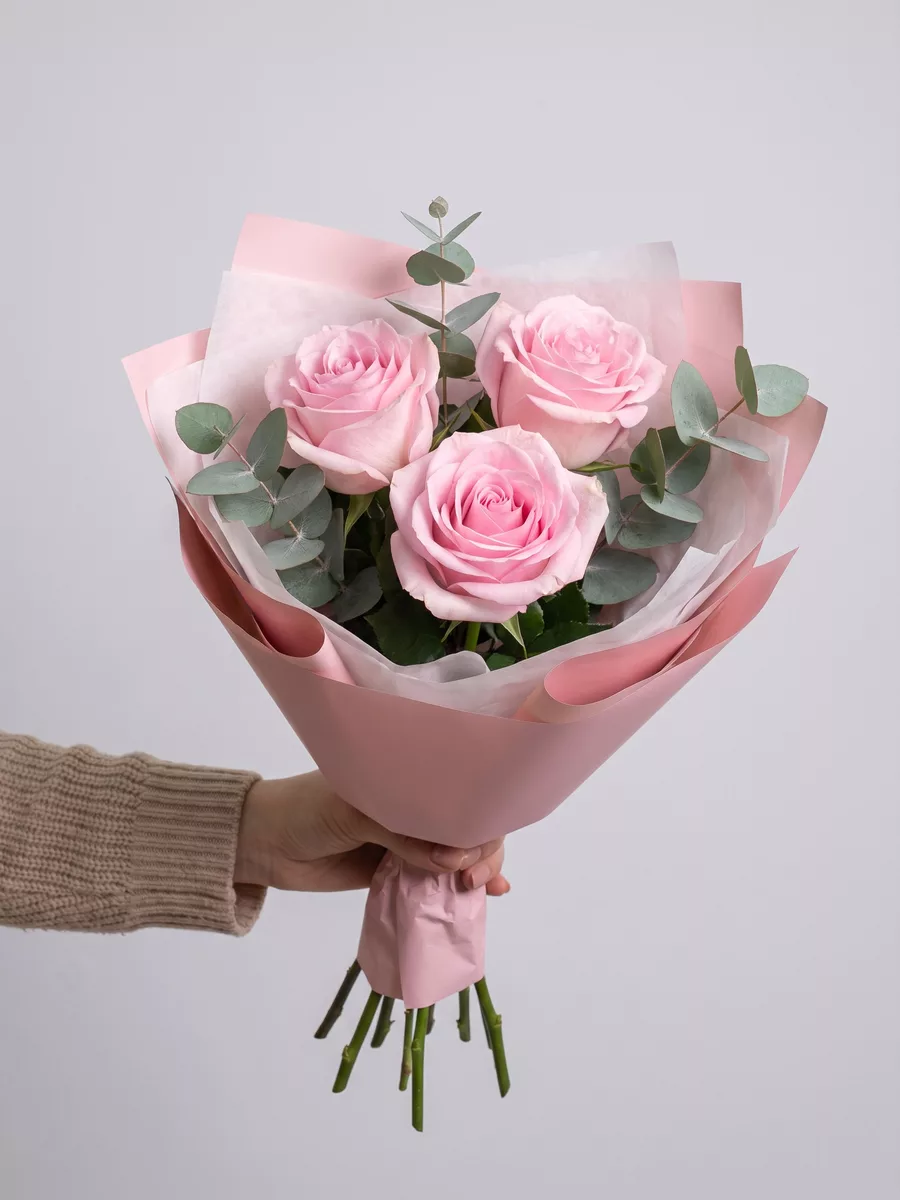
Bouquets we can deliver

Choosing the Right Occasion Framing Before You Pick a Single Stem
Before you think about colour or flower type, think about what the recipient will feel when they open the door. In Russian culture, flowers carry strong social weight. They are not a casual gesture — they signal that the sender thought carefully and spent real effort. For a birthday, the tradition is to send an odd number of stems, a custom rooted in old folk belief that even numbers belong to mourning. If you are sending eleven roses or thirteen tulips, you are already speaking the local language.
For a new home or a professional achievement, greenery-forward arrangements with eucalyptus, ruscus or pittosporum mixed with cream or white blooms read as sophisticated and modern to Russian recipients. For a romantic occasion, deep red roses remain the classic choice, though burgundy lisianthus paired with dusty miller offers something more intimate and longer-lasting. For a congratulation after a new baby, soft peach ranunculus or blush spray roses with white waxflower feel warm without being overwhelming.
If you are unsure of the occasion's tone, err on the side of warmth rather than minimalism. Russian recipients tend to read a generous, layered bouquet as genuine care, while a single-variety, very spare arrangement can feel cold or unfinished, even if it is expensive. Telling the florist the relationship — grandmother, colleague, romantic partner, close friend — helps more than specifying a colour palette you saw on a website.
Timing Your Order Across Time Zones Without Getting It Wrong
Segezha operates on Moscow Time, which is UTC plus three with no daylight saving adjustment. If you are in New York, that is an eight-hour gap in winter and a seven-hour gap in summer. London sits three hours behind Moscow in winter and two hours behind in summer. Tel Aviv is one hour behind Moscow year-round. These numbers sound simple, but they catch international senders every single time.
The practical rule is to place your order the evening before the desired delivery date by your local clock. If you want flowers to arrive on a Tuesday afternoon in Segezha, place the order on Monday evening your time. This gives the florist full working hours to source, condition and arrange the stems before dispatch. Rush orders placed the same morning in a Western time zone may land in the florist's system after the Segezha delivery window has already narrowed.
For major Russian holidays — International Women's Day on the eighth of March, Valentine's Day, and New Year — order at least three to five days in advance. These are the highest-demand periods in the Russian flower calendar, and Segezha is not exempt. Women's Day in particular is the single busiest flower day of the year in Russia, with demand that dwarfs any equivalent Western holiday. Senders who leave it to the seventh of March consistently face delays or substitutions. The same applies to late December, when logistics across Karelia slow down due to snow and shortened daylight hours.
Flowers That Survive the Northern Journey and Still Look Beautiful
Not every flower is suited to a long cold-weather journey into Karelia. The varieties that arrive in best condition share a few traits: thick petals, sturdy stems, and the ability to hold their form after a temperature shift. Roses from Ecuador or Kenya, when properly hydrated and wrapped, travel well even in winter. Choose varieties with dense petal counts — David Austin-style garden roses or high-petal spray roses — over single-layer blooms that bruise easily.
Chrysanthemums are genuinely underrated for northern deliveries. They last ten to fourteen days in a vase, tolerate cold transport exceptionally well, and come in a wide enough colour range to suit almost any occasion. Alstroemeria is another reliable choice — it opens gradually over a week, meaning the recipient gets a slow-reveal experience rather than a bouquet that peaks on day one and collapses by day three.
Avoid tropical varieties like bird of paradise, anthurium and heliconia for winter and early spring deliveries to Segezha. These flowers are highly sensitive to temperatures below ten Celsius and can show cold damage within minutes of exposure. Orchid stems in a mixed bouquet are similarly risky unless the florist uses specialised insulated packaging.
In summer — June through August — Segezha's temperatures are mild and pleasant, and the range of deliverable flowers opens considerably. This is when peonies, sunflowers, lisianthus and even delphinium can make the journey without risk. If you are planning a summer occasion, take advantage of the season and ask for something with more drama and colour.
What to Write in the Card When You Cannot Be There in Person
A card message from abroad carries extra emotional weight because it bridges a real physical distance. Russian recipients read card notes carefully and often keep them. A message that feels personal and specific will mean far more than a generic phrase. If you are writing in English, most florists can include the note exactly as written — many recipients in Russia, especially younger ones, read English well enough to appreciate a message in your own language. It can even feel more intimate, as if you are speaking directly rather than through translation.
If you want the message in Russian and you do not speak the language, ask the florist to help you render a short phrase. Something like a warm birthday wish or a simple declaration of affection translates cleanly and the florist will know the appropriate register. Avoid overly formal language in Russian — it can read as cold or bureaucratic in a personal context.
Keep the message focused on the person rather than the flowers. Instead of writing about what you chose and why, write about how you feel about them and what the occasion means to you. Russian emotional culture is direct in personal settings — saying plainly that you miss someone or that you are proud of them is not excessive, it is expected and appreciated.
Include your name and, if relevant, your city. A note that ends with a location — from Paris, from Toronto, from Sydney — underscores the effort the sender made and makes the gesture feel genuinely international.
Vase Life and Care Instructions for Segezha Recipients
Segezha apartments are typically well heated in winter, which is wonderful for the people inside but hard on cut flowers. Central heating in Russian homes runs hot from October through April, and indoor air becomes very dry. This accelerates water uptake and wilting significantly. A bouquet that would last twelve days in a cool London flat may last seven in a warm Segezha apartment unless the recipient takes a few simple steps.
The most important instruction is to trim the stems at a diagonal, about two centimetres from the base, immediately after unwrapping. This reopens the vascular channels that close during transport. The recipient should use a clean vase — residue from a previous bouquet introduces bacteria that shortens vase life dramatically. Fresh cool water, changed every two days, is more effective than most commercial flower food sachets.
Keep the arrangement away from radiators, which are typically placed under windows in Russian homes. The windowsill looks like a natural spot for flowers, but in winter it sits directly above a heat source and next to cold glass — a combination that stresses stems from both directions. A table in the middle of the room, away from direct heat and out of direct sunlight, is the best position.
For roses specifically, if petals begin to droop before the stem is finished, the recipient can submerge the entire bloom in cool water for thirty minutes. This often revives the head completely. Chrysanthemums and alstroemeria need almost no intervention — they are forgiving, resilient, and reward basic care with exceptional longevity.
Practical Details Every International Sender Should Confirm Before Ordering
When placing an order from abroad, a few practical details will determine whether the delivery goes smoothly or requires anxious follow-up messages. First, confirm the recipient's full address including the apartment number and entrance code if the building has one. Russian apartment buildings — called mnogokvartirnye doma — often have entry keypads or intercoms, and a courier without the code cannot get past the ground floor. This is one of the most common causes of failed deliveries in Russian cities, including Segezha.
Second, include a working Russian mobile number for the recipient. Russian mobile numbers begin with plus seven and have ten digits after the country code. The courier will call ahead to confirm timing, and without a reachable number the delivery can be delayed or returned. If the recipient does not know a delivery is coming — perhaps it is a surprise — the florist can usually arrange a brief anonymous call that simply asks the recipient to be available without revealing the sender.
Third, specify whether the delivery should be a surprise or expected. Surprise deliveries require the courier to be discreet at the door, and the florist needs to know this in advance. Expected deliveries allow for a specific time window to be agreed with the recipient directly, which reduces the risk of a missed handoff.
Finally, double-check the payment method. International cards are processed differently than Russian domestic cards, and some payment systems require an additional verification step. Completing payment fully at the time of ordering, rather than leaving it pending, ensures your order enters the florist's system immediately and does not lose its time slot.
Sending flowers to Segezha from abroad is not complicated once you understand the northern climate, the local customs around odd numbers and occasion framing, and the practical logistics of time zones and building access. The distance between you and the recipient is real, but a well-chosen, properly conditioned bouquet arriving at their door closes that gap in a way that a message or a call simply cannot. Choose cold-hardy varieties, order ahead of major holidays, get the address details right, and write something personal on the card. That combination — reliable logistics and genuine feeling — is what makes a flower delivery from the other side of the world feel like you were almost there.
Frequently asked questions
Can I send flowers to Segezha if I do not speak Russian?
Yes, entirely. You can place your order and write your card message in English. Turboflora handles the delivery logistics and can transliterate or translate a short card note if you prefer it in Russian. The recipient's address and mobile number are the only details that must be accurate, and those can be provided in any language as long as the information itself is correct.
What is the safest flower to send to Segezha in January or February?
Chrysanthemums, spray carnations and alstroemeria are the most reliable choices for deep winter delivery in Karelia. They tolerate cold transport without petal damage, last well in heated apartments, and are available year-round. Dense-petal roses from Ecuador also travel safely when properly wrapped. Avoid tropical flowers and thin-petalled varieties like anemones or ranunculus in the coldest months.
How far in advance should I order for International Women's Day on March 8th?
Order at least four to five days before the eighth of March. This is the single highest-demand flower day in Russia, and delivery slots in smaller cities like Segezha fill quickly. Ordering by the third or fourth of March gives you the best choice of varieties and guarantees your preferred delivery window. Same-day orders on the seventh or eighth are very likely to face delays or substitutions.
Will the courier call the recipient before delivering, and will that spoil a surprise?
The courier typically calls ahead to confirm the recipient is available. If the delivery is a surprise, let the florist know when you place the order. The courier can make a brief anonymous call without revealing who the flowers are from, or agree a time when you know the recipient will be home. Including this instruction in your order notes ensures the surprise is protected.
Why does the number of stems matter in Russia?
In Russian tradition, even numbers of flowers are associated with mourning and are brought to cemeteries or funerals. For any celebratory or personal occasion, an odd number of stems — seven, nine, eleven, fifteen — is the correct and expected choice. This is not a strict rule in younger urban circles, but it remains widely observed across Russia, including in smaller cities like Segezha, and following it shows cultural awareness.
Ready to send flowers?
Pick the city, choose the bouquet, and a local florist takes it from there.
Choose a city →