Sending Flowers to Semenov from Abroad: A Florist's Honest Advice
You are sitting in Berlin, Toronto or Dubai, and someone you love is in Semenov — a quiet town in the Nizhny Novgorod region, surrounded by birch forests and the slow rhythm of provincial Russian life. You want to send flowers, but you are not sure whether they will arrive fresh, whether the occasion calls for roses or something more local in feeling, or whether the person at the door will even know what to do with a wrapped bouquet. This article answers all of that, plainly and practically, from a florist's point of view.
Why Semenov Is Not Like Sending to Moscow
Most international senders picture Russia as a single delivery zone, but the experience of receiving flowers in a smaller city like Semenov is quite different from receiving them in the capital. Semenov sits about 80 kilometres north-east of Nizhny Novgorod, and the town has its own pace, its own sense of occasion, and its own expectations about what a bouquet should look and feel like. A lavish metropolitan arrangement with tropical foliage and architectural stems can feel out of place here — not unwelcome, but slightly theatrical.
What works beautifully in Semenov is a bouquet that feels generous without being showy. Garden-style arrangements with lisianthus, spray roses, alstroemeria and seasonal greenery read as warm and considered rather than corporate. The recipient will almost certainly display the flowers on a windowsill or a kitchen table, so the bouquet needs to hold its shape in a home setting, not under studio lighting.
Delivery to Semenov is handled directly by Turboflora, which assembles the bouquet fresh and dispatches it within the one-to-two-hour window that applies across the service area. From your side, the process begins online, in English if needed, and the order is confirmed by message so you know the moment it leaves for the address. Understanding this geography helps you set the right expectation for your recipient — and for yourself.
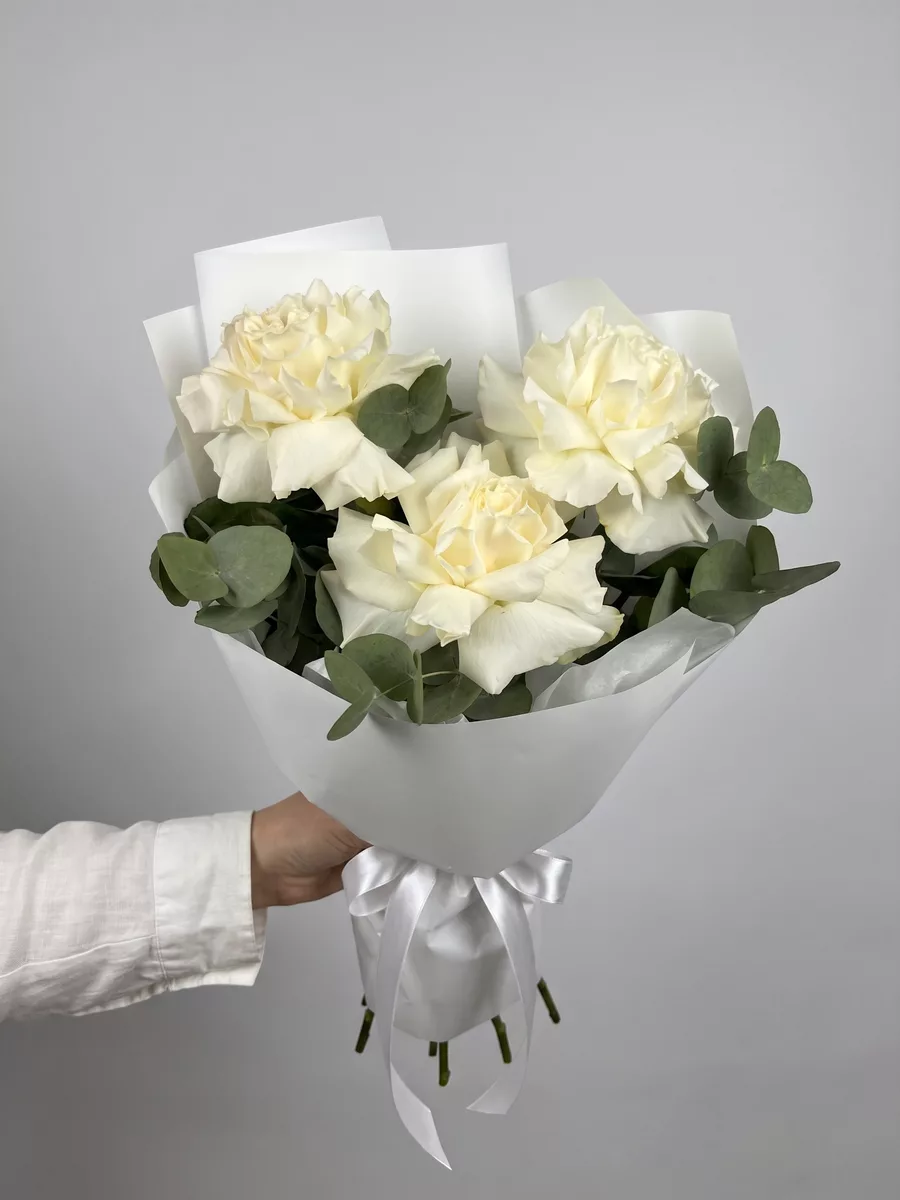
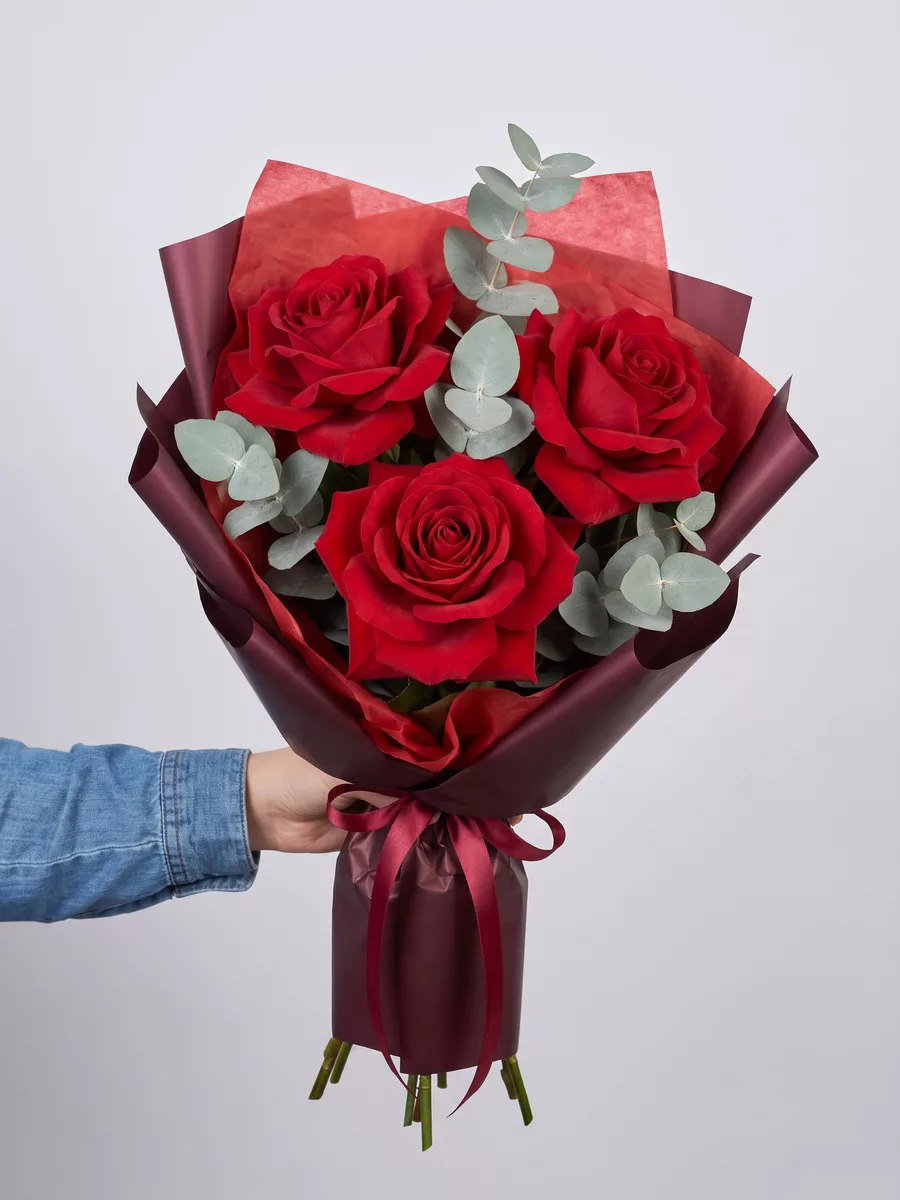
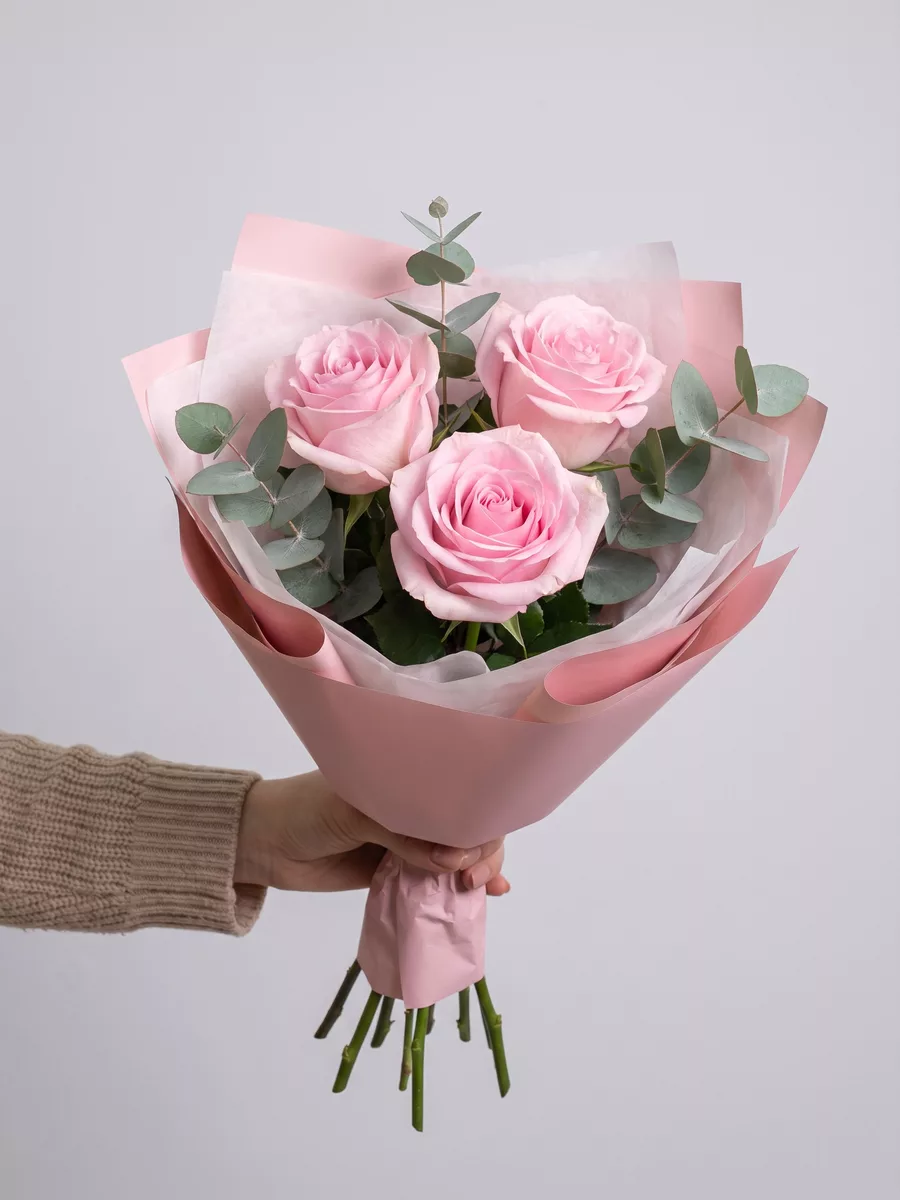
Bouquets we can deliver

What Russian Recipients Actually Expect from a Bouquet
If you have never sent flowers inside Russia before, a few cultural details will save you from well-meaning mistakes. First, odd numbers matter. Bouquets in Russia are traditionally given in odd numbers of stems — three, five, seven, nine — because even numbers are associated with memorial occasions. This is not a rigid rule that will cause offence if broken, but it is the kind of detail that makes a bouquet feel locally right rather than imported.
Second, the wrapping is part of the gift. Russian recipients expect a bouquet that is fully dressed — kraft paper, matte film, or fabric wrap with ribbon — because the presentation is read as a sign of care. A bare bouquet handed over without packaging feels unfinished, even if the flowers themselves are exceptional. Turboflora wraps every order as standard, so this is handled without you needing to specify it.
Third, the card message carries real weight. In smaller cities especially, a handwritten-style card attached to the bouquet is more personal than a text message sent separately. Write your message in Russian if you can manage even a sentence — recipients in Semenov appreciate the effort enormously, and it transforms the moment of opening the door. If Russian is not possible, a warm message in English with a short translation is a good compromise. The florist can advise on phrasing if you ask during checkout.
Choosing Flowers for the Season and the Temperature
Semenov experiences a proper continental climate — winters are cold and long, summers are warm but short, and the shoulder seasons bring sharp temperature swings that affect how flowers travel and how long they last once inside a home. This is not a reason to hesitate, but it is a reason to choose varieties with care.
In winter, from November through March, temperatures in the Nizhny Novgorod region regularly fall below minus fifteen Celsius. Delicate single-petal flowers like anemones or open garden roses are vulnerable to cold shock during the short walk from the delivery vehicle to the door. Sturdier choices — closed-bud roses, chrysanthemums, carnations, alstroemeria and waxflower — handle the transition far better and arrive without petal damage. Turboflora uses insulated packaging during cold months, which extends the safe window considerably.
In summer, the opposite challenge applies: warmth accelerates the opening of buds, which means a bouquet of tight roses delivered in July may be fully open by the following morning. This is not a flaw — it is simply the flower doing what flowers do — but if you want the recipient to enjoy a longer display, ask for varieties with good heat tolerance, such as solidago, statice, lisianthus or alstroemeria. Spring and early autumn are the most forgiving seasons for sending almost any variety, and if you have flexibility on timing, those months give you the widest palette to work with.
Matching the Bouquet to the Occasion
The occasion shapes the bouquet more than any other factor. A birthday in Semenov calls for something joyful and a little abundant — a mixed arrangement with bright gerberas, spray roses and eucalyptus, or a dense peony bouquet in season, gives the recipient the feeling that someone far away thought carefully about their day. Avoid anything too restrained or monochromatic for birthdays; colour reads as celebration.
For a new baby, soft tones work well — blush ranunculus, white lisianthus and pale pink spray roses carry the right tenderness without being saccharine. Russians do not typically send flowers to the hospital; the bouquet is better timed for when the mother is home, usually within a week of the birth. A note asking when she is expected back will help you choose the delivery date.
For anniversaries and romantic occasions, red roses remain the clearest signal in Russian culture — they are understood immediately and carry no ambiguity. If you want something less expected, deep burgundy peonies in summer or rich velvet-textured ranunculus in spring read as romantic without being conventional. For professional milestones — a promotion, a graduation, a significant birthday like a fiftieth — a structured bouquet with calla lilies, white roses and dark greenery strikes the right balance between warmth and respect. When in doubt, ask yourself what the recipient would put on their table to feel genuinely happy, not what looks impressive in a photograph.
How to Order from Outside Russia Without Confusion
Ordering internationally does not need to be complicated, but a few practical points will make the process smoother. The most important is the address format. Russian addresses are written in a specific order — region, city, street, building number, apartment number — and Semenov addresses follow this structure. If your recipient has given you their address in Russian, use it exactly as written. If they have given it to you transliterated into Latin characters, that is also workable, but double-check the street name against a map if you can.
Time zones are the second thing to get right. Semenov operates on Moscow Time, which is UTC plus three, with no daylight saving adjustment. If you are ordering from New York in the evening, it is already the following morning in Semenov. Build this into your thinking when you choose a delivery window — a bouquet ordered at ten in the evening Eastern Time will arrive in the early afternoon Moscow Time, which is usually a pleasant moment for a surprise.
Payment from abroad works through standard international card processing. You do not need a Russian bank account or a Russian phone number to complete an order. The confirmation will come to your email address, and delivery status updates are sent in a way that requires no Russian-language reading on your part. If you want to speak to someone about a specific request — a particular flower, a message in Russian, a timed delivery for a surprise party — the customer service team can be reached in English and will handle the detail without passing it on.
Budget Ranges and What They Actually Get You
Flower prices in Russia are lower than in Western Europe or North America when converted at current exchange rates, which means your budget goes further than you might expect. Rather than quoting figures that change with currency fluctuations, it is more useful to think in tiers of what the recipient will experience.
At the entry level, a single-variety bouquet of five to seven stems — solid-colour roses or alstroemeria in a good wrap — is a genuine gift that arrives looking intentional rather than minimal. It suits a thank-you, a thinking-of-you gesture, or a small birthday for a colleague or neighbour.
A mid-range bouquet moves into mixed arrangements: seven to eleven stems combining two or three varieties with seasonal greenery. This is the most versatile tier — it works for birthdays, anniversaries, congratulations on a new job, and almost any positive occasion. The combination of textures and colours makes the arrangement look considered and generous without being overwhelming in a smaller home.
At the upper end, you are looking at large mixed bouquets of fifteen or more stems, sometimes including premium varieties like peonies, garden roses or calla lilies. These make a strong impression at the door and fill a room with fragrance if the varieties are chosen well. They suit significant birthdays, major anniversaries, or occasions where you want the recipient to feel genuinely celebrated. Whatever the tier, Turboflora assembles each bouquet fresh to order — nothing sits in a cold room waiting.
Helping Your Recipient Keep the Flowers Fresh
A bouquet that arrives beautifully is only half the story. The other half is what happens after the door closes, and for recipients in Semenov who may not be experienced with cut flowers, a few practical words from you can double the vase life of the arrangement.
The most important step is the cut. Stems should be trimmed at a diagonal — about two centimetres from the bottom — using scissors or a sharp knife, ideally under running water or while submerged. This prevents an air bubble from forming at the cut end, which would block the stem from drawing water. Roses, lisianthus and alstroemeria all benefit enormously from this step and will last three to five days longer with it than without.
Water temperature matters more than most people realise. Cool or room-temperature water is correct for most varieties. Very cold water can shock tropical stems like gerberas. Change the water every two days and rinse the vase each time to prevent bacterial build-up, which is the main reason flowers die early.
Placement in the home makes a real difference too. Direct sunlight, radiators and fruit bowls all shorten vase life — ethylene gas from ripening fruit is particularly damaging to roses and carnations. A cool spot away from the window, or a north-facing windowsill in summer, will keep the arrangement looking fresh for significantly longer. If you include these tips in your card message — even briefly — the recipient will appreciate the thought, and the flowers will reward them for it.
Sending flowers to Semenov from abroad is a gesture that lands differently than a message or a transfer of money — it is physical, it fills a room, and it tells the person on the other side of the door that someone thought about them specifically, today, in a way that required effort. The distance between you and Semenov is real, but it does not have to feel that way. With the right variety for the season, a message that speaks to the occasion, and a delivery timed to the recipient's day, the bouquet does everything a visit would have done — and sometimes more.
Frequently asked questions
Can I send flowers to Semenov if I do not speak Russian?
Yes, entirely. The Turboflora ordering process works in English, payment is handled through standard international cards, and confirmations come to your email. If you want a card message written in Russian, the team can help you with wording. You do not need to speak Russian or have any Russian accounts to complete the order.
How far in advance should I order for a specific time in Semenov?
Because Semenov runs on Moscow Time (UTC+3), calculate the local time before choosing your delivery window. Ordering a few hours ahead is usually sufficient, but for a precise surprise — a birthday dinner, a morning arrival — placing the order the evening before gives the most reliable result and allows you to specify a narrow delivery window.
Are there flowers I should avoid sending to Semenov in winter?
Delicate open-petal varieties like anemones, fully open garden roses and single-stem tulips are more vulnerable to cold shock during cold months. Sturdier choices — closed-bud roses, chrysanthemums, alstroemeria, carnations and waxflower — travel better in sub-zero temperatures. Turboflora uses insulated packaging in winter, which significantly reduces the risk for most varieties.
Is an odd number of stems really important in Russia?
It is a genuine cultural convention, not a strict rule. Odd numbers — five, seven, nine stems — are associated with celebration and affection in Russian gifting tradition, while even numbers have a memorial association. Most recipients will not be upset by an even number, but an odd-numbered bouquet signals that the sender understands local custom, which adds warmth to the gesture.
What is the best bouquet for a recipient I do not know very well?
A mixed bouquet of seven to nine stems with two or three complementary varieties — such as spray roses, lisianthus and eucalyptus — is universally appropriate and reads as thoughtful without being overly personal. Neutral or warm tones work across ages and relationships. Avoid very bold colour combinations or strongly scented varieties like lilies if you are unsure of the recipient's preferences.
Ready to send flowers?
Pick the city, choose the bouquet, and a local florist takes it from there.
Choose a city →