Sending Flowers to Semiluki from Abroad? Read This First
You are somewhere far from Russia — maybe Berlin, Dubai, or Toronto — and you want someone in Semiluki to open their door and feel genuinely loved. That is a specific wish, and it deserves a specific answer. Semiluki is a small city just outside Voronezh, and getting fresh flowers there from an international sender takes a little more planning than a local order, but it is entirely doable when you understand how timing, Russian customs, and seasonal availability actually work together.
Why Semiluki Is Different from Ordering to a Big Russian City
Most people ordering flowers internationally think first of Moscow or Saint Petersburg. Semiluki sits in the Voronezh region, roughly 600 kilometres south of Moscow, and it has its own rhythm. It is a quieter city, which means that the recipient is more likely to be at home or at a local workplace rather than in a large office complex. That context matters when you are choosing a bouquet: a grand, theatrical arrangement suits a corporate lobby, but for a private home in Semiluki, something personal and well-composed feels far more appropriate.
Delivery logistics to Semiluki require careful coordination because the city is not a major hub. Turboflora plans each order to arrive within the promised one-to-two-hour window, but as an international sender you need to account for the time zone difference. Voronezh and Semiluki are in Moscow Standard Time, which is UTC plus three. If you are placing an order from the west coast of the United States, that is an eleven-hour gap. Placing your order the evening before, your local time, is almost always the safest approach.
The recipient will not see any of this complexity. They will simply receive flowers at their door. But your awareness of it means the order arrives exactly when you intend, rather than at seven in the morning when nobody is awake or after nine at night when the moment has already passed.
Bouquets we can deliver

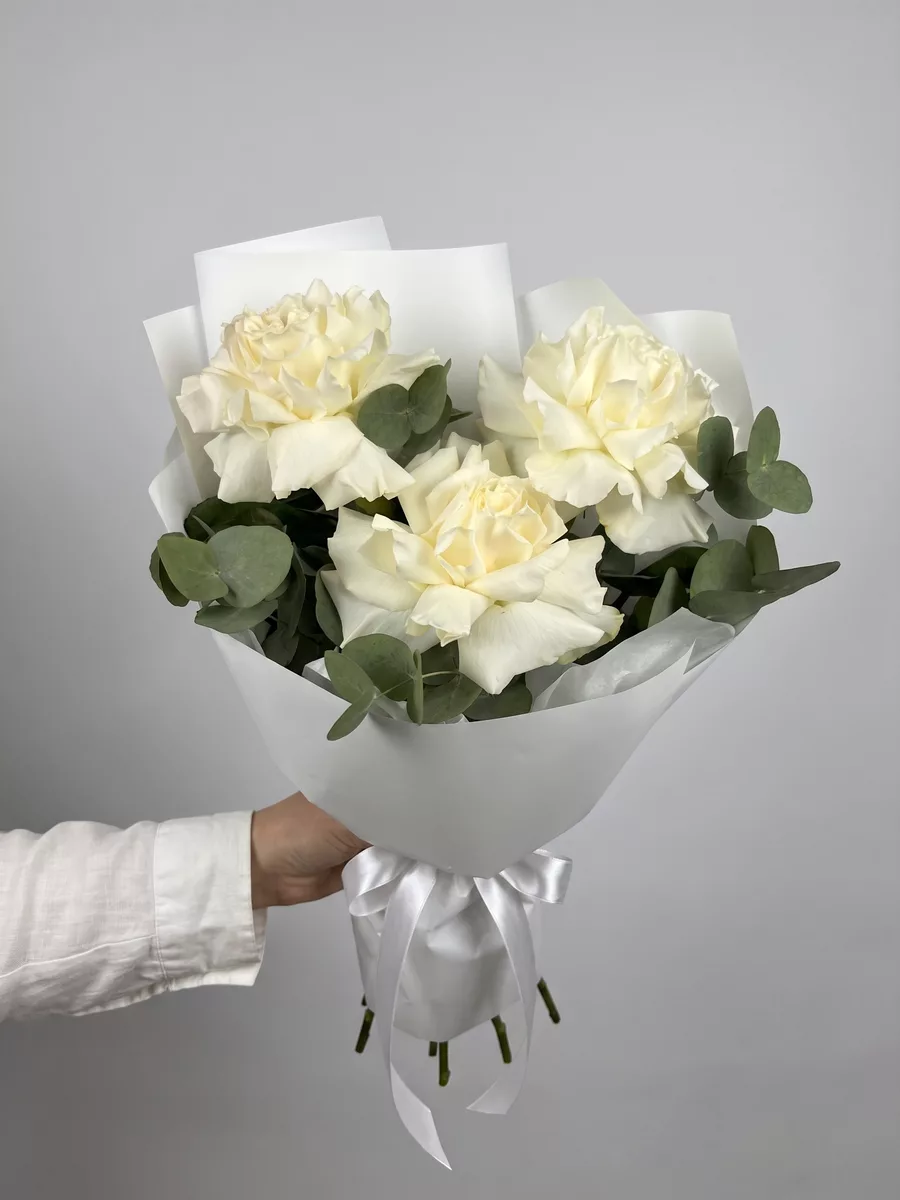
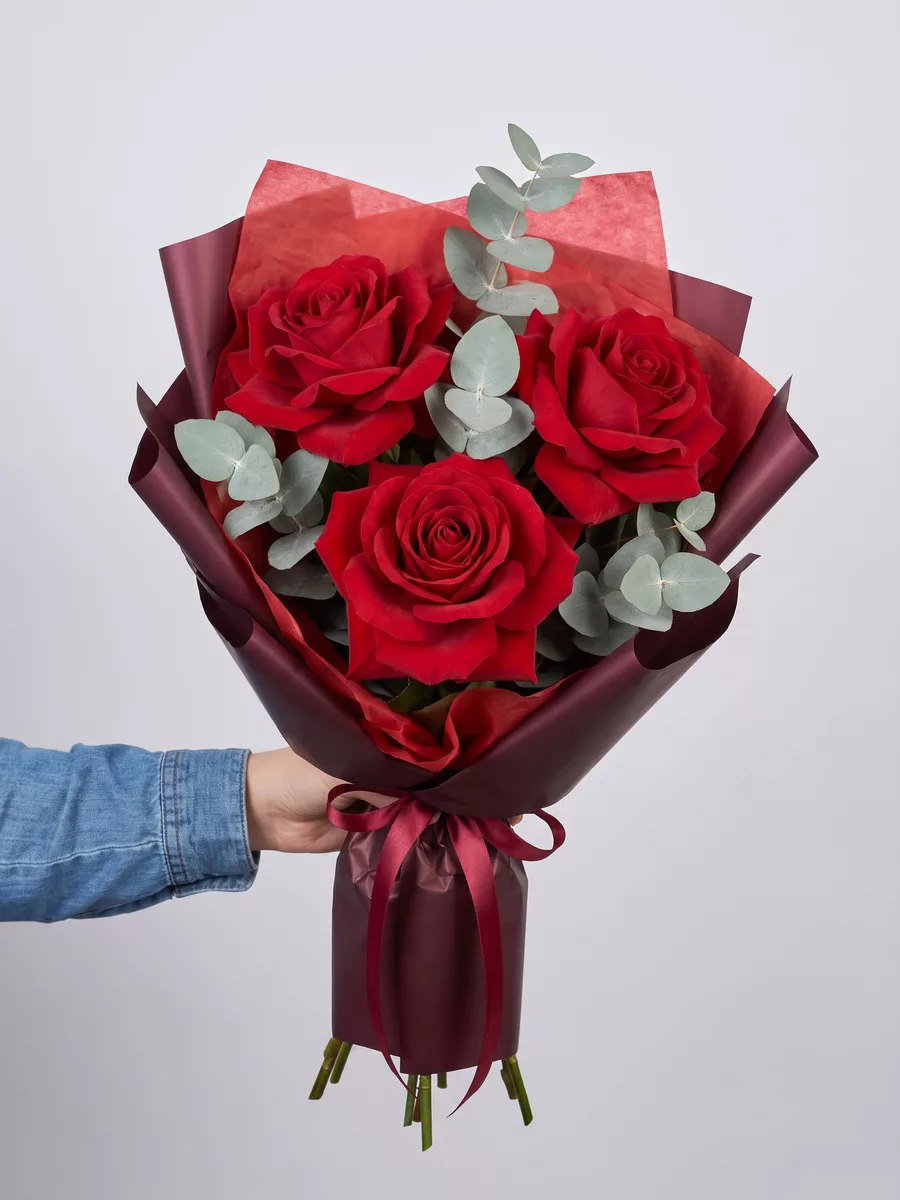
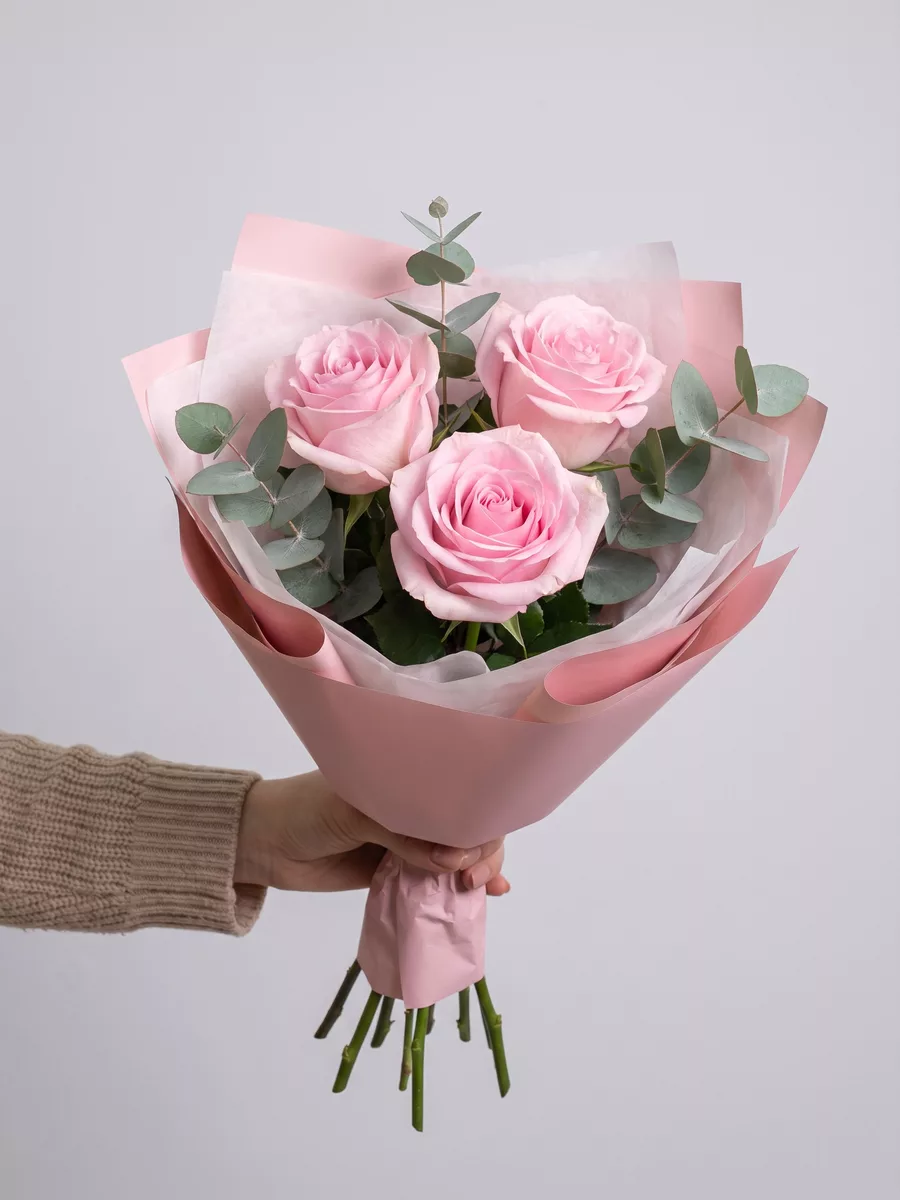
Understanding Russian Flower Customs Before You Choose
If you did not grow up in Russia, a few traditions around flowers may surprise you. The most important one: always send an odd number of stems. Even numbers of flowers are associated with mourning in Russian culture, and a bouquet of ten roses, however beautiful, will feel wrong to the recipient the moment they count. Most professional florists follow this automatically, but if you are specifying a custom stem count, keep it at seven, nine, eleven, or fifteen rather than rounding to a neat even number.
Colour carries meaning too, though perhaps less rigidly than the odd-number rule. Red roses remain the classic romantic gesture and are universally understood. White flowers — particularly white roses and white chrysanthemums — are beautiful but can read as formal or cool rather than warm, so they work better when mixed with other colours than when sent alone. Yellow flowers were once considered unlucky in Soviet-era tradition, though younger Russians today are largely relaxed about this. If you are sending to someone older or more traditional, mixing yellow with orange or pink softens any concern.
The presentation matters as much as the flowers themselves. Russian recipients appreciate bouquets that look considered: good wrapping, a visible care for detail, and a handwritten card if possible. A note in Russian is a lovely touch, even just a transliterated phrase, but a warm message in English is always welcome and the florist can ensure it is presented beautifully alongside the flowers.
Choosing the Right Flowers for the Person and the Moment
Start with the recipient, not the flower catalogue. A young woman celebrating a birthday responds differently to flowers than a mother receiving a thank-you gesture, or a colleague marking a promotion. Think about what she keeps in her home, what colours she wears, whether she prefers something dramatic or quietly elegant. That picture will guide your choice better than any generic recommendation.
For romantic occasions, garden roses with full, cupped blooms — varieties like David Austin-style roses when in season — create a sense of abundance and care that standard long-stem roses do not quite match. Paired with eucalyptus or soft ruscus greens, they feel like something gathered thoughtfully rather than pulled from a shelf. For a birthday with a celebratory energy, ranunculus mixed with tulips in spring, or lisianthus with spray roses in summer, gives a lightness that suits the mood.
For a gesture of warmth and appreciation — thanking someone for hosting you, or simply saying you are thinking of them — peonies are deeply loved across Russia when they are in season from late May through June. They are generous flowers, soft and fragrant, and they feel like a hug in flower form. Outside peony season, a well-built mixed bouquet with dahlias, alstroemeria, and garden greenery achieves a similar feeling of abundance without forcing an out-of-season choice that would arrive looking tired.
Seasonal Availability and What to Expect by Time of Year
Semiluki experiences a genuine continental climate: cold winters, warm summers, and springs and autumns that can shift quickly. This affects not only what is available but what will survive the journey to the recipient's door in good condition. Temperature is a real consideration, not a detail to skip.
In January and February, temperatures in the Voronezh region regularly drop below minus ten Celsius. Flowers are transported in insulated packaging, but delicate varieties like garden roses with many-petalled blooms or tropical flowers like anthuriums are more vulnerable to cold shock. Roses, carnations, and chrysanthemums handle winter transport well. Alstroemeria is another reliable winter choice: it is robust, long-lasting, and comes in a wide range of colours.
Spring brings tulips, hyacinths, and the first ranunculus, and by May the peonies arrive — this is genuinely one of the best times to send flowers to Russia if you have any flexibility. Summer offers the widest variety: sunflowers, dahlias, lisianthus, and seasonal garden roses all perform well. Autumn is the season for rich, warm tones: burgundy chrysanthemums, orange and red dahlias, and deep-toned roses that suit the shorter days.
If you are ordering around a major Russian holiday — International Women's Day on the eighth of March is the biggest flower day of the year in Russia, followed by Valentine's Day and New Year — place your order at least two to three days in advance. Demand is extremely high, and advance ordering ensures your arrangement gets the same care and freshness as any other day.
How to Place the Order Smoothly from Outside Russia
The practical steps matter here, and getting them right saves you from the frustration of an order that does not land as planned. The most important detail is the delivery address. In Russia, addresses follow a specific format: city, street, building number, apartment number, and floor. If you are sending to a private home in Semiluki, ask the recipient in advance for their full address including the apartment number and entry code if there is a door intercom. A missing apartment number is the single most common reason a delivery is delayed.
Payment from abroad is straightforward with Turboflora — international cards are accepted, and you do not need a Russian bank account or a Russian phone number to place an order. The website and order process are accessible in English, which removes a barrier that stops many international senders from even trying.
For the card message, write exactly what you want it to say. Do not assume the florist will add something on your behalf. A specific, personal message — even just two sentences — transforms the experience for the recipient. If you want the message transliterated into Russian or written in Cyrillic, note that in your order comments and it can be arranged. Specify the delivery time window in Moscow Standard Time, not your local time, and double-check the conversion before confirming. A small effort here makes a significant difference to whether the flowers arrive at a meaningful moment or at an inconvenient one.
Vase Life and Care: What to Tell the Recipient
When flowers arrive, the recipient in Semiluki may or may not know how to get the longest life from them. If you want to add something kind to your card message, a brief care note is a thoughtful touch — and it extends the life of your gift by several days.
The first step is always a fresh diagonal cut on each stem, made with a sharp knife rather than scissors if possible, and done under running water or immediately before placing the stems in the vase. Scissors can crush the stem cells that carry water, reducing vase life noticeably. The water should be cool and clean, changed every two days. A clean vase matters more than most people realise: bacteria build up quickly and block the stem ends.
Keep the arrangement away from direct sunlight, radiators, and fruit bowls. Ripening fruit releases ethylene gas, which accelerates petal drop in roses and carnations especially. In Semiluki's winter, indoor heating is strong and the air is dry, which shortens vase life — placing the vase in a cooler room overnight, even just a hallway, can extend the flowers by a day or two.
With proper care, roses last seven to ten days, alstroemeria and chrysanthemums can reach twelve to fourteen days, and lisianthus sits comfortably in the ten-day range. Tulips are shorter-lived at five to seven days but change beautifully as they open, so they offer a different kind of pleasure. Letting the recipient know what to expect sets realistic and warm expectations rather than disappointment when the first petals eventually fall.
Making the Gesture Feel Personal Across the Distance
Sending flowers from abroad is an act of real intention. It takes more effort than a local order, and the recipient in Semiluki will feel that. The question is how to make the gesture as personal as the effort behind it.
Choose a colour palette that means something to the recipient rather than defaulting to the most popular option. If she loves dusty pinks and muted mauves, a bouquet of lilac lisianthus and blush spray roses will feel like you truly know her. If he appreciates clean, architectural arrangements, a monochromatic white and green bouquet with veronica and white tulips says something different and equally considered.
The size of the bouquet is worth thinking about too. A very large bouquet can be difficult to manage in a smaller apartment, where finding a vase big enough becomes a mild stress rather than a pleasure. A well-composed medium bouquet — fifteen to nineteen stems with good foliage — is often more welcome than a theatrical grand arrangement, unless the occasion is specifically celebratory and the space is large.
Finally, the timing of delivery can itself be part of the gift. Flowers arriving just as someone wakes up on their birthday, or at the end of a working day when they least expect it, carry a different emotional weight than a midday delivery. You know the person — use that knowledge. Specify a morning window if she is a morning person, or an evening window if the day has been a long one. That small decision, made from thousands of kilometres away, is what turns a flower delivery into a genuinely felt moment.
Sending flowers to Semiluki from outside Russia is not complicated once you understand the time zones, the customs, and the seasonal rhythms that shape what arrives and how it is received. The distance between you and the person you are thinking of does not have to show in the flowers — a well-chosen, well-timed bouquet from Turboflora arrives fresh, presented beautifully, and carrying exactly the feeling you intended. The effort you put into the details is invisible to the recipient, and that is exactly the point.
Frequently asked questions
Can I send flowers to Semiluki if I do not speak Russian?
Yes, entirely. Turboflora's ordering process is available in English, and you can write your card message in English as well. If you would like the message transliterated or written in Russian, simply note that in your order comments. You do not need to speak Russian or have any Russian contacts to complete the order successfully.
What is the best time to place my order given the time zone difference?
Semiluki follows Moscow Standard Time, which is UTC plus three. Calculate the delivery time you want in Moscow time, then place your order several hours ahead of that to allow for processing. Ordering the evening before your local time is usually the safest approach, especially if you are in North America or East Asia where the gap is largest.
Are there flowers I should avoid sending to Russia for cultural reasons?
Always send an odd number of stems — even numbers are associated with mourning in Russian tradition. All-yellow bouquets can feel unlucky to older or more traditional recipients, so mixing yellow with other colours is wiser. White flowers alone can read as formal rather than warm. Beyond these points, most varieties and colours are received positively and gratefully.
How far in advance should I order around major Russian holidays?
For International Women's Day on the eighth of March — the single busiest flower day in Russia — order at least two to three days ahead. Valentine's Day and New Year also see very high demand. Ordering early guarantees your bouquet receives the same careful preparation and fresh stock as any regular-day order, rather than being rushed during peak volume.
What happens if the recipient is not home when the flowers arrive?
When you place your order, include a phone number for the recipient so the delivery team can coordinate arrival. If nobody is home, the florist will contact the recipient directly to arrange a new window. Providing both the full address including apartment number and a working contact number removes the most common causes of a missed or delayed delivery.
Ready to send flowers?
Pick the city, choose the bouquet, and a local florist takes it from there.
Choose a city →