Sending Flowers to Serdobsk from Abroad: A Florist's Honest Advice
You are sitting in Berlin, Toronto or Dubai, and someone you love is in Serdobsk — a quiet city in the Penza region of Russia. You want to send flowers, but you are not sure how delivery works across that distance, what varieties survive the journey, or whether your order will arrive looking the way you imagined. This article answers all of that plainly, from the perspective of a florist who actually does this every day.
Why Serdobsk Is Different from Sending to a Capital City
Serdobsk sits in the Penza region, roughly 130 kilometres south of Penza city. It is a smaller town, and that changes a few things about how a flower order should be planned. Delivery windows are tighter in the sense that timing your order well matters more — you want to make sure the recipient is reachable and that someone can accept the bouquet at the door.
The good news is that Turboflora delivers directly to Serdobsk, handling the logistics from our end so you do not need to coordinate with anyone locally. From your side, the key task is placing the order with enough lead time and providing a precise address with a working phone number for the recipient.
Serdobsk has a continental climate, which means winters are genuinely cold — temperatures regularly fall below minus fifteen Celsius from December through February. In summer the heat can exceed thirty degrees. Both extremes affect flowers in transit, and a florist who knows the region will pack accordingly, using insulated wrapping in winter and avoiding heat-sensitive varieties in peak summer. Roses, spray carnations and chrysanthemums travel well across these conditions. Delicate garden flowers like sweet peas or ranunculus are better chosen in spring or early autumn when temperatures are milder.
Understanding the geography also helps you set expectations for the recipient. They may be surprised to receive flowers from abroad — and that surprise is part of the gift.
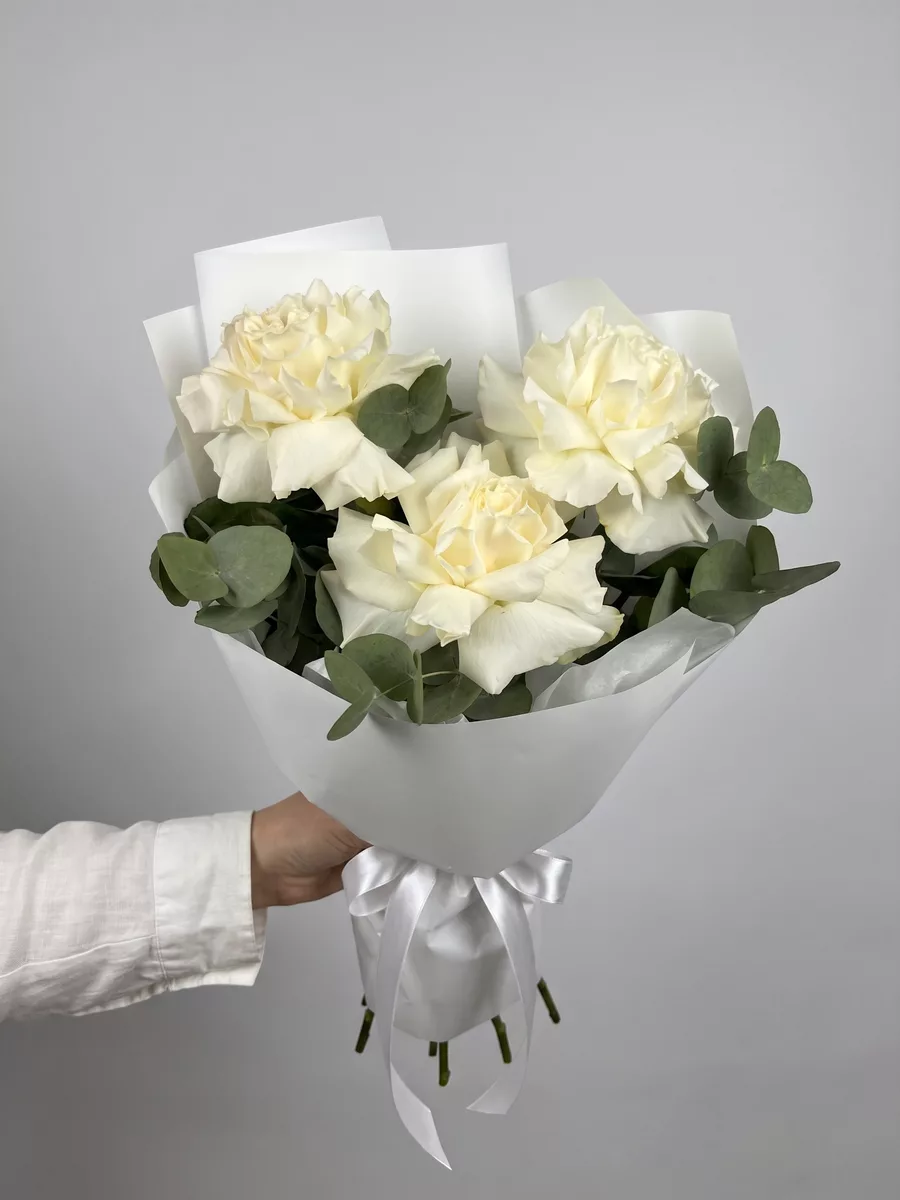
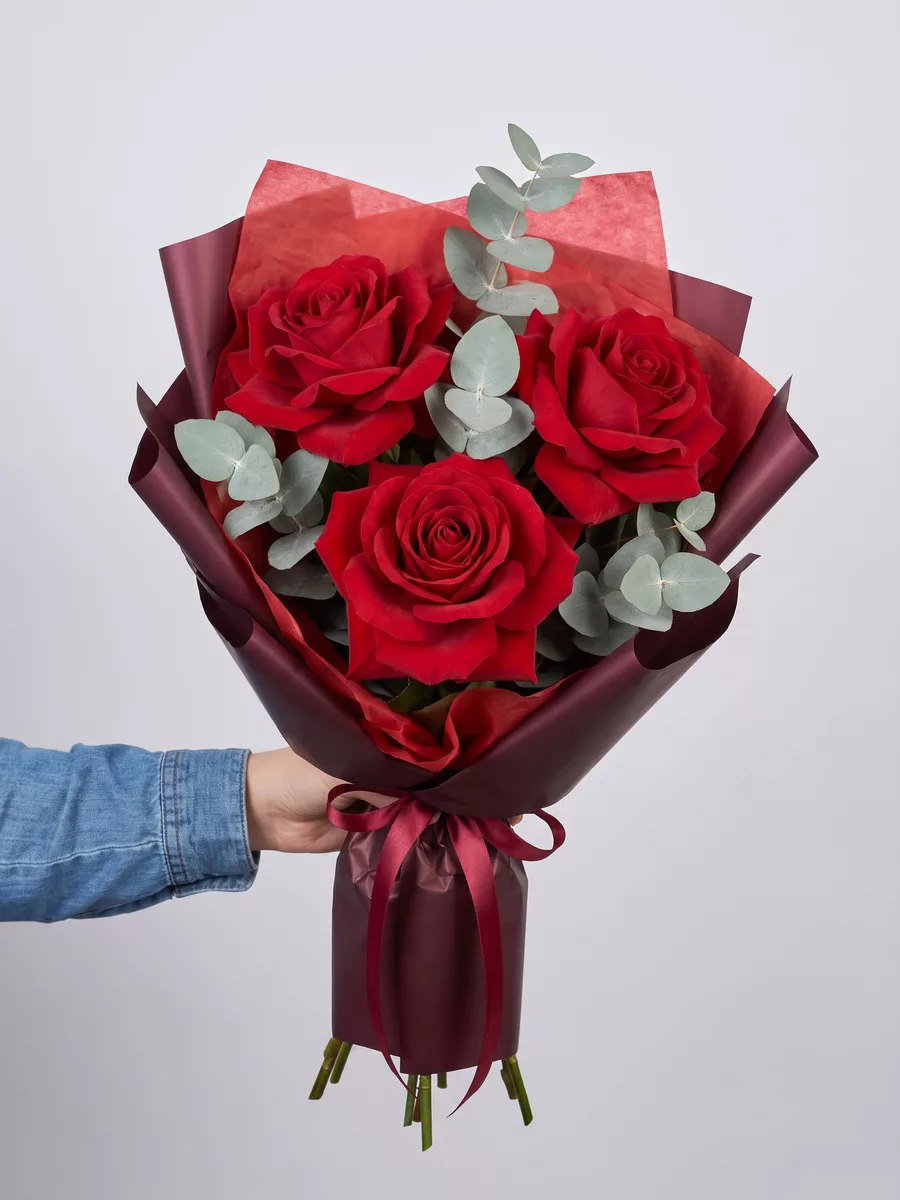
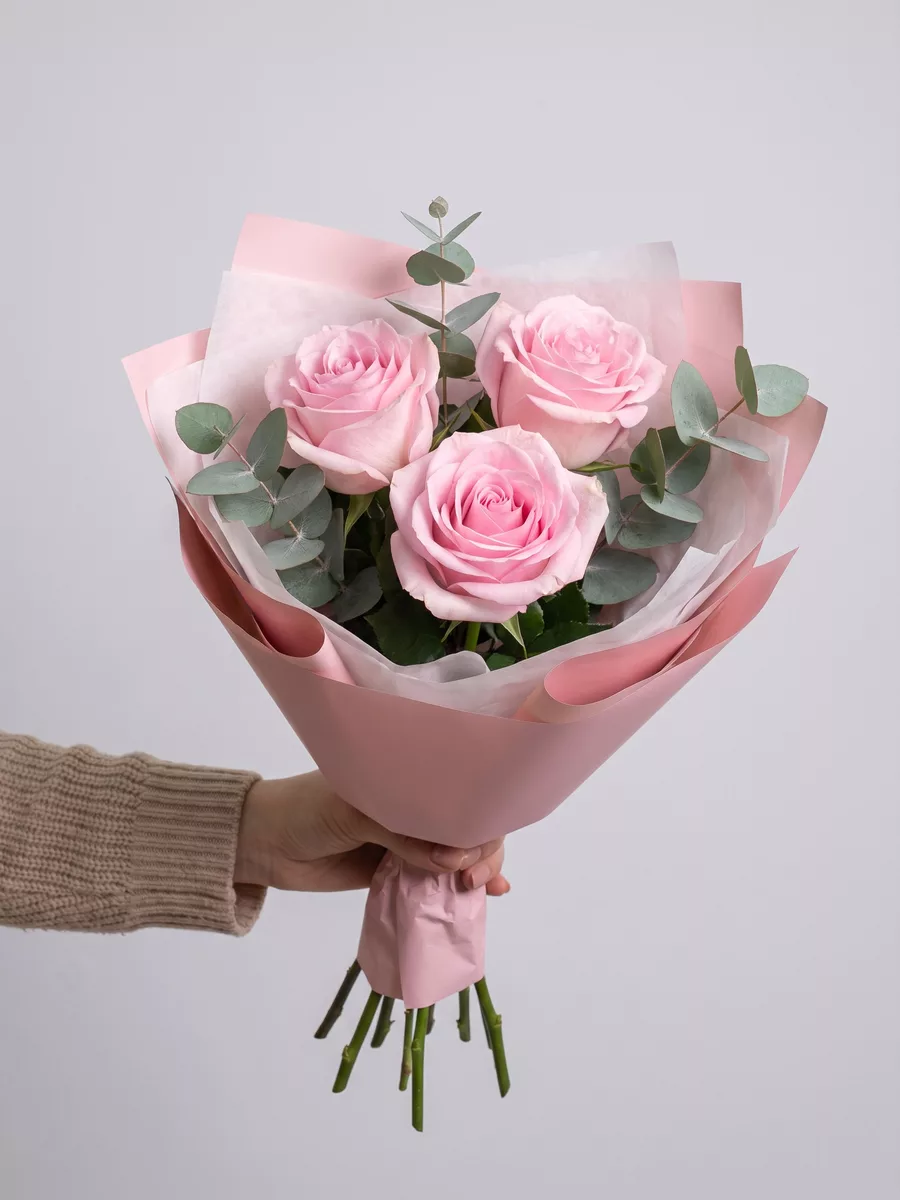
Bouquets we can deliver

Reading the Occasion Before Choosing the Bouquet
Before you think about which flowers to order, think about the person receiving them and what you want them to feel when they open the door. A birthday calls for something celebratory and generous — full-headed roses, bright gerberas, or a mixed arrangement with alstroemeria and lisianthus that holds colour for ten days or more. An anniversary deserves something more considered: monochromatic palettes, garden-style arrangements with textural greenery, or a classic all-white bouquet that reads as intentional rather than random.
If you are sending to a woman who has just had a baby, soft pinks and creams with eucalyptus work beautifully and feel gentle rather than overwhelming. For a colleague or teacher — common in Russian culture — a structured bouquet of mixed seasonal flowers in neat colours signals respect without being overly personal.
Russian recipients often pay attention to the number of flowers. An odd number is the standard for celebratory occasions — seven roses, nine tulips, eleven stems of freesia. Even numbers are traditionally reserved for mourning, so this is one detail worth being deliberate about. If you are ordering a large mixed arrangement where stems are hard to count, that is perfectly acceptable and nobody will think twice. But for a simple single-variety bouquet, stick to odd numbers.
Knowing the recipient's home matters too. A small apartment in Serdobsk may not have a large vase, so a compact but lush bouquet often lands better than a sprawling arrangement that has nowhere to live comfortably.
How to Place Your Order from Outside Russia
The process of ordering from abroad is more straightforward than most people expect. Turboflora's website works in English, and payment can be made with international cards. The most important thing you need on hand before starting is the recipient's full address — house number, street, apartment number if applicable — and a mobile phone number with the Russian country code.
If you do not have the recipient's address, you can sometimes work around this by calling them on a pretext and asking them to confirm where they are that day. Many people ordering a surprise do exactly this. Alternatively, if you know they will be at a workplace, a school or another fixed location, delivery there is equally possible.
Time zones are worth thinking about. Serdobsk follows Moscow Time, which is UTC plus three, with no daylight saving adjustment. If you are in New York, that is an eight-hour gap; from London it is three hours; from Tokyo, six hours behind. Place your order when it is still business hours in Russia to ensure same-day delivery is possible. Orders placed late at night Moscow time will typically be processed for the following morning.
For the delivery message, you can write in English — we will transliterate or translate it for the card if needed, or leave it in English if the recipient reads the language. Many Russians in smaller cities appreciate a handwritten-style card even more than people in capitals do, because it feels personal and unhurried. Keep the message warm and specific: a detail about a shared memory means far more than a generic phrase.
Choosing Flowers by Season in Serdobsk
Seasons matter more when you are sending to a smaller Russian city than when you are sending to Moscow, where imported tropical varieties are available year-round. In Serdobsk, working with what is genuinely in season produces a better result — the flowers are fresher, the colours are more vivid, and the arrangement feels appropriate to the time of year.
In spring, from March through May, tulips are the obvious and wonderful choice. They are deeply tied to Russian spring celebrations, particularly International Women's Day on the eighth of March, when demand is enormous — order at least four to five days ahead for that date. Daffodils and hyacinths are also beautiful in early spring and carry a strong scent that makes arriving home feel like an event.
Summer brings sunflowers, which are genuinely beloved across Russia and feel completely at home in the Penza region's landscape. Lisianthus, stock and solidago work well in summer mixed arrangements. Avoid garden roses in July and August unless you know the delivery is to an air-conditioned space — heat shortens their vase life significantly.
Autumn is the season of chrysanthemums, and they are stunning at this time of year. Single-headed spray chrysanthemums in rust, burgundy and white last up to three weeks in a vase with proper care. Autumn is also when dahlias appear, and a bouquet of café au lait dahlias is one of the most striking things you can send.
Winter calls for roses, alstroemeria and amaryllis — varieties that tolerate cold transport well and bring warmth into a home when everything outside is grey and frozen.
Budget Ranges and What Each Level Gets You
When sending from abroad, it helps to understand what different investment levels actually produce in terms of the physical bouquet — not just the price tag.
At the entry level, you are looking at a single-variety bouquet of five to seven stems: tulips in spring, spray roses in summer, chrysanthemums in autumn. These are honest, cheerful gifts that feel genuine rather than token. The presentation is clean, the wrapping is neat, and the flowers are fresh. For a colleague, a thank-you or a casual birthday, this is entirely appropriate.
At a mid-range level, the arrangement gains variety and volume. You might have a combination of roses and lisianthus with eucalyptus, or a mixed seasonal bouquet with seven to eleven stems of two or three complementary varieties. The colour palette becomes more deliberate, and the arrangement has a sense of composition rather than just a bundle of flowers. This is the right level for close friends, romantic partners and milestone birthdays.
At the higher end, you are commissioning something that feels designed: a large arrangement with a clear focal flower — garden roses, peonies in season, or amaryllis in winter — supported by secondary flowers and textural greenery. The box or wrapping is premium, and the overall presentation makes an impression before a single stem is removed. This level suits anniversaries, significant personal milestones and situations where you want the recipient to feel genuinely celebrated.
Whatever your budget, communicate any colour preferences clearly when ordering. Florists can work beautifully within constraints when they know what matters to you.
Russian Flower Customs Worth Knowing
If you did not grow up in Russia, a few cultural details will help you send something that lands exactly right rather than accidentally confusing the recipient.
The odd-number rule for celebratory bouquets has already been mentioned, but it goes further than just counting stems. Russians are genuinely attentive to this, and a recipient who receives an even-numbered bouquet may quietly wonder whether the sender knew what they were doing. Odd numbers signal life, celebration and good intention.
Yellow flowers carry a complex reputation in Russian culture. Some people associate yellow roses or yellow tulips with separation or bad luck in relationships. This belief is not universal and is fading among younger generations, but if you are sending to someone older or more traditional, it is safer to choose other colours for romantic or close-personal occasions. Yellow works perfectly well in a professional or celebratory mixed arrangement where it is one colour among several.
Flowers are given on a very wide range of occasions in Russia — not just birthdays and anniversaries, but also name days, professional holidays, school milestones and visits to someone's home. If you are sending flowers simply to say you are thinking of someone, that is entirely normal and warmly received. You do not need a formal occasion as a reason.
Finally, presentation matters enormously. Russians expect a bouquet to be wrapped beautifully — craft paper, ribbon, sometimes a decorative sleeve. A bare bunch of flowers handed over without wrapping reads as careless. Turboflora wraps every bouquet properly, so this is handled, but it is worth knowing why it matters to the person receiving it.
Care Instructions to Pass Along to the Recipient
When the bouquet arrives, what happens in the first two hours determines how long it will last. Passing along a few simple care notes — either in the card or via a message — can extend the life of the flowers by several days and makes you look like someone who really thought it through.
The first step is re-cutting the stems. The recipient should cut at least two centimetres from the bottom of each stem at a diagonal angle, ideally under running water or while the stems are submerged. This opens the vascular tissue and allows the flower to drink properly. Stems that have been out of water during transit form a seal at the cut end, and re-cutting removes that barrier immediately.
The vase should be clean and filled with cool water. Many flowers — roses in particular — last longer in cooler water than in warm. Adding the flower food sachet that comes with the bouquet is worthwhile; it contains a mild bactericide and a sugar that genuinely extends vase life. If no sachet is included, a small amount of sugar and a drop of bleach achieves a similar effect.
Keep the arrangement away from direct sunlight, radiators and fruit bowls. Ethylene gas released by ripening fruit accelerates petal drop in roses and tulips noticeably. In a Serdobsk winter, radiators are running constantly, so placing the vase in a cooler part of the room — away from heating units — makes a real difference.
Change the water every two days and re-cut the stems each time. Roses typically last seven to ten days with this treatment. Alstroemeria and chrysanthemums can reach two to three weeks. Tulips are shorter-lived at five to seven days, but they are so beautiful in that window that the brevity feels worth it.
Sending flowers to Serdobsk from abroad is a genuinely meaningful gesture — the distance makes it more so, not less. The person receiving that bouquet knows you went out of your way across time zones and borders to make something arrive at their door. With the right variety for the season, an odd number of stems, a warm card and a correct address, everything else is taken care of. Turboflora handles the delivery directly, so the flowers that leave our hands are the flowers that arrive at theirs — fresh, wrapped properly and ready to fill a room.
Frequently asked questions
Does Turboflora actually deliver to Serdobsk itself, or only to Penza?
Turboflora delivers directly to Serdobsk, not just to Penza city. You do not need to arrange onward transport or find a local contact. The bouquet goes to the address you provide in Serdobsk. What matters most on your side is a precise street address and a working phone number for the recipient so the courier can reach them.
How does the extreme cold in Serdobsk winters affect what I should order?
Below minus fifteen, delicate tropical flowers like anthuriums or orchids can suffer even in short transit. In deep winter, roses, chrysanthemums and carnations travel more reliably because they tolerate cold better and recover well indoors. A florist packing for Serdobsk in January will use insulated wrapping, but choosing cold-tolerant varieties from the start gives the bouquet the best chance of arriving as intended.
The person I am sending to is not celebrating anything — is there a flower combination that works for no particular occasion?
A mixed seasonal bouquet without a strong colour theme reads as warm and thoughtful rather than celebratory. Soft whites, creams and greens feel appropriate for almost any relationship and any mood. Adding something with fragrance, like freesia or alstroemeria, makes the moment feel personal without requiring a specific occasion to justify it.
Can I place the order from abroad at night and still get same-day delivery in Serdobsk?
It depends on the time difference and when the Serdobsk working day begins. If your order arrives before our cutoff for that day, same-day delivery is possible. Orders placed in the middle of the Russian night will process for the following morning. When timing matters, note the Penza region time zone and place your order to land during business hours rather than relying on next-day as a fallback.
What should I write on the card if I want the message to feel personal but I am sending from very far away?
Mention the distance honestly — it tends to move people more than a polished phrase. Something simple like naming where you are writing from and why you wanted them to have flowers today carries more weight than a formal greeting. Keep it short. A card that takes ten seconds to read and feels genuinely written for that person lands better than a longer message that could have been sent to anyone.
Ready to send flowers?
Pick the city, choose the bouquet, and a local florist takes it from there.
Choose a city →