Sending Flowers to Sharya from Abroad? Here Is Everything That Matters
Sharya sits in the Kostroma region, a quiet city where a bouquet arriving at someone's door still feels like a genuine event. When you are placing an order from London, Berlin, Tel Aviv or Toronto, the distance can feel like an obstacle — but the emotion you want to deliver is exactly the same as if you were standing in the next street. This guide walks you through every practical step: what to order, when to order it, how Russian flower customs differ from what you might expect, and how to make sure the arrangement survives the journey from our Saint Petersburg hub to a Sharya address looking exactly as it should.
Why Sharya Is Different from Ordering to a Big City
Most international senders are used to the idea that flower delivery works the same everywhere. In Moscow or Saint Petersburg, same-day delivery within two hours is straightforward. Sharya is a smaller city in the Kostroma region, which means the logistics chain is a little longer and planning ahead by at least one day is strongly recommended. This is not a limitation — it is just geography, and knowing it saves you from disappointment.
The climate matters too. Sharya experiences proper continental winters with temperatures regularly dropping well below minus fifteen Celsius. In January or February, flowers travelling the final stretch to a recipient's door face cold that can bruise rose petals or snap tulip stems if they are not properly wrapped. Our florists pack cold-weather orders with insulating sleeves and heat-retaining kraft layers specifically because of conditions like these. Summer in Sharya is warm and humid, which means heat-sensitive flowers like lily of the valley or garden ranunculus need to be chosen carefully and dispatched early in the morning.
The upside of ordering to a smaller city is that a bouquet genuinely stands out. Recipients in Sharya are less likely to receive regular flower deliveries, so the gesture carries extra weight. A well-chosen arrangement arrives as a real surprise rather than one more delivery in a busy urban week. That emotional impact is worth planning for properly.
Bouquets we can deliver

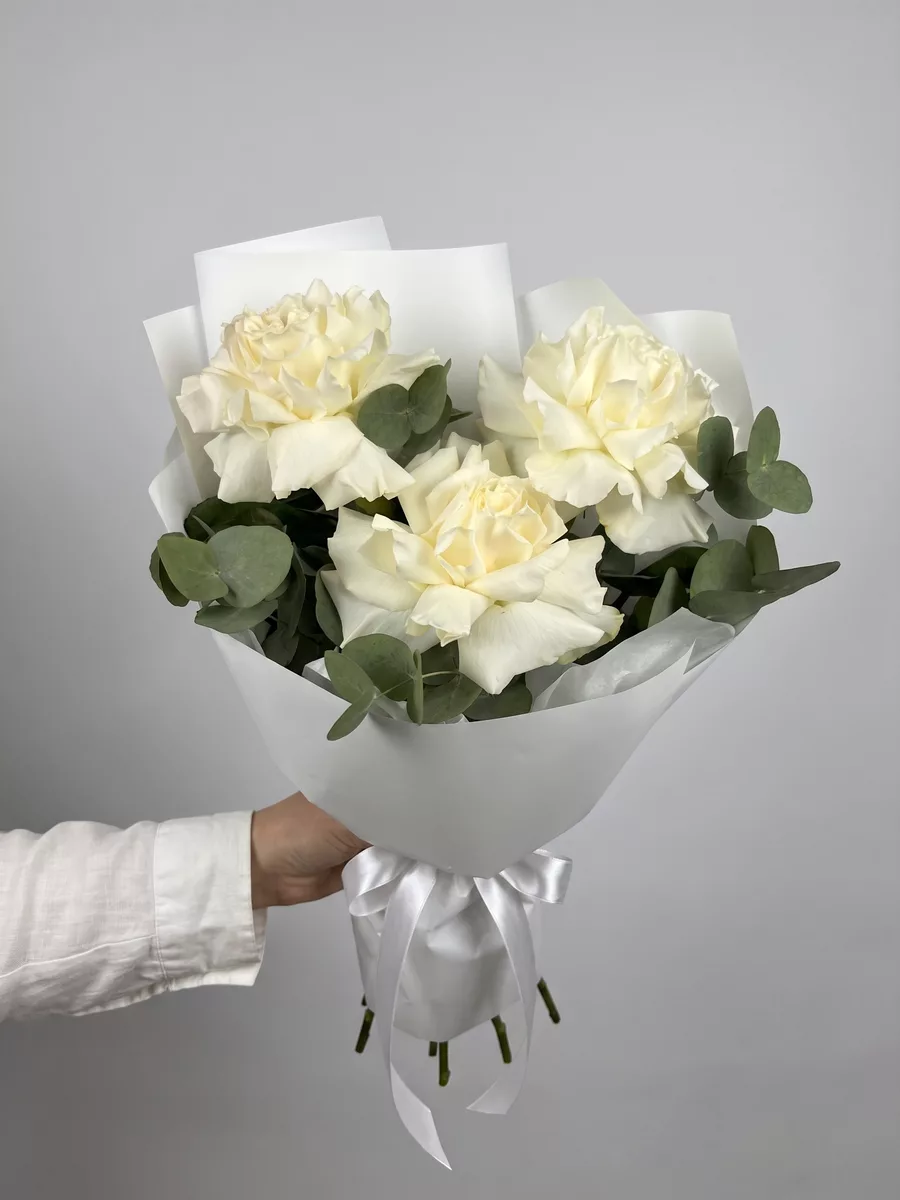
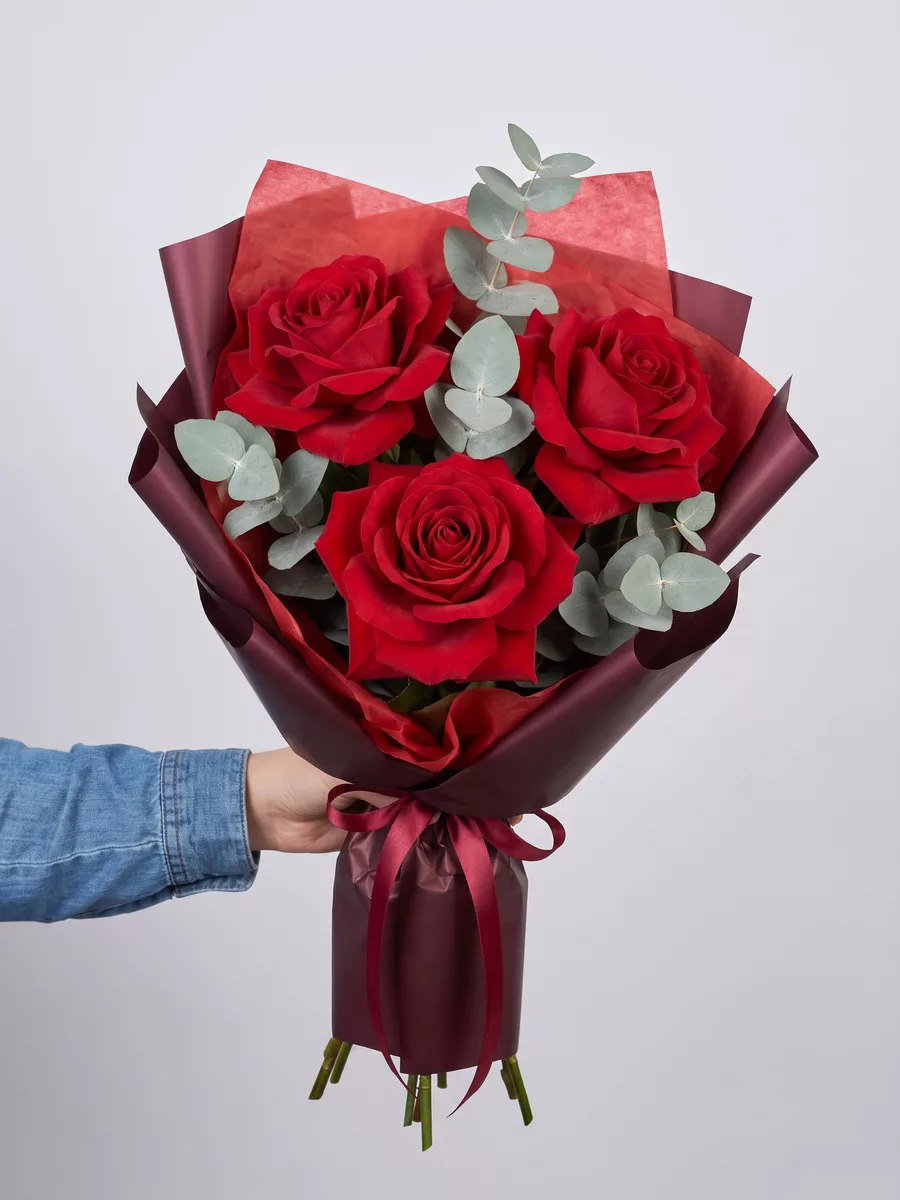
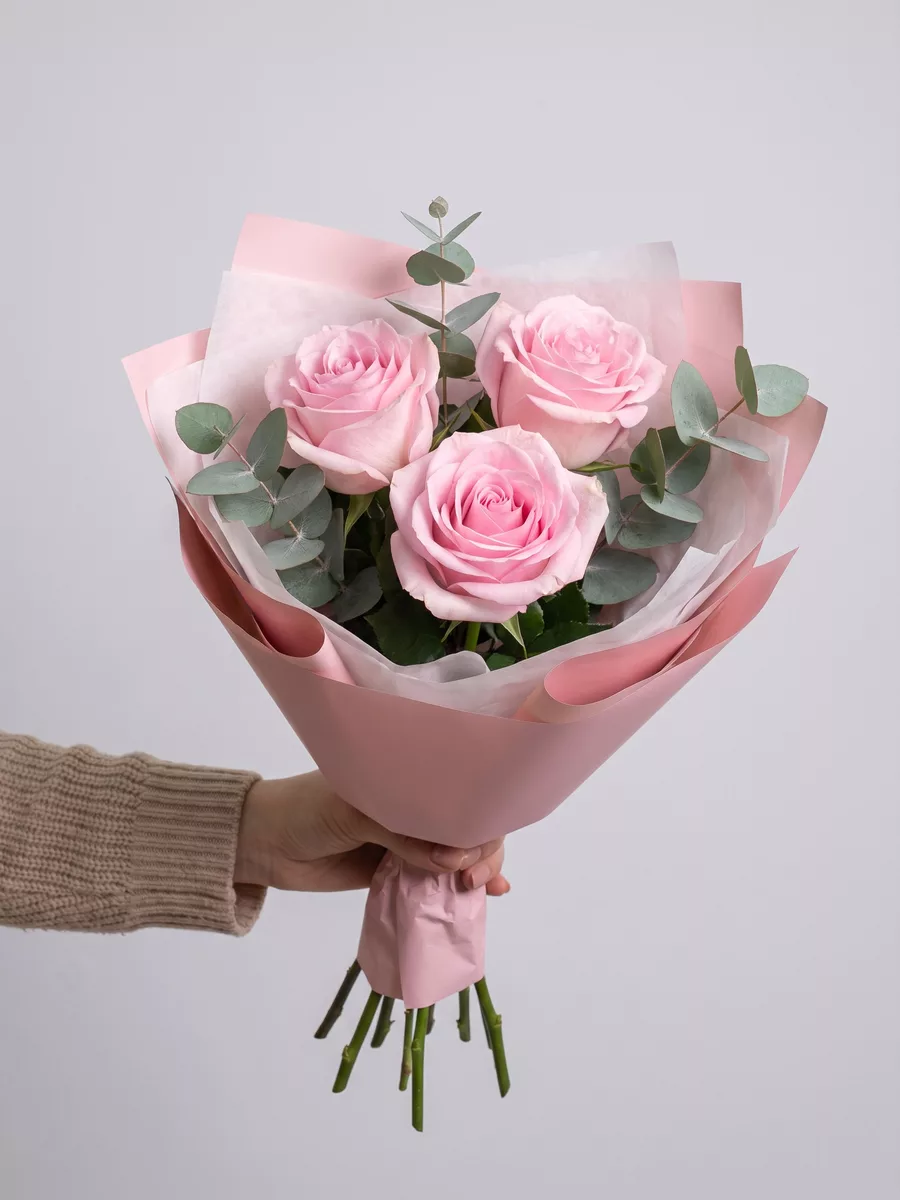
Understanding Russian Flower Customs Before You Order
If you grew up outside Russia, a few local customs around flowers are worth knowing before you choose your bouquet. The most important one is the odd-number rule. In Russia, even numbers of flowers are traditionally associated with mourning and are brought to cemeteries. Always order an odd number — five roses, seven stems of alstroemeria, eleven peonies. This is not a superstition to take lightly; recipients notice immediately, and an even number can create an awkward moment even when your intention is purely celebratory.
Colour carries meaning too, though Russian conventions are less rigid than the odd-number rule. Red roses are romantic and direct — appropriate for a partner but potentially too intense for a colleague or a friend. White flowers are associated with purity and are popular for weddings and new beginnings, but they are also used at funerals, so context matters. For a birthday, a name day or a professional achievement, mixed seasonal arrangements in warm tones — coral, peach, soft yellow, burgundy — read as joyful and generous without carrying any unintended message.
Russians also tend to appreciate volume and generosity in a bouquet. A single-stem presentation that might feel elegant in a Scandinavian context can read as sparse here. If you are celebrating something meaningful — a graduation, a significant birthday, the birth of a child — lean toward a fuller arrangement rather than a minimal one. Our florists can help you calibrate this when you place your order.
Choosing Flowers for the Person, Not Just the Occasion
The best starting point when ordering from abroad is to think about the recipient first and the occasion second. A bouquet chosen for who someone is will always feel more personal than one selected from a generic occasion category. Think about what you know: does she keep plants at home, meaning she will enjoy something long-lasting like chrysanthemums or spray carnations? Does he work in a creative field where an unusual structural arrangement with protea or anthurium would feel more fitting than classic roses?
For a woman in her thirties celebrating a birthday, garden-style arrangements built around garden roses, lisianthus and eucalyptus have a relaxed, contemporary feel that photographs beautifully and lasts well in a vase. For an older woman, fragrant flowers carry enormous sentimental value — freesia, stocks and spray roses are all reliably aromatic and feel classic without being old-fashioned. For a young couple who have just moved into a new home, something architectural and long-lived like tropical foliage mixed with anthuriums or bird-of-paradise makes the space feel transformed.
For professional occasions — a colleague's promotion, a business partner's anniversary — white or cream arrangements with clean lines feel appropriate across cultures. Avoid anything too personal or intensely romantic in a professional context. When in doubt, a generous seasonal mix in neutral tones is almost always received warmly and carries no risk of misreading.
Seasonal Availability and What Actually Grows Well in Each Month
Ordering from abroad often means you are thinking about Russian seasons from a different climate entirely. Understanding what is genuinely in season in Russia helps you choose flowers that are at their best rather than ones that have been forced or imported at high cost and lower quality.
From November through February, the strongest choices are roses from Dutch or Ecuadorian growers (which arrive in excellent condition year-round through established cold chains), alstroemeria, chrysanthemums, carnations and gerbera. These varieties are robust, hold their colour in cold temperatures and last well in a heated apartment. Tulips are available in winter and are beloved in Russia — they are one of the most popular choices for Women's Day on the eighth of March — but they need careful cold-chain handling.
Spring from March through May brings genuine seasonal abundance: tulips, hyacinths, narcissus, ranunculus and the first peonies arriving by late May. This is one of the most joyful periods to send flowers to Russia because the variety is wide and prices reflect genuine seasonal supply. Summer brings sunflowers, dahlias, lisianthus and garden roses at their peak. Autumn is the season of chrysanthemums, echinacea, hypericum berries and rich-toned roses that suit the amber light of September and October beautifully.
Avoiding flowers that are out of season does not mean limiting your choice — it means the flowers you send will actually look the way they do in photographs.
Timing Your Order Across Time Zones
This is where international senders most commonly make mistakes. Sharya operates on Moscow Time, which is UTC plus three. If you are placing an order from New York, you are five to eight hours behind depending on the season. From Western Europe you are two to three hours behind. From Australia or East Asia you may actually be ahead, which creates a different kind of confusion.
The practical rule is simple: place your order at least twenty-four hours before you want delivery to occur, and ideally forty-eight hours ahead for any date that matters — a birthday, an anniversary, a holiday. This gives our team time to prepare the arrangement, manage the logistics to Sharya and ensure the recipient is reachable at the delivery address. If you are ordering for a specific time of day, factor in the time zone difference carefully. An order placed at nine in the evening your time may already be the following morning in Sharya.
Major Russian holidays require even more lead time. The eighth of March, Women's Day, is the single busiest day in the Russian flower calendar — comparable to Valentine's Day and Mother's Day combined. If you are sending flowers for this date, placing your order four to five days in advance is not excessive. New Year and the seventh of January (Orthodox Christmas) are also high-demand periods. For these dates, early ordering is not just considerate — it is the difference between your bouquet arriving on the day and arriving late.
What to Write in the Card When Sending from Abroad
A card message from abroad carries a particular kind of weight. The recipient knows that someone on the other side of the world took deliberate steps to make something arrive at their door — the message should match that intention. Avoid generic phrases that could have been copied from a template. Instead, write something that only you could have written: a shared memory, a specific quality you admire in the person, a reference to something you experienced together.
If you are not confident writing in Russian, do not worry. English messages are understood and appreciated, particularly by younger recipients and those who work in international environments. You can also write in your own language if it is one the recipient shares with you — a message in French or German or Hebrew from a family member abroad feels intimate and personal in a way that a translated phrase never quite does.
Keep the message warm but concise. Three to four sentences is the ideal length for a card. The first sentence should say what the occasion is or why you are sending. The second should say something personal. The third can be a wish for the future. Russian recipients tend to appreciate sincerity over cleverness — a straightforward expression of affection or pride lands better than a witty turn of phrase that might not translate.
If you want to include a message in Russian transliteration for a phrase like Happy Birthday or Congratulations, our team can help you format this correctly when you place your order.
Helping Your Recipient Keep the Flowers Fresh Longer
Once the bouquet arrives in Sharya, its lifespan depends almost entirely on how it is handled in the first hour. Flowers that have travelled through a cold chain and then enter a warm apartment need a moment to adjust. The recipient should unwrap them gently, trim each stem at a forty-five degree angle using a sharp knife rather than scissors (scissors crush the stem tissue and reduce water uptake), and place them immediately in a clean vase filled with cool, not cold, water.
The vase should be placed away from direct sunlight, radiators and fruit bowls. Ripening fruit releases ethylene gas, which accelerates the ageing of cut flowers — roses and tulips are particularly sensitive to this. In Sharya's heated winter apartments, where radiators run warm from October to April, keeping flowers on a cool windowsill rather than a shelf above a heater can add two to three days to their vase life.
Water should be changed every two days, and the stems trimmed again each time. Removing any leaves that sit below the waterline prevents bacterial growth that clouds the water and shortens flower life. Most cut flowers last five to ten days with this basic care: roses and alstroemeria tend toward the longer end, tulips and ranunculus toward the shorter. If you want the arrangement to last through a week-long celebration, chrysanthemums and spray carnations are the most reliable choice — they are genuinely long-lived and lose almost nothing in quality over seven to ten days in a vase.
Sending flowers to Sharya from abroad is a gesture that travels further than the kilometres suggest. The planning involved — understanding the time zones, respecting Russian customs around numbers and colour, choosing varieties that suit the season and the person — is itself a form of care that recipients feel even if they cannot articulate it. A bouquet that arrives on the right day, in the right condition, with a message that sounds like you, does something no digital message can quite replicate. It makes your presence felt in a room you cannot enter yourself. That is worth doing properly, and with a little preparation, it is entirely within reach from wherever you are in the world.
Frequently asked questions
How far in advance should I order flowers for delivery to Sharya from outside Russia?
Plan for at least twenty-four hours, and forty-eight hours for important dates. For major Russian holidays like Women's Day on the eighth of March, order four to five days ahead. Time zone differences between your location and Sharya, which runs on Moscow Time at UTC plus three, can catch international senders off guard if they order late in their local evening.
Is it true that even numbers of flowers are bad luck in Russia?
Yes, this is a real and widely observed custom. Even numbers of flowers are associated with mourning in Russian culture and are brought to cemeteries. Always send an odd number — five, seven, nine, eleven stems. Our florists automatically compose arrangements in odd numbers, but if you are specifying a quantity, keep this rule in mind to avoid an unintended message.
Can the card message be written in English rather than Russian?
Absolutely. English messages are warmly received, especially by younger recipients. You can also write in any language you and the recipient share — a personal message in your own words always feels more genuine than a translated phrase. If you would like a specific Russian greeting included alongside your message, our team can assist with formatting when you place the order.
What flowers hold up best in Sharya's cold winter temperatures during delivery?
Roses, alstroemeria, chrysanthemums and spray carnations are the most cold-resilient choices for winter delivery. Tulips are popular but need careful insulated packaging. Our florists wrap cold-weather orders with insulating kraft layers to protect petals during the final delivery stage. Avoid requesting delicate open blooms like garden ranunculus in deep winter as they are more vulnerable to temperature shock.
What if the recipient is not home when the flowers arrive in Sharya?
When you place your order, provide a contact phone number for the recipient so our delivery team can coordinate timing. It helps to give the recipient a general heads-up that something is coming without revealing the surprise entirely — simply letting them know to be available that afternoon is usually enough. You can also specify a neighbour or building manager as an alternative contact point.
Ready to send flowers?
Pick the city, choose the bouquet, and a local florist takes it from there.
Choose a city →