Sending Flowers to Sharypovo from Abroad? Read This First
You are sitting in Berlin, Toronto, or Dubai, and someone you love is in Sharypovo — a quiet city in Krasnoyarsk Krai, deep in Siberia. You want to send flowers, but you are not sure whether it is even possible, what will actually arrive, or whether Russian customs around gifting are different from what you know. They are, in some lovely ways. This article walks you through everything a sender outside Russia needs to feel confident placing that order and knowing the bouquet will land beautifully.
Why Sharypovo Is Not as Remote as It Sounds for Flower Delivery
Sharypovo sits in central Krasnoyarsk Krai, roughly 400 kilometres west of Krasnoyarsk city. To someone abroad, that sounds isolated, and it can feel like flowers simply will not reach there. In reality, the city has a stable infrastructure, reliable road access, and a population used to receiving goods from across Russia. The challenge is not geography so much as coordination across time zones.
Sharypovo operates on Krasnoyarsk Time, which is UTC plus 7. When you are placing an order from Western Europe, you may be up to 10 hours behind your recipient. From North America the gap is even wider. This matters enormously for flower delivery because cut flowers are living things — every hour between harvest and vase counts. Ordering early in your morning often means the bouquet arrives during your recipient's afternoon, which is ideal.
Turboflora works across Russian cities with a 1–2 hour delivery window, and that speed is the single most important factor protecting flower freshness over long distances. A bouquet assembled and dispatched quickly does not sit in a warehouse losing petals and water. Think of the time zone difference not as a barrier but as something to plan around. Once you understand it, you can actually use it to your advantage — placing your order the evening before a birthday in your local time means the flowers arrive right on the morning of the celebration in Sharypovo.
Bouquets we can deliver

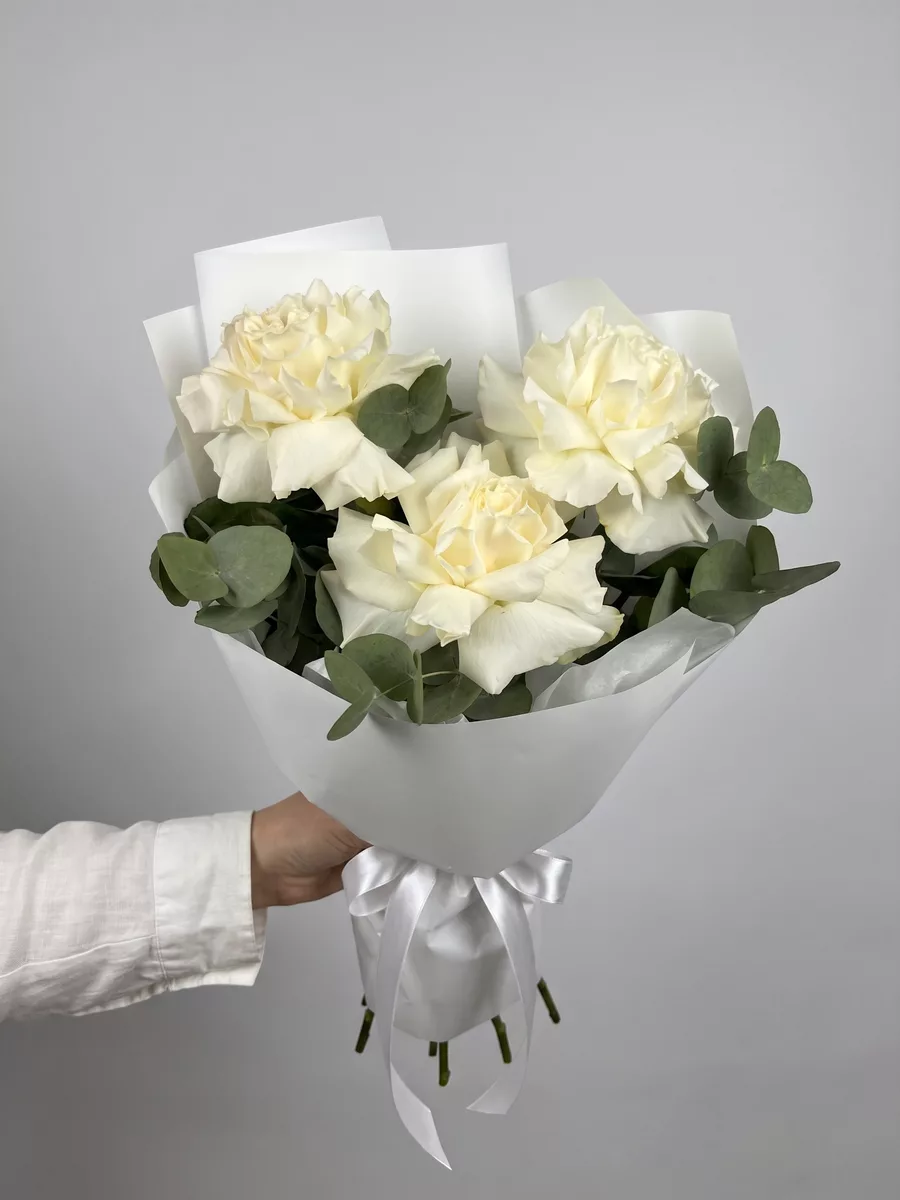
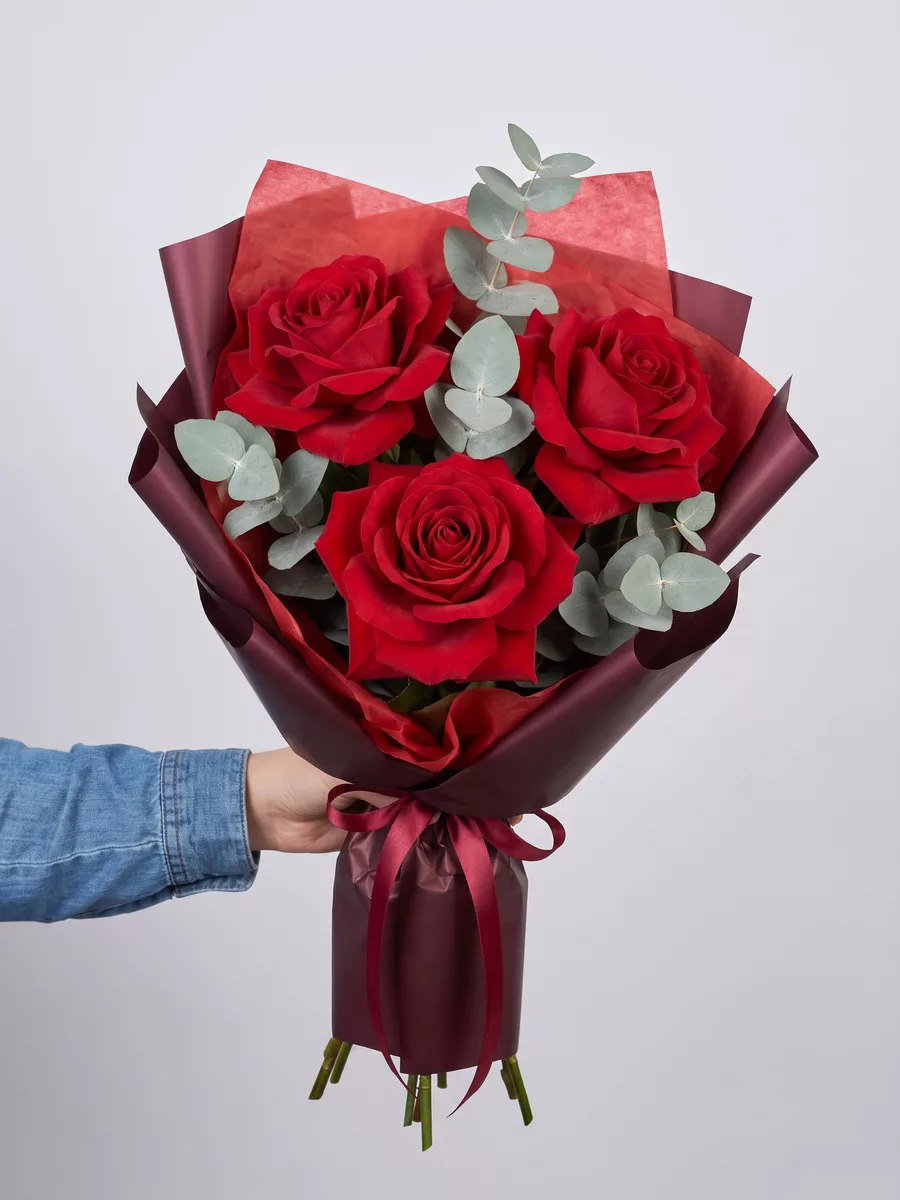
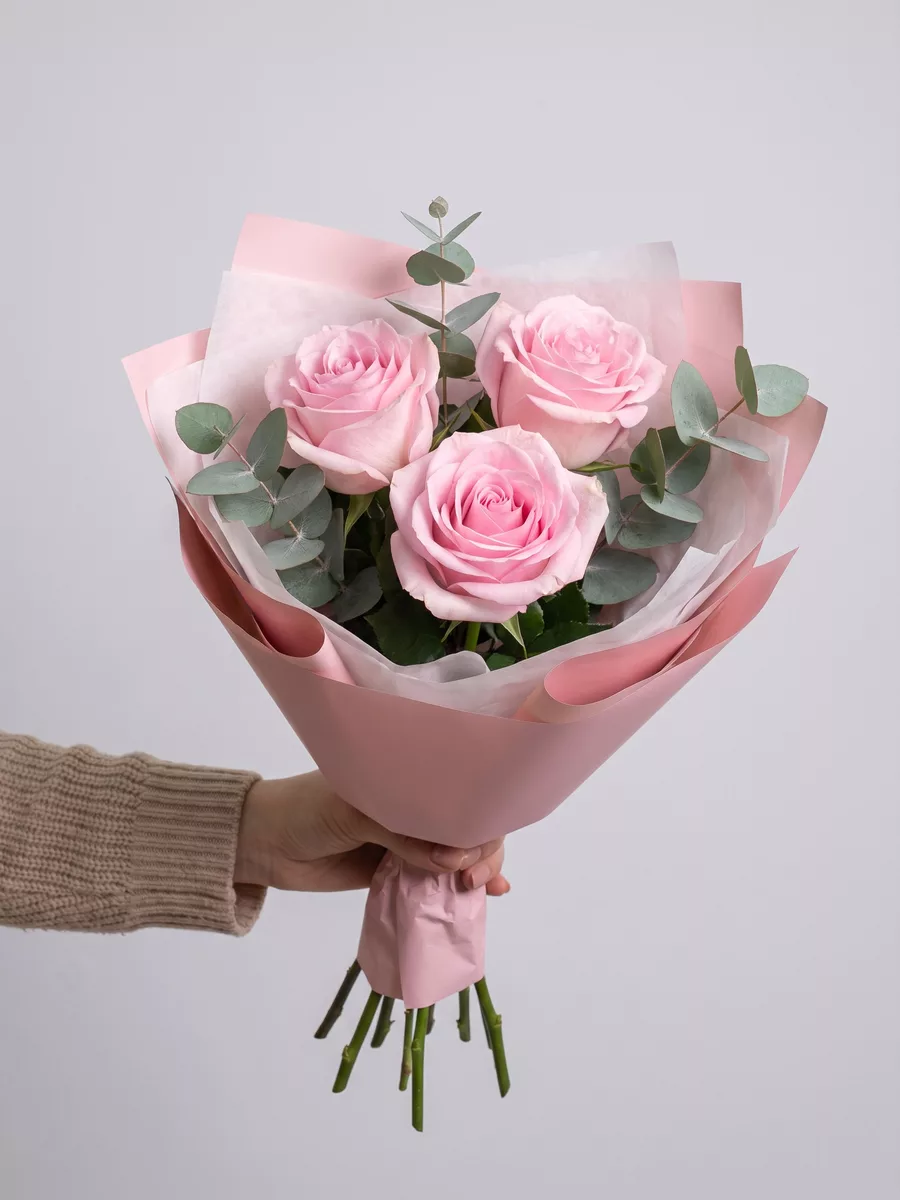
What Russian Flower Customs Mean for Your Order
If you grew up outside Russia, a few gifting traditions here may surprise you, and knowing them will help you choose better. The most important one: always send an odd number of stems. In Russian culture, even numbers of flowers are associated with funeral rites, so a bouquet of twelve roses, however generous it seems, carries an uncomfortable association for the recipient. Ask for eleven, thirteen, or fifteen instead. This is not superstition so much as a deeply embedded social code, and florists here follow it automatically.
Another thing worth knowing is that Russians tend to appreciate lush, full bouquets over minimalist arrangements. A single stem presented in Scandinavian style reads as unfinished rather than elegant to most recipients in Siberian cities. Generous volume, layered textures, and visible greenery signal care and effort. If you are used to sending a tight posy of five tulips, consider doubling it.
Colour carries meaning too, though less rigidly than the odd-number rule. Red roses signal romantic love clearly and universally. Yellow flowers are sometimes associated with separation or jealousy among older generations, so if you are sending to someone over fifty and the relationship is not romantic, it is safer to mix yellow with white or orange rather than sending a pure yellow arrangement. White flowers are seen as clean and celebratory, not mournful, in the context of birthdays and achievements — so do not avoid them.
Finally, a handwritten card message matters here. Russians value the personal word. Even a short line translated into Russian feels warmer than nothing at all.
Choosing Flowers for the Occasion and the Person
Start from who is receiving the bouquet and what they will feel when they open the door. A young woman receiving flowers for her birthday wants something that makes her gasp — rich colour, generous size, maybe a single dramatic variety like garden roses or peonies when they are in season. A colleague being congratulated on a promotion wants something that reads as elegant and respectful rather than intimate — white or cream spray roses with eucalyptus, or a structured arrangement of alstroemeria and lisianthus, work beautifully here.
For a mother or grandmother, think warmth over drama. Chrysanthemums are genuinely beloved by older Russian women and carry no negative connotation — quite the opposite. A full bouquet of white or pale pink chrysanthemums with some waxflower or statice alongside them reads as thoughtful and generous. Gerberas in bright colours work well for cheerful, energetic recipients of any age.
If you want something more romantic and the relationship calls for it, red or deep pink roses remain the clearest signal. Garden roses — varieties with more petals and a cupped, full shape — feel more personal than standard hybrid tea roses, and they photograph beautifully, which matters because your recipient will almost certainly share a photo with you. Ranunculus, when available in late winter and spring, offer a similar layered softness.
For a child's achievement or a young student's graduation, bright mixed bouquets with sunflowers, gerberas, and solidago feel celebratory without being overly formal. Let the occasion lead, and the variety will follow naturally.
Seasonal Realities: What Grows and What Arrives Fresh in Sharypovo
Sharypovo has a sharply continental climate. Winters are long and cold, with temperatures regularly dropping to minus 20 Celsius or colder between November and March. Summers are short but genuinely warm. This climate means almost nothing grows locally for cutting flowers — the bouquet your recipient receives has travelled, and knowing this helps you set the right expectations and make smarter choices.
In winter, the safest choices are flowers that travel and hold well: roses, chrysanthemums, alstroemeria, carnations, and lisianthus. These varieties handle cold transit better than soft, water-heavy blooms. Tulips are available in winter as they are grown in greenhouses year-round, but they are more sensitive to freezing temperatures during the last stretch of delivery, so a good florist will wrap them carefully. Avoid requesting delicate open blooms like fully open peonies in deep winter — they simply will not survive the journey in good condition.
Spring brings a natural abundance of tulips, ranunculus, and anemones, and these are at their best and most affordable from February through April. Summer opens up the full palette: sunflowers, lisianthus in multiple colours, spray roses, and dahlias later in the season. Autumn is wonderful for richly coloured arrangements — rust and burgundy chrysanthemums, orange gerberas, and deep red roses all feel at home in September and October.
Always order flowers that are appropriate for the season and the transit conditions. A florist who knows the route will choose bud stage over open bloom for cold-weather delivery, ensuring the flowers open beautifully once they are inside the warmth of the recipient's home.
How to Place an Order from Outside Russia Without Confusion
The practical steps are simpler than many senders fear. You do not need a Russian phone number, a Russian bank card, or fluency in Russian to place an order through Turboflora. The website handles international orders, and the key information you need to gather before you start is the recipient's full name, their exact delivery address in Sharypovo including apartment number and entrance code if there is one, and a working phone number for the recipient — Russian mobile numbers begin with plus 7.
The phone number is not optional. Delivery in Russian cities relies on the courier calling ahead, especially in apartment buildings where the entrance may be locked. If you do not have the recipient's Russian number, ask them for it in advance under any pretext — tell them you need it for a work contact or a mutual friend. Spoiling a small part of the surprise is far better than having a bouquet sit undelivered.
When writing the card message, you can write in English and request a transliteration or translation, or write in Russian if you have help. Keep the message warm and specific — mention the occasion, say something only you would say. Generic messages feel like they were sent by someone who did not try very hard, and the recipient will notice.
Pay attention to the delivery time window you select. Given the time zone gap, calculate the local Sharypovo time carefully before confirming. A morning delivery on a weekday works well for most recipients. Avoid very early morning slots unless you are certain the person will be home and awake.
Keeping the Flowers Fresh: What Your Recipient Should Do
You have sent the bouquet, and now the care is in your recipient's hands. Most people in Russia know the basics of flower care, but a gentle reminder through your card message or a follow-up message can make a real difference to how long the flowers last. A bouquet that looks beautiful for ten days instead of four feels like a much more generous gift.
The first thing your recipient should do is trim the stems at an angle — about two centimetres — using a sharp knife rather than scissors, which can crush the stem tissue. They should do this while holding the stems under water or immediately before placing them in the vase. The vase itself should be clean and filled with cool, fresh water. Warm water encourages bacterial growth that shortens vase life significantly.
Flowers last longer away from direct sunlight, heating radiators, and fruit bowls. Ripening fruit releases ethylene gas, which accelerates the ageing of petals — this is especially true for roses and carnations. In a Siberian winter, the apartment heating is often intense, so placing the vase in a cooler spot in the room, or even moving it to a cool hallway overnight, can add days to the life of the arrangement.
Water should be changed every two days, and the stems trimmed again each time. Chrysanthemums and alstroemeria are among the longest-lasting cut flowers and can hold beautifully for two weeks with good care. Roses and tulips typically last seven to ten days. Remind your recipient to remove any leaves sitting below the waterline, as they rot and cloud the water quickly.
Common Mistakes Senders from Abroad Make — and How to Avoid Them
The most frequent mistake is ordering too late. Senders abroad often forget the time zone gap until the last moment, then place an order hoping it can be delivered within the hour — which may work in some cases but leaves no room for anything to go wrong. For important occasions like birthdays or anniversaries, place your order at least 24 hours ahead, accounting for the time difference. This gives the florist time to source the best available stems and assemble the arrangement properly rather than rushing.
The second common mistake is choosing the wrong number of stems. As mentioned earlier, even numbers carry an unfortunate association in Russian culture. Always confirm with the florist that the final count is odd. If you are ordering a box arrangement or a hatbox style where individual stems are harder to count, ask explicitly.
A third mistake is providing an incomplete address. Russian addresses require the street name, building number, apartment number, floor, and often an entrance or staircase number. If you leave out the apartment number, the courier cannot deliver — they cannot guess which of dozens of flats to knock on. Double-check every detail before confirming.
Some senders also try to send flowers that are out of season or unavailable, having seen them in a photo online. Peonies in November, for example, exist in some markets but are expensive and fragile for long-distance delivery in winter. Trust the florist's seasonal recommendation — it is not a limitation but a quality guarantee. The best bouquet is always the one made from what is genuinely fresh today.
Sending flowers to Sharypovo from abroad is entirely possible, and when it works well, it lands with real emotional weight — someone opens a door in a Siberian city and finds something beautiful sent from thousands of kilometres away. The keys are simple: plan for the time zone, respect the odd-number tradition, choose varieties suited to the season and the journey, and make sure the address and phone number are complete. Get those details right, and the flowers do the rest.
Frequently asked questions
Can I send flowers to Sharypovo if I don't speak Russian?
Yes, entirely. Turboflora's ordering process works in English, and you do not need to communicate in Russian at any point. The only Russian-language element that helps is the card message — if you want it to read naturally in Russian, you can provide a short English text and ask for it to be translated when placing your order.
What is the best flower to send to a Russian woman I don't know very well?
White or cream roses with greenery are the safest and most universally appreciated choice. They read as elegant and warm without being too intimate or too casual. A bouquet of eleven white roses with some eucalyptus or ruscus works for almost any relationship and any occasion from a birthday to a congratulation.
How far in advance should I place my order from abroad?
For important occasions, order at least 24 hours ahead to account for the time zone difference between your location and Sharypovo, which is UTC plus 7. This also gives the florist time to prepare the freshest possible arrangement. Last-minute orders are sometimes possible, but planning ahead protects you from time zone miscalculations.
Will the flowers survive delivery in Sharypovo's cold winters?
Yes, with the right variety choices. Roses, chrysanthemums, alstroemeria, carnations, and tulips all handle cold transit well when packed properly. Turboflora uses appropriate packaging for winter conditions. Delicate fully open blooms are avoided in cold weather — flowers are sent at bud stage so they open beautifully once inside the warmth of the recipient's home.
What information do I absolutely need before placing my order?
You need the recipient's full name, their complete Russian address including apartment number and building entrance code if applicable, and their Russian mobile phone number starting with plus 7. The phone number is essential — couriers call ahead before arriving, especially in apartment buildings. Without it, delivery may fail even if the address is correct.
Ready to send flowers?
Pick the city, choose the bouquet, and a local florist takes it from there.
Choose a city →