Sending Flowers to Shelekhov from Abroad? Here Is Everything That Matters
You are somewhere far from Russia — another country, another time zone — and someone you care about is in Shelekhov, a city in Siberia's Irkutsk region. You want to send flowers that actually arrive fresh, look generous, and feel personal. The distance makes it feel complicated, but it does not have to be. What you really need is honest information about the city, the climate, the customs, and how to order so nothing goes wrong.
Understanding Shelekhov: A City Worth Knowing Before You Order
Shelekhov sits in the Irkutsk region of Eastern Siberia, roughly six kilometres from Irkutsk itself. It is a compact industrial city with a population of around 50,000 people, and it has a very distinct continental climate. Winters are long and genuinely cold, with temperatures dropping well below minus 20 degrees Celsius from November through February. Summers are short but warm, sometimes reaching 30 degrees in July. This range matters enormously for flower delivery, because the same bouquet behaves very differently in January frost versus July heat.
For a sender abroad, the key thing to understand is that Shelekhov is not a remote village — it is a real urban centre with residential neighbourhoods, workplaces, and addresses that are straightforward to deliver to. You do not need to worry about access. What you do need to think about is timing relative to the time zone: Shelekhov operates on UTC+8, which means it is five hours ahead of Moscow and often eight or more hours ahead of European cities. When you place your order in the evening from London or Berlin, it is already the next morning in Shelekhov.
Knowing this helps you plan around the recipient's day. A bouquet arriving at 9 in the morning when someone is leaving for work lands differently than one arriving at 6 in the evening when they are home and relaxed. Think about what moment you want to create, not just what day.
Bouquets we can deliver

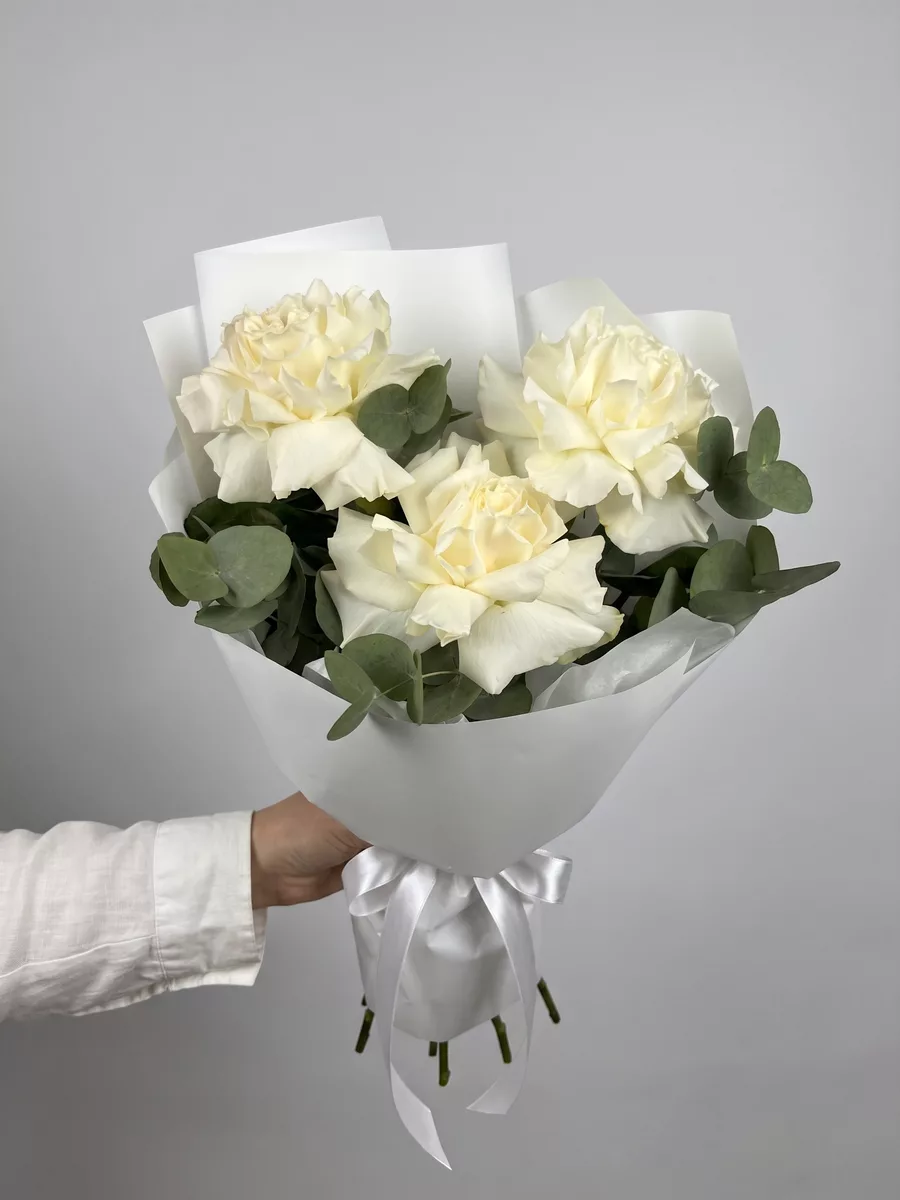
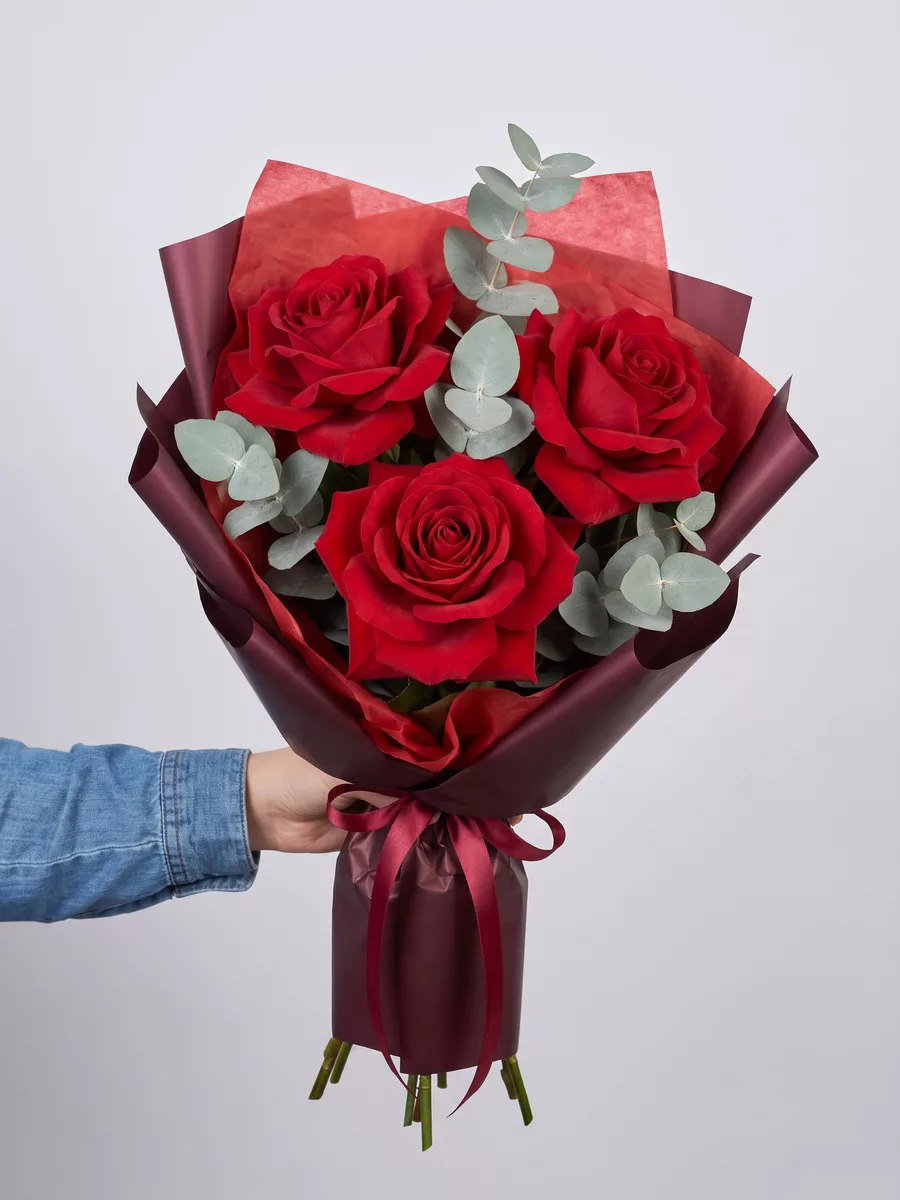
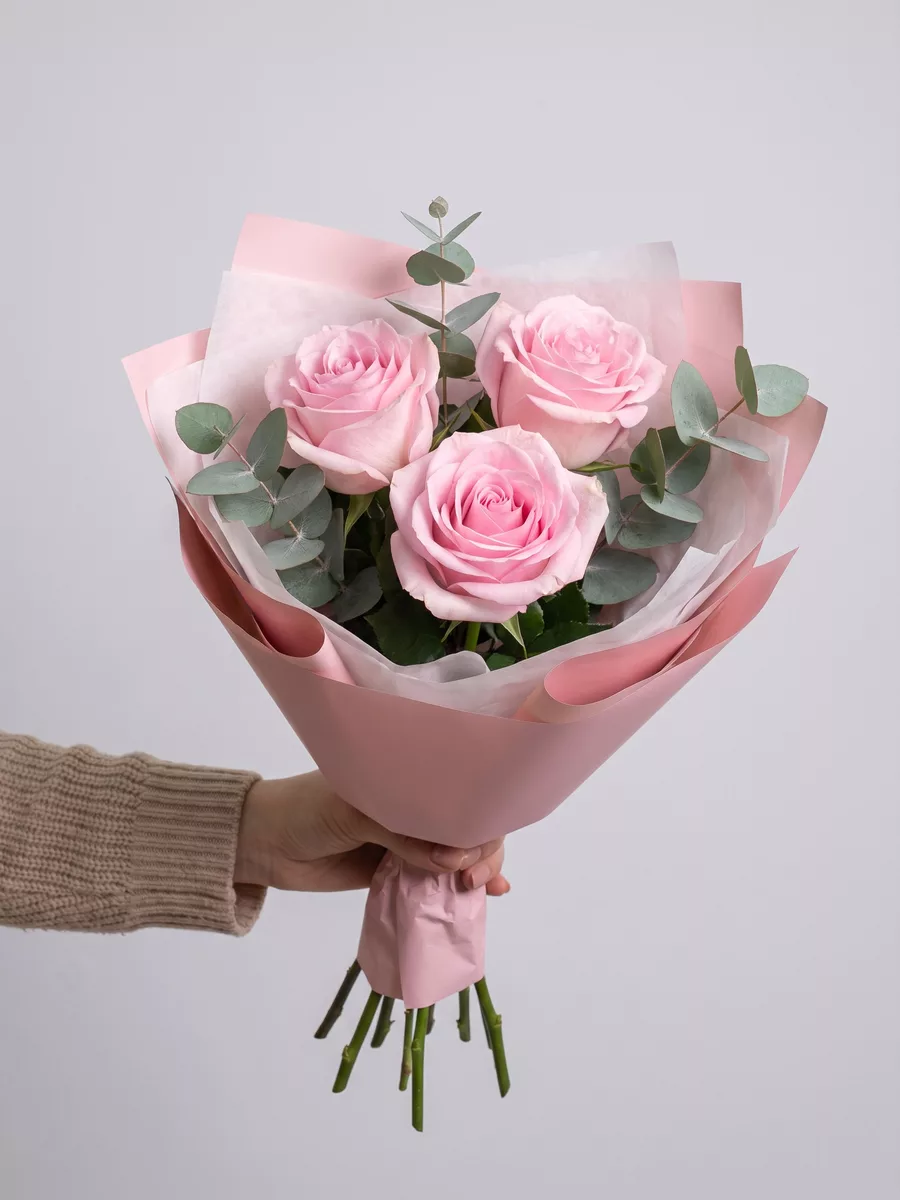
What Russian Flower Customs Mean for Your Order
If you have not sent flowers inside Russia before, a few customs are worth knowing so your bouquet reads as thoughtful rather than accidental. The most important one is the odd-number rule. In Russia, even numbers of flowers are traditionally associated with mourning and are brought to cemeteries. Always order an odd number — 3, 5, 7, 11, 15, 25. This is not a superstition you can ignore politely; recipients notice, and an even-numbered bouquet genuinely creates an uncomfortable impression.
Colour carries meaning too, though it is more relaxed than the number rule. Red roses signal romantic love very clearly — they are fine for a partner but can feel too intense for a colleague or a grandmother. White flowers are clean and elegant and work across almost any relationship. Yellow flowers were once considered unlucky in Soviet culture, but that association has largely faded among younger generations. Pink, peach, and lilac tones are universally safe and read as warm and caring.
Wrapping style also matters in Russia. A bare, unwrapped bouquet looks unfinished. Flowers should arrive in proper packaging — kraft paper, fabric wrap, or a decorative box — because the presentation is part of the gift. When you write your card message, keep in mind that Russian recipients appreciate sincerity over cleverness. A direct, warm sentence means more than an elaborate poetic phrase that may not translate emotionally. Write what you actually feel, and it will land well.
Choosing Flowers for Shelekhov's Climate: Season by Season
Siberian winters are not just cold — they are dry and often windy, which affects how flowers survive the final stretch of delivery. From November through March, you want sturdy, cold-tolerant varieties that will not wilt the moment they meet the indoor heating after being carried through minus 15 degrees outside. Chrysanthemums, spray roses, alstroemeria, and hypericum berries all handle temperature transitions well. Standard roses in winter are fine indoors but need to be wrapped carefully during transport. Avoid tropical or very delicate varieties like anthurium or bird of paradise in the coldest months.
Spring in Shelekhov arrives later than in European Russia — often not until late April. Tulips, ranunculus, and anemones are beautiful choices for March and April and feel genuinely seasonal. They are also meaningful around March 8th, International Women's Day, which is the single biggest flower-giving occasion in Russia — bigger than Valentine's Day. If you are ordering around that date, plan at least a week ahead because demand is extraordinary.
Summer opens up the full range. Peonies bloom in June and are enormously popular. Garden roses, lisianthus, and sunflowers all work beautifully. Autumn brings dahlias, ornamental kale, and rich-toned roses in burgundy and copper. These feel right against the golden Siberian autumn light. Whatever the season, a mixed bouquet with varied textures — something round, something spiky, something trailing — always looks more generous and alive than a single-variety bunch at the same price.
Ordering from Abroad: Timing, Time Zones and What to Prepare
The practical mechanics of ordering from outside Russia are simpler than most people expect, but a few details make the difference between a smooth delivery and a stressful one. First, have the recipient's full address ready in Russian if possible, or at least in Latin transliteration with the apartment number, building number, and entrance number if it is a multi-storey residential block. Russian addresses often include a corpus or stroenie number — a secondary building identifier — and missing it can delay delivery.
Because Shelekhov is UTC+8, you have a real advantage if you are ordering from Western Europe or the Americas: you can place an order in your evening and specify a morning delivery for the recipient, which feels like a lovely surprise to wake up to. Conversely, if you forget to account for the time difference, you might place what feels like a same-day order and find that the recipient's day is already almost over.
Payment from abroad is handled online, and international cards generally work without issue. Have a working phone number or email address ready for the florist to confirm delivery — not the recipient's number if it is a surprise, but your own contact details. Write your card message in the order notes exactly as you want it to appear. If you are writing in a language other than Russian, note that and the florist can transliterate or advise. Keep the message under four or five sentences so it fits on a standard card without crowding.
Choosing by Occasion: What Works for Whom
The occasion shapes everything about the right bouquet, and this is where many senders from abroad make their biggest mistake — they default to red roses because it feels safe and recognisable. Red roses are genuinely right for a romantic partner, especially for anniversaries or Valentine's Day. But for a mother, a friend, a colleague, or a birthday recipient who is not your romantic partner, they can feel oddly intense or even awkward.
For a birthday, think about the person's personality. Someone who loves bold colour will enjoy a mixed bouquet with orange lilies, deep pink gerberas, and yellow freesias. Someone more reserved or elegant might prefer white and blush lisianthus with eucalyptus and soft greenery. A birthday bouquet should feel celebratory and generous — more volume, more variety, a clear sense of abundance.
For a new baby, soft pastels work beautifully: blush roses, white alstroemeria, pale lavender statice. Avoid very strong-scented flowers like lilies if the baby is very young, as the fragrance can be overwhelming in a small room. For a work achievement or professional milestone, a structured bouquet with roses, calla lilies, or orchids in white or champagne tones reads as sophisticated and respectful without being too personal. For a housewarming, something long-lasting like a potted orchid or a mixed arrangement with sturdy greens and dried elements gives the recipient something to enjoy for weeks rather than days.
Bouquet Combinations That Travel Well and Look Generous
When you are sending flowers across a long distance and cannot see what you are ordering in person, combinations matter more than individual variety choices. A well-built bouquet has structure: a focal flower that draws the eye, supporting flowers that add volume, and foliage or filler that ties it together. Understanding this helps you order with confidence even from a menu.
One of the most reliable combinations for any occasion is garden roses paired with lisianthus and ruscus. Garden roses have a full, layered look that photographs beautifully and lasts well in a vase. Lisianthus adds texture and a slightly ruffled edge that softens the whole arrangement. Ruscus is a dark, glossy green that makes every colour pop. This combination works in white, blush, or deep pink and suits almost any recipient.
For something more dramatic, try spray roses combined with hypericum berries and eucalyptus. The berries add colour and texture without adding a competing focal flower, and eucalyptus brings a fresh, clean scent that most people find pleasant. In summer, adding a single large peony to a spray rose bouquet transforms it from pretty to genuinely impressive. In autumn, mixing burgundy roses with orange alstroemeria and copper-toned chrysanthemums creates something that feels rich and seasonal.
Always ask for the bouquet to be assembled tightly rather than loosely if you want it to look full in photographs — loose arrangements can look sparse when captured on a phone camera, which is usually how the recipient will share the moment with you.
Vase Life and Care: What to Tell the Recipient
Sending flowers from abroad means you will not be there to help with the care, so it is worth including a short note with the bouquet — or sending a message — with a few simple instructions. Most fresh flowers last seven to twelve days with basic care, but the difference between four days and ten days often comes down to three small habits.
First, the water. Flowers should be placed in clean, cool water as soon as they arrive. Tap water in most Russian cities is fine. The vase should be rinsed and refilled every two days, not just topped up. Bacteria build up quickly in flower water, and this is the most common reason bouquets fade early. If a flower food sachet came with the bouquet, it should be dissolved in the first fill of water.
Second, the stems. Each stem should be cut at an angle — about two centimetres from the bottom — before going into the vase. This increases the surface area for water uptake. Recut the stems when you change the water. Remove any leaves that fall below the waterline, because submerged foliage rots and contaminates the water quickly.
Third, the location. Flowers last longest away from direct sunlight, radiators, and fruit bowls. Fruit releases ethylene gas, which accelerates the aging of petals — especially in roses and carnations. A cool, bright spot away from heating vents is ideal. In winter, Shelekhov homes can be very warm inside due to central heating, so a slightly cooler room or a night on a cool windowsill can meaningfully extend vase life.
Sending flowers to Shelekhov from abroad is genuinely doable, and when it works well, it creates a moment that the recipient remembers for a long time. The distance makes the gesture feel more significant, not less — someone took the time to figure out the time zone, the customs, the right flowers for the season, and the right words for the card. That effort is felt. The practical details are manageable once you know them: order odd numbers, choose varieties suited to the season, account for the UTC+8 time zone, and give the florist a full address and your contact details. The rest is about knowing your person and choosing something that reflects them.
Frequently asked questions
Can I order flowers for Shelekhov delivery if I am in a different country?
Yes, you can place an order from anywhere in the world through the Turboflora website. You will need the recipient's full Russian address, your own contact details for delivery confirmation, and a payment method — most international cards are accepted. The ordering process is entirely in English and takes only a few minutes.
What is the best time to schedule delivery in Shelekhov if I am ordering from Europe?
Shelekhov runs on UTC+8, so it is typically seven to nine hours ahead of Western Europe. If you are in Paris or Berlin in the evening, it is already the next morning in Shelekhov. Placing your order the evening before and scheduling a late-morning delivery works very well and gives the florist comfortable preparation time.
Are there flowers I should avoid sending to Shelekhov in winter?
In deep winter, very delicate tropical flowers like anthurium or bird of paradise can suffer during the cold transition between outdoors and indoors. Stick to robust varieties such as chrysanthemums, spray roses, alstroemeria, or hypericum. These handle Siberian temperature contrasts well and arrive looking fresh even in minus 20 degree weather.
Why does the number of flowers matter so much in Russia?
In Russian tradition, even numbers of flowers are reserved for mourning and are placed at graves. Sending an even-numbered bouquet to a living person creates a genuinely uncomfortable impression for the recipient. Always choose an odd number — 5, 7, 11, 15, or 25 are all common and well-received for any celebratory or affectionate occasion.
How long will the flowers last after delivery in Shelekhov?
With basic care — fresh water every two days, stems recut at an angle, and placement away from radiators and fruit — most bouquets last seven to ten days. In winter, centrally heated Shelekhov apartments can be quite warm indoors, so advising the recipient to keep flowers in a cooler spot at night will noticeably extend their vase life.
Ready to send flowers?
Pick the city, choose the bouquet, and a local florist takes it from there.
Choose a city →