Sending Flowers to Shilka from Abroad? Here Is Everything That Matters
Shilka sits deep in Transbaikalia, a small city along the river of the same name, far from the big metropolitan hubs but absolutely reachable with the right preparation. If you are outside Russia and want to send flowers to someone there — a parent, a partner, a friend marking a birthday or an anniversary — the distance feels daunting until you understand how the process actually works. A well-chosen bouquet arrives fresh, looks exactly as intended and lands at exactly the right moment. This article walks you through every decision you need to make, from picking the right flowers for Shilka's climate to understanding what Russian recipients genuinely love to receive.
Why Shilka's Location Changes Everything About Your Order
Shilka is located in Zabaykalsky Krai, a region in eastern Russia that shares a border zone with China and Mongolia. The city is not a major logistics hub, which means flower delivery there requires careful coordination and advance planning on the florist's side. When you are ordering from abroad, that planning becomes your most important task.
The time zone difference is significant. Shilka operates on Yakutsk Time, which is UTC plus nine hours. If you are in Western Europe, that is a seven-to-eight-hour difference. If you are in North America, the gap stretches to twelve hours or more. This means that a same-day order placed at noon in London may already be late afternoon in Shilka. Always calculate the local Shilka time before you confirm your delivery window.
Temperatures in Zabaykalsky Krai are extreme by most standards. Winters regularly drop below minus thirty degrees Celsius, and summers can push above thirty degrees in July and August. Both extremes affect which flowers travel well and how they need to be packaged. Your florist needs to know the season you are ordering in, not just the date, so the bouquet is wrapped and conditioned for the actual conditions on the ground.
The good news is that Shilka is a real community with people who appreciate beautiful gestures. A thoughtfully assembled bouquet delivered to someone's door in this part of Russia carries genuine emotional weight precisely because it is unexpected and clearly took effort to arrange from thousands of kilometres away.
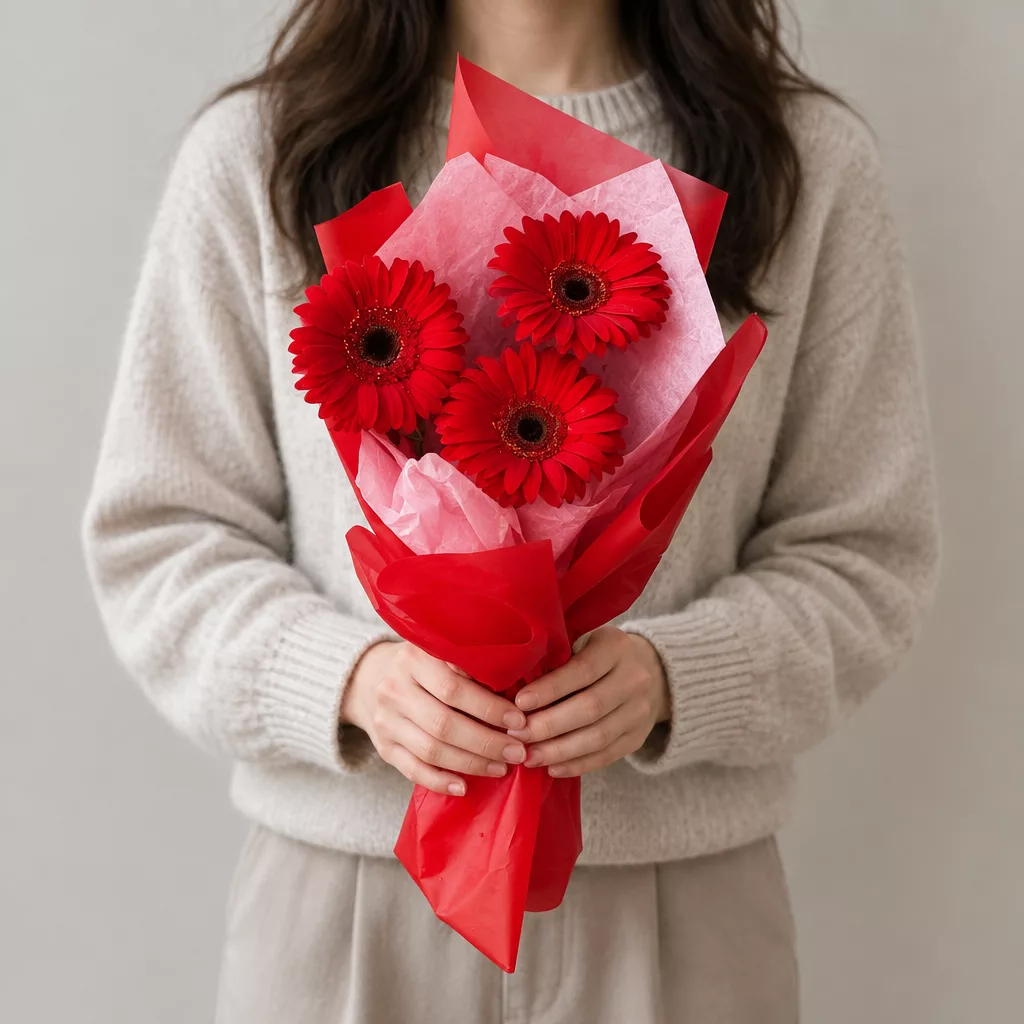
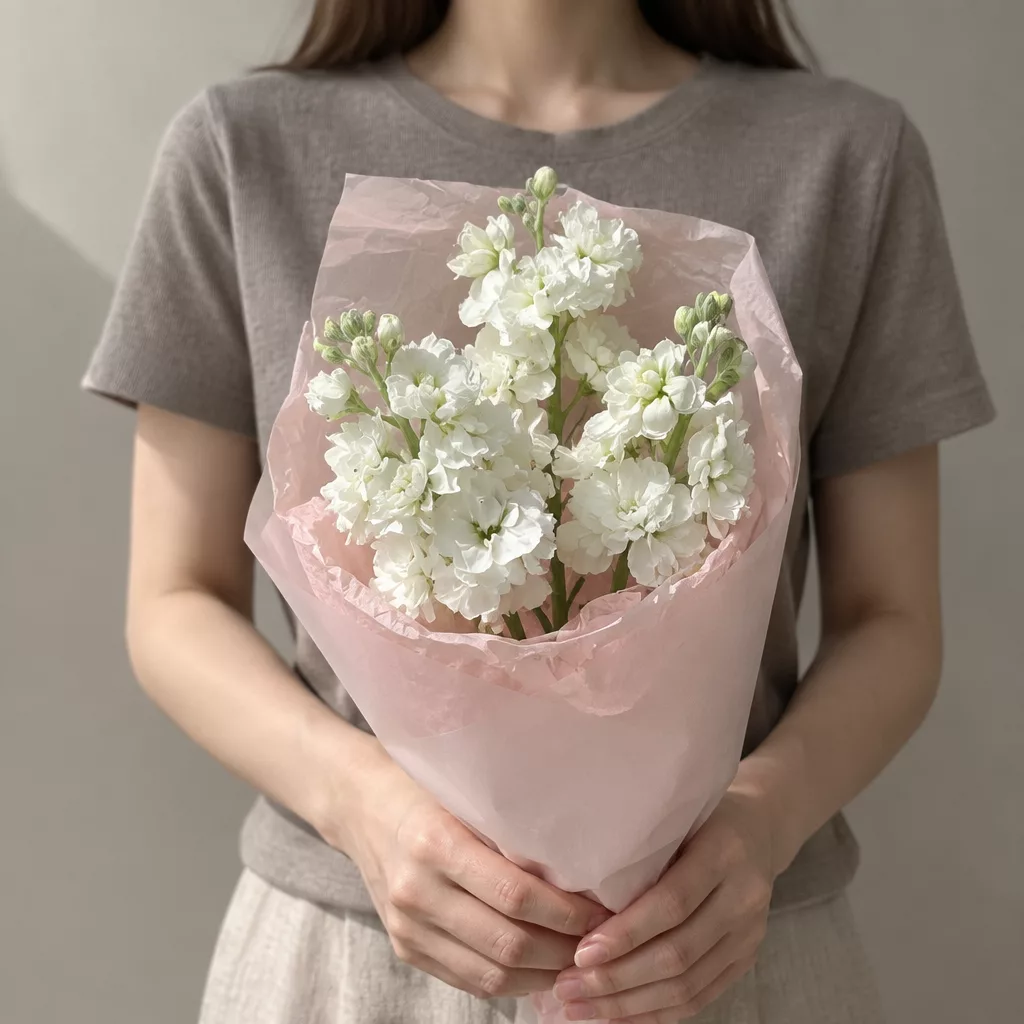
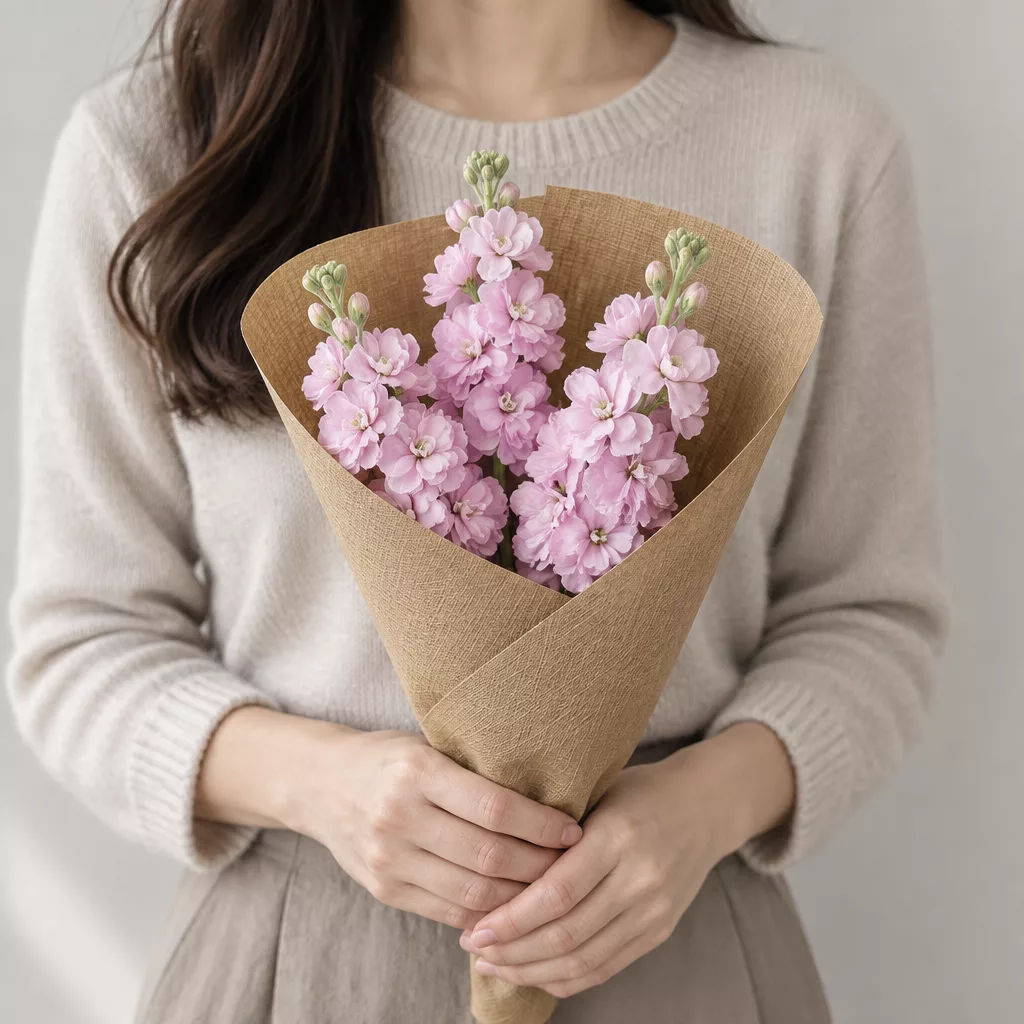
Bouquets we can deliver

What Russian Recipients in Smaller Cities Actually Appreciate
If you have not sent flowers inside Russia before, a few cultural details will help you choose better and avoid accidental missteps. Russian gifting culture around flowers is warm and expressive, but it does carry specific conventions that differ from Western European or North American habits.
First, the number of stems matters. In Russia, even numbers of flowers are traditionally associated with mourning, so bouquets for celebrations always contain an odd number of stems — five, seven, nine, eleven, and so on. This is not a rigid rule for every household, but it is widely observed and your recipient will notice. When you specify your bouquet, ask for an odd count or trust your florist to compose it correctly.
Second, recipients in smaller Russian cities tend to respond warmly to lush, full arrangements rather than minimalist single-stem designs. A generous bouquet with visible volume — roses combined with alstroemeria, or chrysanthemums layered with eucalyptus — reads as genuinely celebratory. Sparse Nordic-style arrangements can feel underwhelming to someone raised with a different visual language around flowers.
Third, presentation matters enormously. Craft paper wrapping, ribbon and a handwritten card are all expected parts of the package. A bouquet arriving without any wrapping or note feels incomplete regardless of how beautiful the flowers themselves are. When ordering from abroad, always include a personal message written in Russian if possible — even a single line in Russian shows real care and will be remembered.
Finally, roses remain the most universally understood flower in Russia. Red roses signal romantic love clearly. Pink roses work for mothers, sisters and close female friends. White roses suit formal occasions and milestone birthdays.
Choosing Flowers for the Occasion, Not Just the Catalogue
The occasion shapes everything about the right bouquet, and getting this right matters more than picking the most expensive option. Think first about who the person is and what they will feel when the door opens — that image should guide every choice you make.
For a birthday, warmth and colour are your allies. Sunflowers combined with orange or yellow roses create an immediate sense of celebration. Gerberas in mixed tones are reliable, cheerful and long-lasting, which matters when the recipient lives far from the nearest florist. A birthday bouquet should feel abundant — this is not the moment for restraint.
For an anniversary or romantic occasion, roses are the classic and they are classic for good reason. Deep red spray roses layered with burgundy lisianthus create a sophisticated arrangement that reads as intentional and romantic rather than generic. If you want something less expected, garden roses with their layered petals and subtle fragrance carry a more personal, intimate feeling than standard hybrid tea roses.
For a professional achievement — a promotion, a graduation, a successful exam — white and cream tones work beautifully. White chrysanthemums with green button poms and eucalyptus sprigs look elegant and composed without being cold. They suit a colleague or a mentor as naturally as they suit a close family member.
For a new baby, soft pastel arrangements built around spray roses, freesia and waxflower feel gentle and appropriate. Avoid heavily scented flowers like lilies in this context, as strong fragrance can be overwhelming in a home with a newborn. Stick to lightly scented or unscented varieties and keep the palette soft.
Timing Your Order Across a Long-Distance Time Zone Gap
Timing is the single most common source of stress for international senders, and it is entirely manageable once you understand the mechanics. The key principle is simple: always work backwards from the desired delivery time in Shilka, not forwards from the moment you are placing your order.
Decide what time you want the bouquet to arrive. Morning delivery, between nine and noon local Shilka time, is ideal for birthdays and anniversaries because the recipient has the whole day ahead to enjoy the flowers. Afternoon delivery works well for professional occasions. Evening delivery can feel romantic for couples but risks catching people out if they are not home.
Once you have your target delivery window, convert it to your own local time. Shilka is UTC plus nine. If you are in Berlin, that means subtracting seven hours in winter and eight in summer. If your target delivery is eleven in the morning in Shilka, you need to place your order by late evening the previous day in Berlin to give the florist time to compose and dispatch the arrangement.
Leave buffer time for the unexpected. Public holidays in Russia follow a different calendar from Western Europe or North America. Russian Orthodox Christmas falls on the seventh of January, and there are several May holidays when delivery schedules can be affected. Check the Russian public holiday calendar before you commit to a date, especially if the occasion is time-sensitive.
Place your order at least twenty-four hours ahead for standard delivery, and forty-eight hours ahead when the delivery date falls near a major Russian holiday. This is not bureaucratic caution — it is what ensures the flowers are fresh and the timing is right.
Seasonal Flowers and Shilka's Climate: What Travels Well
Zabaykalsky Krai has a sharply continental climate, which means the seasons are dramatic and the temperature swings between them are wide. This directly affects which flowers are available, how they are packaged for delivery and how long they will last once they arrive.
In winter, from November through March, temperatures in Shilka regularly fall between minus twenty and minus thirty-five degrees Celsius. Flowers need insulated packaging to survive even a short transit from the delivery vehicle to the front door. Roses, chrysanthemums and alstroemeria handle cold packaging well. Delicate tropical flowers like anthuriums or orchids are poor choices in deep winter because they are sensitive to cold shock and can blacken within minutes of exposure to extreme temperatures.
Spring, from April through May, is a transitional season with unpredictable temperature swings. Tulips are at their peak availability and travel exceptionally well in cool conditions. Daffodils are another strong spring choice, though they should not be mixed in the same water as other flowers because they release a sap that shortens the vase life of their companions. A florist will condition them separately before composing the arrangement.
Summer brings warmth and the widest variety of available stems. Sunflowers, gerberas, lisianthus and garden roses are all excellent choices from June through August. The challenge in summer is heat rather than cold, and bouquets need to be delivered promptly and kept out of direct sunlight on arrival.
Autumn suits richly coloured arrangements. Burgundy and terracotta chrysanthemums, orange roses and dried elements like cotton stems or pampas grass create beautiful seasonal compositions that feel intentional rather than generic.
Helping Your Recipient Keep the Flowers Fresh Longer
A bouquet that arrives in perfect condition and then wilts within two days is a disappointment for everyone. The difference between flowers that last five days and flowers that last twelve days is almost entirely about what the recipient does in the first thirty minutes after the bouquet arrives. Sharing a few simple instructions with your card message is one of the kindest things you can do.
The first step is recutting the stems. Every stem should be cut at a diagonal angle, removing about two centimetres, ideally while the stem is submerged in water or immediately before placing it in a vase. This prevents an air bubble from blocking water uptake. A sharp knife is better than scissors, which can crush the stem tissue.
The vase should be clean and filled with cool, fresh water. Tap water in most Russian cities is fine. If a flower food sachet is included with the bouquet, it should be dissolved in the water before the flowers go in. These sachets contain a mild biocide and a sugar source that genuinely extend vase life — they are not a marketing add-on.
All leaves that would sit below the waterline should be removed before the flowers go in. Submerged foliage rots quickly and introduces bacteria that shorten the life of every stem in the vase. This single step makes a noticeable difference.
Keep the vase away from direct sunlight, heating radiators and fruit bowls. Ripening fruit releases ethylene gas, which accelerates petal drop in roses and carnations especially. A cool room away from heat sources is the ideal spot. Refresh the water every two days and recut the stems each time.
Placing Your Order from Outside Russia: Practical Steps
The mechanics of placing an international flower order are simpler than most people expect, but there are a few practical points that will make the process smooth rather than stressful. Approaching this with the same care you would give to any important purchase across a distance is the right mindset.
Start by having the recipient's full delivery address ready in Russian. This is important — a transliterated address can cause confusion, and a correctly formatted Russian address ensures the delivery reaches the right door without delay. If you are not sure of the Russian spelling, ask the recipient directly or use a reliable transliteration tool and double-check with someone who reads Russian.
Have the recipient's phone number ready, including the Russian country code, which is plus seven. The delivery team will call ahead to confirm the recipient is home, or to arrange a handoff if they are briefly out. This is standard practice and means the bouquet is never left unattended outside a door in cold weather.
Prepare your card message in advance. If you want the message written in Russian on the card, type it out before you begin the order process so you can paste it cleanly. Translation tools like DeepL produce reliable results for short personal messages — just read it back carefully before submitting.
Payment from abroad is handled online and is straightforward. Keep your bank informed of the international transaction if you are using a card that sometimes flags foreign purchases, to avoid a declined payment at the final step. Once your order is confirmed, you will receive a confirmation with the expected delivery window, so you can let your recipient know to expect something special.
Sending flowers from abroad to someone in Shilka is a genuinely meaningful gesture — it tells the person that distance did not make you forget them, that you thought carefully about what they would love, and that you made it happen. The logistics are manageable when you plan around the time zone, choose flowers suited to the season and climate, and give your recipient a little guidance on keeping the bouquet fresh. Turboflora handles delivery across Russia, including the far eastern regions, and the florists here understand both the practical realities of long-distance orders and the emotional weight behind them. Your flowers will arrive looking exactly as they should.
Frequently asked questions
How far in advance should I order flowers for delivery to Shilka?
Place your order at least twenty-four hours before the desired delivery time, and forty-eight hours ahead if the date falls near a Russian public holiday. Shilka is in a time zone nine hours ahead of UTC, so factor in that gap when calculating how much lead time you are actually giving the florist to prepare and dispatch the arrangement.
Can I send flowers to Shilka in winter without them freezing?
Yes, but the choice of flowers matters. Roses, chrysanthemums and alstroemeria handle cold packaging well and are good winter choices. Avoid tropical varieties like anthuriums, which are sensitive to cold shock. The bouquet is packaged with insulation for transit, but the recipient should bring it indoors immediately and allow it to acclimatise at room temperature before unwrapping.
Why do Russian bouquets always have an odd number of flowers?
Even numbers of flowers are traditionally associated with mourning in Russian culture and are used at funerals. For any celebratory occasion — a birthday, anniversary, graduation or professional achievement — an odd number of stems is the norm. Most recipients in Russia will notice the count, so it is worth specifying or trusting your florist to compose the arrangement correctly.
What information do I need to place an international order for Shilka delivery?
You need the recipient's full delivery address written in Russian, their local phone number including the plus-seven country code, and your desired delivery date and time window expressed in Shilka local time. A card message prepared in advance also helps — if you want it written in Russian, have the text ready before you begin the order so nothing is lost in a rushed translation.
Which flowers last longest once delivered to Shilka?
Chrysanthemums and alstroemeria consistently offer the longest vase life, often ten to fourteen days with proper care. Spray roses and lisianthus also last well. Tulips are shorter-lived but beautiful in spring. The biggest factor after variety is what the recipient does on day one — recutting stems, using clean water and keeping the vase away from heat and fruit will extend any bouquet significantly.
Ready to send flowers?
Pick the city, choose the bouquet, and a local florist takes it from there.
Choose a city →