Sending Flowers to Shimanovsk from Abroad? Read This First
Shimanovsk sits deep in the Amur Oblast of Russia's Far East, roughly eight time zones ahead of Western Europe and eleven ahead of the East Coast of the United States. When you are ordering flowers for someone there from the other side of the world, distance is not just a number on a map — it shapes every decision you make, from which blooms survive the journey to what time you should place your order. This guide walks you through each of those decisions so your bouquet arrives looking exactly the way you pictured it.
Why Shimanovsk Is a Special Destination for Flower Delivery
Shimanovsk is a small city of around twenty thousand people located in the Amur region, close to the Chinese border and surrounded by the vast taiga landscape of Russia's Far East. It is not a major metropolitan hub, which means the logistics of reaching it require planning that a sender in London, Berlin or New York would not automatically think about. The city experiences a sharply continental climate: winters are long and genuinely cold, with temperatures regularly dropping below minus twenty-five Celsius, while summers are warm and sometimes humid.
For flowers, this climate matters enormously. A bouquet traveling through sub-zero air without proper insulation can arrive with frost damage on petals that looked perfect when packed. Equally, in July and August, heat and humidity can accelerate wilting if transit conditions are not managed carefully. Turboflora plans delivery routes with these temperature extremes in mind, using insulated packaging suited to the season.
As a sender abroad, you should also know that Shimanovsk is a city where a flower delivery genuinely stands out. Many residents there receive gifts from family working or living overseas, and a fresh bouquet delivered to the door carries real emotional weight precisely because it arrives from so far away. The gesture is understood as an effort, and that effort is appreciated deeply. Knowing this, it is worth choosing your arrangement thoughtfully rather than simply clicking the first option available.
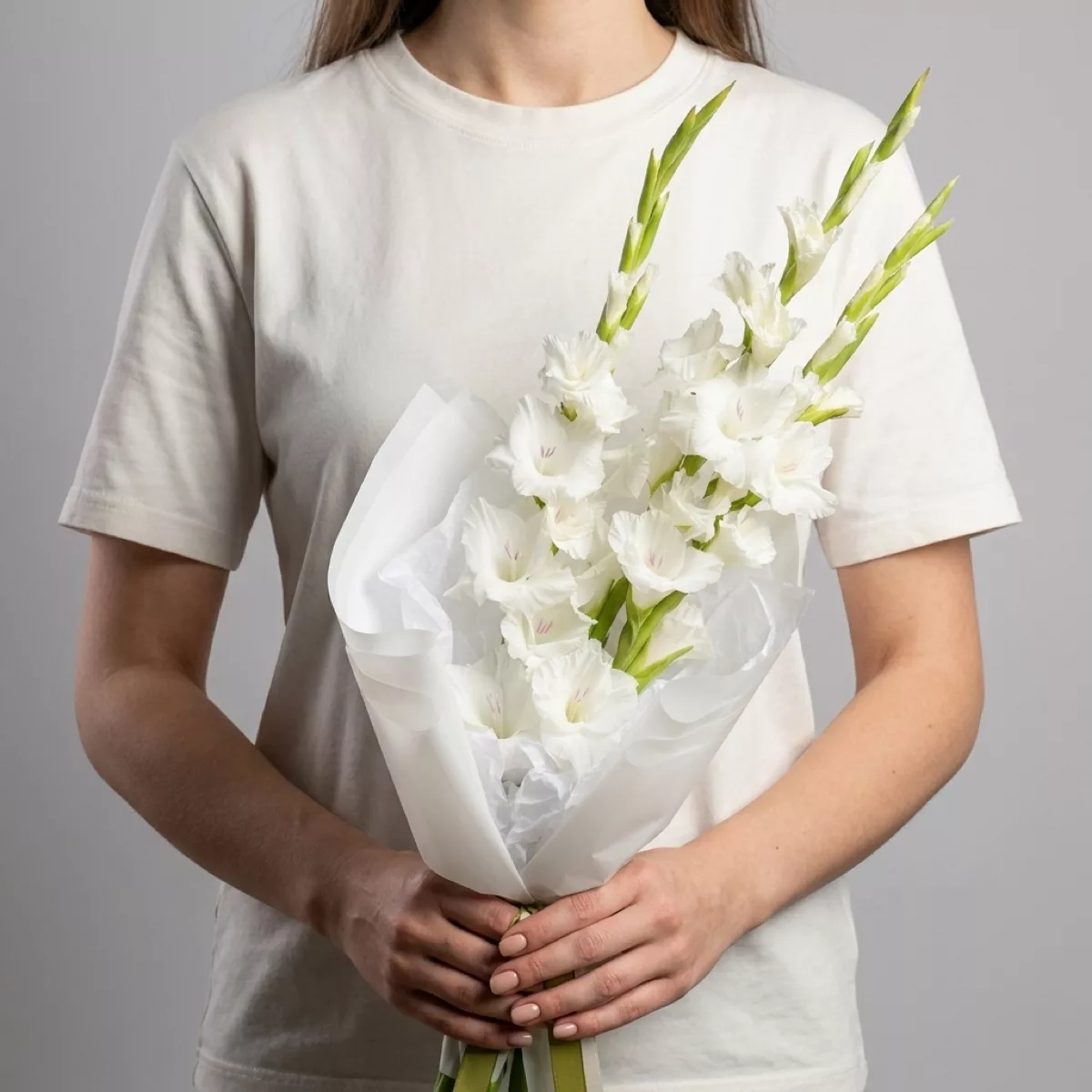
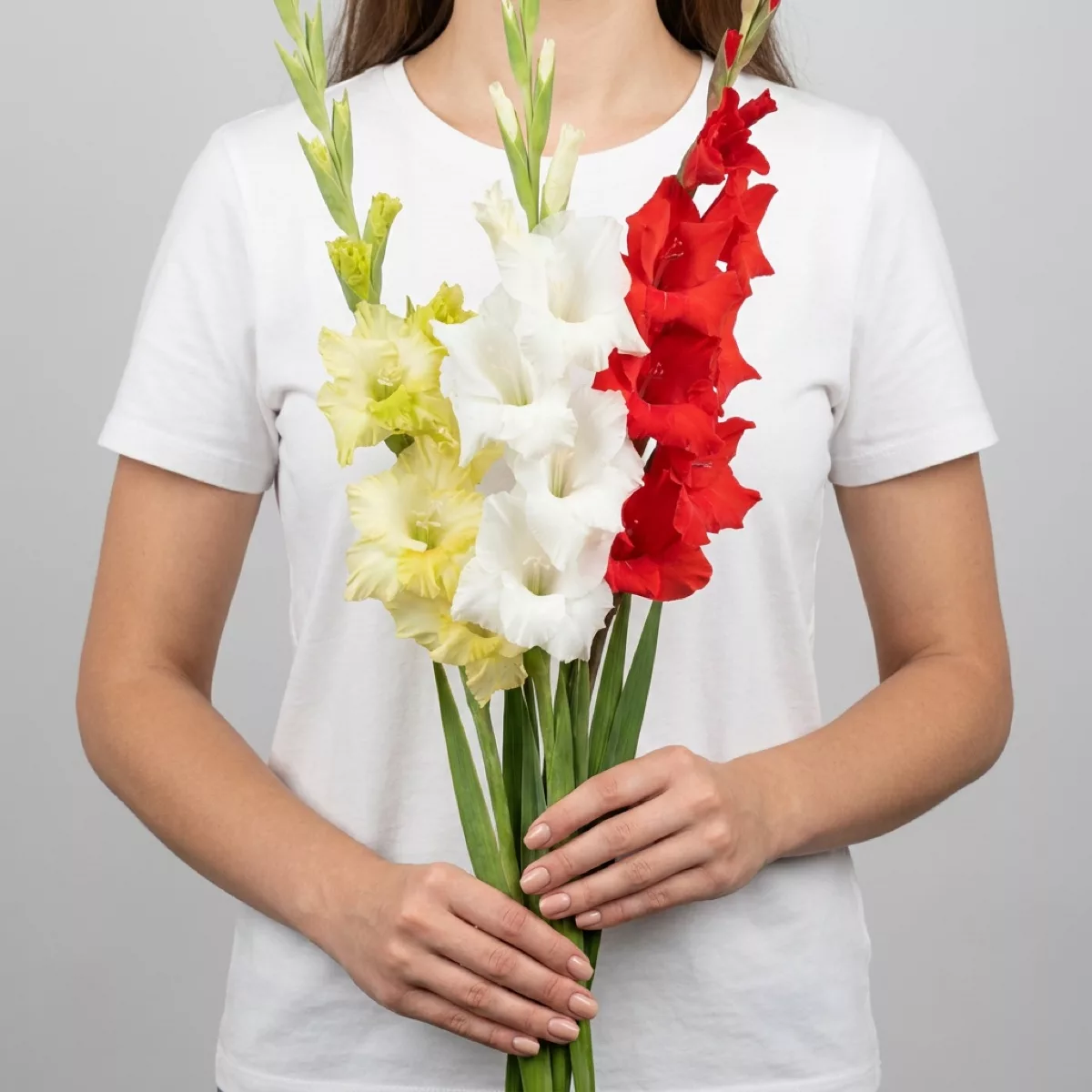
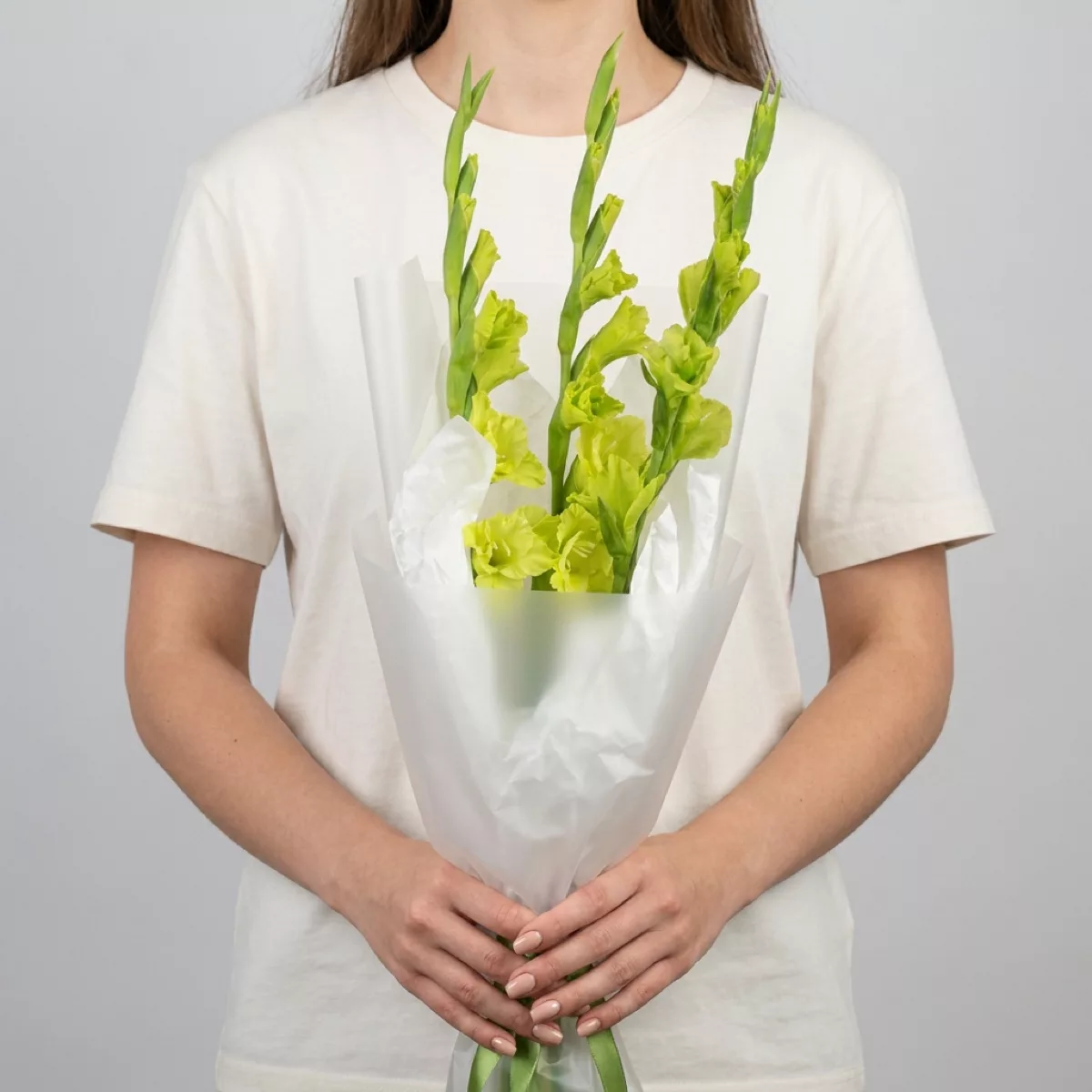
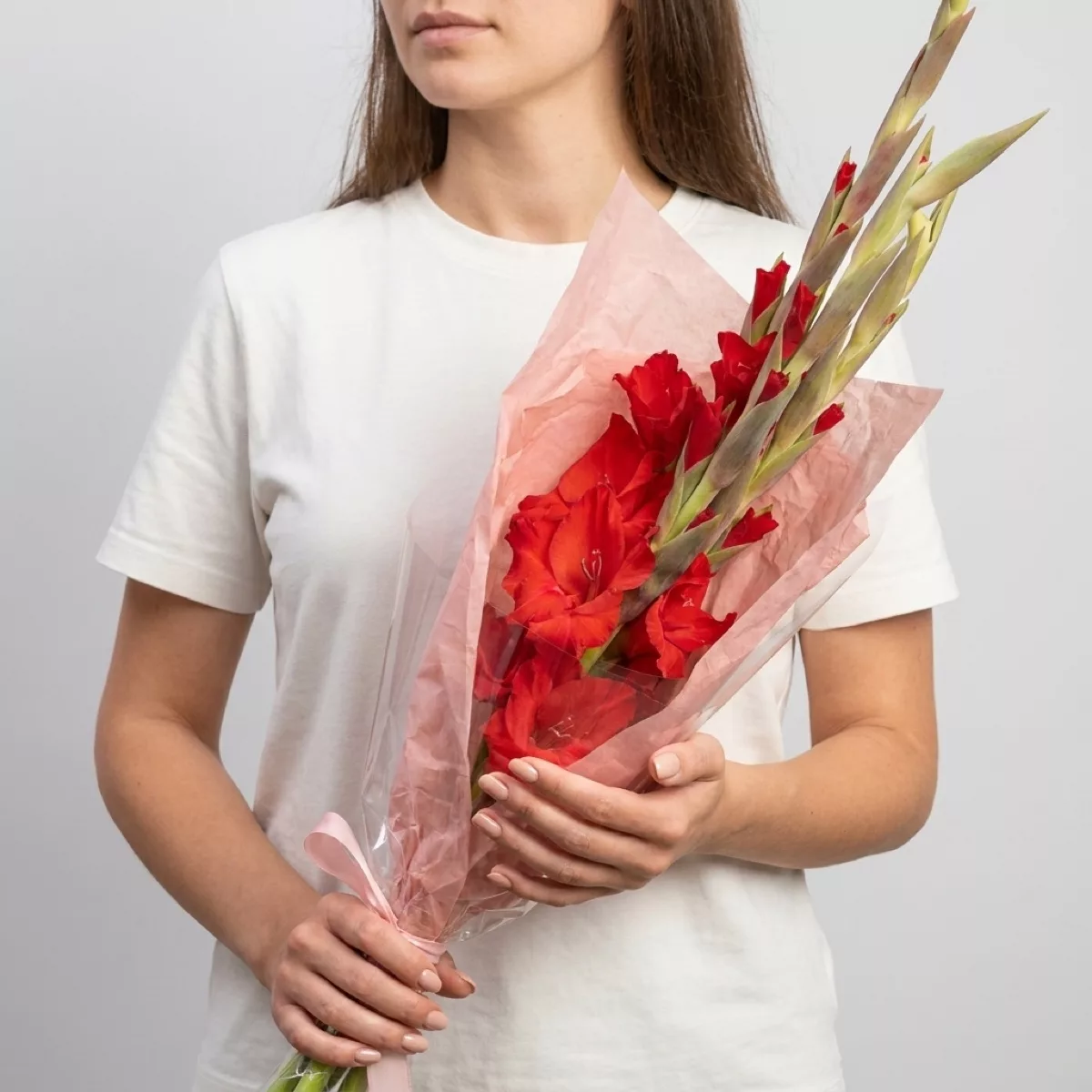
Bouquets we can deliver
Understanding the Time Zone Before You Place Your Order
The single most common mistake international senders make is ignoring the time difference when placing an order. Shimanovsk operates on Yakutsk Time, which is UTC plus nine. That means when it is nine in the morning in Moscow, it is already four in the afternoon in Shimanovsk. When it is noon in Paris, it is eight in the evening there. When it is eight in the morning on the East Coast of the United States, your recipient's day in Shimanovsk is already over.
This has a direct practical consequence: if you want flowers delivered in the morning as a surprise before your recipient leaves for work, you need to place your order well before midnight Moscow time the previous day. Turboflora coordinates timing from Saint Petersburg, so all delivery windows are confirmed in Moscow time, and the team converts that to local Shimanovsk time for the courier schedule.
A good rule of thumb for international senders is to place your order at least twenty-four hours before the intended delivery time. This gives the team time to confirm the address, prepare the arrangement, and route it correctly within the city. For significant dates — birthdays, anniversaries, the eighth of March, the twenty-third of February — ordering forty-eight hours in advance is strongly recommended, because demand spikes sharply and morning slots fill first. Write the preferred delivery window clearly in your order notes, and always state it in Moscow time to avoid any confusion.
Choosing Flowers That Travel Well to the Russian Far East
Not every flower is a good traveler, and the distance to Shimanovsk demands varieties with genuine resilience. Roses are reliable when they are properly conditioned: look for garden roses or standard hybrid tea roses with firm, closed buds, which will open beautifully over the two to three days after delivery. Spray chrysanthemums are excellent for long journeys — their small, dense flower heads resist bruising and hold water efficiently, and they can last ten to fourteen days in a vase with good care.
Alstroemeria is another strong choice. The flowers are naturally long-lasting, the stems are sturdy, and the variety of colors — from soft peach and cream to deep burgundy and violet — makes them versatile for almost any occasion. Eustoma, sometimes called lisianthus, has a delicate appearance that belies its durability; the ruffled petals look like peonies but handle transit stress far better.
What to avoid: open garden peonies in full bloom, which bruise easily and exhaust quickly; lily of the valley outside its very narrow spring season; and large-headed sunflowers in winter, when the petals become brittle in cold air. Tulips are lovely in spring but wilt quickly if the water temperature is wrong, so they need careful handling in the warmer months.
When in doubt, ask for a mixed seasonal bouquet. Turboflora's florists know what is arriving fresh that week and will build something that travels well and looks generous when unwrapped.
Russian Gifting Customs You Should Know as a Sender from Abroad
If you are not familiar with Russian flower customs, a few details will help you choose more confidently. The most important is the even-number rule: in Russia, even numbers of flowers are traditionally associated with mourning and are brought to funerals. Always order an odd number — five, seven, nine, eleven stems — for any celebratory or affectionate occasion. This is not a superstition you can ignore; recipients notice, and an even number can genuinely unsettle someone who grew up with this custom.
Color carries meaning too, though it is more nuanced than a strict code. Red roses communicate romantic love clearly and universally. White flowers — white roses, white eustoma, white chrysanthemums — are beautiful and widely appreciated, but some older recipients associate all-white arrangements with formal or solemn occasions. A bouquet that mixes white with blush pink, soft yellow or lavender reads as celebratory and warm without any ambiguity.
Yellow flowers are sometimes said to signal separation or unfaithfulness in Russian tradition, though this belief is less common among younger generations. If your recipient is under forty, a bright yellow arrangement will likely be received with delight. If you are unsure of their age or background, mixing yellow with orange and white softens any potential misreading and still looks cheerful.
Including a handwritten card message is strongly encouraged. Turboflora can print your message in Russian if you provide a translation, or attach your original text in English — many recipients appreciate reading the sender's own words exactly as written.
Seasonal Considerations: What Grows and What Arrives When
Shimanovsk's seasons are extreme, and the availability of certain flowers shifts noticeably across the year. In winter, from November through March, the selection leans toward flowers that are grown in controlled greenhouse conditions: roses, chrysanthemums, carnations, alstroemeria and eustoma are all reliably available and arrive in good condition. Avoid requesting anything that depends on outdoor growing — field tulips, peonies, or fresh lilac — during these months, as what exists in the market will be imported, expensive and often of poor quality.
Spring, from late March through May, is when the range expands beautifully. Dutch tulips arrive in full force, ranunculus becomes available in soft coral and cream shades, and the first peonies begin appearing by mid-May. This is an excellent season to order something more unusual, and the moderate temperatures make transit easier on delicate blooms.
Summer brings warmth and humidity, which means flowers need to be packed with cooling materials and delivered promptly. Hydrangeas are a summer highlight — their large heads make a bouquet feel immediately generous and full. Sunflowers are cheerful and very well received in July and August. Lisianthus peaks in summer and looks stunning in lavender and deep purple tones.
Autumn, from September through October, is the season of dahlias, which come in an extraordinary range of forms — pompom, cactus, decorative — and hold up well in transit. Alstroemeria and spray roses continue reliably. This is also when warm amber and rust tones feel most natural and appreciated, matching the landscape your recipient sees outside their window.
How to Write Your Delivery Address and Recipient Details Correctly
Providing the delivery address accurately is more important than many international senders realize. In Russia, addresses follow a specific order that differs from Western conventions, and a single missing detail can delay delivery or send a courier to the wrong building. The correct format runs from largest to smallest: country, region, city, street, building number, apartment number. For Shimanovsk, you would write: Russia, Amur Oblast, Shimanovsk, then the street name in Russian transliteration, the building number, and the apartment number if applicable.
If you only have the address in English transliteration, include it exactly as your recipient gave it to you. Turboflora's team will verify and reformat it for the courier. What matters most is that the apartment or house number is present and correct — in Russian cities, large residential blocks can contain hundreds of apartments, and a missing number means the courier cannot proceed.
Always include the recipient's phone number, including the Russian country code, which is plus seven. Couriers call ahead to confirm they are at the right location, especially in residential areas where building entrances are not always obvious from the street. If your recipient does not know a delivery is coming and might not answer an unknown number, mention this in your order notes so the team can send an SMS instead.
If the delivery is a surprise, you can request that the courier not reveal who sent the flowers — the message card handles that reveal. Just note this preference when ordering, and the team will brief the courier accordingly.
Helping Your Recipient Keep the Flowers Fresh Longer
Flowers that have traveled to Shimanovsk deserve the best possible care once they arrive, and a few sentences of guidance in your card message can make a real difference to how long they last. The most important step is re-cutting the stems. When flowers travel, the cut ends seal over and can no longer absorb water efficiently. Your recipient should cut at least two centimeters off each stem at a diagonal angle, using a sharp knife rather than scissors, which can crush the vascular tissue.
Water temperature matters more than most people know. Lukewarm water, around twenty to twenty-five Celsius, is absorbed more readily than cold water for most flowers. The exception is tulips, which prefer cold water and a cool room. Roses, chrysanthemums and alstroemeria all do well in room-temperature water with a sachet of flower food, which is included with every Turboflora bouquet.
The vase should be clean — residual bacteria from a previously used vase will shorten the life of fresh flowers significantly. A quick rinse with a small amount of bleach and then a thorough rinse with clean water is enough. Keep the arrangement away from direct sunlight, heating vents and fruit bowls; ripening fruit releases ethylene gas, which accelerates petal aging noticeably.
With proper care, roses and chrysanthemums will last seven to ten days. Alstroemeria can reach twelve to fourteen days. Eustoma and spray carnations are similarly long-lived. Change the water every two days and re-cut the stems each time, and your recipient will enjoy the bouquet for well over a week.
Sending flowers to Shimanovsk from abroad is a gesture that carries more meaning than a similar order placed from down the street. The distance, the planning, the attention to timing and customs — your recipient feels all of that in the bouquet when it arrives. Choose varieties that travel well, respect the gifting traditions that matter to the person receiving them, get the address right, and give the flowers a little care guidance in your note. When you do all of that, what arrives at their door is not just a bunch of flowers — it is proof that you thought carefully about them from thousands of kilometers away.
Frequently asked questions
How far in advance should I order flowers for delivery to Shimanovsk from abroad?
At least twenty-four hours before the intended delivery time is the minimum, and forty-eight hours is strongly recommended for major dates like birthdays or the eighth of March. Shimanovsk is nine hours ahead of Moscow, so factor in the time difference when calculating when to place your order to secure a morning or afternoon delivery slot.
Can I send a message card in English, or does it need to be in Russian?
You can send your message in English and Turboflora will attach it exactly as written — many recipients appreciate reading the sender's original words. Alternatively, if you provide a Russian translation, the team can print it in Russian. Either way, the card is included with the bouquet and handed directly to the recipient.
Why does the number of flowers in a bouquet matter in Russia?
In Russian tradition, even numbers of flowers are associated with mourning and are brought to funerals. For any celebratory or affectionate occasion, always choose an odd number — five, seven, nine or more stems. This custom is widely observed across generations and regions, including in smaller cities like Shimanovsk, so it is worth following carefully.
What happens if my recipient is not home when the flowers arrive?
The courier will call the recipient's phone number before arriving to confirm timing. If the delivery is a surprise and you are concerned about an unanswered call from an unknown number, mention this in your order notes. The team can arrange an SMS notification instead, or coordinate a delivery window when you know your recipient will be available.
Which flowers last longest after delivery to a remote city like Shimanovsk?
Spray chrysanthemums, alstroemeria and carnations are the most durable options, lasting ten to fourteen days with proper care. Hybrid tea roses in bud form also travel and last well. Eustoma is a beautiful choice that holds for over a week. All of these handle temperature fluctuations better than open peonies, tulips or large sunflowers.
Ready to send flowers?
Pick the city, choose the bouquet, and a local florist takes it from there.
Choose a city →