Sending Flowers to Shumikha from Abroad? Here Is What to Expect
You are somewhere far from Russia — another country, another time zone — and someone you love is in Shumikha, a quiet town in the Kurgan region of the southern Urals. You want flowers to arrive at their door, fresh and beautiful, without you having to explain yourself through a language barrier or guess at local customs. That distance feels enormous until you understand exactly what the process looks like. This article walks you through every step, from choosing the right bouquet to knowing what the recipient will find on their doorstep.
Why Shumikha Is Different from Sending to a Big City
Most people ordering flowers internationally think first of Moscow or Saint Petersburg. Shumikha is a different kind of destination — a smaller town in the Kurgan Oblast, sitting in a continental climate that swings between genuine Siberian winters and warm, dry summers. That geography shapes everything about how flowers travel and how long they last once they arrive.
The town is not isolated, but it is not a metropolitan hub either. Roads connecting it to regional centres are reliable, and courier infrastructure has improved significantly in recent years. What this means for you as a sender is that delivery windows are real and achievable, but the bouquet you choose needs to be sturdy enough to handle the final leg of the journey in good condition.
Temperatures in Shumikha drop well below freezing from November through March. In January, lows of minus twenty degrees Celsius are common. This is not a reason to avoid sending flowers in winter — it is a reason to choose the right ones and to make sure packaging is appropriate for cold transit. Roses and chrysanthemums handle cold reasonably well when properly wrapped. Tropical varieties like anthuriums or bird of paradise are far more vulnerable and are better reserved for warmer months.
In summer, the opposite challenge applies. July temperatures can reach thirty degrees Celsius, which means delicate petals on open blooms like ranunculus or sweet peas can wilt quickly if the bouquet sits unattended. Asking the recipient to be available to receive the delivery is always the right move, regardless of season.
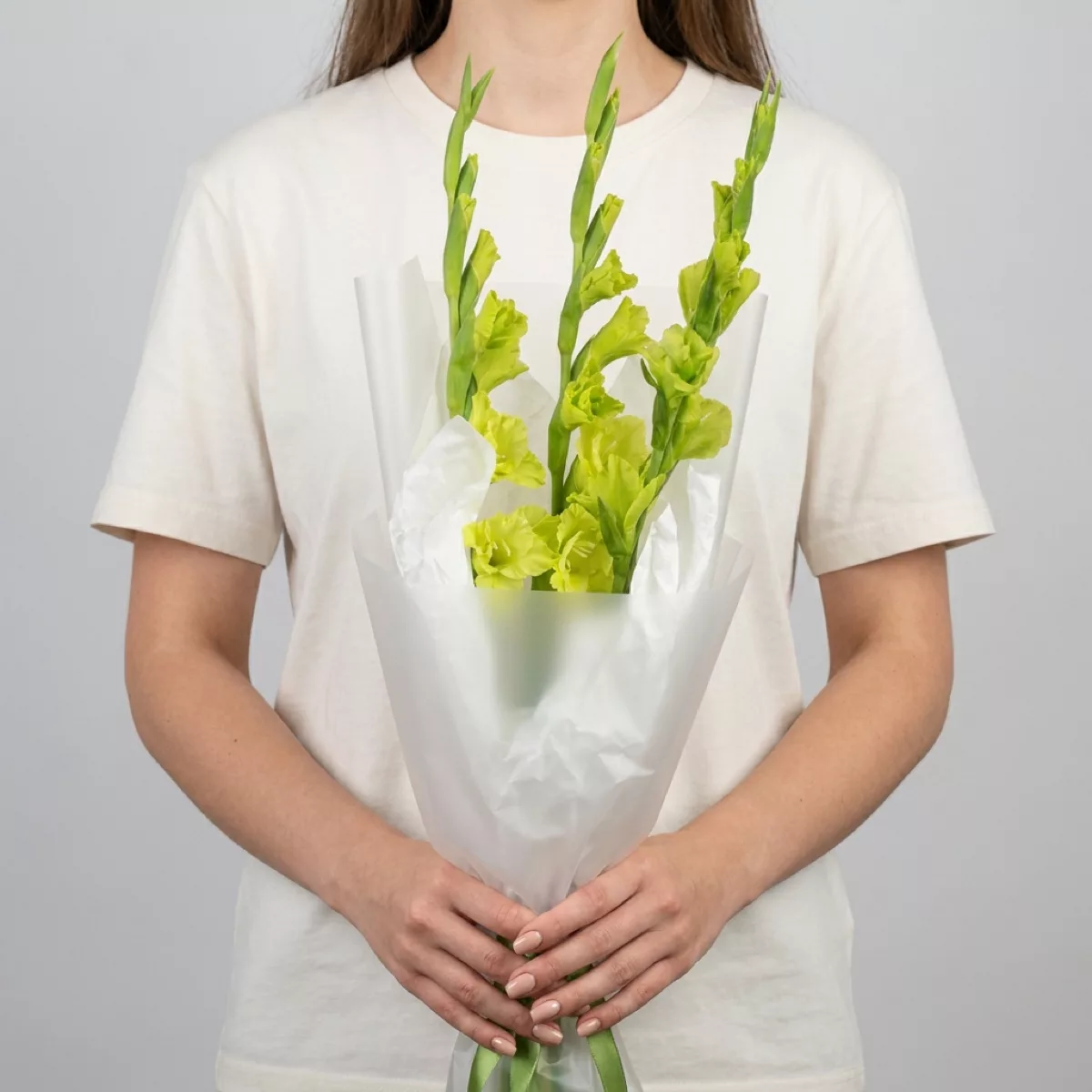
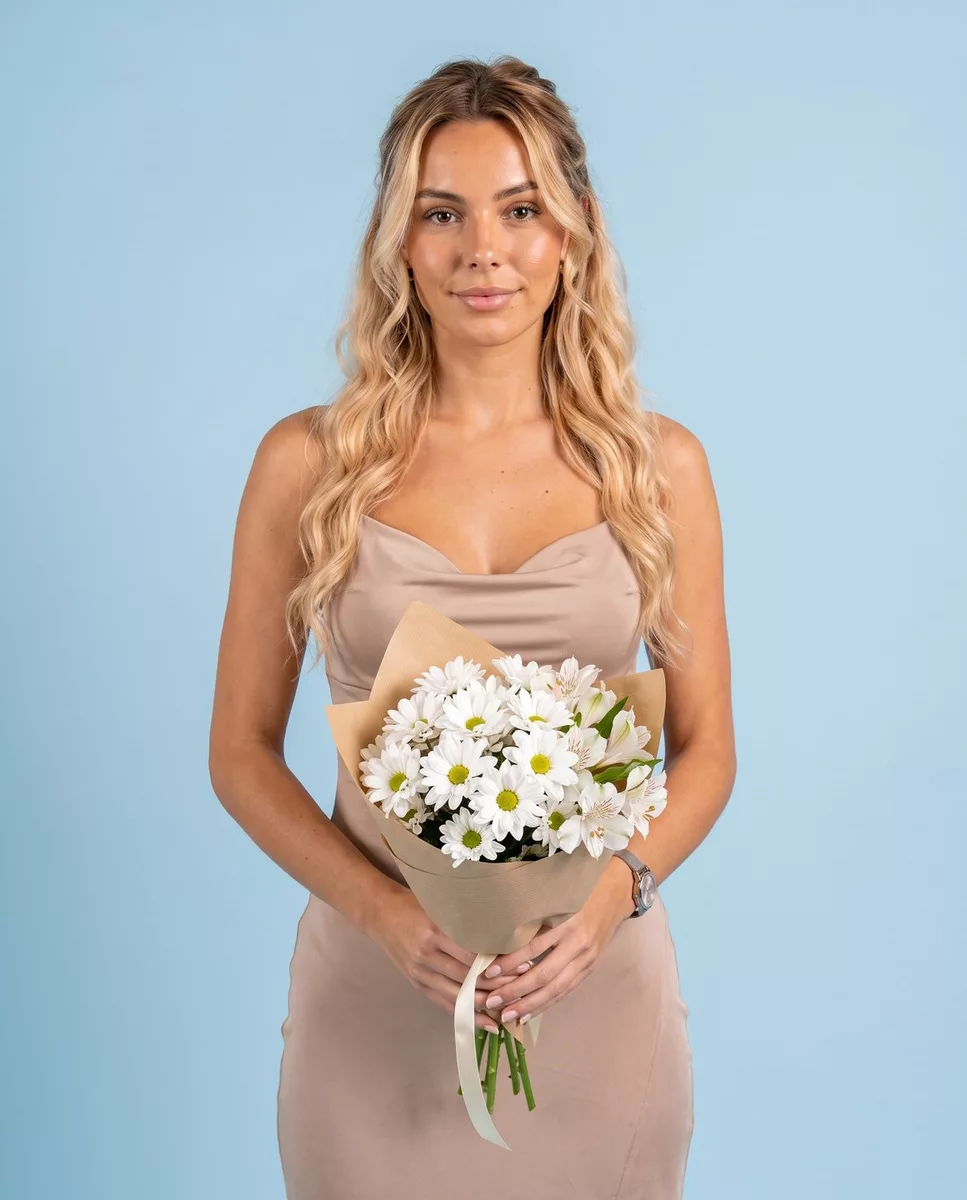
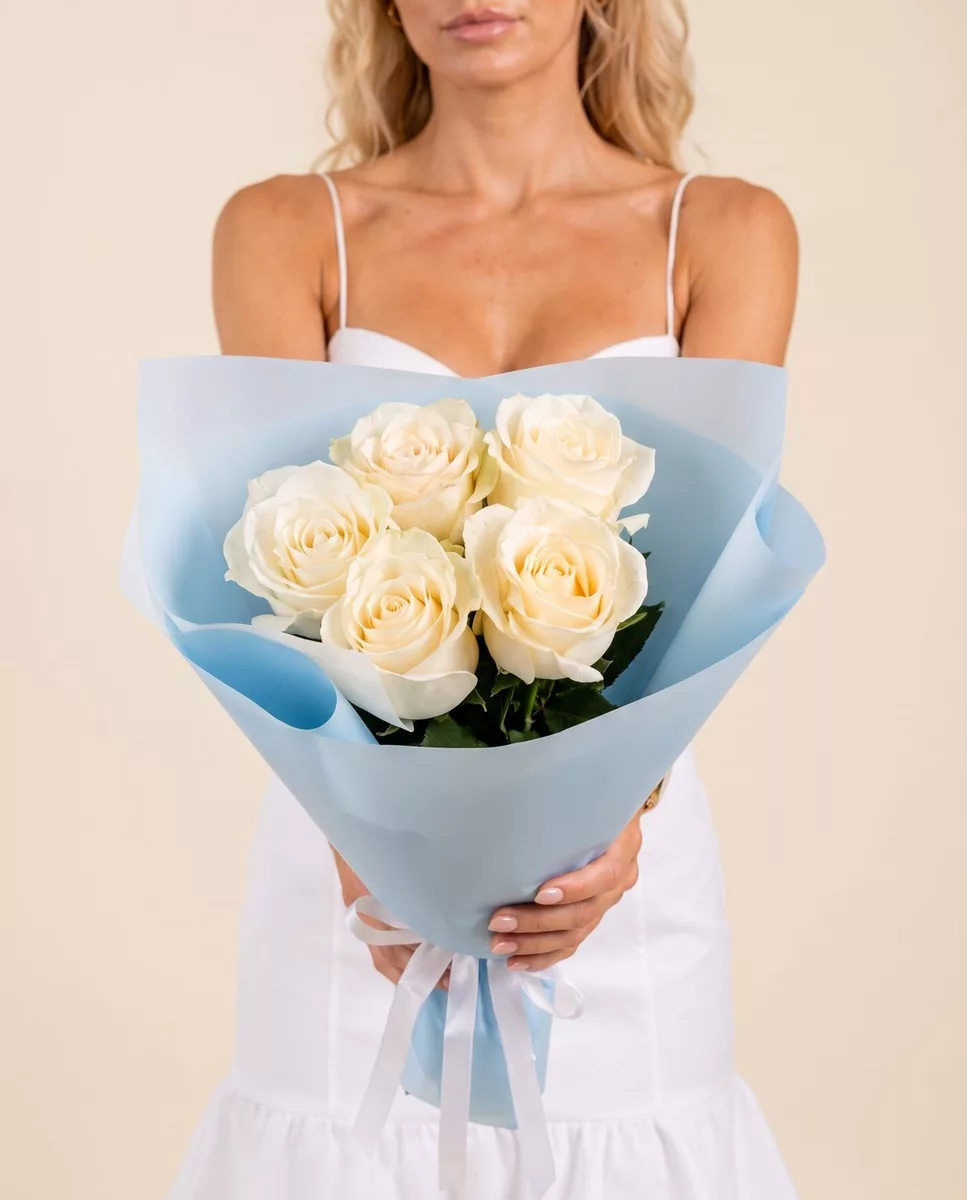
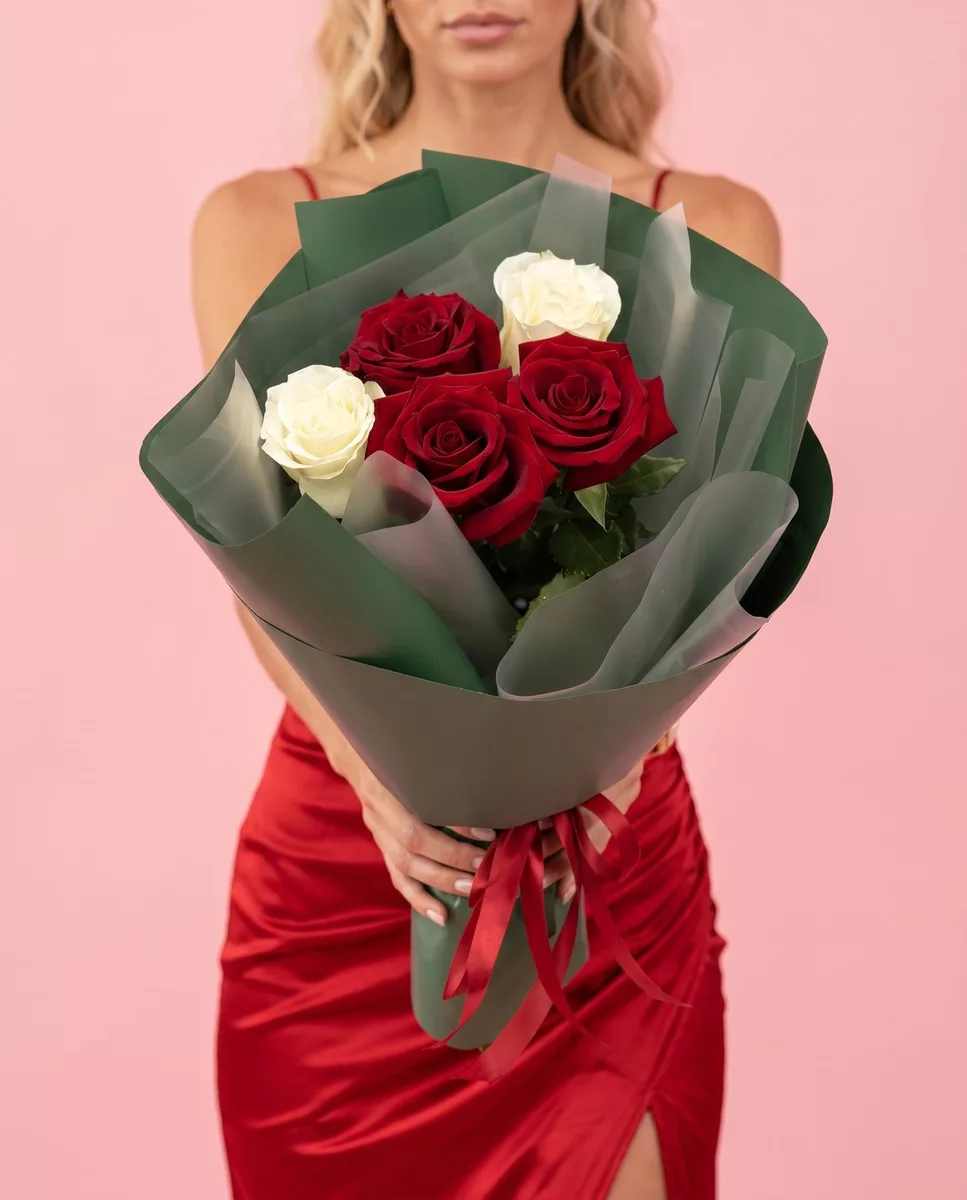
Bouquets we can deliver
What Russian Flower Customs Mean for Your Order
If you did not grow up in Russia, a few local customs around flowers are worth knowing before you place your order. Getting these right is the difference between a gift that lands beautifully and one that causes accidental confusion.
The most important rule is the odd number. In Russia, even numbers of flowers are associated with mourning and are brought to funerals. Always order an odd number — one, three, five, seven, eleven, fifteen, or any other odd count. This applies whether you are sending a single rose or a large arrangement. Most good florists apply this automatically, but it is worth confirming when you order.
Colour carries meaning too, though less rigidly than the number rule. Red roses are romantic and direct — a clear declaration. Pink roses and peonies read as warm, affectionate, and suitable for close friends or family. White flowers are elegant and work well for formal occasions like graduations or professional milestones. Yellow flowers were once considered unlucky in older Russian tradition, but that association has faded significantly among younger generations, and sunflowers in particular are now widely enjoyed.
Wrapping and presentation matter enormously in Russian flower culture. A bouquet handed over without wrapping looks unfinished. Expect kraft paper, fabric, or decorative film with ribbon — this is standard, not an upgrade. If you are ordering for a birthday, anniversary, or any celebratory occasion, a handwritten card in Russian is a small touch that recipients notice and remember. You can write your message in English and ask for it to be transcribed, or simply send it in your own language — many recipients appreciate the personal gesture regardless.
Choosing Flowers for the Person, Not Just the Occasion
Before you think about which flowers are available, think about who is receiving them. A bouquet chosen for a person always feels more considered than one chosen for an occasion. These two things together — the person and the moment — are what a good florist thinks about first.
For a mother or grandmother in Shumikha, warmth and abundance read well. Chrysanthemums in deep burgundy or warm orange are genuinely beloved across generations in Russia, not just as a practical choice but as a flower that carries real affection. Paired with spray roses and eucalyptus, they make a bouquet that feels generous without being showy.
For a romantic partner, roses remain the clearest language. Garden roses with their layered, cup-shaped blooms have a softness that standard hybrid tea roses lack. If your partner appreciates something less conventional, consider a mix of lisianthus — which resembles a ruffled peony but travels far better — with matthiola for scent and texture.
For a friend celebrating something — a new job, a birthday, a new home — colour and energy matter more than formality. Gerberas in contrasting shades, alstroemeria, and solidago create a bouquet that feels genuinely celebratory. These varieties also have excellent vase life, which matters when the recipient is busy and might not change the water daily.
For a colleague or professional contact, restraint is elegant. A monochromatic arrangement of white or cream flowers — freesia, carnations, and white lisianthus — communicates respect and good taste without overstepping. It is appropriate across a wide range of professional relationships.
Timing Your Order Across Time Zones
This is where international senders run into the most practical difficulty, and it is entirely solvable once you understand the numbers. Shumikha operates on Yekaterinburg Time, which is UTC plus five. That means if you are in London, you are six hours behind in winter and five hours behind in summer. If you are in New York, the gap is eight to ten hours. If you are in Los Angeles, it stretches to eleven or thirteen hours.
Turboflora operates out of Saint Petersburg and delivers across Russia, including the Kurgan region. Orders can be placed online in English, and the delivery window you select should reflect the recipient's local time in Shumikha, not your own. This sounds obvious, but it is the single most common mistake international senders make. Ordering at what feels like a reasonable morning hour to you can mean the flowers arrive in the middle of the recipient's night.
For birthday deliveries, aim to schedule arrival between ten in the morning and seven in the evening Shumikha time. This gives the recipient time to be at home, to enjoy the moment, and to put the flowers in water before the end of the day. For surprise deliveries, it helps to have someone locally who can confirm the recipient will be home, or to choose a time when they are reliably present — after work, for example.
Placing your order at least twenty-four hours in advance is strongly recommended for deliveries outside major cities. For significant dates like March 8th, which is International Women's Day and the largest flower-giving occasion in Russia, order three to five days ahead without exception.
Seasonal Availability and What Travels Best
Russia's flower market is well-supplied year-round, but what is available and what arrives in the best condition shifts with the seasons. Understanding this helps you set realistic expectations and make better choices.
In winter, from December through February, roses are the most reliable option. They are grown in climate-controlled greenhouses and hold up well in cold transit when packaged correctly. Tulips are widely available from January onward and are enormously popular ahead of March 8th. Carnations, often underestimated in Western markets, are genuinely beautiful in Russian arrangements and are exceptionally cold-tolerant.
Spring brings a rush of availability. From March through May, tulips, daffodils, hyacinths, and ranunculus all appear in good supply. Peonies begin arriving in late May and continue through June — they are among the most beloved flowers in Russia and make an exceptional gift during their season. If you are ordering in late spring, a peony bouquet is a strong choice for almost any recipient.
Summer offers the widest variety. Sunflowers come into their own in July and August, and a generous bunch of sunflowers is a genuinely joyful gift. Dahlias appear in late summer and are worth considering for their rich colours and long vase life. Echinacea and lisianthus also perform well in summer heat.
Autumn is chrysanthemum season in Russia. Large-headed chrysanthemums in bronze, white, and deep purple are at their best from September through November. Combined with hypericum berries and autumn foliage, they make arrangements that feel exactly right for the season.
Vase Life and Care Instructions for the Recipient
One of the kindest things you can do as a sender is make sure the recipient knows how to keep the flowers looking their best. Many people, especially those who do not receive flowers regularly, are not sure what to do once the bouquet arrives. A short note with care instructions — even just a few lines — extends the life of the gift significantly.
The first step is always the same: cut the stems at a diagonal, about two centimetres from the bottom, and place them immediately in clean, cool water. Diagonal cuts increase the surface area for water uptake. Warm water is not better — cool or room-temperature water is ideal for most varieties.
Strip any leaves that would sit below the waterline. Submerged leaves rot quickly and cloud the water, which accelerates bacterial growth and shortens vase life for the whole bouquet. This single step makes a noticeable difference.
Roses and tulips benefit from being kept away from direct sunlight and heat sources. In Shumikha's warm summers, this means keeping them away from south-facing windowsills. In winter, keep them away from radiators, which are used heavily in Russian homes and can dehydrate petals quickly.
Change the water every two days and re-cut the stems each time. This is the most effective maintenance habit. Chrysanthemums can last two weeks or more with this care. Roses and lisianthus typically give seven to ten days. Tulips are shorter — five to seven days — but they continue to open and move after cutting, which many people find beautiful.
If the bouquet came with a sachet of flower food, dissolve it in the water at the first filling. It is not a gimmick — it genuinely slows bacterial growth and feeds the stems.
Writing a Message That Arrives the Way You Intend It
The card is not an afterthought. In Russian flower culture, the message that accompanies a bouquet is read carefully and kept. It is part of the gift. If you are sending from abroad, this is also your voice in the room — the thing that makes the delivery personal rather than transactional.
Write in whatever language feels most natural and honest to you. If you and the recipient always communicate in English, write in English. If you share Russian, use it. If you write in another language entirely, that is fine too. The emotional register of the message matters more than the language.
Keep the tone specific rather than generic. Instead of writing simply happy birthday, tell the person something true: that you thought of them when you saw the date approaching, that you wish you could be there, that you hope the flowers make the morning feel different. Specific details make messages memorable. Generic ones are forgotten by the time the flowers are in the vase.
For romantic occasions, directness is appreciated in Russian culture. Understated British-style irony or heavily hedged sentiment can read as lukewarm when translated across cultural context. Say what you mean clearly and warmly.
For professional or formal occasions, keep the message short and gracious. Congratulations on your achievement. Wishing you well in this next chapter. These land well across cultural contexts without risk of misreading.
If you want the message written in Russian but you do not speak the language, you can provide the sentiment in English and ask for a thoughtful translation. A good florist can help with this. The recipient will notice the effort, and that effort is exactly the point of sending flowers across a distance.
Sending flowers to Shumikha from another country is not complicated once you know what you are working with — the time zone gap, the seasonal varieties, the cultural customs around numbers and colour, and the practical realities of a continental climate. The distance between you and the recipient is real, but a well-chosen bouquet, timed correctly and accompanied by an honest message, closes that distance in a way that a text or a call simply cannot. Turboflora handles the logistics so that what arrives at the door in Shumikha feels like it came from you directly — because, in every way that matters, it did.
Frequently asked questions
Can I order flowers for Shumikha if I do not speak Russian?
Yes, entirely. The Turboflora website accepts orders in English and the ordering process is straightforward for international customers. You can write your card message in English or any other language. If you want the message translated into Russian for the recipient, note that in your order comments and we will handle it.
How far in advance should I order for a birthday delivery in Shumikha?
At least twenty-four hours ahead for standard dates, and three to five days ahead for major occasions like March 8th or Valentine's Day when demand is very high. International orders benefit from a little extra lead time because you may need to confirm the recipient's address or resolve a time zone question before the order is finalised.
Is it true that I should never send an even number of flowers in Russia?
Yes, this is a firmly held custom. Even numbers of flowers are associated with funerals and mourning in Russian tradition. Always order an odd number — three, five, seven, eleven, fifteen, and so on. Turboflora applies this automatically, but it is good to know so you understand why your order confirmation shows an odd count.
What flowers hold up best in Shumikha's cold winters?
Roses, chrysanthemums, and carnations are the most cold-tolerant options and travel well in winter packaging. Tulips are also reliable from January onward. Avoid tropical or highly delicate varieties like anthuriums or open ranunculus in deep winter, as they are vulnerable to temperature shock even with protective wrapping.
Can I schedule a specific delivery time so the recipient is home to receive the bouquet?
You can select a delivery window when placing your order. For Shumikha, choose the window in the recipient's local time, which is UTC plus five. If you want to coordinate a surprise, aim for a time when the recipient is reliably at home — mid-morning or early evening works well for most people. Communicating with someone locally to confirm availability is always helpful for surprise deliveries.
Ready to send flowers?
Pick the city, choose the bouquet, and a local florist takes it from there.
Choose a city →