Sending Flowers to Skopin from Abroad? Here Is Everything That Matters
You are somewhere outside Russia — maybe in Berlin, Dubai, Toronto or Tokyo — and someone you care about is in Skopin, a quiet city in the Ryazan region, about 280 kilometres southeast of Moscow. You want to send flowers that actually arrive fresh, feel personal and land at the right moment. The distance between you and the recipient does not have to show in the bouquet. What it does require is a clear picture of how delivery works in a smaller Russian city, what varieties travel well in different seasons, and which gestures carry real meaning in Russian flower culture. This article walks you through all of it.
What Skopin Is Like and Why It Matters for Your Order
Skopin is a mid-sized city with a population of around 25,000, situated in the Ryazan oblast. It sits in a continental climate zone, which means hot summers and genuinely cold winters — temperatures regularly drop below minus fifteen degrees Celsius between November and February. That temperature range has a direct effect on which flowers survive the journey from warehouse to door in good condition.
The city is not a metropolitan hub, but it is reachable. When you order from Turboflora, the bouquet is assembled fresh and dispatched so it arrives within the promised window. Understanding the geography helps you set realistic expectations: delivery to a residential address in Skopin works differently from sending to a central Moscow office building with a concierge. You will want to provide a complete address including the apartment number, building entrance number if applicable, and a working local phone number for the recipient.
Skopin recipients tend to appreciate bouquets that feel considered rather than generic. A large, loosely wrapped mixed arrangement often reads as more thoughtful than a rigid dozen of identical stems. Local taste leans toward lush, layered compositions — think roses combined with greenery, spray chrysanthemums or alstroemeria — rather than minimalist single-variety bunches. Knowing this before you choose helps you order something that will genuinely delight the person on the other end.
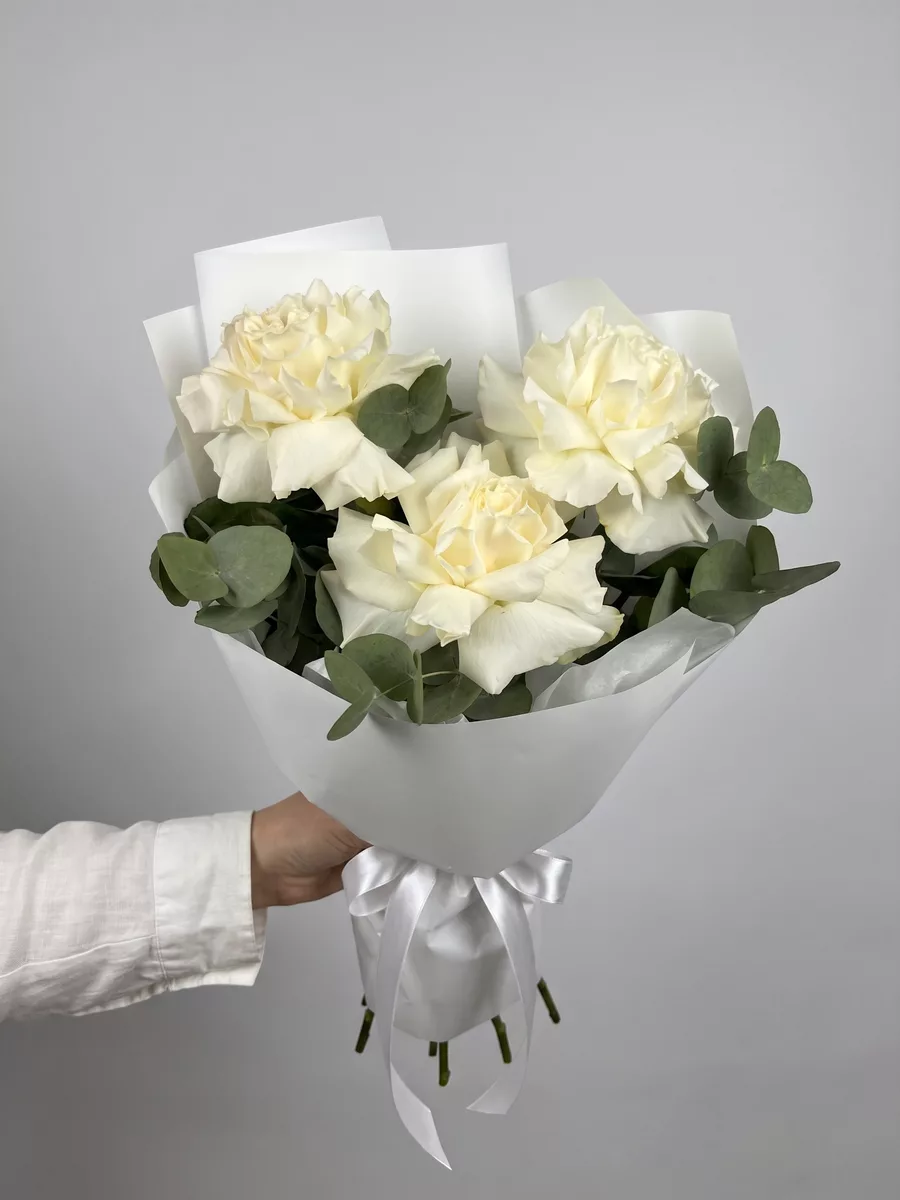
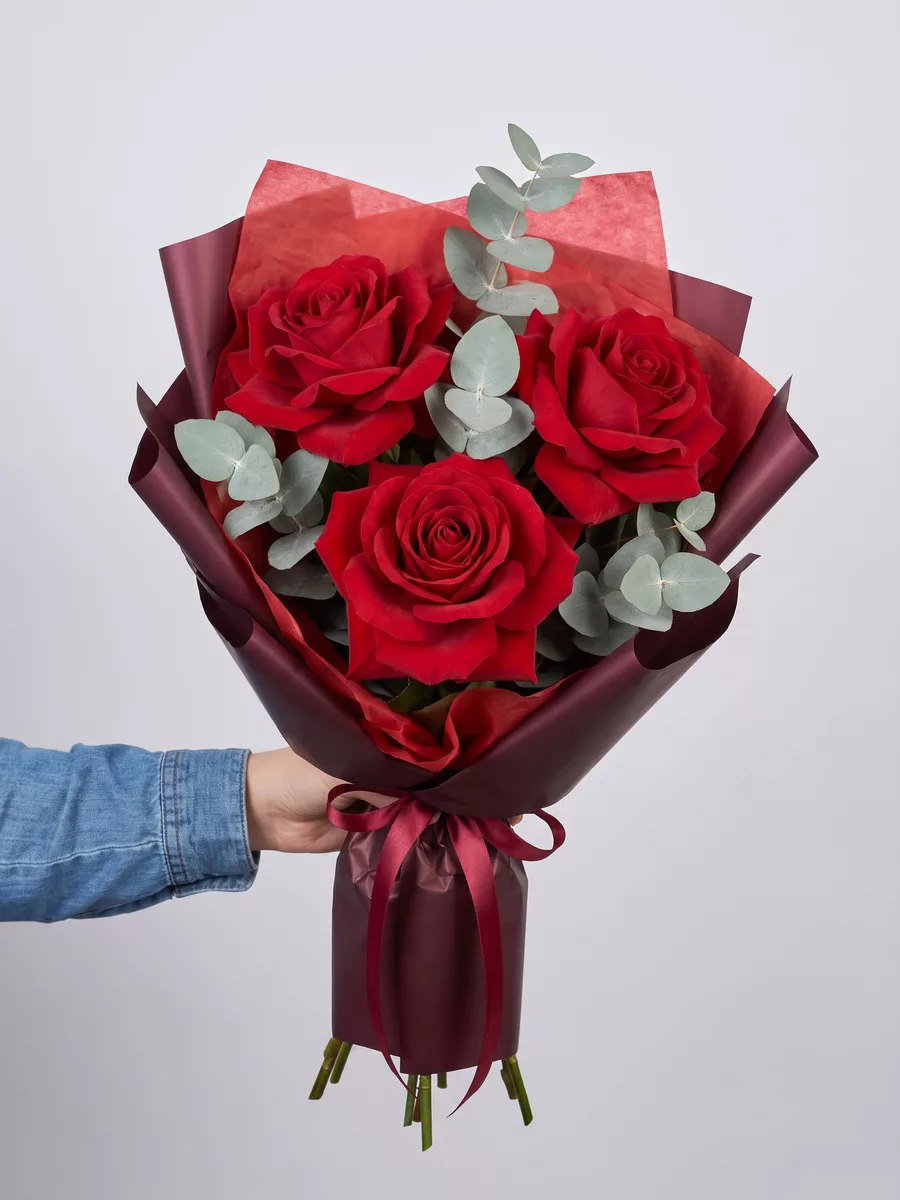
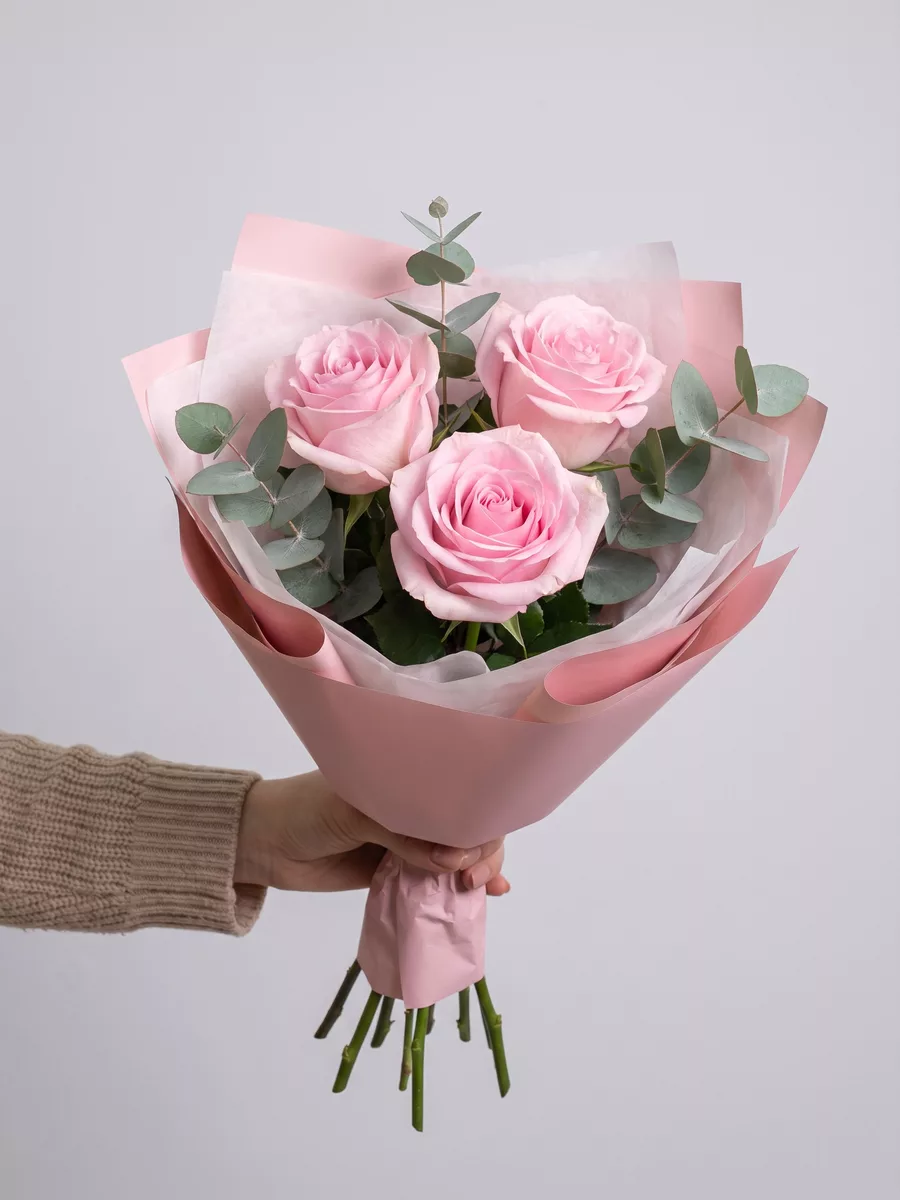
Bouquets we can deliver

Choosing the Right Moment: Timing Your Order Across Time Zones
Skopin operates on Moscow Standard Time, which is UTC plus three hours. There is no daylight saving adjustment in Russia, so the offset stays fixed year-round. If you are calling or messaging from Western Europe, you are two hours behind Skopin. From the US East Coast, you are eight hours behind. From the West Coast, eleven. From Australia's east coast, you are ahead by seven or eight hours depending on the season.
This gap matters because the sweetest delivery moments — a morning arrival before a birthday breakfast, a lunchtime surprise at a workplace, an evening drop-off before a celebration dinner — all depend on you placing your order early enough. As a practical rule, place the order at least three to four hours before the moment you want the flowers to arrive. If you are ordering late at night in your own time zone, check what time that translates to in Skopin before assuming same-day delivery is still possible.
For major Russian calendar dates — March 8th, which is International Women's Day and the single busiest flower day of the year in Russia, February 14th, and May 9th — place your order at least a full day in advance. March 8th in particular sees demand that is genuinely extraordinary: flower volumes across Russia spike dramatically in the week leading up to it, and last-minute orders for that date carry real risk of disappointment. Planning ahead is the single most effective thing an international sender can do.
Russian Flower Customs You Should Understand Before You Order
Russian flower culture has a few conventions that differ from what buyers in Western Europe or North America might expect. The most discussed is the odd-number rule: bouquets given as gifts traditionally contain an odd number of stems. Even numbers are associated with mourning and funerals, so a gift of twelve roses can feel jarring to a Russian recipient even if the giver had no idea. When ordering, either specify an odd count or let the florist compose freely — a composed arrangement rather than a counted bunch sidesteps the issue naturally.
Colour carries meaning too, though it is less rigid than the number rule. Yellow flowers have a mixed reputation in Russia: older generations sometimes associate them with separation or bad luck, while younger recipients in cities tend to be completely unbothered. If you know your recipient well and they are under forty, yellow tulips or yellow roses are unlikely to cause concern. If you are unsure, a mixed palette that includes yellow alongside white, pink or coral reads as festive and avoids any ambiguity.
Wrapping and presentation are taken seriously. A bouquet that arrives in beautiful paper with a ribbon and a handwritten-style card feels like a complete gift. Russians often keep bouquets on display for as long as possible — fresh flowers in the home are a source of genuine pride — so including a small card with care instructions is a thoughtful touch that florists at Turboflora can add to your order. The presentation is part of the message, not just the container for it.
Which Flowers Work Best for Different Occasions in Skopin
Birthdays call for something celebratory and generous-looking. Roses remain the most universally appreciated choice across Russia regardless of the recipient's age, and a mixed bouquet of garden roses combined with lisianthus and eucalyptus reads as both classic and contemporary. For younger recipients, peonies when in season — roughly May through July — feel fresh and romantic. Ranunculus are another strong option in spring: their layered petals photograph beautifully and they hold well in a vase for seven to ten days with proper care.
For professional milestones — a promotion, a graduation, a retirement — compositions that lean toward white, cream and green feel appropriately elegant without being overly romantic. Calla lilies, white spray roses and green trick dianthus make a striking combination that suits a formal occasion without looking stiff.
For romantic gestures, red roses are still the clearest signal in Russian culture. A composed bouquet of deep red roses with dark foliage — ruscus or salal work well — is unambiguous and deeply appreciated. If you want something that feels a little more individual, a mix of blush and burgundy roses with dried pampas accents gives a modern romantic feel that has become very popular in Russian cities over the past few years.
For new baby arrivals or new home celebrations, soft pastel compositions with tulips, freesia and gypsophila are a warm and well-received choice. Freesia in particular has a gentle fragrance that fills a room without being overpowering, which makes it ideal for a home setting.
Seasonal Availability and What to Expect at Different Times of Year
Russia's flower supply is genuinely seasonal in ways that matter to the buyer. Winter — December through February — is the hardest season for delicate blooms. Tulips and roses are available year-round because they are imported, but outdoor-grown flowers like peonies, dahlias and sunflowers are simply not available in January. Ordering a peony bouquet in midwinter will either result in a substitution or a disappointed florist having to call you. Be guided by what is genuinely in season when you order.
Spring is the richest season. From late February, tulips flood the market in every colour. March 8th falls right in peak tulip season, which is one reason they have become so closely associated with the holiday. By May, peonies arrive and they are at their absolute best: full, fragrant and long-lasting if kept in cool water. Late spring and early summer also bring ranunculus, anemones and sweet peas when available.
Summer brings sunflowers, dahlias, lisianthus and garden roses with fuller, more open heads than the tighter hothouse varieties of winter. These bouquets look abundant and feel generous. The challenge in summer is heat: Skopin can reach thirty degrees Celsius in July and August, which means flowers need to be wrapped carefully and delivered quickly. Turboflora accounts for this in packaging.
Autumn is chrysanthemum season. Large-headed chrysanthemums, spray chrysanthemums and asters are all at their best from September through November. They are also among the longest-lasting cut flowers available — properly cared for, chrysanthemums can hold for two to three weeks in a vase.
How to Write a Card Message That Lands Well in Russian Culture
A card message sent from abroad carries extra weight precisely because it crosses a distance. Russian recipients read cards carefully and often keep them. A message that feels personal and specific — referencing a shared memory, a private joke, the reason the occasion matters — will be remembered long after the flowers have faded. A generic printed greeting, by contrast, can feel like an afterthought even when the bouquet itself is beautiful.
If you want to write part of the message in Russian, that gesture is almost always received warmly, even if the Russian is imperfect. Simple phrases like 'S dnyom rozhdeniya' for happy birthday, or 'Ya skuchayu' for I miss you, carry genuine emotional weight when a sender has made the effort to write them. You can include the transliteration in the card request and the florist will ensure it is written correctly.
Keep the message warm and direct. Russian emotional expression between close friends and family tends to be sincere and unhesitant — flowery formal language can feel distant, while a short, heartfelt sentence feels close. Something like 'I wish I could be there with you today — these flowers are standing in for me' is more affecting than a long poetic paragraph.
If the occasion is a significant birthday — a fortieth, a fiftieth, a sixtieth — Russians place particular importance on round-number birthdays, which are celebrated with more ceremony than in many Western countries. Acknowledge the milestone directly in your message. It shows you understand what the day means to the recipient and their family.
Keeping the Flowers Fresh: What to Tell the Recipient
Flowers that arrive in perfect condition can still wilt within two days if they are not cared for properly. As the sender, you can pass along a few simple instructions that will extend the life of the bouquet significantly. Turboflora can include a care card with the delivery, but if you want to message the recipient yourself, here is what to tell them.
First, unwrap the flowers as soon as they arrive and place them in clean, cool water immediately. Cut about two centimetres from the bottom of each stem at a diagonal angle — this increases the surface area for water uptake. Use a clean vase; bacteria from a previously used vase that has not been washed will shorten vase life noticeably.
Keep the bouquet away from direct sunlight, radiators and draughts. In Russian apartments, this often means avoiding the windowsill in winter — the cold from the glass can damage soft petals — and keeping flowers away from the radiator that typically runs beneath the window. A cool interior spot, like a hallway or a shaded corner of a living room, is ideal.
Change the water every two days and re-cut the stems each time. Remove any leaves that fall below the waterline, as they decay quickly and cloud the water. With this basic care, roses will last five to eight days, chrysanthemums two to three weeks, tulips four to six days and lisianthus seven to ten days. Letting the recipient know these specifics — rather than just saying 'put them in water' — shows care and extends the pleasure of your gift considerably.
Sending flowers to Skopin from the other side of the world is a gesture that lands with real warmth when it is done thoughtfully. The distance between you and the recipient is already part of the story — the bouquet is proof that you thought of them specifically, chose carefully and made something happen across time zones and borders. Get the timing right, choose varieties that suit the season and the occasion, follow the customs that matter in Russian culture, and write something personal on the card. The flowers will do the rest.
Frequently asked questions
Will cold winters in Skopin damage the flowers before they reach the door?
Between November and February temperatures in Skopin regularly fall below minus fifteen degrees Celsius, so the florist wraps bouquets in insulating kraft and thermal sleeve before dispatch. Choosing hardy stems like roses, chrysanthemums or alstroemeria over delicate tropical varieties gives the arrangement the best chance of arriving in full condition regardless of the season.
How do I make sure the bouquet feels personal when I am ordering from thousands of kilometres away?
Use the order notes to describe the recipient rather than just naming a colour. Mention her age, whether she prefers soft or bold tones, and the occasion behind the gift. Skopin recipients tend to respond to layered, lush compositions over rigid uniform bunches, so asking the florist to build around that instinct will produce something that reads as considered rather than catalogue-chosen.
Does the continental climate in Ryazan oblast affect which flowers are available in Skopin?
Seasonal availability shifts noticeably across the year. Summer months bring locally grown dahlias and field flowers into the mix, while deep winter relies more heavily on greenhouse roses, chrysanthemums and alstroemeria that travel and hold well. Ordering a seasonal arrangement rather than insisting on a specific flower that is out of season usually produces a fresher, longer-lasting result.
What time of day should I schedule delivery given that Skopin runs on Moscow Standard Time?
Skopin is UTC plus three hours with no daylight saving adjustment, so the offset is fixed year-round. A recipient in Skopin receiving a lunchtime delivery is experiencing early morning in Toronto or late morning in Dubai. Scheduling for mid-afternoon Skopin time gives the most reliable window for someone to be home at a residential address rather than out during the working day.
How precisely do I need to write the delivery address for a residential building in Skopin?
Skopin residential addresses often include a building number, entrance number and flat number that all matter for access. Unlike a central Moscow office with a concierge, a Skopin apartment block may have a coded entrance or a neighbour who accepts parcels. Providing the full address including flat number and a working local phone number for the recipient removes the most common cause of missed or delayed delivery.
Ready to send flowers?
Pick the city, choose the bouquet, and a local florist takes it from there.
Choose a city →