Sending Flowers to Slantsy from Abroad? Read This First
Slantsy is a quiet town in the Leningrad Oblast, about two hours south-west of Saint Petersburg, and if someone you love lives there, distance should not make the gesture feel smaller. Ordering flowers from London, Berlin, New York or anywhere else outside Russia is entirely possible — but there are a few things worth understanding before you choose a bouquet and press confirm. This article walks you through the process the way a florist would: honestly, with real detail, and with the recipient at the centre of every decision.
Why Slantsy Is Different from Ordering to a Big City
Most international flower-ordering experiences assume you are sending to a capital city with dozens of florists on every block. Slantsy is not that. It is a small industrial town with a population of around thirty thousand, and the local infrastructure for same-day flower delivery is limited at best. That is exactly why working with a Saint Petersburg-based shop that delivers its own orders across the Leningrad Oblast matters so much — the logistics chain stays short and controlled.
The distance from central Saint Petersburg to Slantsy is roughly 180 kilometres by road. That sounds significant, but with a well-organised courier operation and flowers that are properly hydrated and packaged, it is a manageable journey. What it does mean is that timing your order correctly becomes more important than it would be for a delivery within the city itself.
For senders outside Russia, the key practical reality is this: you are placing an order across a time zone. Saint Petersburg runs on Moscow Time, which is UTC+3. If you are in Western Europe, you are two hours behind. If you are on the US East Coast, you are eight hours behind. A bouquet you want delivered at six in the evening Slantsy time needs to be ordered well before noon your local time, often earlier. Building that buffer into your planning is the single most effective thing you can do to make the delivery smooth.
Bouquets we can deliver

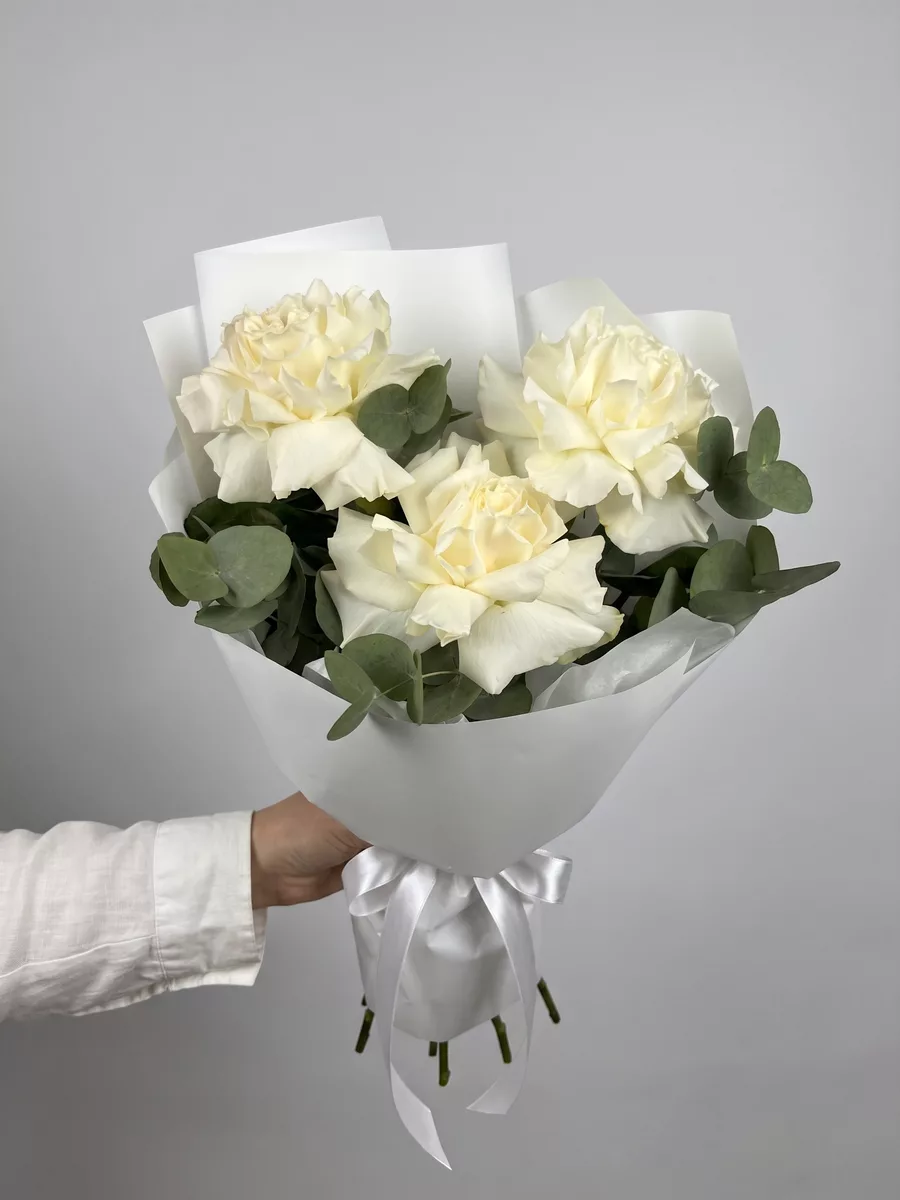
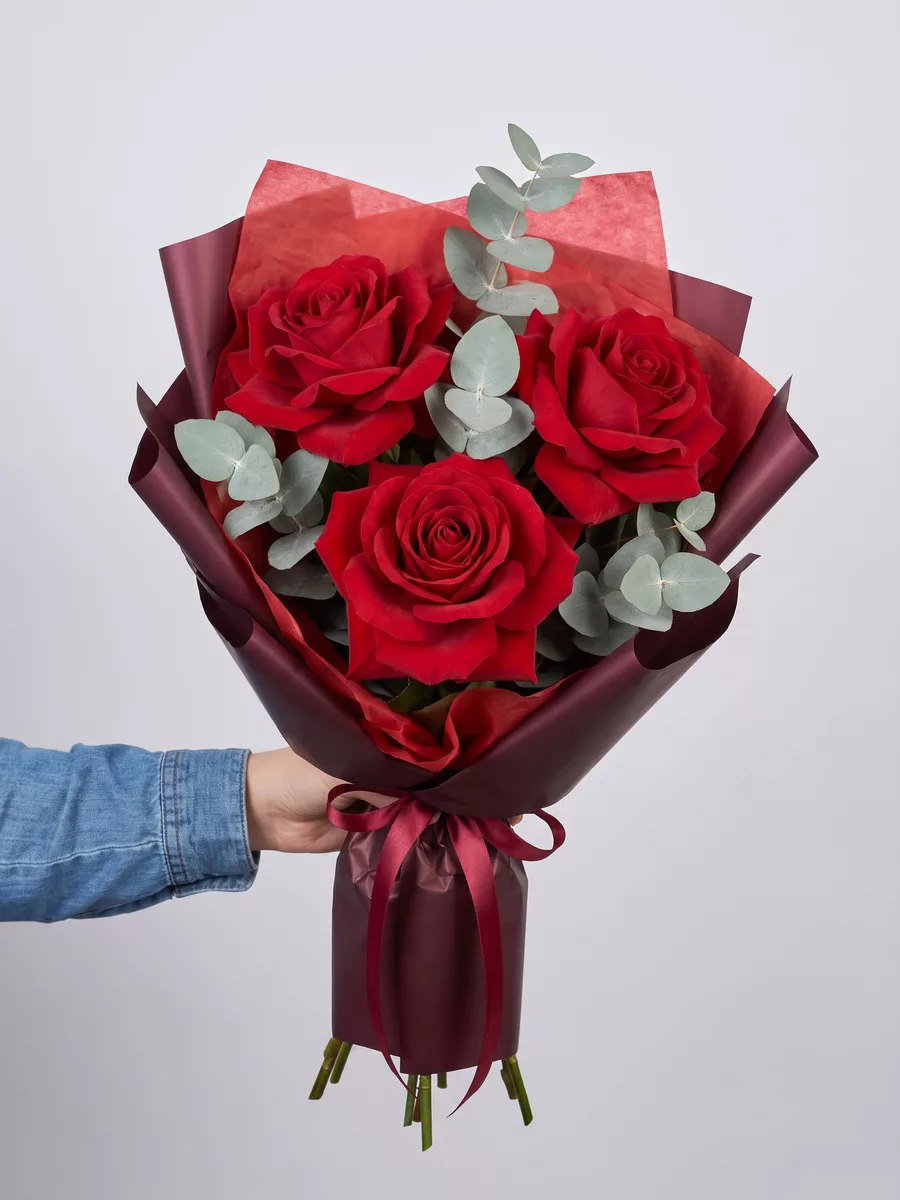
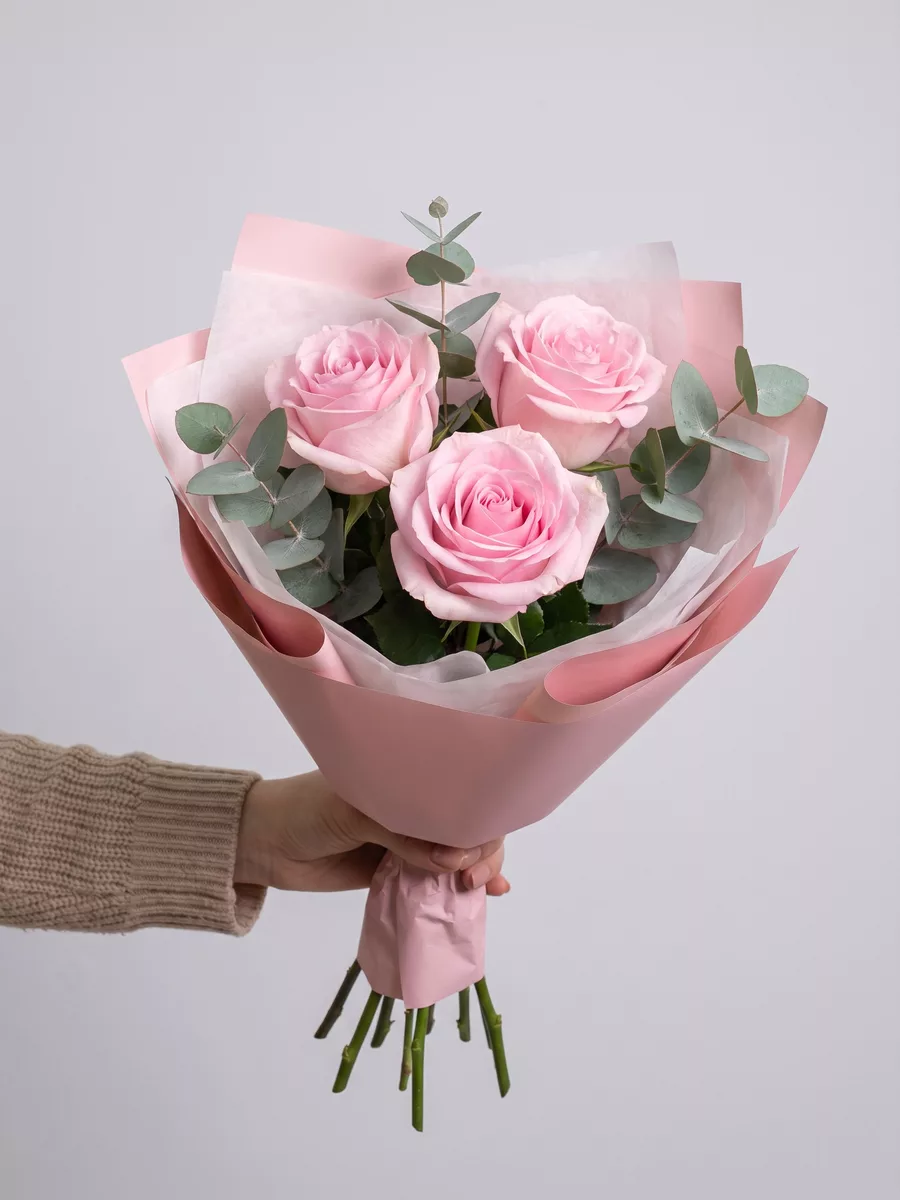
Choosing Flowers for the Person, Not Just the Occasion
Before you think about which roses or which colour scheme, think about the person receiving the bouquet. In Russian culture, flowers carry strong associations. Even numbers of stems are traditionally reserved for mourning, so always confirm your bouquet contains an odd number — three, five, seven, nine or more. A good florist will handle this automatically, but it is worth knowing so you can check.
Yellow flowers have historically been associated with separation or farewell in Russian folk tradition, though younger generations are far less strict about this. If you want to stay on safe ground, particularly for a romantic gesture or a birthday, lean toward whites, pinks, corals and deep reds. For a friend or colleague, yellows and oranges are increasingly accepted and cheerful — just be aware the association exists if your recipient is older or more traditional.
Think about the recipient's home too. Slantsy apartments are typically modest in size, and a towering architectural arrangement might overwhelm a small living room. A well-composed hand-tied bouquet of medium height — something built around garden roses, lisianthus and eucalyptus, for example — will sit beautifully on a kitchen table or windowsill without demanding a vase the size of a bucket. Ask yourself: what would make this person smile the moment they open the door, and what would they comfortably live with for the next week?
Seasonal Flowers and What Actually Arrives Fresh in Slantsy
The Leningrad Oblast has a genuinely cold climate. Winters are long, with temperatures dropping well below freezing from November through March. This affects not just the mood of the occasion but the practical survival of the flowers during transit. Cold-sensitive varieties like tropical anthuriums or delicate open garden roses can suffer in unheated vehicles or when left on a doorstep in January.
In winter, choose sturdy varieties that handle temperature swings well. Spray chrysanthemums, alstroemeria, carnations and hypericum berries are all excellent cold-weather flowers — they travel well, last long and look genuinely beautiful when arranged with textural foliage like ruscus or pittosporum. Standard roses from reliable growing regions also hold up well, particularly closed buds that have room to open gradually in a warm apartment.
Spring is one of the most rewarding times to send flowers to Slantsy. From late March onward, tulips become widely available in excellent quality — Dutch imports as well as domestic greenhouse production. A generous bunch of single-colour tulips, perhaps fifty stems of a soft pink or creamy white variety, makes an immediate seasonal statement. Summer allows for sunflowers, lisianthus in purple and white, and garden-style compositions with peonies in May and June. Autumn calls for dahlias, solidago and warm-toned chrysanthemums that echo the colours of the birch forests surrounding the town. Matching the flowers to the season always produces a more coherent, living-looking result than forcing tropical species into a northern Russian winter.
Budgeting from Abroad: What Affects the Final Cost
When you are ordering from outside Russia, a few cost factors come into play that local customers do not always encounter. The first is currency. You will likely be paying in roubles converted from euros, pounds or dollars, and exchange rates shift. Build a small buffer into your mental budget so that a minor rate movement does not leave you short of the arrangement you had in mind.
The second factor is delivery distance. Slantsy is not a central Saint Petersburg address, and the courier route is longer. Delivery to the Leningrad Oblast naturally carries a higher delivery fee than a drop-off within the city. This is straightforward and worth confirming at the time of ordering so there are no surprises.
For the flowers themselves, think in terms of what the arrangement needs to achieve. A small but beautifully composed bouquet of seven garden roses with eucalyptus and a ribbon will make a stronger impression than a large, crowded bunch of mixed stems thrown together at the lowest price point. Quality of conditioning — how the flowers were stored and hydrated before packing — matters more than sheer volume. At a modest budget, alstroemeria and spray roses give excellent value: both are long-lasting, come in many colours and look generous without requiring expensive single-headed varieties. At a higher budget, peonies in season, garden roses or a structured arrangement with orchid stems elevate the gesture considerably.
Getting the Delivery Details Right When You Are Far Away
This is where international orders most commonly go wrong, and it is entirely avoidable. When you are placing an order from abroad, you are relying on information you received from the recipient — or from a third party — about their address and schedule. Russian addresses follow a specific format that is different from Western conventions, and getting it right matters.
A typical Russian address will include the city or town name, the street name written in Russian, the building number, sometimes a corpus or block number, and the apartment number. For Slantsy, you will also need to specify the Leningrad Oblast as the region. If you only have the address in transliterated Latin letters, that is usually fine for placing the order — the florist will work with it — but double-check that the apartment number is included. Many failed deliveries come down to a missing apartment number in a multi-storey building.
Also confirm that the recipient will actually be home. In Russia it is culturally normal to surprise someone with flowers, but a surprise only works if the person is reachable. If they are at work, ask whether the courier can deliver to a workplace address instead, or whether a neighbour can accept the order. Leaving flowers in a cold stairwell for several hours in winter will undo everything you planned. A brief message to the recipient — even just asking casually when they will be home — protects the gesture without spoiling it.
Writing the Card: Language, Tone and Russian Customs
The card that accompanies the flowers is often the part international senders think about last, but it deserves real attention. In Russia, a handwritten-style card message, even if it is printed, carries warmth. Keep it personal and direct rather than formal. If you are writing in English to someone who reads English, that is perfectly fine — many Russians, particularly younger generations, are comfortable reading English and may find it charming from a sender abroad.
If you would like the message written in Russian, most florists can help with a simple transliteration or will accept a message in English to be written as-is. Avoid overly elaborate phrasing that might lose meaning in translation. Short, sincere sentences work best: a specific memory, a reason you are thinking of them, a wish for the day ahead.
For birthdays — den rozhdeniya — it is customary to wish the person health and happiness first, before anything else. For professional milestones or achievements, congratulations on the specific accomplishment are appreciated and feel more personal than generic praise. If you are sending flowers for Women's Day on the eighth of March, which is one of the most celebrated flower-giving occasions in Russia, lean into it — mention the date, wish her a wonderful spring, make her feel seen. That date matters enormously in Russian culture and a card that acknowledges it will land with far more warmth than a card that ignores it.
Caring for the Flowers Once They Arrive in Slantsy
A beautiful bouquet deserves a good life after delivery, and a few simple instructions can double the time the flowers last. If you are sending a card, consider adding one line about care — it is a thoughtful detail that shows you thought beyond the moment of opening.
The first thing the recipient should do is cut the stems at an angle under running water or while submerged in a bowl, removing about two centimetres. An angled cut increases the surface area for water uptake. All leaves that would sit below the waterline in the vase should be removed, as submerged foliage rots quickly and contaminates the water. The vase should be cleaned and filled with fresh, cool water — not warm, as warmth accelerates bacterial growth.
Flowers last longest away from direct sunlight, radiators and fruit bowls. Ripening fruit releases ethylene gas, which causes flowers to age faster — this is particularly noticeable with roses and tulips. In a Slantsy apartment in winter, where central heating runs high and the air is dry, placing the vase in a cooler room at night extends vase life considerably. Roses and alstroemeria typically last seven to ten days with good care. Tulips are shorter at five to seven days but open beautifully and can be refreshed by re-cutting the stems every two days. Chrysanthemums and carnations are the marathon runners of cut flowers, often lasting two weeks or more with clean water and regular stem trimming.
Sending flowers from another country to a small Russian town is not a complicated act — it just requires a little more attention than a local order. Know the time zone, get the address right, choose varieties suited to the season and the person, and write something real on the card. When those things come together, the distance disappears completely. The person in Slantsy opens their door, sees what arrived, and feels exactly what you intended them to feel. That is the whole point.
Frequently asked questions
Is same-day delivery to Slantsy actually reliable, or should I expect delays?
Same-day delivery to Slantsy is possible but depends on order timing. Because the town sits roughly 180 kilometres from Saint Petersburg, couriers need a clear run. Place your order before mid-morning Saint Petersburg time to give the florist room to prepare and dispatch. If you are ordering from a distant time zone, the evening before is safer than the morning of.
Does the time zone difference between my country and Slantsy affect which flowers I should choose?
It affects freshness more than variety. Flowers travelling 180 kilometres need to be robust enough to handle the journey after sitting in a van. Chrysanthemums, alstroemeria and spray roses hold up better than open garden roses or sweet peas. If your order is crossing time zones and arriving late in the day, ask the florist to choose stems that are still in bud rather than fully open.
What bouquet size and style actually works well for a small Slantsy apartment?
A compact, hand-tied bouquet in a water pouch travels better than a large arrangement and suits modest living spaces. Five to seven stems of a single flower with foliage looks considered rather than sparse. Avoid oversized cellophane displays that need immediate attention — the recipient may not have a tall enough vase or the time to deal with them the moment the flowers arrive.
Are there seasonal flowers I should know about when sending to this part of the Leningrad Oblast?
The Leningrad Oblast has a genuine winter that runs from November through March, and what arrives at a Saint Petersburg wholesaler in January differs sharply from August. Summer allows for local peonies, sunflowers and garden-style mixes. Winter calls for imported roses, carnations and evergreen foliage. Asking the florist what is freshest that week will serve you better than insisting on a specific bloom that has travelled poorly to reach them.
How do I make sure the stem count in the bouquet follows Russian tradition when ordering from abroad?
Russian custom associates even numbers of flowers with funerals, so any bouquet intended as a celebration or gesture of affection should have an odd number of stems. When ordering online from abroad, check whether the listing specifies stem count. If it does not, add a note requesting an odd number. A reputable florist familiar with local customs will already know this, but confirming it removes any ambiguity.
Ready to send flowers?
Pick the city, choose the bouquet, and a local florist takes it from there.
Choose a city →