Sending Flowers to Slobodskoy from Abroad? Start Here
You are sitting in Berlin, Toronto, or Dubai, and someone you love is in Slobodskoy — a quiet city in the Kirov region, roughly nine hundred kilometres northeast of Moscow. You want them to open their door and find something genuinely beautiful waiting for them. The distance feels enormous, but the gesture does not have to be complicated. What you need is the right information before you place the order, and that is exactly what this article gives you.
Understanding Slobodskoy Before You Order
Slobodskoy sits in the Kirov region of Russia, close to the city of Kirov, and its climate shapes everything about how flowers travel and last there. Winters are long and genuinely cold, with temperatures regularly dropping below minus fifteen Celsius from November through March. Summers are warm but short. This matters because a bouquet of garden roses that looks perfect in a mild climate can arrive bruised or frost-damaged if packaging and transit are not handled with that cold in mind.
The city itself has a calm, residential character. Occasions here tend to be personal — birthdays, anniversaries, name days, graduations — rather than corporate events. When you send flowers to someone in Slobodskoy, you are almost certainly sending them to a home address, which means the delivery experience is intimate. The person answering the door is the recipient, not a reception desk.
Knowing this helps you choose the right arrangement. A dramatic, tall hotel-lobby style arrangement would feel out of place. A generous, warmly coloured bouquet that fits comfortably in a kitchen or living room, wrapped carefully against the cold and handed directly to the person, is what works. Think about the room the flowers will live in, not just the moment they are received. That shift in perspective — from impressive to genuinely fitting — is what separates a memorable gift from a polite one.
Bouquets we can deliver

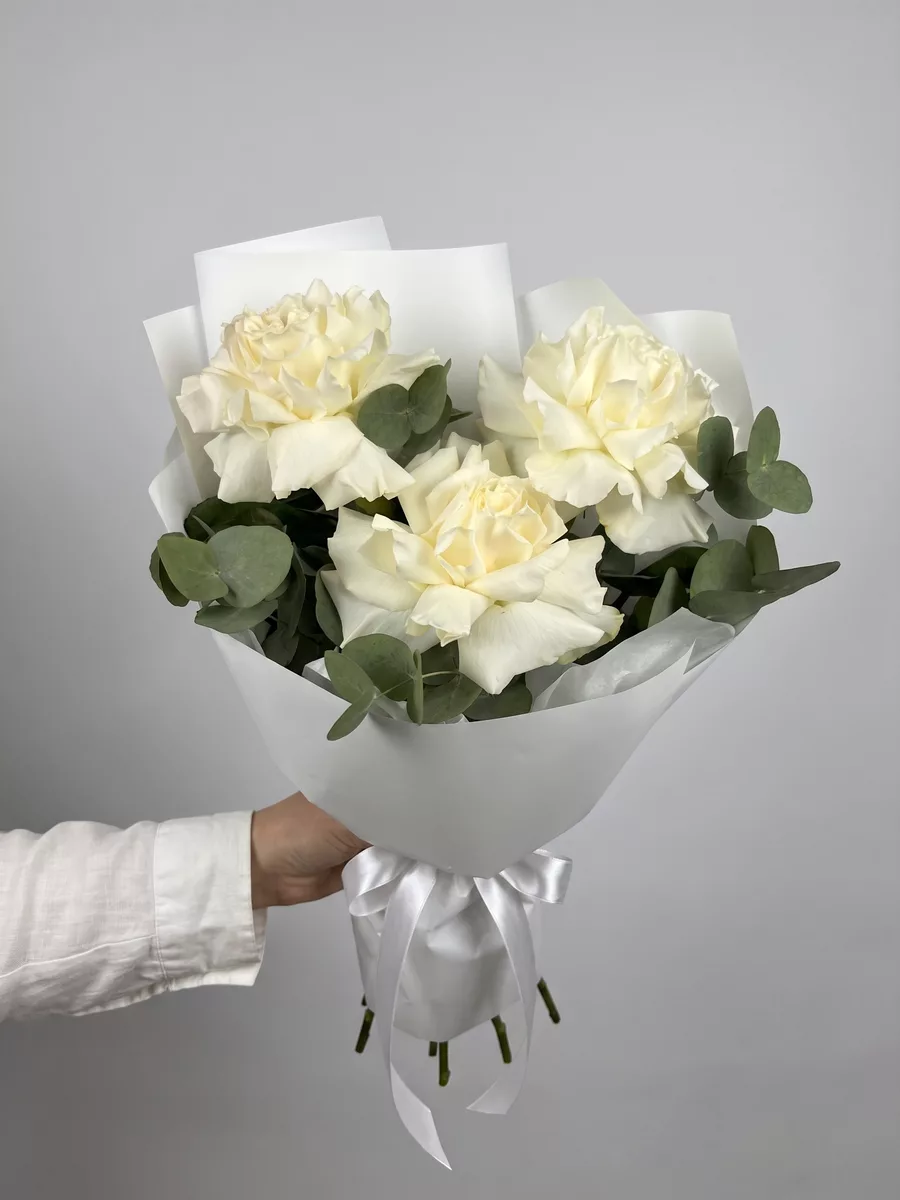
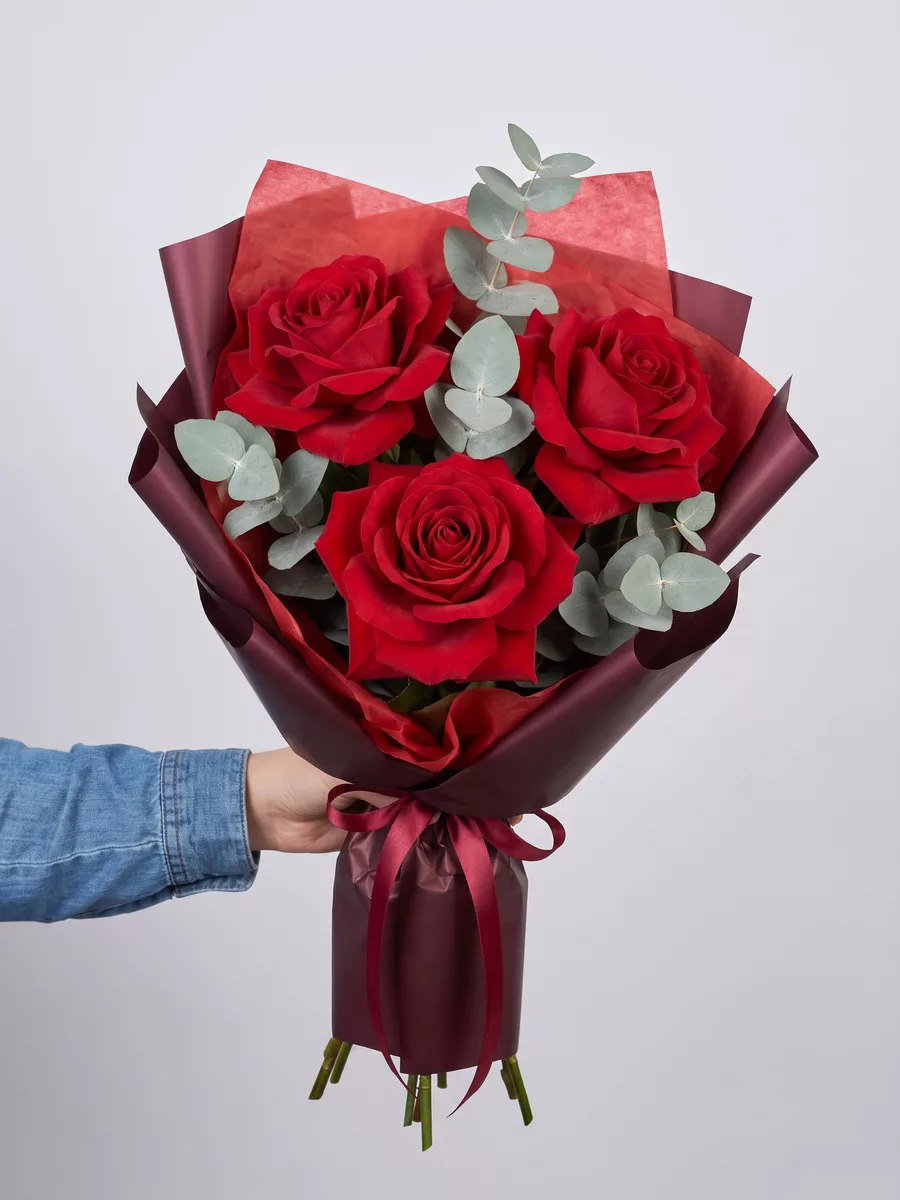
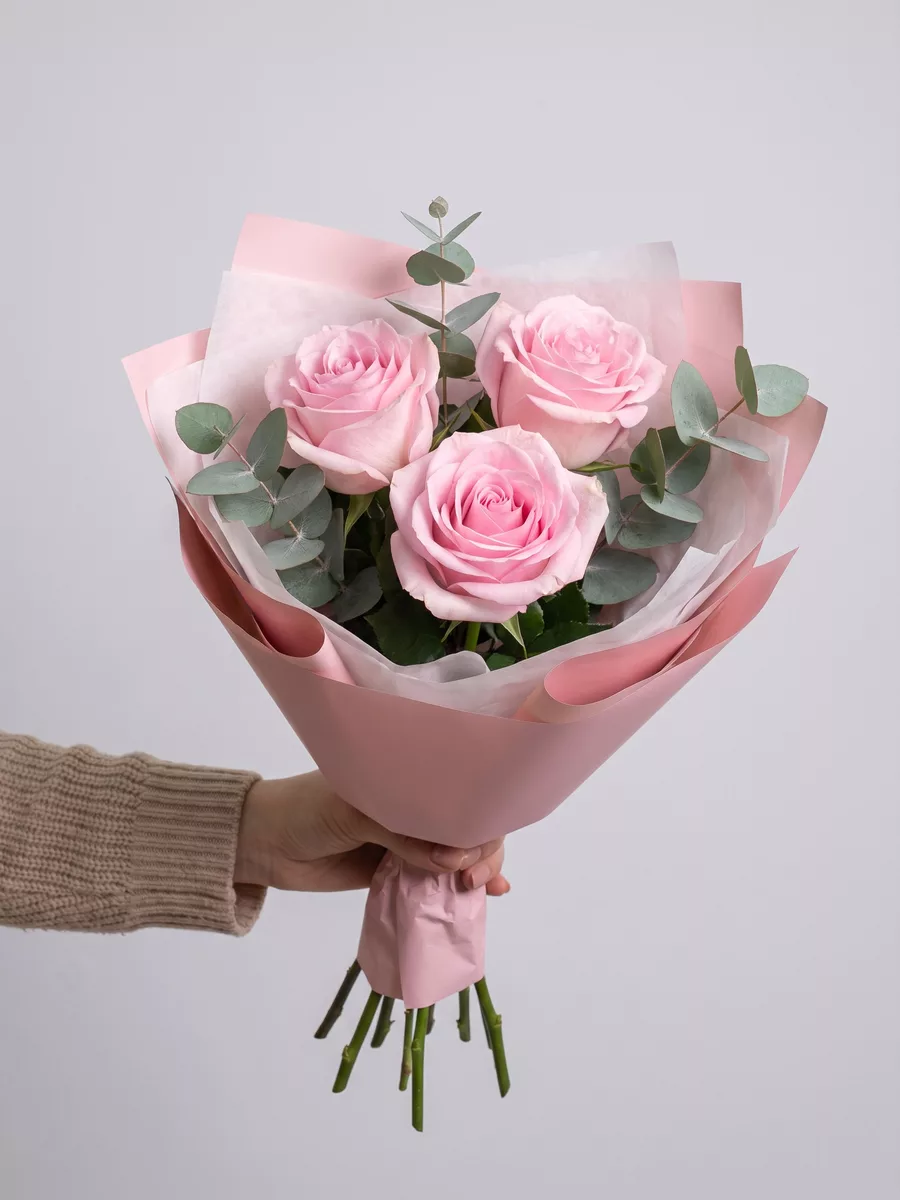
When to Place Your Order Across Time Zones
Slobodskoy follows Moscow Standard Time, which is UTC plus three. If you are ordering from Western Europe, you are one to two hours behind. From North America's east coast, you are eight hours behind. From the west coast of North America, eleven hours. This gap catches many international senders off guard, and it is the single most common reason a birthday delivery arrives a day late.
The practical rule is simple: place your order the evening before by your local time if you want a morning delivery in Slobodskoy. If the occasion is an afternoon event — a birthday dinner, for example — you have a little more flexibility, but morning is still the safer target. Flowers on a table before a celebration begins feel intentional. Flowers that arrive after the cake has been cut feel like an afterthought, even if the bouquet itself is beautiful.
For significant dates like anniversaries or milestone birthdays, ordering two days in advance is wise. This gives time to confirm the address, clarify any special requests, and avoid any last-minute uncertainty. International bank cards occasionally trigger payment verification steps that add a small delay. Building in that buffer costs you nothing but gives the whole arrangement a much calmer feel from your end. The recipient never needs to know about the logistics — they just need to open the door and feel genuinely surprised and cared for.
Choosing Flowers for the Season and the Person
Seasonal availability in the Kirov region follows Russian growing rhythms closely. In winter and early spring, the most reliably fresh choices are roses, chrysanthemums, alstroemeria, and spray carnations — varieties that travel well and hold their shape in cold conditions. Tulips are popular in February and March, particularly around the eighth of February and International Women's Day on the eighth of March, when demand across Russia peaks sharply.
In late spring and summer, you can consider lisianthus, freesia, and seasonal dahlias alongside the year-round staples. Sunflowers become available and are genuinely loved in Russian homes during the warmer months. Peonies have a short but passionate season in late May and June — if the timing aligns, they are an extraordinary choice for a romantic occasion or a significant birthday.
Now think about the person. A woman in her sixties who keeps a tidy home probably loves classic roses in cream or soft pink, arranged with eucalyptus and tied with a ribbon. A younger woman might respond more to something textural and less formal — a mixed bouquet with ranunculus, wax flower, and a few stems of veronica. A man receiving flowers — which is entirely normal in Russia for birthdays and professional milestones — often appreciates something bold and unfussy: sunflowers, large-headed chrysanthemums, or a simple arrangement of calla lilies. Match the flowers to the person first, the season second, and the occasion third.
Russian Flower Customs an International Sender Should Know
If you are not familiar with Russian gifting customs around flowers, a few details will help you avoid unintended signals. The most widely observed rule is that bouquets should contain an odd number of stems. Even numbers are traditionally associated with mourning and funerals, so a bouquet of twelve roses, however generous it sounds, will register as wrong to most Russian recipients. Eleven, fifteen, or twenty-one stems are all perfectly appropriate and feel abundant without the wrong association.
Yellow flowers carry complicated symbolism in parts of Russia. Some people associate them with separation or bad luck in relationships, while others — particularly younger generations in cities — have moved away from this belief entirely. If you are unsure about your recipient's sensibilities, choosing white, pink, red, or mixed-colour arrangements is always safe. When in doubt, ask when you place the order.
Writing a card message is standard and appreciated. In Russia, a handwritten or printed card accompanying the bouquet is not an extra — it is expected. Keep the message warm and direct. Russian culture values sincerity over elaborate poetic language, so a simple, genuine sentence or two lands better than a long formal paragraph. If you want to write in Russian but are not confident in the language, writing in English is completely fine — the sentiment comes through clearly, and many recipients find it charming rather than foreign.
What Happens During Cold Weather Delivery
Delivering flowers in Kirov region winters requires specific handling that not every sender thinks to ask about. When temperatures outside drop below minus ten Celsius, flowers must be wrapped in insulating material — not just decorative paper — and the time between the vehicle and the recipient's door needs to be kept as short as possible. Exposed petals can show frost damage within minutes in severe cold, and that damage is permanent. A rose that freezes even briefly will develop translucent, water-soaked patches on its petals that turn brown as it thaws.
This is why specifying a precise delivery window matters more in winter than in summer. A bouquet sitting in an unheated entryway for twenty minutes while the recipient is out can arrive looking tired even if it was perfect when it left. When you place your order, confirm that the recipient will be home, or give a neighbour's name as a backup contact. This single step prevents the most common cold-weather disappointment.
Once the bouquet is inside and the recipient unwraps it, they should let it rest at room temperature for about fifteen minutes before cutting the stems and placing it in water. Putting cold-stressed flowers directly into warm water can cause stem shock. Room temperature water, a clean vase, and a location away from radiators and drafts will give the arrangement the best possible start. Most fresh roses and chrysanthemums will last seven to ten days under these conditions in a cool Russian apartment.
Presentation, Wrapping, and What Makes a Bouquet Feel Special
The wrapping of a bouquet is part of the gift, and in Russia this is understood instinctively. A bouquet handed over in plain cellophane feels unfinished. The presentation — the colour of the wrapping paper, the texture of the ribbon, the way the stems are gathered — communicates effort and care before the flowers themselves are even seen. When you order from abroad, you cannot physically wrap the bouquet yourself, so it matters that you choose a florist who takes this seriously.
For a romantic occasion, deep burgundy or matte black wrapping with a satin ribbon creates a striking, grown-up feel. For a birthday, soft kraft paper with a contrasting ribbon in a bright colour feels celebratory without being childish. For a new baby or a young person's graduation, pastel wrapping with something textural — dried cotton stems, a sprig of eucalyptus tucked at the edge — adds dimension without overwhelming the flowers.
Combinations matter as much as individual varieties. A single-variety bouquet of fifteen garden roses in blush pink is elegant and confident. A mixed bouquet built around spray roses, alstroemeria, and wax flower with a few stems of ruscus for structure gives a lush, garden-gathered feeling that many recipients find more personal. Neither is better in absolute terms — the right choice depends on the person. If you describe the recipient when you order, a good florist will make the combination work for them specifically, not just for the occasion in general.
How to Place the Order Smoothly from Another Country
International orders have a small number of predictable friction points, and knowing them in advance makes the process straightforward. Address format is the first one. Russian addresses follow a specific order: city, street, building number, apartment number. If you are copying an address a Russian friend or family member sent you, it may be written in Russian characters. Having a transliterated version — written in Latin letters phonetically — ready when you place the order avoids any ambiguity.
Phone numbers are the second point. Provide the recipient's Russian mobile number in full international format, beginning with plus seven. This is the number the delivery person will use if they cannot locate the entrance or if the intercom does not work. A missing or incorrect phone number is the most common reason a delivery attempt fails on the first try, and in a city like Slobodskoy where building layouts can be less standardised than in large metros, this contact step is genuinely important.
Payment from abroad usually works smoothly with major international cards, but if your card is issued in a country with strong fraud filters, have an alternative method ready. Some senders use PayPal or other transfer services as a backup. Finally, double-check the delivery date in Moscow time, not your local time, before you confirm. Read the confirmation email carefully — it will show the scheduled delivery window in Moscow time, and converting that to your local time takes thirty seconds but prevents real confusion. Once those details are confirmed, the rest is simply waiting for the message that says the flowers have arrived.
Sending flowers to Slobodskoy from another country is not complicated once you understand the time zone, the seasonal context, and the small cultural details that make a bouquet feel right rather than just adequate. The distance between you and the person you are thinking of does not have to show in the gift. A carefully chosen bouquet, wrapped with attention, delivered on time to someone who opens their door and genuinely feels surprised — that is what you are creating. The logistics are ours to handle. The thought behind it is entirely yours.
Frequently asked questions
Can I order flowers for Slobodskoy if I do not speak Russian?
Yes, entirely. The order process at turboflora.com works in a way that international senders can navigate without Russian. Providing the recipient's address in transliterated Latin letters and their phone number in plus-seven format is enough. A card message in English is warmly received by most recipients in Russia and carries the sentiment clearly.
How far in advance should I order for a birthday in Slobodskoy?
One day in advance is the minimum for a comfortable delivery. Two days ahead is better if the birthday falls on a major Russian holiday or around the eighth of March, when flower demand across the country rises sharply. Factor in your local time zone relative to Moscow Standard Time — UTC plus three — so the order lands in the right delivery window.
Are there flower varieties I should avoid sending to Russia?
Yellow flowers can carry associations with separation for some recipients, particularly older generations. Even-numbered bouquets are traditionally linked to mourning and should be avoided. Beyond those two points, most popular varieties — roses, tulips, chrysanthemums, lisianthus — are universally appreciated. When in doubt, describe the recipient and let the florist guide the selection.
What happens if the recipient is not home when the bouquet arrives?
The delivery person will call the recipient's Russian mobile number before and during the delivery attempt. If there is no answer, a trusted neighbour's contact given in the order notes is the best backup. Leaving flowers unattended at a door in winter is not a good option in Slobodskoy, as cold temperatures can damage the bouquet within minutes.
How long will the flowers last after delivery in Slobodskoy?
Roses and chrysanthemums typically last seven to ten days in a cool apartment with fresh water and trimmed stems. Tulips are shorter-lived at five to seven days but can be extended by keeping the water cold. Alstroemeria is one of the longest-lasting choices at ten to fourteen days. Keeping the vase away from radiators and direct sunlight makes a significant difference in any season.
Ready to send flowers?
Pick the city, choose the bouquet, and a local florist takes it from there.
Choose a city →