Sending Flowers to Slyudyanka from Abroad? Read This First
Slyudyanka sits right on the southern shore of Lake Baikal, a small town with a big sense of occasion — and when someone you love lives there, distance should not shrink the gesture. Ordering flowers from Europe, North America or anywhere else outside Russia is more straightforward than it sounds, but there are a handful of things worth knowing before you choose a bouquet and press send.
Why Slyudyanka Is Different from a Big Russian City
Most people think of Moscow or Saint Petersburg when they imagine flower delivery in Russia, and those cities do set a certain standard. Slyudyanka is a different proposition. It is a compact town in the Irkutsk region, perched at roughly 460 metres above sea level on the Baikal shore, and its climate is sharper and more continental than anything you experience in western Russia. Winters are long and genuinely cold, summers are short but surprisingly warm, and spring arrives later than the calendar suggests.
This matters for flowers because the journey from a Saint Petersburg cold room to a doorstep in Slyudyanka covers a significant distance and passes through temperature swings that can stress cut stems. A bouquet that travels well in mild October weather may need different conditioning in February, when outdoor temperatures in the Irkutsk region can drop well below minus twenty Celsius.
The town itself has a close-knit feel. Occasions matter here — a birthday, a graduation, a name day — and an unexpected bouquet arriving at the door carries real weight. Recipients in smaller Russian towns are often more moved by a thoughtful delivery than those in cities where flowers are an everyday sight. That emotional impact is worth planning for, not leaving to chance. Choosing the right arrangement for the right moment, and making sure it arrives in excellent condition, is the whole point of the exercise.
Bouquets we can deliver
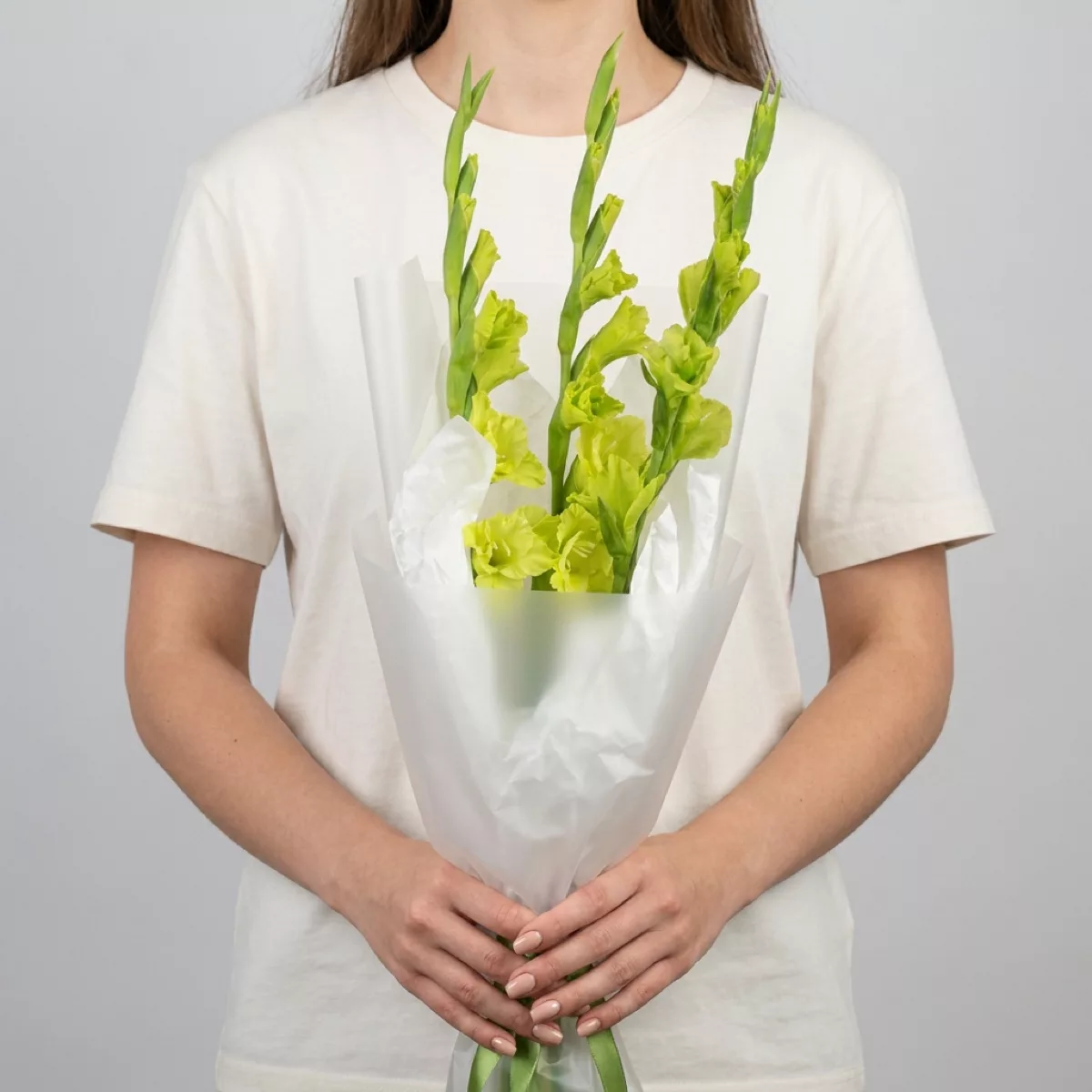
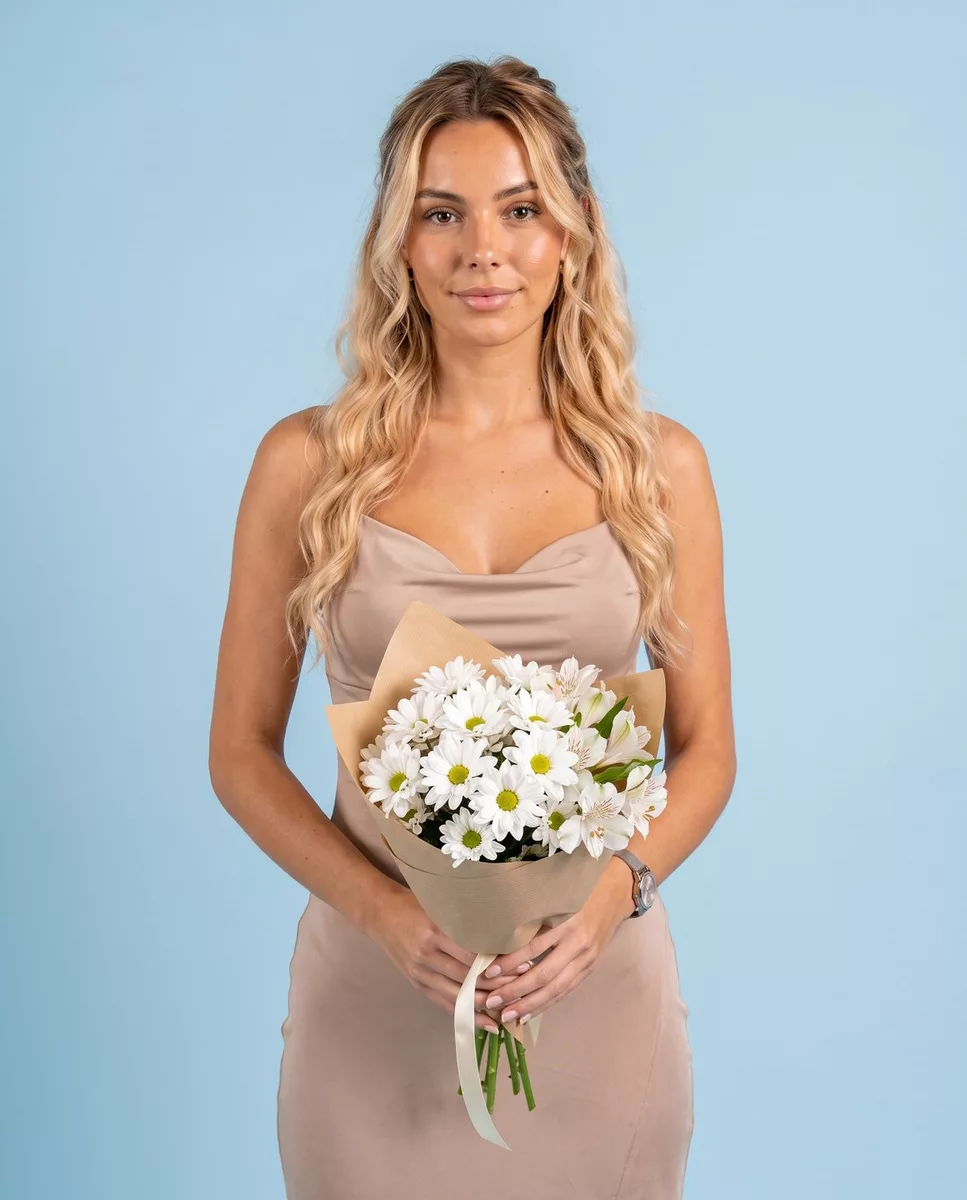
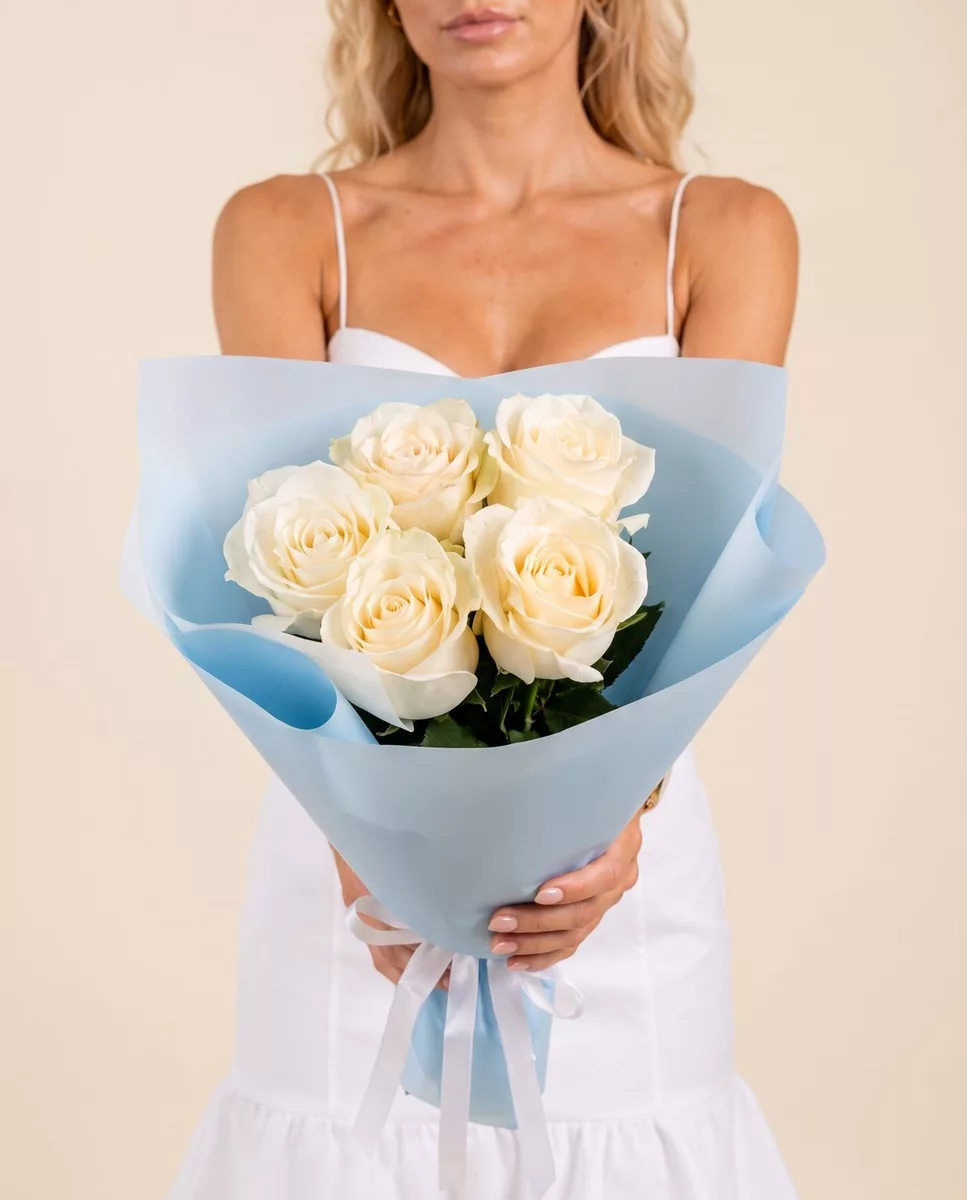
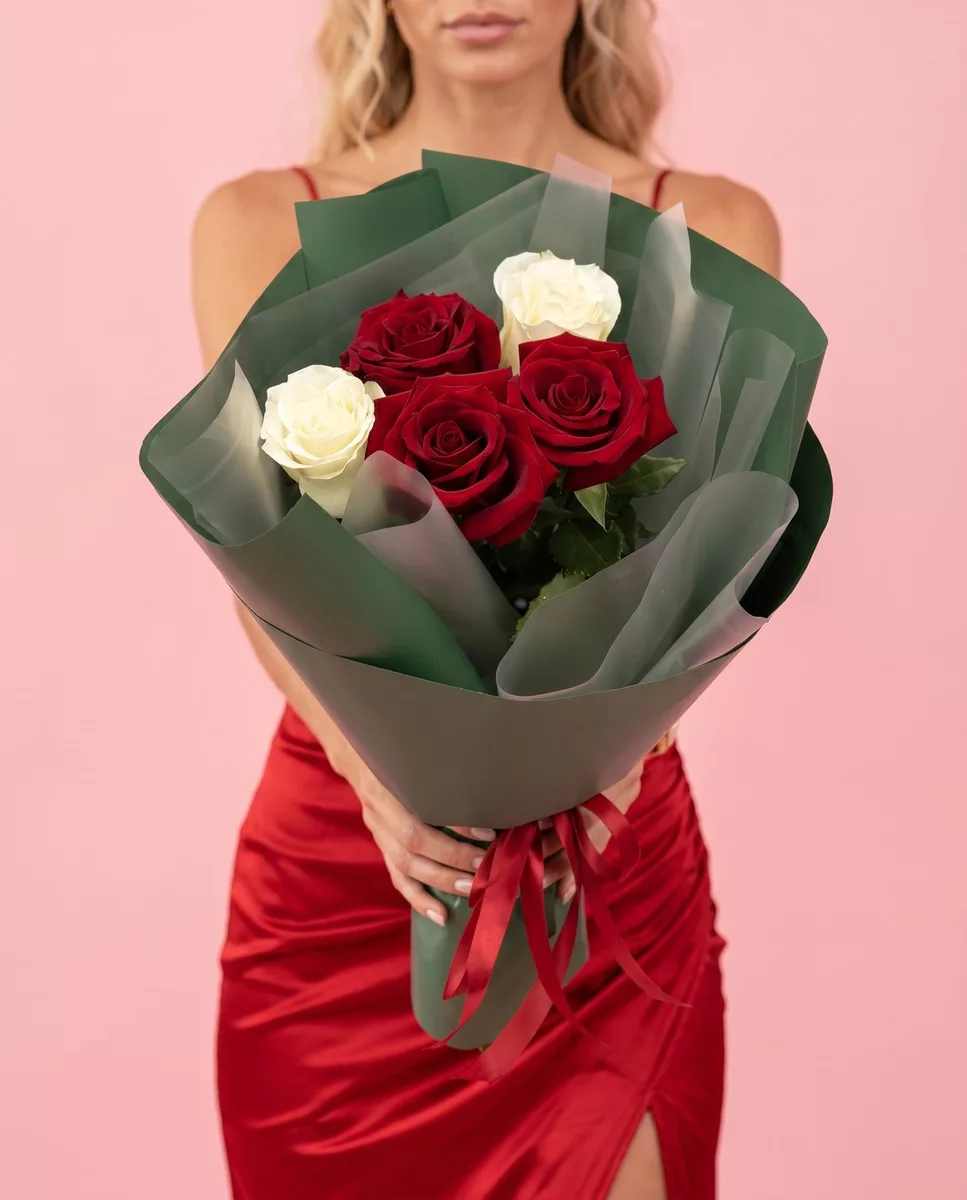
What the Recipient Will Actually Feel When the Bouquet Arrives
Before you think about roses versus peonies, think about the person receiving them. In a town like Slyudyanka, a flower delivery is not an ordinary Tuesday event. It signals that someone abroad was thinking specifically about them, took the time to arrange something real, and wanted that feeling to land at a particular moment. That is a generous thing, and the bouquet needs to carry it.
For a birthday, warmth and abundance read well — full-headed garden roses in blush or coral, lisianthus layered in to add depth, eucalyptus stems giving the whole thing a soft, living scent. For an anniversary, something more considered suits the mood: a monochrome arrangement of white ranunculus or a tight cluster of burgundy spray roses feels intentional rather than generic.
Russian gifting culture places real value on odd numbers of flowers. An even number is traditionally associated with mourning, so bouquets are almost always built around three, five, seven, nine stems or more. If you are ordering from abroad and specifying a stem count, keep this in mind — your recipient will notice, and so will everyone around them. It is not superstition so much as a shared social language, and respecting it shows care.
Presentation also matters. Wrapping in kraft paper with a ribbon, or a structured box arrangement, both read as considered gifts. A loose, unwrapped bunch feels unfinished in this context. The packaging is part of the message, especially when the sender is not there in person to explain the thought behind it.
Choosing Flowers for the Season and the Siberian Climate
Slyudyanka's climate shapes which flowers hold up best on arrival. In winter, from November through March, you want hardy varieties that can withstand cold transit and still open beautifully indoors. Alstroemeria is an excellent choice — it is remarkably resilient, lasts ten to fourteen days in a vase, and comes in a wide range of colours. Chrysanthemums, particularly the large-headed single varieties, also travel well in cold conditions and open steadily over several days.
Spring in Slyudyanka arrives cautiously. By late April and May, tulips become a wonderful option — they are culturally beloved in Russia and signal the end of winter in a way that feels genuinely celebratory. Dutch tulips in mixed pastels or a single bold colour like deep violet make a strong impression. Ranunculus, if available in the cold room, adds a layered, almost peony-like fullness that photographs beautifully and lasts well.
Summer, brief as it is, opens up more options. Garden roses, peonies in June and early July, sunflowers, and dahlias from August onwards all work well. These are the months when a large, generous bouquet feels most natural and most in tune with the season.
Autumn calls for richness — terracotta and rust tones in spray roses, hypericum berries adding texture, solidago giving a warm golden accent. Avoid tropical varieties like anthuriums or bird of paradise in winter transit — they are cold-sensitive and can blacken at temperatures below ten Celsius, arriving in poor condition despite the best intentions.
Timing the Order When You Are Several Time Zones Away
Slyudyanka operates on Irkutsk Time, which is UTC plus eight. If you are ordering from Western Europe, you are five to six hours behind. From the east coast of the United States, the gap is eleven hours. From the west coast, fourteen. This is not a detail to overlook, because it determines whether your order reaches the florist in time to prepare and dispatch for same-day delivery.
A general working rule: place your order at least twenty-four hours before the moment you want the flowers to arrive. If the occasion is a morning birthday, order the previous day by early afternoon your local time. If you are ordering from a time zone that puts you far behind Irkutsk, plan for a day and a half of lead time to be safe.
Public holidays in Russia can affect delivery windows. Russia observes New Year from the first to the eighth of January — this is the country's biggest holiday period, when businesses slow and logistics become less predictable. International Women's Day on the eighth of March is the single busiest flower day in Russia, comparable to Valentine's Day in Western countries but considerably more culturally significant. Order well in advance for that date — a week ahead if possible.
When you fill in the delivery details, write the recipient's address in Russian if you can, or provide it in Latin transliteration and include a phone number. Russian couriers will call ahead before arriving, which is standard practice. A recipient who knows to expect a call will not miss the delivery.
Navigating the Order Process from Outside Russia
Ordering flowers internationally does not require you to speak Russian or have a Russian bank account. A straightforward online order form, an international payment card, and a clear delivery address are all you need. However, a few practical points will make the process smoother and reduce the chance of any confusion.
Address formatting in Russia follows a specific order: country, region, city, street, building number, apartment number. For Slyudyanka, the region is Irkutskaya Oblast. Including the postal code — Slyudyanka's is 665900 — helps routing. If the recipient lives in an apartment building, include the floor and apartment number, and note whether there is an intercom code. Russian apartment buildings commonly have a keypad entry, and a courier without the code cannot reach the door.
The message card is worth thinking about carefully. If you write in English, the florist will include it as written, but your recipient may not read English. Consider writing your message in Russian, or ask someone to translate it for you — even a simple phrase in the recipient's language lands with more warmth than a note they have to translate on their phone.
Payment from abroad is handled in the currency of the order platform. Keep a note of the confirmation email and order number. If you need to make any changes — a different delivery time, an updated phone number — contact the florist directly and as early as possible. Changes to same-day orders are difficult to accommodate once preparation has begun.
Combinations and Presentation That Work Well as Gifts
A single variety in a large quantity — say, twenty-five white roses — is a classic Russian gift format and always reads as generous and intentional. But mixed bouquets have grown steadily more popular, and a well-composed arrangement of complementary varieties often feels more personal than a single-flower bunch.
For a woman receiving flowers on a birthday or Women's Day, consider a combination of garden roses as the focal flower, with lisianthus or matthiola adding a soft, fragrant layer, and pittosporum or ruscus as green structure. This kind of arrangement has depth and movement — it looks considered, not assembled.
For a couple celebrating an anniversary, a tight, rounded bouquet of one colour family — all blush pinks, or all whites with silver brunia — feels sophisticated and deliberate. Adding a few stems of wax flower gives a delicate texture without competing with the main bloom.
Box arrangements have become genuinely popular in Russia over the past several years. A low, hatbox-style presentation filled with roses or a mix of roses and smaller accent flowers travels well, photographs beautifully, and sits as a centrepiece without needing a vase. This is a useful format for a recipient who may not have a large vase at home or who lives alone and finds a tall bouquet unwieldy.
If you want to add something alongside the flowers — a box of chocolates or a small plush toy — confirm this is available when ordering. Not every delivery includes add-ons, and it is better to know in advance than to assume.
Keeping the Flowers Fresh After They Arrive
Your recipient in Slyudyanka will get more from the bouquet if they know a few simple care steps. Since you are the one who ordered, it is a kind gesture to include these in your message or in a follow-up message after delivery.
The first thing to do after unwrapping is to cut the stems at an angle — about two centimetres from the base — using a sharp knife rather than scissors. Scissors crush the stem tissue and reduce water uptake. The cut should be made under running water or immediately before placing the stems in water, to prevent air entering the cut end.
Fill the vase with cool, clean water. In winter, when indoor heating in Siberian homes runs high, rooms can be very dry and warm, which shortens vase life. Keeping the bouquet away from radiators and direct sunlight helps significantly. Changing the water every two days and re-cutting the stems each time extends the life of most arrangements by several days.
Alstroemeria and chrysanthemums will typically last ten to fourteen days with basic care. Roses, depending on the variety and how open they were on arrival, usually give seven to ten days. Tulips last five to seven days but are best kept in a cool spot — a windowsill away from the radiator works well in a Siberian winter.
If the bouquet includes a sachet of flower food, dissolving it in the vase water as directed genuinely helps — it is not just packaging. It provides a mild antibacterial agent and a small amount of sugar that keeps stems feeding after the cut. Encourage your recipient to use it.
Sending flowers to Slyudyanka from abroad is a genuinely meaningful gesture — the distance makes it more so, not less. With a little attention to timing, variety choice and the small details of Russian gifting culture, what arrives at that doorstep on Lake Baikal will feel exactly as warm and considered as you intended it to be. The flowers do the rest.
Frequently asked questions
Does the cold around Lake Baikal mean my bouquet will arrive damaged in winter?
It is a real risk if you use a supplier without local Irkutsk region logistics. Choose a florist who stores stems locally in Slyudyanka or dispatches from Irkutsk rather than routing from Moscow. Winter bouquets should favour hardy stems like chrysanthemums, alstroemeria or spray roses rather than tropical flowers that bruise quickly in the cold.
Is a name day or a birthday the more important occasion to send flowers in Slyudyanka?
In smaller Russian towns both carry genuine weight, but name days are often underestimated by senders abroad. If you know the recipient's name day date, a bouquet arriving that morning will feel more considered than a birthday delivery, simply because fewer people outside Russia think to mark it at all.
What bouquet size actually makes sense for a compact town like Slyudyanka?
A mid-sized, well-composed arrangement lands better than an overwhelming grand bouquet. In a close-knit town a delivery is noticed by neighbours and family, so presentation matters enormously. Eleven stems arranged with seasonal foliage reads as generous and thoughtful without feeling excessive or difficult to display in a smaller home.
How do I confirm the florist genuinely delivers to Slyudyanka and not just to Irkutsk?
Ask directly before paying. Request confirmation that a local courier covers the Slyudyanka address specifically, not just the wider Irkutsk region. A reliable supplier will give you a delivery window and a contact number. If the answer is vague or they suggest the recipient collect from Irkutsk, look elsewhere.
Are there flowers I should avoid sending because of how they read culturally in Russia?
Yellow flowers carry associations with separation or infidelity in Russian tradition, so avoid all-yellow bouquets for romantic occasions. A single yellow bloom within a mixed arrangement is generally fine. Chrysanthemums are sometimes linked to funerals in parts of Europe but are widely given for celebrations in Russia, so they are a safe and seasonal choice here.
Ready to send flowers?
Pick the city, choose the bouquet, and a local florist takes it from there.
Choose a city →