Sending Flowers to Sobinka from Abroad? Here Is What Actually Matters
You are somewhere far from Russia — maybe in Berlin, Dubai, or Toronto — and someone you care about is in Sobinka, a quiet town in Vladimir Oblast, about 30 kilometres east of Vladimir city. You want to send flowers that arrive fresh, feel personal, and reach them on time. The distance makes it feel complicated, but with the right information it is genuinely straightforward. This article walks you through everything a sender outside Russia needs to know, from choosing the right bouquet for the occasion to understanding what happens on the day of delivery.
Why Sobinka Is Not as Remote as It Sounds
Sobinka sits in one of Russia's historically rich regions, surrounded by the Vladimir countryside. It is a small industrial town with a population of around 15,000 people, which means it does not have the density of a major city — but it is absolutely reachable for same-day flower delivery. Turboflora operates from Saint Petersburg and delivers across Russia, including towns like Sobinka, within one to two hours of order confirmation.
For a sender abroad, the key thing to understand is that the town's size actually works in your favour in one sense: the recipient is unlikely to be far from the delivery address you provide. Streets are manageable, and couriers navigate them efficiently. What matters most is that you have a precise address — building number, apartment number if applicable, and a working Russian mobile number for the recipient.
Do not assume that a small town means limited flower choice. Turboflora sources and prepares bouquets centrally and dispatches them to reach recipients across the country in peak condition. Roses, spray chrysanthemums, alstroemeria, lisianthus, and seasonal tulips or peonies are all available depending on the time of year. The selection is not stripped down for smaller cities — the same care goes into every arrangement regardless of destination.
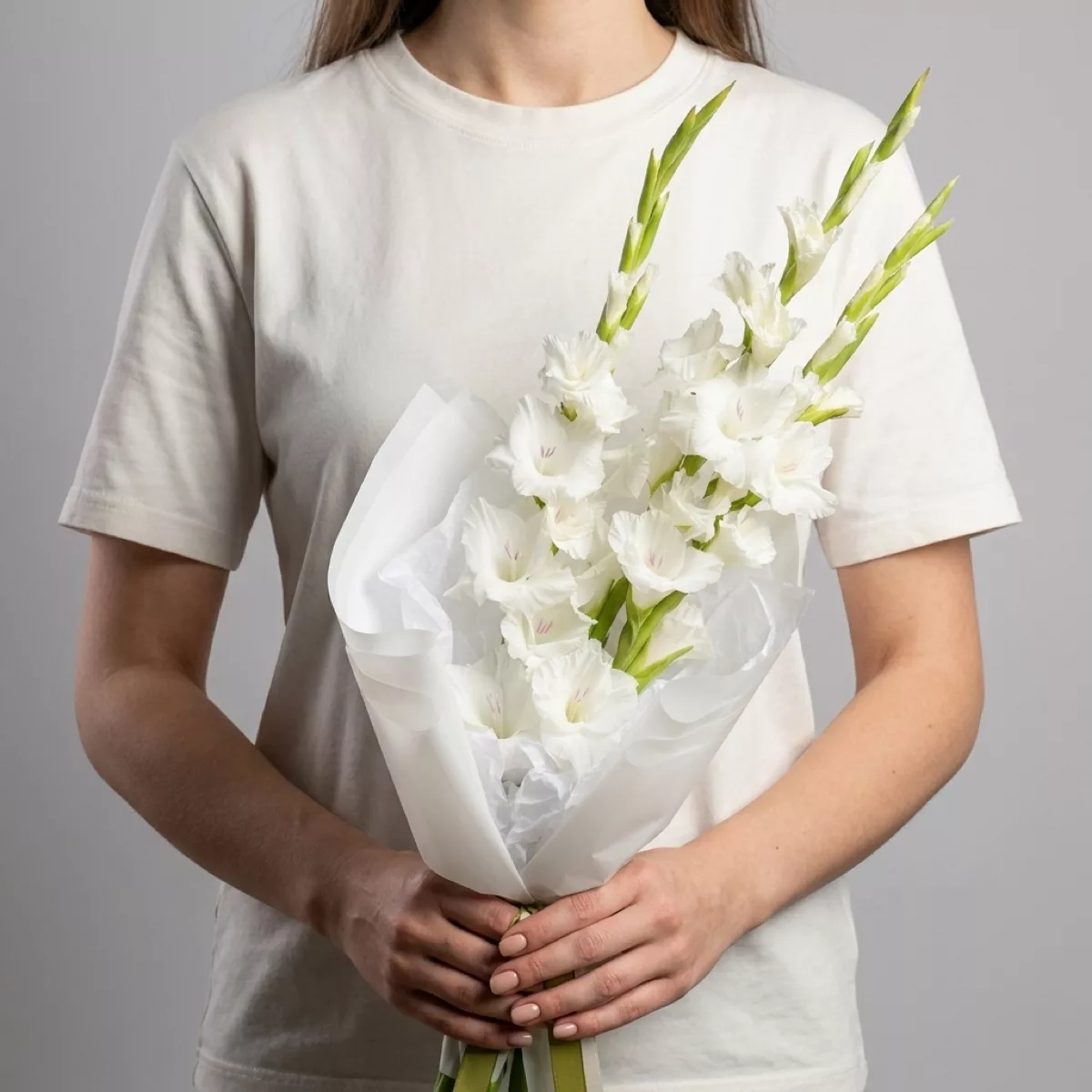
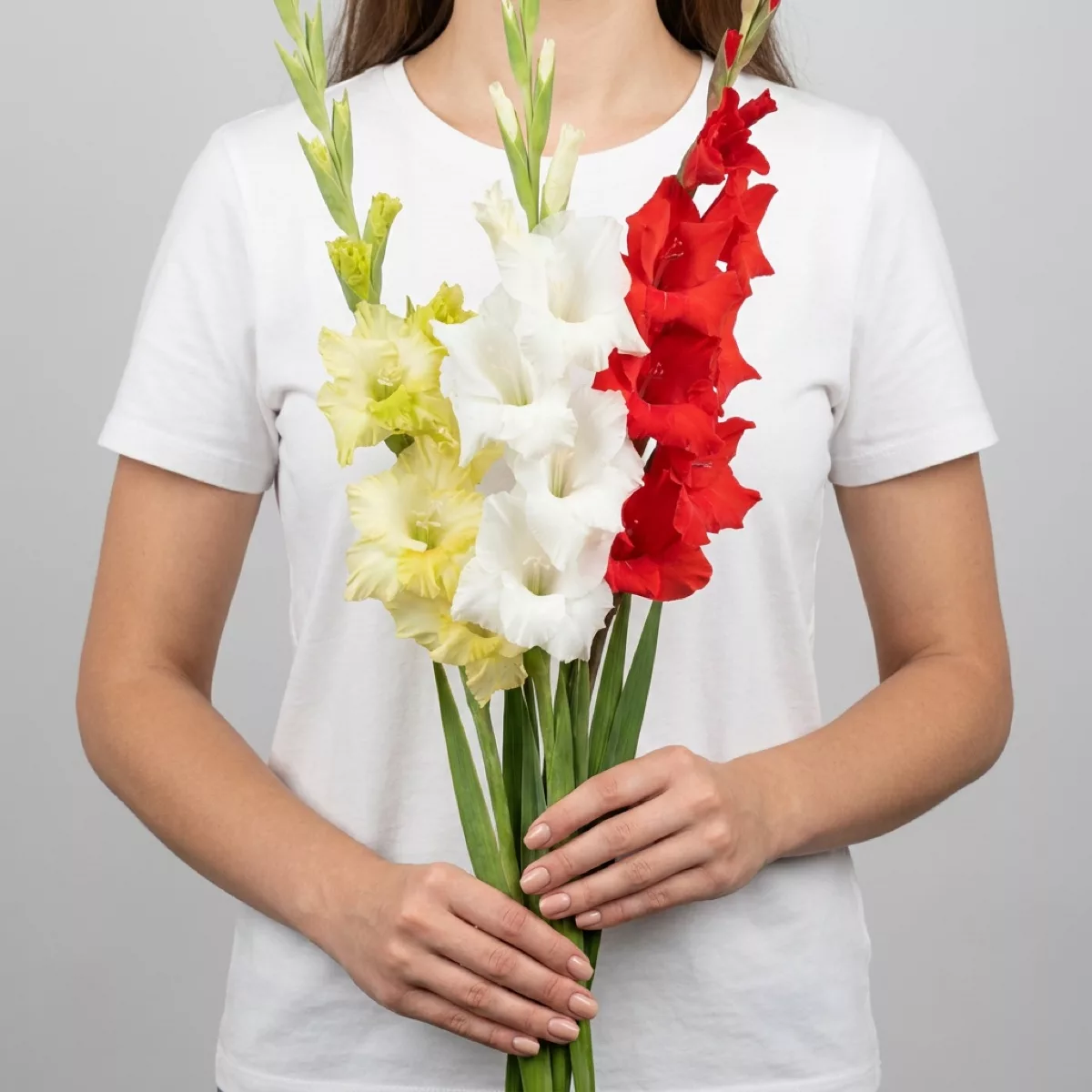
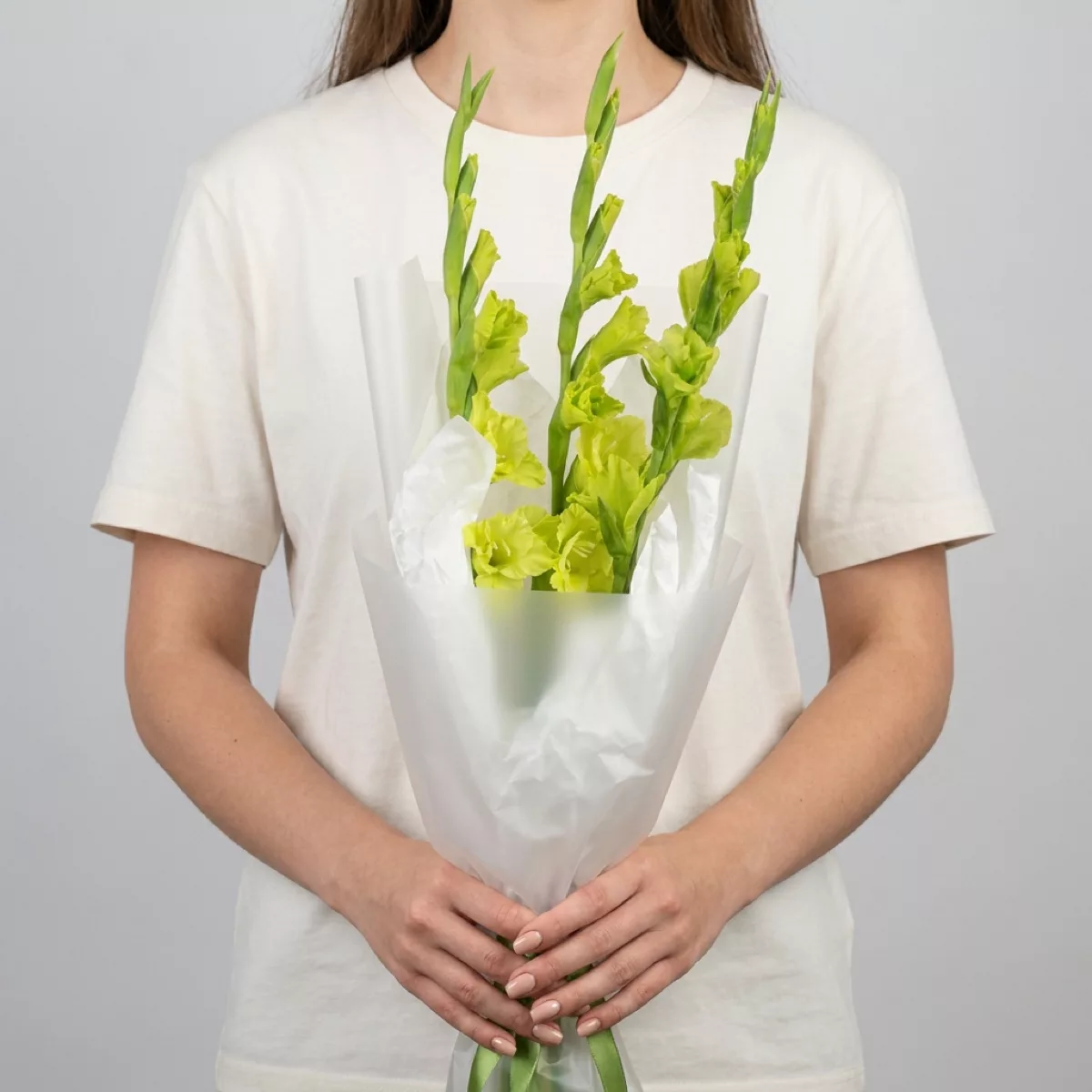
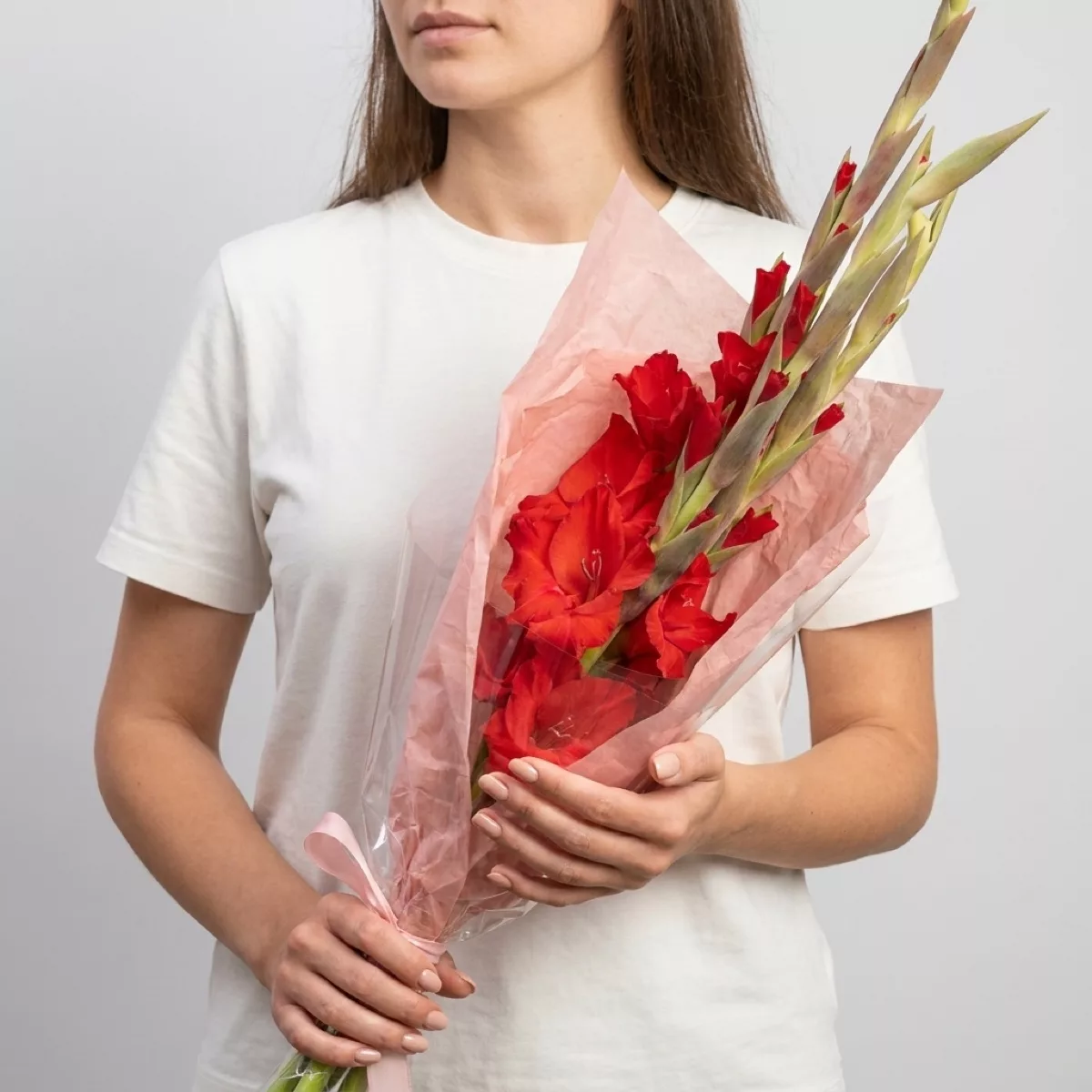
Bouquets we can deliver
Reading the Occasion Before You Choose a Single Stem
Before you think about colours or flower types, think about the person receiving the bouquet and what this moment means to them. A birthday for a woman in her sixties calls for something different from a congratulations bouquet for a young colleague's promotion, even if both involve roses. Russian flower culture places strong emphasis on the emotional weight of a gift, so the bouquet should feel chosen, not generic.
For romantic occasions — anniversaries, Valentine's Day, a spontaneous gesture — red or deep pink roses remain the classic choice and carry the same meaning in Russia as they do across Europe. An odd number of stems is the traditional Russian standard for gifts to the living, so a bouquet of 11, 15, or 25 roses reads as intentional and culturally correct. Senders from abroad sometimes order 12, which is perfectly accepted today in most contexts, but if you want to honour local custom, odd numbers are the safer and more traditional choice.
For birthdays, a mixed bouquet with lisianthus, ranunculus, or garden roses in soft tones — blush, peach, cream, or lilac — feels celebratory without being overwhelming. For a new baby, white and pale yellow combinations work beautifully. Think about what the recipient loves, what their home looks like, and what the moment calls for emotionally. That instinct will guide you better than any colour rule.
Seasonal Flowers and What Arrives in Best Condition
Sending flowers across Russia means thinking about the season, because it affects both availability and how flowers travel. Vladimir Oblast has a continental climate with cold winters and warm summers. In January and February, temperatures in Sobinka regularly drop below minus ten degrees Celsius, which means any bouquet needs to be packaged with insulating wrap to protect petals during the final delivery leg.
In winter months, roses, chrysanthemums, and alstroemeria are the most reliable choices because they handle temperature stress better than delicate blooms like garden roses or sweet peas. Tulips are widely available from December onward and are enormously popular in Russia around International Women's Day on the 8th of March — if you are ordering around that date, place your order at least a day in advance because demand is exceptionally high.
Spring and early summer bring peonies, which are beloved across Russia and make a spectacular statement bouquet. They are available roughly from May through June. Summer orders can include sunflowers, which are cheerful and long-lasting, and dahlias later in the season. Autumn is the season for chrysanthemums in every form — spray, single-headed, and button varieties — as well as eustoma and solidago for texture.
Whatever the season, freshness is determined by how recently the flowers were conditioned and how quickly they reach the recipient. A bouquet that travels one to two hours in proper packaging will arrive in far better condition than one that sits in transit for a full day.
Navigating the Order Process from a Foreign Time Zone
The most practical challenge for a sender abroad is time zones. Sobinka operates on Moscow Time, which is UTC plus three, with no daylight saving adjustment. If you are in London, that is three hours ahead of you in winter and two in summer. From New York, Moscow Time is eight hours ahead in winter. This matters because you want your order to land during business hours and allow time for same-day preparation and dispatch.
When you place an order on turboflora.com, you select a delivery time window. The site operates in Russian, but the ordering process is navigable with a browser translation tool. The key fields are the recipient's full name, their mobile phone number in Russian format (starting with +7), and the full delivery address including postal code if you have it. The courier will typically call ahead to confirm the recipient is available, so an active phone number is essential.
For senders who are not confident navigating a Russian-language site, the most common approach is to use the contact options to communicate the order details directly. Be clear about the occasion, your budget range, and any preferences — a working florist will make a recommendation that fits.
One important note: if you want to include a card message in Russian, you can write it in English and request a translation, or simply write it in English — many recipients in Russia, particularly younger adults, read English comfortably. A handwritten-style card in Russian does feel more personal if the recipient is older.
What Russian Flower Etiquette Looks Like in Practice
If you are sending flowers to Russia for the first time, a few customs are worth knowing so your gift lands exactly as intended. The odd-number rule for stems is the most widely known: flowers in even numbers are traditionally associated with loss and are brought to graves, not given as gifts. This is taken seriously across generations, so a bouquet of 11 roses rather than 10 is a meaningful detail.
Colour also carries some cultural weight. Yellow flowers have historically been associated with separation or bad luck in Russian tradition, though this is less strictly observed among younger people in cities. If you are unsure of the recipient's age or background, playing it safe with warm pinks, whites, reds, or purples avoids any unintended signal. That said, yellow sunflowers are cheerful and widely loved — context matters more than rigid rules.
Wrapping and presentation are taken seriously in Russian flower culture. A beautifully wrapped bouquet — with quality paper, ribbon, and a neat card — signals that care went into the gift. Turboflora's presentation standard is already high, but if you have a specific colour of wrapping in mind to match a theme or the recipient's taste, it is worth mentioning when you order.
Finally, flowers are almost always given directly to the person, not left at a door. The courier will coordinate with the recipient to hand the bouquet over in person, which makes the moment feel like a genuine delivery rather than a parcel drop.
Helping the Recipient Keep Their Flowers Fresh
A beautiful bouquet deserves a long vase life, and that depends almost entirely on what the recipient does in the first hour after receiving it. As the sender, you can include care instructions on the card — a small gesture that makes the gift last noticeably longer.
The first step is recutting the stems at an angle, about two centimetres from the base, immediately before placing them in water. This is best done under running water or while the stems are submerged, which prevents air from entering the stem and blocking water uptake. A sharp knife is better than scissors, which can crush the stem tissue.
Water temperature matters depending on the flower. Roses and most cut flowers do best in cool to room-temperature water, changed every two days. Tulips prefer cold water and should be kept away from direct sunlight and heat sources, as they are sensitive to warmth and will open very quickly in a warm room. Lisianthus and alstroemeria are among the longest-lasting cut flowers and can hold well for ten days to two weeks with basic care.
Remove any leaves that fall below the waterline, as they rot quickly and cloud the water with bacteria. A small amount of flower food, if included with the bouquet, should be dissolved in the water as directed. Keep the arrangement away from fruit bowls — ripening fruit releases ethylene gas, which accelerates petal drop significantly. In a cool room away from direct sun, a well-conditioned bouquet from Turboflora should look beautiful for five to seven days minimum.
Making the Moment Feel Personal from Thousands of Kilometres Away
Distance does not have to make a gift feel impersonal. The details you add around the bouquet are what transform a flower delivery into a genuine gesture. Start with the card message — write something specific to the person and the occasion rather than a general phrase. Mention a shared memory, use an inside reference, or simply say in plain language why you wanted to send flowers today. That specificity is what recipients remember.
If you know the recipient's favourite flower, request it. If you know they love a particular colour, say so. A florist who knows that the recipient has a small apartment and prefers compact arrangements, or that they have a large dining table and love dramatic centrepieces, can tailor the bouquet accordingly. These details take thirty seconds to type and make a real difference to the final result.
Timing is another layer of personalisation. Arranging for flowers to arrive in the morning of a birthday, rather than the evening, means the recipient gets to enjoy them all day. For a work-from-home recipient, a midday delivery can feel like a lovely interruption to the routine. For someone who works outside the home, an evening delivery after they return is more practical.
You can also pair the flowers with a digital gesture — a voice message, a video call timed to when the flowers arrive, or a letter sent separately. Flowers open a moment; what you say in that moment is yours to shape. Sending from abroad means you cannot be in the room, but you can absolutely be present in the way the gift feels.
Sending flowers to Sobinka from abroad is less complicated than the distance suggests. What it requires is the right information — a precise address, a working phone number for the recipient, a clear sense of the occasion, and a bouquet chosen with that specific person in mind. Turboflora handles the logistics and the freshness; your job is to make the gift feel like it came from you. That combination of reliable delivery and genuine personal thought is what turns a flower order into something the recipient will remember long after the last petal falls.
Frequently asked questions
Is Sobinka small enough that the courier might have trouble finding the address?
Sobinka is a compact town, which actually makes navigation easier than in a large city. Couriers move through it efficiently. What matters on your end is providing the full street address including building and apartment number, plus a working Russian mobile number for the recipient. With those two details confirmed, finding the address is rarely the problem.
What flowers hold up best if the recipient in Sobinka cannot take the bouquet inside immediately?
Spray chrysanthemums, alstroemeria, and lisianthus tolerate waiting better than open roses or tulips. If there is any chance the recipient will be outside or away from a cool space for a while, choose stems that are sturdy and not yet fully open. Turboflora prepares bouquets to travel, but a tighter, less delicate arrangement gives you more margin.
How do I choose a bouquet that feels appropriate for a Russian woman receiving flowers in a small town rather than a big city?
Lean toward classic over trend-driven. Arrangements built around roses, peonies in season, or soft mixed bouquets read as genuinely generous without feeling showy. Presentation matters more than size. A well-wrapped bouquet in restrained colours — cream, blush, deep red — tends to land better than something theatrical. Think about what she would display in her home rather than what photographs well.
Can I place the order from abroad in the middle of the night Russian time and still get same-day delivery to Sobinka?
Turboflora operates with same-day delivery within one to two hours of order confirmation during working hours. If you are placing an order from a significantly different time zone, check what time it will be in Vladimir Oblast when you submit. Orders placed outside active delivery hours will be processed at the next available window, so for a precise occasion, scheduling ahead removes that uncertainty entirely.
What seasonal flowers are realistically available for delivery to Sobinka throughout the year?
Roses and spray chrysanthemums are available year-round. Tulips are strongest in late winter and spring, peonies appear from late spring into early summer, and sunflowers suit the warmer months. Alstroemeria and lisianthus fill gaps across most seasons. Availability in Sobinka mirrors what Turboflora prepares centrally, so you are not choosing from a reduced regional list — the seasonal calendar applies the same way as for larger cities.
Ready to send flowers?
Pick the city, choose the bouquet, and a local florist takes it from there.
Choose a city →