Sending Flowers to Sol-Iletsk from Abroad? Read This First
Sol-Iletsk sits in the southern Orenburg region, close to the Kazakhstan border, where summers are genuinely hot and winters are long and dry. If you are placing a flower order from Germany, the UAE, the United States or anywhere else outside Russia, the distance feels enormous — but the gesture lands exactly the same way it does anywhere: someone opens a door, sees fresh blooms, and feels remembered. What changes is how you plan it, what you choose, and what you should know before you click confirm.
Why Sol-Iletsk Has Its Own Climate Logic for Flowers
Sol-Iletsk is famous for its salt lakes and a continental climate that swings hard between seasons. In July and August, outdoor temperatures regularly exceed 35 degrees Celsius. In January they can drop to minus 25. Both extremes matter when you are ordering flowers, because blooms travel from a climate-controlled cooler into real weather the moment a courier steps outside.
In summer, roses and tulips are the most vulnerable. A bouquet sitting in a warm car for even fifteen minutes without water starts to wilt noticeably. This is why same-day or one-to-two-hour delivery windows matter more in Sol-Iletsk than in a cooler northern city like Saint Petersburg. Scheduling delivery for the morning, before midday heat peaks, gives flowers a much better chance of arriving crisp.
In winter, the opposite problem applies. Delicate petals — think garden roses with many layers, or open hydrangea heads — can suffer frost damage if exposed to freezing air even briefly. Sturdy varieties like spray carnations, alstroemeria, and chrysanthemums handle cold transport far better. Knowing this before you choose your arrangement means the bouquet your recipient unwraps actually looks the way you imagined it.
The local humidity is also low year-round compared to coastal cities. That means cut flowers dehydrate faster once they are in the home. Choosing a water-rich stem like a lily or a sunflower, and pairing it with good aftercare advice for the recipient, extends vase life significantly. We always include care instructions with every delivery.
Bouquets we can deliver

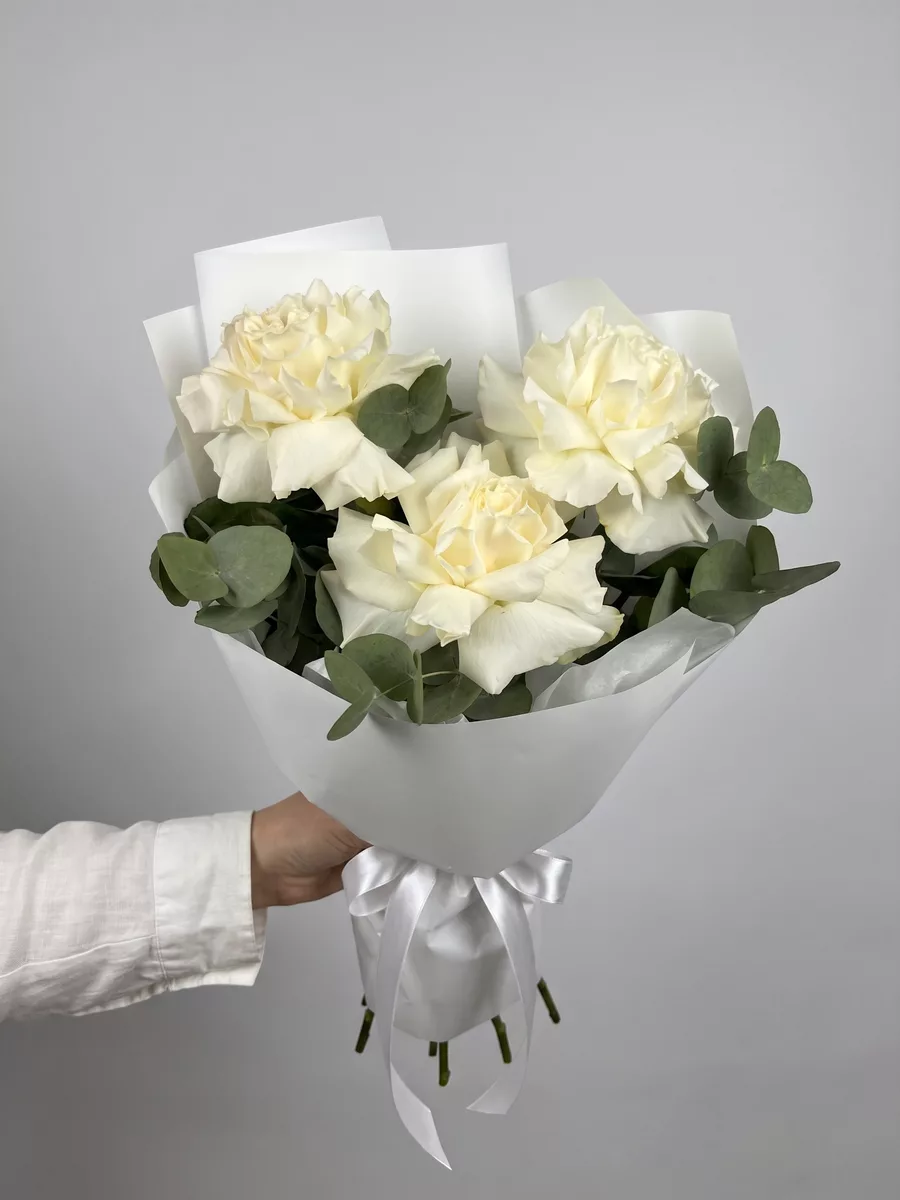
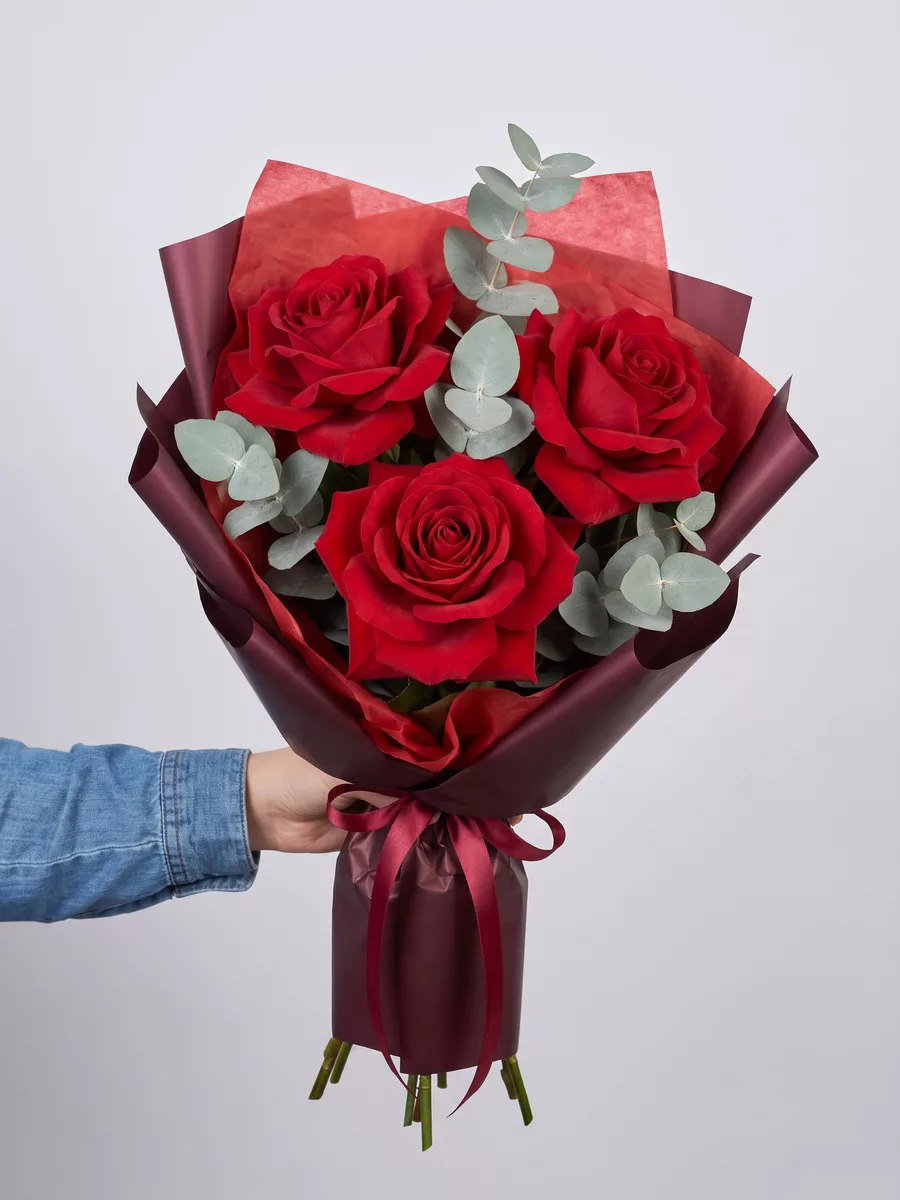
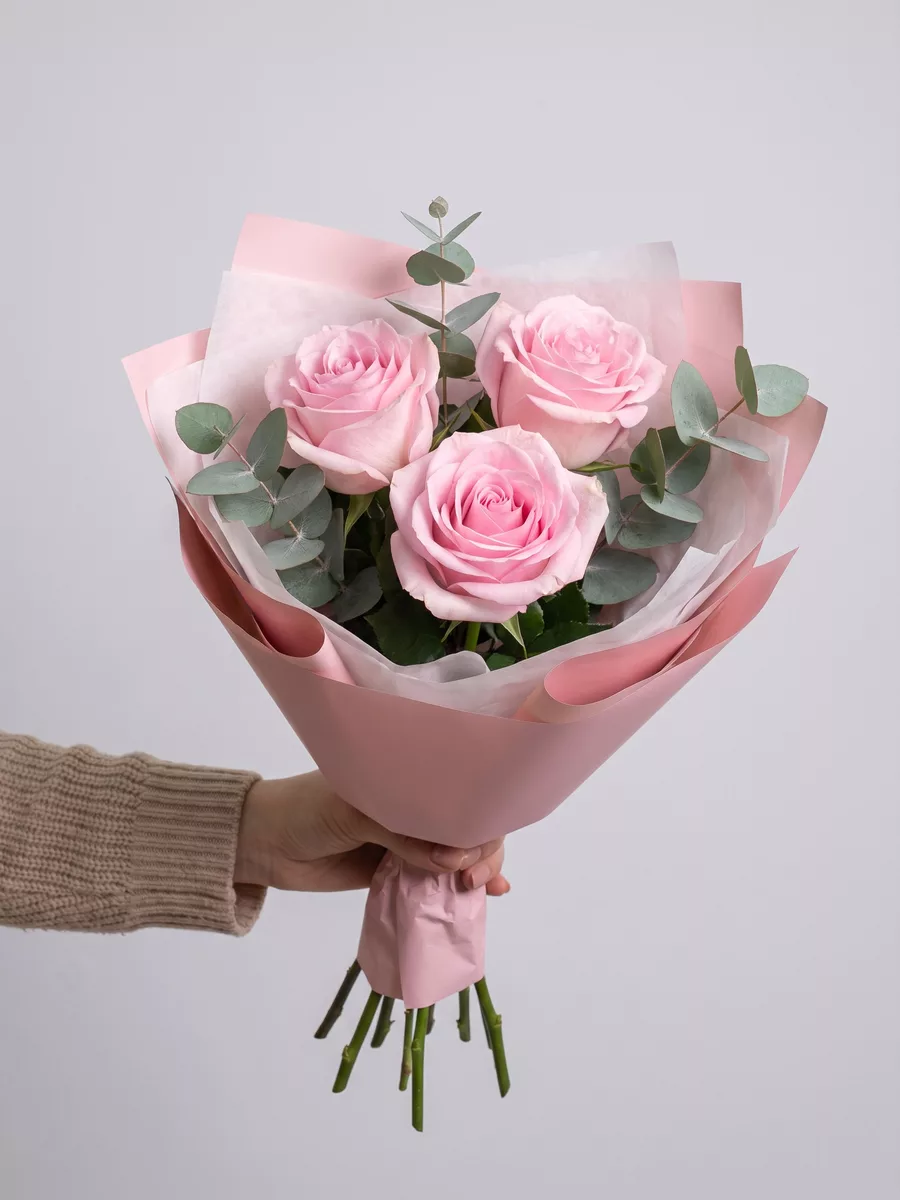
What Russian Gifting Customs Mean for Your Order
If you have never sent flowers inside Russia before, a few customs are worth knowing so your gift lands exactly right. The most important one is the odd-number rule. Bouquets given to living recipients are always made with an odd number of stems — one, three, five, seven, and so on. Even numbers are reserved for mourning contexts. This is not a superstition you can skip: it is noticed immediately, and an even-numbered bouquet creates an awkward moment for the recipient.
Colour carries meaning too, though less rigidly than the number rule. Yellow flowers have a mixed reputation in Russia — some people associate them with separation or bad luck, particularly older generations. If you are unsure of your recipient's views, it is safer to anchor the bouquet in whites, pinks, reds or purples and add yellow accents rather than making yellow the dominant colour. That said, bright sunflowers are widely loved and carry almost none of that association, so context matters.
Wrapping style also signals something. A beautifully wrapped bouquet with kraft paper, ribbon and a handwritten card reads as thoughtful and personal. A bare bunch without packaging feels unfinished to a Russian recipient, even if the flowers themselves are excellent. We wrap every arrangement before it leaves, but if you have a preference for colour scheme or style of paper, mentioning it in the order notes helps us match the mood you want.
Finally, it is completely normal and warm to send flowers for non-birthday occasions — a new job, a child's first school day, a recovery from illness, or simply because you miss someone. Russians appreciate flowers for everyday reasons just as much as for formal celebrations.
Choosing Flowers for the Person, Not Just the Occasion
Start with who is receiving the bouquet, not with what flower you know the name of. A grandmother in Sol-Iletsk who tends her own garden will likely appreciate the familiar softness of peonies in late spring, or the warm fullness of garden-style roses with loose petals, far more than a tight architectural arrangement that looks impressive in a photograph but feels cold in person. A younger woman celebrating a promotion might love something bolder — deep burgundy calla lilies, or a mixed arrangement of ranunculus and lisianthus in dusty rose and cream.
For children receiving flowers — yes, this is common in Russia, especially on the first day of school in September — cheerful gerberas in orange and yellow, or a small bunch of bright alstroemeria, feel right. They are sturdy enough for a child to carry without damage, and the colours read as celebratory rather than formal.
For a man, which is less common but entirely appropriate, single-variety arrangements work well. A hand-tied bunch of white or red tulips, or a clean cluster of irises, avoids the fussiness that can feel mismatched for a male recipient. Adding textural greenery like eucalyptus or ruscus gives weight and presence without overcomplicating the composition.
When you are genuinely unsure, describe the person and the occasion in the order notes. A working florist can read between the lines — knowing that someone is a retired teacher who loves her balcony garden tells us far more than knowing she is turning sixty-five. The right combination of varieties and colours comes from understanding the person, and that is exactly the kind of detail that shapes a memorable bouquet.
Timing Your Order Across Time Zones
Sol-Iletsk follows Moscow time, which is UTC plus three, with no daylight saving adjustment. That gap matters enormously when you are placing an order from abroad. If you are in London, Sol-Iletsk is three hours ahead of you in winter and two hours ahead in summer. From New York it is eight hours ahead in winter. From Dubai, it is one hour ahead. Getting this wrong by even a couple of hours can turn a birthday morning surprise into an afternoon delivery — or worse, a next-day one.
The safest approach is to place your order at least a day in advance if you are working across a significant time difference. This gives you time to confirm the delivery window in Moscow time, double-check the recipient's address details, and make any adjustments without rushing. For same-day orders, check what time it currently is in Sol-Iletsk before you start the checkout process.
For celebrations with a fixed start time — a dinner party, a graduation ceremony, a birthday breakfast — specify the window you need in Moscow time and explain the reason in the notes. Florists plan their courier schedules around these requests, and an early note is far more useful than a last-minute message.
Keep in mind that Russian public holidays sometimes shift working patterns. Deliveries on the 8th of March, International Women's Day, require ordering well in advance because demand is enormous across the entire country. The same applies to the 14th of February and the 1st of May. If your occasion falls near any of these dates, earlier is always better. A good rule: if the occasion matters, order forty-eight hours ahead.
Arrangements That Travel Well and Last Longest
Not every beautiful flower is a good traveller. When a bouquet moves from a refrigerated cooler into a courier bag and then into a home, certain varieties hold up far better than others. Knowing which ones to lean on helps you choose confidently, especially when you cannot see the finished arrangement in person before it is delivered.
Alstroemeria is one of the most reliable choices for warm-weather delivery. The stems are sturdy, the flowers hold water efficiently, and a fresh bunch will last ten to fourteen days in a vase with proper care. Spray roses — smaller clustered roses on a single stem — are more resilient than large-headed hybrid tea roses in heat, and they give a full, lush look that photographs beautifully. Eustoma, also called lisianthus, has a delicate appearance that belies how well it travels; the buds continue to open after delivery, which means the arrangement looks even better on day three than day one.
Chrysanthemums are underrated for this purpose. They are long-lasting, available in a wide range of colours, and genuinely popular with Russian recipients of all ages. A mono-bouquet of large white chrysanthemums with dark green foliage is elegant and completely appropriate for a formal occasion.
What to avoid in summer: fully open peonies, which bruise easily and drop petals fast once warm; open garden roses with many petals; and delicate anemones. In winter, avoid arrangements with a lot of exposed tropical foliage, which blackens in the cold. Tulips in winter are actually excellent — they are cold-hardy and arrive looking fresh even after a chilly courier ride.
How to Write a Card Message That Crosses the Distance
The card attached to a flower delivery does a lot of work. It is often the first thing a recipient reads, before they even look closely at the bouquet. When you are sending from abroad, the message carries extra weight — it is the part of the gift that speaks directly in your voice, across all the kilometres between you.
Keep the message warm and specific rather than generic. Instead of writing happy birthday, write something that only you could write — a shared memory, a private joke, a specific wish for the year ahead. Recipients in Russia read card messages carefully, and a personal line is remembered far longer than a formal greeting.
If you are writing in English and your recipient reads Russian better, consider writing in both languages or asking someone to translate a short message for you. We can print the card in either language or both. A message that arrives in the recipient's own language feels more intimate, even if the sender wrote it with the help of a dictionary.
For professional or semi-formal occasions — a colleague's promotion, a client's anniversary — keep the tone warm but measured. Something like wishing you continued success and thinking of you from afar strikes the right note without being overly personal in a work context.
Avoid very long messages on a card; they lose impact. Three or four sentences, clearly felt and honestly written, land better than a paragraph that tries to cover everything. The flowers say the rest. If you have more to express, follow up with a voice message or a call — the combination of flowers and a personal call is one of the most touching things a person abroad can do for someone they miss.
Aftercare Advice to Pass On to Your Recipient
Even the freshest bouquet needs a little attention after it arrives, and passing on a few simple instructions to your recipient makes a real difference to how long the flowers last. We include a care card with every delivery, but reinforcing the basics in your message or a quick voice note helps, especially if the recipient is not used to receiving cut flowers regularly.
The first step is always a fresh cut. The stems should be trimmed at a diagonal angle — about two centimetres from the bottom — using scissors or a knife rather than tearing. This opens up the stem and allows water to travel upward efficiently. The cut should be made under running water or with the stems submerged, which prevents an air bubble from blocking the channel.
Vase water should be changed every two days. In Sol-Iletsk's dry climate, flowers drink more than they would in a humid environment, so the vase should be kept topped up. A small pinch of sugar and a drop of white vinegar in the water is a simple homemade preservative that genuinely works for most varieties.
Keep the bouquet away from direct sunlight, radiators, and fruit bowls. Ripening fruit releases ethylene gas, which accelerates petal drop in roses and carnations noticeably. A cool spot in the room, away from heat sources, can add three to five extra days of vase life.
For lilies specifically — if the bouquet contains them — remove the orange stamens as soon as the flowers open. The pollen stains fabric and surfaces, and removing it does not harm the flower at all. Lilies continue to open over several days, so a bouquet that arrives with mostly closed buds will be fully spectacular by day three.
Sending flowers from abroad to Sol-Iletsk is less complicated than it sounds once you understand the climate, the customs, and the timing. The distance between you and the person you are thinking of does not shrink, but a well-chosen bouquet arriving at the right moment makes it feel smaller. Choose varieties that travel well for the season, respect the odd-number rule, write something personal on the card, and give your recipient a heads-up about the simple care steps. The rest — the wrapping, the timing, the freshness — is what we handle on our end, so you can focus on the feeling you want to create rather than the logistics.
Frequently asked questions
Can I place an order in English for delivery to Sol-Iletsk?
Yes, entirely. You can write your delivery address, card message and special instructions in English on the order form. Our team reads all notes before preparing the bouquet, so nothing gets lost. If the recipient's address is in Russian, including it in both scripts is helpful, but we can work with a transliteration as well.
How far in advance should I order from a different time zone?
At least twenty-four hours ahead is a comfortable buffer for most occasions. For major Russian holidays like International Women's Day on the 8th of March, order forty-eight hours or more in advance. This gives you time to confirm the delivery window in Moscow time and correct any address details without pressure.
Is it true I should never send an even number of flowers in Russia?
Yes, this is a genuine and widely observed custom. Even numbers of stems are associated with mourning and funerals, so a bouquet of ten roses or twelve tulips would create an uncomfortable moment for most Russian recipients. Always choose an odd number — three, five, seven, nine, eleven — regardless of the occasion or the recipient's age.
What flowers hold up best in Sol-Iletsk's summer heat?
Alstroemeria, spray roses, lisianthus and chrysanthemums are all strong performers in warm conditions. They are sturdy in transit, drink water efficiently, and last well once in the vase. Avoid fully open peonies or large-headed garden roses in peak summer, as they bruise and wilt quickly once removed from refrigeration.
Can I send flowers to Sol-Iletsk for a non-birthday occasion?
Absolutely — this is completely normal and warmly received in Russian culture. Flowers for a new job, a recovery from illness, a child's first school day, a housewarming or simply because you miss someone are all common and appreciated. You do not need a formal occasion to send flowers; the gesture itself is the message.
Ready to send flowers?
Pick the city, choose the bouquet, and a local florist takes it from there.
Choose a city →