Sending Flowers to Sorochinsk from Abroad? Here Is What to Expect
You are somewhere far from Russia — maybe Frankfurt, Dubai, or Toronto — and someone you love is in Sorochinsk, a quiet city on the Ural River in the Orenburg region. You want to send flowers that arrive fresh, feel personal, and say exactly what you mean across thousands of kilometres. The distance is real, but the gesture does not have to feel remote. With the right choices and a little advance planning, a bouquet can reach your recipient looking as though you handed it over yourself.
Who Is Receiving the Flowers, and What Will They Feel
Before you think about roses versus peonies, think about the person standing at the door when the delivery arrives. Is she a grandmother who grew up with dahlias in a Soviet-era garden? A young colleague celebrating a promotion? A mother whose birthday falls in the middle of a cold Orenburg February? The answer shapes everything — the palette, the wrapping, the size of the arrangement, and even the card message.
In Sorochinsk, as in most smaller Russian cities, flowers carry a strong social weight. Receiving a bouquet at home is considered a meaningful, slightly formal gesture. It signals that the sender made a real effort. An arrangement that looks considered — not just a random bunch — will be noticed and appreciated far more than an expensive but generic selection.
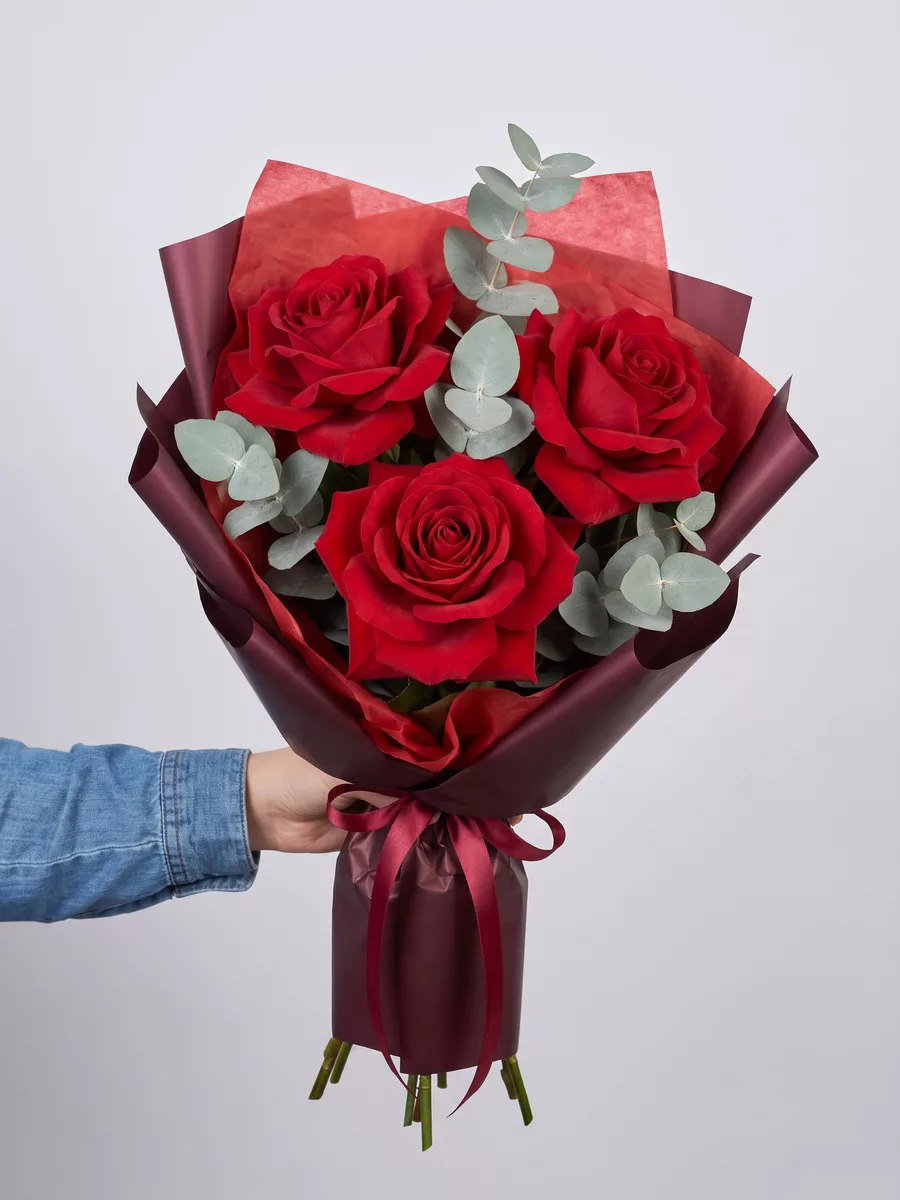
For a romantic occasion, deep reds and soft creams read as intentional and warm. For a birthday, bright seasonal colours feel celebratory without being overwhelming. For a professional congratulation, white and pale green combinations suggest elegance without overstepping. Think of the bouquet as a short letter: the colours and flowers are the words, and the recipient will read them carefully.
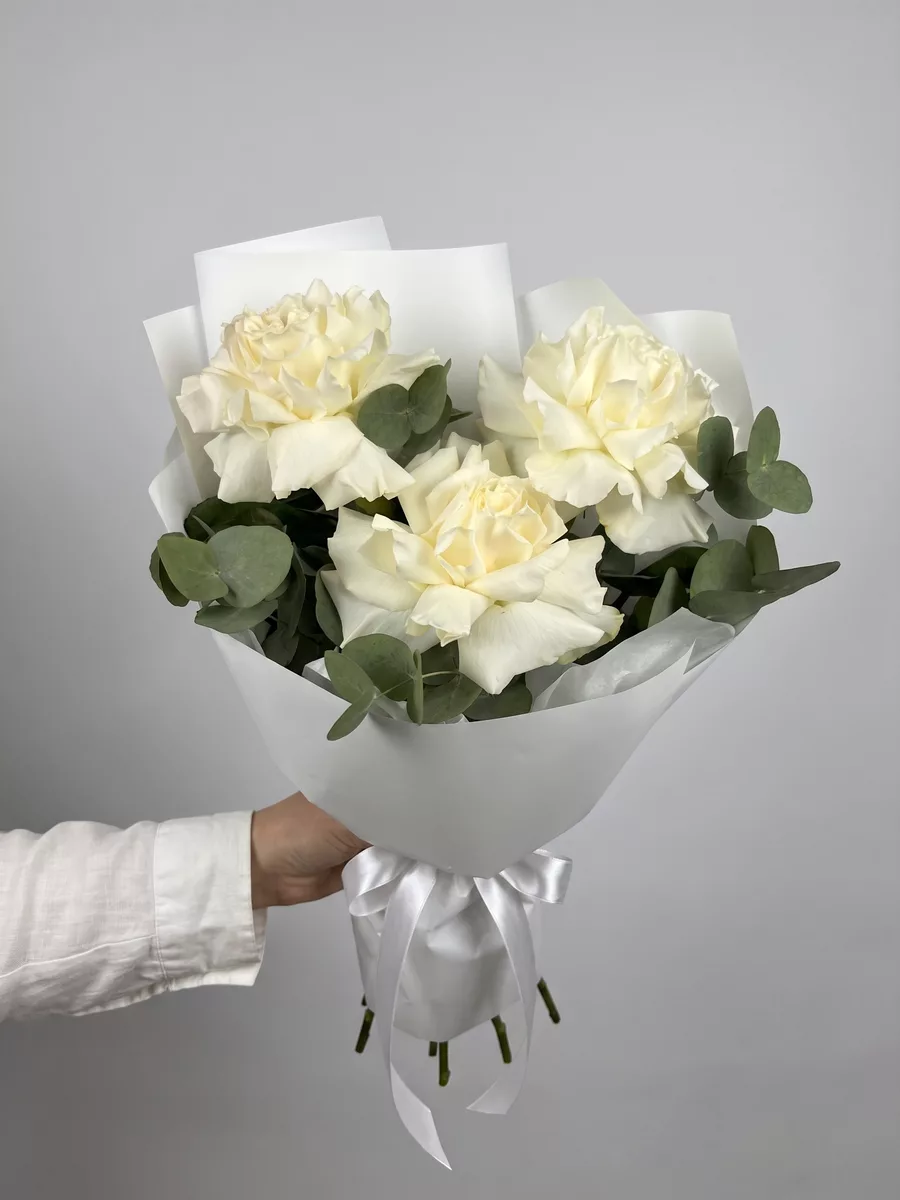
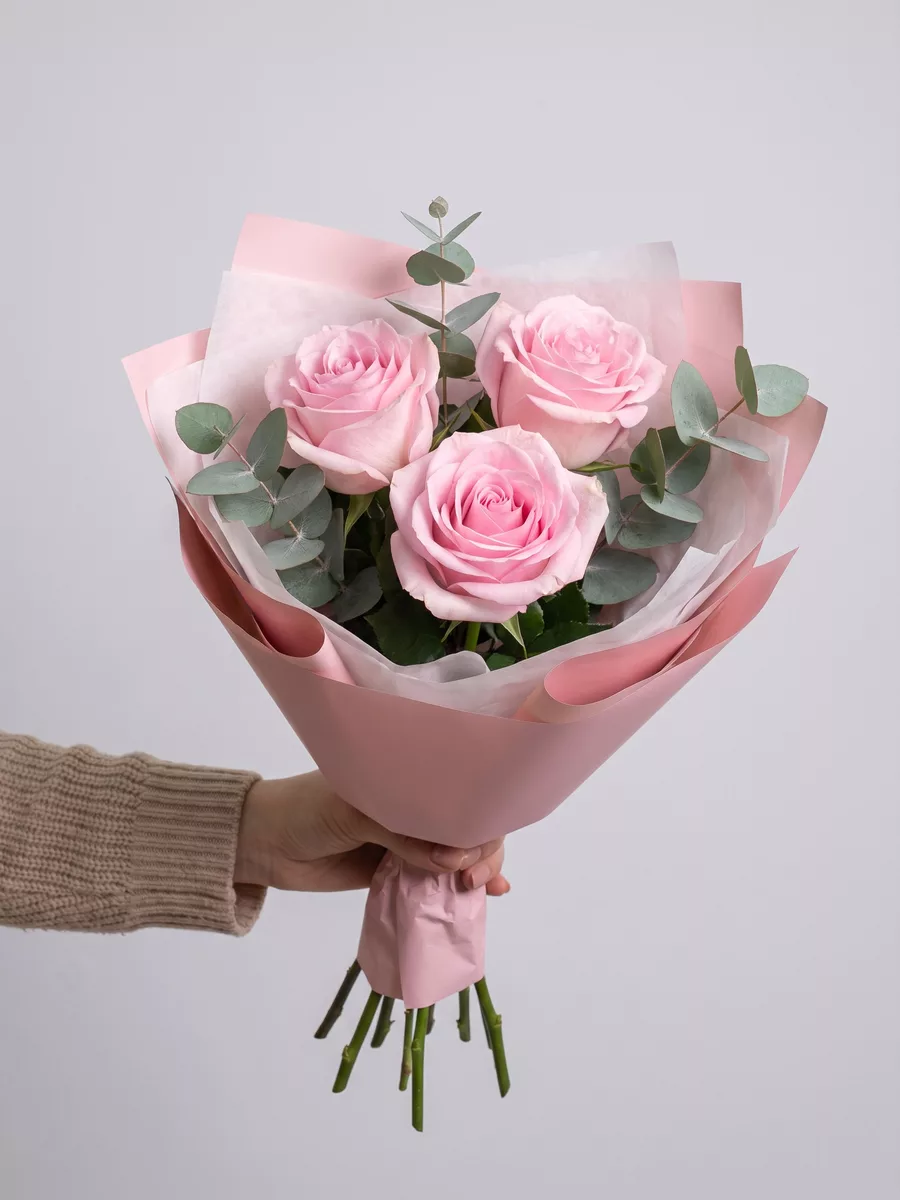
Bouquets we can deliver

Understanding the Geography: Why Sorochinsk Needs Special Attention
Sorochinsk sits in the southern Orenburg region, roughly 130 kilometres from Orenburg city. The steppe climate here is continental and unforgiving — winters drop well below minus twenty Celsius, and summers can push above thirty-five. Both extremes matter for flowers in transit.
In January and February, any bouquet travelling outdoors for more than a few minutes faces frost damage. Roses develop dark patches on petals, gerbera stems go limp, and delicate ranunculus simply collapse. A good delivery operation uses insulated packaging and minimises the time flowers spend outside. When you order, it is worth confirming that the florist understands the destination is a continental-climate city, not a temperate coastal one.
In July and August, the problem reverses. Heat accelerates the opening of buds and shortens vase life sharply. A bouquet of roses that would last ten days in a cool Saint Petersburg apartment may open fully within two days in a Sorochinsk summer kitchen. Choosing tighter buds and hardier varieties — spray roses, alstroemeria, lisianthus — gives your recipient more time to enjoy the arrangement.
The distance from major logistics hubs also means that same-day delivery windows are narrower than in a capital city. Ordering before noon local Russian time gives the best chance of an afternoon arrival. Ordering late in the day may push delivery to the following morning, which is still workable but worth knowing in advance.
Choosing for the Occasion: Russian Customs a Foreign Sender Should Know
Russia has a few floral customs that are not obvious to someone ordering from abroad, and getting them right makes the gesture land properly. The most important is the number of flowers: even numbers of stems are associated with mourning and are never given as a gift in a celebratory context. Always choose an odd number — five, seven, nine, eleven. A bouquet of twelve roses, which feels generous and round in many Western countries, would unsettle a Russian recipient.
Colour symbolism is also more specific than in some cultures. Yellow flowers carry a strong association with separation and bad luck in romantic contexts, though this is slowly shifting among younger generations in cities. If you are sending to someone over forty or to a more traditional household, it is safer to avoid yellow as the dominant colour. Mixed arrangements that include a few yellow blooms among other colours are generally fine.
White flowers are appropriate for almost every occasion — they read as pure, respectful, and elegant. Red is romantic. Pink is warm and friendly, suitable for mothers, friends, and colleagues alike. Lavender and lilac tones feel soft and slightly poetic, often appreciated by recipients who value quiet gestures over grand ones.
For name days and Orthodox holidays, which are widely observed in smaller Russian cities, a bouquet with white or pale pink flowers and a simple card acknowledging the occasion will be received with genuine warmth. If you are unsure of the exact occasion, a mixed seasonal arrangement in soft tones is almost always the right instinct.
Seasonal Varieties That Travel Well to Sorochinsk
Not every flower is a good traveller, and not every variety suits the Orenburg climate at every time of year. Knowing which stems hold up gives you a better outcome without spending more.
In winter, spray roses are one of the most reliable choices. Their smaller heads are less vulnerable to cold damage than large-headed garden roses, and they hold their shape well in insulated packaging. Alstroemeria is another strong option — the stems are sturdy, the flowers last up to two weeks in a vase, and the colours range from pure white to deep burgundy. Chrysanthemums, though sometimes considered old-fashioned, are genuinely cold-hardy and long-lasting, and a modern arrangement using pompon or santini varieties can look fresh and intentional.
In spring, tulips are the defining flower of the season across Russia, and Sorochinsk is no exception. They are expected, beloved, and genuinely beautiful in the hands of a florist who stages them well. Peonies arrive from late May and are treasured — their full, layered heads feel luxurious and their fragrance is memorable.
In summer, lisianthus is an underused gem. It resembles a poppy crossed with a rose, holds its form well in heat, and comes in white, purple, and pale pink. Sunflowers are cheerful and surprisingly durable. Eustoma, which is another name for lisianthus, pairs well with eucalyptus for a natural, garden-gathered look that feels personal rather than commercial.
In autumn, dahlias — where available — and solidago bring warm amber and gold tones that suit the season beautifully.
How to Order from Outside Russia Without Confusion
Ordering internationally for a Russian delivery address is simpler than it sounds, but a few practical points prevent most of the common mistakes. The first is the address format. Russian addresses are written in a specific order: country, postal code, region, city, street, building number, apartment number. When filling in a delivery form, make sure the apartment number is included if the recipient lives in a multi-storey building — which most Sorochinsk residents do. A building number alone will leave the courier guessing.
The recipient's phone number is essential, not optional. Russian couriers will call ahead to confirm the delivery window, especially in smaller cities where access to some residential buildings requires a door code or a concierge. Without a working mobile number, the delivery may be left at the entrance or rescheduled. If you are sending as a surprise, you can note that in the order comments — a good florist will coordinate discreetly.
Payment from abroad is usually handled through international card processing, and most reputable flower delivery services accept Visa and Mastercard from foreign-issued cards. If your card is declined, a PayPal option or a bank transfer is often available. Do not let a payment hiccup at checkout push you toward a less reliable service — it is worth the extra step to resolve it properly.
The card message is the final detail that many international senders underestimate. A short, warm message in Russian — even if you write it in transliteration and ask the florist to render it properly — will mean far more to the recipient than a message in English that she has to translate.
Presentation and Vase Life: Making the Bouquet Last
A beautiful bouquet that wilts on the second day is a disappointment, and it is almost always avoidable. The way flowers are cared for in the first two hours after delivery determines most of what follows. If you are ordering for someone who may not be familiar with flower care — an elderly relative, a busy professional — it is worth including brief care instructions with the delivery note.
The basics are consistent across varieties: trim the stems at a diagonal, about two centimetres from the bottom, using a sharp knife rather than scissors. Scissors crush the stem cells and reduce water uptake. Place the bouquet in clean, cool water immediately, and change the water every two days. Keep the arrangement away from direct sunlight, heating radiators, and fruit bowls — ethylene gas from ripening fruit accelerates petal drop noticeably.
For specific varieties, a few extra notes help. Tulips continue to grow after cutting and will lean toward light sources, so rotating the vase keeps them upright. Roses benefit from having any leaves stripped below the waterline to prevent bacterial growth. Alstroemeria lasts longest when the lower leaves are removed entirely and the water is kept very clean.
In Sorochinsk's dry continental climate, indoor air can be quite arid in winter due to central heating. A light misting of the petals once a day — not the stems — extends freshness by a day or two. It is a small detail, but for someone receiving flowers from a loved one far away, every extra day the bouquet stays beautiful is another day the gesture continues to speak.
Timing Your Order for Maximum Impact
The emotional effect of flowers is closely tied to timing. A bouquet that arrives on the morning of a birthday, before the day gets busy and the recipient has started to wonder whether anyone remembered, lands completely differently from one that arrives at seven in the evening after she has already accepted that the day passed quietly.
For birthdays and anniversaries, aim for a morning delivery — between ten and noon local Sorochinsk time, which is two hours ahead of Moscow. This means placing your order the evening before, or early on the day of the occasion if you are in a time zone that allows it. Sorochinsk operates on Yekaterinburg time (UTC+5), so a sender in London placing an order at midnight is doing so at five in the morning Sorochinsk time — well positioned for a same-day morning delivery.
For surprise deliveries, a midday window is often more practical. It avoids the early morning rush when the recipient may have already left for work, and it catches her at home during a lunch break or early afternoon. Coordinate with the florist if the element of surprise is important — most experienced florists know how to handle this without spoiling the moment.
For professional occasions such as a promotion or work anniversary, timing the delivery to arrive at the recipient's workplace during business hours adds a social dimension that amplifies the gesture. Receiving flowers at the office, in front of colleagues, is a distinctly celebratory experience in Russian workplace culture. If you know her schedule, a late morning delivery is ideal.
Sending flowers to Sorochinsk from abroad is an act of real attention — you are bridging a considerable distance to make someone feel seen on a day that matters. The details that make it work are not complicated: an odd number of stems, the right varieties for the season, a correct address with a phone number, and an order placed early enough to land at the right moment. When all of that comes together, the bouquet does not feel like a remote gesture. It feels like you were almost there.
Frequently asked questions
Can I send flowers to Sorochinsk from outside Russia without a Russian phone number?
Yes. You do not need a Russian phone number to place the order — your international number is fine for the order confirmation. What you do need is the recipient's Russian mobile number, because the courier will call ahead to arrange delivery. Without it, especially in a residential building, the delivery may be delayed or missed entirely.
How far in advance should I order flowers for a Sorochinsk delivery?
For a same-day delivery, order before noon Sorochinsk time, which is UTC+5. For a morning arrival on a specific date, placing the order the evening before is the safest approach. For major occasions like a milestone birthday or anniversary, ordering one to two days ahead gives the florist time to source the best available stems and prepare the arrangement properly.
Are there flowers I should avoid sending to Sorochinsk in winter?
Large-headed garden roses, open peonies, and delicate ranunculus are most vulnerable to cold damage during winter transit. Spray roses, alstroemeria, chrysanthemums, and lisianthus are significantly more cold-tolerant and arrive in better condition. If you have a specific flower in mind for winter delivery, it is worth asking the florist whether it travels well at that time of year.
Is it true that even numbers of flowers are considered bad luck in Russia?
Yes, this is a genuine and widely observed custom across Russia, including in smaller cities like Sorochinsk. Even numbers of stems are associated with mourning and are not given as celebratory gifts. Always choose an odd number — seven, nine, or eleven stems are all perfectly natural choices that a Russian recipient will immediately recognise as appropriate and thoughtful.
What should I write on the card if I do not speak Russian?
Write your message in English and ask the florist to help render it in Russian, or use a simple transliteration. Even a short phrase in Russian — a birthday wish or a warm greeting — will be appreciated far more than an English message the recipient needs to translate. Most florists are accustomed to helping international senders with this small but meaningful detail.
Ready to send flowers?
Pick the city, choose the bouquet, and a local florist takes it from there.
Choose a city →