Sending Flowers to Sosnogorsk from Abroad — Your Practical Starting Point
You are sitting somewhere outside Russia — maybe in Berlin, Dubai, or Toronto — and you want someone in Sosnogorsk to open a door and find fresh flowers waiting. That is a genuinely warm impulse, and it is entirely possible to make it happen well. The distance just means you need to plan a few things in advance that a local sender might take for granted.
Why Sosnogorsk Requires a Little Extra Thought
Sosnogorsk is a small city in the Komi Republic, sitting in the northern part of European Russia. The climate there is continental and cold for much of the year, with winters that stretch well into April and autumn arriving early in September. That geography shapes every decision you make about flowers — from which varieties survive the journey to how they should be wrapped when they leave the shop.
The city is not a major hub, so the logistics of fresh flower delivery demand a courier who already knows the local streets and can move quickly once the bouquet is assembled. Turboflora handles that end entirely, but as the sender you still carry responsibility for one thing: giving accurate, complete recipient information. A missing apartment number or an incorrect street name in a city this size can delay delivery by hours, and hours matter enormously for fresh stems.
The good news is that receiving flowers is a genuinely meaningful gesture in Sosnogorsk, perhaps even more so than in a large city where florists are everywhere. People here are not surrounded by flower shops on every corner. A delivered bouquet lands differently — it signals real effort, real thought. That weight is worth carrying well, and it starts with understanding the place you are sending to.
Bouquets we can deliver

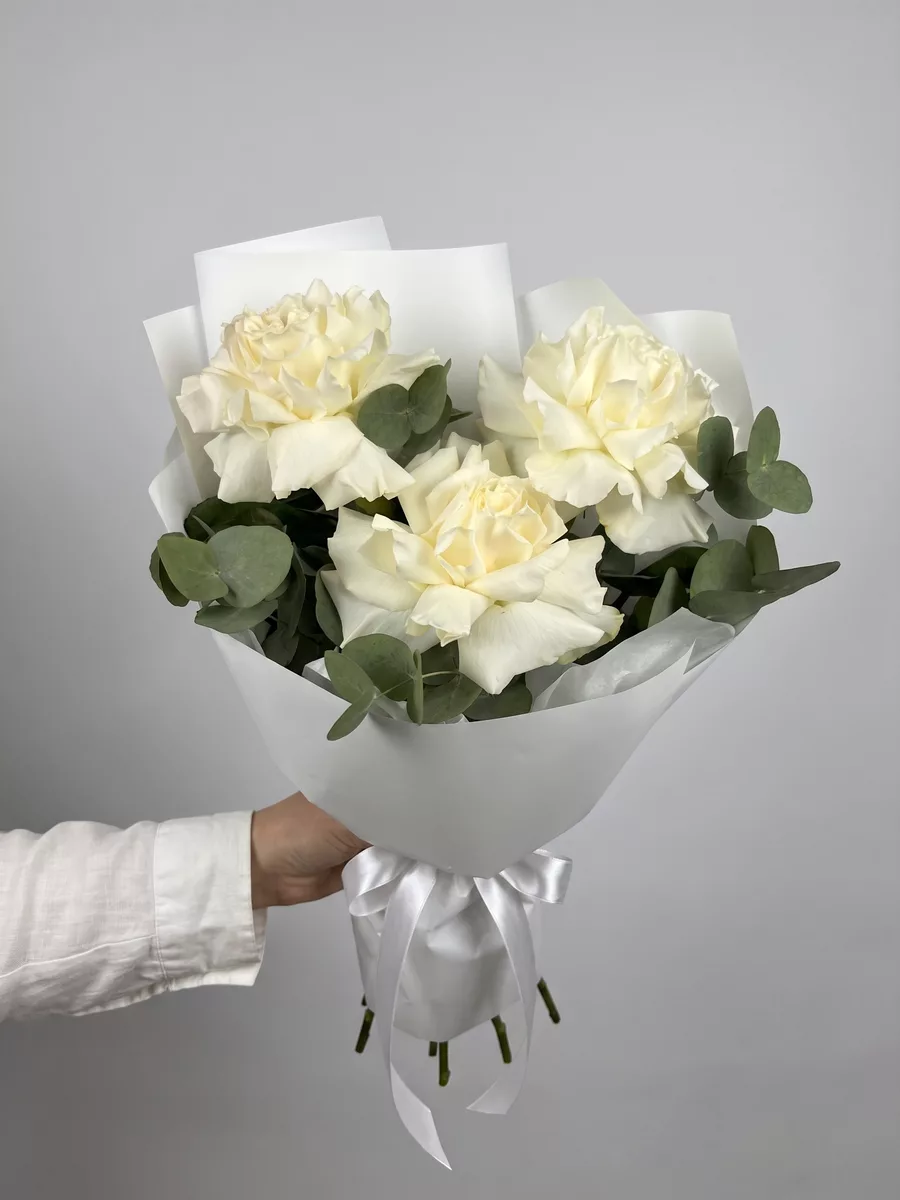
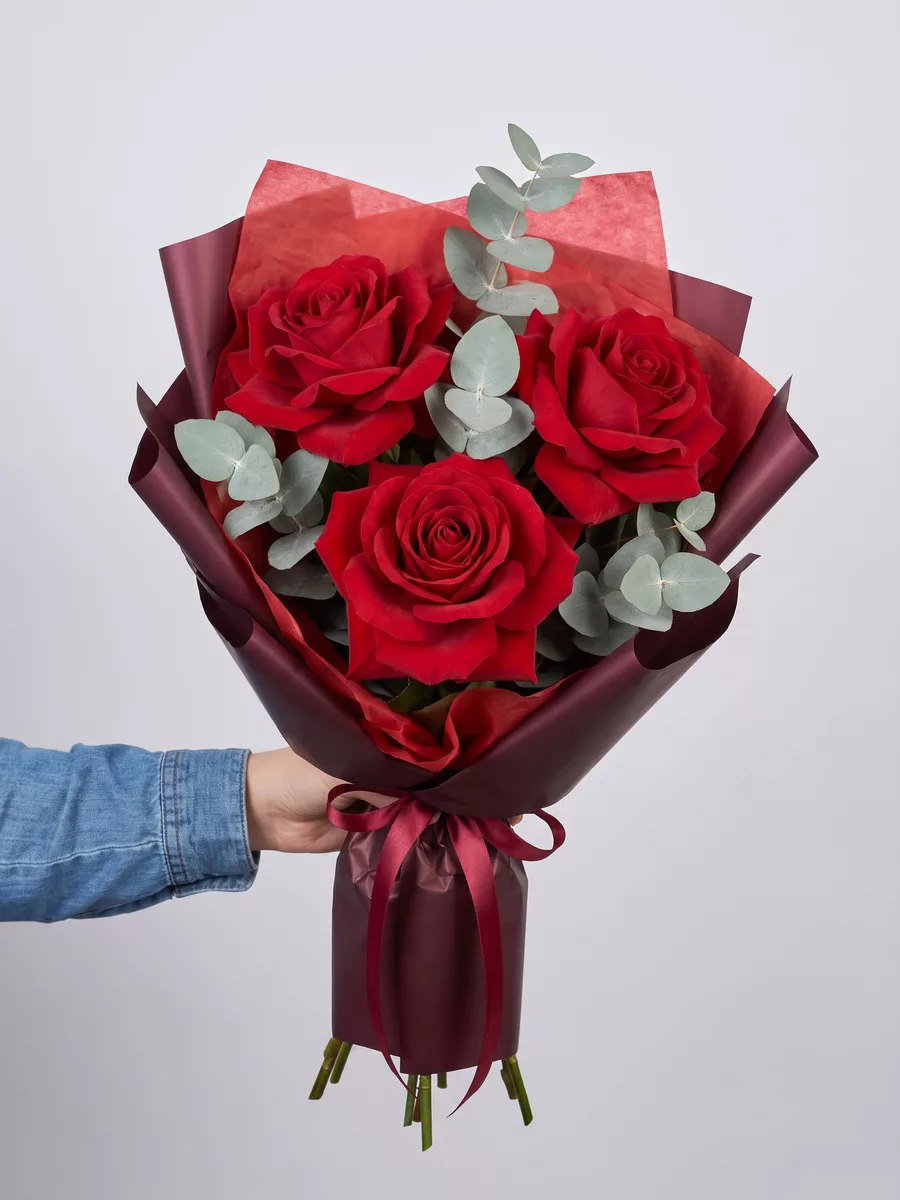
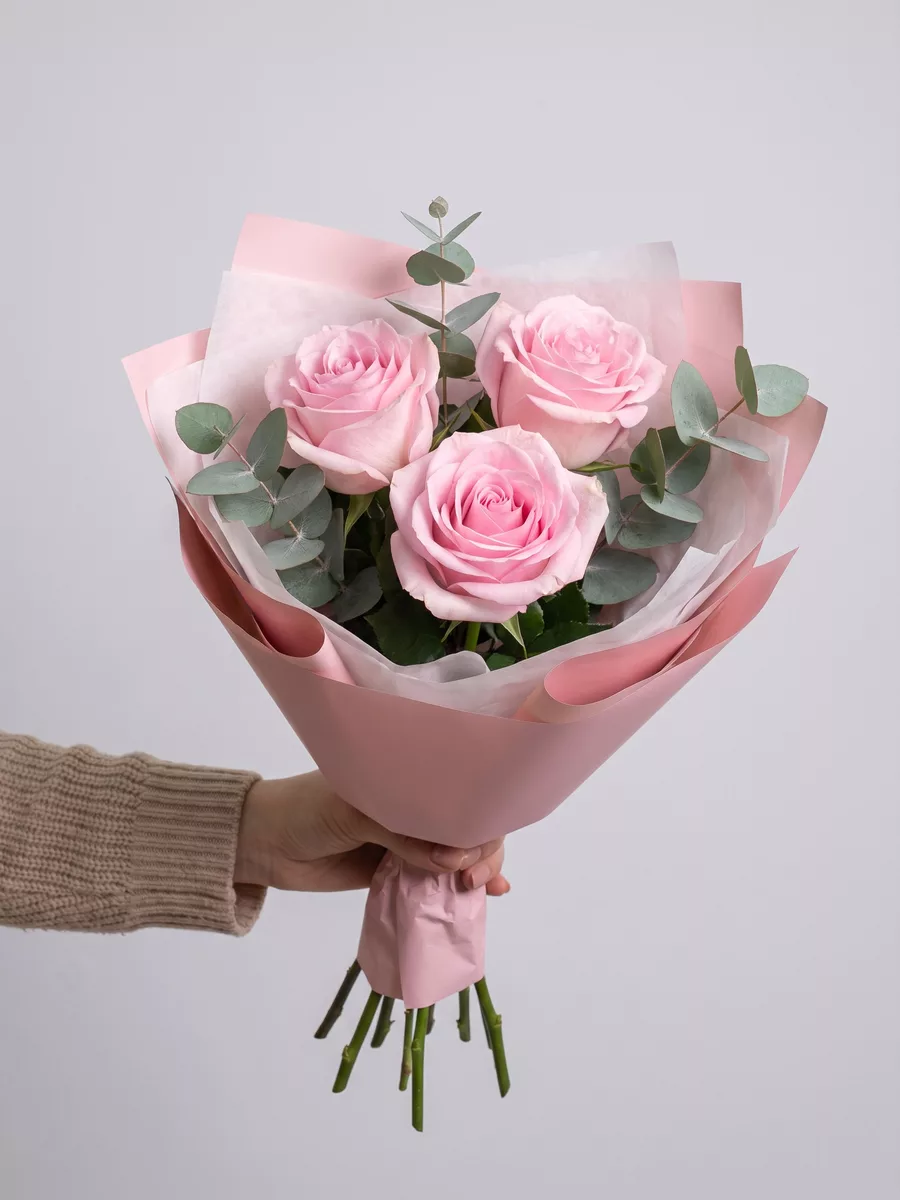
Choosing the Right Moment: Timing Across Time Zones
Sosnogorsk runs on Moscow Time plus two hours, which means it sits at UTC+3. If you are ordering from Western Europe, you are one or two hours behind. From North America's east coast, you are eight or nine hours behind. From Southeast Asia, you may actually be ahead by several hours. Before you place any order, convert the delivery window into Sosnogorsk local time and confirm the recipient will actually be home or reachable.
The safest delivery windows for a working adult recipient are late morning — around ten to noon local time — or early evening between five and seven. Midday deliveries to residential addresses often miss people who are at work or out. If you are sending to a workplace, check that the office is open and that someone will be present to receive the order, since flowers left unattended in a cold entrance hall in winter can suffer within thirty minutes.
For celebrations like birthdays or anniversaries, timing is emotional as much as practical. Flowers that arrive the morning of the occasion feel like a greeting at the start of the day. Flowers that arrive in the evening feel like a closing celebration. Think about which feeling you want the recipient to have, and schedule accordingly. If the date matters deeply — a significant birthday, a long-distance anniversary — place the order at least twenty-four hours ahead to allow for any time-zone confusion on your end and confirmation on ours.
What the Northern Climate Does to Your Flower Choice
Winter in Sosnogorsk is long and serious. Temperatures regularly fall to minus twenty Celsius and below between November and March. That cold is not just uncomfortable for people — it is actively damaging to many flowers. Thin-petalled varieties like anemones, sweet peas, and open garden roses struggle when they move from a warm shop into freezing outdoor air, even for the short time it takes to walk from a courier's hands to a front door.
For cold-season deliveries, the most reliable choices are flowers with dense, firm structure. Spray chrysanthemums hold their shape beautifully in the cold. Standard carnations are remarkably resilient. Alstroemeria travels well and lasts long in cool indoor conditions. Closed tulip buds — not open blooms — survive brief cold exposure far better than any open-faced flower. Hypericum berries and eucalyptus add volume and texture without wilting.
In summer, Sosnogorsk warms considerably, and you have more freedom. Garden-style roses, lisianthus, and sunflowers all work well between June and August. Peonies, when in season from late May through June, are a particularly beloved choice among Russian recipients and carry strong associations with warmth and celebration. Autumn brings dahlias and solidago into good availability, and their rich colours suit the season's mood perfectly. Matching the flower to the season is not just a practical matter — it makes the bouquet feel genuinely considered rather than generic.
Understanding Russian Flower Customs Before You Order
If you did not grow up in Russia, a few customs around flowers may surprise you. The most important one is the odd-number rule. In Russian tradition, even numbers of flowers are associated with mourning and are brought to cemeteries. When you send flowers for any celebratory or affectionate occasion — a birthday, a congratulation, a romantic gesture, a new baby — the bouquet should contain an odd number of stems: three, five, seven, nine, and so on. Turboflora follows this automatically, but it is worth knowing so you understand the bouquets you see described.
Colour carries meaning too, though the associations are softer and more personal than the number rule. Red roses signal romantic love clearly and universally. White flowers are beautiful but in some older traditions carry a more solemn tone, so for a joyful occasion it is often better to pair white blooms with other colours rather than sending an all-white arrangement. Yellow flowers were once considered unlucky in Soviet-era superstition, though younger Russians largely ignore this. If you are unsure of the recipient's generation or sensibilities, a mixed palette of pinks, corals, and purples is always warmly received.
Presentation wrapping in Russia tends to be generous — large kraft paper cones, layered tissue, ribbon — and the packaging is considered part of the gift. Sparse wrapping reads as unfinished. If you are adding a card message, keep in mind that florists may transcribe it by hand, so write clearly and avoid very long messages.
Building a Bouquet That Fits the Occasion and the Person
Start from the recipient, not from a category on a website. A woman in her sixties who tends a garden at her dacha will likely respond differently to flowers than her granddaughter who follows design trends. A male colleague receiving congratulations on a professional milestone needs something structured and confident — think monobouquets of strong stems like anthuriums or bold spray roses — rather than a delicate pastel arrangement built for a romantic gesture.
For romantic occasions, roses remain the clearest signal, but they work best when supported rather than sent alone. A combination of garden roses, eucalyptus, and a few stems of wax flower feels personal and layered. For birthdays, mixed seasonal bouquets give you the most flexibility and tend to photograph beautifully, which matters when the recipient will almost certainly share a photo with you over a messaging app. For new babies, soft pinks and creams with ranunculus or spray roses feel appropriately tender without being predictable.
Budget shapes the bouquet more through size and stem count than through variety. A smaller arrangement of five well-chosen stems in peak condition is always more impressive than fifteen limp stems packed in. When you are ordering from abroad and cannot see the flowers in person, trust the florist's seasonal recommendation over a fixed catalogue item. What is freshest that day will always outlast what was photographed weeks ago for a product page. Specify the occasion and the recipient's personality in your order notes — good florists use that information.
What Happens After the Door Opens: Flower Care for the Recipient
The flowers arrive, the door opens, and now the bouquet is in someone's hands in Sosnogorsk. What happens in the next thirty minutes determines whether those stems last four days or ten. This is worth including in a note to the recipient, especially if they are not someone who regularly keeps flowers at home.
The first step is always a fresh diagonal cut on each stem — at least two centimetres removed, made with a sharp knife rather than scissors, which can crush the stem's water channels. The stems go immediately into a clean vase filled with cool, fresh water. Sosnogorsk tap water is fine for most flowers; no special treatment is needed. Remove any leaves that would sit below the waterline, because submerged foliage rots and fouls the water within a day.
In winter, the indoor heating in Russian apartments tends to run quite high — rooms often reach twenty-two to twenty-four Celsius. That warmth shortens vase life noticeably. Placing the vase away from radiators and direct heat sources, and moving it to a cooler spot at night, can add two or three days to the arrangement. Changing the water every two days and re-cutting the stems keeps things fresh longer. Tulips and alstroemeria are particularly sensitive to ethylene gas produced by ripening fruit, so keep them away from the kitchen fruit bowl. Chrysanthemums and carnations are the most forgiving and will last longest under typical apartment conditions.
Practical Steps for Placing Your Order from Outside Russia
The ordering process itself is straightforward, but a few practical points will save you time and prevent the most common mistakes made by international senders. Start by confirming the recipient's full address in Russian, including the city district if relevant, the building number, the apartment number, the floor, and whether there is an intercom code for the entrance. In smaller Russian cities, entrance codes are common and a courier without one may be unable to reach the door.
Pay attention to the phone number you provide for the recipient. Russian mobile numbers begin with plus seven and have ten digits after the country code. If the recipient uses a messaging app like WhatsApp or Telegram on that number, note it — couriers often communicate through apps when a voice call goes unanswered. Providing a second contact number is a sensible backup.
Payment from abroad is handled at the order stage through the Turboflora website, and international cards are accepted. Place your order with enough lead time to account for your own time-zone offset — what feels like ordering the evening before may already be the delivery morning in Sosnogorsk. A card message is a genuine addition to any delivery; even a few words in Russian, if you can manage them, land with particular warmth. Simple phrases like 'S dnyom rozhdeniya' for happy birthday or 'Ya tebya lyublyu' for I love you need no translation for the recipient and signal real personal effort from someone sending from far away.
Sending flowers to Sosnogorsk from another country is less complicated than it sounds, and the reward — knowing that someone in a northern Russian city opened a door to something beautiful because of you — is completely real. The key is thinking ahead: the time zone, the season, the recipient's personality, the address details. Handle those well and the flowers do the rest of the work. Turboflora delivers across Russia, and Sosnogorsk is well within reach.
Frequently asked questions
Can I order flowers for Sosnogorsk delivery if I do not speak Russian?
Yes. The Turboflora website works in English, and you can write your card message in any language — we will include it exactly as written. For the delivery address, ask the recipient or a mutual contact to send you the full Russian address in advance, since accurate Cyrillic spelling of the street name prevents delays.
How far ahead should I place a Sosnogorsk flower order from abroad?
At least twenty-four hours is a comfortable buffer when ordering across time zones. It gives you time to confirm the recipient's address, choose a delivery window that suits their schedule in Sosnogorsk local time, and avoid any last-minute confusion caused by the time difference between your location and UTC plus three.
Which flowers survive Sosnogorsk winters best?
Spray chrysanthemums, standard carnations, alstroemeria, and closed tulip buds are the most cold-resilient options. They tolerate brief exposure to freezing air during the handover at the door without damage. Avoid open-faced roses, anemones, or any thin-petalled bloom for winter delivery — they bruise quickly in sub-zero temperatures.
Is it true that flower count matters in Russia?
Yes, and it is the single most important custom to know. Even numbers of flowers are associated with mourning in Russian tradition and should never be sent for celebrations. Always choose an odd number — three, five, seven, nine stems and so on. Turboflora follows this rule automatically, but it is useful to understand why when you see it.
What if the recipient is not home when the flowers arrive?
The courier will attempt to reach the recipient by phone before and during delivery. If contact cannot be made, we will coordinate a new delivery window with you. This is why a working mobile number for the recipient is essential when ordering. Providing a secondary contact — a neighbour or family member nearby — adds a useful backup for unattended deliveries.
Ready to send flowers?
Pick the city, choose the bouquet, and a local florist takes it from there.
Choose a city →