Sending Flowers to Sosnovoborsk from Abroad: What You Need to Know
You are thousands of kilometres away, and someone in Sosnovoborsk is about to have a birthday, an anniversary, or simply a day that deserves a little brightness. Ordering flowers across that distance feels complicated until you understand exactly how it works — the timing, the seasonal realities, the small cultural touches that make a bouquet feel genuinely thoughtful rather than just delivered. This guide is written for you: someone outside Russia who wants to get it right.
What Sosnovoborsk Is Like and Why It Matters for Your Order
Sosnovoborsk is a compact city in Krasnoyarsk Krai, sitting in the heart of Siberia. That geography has real consequences for flower delivery. Winters here are long and genuinely cold, with temperatures regularly dropping below minus twenty Celsius from November through March. Summers are short but warm, sometimes reaching thirty degrees in July. Both extremes affect how flowers travel and how long they last once they arrive.
In winter, a bouquet left on a cold doorstep for even ten minutes can suffer frost damage — petals of roses and ranunculus blacken quickly at those temperatures. In summer, direct afternoon sun through a window can wilt a delicate arrangement within hours. When you place your order, it helps to think about the conditions your recipient will face when they receive the flowers, not just the moment of delivery.
Sosnovoborsk is close enough to Krasnoyarsk that a well-organised delivery service can reach it reliably, but it is not a city where you should assume the same same-hour infrastructure as Moscow or Saint Petersburg. Planning your order a day ahead, especially for large or complex arrangements, gives the best result. If the occasion is time-sensitive — a birthday morning, a graduation moment — specify the preferred delivery window clearly in the order notes. Being precise about the address, including the apartment number and entry code if there is one, removes the single most common reason a delivery is delayed in residential areas of smaller Russian cities.
Bouquets we can deliver

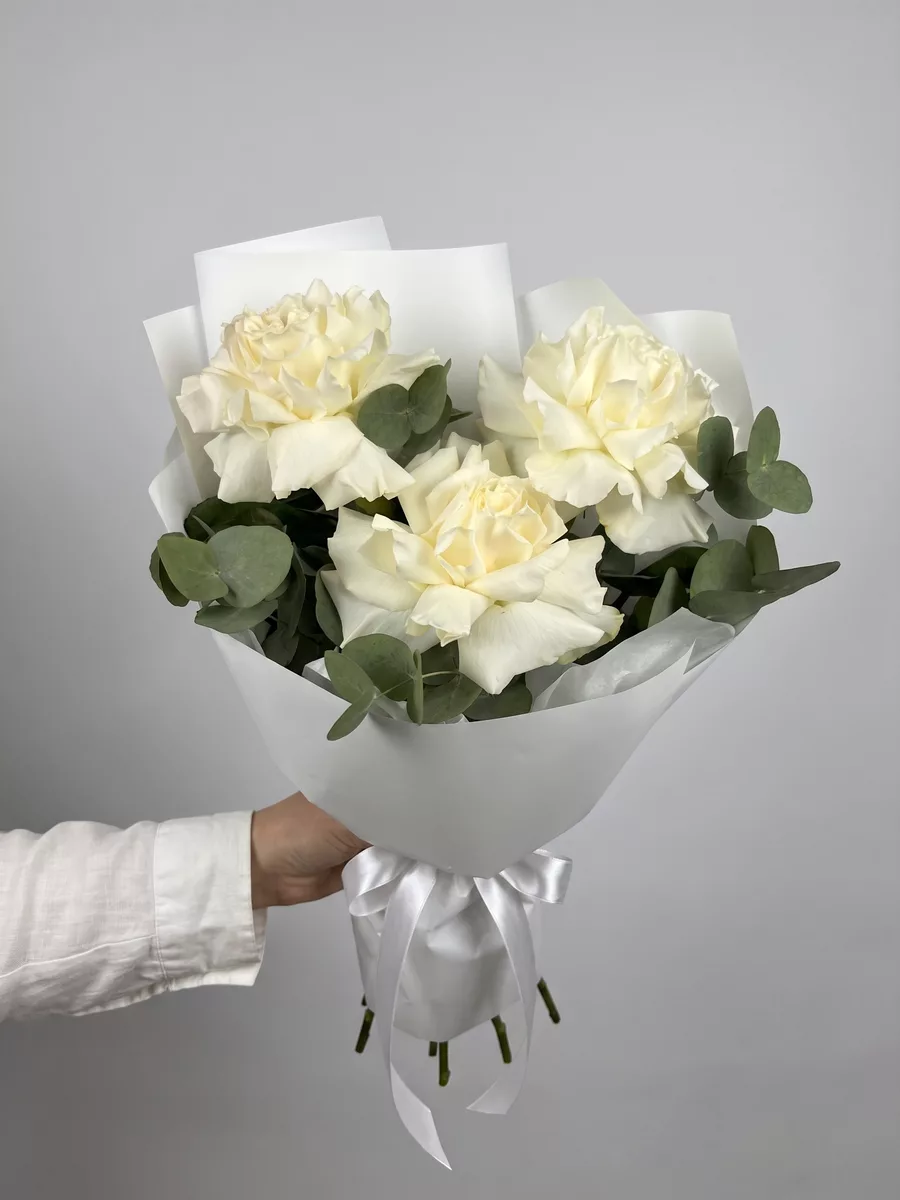
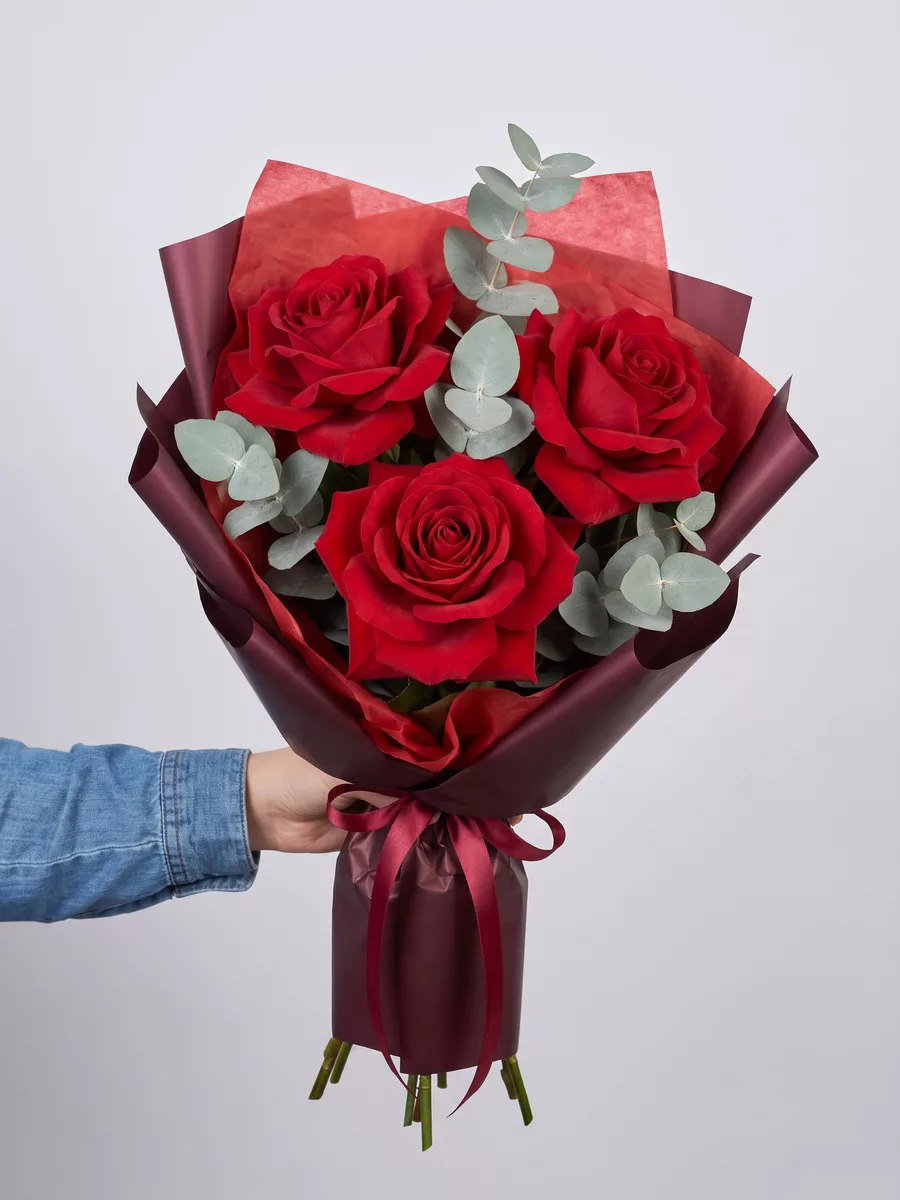
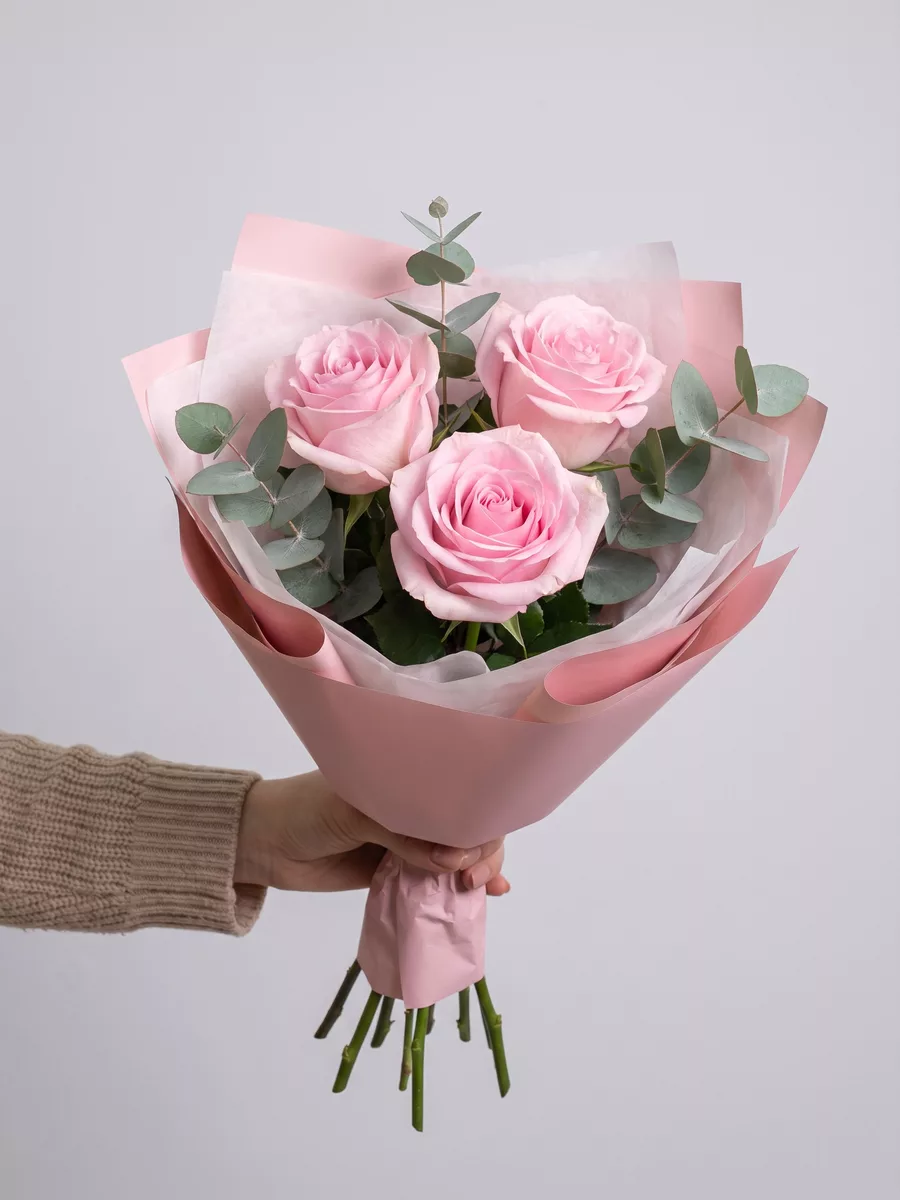
Choosing the Right Moment: Time Zones and When to Place Your Order
Sosnovoborsk runs on Krasnoyarsk Time, which is UTC plus seven. If you are in London, that is a ten-hour difference in winter and nine hours in summer when British clocks go forward. From New York it is twelve or thirteen hours. From Tokyo, just two hours. Before you do anything else, convert the desired delivery time into local Sosnovoborsk time and then work backwards to figure out when you personally need to place the order.
A delivery window of midday in Sosnovoborsk means you need to have your order confirmed by mid-morning at the latest on the same day. If you are in Western Europe or the Americas, that often means placing the order the evening before — which is actually a good habit anyway, because it gives time to confirm the address details and choose a combination thoughtfully rather than in a rush.
For same-day delivery within one to two hours, orders placed before early afternoon local Sosnovoborsk time are the most reliable. If you miss that window, scheduling delivery for the following morning is often a better choice than rushing a late-evening drop-off, especially in winter when darkness and cold make doorstep deliveries less pleasant for the recipient.
Keep the time zone calculation saved somewhere. It sounds obvious, but many international senders get this wrong once and then overcorrect nervously on future orders. A calm, planned order placed the evening before almost always produces a better result than a stressed last-minute request placed at the wrong hour.
What Grows Well and Travels Well: Seasonal Flower Choices
Not every flower handles a Siberian winter delivery gracefully. Roses are the most forgiving in cold weather — their petals are dense enough to survive brief exposure to low temperatures, and varieties like Freedom, Explorer, and Avalanche have good vase life of seven to ten days when properly conditioned. Spray roses add texture and a more relaxed feel to a winter bouquet without costing the same as large-headed varieties.
Chrysanthemums are an excellent cold-season choice. They are robust, long-lasting — often two weeks in a vase — and available in a wide range of colours from white and pale yellow through deep burgundy. In Russia, white chrysanthemums have a strong association with mourning, so for a celebratory occasion steer toward yellow, peach, pink, or mixed tones.
In spring and early summer, tulips arrive in abundance and are genuinely loved across Russia. They feel fresh and optimistic, and a monochrome bunch of forty tulips in a single colour — deep violet, coral, or cream — makes a striking, generous impression. Peonies appear from late May through June and are considered one of the most romantic flowers you can send; their scent alone justifies the choice.
In summer, sunflowers are widely available and carry a warmth that suits the season perfectly. Lisianthus, sometimes called eustoma, is a reliable filler and focal flower that lasts well and adds a soft, layered look. Avoid delicate flowers like sweet peas or anemones for long-distance orders in winter — they are beautiful but unforgiving of temperature stress during transit.
Russian Gifting Customs You Should Know Before You Order
If you are not familiar with Russian flower customs, a few details will save you from an accidental misstep and help you make a genuinely warm impression. The most important rule: always send an odd number of flowers. Even numbers — two roses, four tulips, ten stems — are reserved for funerals. A bouquet of eleven, fifteen, or twenty-five roses is celebratory. A round dozen is not. This is taken seriously across generations, and florists in Russia follow it automatically, but it is worth knowing so you can specify confidently.
Yellow flowers carry a complicated reputation in Russian culture. In older tradition, yellow roses in particular were associated with separation or jealousy. The association is fading among younger people, especially in cities, but if your recipient is over fifty or you are unsure of their outlook, mixing yellow with other colours rather than sending a pure yellow bouquet is a safe and still beautiful choice. Yellow tulips and yellow sunflowers do not carry the same weight — the concern is mainly with yellow roses.
Russians tend to appreciate abundance. A single stem in a box, however elegantly presented, reads as sparse rather than minimal. A bouquet that looks full and generous — even if it is built on chrysanthemums and greenery with just a few roses — feels more like a real gift. Wrapping matters too: kraft paper with a satin ribbon, or a structured box with tissue, signals that care went into the presentation. When you order, mention if the occasion is a birthday, anniversary, or professional achievement — that context shapes the presentation choices.
Writing the Card: Language, Tone, and What to Say
A card message in Russian will mean more to most recipients than one in English, even if the sentiment is identical. If you are not a Russian speaker, you can write your message in English and ask for it to be transliterated or translated into Russian when placing the order — simply note this in the order comments. Keep the message warm and specific: mention the occasion, use the recipient's name, and say something personal rather than a generic phrase.
If you want to write something yourself, a few simple phrases go a long way. "S dnyom rozhdeniya" means happy birthday. "Pozdravlyayu" is a warm general congratulation. "S lyubovyu" means with love. Written in Latin letters in your order notes, these can be transcribed onto the card in Cyrillic by the florist.
Tone matters as much as content. Russian card messages tend to be warmer and more direct in expressing emotion than, say, British ones. Saying "I am so proud of you" or "You mean everything to me" is not excessive — it is welcome. Understated messages can feel cold to a Russian recipient who is expecting to feel celebrated.
If the delivery is a surprise, include a note to that effect in the order so the courier does not inadvertently reveal the sender's name at the door before the recipient has opened the card. This small detail makes the moment of discovery much more satisfying. A well-written card turns a beautiful bouquet into a memory.
Paying from Outside Russia: Practical Steps for International Senders
Paying for a flower delivery inside Russia from an international bank account or card is the step that causes the most anxiety for senders abroad, and understandably so. The Russian financial system has operated under significant international restrictions since 2022, which means some familiar payment routes no longer work as expected. It is worth approaching this practically rather than assuming it will either definitely work or definitely fail.
Many international Visa and Mastercard cards no longer process transactions with Russian merchants directly. However, some cards issued in countries that maintain normal banking relations with Russia — including several Asian, Middle Eastern, and Central Asian nations — do work. Cards issued in Kazakhstan, Armenia, or the UAE, for example, often process without difficulty. If you have access to a card from one of those countries, that is typically the smoothest path.
Alternatively, some senders use international transfer services that allow them to fund a Russian account or digital wallet. This is a slightly longer setup but works reliably once in place. When in doubt, contact the flower service directly before completing your order — a good florist will tell you honestly which payment methods are currently working rather than letting you discover the problem at checkout.
Once payment is confirmed, you will receive an order confirmation. Keep that confirmation and note the order number. If you need to adjust the delivery time or address, having the order number ready makes communication much faster, especially across a language gap.
After the Flowers Arrive: Helping Your Recipient Get the Most from Them
The bouquet has arrived, and now the question is how long it will stay beautiful. In Sosnovoborsk's dry indoor heating season — which runs from October through April — the air inside apartments is very dry, and this shortens vase life noticeably. Sharing a few simple care tips with your recipient, either in the card or in a follow-up message, is a genuinely kind gesture.
The first step is always a fresh diagonal cut on each stem, about two centimetres from the bottom, made with a sharp knife rather than scissors. Scissors crush the stem tissue and reduce water uptake. The vase should be clean, filled with cool water, and placed away from direct sunlight, radiators, and fruit bowls — ethylene gas from ripening fruit accelerates wilting in roses and tulips noticeably.
For roses, removing the lower leaves that would sit below the waterline prevents bacterial growth that clouds the water and shortens vase life. Changing the water every two days and re-cutting the stems each time extends the display by several days. In a heated Siberian apartment, roses can last seven to nine days with this care; chrysanthemums can last two weeks or more.
Tulips will continue to grow in the vase — sometimes by several centimetres — and will turn toward the light. Your recipient might enjoy repositioning them every day to see how they develop. Peonies, if they arrive as tight buds, will open gradually over two to three days into full, fragrant blooms. That slow opening is part of the pleasure, not a sign that the flowers are not yet ready.
Sending flowers to Sosnovoborsk from another country is genuinely possible, and when it goes well, the distance makes the gesture feel even more meaningful to the person receiving it. The key is planning ahead for the time zone, choosing flowers that suit the season, respecting the small customs that Russians hold warmly, and communicating clearly about address details and delivery timing. A thoughtful order placed with care will arrive as something beautiful — a reminder that someone far away was thinking of them.
Frequently asked questions
Can I order flowers for Sosnovoborsk delivery if I live outside Russia?
Yes, you can place an order from anywhere in the world. The main things to sort out are the payment method — some international cards work, others do not due to banking restrictions — and the time zone calculation so your delivery lands at the right moment. Contact us before ordering if you are unsure about payment options.
How far in advance should I place my order from abroad?
For a specific delivery time, placing your order at least twelve to twenty-four hours ahead is ideal when ordering from a significantly different time zone. This removes the risk of missing the same-day cutoff due to the time difference. For large or custom arrangements, two days ahead is even better and gives the best result.
Is it true that even numbers of flowers are inappropriate in Russia?
Yes, this is a genuine and widely observed custom. Even numbers of flowers are associated with mourning occasions in Russian culture. Always send an odd number — eleven, fifteen, twenty-five, or similar. Florists at Turboflora follow this rule automatically, but it is good to know when choosing quantities yourself.
What flowers hold up best during a Siberian winter delivery?
Roses, spray roses, and chrysanthemums are the most cold-tolerant options and handle brief exposure to low temperatures without damage. Avoid delicate varieties like anemones or sweet peas in winter. Tulips are fine in moderate cold but should not sit unprotected in extreme frost. Our team packages bouquets with insulation appropriate to the season.
Can I write my card message in English for a recipient in Sosnovoborsk?
You can write in English and we will transcribe or translate it into Russian for the card — just note this in your order comments. Alternatively, include a simple Russian phrase in Latin letters and we will render it in Cyrillic. A message in Russian, even a short one, will feel more personal and warm to most recipients.
Ready to send flowers?
Pick the city, choose the bouquet, and a local florist takes it from there.
Choose a city →