Sending Flowers to Sovetsk from Abroad? Read This First
You are sitting in Berlin, Toronto or Dubai, and someone you love is in Sovetsk — a quiet city on the Neman River in the Kaliningrad region. You want to send flowers, but you are not sure how it works from so far away, whether the bouquet will arrive fresh, or what to choose when you cannot walk into a shop and point at something. This guide is written for exactly that situation.
Understanding Sovetsk Before You Order
Sovetsk sits in the westernmost part of Russia, close to the Lithuanian border, which makes it geographically unusual compared to most Russian cities. The climate there is relatively mild and maritime for Russia, with cool, damp winters and warm summers. That matters for flowers because it affects how long a bouquet stays fresh after delivery, especially in the warmer months when temperatures inside apartments can rise quickly.
The city itself is mid-sized and residential. People there celebrate the same occasions as anywhere in Russia — birthdays, anniversaries, graduations, International Women's Day on March 8th, and Valentine's Day — but the pace is quieter than in Saint Petersburg or Moscow. A bouquet arriving in Sovetsk carries real weight. Flowers are not an everyday gesture there; they signal that someone abroad took the time and care to make it happen.
When you place an order from outside Russia, you are trusting a service to represent your feelings accurately. That means the variety, colour and presentation of the bouquet matter just as much as the delivery time. Think about the person receiving it: their taste, the occasion, the room where the flowers will stand. A bold red rose arrangement reads very differently from a soft pastel mix of alstroemeria and lisianthus, and the recipient will feel that difference immediately when the door opens.
Bouquets we can deliver

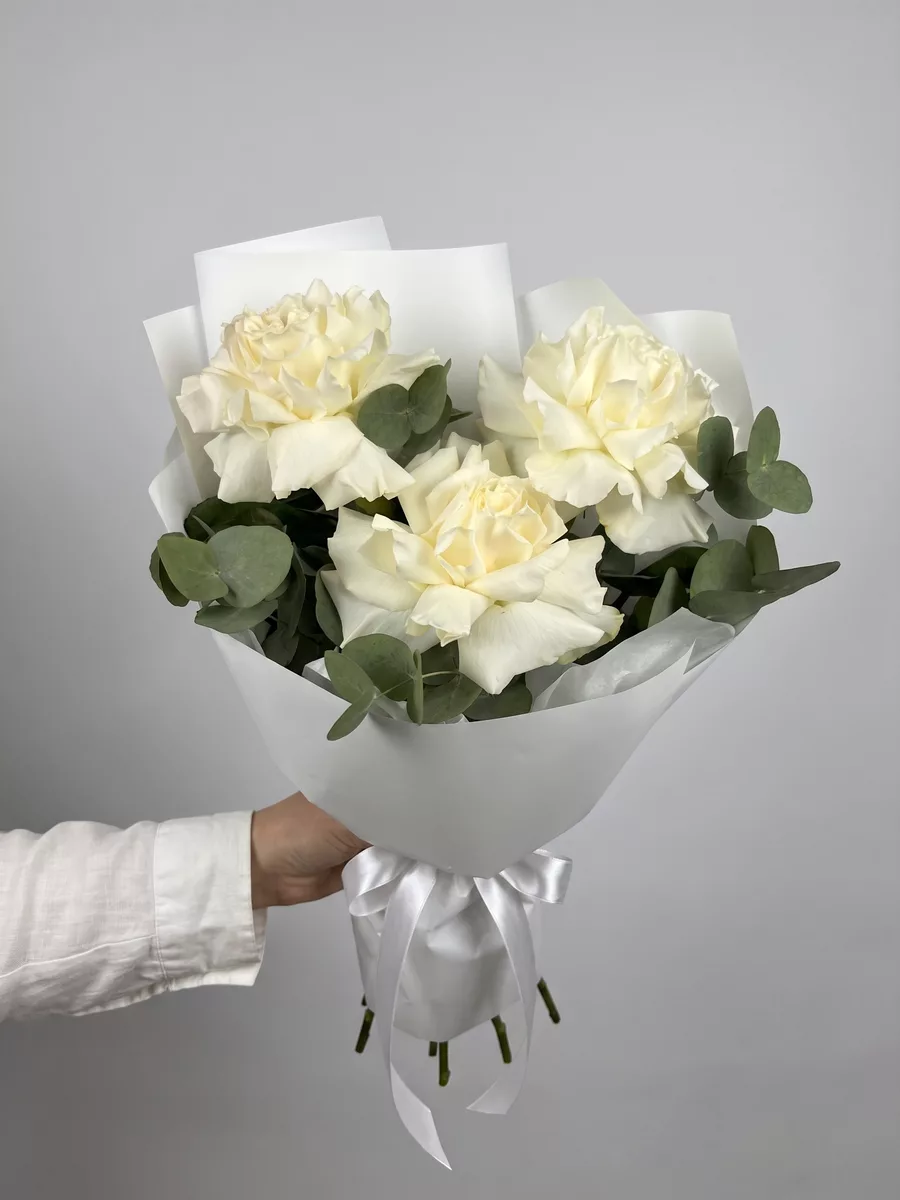
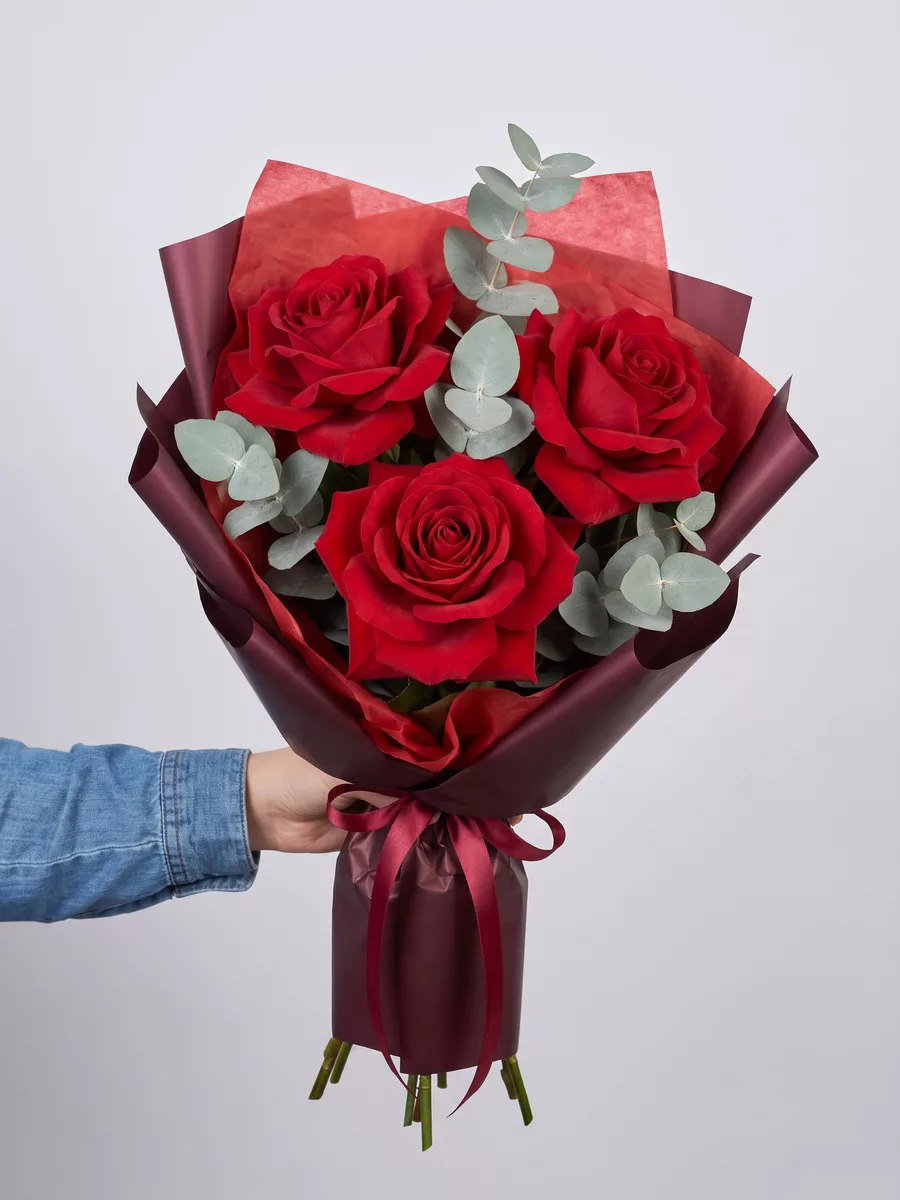
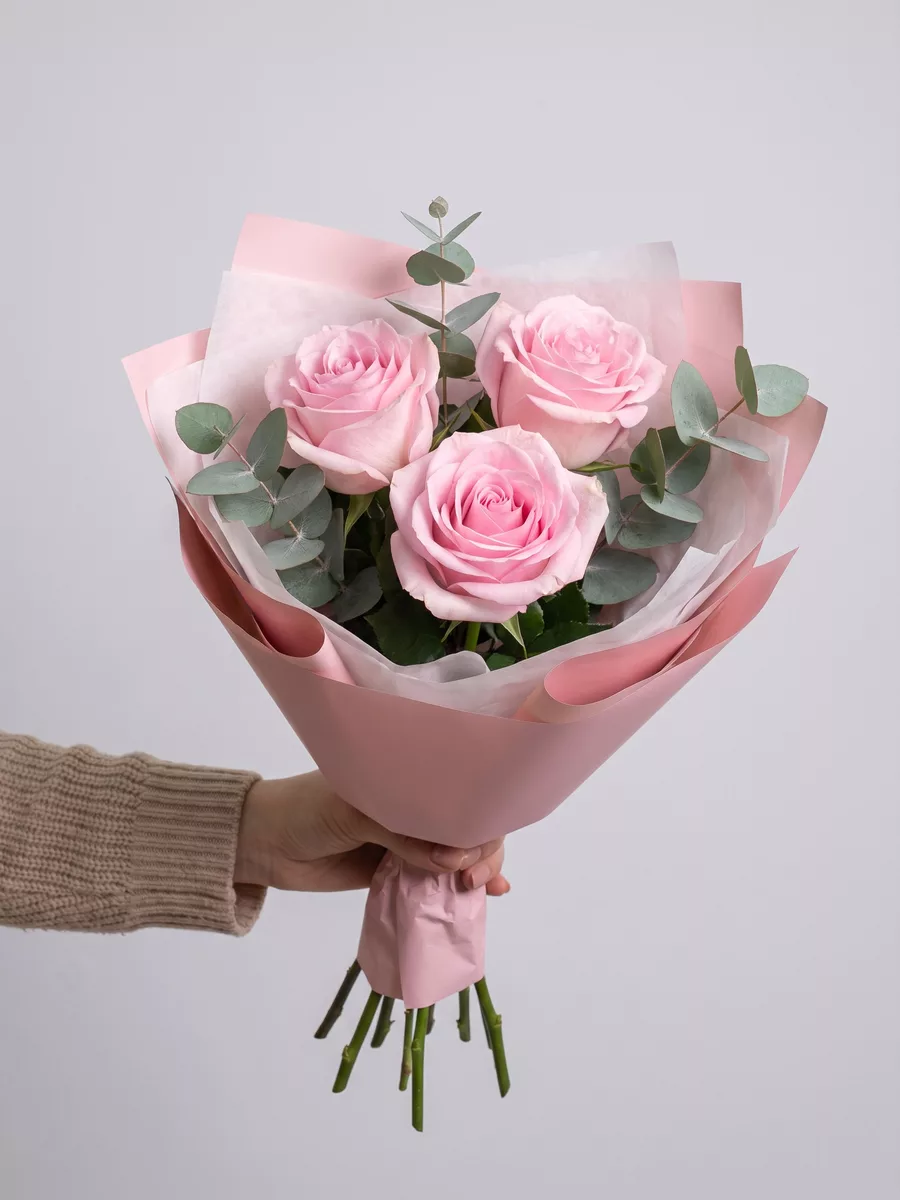
When to Order and How Far Ahead to Plan
Turboflora delivers fresh flowers across Russia within one to two hours, and that speed is real — but it depends on you placing the order with enough lead time, especially when you are in a different time zone. If you are in Los Angeles, Moscow time is ten or eleven hours ahead of you. If you are in Tokyo, Moscow time is six hours behind. Before you click confirm, convert the delivery time into Moscow Standard Time and double-check that it falls within working hours.
For everyday occasions like a birthday or an anniversary, ordering the morning of the desired delivery day is usually fine. For major Russian holidays — particularly March 8th, which is the biggest flower day of the year in Russia — order at least two to three days in advance. Demand spikes dramatically around that date, and popular varieties like tulips, spray roses and mimosa sell through very quickly.
Seasonal timing also affects what is available and how long the flowers will last. In winter, from November through February, apartments in Sovetsk are heated to typical Russian indoor temperatures of around 22 to 24 degrees Celsius. Roses and chrysanthemums hold well in that environment. In summer, if the recipient's home is warmer and not air-conditioned, delicate blooms like sweet peas or garden ranunculus may need extra care. Choosing sturdier varieties in summer is a practical act of kindness, not a compromise on beauty.
Choosing the Right Bouquet for the Person and the Moment
Start from the recipient, not from what looks impressive in a photograph. A grandmother in Sovetsk who grew up with Soviet-era flower culture will likely adore a classic arrangement of gladioli or a neat bundle of garden carnations — flowers that have deep sentimental meaning in Russia that younger Western buyers sometimes overlook. A woman in her thirties who follows contemporary style may prefer a loose, garden-style mix of lisianthus, eucalyptus and peach spray roses. Both are beautiful; the difference is who opens the door.
For romantic occasions, red roses remain the unambiguous language of love in Russia. A dozen long-stemmed red roses is never misread. If you want something slightly more personal, deep burgundy roses mixed with white waxflower create warmth without being predictable. For a birthday, colour is your friend — sunflowers combined with orange gerbera and yellow solidago feel celebratory and bright without being overwhelming.
For a new baby, soft whites and pale pinks or blues work universally. Chrysanthemums in cream or blush are excellent here because they last exceptionally well and do not shed pollen, which matters in a home with a newborn. For a professional achievement or a congratulatory moment, white or ivory lilies — particularly Oriental lilies — carry a sense of occasion and elegance that translates across cultural contexts. Think about where the bouquet will sit in the home and choose a scale that fits: a large statement arrangement for a dining table, a compact posy for a desk or windowsill.
Navigating Russian Flower Customs Without Getting It Wrong
There are a few customs around flowers in Russia that are genuinely useful to know before you order. The most important one is the odd-number rule. In Russia, even numbers of flowers are traditionally associated with mourning and are brought to cemeteries. When you send a bouquet for any joyful occasion, the arrangement should contain an odd number of stems — five, seven, eleven, fifteen. Turboflora follows this automatically, but it is good to understand why, especially if you are tempted to request a round number like ten or twelve.
Colour associations also carry meaning. Yellow flowers are sometimes linked to separation or unfaithfulness in older Russian folk tradition, though this belief is fading among younger generations. If you are sending to someone over sixty or want to be completely safe, avoid purely yellow arrangements and add white or orange tones to shift the mood. All-white bouquets are generally considered appropriate for formal or respectful occasions rather than festive ones, so for a birthday, weave in colour.
Wrapping and presentation matter enormously in Russian flower culture. A bare bunch handed over without packaging feels careless. Turboflora wraps every bouquet properly before delivery, so you do not need to worry about that. What you can do is add a handwritten message in the order notes. Even a short line — written in English if you do not know Russian — means a great deal to a recipient who understands that someone far away composed it personally. The card travels with the flowers and becomes part of the gift.
Payment, Address Details and Avoiding Common Mistakes
Ordering from abroad introduces a few practical friction points that are easy to solve once you know they exist. The first is the address. Russian addresses follow a specific format: city, street, building number, apartment number. In Sovetsk, as in all Russian cities, many residential buildings are large apartment blocks. If you do not have the full apartment number, the delivery cannot reach the correct door. Ask the recipient's family member or a mutual contact for the complete address before you order — do not guess or leave fields incomplete.
Phone numbers are equally important. The courier will call ahead in most cases, and if the number you provide is wrong or unreachable, the delivery stalls. Russian mobile numbers begin with +7. If the recipient uses a Russian SIM card, make sure you have that number rather than a foreign one they may not be monitoring.
For payment, international bank cards are accepted on the Turboflora website. If your card is issued in a country that has restrictions on transactions with Russian services, use an alternative payment method or contact the shop directly to arrange a solution. This is a known logistical reality, not a reason to give up.
The most common mistake international senders make is assuming that a vague address and a rough time window will be enough. They are not. Concrete details — full address, working phone number, preferred delivery window in Moscow time — are the difference between a bouquet that arrives perfectly and one that sits waiting. Five minutes of preparation saves a great deal of disappointment.
Flower Care Instructions to Pass Along to the Recipient
Part of sending flowers well is making sure they last. When you add a note to your order, consider including a few care tips — or simply let the recipient know that Turboflora includes care guidance with the bouquet. Either way, understanding what keeps flowers alive longer helps the gift feel more generous.
The moment a bouquet arrives, the stems should be trimmed at a diagonal cut under running water or in a bowl of water. This prevents an air bubble from blocking the stem and cutting off hydration. A sharp knife is better than scissors, which can crush the stem tissue. After trimming, the bouquet goes into a clean vase filled with cool, fresh water. Room temperature water is fine for most varieties; cold water slows the opening of tulips, which can be useful if the recipient wants them to last longer.
Keep the bouquet away from direct sunlight, radiators and draughts. In a Sovetsk apartment in winter, the radiators run warm and steady — placing flowers directly above one will shorten their life significantly. A cool windowsill away from the heating source is ideal. Change the water every two days and re-trim the stems each time.
Different varieties have different natural lifespans. Chrysanthemums and alstroemeria regularly last ten to fourteen days with good care. Roses and gerbera typically last seven to ten days. Tulips are shorter at five to seven days but open beautifully as they age. Knowing this helps the recipient appreciate each stage of the bouquet rather than feeling disappointed when the first petals drop.
Making the Moment Feel Personal from Thousands of Kilometres Away
Distance is the hardest part of sending flowers from abroad. You cannot see the recipient's face when the door opens. You cannot adjust the bouquet on the spot or explain your choice in person. What you can do is put enough thought into the order that the flowers speak for you without any explanation needed.
The message card is your most powerful tool. Write something specific — reference a shared memory, an inside joke, the occasion in your own words. A generic 'Happy Birthday' printed from a dropdown feels thin compared to two handwritten sentences that only you could have written. If you are not confident writing in Russian, write in English or your own language. The recipient will value the sincerity more than the translation.
Think about timing as a gesture in itself. Arranging for flowers to arrive in the morning of a birthday, before the day gets busy, shows a level of care that a late afternoon delivery does not. If it is a surprise, coordinate with a family member who can be home to receive the bouquet without spoiling it.
Finally, consider the combination of flowers as a portrait of the person. A bouquet of white freesia and soft lavender lisianthus for someone quiet and thoughtful. A vivid arrangement of orange roses, yellow chrysanthemums and red hypericum berries for someone energetic and warm. The more the bouquet resembles the recipient, the more they will feel seen — and that feeling, arriving from across the world, is the real gift.
Sending flowers to Sovetsk from abroad is entirely possible, and when it is done with care — the right variety for the person, a full address, a genuine message on the card — it lands as one of the most meaningful gestures you can make across a long distance. Turboflora handles the logistics and the freshness; your job is to know the person well enough to choose for them. That part only you can do.
Frequently asked questions
Can I order flowers for Sovetsk delivery if I live outside Russia?
Yes. The Turboflora website accepts international orders and international bank cards. You will need a full Russian delivery address including the apartment number, a working Russian mobile number for the recipient, and the desired delivery time expressed in Moscow Standard Time. Those three details are all that is required to place a successful order from abroad.
Why do Russian bouquets always have an odd number of flowers?
In Russian tradition, even numbers of flowers are associated with mourning and are placed at graves. For any celebratory or affectionate occasion — a birthday, anniversary or congratulation — odd numbers are used. This is a deeply ingrained cultural norm, not a superstition that is fading. Turboflora follows this rule automatically in every bouquet it assembles.
What flowers last longest if the recipient's apartment is warm?
Chrysanthemums and alstroemeria are the most resilient in warm indoor conditions, regularly lasting ten to fourteen days with basic care. Tropical varieties like anthuriums also hold well in heat. Avoid delicate blooms such as sweet peas or anemones for warm-season deliveries. Roses perform reliably if the recipient changes the water every two days and keeps the vase away from radiators.
Is March 8th really that different from other flower days in Russia?
It is genuinely the largest flower occasion of the year in Russia — larger than Valentine's Day by a significant margin. Almost every woman receives flowers, and demand across the country surges for several days around the date. Tulips, mimosa and spray roses sell out fastest. Ordering two to three days ahead is strongly recommended, and choosing a wider variety of flowers gives more flexibility if specific stems are limited.
What should I write on the card if I do not speak Russian?
Write in your own language. A sincere message in English, French, German or any other language carries more warmth than a translated phrase that feels impersonal. The recipient will understand that you wrote it yourself, and that authenticity matters far more than the language. Keep it specific — mention the occasion, a shared memory or something particular about the person — rather than a generic greeting.
Ready to send flowers?
Pick the city, choose the bouquet, and a local florist takes it from there.
Choose a city →