Sending Flowers to Spassk-Dalny from Abroad: What You Need to Know
Spassk-Dalny sits in Primorsky Krai, close to the Pacific coast, nearly 9,000 kilometres from Moscow and even further from most of the world. When you are placing an order from Berlin, Toronto, or Tokyo, that distance can feel like a wall. It is not. With a clear plan, the right varieties, and a delivery window that respects the Far Eastern time zone, fresh flowers reach your recipient looking exactly as you intended — and the moment they open the door, none of that geography matters at all.
Why Spassk-Dalny Requires a Different Approach Than Sending to Moscow
Most people ordering flowers internationally default to thinking about the capital. Moscow has enormous infrastructure, and deliveries there feel straightforward. Spassk-Dalny is a smaller city in Primorsky Krai, and that changes a few practical details worth knowing before you place an order.
The first thing to understand is the time zone. Spassk-Dalny operates on Vladivostok Time, which is UTC plus ten. If you are placing an order from Western Europe, you are eleven or twelve hours behind. If you are ordering from the East Coast of the United States, the gap is thirteen hours. This means the moment you sit down to order — say, a Tuesday evening in London — it is already Wednesday morning in Spassk-Dalny. Plan your order at least a day ahead to avoid rushing into a same-morning request that the time difference makes almost impossible.
The city's climate also matters. Primorsky Krai experiences cold, dry winters and warm, humid summers influenced by the Pacific monsoon. In January and February, outdoor temperatures regularly drop well below minus fifteen degrees Celsius. Flowers transported without proper insulated packaging will freeze in transit, which is why packaging standards for this region need to be higher than for central Russia. Conversely, in July and August, humidity rises sharply, which accelerates petal wilting if arrangements are not kept cool.
Knowing these specifics means you can choose varieties and request timing that actually works — rather than sending something beautiful that arrives damaged because no one accounted for the conditions on the ground.
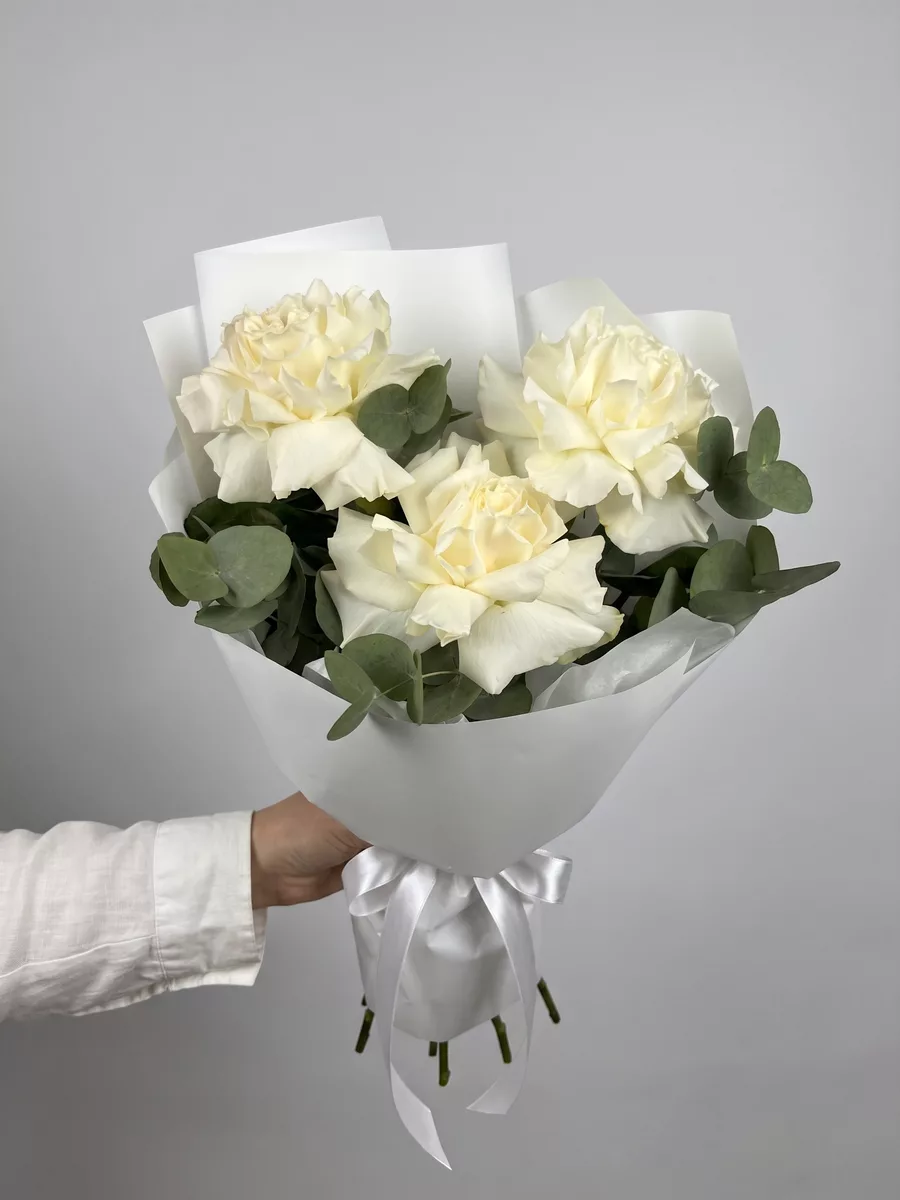
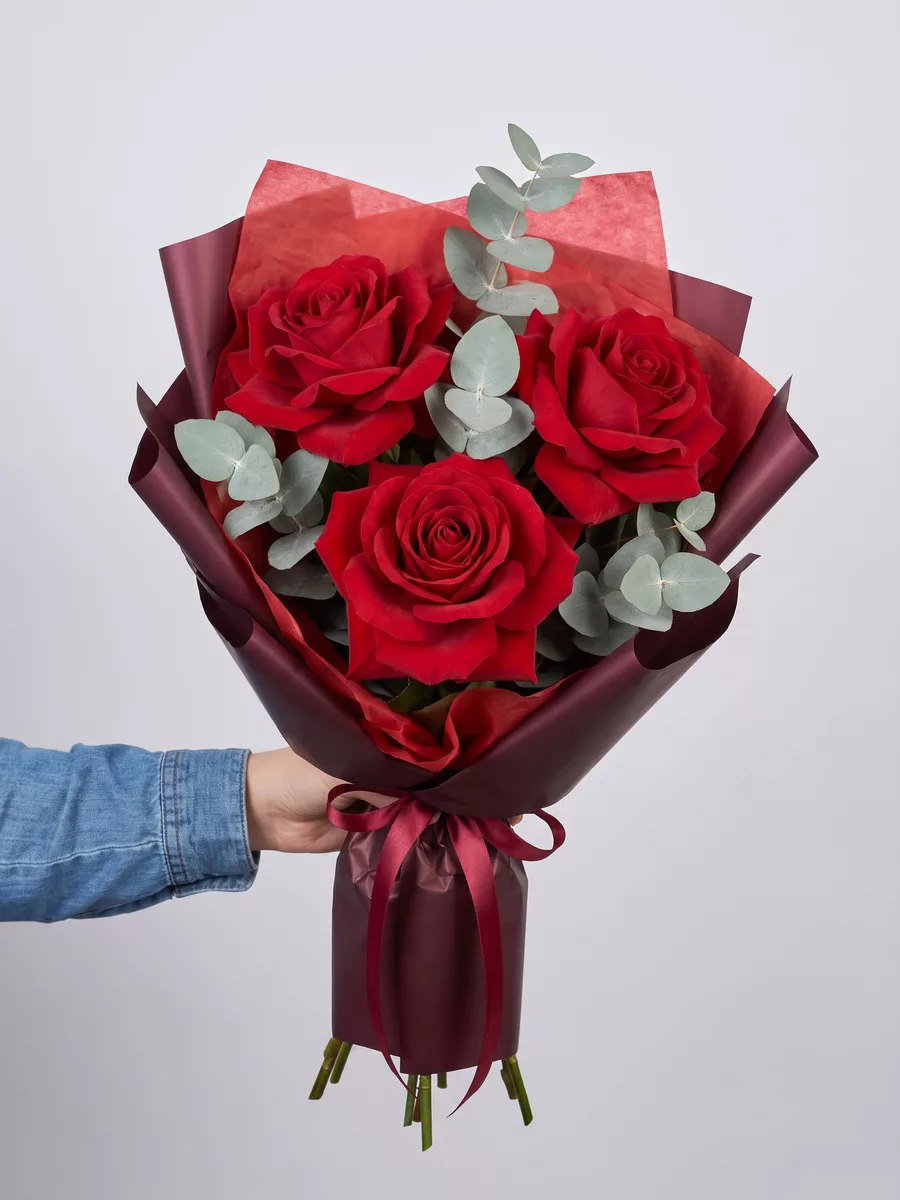
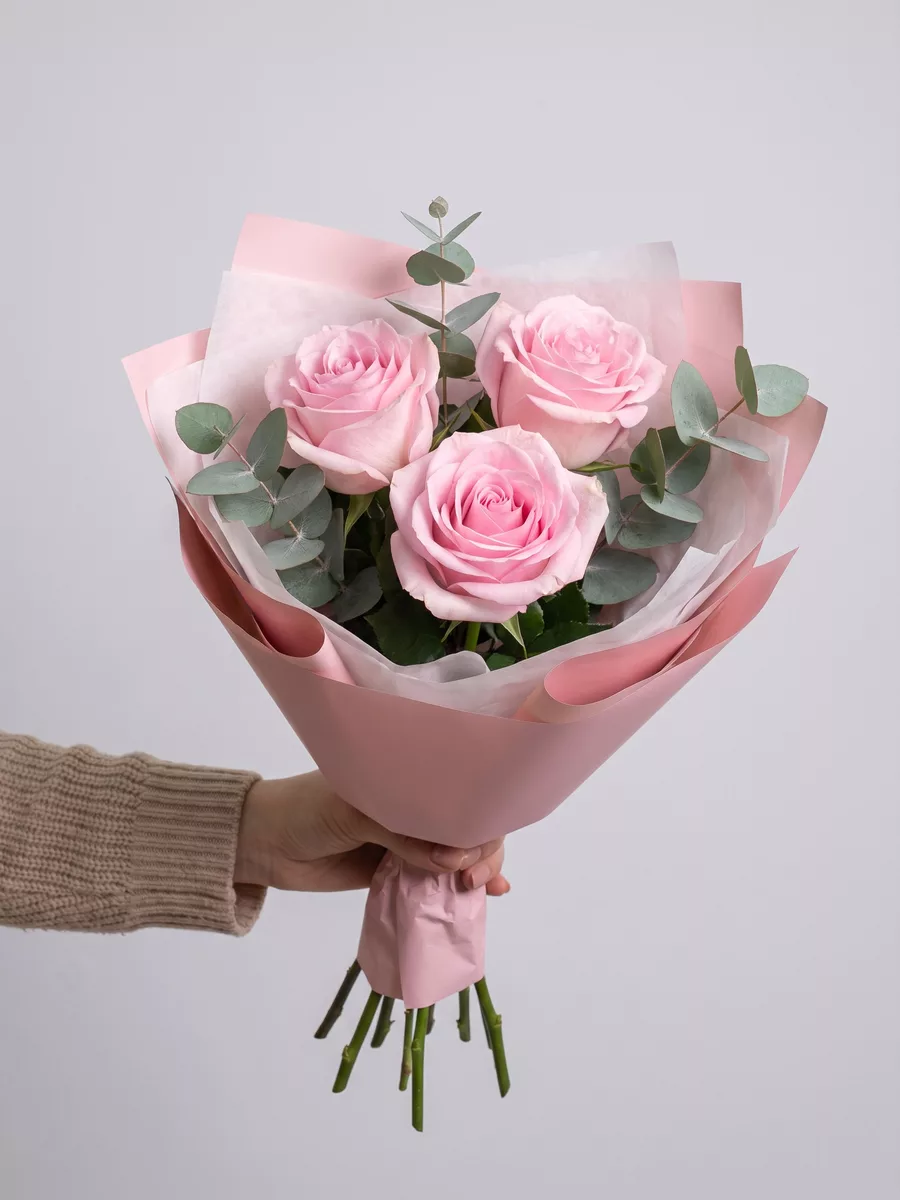
Bouquets we can deliver

Who You Are Sending to Changes Everything About the Bouquet
Before thinking about varieties or colours, think about the person receiving the flowers and what you want them to feel when they open the door. A mother receiving flowers on her birthday wants warmth and abundance — full-headed roses in cream or blush, complemented by lisianthus, feel generous and celebratory without being overwhelming. A colleague being congratulated on a promotion responds better to something structured and confident: calla lilies with eucalyptus, or a clean arrangement of white and deep burgundy roses.
Russian floral customs are worth understanding if you are not familiar with them. Bouquets are traditionally given in odd numbers — three, five, seven stems — because even numbers are associated with mourning. When ordering from abroad, many people do not know this, and it is one of the most common mistakes that can make a gift feel unintentional to a Russian recipient. A good florist builds this into every arrangement automatically, but it is worth confirming.
Colour carries meaning too. Red roses communicate romantic love clearly and directly — appropriate for a partner, less so for a grandmother or a new business acquaintance. Yellow flowers, despite being cheerful in many Western contexts, are sometimes associated with separation in older Russian tradition, though younger recipients in cities like Vladivostok and Spassk-Dalny tend to embrace them freely. When in doubt, mixed arrangements in pink, white, and soft coral read as universally warm and celebratory across generations and relationships.
Think about what the recipient's home looks like. A single dramatic stem of an anthurium or a protea can feel striking in a modern apartment but out of place in a more traditional setting. Soft, rounded bouquets of garden roses and spray chrysanthemums feel at home almost anywhere.
Choosing Flowers for the Season in Primorsky Krai
Seasonal awareness is one of the marks of a thoughtful sender. Flowers that suit the moment outside the window feel more considered than a generic arrangement that ignores the weather entirely.
In winter, from November through March, Spassk-Dalny is cold and often grey. This is the time for bouquets that bring warmth indoors — deep red and orange roses, rich burgundy tulips if they are in season, and branches of cotton flower or dried elements that add texture and last for weeks. Alstroemeria is reliable in winter because it travels well in cold conditions and holds its colour beautifully indoors. Avoid delicate open blooms like anemones, which are more fragile and suffer in extreme cold during transport.
Spring arrives gradually in Primorsky Krai, often not fully settling until May. Tulips are the classic spring choice and are beloved across Russia — a full bouquet of forty or fifty tulips in a single colour, wrapped simply, is one of the most joyful things a person can receive. Ranunculus and hyacinths also signal the season well and carry a strong, pleasant fragrance that fills a room.
Summer allows for the widest range. Garden roses, peonies in June, sunflowers, and lisianthus all travel well in the milder temperatures. Peonies in particular are enormously popular in Russia and carry a sense of occasion that few other flowers match. If you are sending in June or early July, a peony bouquet is rarely the wrong choice.
Autumn calls for warmer tones — orange spray roses, rust-coloured chrysanthemums, and dahlias where available. These feel connected to the season and complement the changing light outside.
Timing Your Order Across Time Zones Without Making It Stressful
The time zone difference is the single most practical challenge for an international sender, and it is also the easiest to solve once you understand it. Spassk-Dalny is UTC plus ten. Write that down and keep it visible when you are placing your order.
If you want flowers delivered in the morning — which is often the most joyful time to receive them, before the day fills up — you need to place your order the previous evening your local time if you are in Europe, or early that same morning if you are in East Asia or Australia. The goal is to have your order confirmed and in the system well before the delivery window opens in Spassk-Dalny.
For significant occasions like birthdays or anniversaries, order two or three days in advance. This removes all time zone pressure and gives you space to personalise the card message thoughtfully rather than rushing through it. It also allows for any communication that might be needed about the delivery address — building entrance codes, floor numbers, or whether the recipient will be home at a specific time.
If you are sending a surprise, consider whether the recipient lives in a house or an apartment building. In Russia, many apartment buildings require a door code or an intercom call to enter. Providing this information in your order notes makes the difference between a smooth delivery and a florist standing outside unable to get in. Ask the recipient's family member or friend discreetly if you do not have these details yourself.
Same-day orders from abroad are possible but require you to act early in your morning. Do not leave it to the evening if you are in a European time zone — by then, the delivery day in Spassk-Dalny is already over.
What to Write on the Card When You Are Far Away
The card message is the part of the gift that carries your voice, and when you are thousands of kilometres away, it does a great deal of emotional work. A few sentences written with care matter far more than a long generic message copied from a template.
Write in whatever language feels most natural between you and the recipient. If you and your recipient communicate in Russian, write in Russian — even imperfect Russian, typed carefully and checked with a translation tool, will feel more personal than a formal English message. If English is the language of your relationship, use it without apology. The warmth comes through regardless of the language.
Be specific. Instead of writing happy birthday and I miss you, write something that only you could write — a reference to a shared memory, a joke that belongs to the two of you, a line about what you would be doing together if distance were not a factor. Specificity is what transforms a card from a formality into something the recipient keeps.
In Russian custom, the act of sending flowers from a distance is itself understood as significant. The effort is visible and appreciated. You do not need to over-explain or apologise for not being there in person. A simple, warm, honest message is always enough.
Keep the message to three to five sentences. Card space is limited, and a message that runs too long can feel pressured. Say the essential thing clearly, sign it warmly, and trust that the flowers will carry the rest of what you mean.
Keeping the Flowers Fresh After They Arrive
Your job as the sender ends at delivery, but sharing a few care tips in the card or order notes extends the life of your gift and shows thoughtfulness that the recipient will notice.
The single most important step is cutting the stems. Flower stems seal over during transport, and if they are placed directly into water without being recut, they cannot drink effectively. The recipient should trim at least two centimetres from each stem at a diagonal angle — a diagonal cut increases the surface area for water uptake. This should be done with a sharp knife or scissors, ideally while holding the stems under water or immediately before placing them in the vase.
Water temperature matters more than most people realise. Lukewarm water encourages most cut flowers to open and drink more readily than cold water. The exception is tulips, which prefer cool water and actually continue to grow in the vase, sometimes by several centimetres, so they need a tall container.
Vase position is often overlooked. Flowers last significantly longer away from direct sunlight, heating vents, and fruit bowls. Fruit releases ethylene gas as it ripens, which accelerates the ageing of petals — a bunch of bananas next to a bouquet of roses will shorten their vase life noticeably.
For roses, lisianthus, and alstroemeria, changing the water every two days and recutting the stems at each change can extend vase life from seven days to ten or even twelve. Chrysanthemums and carnations are naturally longer-lasting and require less attention. Tulips and ranunculus are more delicate and will typically look their best for five to seven days — but those days are spectacular.
Making the Gesture Feel Personal Despite the Distance
There is a particular kind of warmth that comes from receiving flowers when the sender is far away. The recipient knows that you thought ahead, navigated an unfamiliar system, and made an effort across time zones and borders. That effort is part of the gift, even if it is invisible.
To make the gesture feel even more personal, consider pairing the flowers with a small addition. A handwritten note sent separately by post, arriving a few days after the flowers, creates a second moment of connection. Some senders arrange a video call timed to coincide with the delivery — so they can see the recipient's face when the door opens. These small choreographies cost nothing but feel significant.
Think about the wrapping. A bouquet presented in kraft paper with a simple ribbon reads as considered and elegant. If you have the option to specify wrapping colours or add a specific ribbon colour that means something to your recipient — their favourite colour, the colour of a flower from a shared memory — include that in your order notes. Florists who work with personal details like this produce arrangements that feel curated rather than generic.
Finally, do not underestimate the power of repetition. A single bouquet is a lovely surprise. A bouquet sent on the same occasion every year becomes a tradition — something the recipient begins to anticipate and look forward to. Distance does not have to mean absence. Flowers sent consistently, with care and attention to what the recipient loves, build a language of their own across any number of kilometres.
Sending flowers to Spassk-Dalny from abroad is not complicated once you understand the time zone, the season, and the person waiting on the other side of the door. The distance between you and your recipient is real, but it does not change what flowers do — they arrive, they are beautiful, and for a moment the room feels different. That moment is worth planning for.
Frequently asked questions
Can I order flowers for Spassk-Dalny delivery if I do not speak Russian?
Yes, entirely. The order process works in English, and you can write your card message in any language you choose. Provide the recipient's full address including apartment number and any building entry code in the order notes, and delivery proceeds without any need for you to communicate in Russian at any stage.
How far in advance should I place my order from abroad?
For a relaxed, well-timed delivery, order two to three days ahead. This accounts for the time zone difference between your location and Spassk-Dalny, which is UTC plus ten, and gives you space to personalise the card message without rushing. Same-day delivery from abroad is possible if you act early in your morning.
Are there flowers I should avoid sending to Spassk-Dalny in winter?
Delicate open blooms like anemones and garden anemones are more vulnerable to freezing temperatures during transport in January and February. Roses, alstroemeria, chrysanthemums, and carnations travel much better in cold conditions and arrive in strong condition even when outdoor temperatures drop well below minus fifteen degrees Celsius.
Why do Russian bouquets always have an odd number of flowers?
In Russian tradition, even numbers of flowers are associated with mourning and are brought to funerals. Odd numbers — three, five, seven, and so on — are for celebrations, congratulations, and affection. If you are ordering for a joyful occasion, your arrangement should always contain an odd number of stems. A good florist applies this automatically.
How long will the flowers last once they are delivered in Spassk-Dalny?
Roses, lisianthus, and alstroemeria typically last seven to twelve days with fresh water every two days and stem recutting. Chrysanthemums and carnations last even longer. Tulips and ranunculus look spectacular for five to seven days. Keeping the bouquet away from direct sunlight, heat sources, and fruit bowls noticeably extends vase life for all varieties.
Ready to send flowers?
Pick the city, choose the bouquet, and a local florist takes it from there.
Choose a city →