Sending Flowers to Staraya Kupavna from Abroad: What You Need to Know
You are sitting in Berlin, Toronto, or Dubai, and someone you love is in Staraya Kupavna. You want flowers on their table by the afternoon — fresh, meaningful, and not wilted from a long journey. The good news is that this is entirely possible, and it is simpler than most international senders expect. The key is knowing a few things about the town, the season, and how to place an order that actually works across time zones.
What Staraya Kupavna Is Like and Why It Matters for Delivery
Staraya Kupavna is a small town in the Moscow Oblast, sitting roughly 35 kilometres east of central Moscow along the Gorkovskoye highway. It is a quiet, residential place — not a major city hub — which means the rhythm of life there is unhurried and personal. When flowers arrive in a town like this, they are noticed. A bouquet delivered to a door here carries more weight than one sent to a busy Moscow apartment block where couriers come and go all day.
Because the town sits within the greater Moscow region, it falls within Turboflora's delivery zone. That means the same standard of freshness and presentation that goes to a recipient in central Saint Petersburg or Moscow applies here too. The distance from our fulfillment point does not compromise the flowers — they travel in temperature-controlled conditions and arrive the same day.
For you as a sender abroad, the practical implication is this: you do not need to find a local shop or navigate Russian-language websites you cannot read. You place one order, in English, and the logistics are handled end to end. What you do need to think about is timing your order relative to Russian time zones, and choosing flowers that suit the season your recipient is actually experiencing — which may be very different from what is blooming where you are right now.
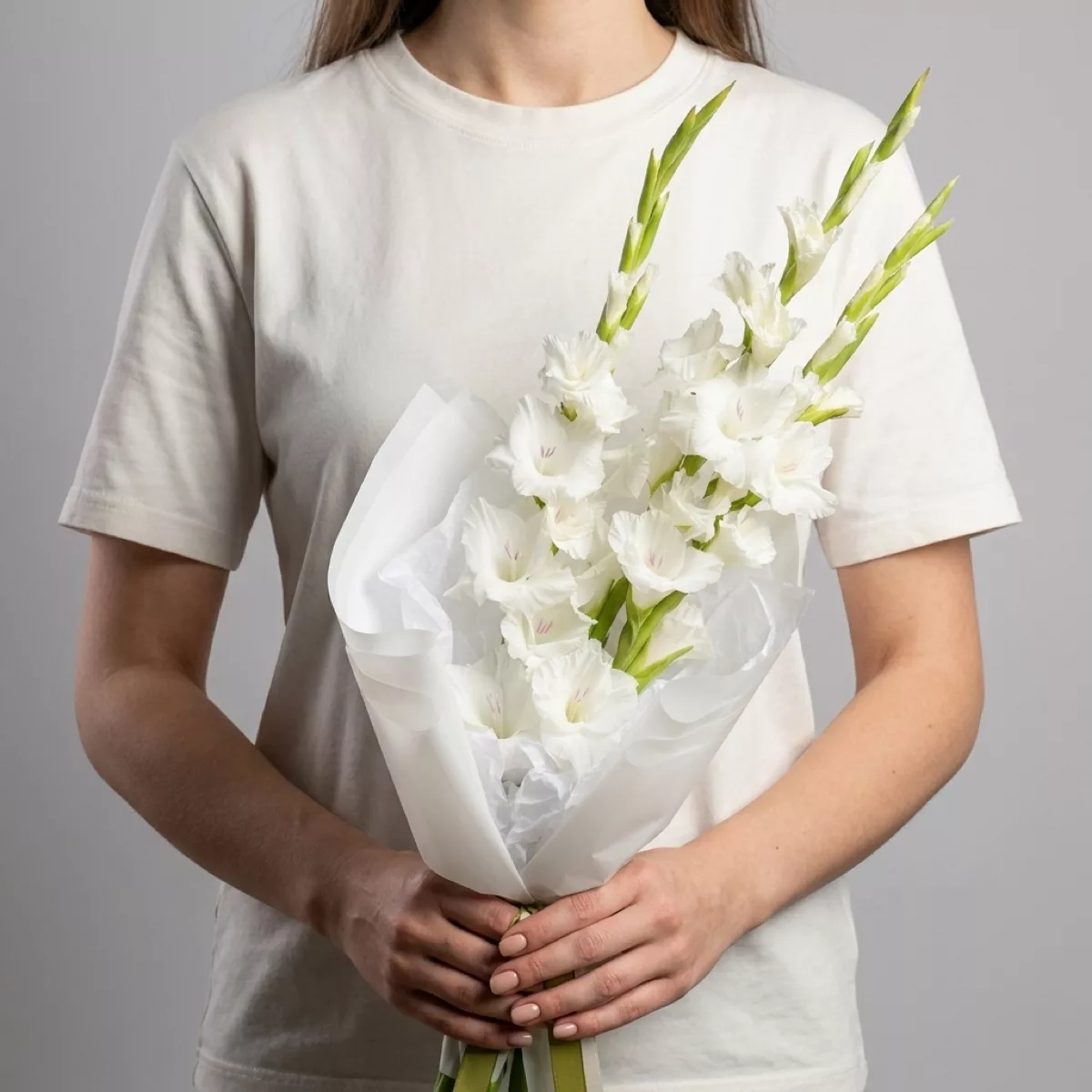
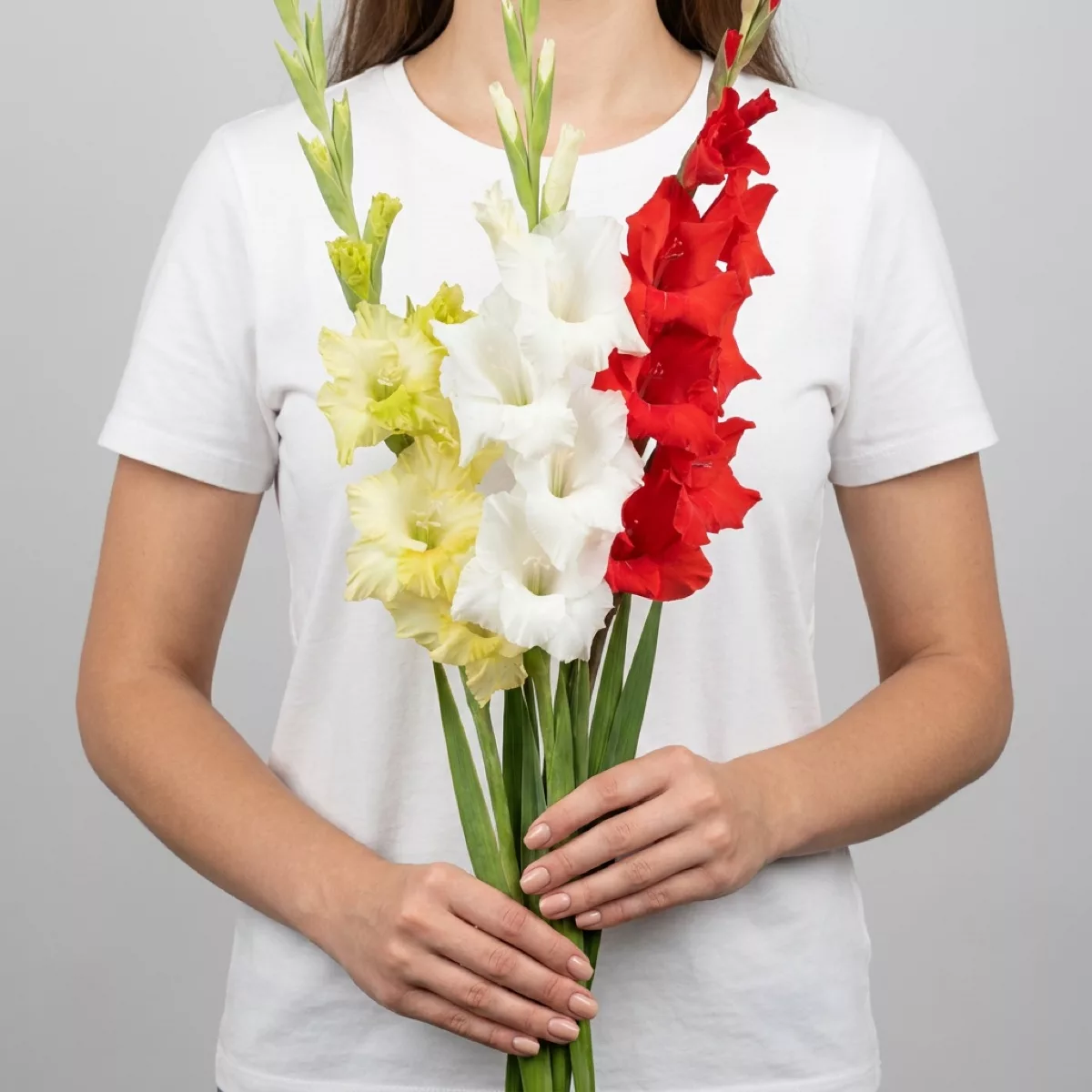
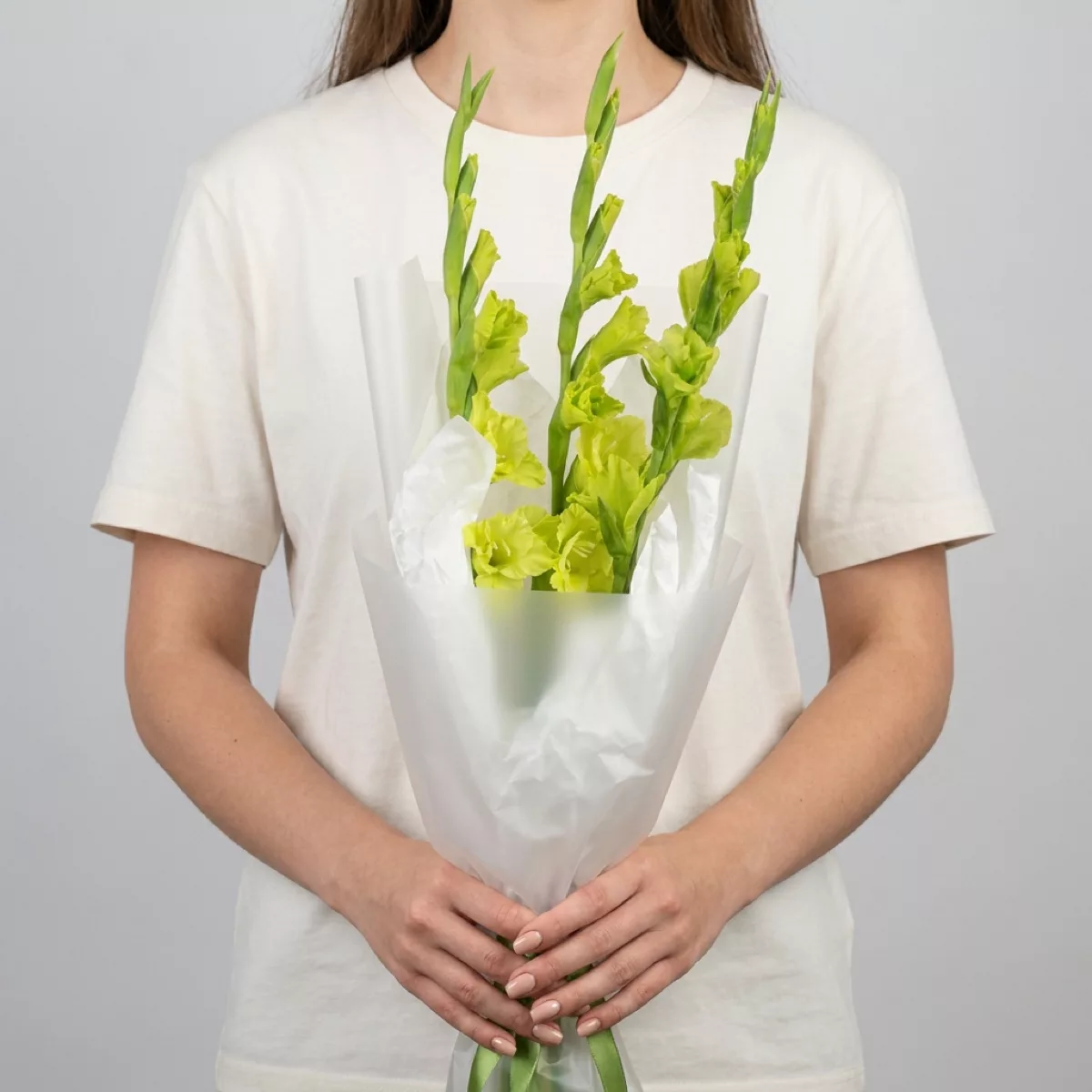
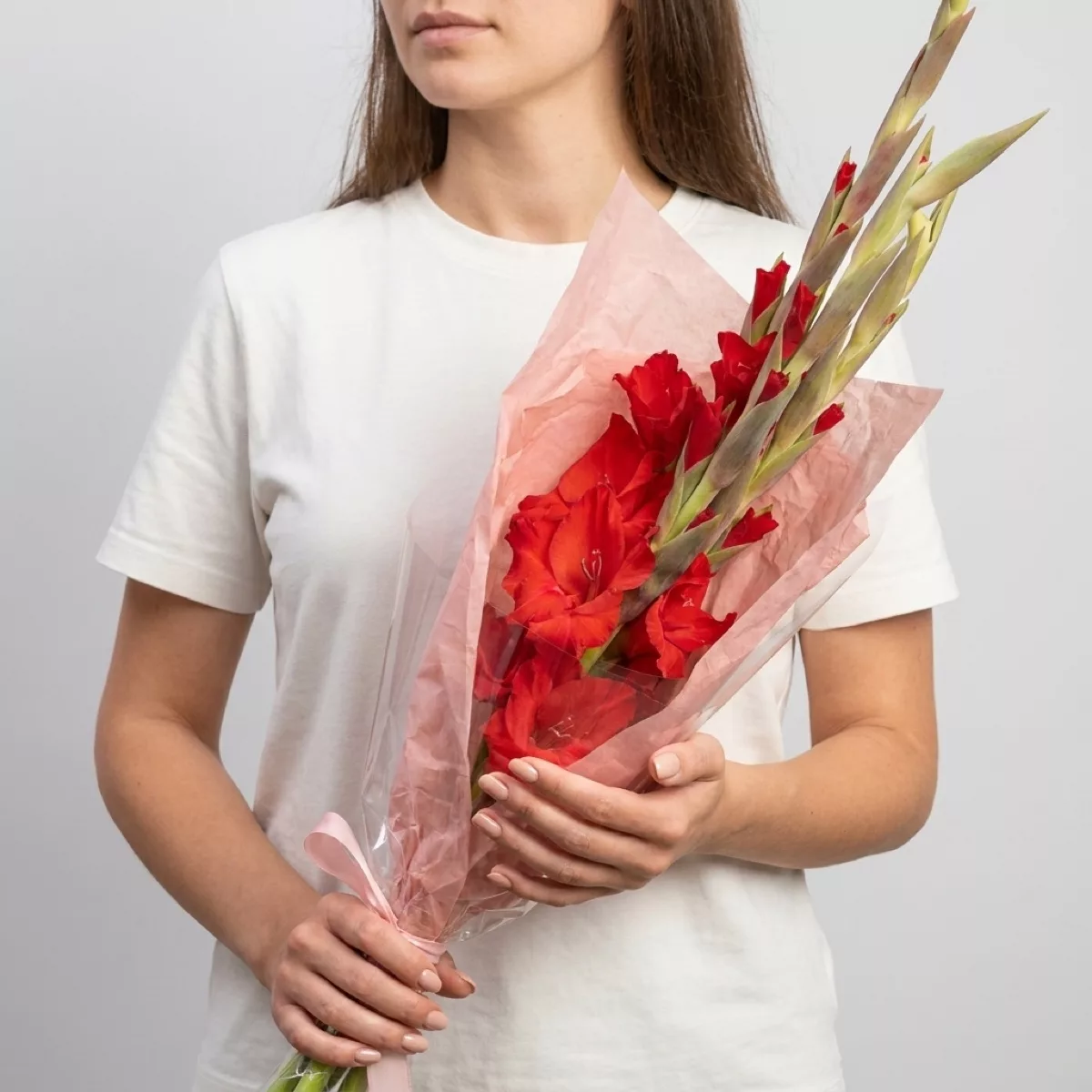
Bouquets we can deliver
Time Zones, Order Windows and When to Place Your Order
Moscow time runs three hours ahead of Central European Time, eight hours ahead of Eastern Standard Time in North America, and four hours behind most of the Gulf region. Staraya Kupavna follows Moscow time. This is the single most important practical detail for an international sender, because it determines whether your order lands in the morning as a surprise or arrives after dinner when the moment has already passed.
For a same-day delivery, the safest approach is to place your order before noon Moscow time. If you are in London, that means placing it before 9 a.m. your time on a weekday. If you are in New York, you are looking at 4 a.m. EST — which is why many senders from North America find it easier to order the evening before for next-day delivery. The one or two day delivery window that Turboflora operates within gives you a reliable buffer to work with.
Birthdays and anniversaries have fixed dates, so plan two or three days ahead when ordering from a significantly different time zone. This removes the stress of calculating cutoff times on the day itself. For occasions like International Women's Day on March 8th or Valentine's Day on February 14th, order at least four to five days in advance — demand across the Moscow region surges sharply around these dates, and same-day slots fill quickly. A little forward planning is the difference between a bouquet that arrives at the celebration and one that arrives the morning after.
Choosing Flowers for the Person, Not Just the Occasion
The best bouquet for someone in Staraya Kupavna starts with who they are, not with what the calendar says. A grandmother celebrating her seventieth birthday will respond differently to flowers than a young colleague finishing her university degree. Think about the person first: their home, their personality, whether they tend to prefer something lush and abundant or something clean and architectural.
For warmth and affection — parents, grandparents, close friends — garden-style arrangements work beautifully. Think full-headed spray roses combined with lisianthus, soft greenery like eucalyptus or ruscus, and perhaps a few stems of alstroemeria for longevity. These combinations read as generous and thoughtful without being formal.
For romantic occasions, red or deep-burgundy roses remain the clearest language in Russia. A single variety bouquet of long-stemmed roses, presented with clean wrapping and a ribbon, is genuinely appreciated and culturally resonant. You do not need to overthink it — the classic works here precisely because it is classic.
For younger recipients or creative personalities, consider something with texture and contrast: protea mixed with ranunculus, or a compact arrangement of garden roses in peach and cream tones alongside veronica or scabiosa. These combinations photograph well, which matters to a generation that will almost certainly share the moment on social media.
If you are unsure, a mixed seasonal bouquet chosen by the florist for the day is never wrong. The flowers will be at peak freshness, and the combinations will reflect what is genuinely beautiful right now rather than what is available year-round in a refrigerated warehouse.
Seasons in the Moscow Region and What They Mean for Your Bouquet
Staraya Kupavna experiences proper Russian seasons — long, cold winters with temperatures regularly dropping to minus fifteen Celsius or lower, a dramatic spring thaw in April, warm summers, and a golden but short autumn. The season shapes not only what flowers are available but also how they should be transported and how long they will last once inside the recipient's home.
In winter, from November through March, the cold outside actually helps flowers in transit — they are naturally chilled. But the transition from cold outdoor air to a heated Russian apartment can cause condensation and accelerate wilting if the bouquet is not wrapped properly. This is handled at the preparation stage, but it is worth knowing that winter bouquets should go straight into water once unwrapped, without delay.
Spring is the most emotionally charged flower season in Russia. Tulips arrive in enormous variety from late February onward — parrot tulips, fringed tulips, double tulips in deep purple and creamy white. Around March 8th, tulips are everywhere, and for good reason: they are the flower most associated with the holiday. If you are sending for this date from abroad, tulips in a single bold colour make a strong, culturally fitting statement.
Summer brings peonies in June, sunflowers from July, and dahlias into September. Autumn calls for warm tones — terracotta roses, orange gerberas, rust-coloured chrysanthemums. These seasonal anchors matter because they tell the recipient that someone thought carefully about the moment, not just the gesture.
Russian Flower Customs an International Sender Should Know
If you have not sent flowers to Russia before, a few cultural details will help you avoid small but meaningful missteps. The most important is the odd-number rule. In Russia, even numbers of flowers are traditionally associated with mourning and are brought to funerals. For any celebratory or affectionate occasion, bouquets should contain an odd number of stems — three, five, seven, eleven, or more. This is a firm convention, and recipients will notice.
Yellow flowers carry mixed associations in Russian culture. Some people consider them a symbol of separation or bad luck in a relationship, while younger generations have largely moved away from this belief. If you are sending to someone older or more traditional, it is safer to choose another colour palette. If you know the recipient loves yellow tulips or mimosa, go ahead — but when in doubt, lean toward pink, white, red, or mixed seasonal tones.
Presentation matters enormously. Russian recipients expect a bouquet to look finished and intentional — good wrapping, a ribbon or bow, and clean stems. A loosely wrapped bunch of flowers would feel incomplete. The bouquet should look like it was prepared for someone specific, not pulled from a bucket.
Including a handwritten card is a meaningful touch. Even a few words in English are appreciated — the fact that someone abroad took the time to write something personal carries its own warmth. If you want the message written in Russian, you can provide the text and it will be transcribed. A message that says something specific about the recipient, rather than a generic greeting, will make the moment last longer in their memory.
Flower Care After Delivery: What to Tell Your Recipient
Flowers sent from abroad carry a particular emotional weight, and you want them to last as long as possible. Passing along a few care instructions — either in your card message or in a quick text — will extend the life of the bouquet significantly and show an extra layer of consideration.
The first step is always a fresh cut. The recipient should trim about two centimetres from the bottom of each stem at a diagonal angle, ideally under running water or in a bowl of water. This prevents air from entering the stem and blocking water uptake. It sounds like a small thing, but it can add three to four days to the vase life of roses and lisianthus.
The vase should be clean and filled with cool, fresh water. Warm or room-temperature water encourages bacterial growth, which shortens vase life. The water should be changed every two days, and the stems trimmed again each time. Any leaves sitting below the waterline should be removed before the flowers go in — submerged foliage rots quickly and clouds the water.
Placement in the home matters more than most people realise. Flowers should stay away from direct sunlight, heating radiators, and fruit bowls. Ripening fruit releases ethylene gas, which accelerates petal drop in roses and tulips especially. A cool spot — a hallway table, a shaded windowsill — will keep flowers looking their best for the longest time.
With proper care, roses and lisianthus typically last seven to ten days. Tulips last five to seven days but continue to grow and move in the vase, which many people find charming. Chrysanthemums and alstroemeria are among the longest-lasting varieties at ten to fourteen days.
Placing Your Order from Outside Russia: A Practical Walkthrough
Ordering flowers for someone in Staraya Kupavna from abroad is designed to be straightforward, but a few details will make the process smoother and reduce the chance of any confusion on delivery day.
Have the recipient's full address ready before you start. In Russia, addresses follow a specific format: street name, building number, apartment number, and postal code. If the recipient lives in a multi-entrance building — which is common in Russian residential blocks — the entrance number, or podezd, is important. Without it, a courier may wait at the wrong door. If you are not sure of the full address, it is worth sending a quick message to ask before placing the order, framing it as something unrelated if you want the delivery to be a surprise.
The contact phone number for the recipient is also essential. Russian couriers will typically call ahead to confirm arrival time and to navigate larger residential areas. Providing a working mobile number removes the main source of failed deliveries.
When writing your card message, keep it warm and specific. Generic messages — Happy Birthday, With Love — are perfectly fine, but something that references a shared memory or an inside detail between you and the recipient transforms the bouquet into a story. You have gone to the effort of sending flowers across a considerable distance; a personal message completes that effort.
If you are sending for a surprise and do not want the recipient called in advance, note this clearly in the order comments. Couriers can arrange to leave flowers with a neighbour or building manager in some cases, though a direct handoff is always preferred for fresh flowers. Confirming the recipient will be home around the delivery window is the simplest way to ensure everything goes smoothly.
Sending flowers to Staraya Kupavna from the other side of the world is less complicated than it sounds, and the result — someone you care about opening their door to a fresh, beautifully arranged bouquet — is entirely worth the small effort of planning ahead. Get the time zone right, choose flowers that fit the season and the person, follow the odd-number rule, and write something real on the card. Those four things will make your order feel like it came from someone who was paying attention, even from thousands of kilometres away.
Frequently asked questions
Can I order flowers for Staraya Kupavna if I do not speak Russian?
Yes, entirely. Turboflora's website and ordering process are accessible in English, and you can write your card message in any language you choose. The courier handles all local communication in Russian on your behalf. You simply need the recipient's address and phone number, and the rest is managed for you.
What is the latest I can order for same-day delivery to Staraya Kupavna?
The safest cutoff for same-day delivery is before noon Moscow time. For senders in Western Europe that means before 9 or 10 a.m. local time, depending on the season. If you are ordering from North America or further east, placing your order the evening before for next-day delivery is the most reliable approach and avoids early-morning stress.
Are there flowers I should avoid sending to someone in Russia?
Two things to keep in mind: always send an odd number of stems, as even numbers are associated with mourning in Russian tradition. Also consider avoiding yellow flowers if your recipient is older or more traditional, as yellow can carry connotations of separation or bad luck in a relationship for some people. Pink, white, red and mixed seasonal palettes are always safe.
How long will the flowers last after delivery to Staraya Kupavna?
With proper care — fresh diagonal cuts, clean cool water changed every two days, and placement away from heat and sunlight — roses and lisianthus last seven to ten days. Alstroemeria and chrysanthemums can reach ten to fourteen days. Tulips typically last five to seven days but continue to open and move in the vase, which many recipients find beautiful.
What happens if the recipient is not home when the flowers arrive?
The courier will call the recipient's phone number before arriving. If you are planning a surprise and prefer no advance call, note this in your order comments and we will do our best to coordinate accordingly. Confirming that your recipient will be home during the chosen delivery window is the simplest way to guarantee a smooth handoff of fresh flowers.
Ready to send flowers?
Pick the city, choose the bouquet, and a local florist takes it from there.
Choose a city →