Sending Flowers to Staraya Russa from Abroad: What You Need to Know
Staraya Russa is a quiet spa town in the Novgorod region, beloved for its mineral springs and unhurried pace — and for the people who live there, a surprise bouquet arriving at the door means just as much as it would in any big city. If you are sitting in Berlin, Tel Aviv, Toronto or Tokyo trying to figure out how to send flowers across that distance, the process is more straightforward than it looks. You do not need to speak Russian, you do not need a local contact, and you do not need to worry about the flowers sitting in a depot overnight. This article walks you through everything from choosing the right flowers for the season to writing a card message that lands the way you intend it.
Why Staraya Russa Is Worth the Extra Thought
Staraya Russa sits about 300 kilometres south of Saint Petersburg, close enough for same-day delivery from a well-organised florist but far enough that the logistics deserve a little planning on your part. The town has a population of around 28,000 people, many of whom have family connections across Russia and beyond — so the idea of flowers arriving from a sender abroad is not unusual, and it is always warmly received.
What makes the town distinct for flower delivery is the climate. The Novgorod region experiences cold winters that can push well below minus 20 Celsius, warm but short summers, and long transitional seasons in spring and autumn when temperatures shift quickly. This matters because flowers travelling to a recipient in January need to be packaged for cold, while flowers sent in July need to arrive before afternoon heat sets in.
The town also has a particular cultural rhythm. Many residents observe Orthodox holidays and name days with more seriousness than people in larger cities, which means the occasions you are sending for may carry deeper weight than you realise. A bouquet for a grandmother's name day, a teacher's birthday, or a friend's new home carries genuine significance. Understanding that helps you choose not just the flowers but the presentation — a tightly wrapped formal bouquet reads differently from a loose, garden-style arrangement, and the right choice depends on who is receiving it and why.
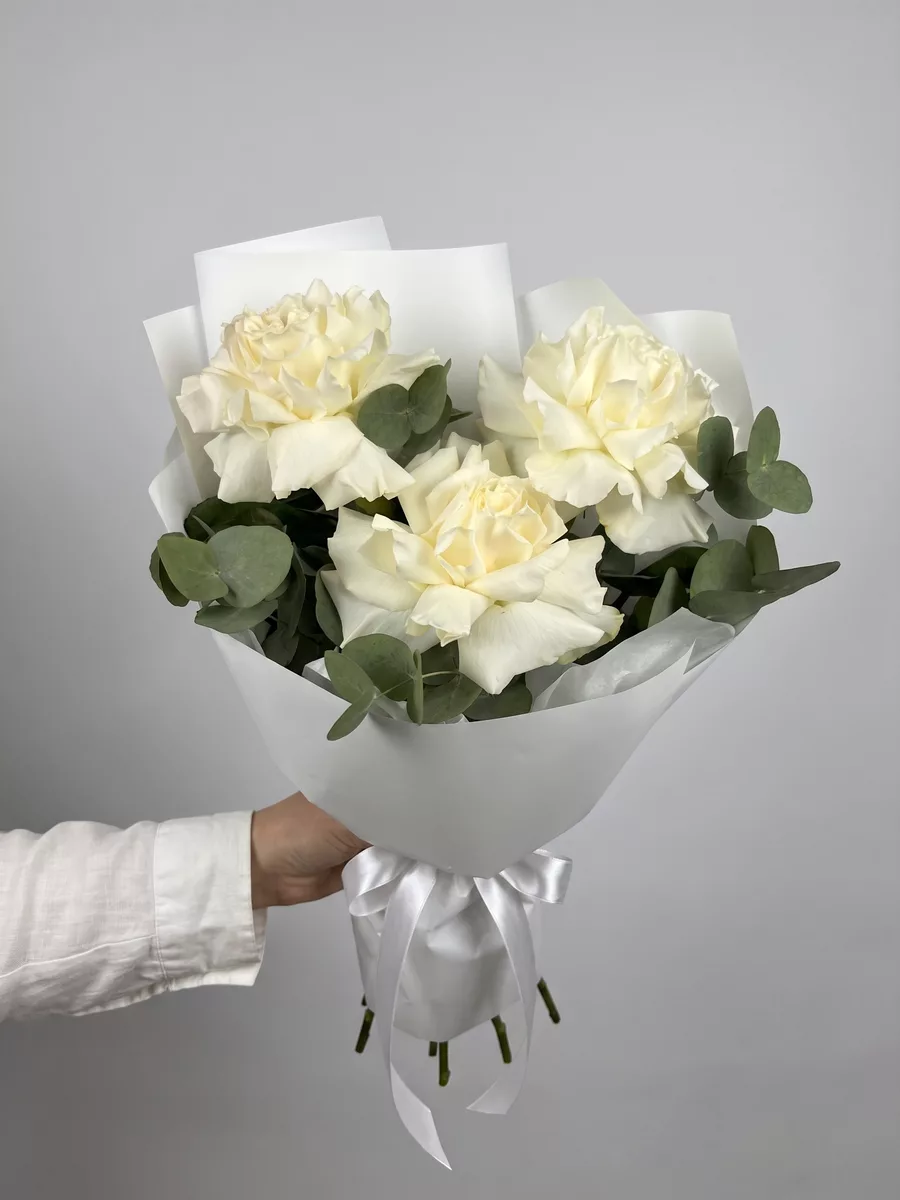
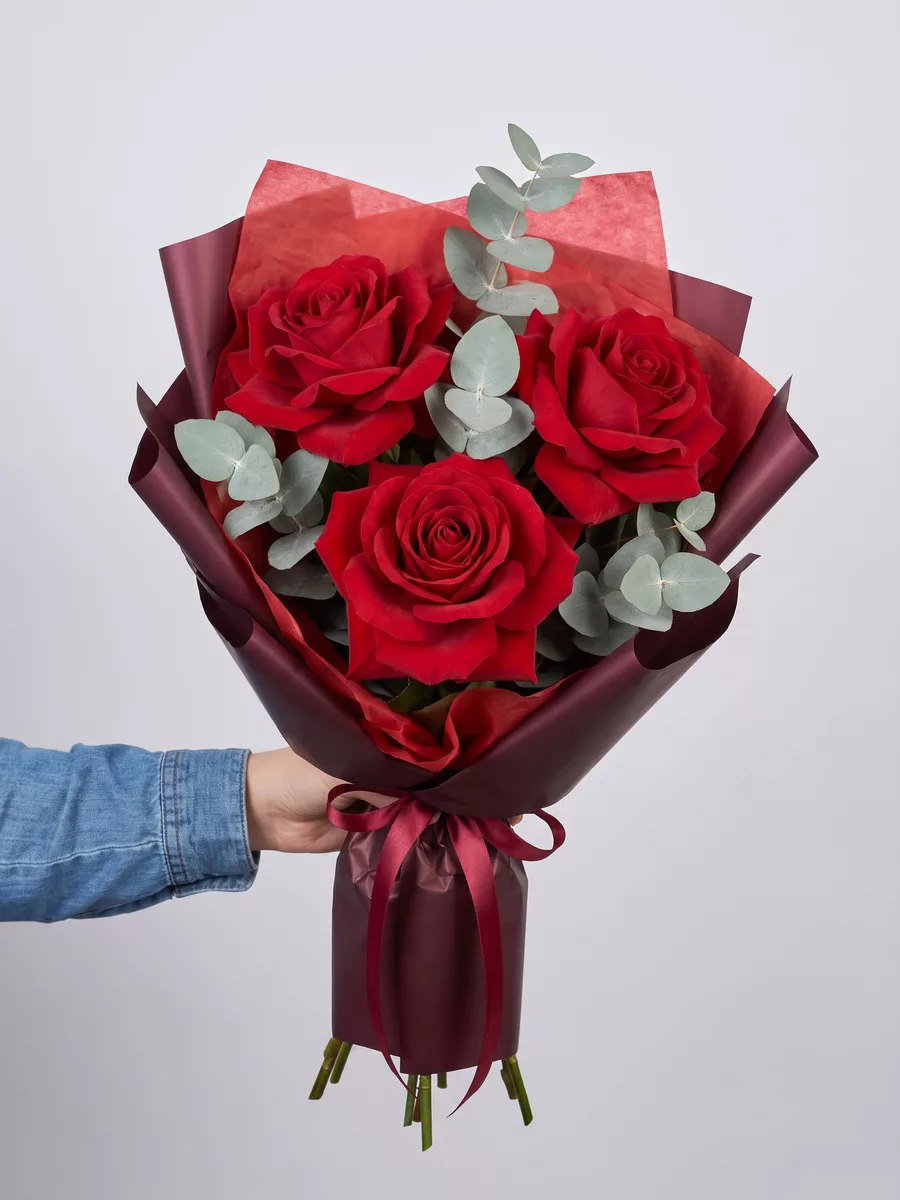
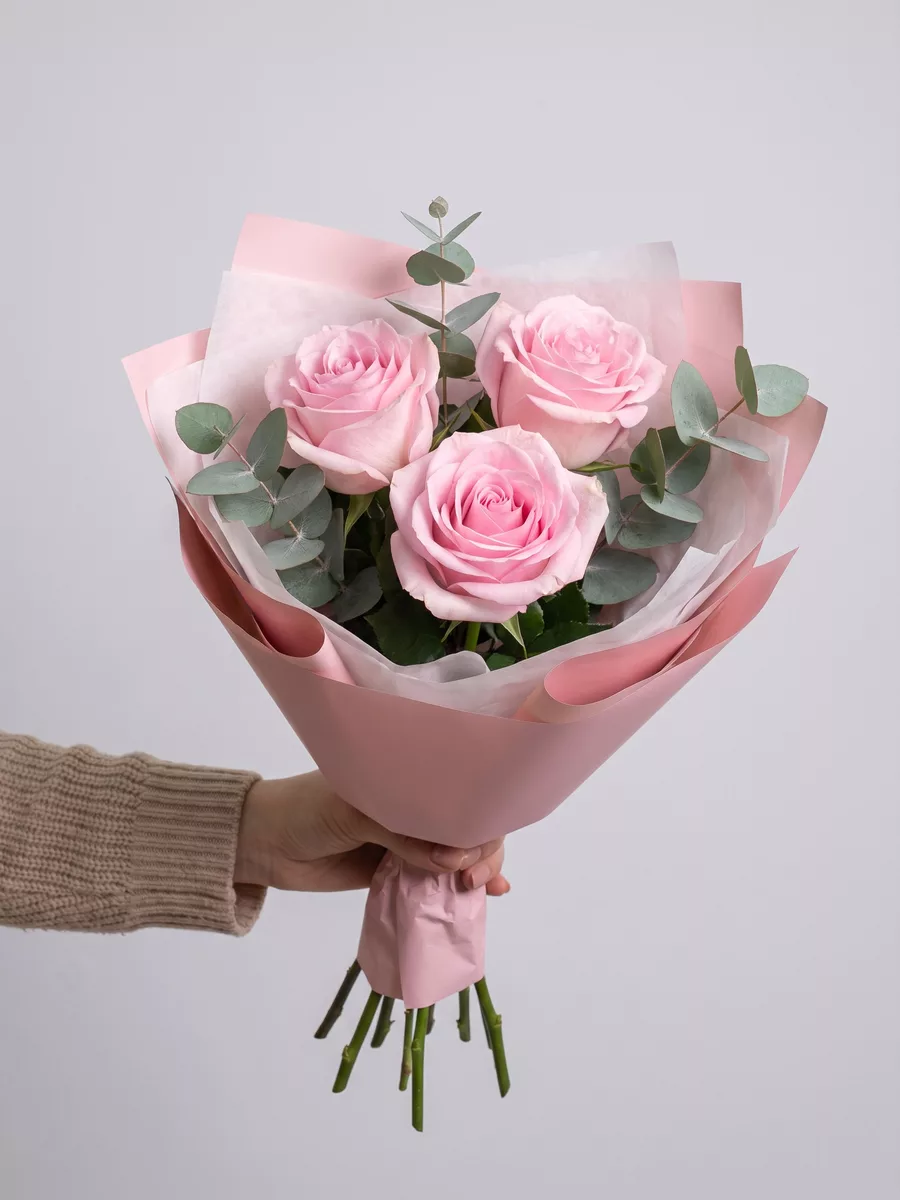
Bouquets we can deliver

Choosing Flowers for the Person, Not Just the Occasion
Before you think about colours or varieties, think about the recipient. A woman in her sixties who grew up in the Soviet era likely has strong feelings about certain flowers — roses and carnations carry deep associations from that period, and for many older Russian women they remain the most meaningful choice, not a cliché. A younger recipient in her twenties or thirties may be delighted by something less expected: ranunculus, lisianthus, or a mixed seasonal bouquet with textural greenery.
For men, which is still an underused option in Russian gifting culture, a small structured arrangement of sunflowers, solidago and eucalyptus reads as confident and considered rather than overly sentimental. Men in Russia do receive flowers — particularly on professional milestones and birthdays — and a thoughtful sender from abroad who includes flowers for a male recipient will likely surprise and impress.
Children and teenagers respond well to bright, cheerful combinations: gerbera daisies, alstroemeria and spray roses in warm yellows and oranges hold up well and last longer than more delicate varieties. If the bouquet is for a child's recital, a school achievement or a birthday, keep the arrangement light and easy to carry.
For a romantic gesture sent from abroad, red roses remain the clearest signal in Russian culture. A dozen red roses is a classic declaration. If you want something slightly more personal, mix red roses with white freesia — the freesia adds fragrance and softness without diluting the message. Always choose an odd number of flowers for celebratory occasions: even numbers are reserved for mourning in Russian tradition, and florists working with Russian recipients follow this automatically.
The Best Seasons to Send and What to Order When
Spring in Staraya Russa runs from late March through May, and this is one of the most emotionally loaded seasons for flower gifting. International Women's Day on the 8th of March is the single biggest flower occasion in Russia — demand is enormous, prices reflect that, and you should place your order at least three to four days in advance. Tulips are the iconic choice for this holiday, particularly in pink, white and yellow. Mimosa branches, with their small yellow clusters, are also traditional and deeply associated with this date.
Summer, from June through August, brings peonies in June — a short and precious window when locally grown peonies are available and at their best. If your recipient loves flowers, a full peony bouquet in blush, cream or deep burgundy sent in early June will be remembered. Later in summer, sunflowers and dahlias come into their own.
Autumn is the season of chrysanthemums and asters, both of which hold up exceptionally well in cooler temperatures and last ten to fourteen days in a vase with proper care. They are an excellent choice for October and November deliveries when the weather is unpredictable but cold enough to protect the flowers in transit.
Winter deliveries require selecting varieties known for cold tolerance: roses, alstroemeria, carnations and hypericum berries all travel well in freezing conditions. Avoid tropical flowers like anthurium or bird of paradise in deep winter — they are sensitive to cold and may arrive damaged even with careful packaging.
How to Place Your Order from Outside Russia
Ordering from abroad is simpler than most international senders expect. You need the recipient's full name, their street address in Staraya Russa including the apartment number and entrance number if it is a multi-storey building, and a working Russian mobile phone number for the recipient. This last point is important: the delivery driver will call ahead, and without a reachable local number the delivery cannot be completed.
If you do not have the recipient's phone number, you can sometimes work around this by providing a very precise address and arranging with the recipient in advance that a delivery is coming — without revealing what it is. Many senders from abroad do exactly this: they send a message saying something vague like 'expect a small surprise this afternoon' and leave the rest to the florist.
Payment from abroad is handled online and accepts major international cards. You do not need a Russian bank account or a Russian phone number yourself. The order form is available in English, and you can write your card message in any language — it will be printed or handwritten and included with the bouquet.
Choose a delivery window that accounts for the recipient's schedule. Flowers delivered to an empty apartment will sit in a hallway or with a neighbour, which is fine for hardier varieties but not ideal for delicate blooms. Morning deliveries between 9 and 12 work well for recipients who are home during the day. For working recipients, late afternoon between 17 and 20 is usually the most reliable window.
Writing a Card Message That Feels Right in Russian Context
A card message sent with flowers in Russia carries more weight than in some other cultures. It is read carefully, often kept, and sometimes shared with family. This is not a place for a quick emoji-style note — even a few sincere sentences land far better than a long but generic paragraph.
If you are writing in English for a recipient who reads English, that is perfectly fine and often touching — it signals that the sender wrote it themselves without translation help. If you want the message in Russian but do not speak the language, keep it short and use a reliable translation tool, then read it back through a second tool to check for errors. A mistranslated card message is one of the more common and easily avoidable mistakes international senders make.
For formal occasions — a colleague's milestone, a teacher's retirement, a business contact's birthday — keep the tone respectful and warm without being overly personal. Something like 'Wishing you health and happiness on this special day' translates naturally into Russian gifting culture. For close family or romantic partners, you have much more room to be specific and personal, and specificity is always more memorable than a general wish.
Avoid humorous messages unless you know the recipient's sense of humour extremely well. Jokes can lose their tone entirely in translation and may land as strange rather than funny. When in doubt, a short, warm and sincere message is always the right choice. Include your name clearly — recipients receiving surprise flowers from abroad sometimes genuinely cannot guess who sent them.
What Happens on Delivery Day
On the day of delivery, the florist assembles the bouquet fresh — not from pre-made stock sitting in a cold room. For a town like Staraya Russa, flowers are prepared in Saint Petersburg and dispatched with care for the journey, arriving within the one-to-two hour delivery window that is standard for this service across Russia.
The driver will call the recipient before arriving. If the recipient does not answer, a second attempt is made. If the address is a residential building, the driver will ring the apartment intercom. It is worth letting your recipient know in general terms that something is coming if you are concerned about a missed delivery — though many senders prefer to keep the surprise intact and simply make sure the phone number on the order is accurate.
In winter, the bouquet is wrapped in insulating paper to protect it from the cold during the final stretch from vehicle to door. This is standard practice and does not affect the flowers — the wrapping is removed by the recipient when they unwrap the bouquet. In summer, deliveries are timed to avoid the hottest part of the day where possible.
Once the flowers are received, the recipient will typically find a care card included with the bouquet. Encourage your recipient to re-cut the stems at an angle under running water before placing them in a clean vase, change the water every two days, and keep the arrangement away from direct sunlight and radiators. Roses and alstroemeria last seven to ten days with this care. Tulips last five to seven days and will continue to grow and open in the vase, which many people find charming.
Common Mistakes Senders from Abroad Make and How to Avoid Them
The most frequent mistake is providing an incomplete address. Russian addresses follow a specific format: city, street name, building number, and then apartment number — and in older Soviet-era buildings there is often an entrance number (podezd) as well. If your recipient lives in a large residential block and you omit the entrance number, the driver may be unable to locate the right door in time. Ask your recipient for their full address in advance, or at minimum confirm the apartment number carefully.
The second common mistake is ordering even numbers of flowers without realising the cultural significance. As mentioned earlier, even numbers are associated with mourning in Russian tradition. A bouquet of ten roses or twelve tulips will still be accepted graciously, but an odd number — eleven, thirteen, fifteen — is the correct choice for any celebratory occasion. Most florists building bouquets for Russian recipients follow this automatically, but it is worth knowing if you are specifying quantities yourself.
Third is choosing flowers based on what is popular in your own country without considering the season in Russia. Peonies ordered in November will not be locally sourced and may arrive in poorer condition than a seasonal alternative. Trust the florist's seasonal recommendations rather than insisting on a specific variety that is out of season.
Finally, do not leave the order to the last minute for major Russian holidays. March 8th, May 9th (Victory Day, when many people give flowers to veterans and elderly relatives), and New Year's Eve all see very high demand. Place your order two to three days ahead for these dates, and confirm the delivery window carefully. A little advance planning from abroad makes all the difference.
Sending flowers to Staraya Russa from the other side of the world is one of those gestures that travels further than the distance suggests. The recipient will know that someone thought carefully enough to arrange something beautiful across time zones, language barriers and geography — and that knowledge is part of the gift itself. Choose your flowers for the person and the season, write something sincere on the card, double-check the address, and let the rest take care of itself.
Frequently asked questions
Can I order flowers for Staraya Russa if I do not speak Russian?
Yes, entirely. The Turboflora order form is available in English, payment works with international cards, and your card message can be written in any language. You only need the recipient's full Russian address and a working Russian mobile number for the delivery call. Everything else is handled on your behalf without requiring any Russian language skills from you.
How far in advance should I order for a specific date?
For regular dates, ordering the day before or on the morning of delivery is usually sufficient. For major Russian holidays — especially March 8th, New Year's Eve, and May 9th — place your order two to three days ahead. Demand on those dates is very high across Russia, and early ordering ensures your preferred flowers and delivery window are available.
What if my recipient is not home when the flowers arrive?
The driver will call ahead using the phone number provided and make a second attempt if there is no answer. For the best outcome, make sure the mobile number on your order is current and that the recipient is generally available during the chosen delivery window. If you want to keep the delivery a surprise, a vague heads-up message to your recipient that afternoon helps avoid a missed delivery without spoiling the moment.
Are flowers safe to deliver in very cold Russian winters?
Yes, with the right preparation. Hardy varieties like roses, carnations, alstroemeria and chrysanthemums travel well in cold conditions and are the recommended choices for winter deliveries. The bouquet is wrapped in insulating packaging for the final journey from vehicle to door. Avoid ordering tropical or heat-loving varieties in January or February, as these are more sensitive to temperature shock.
Why do Russian florists always use odd numbers of flowers in a bouquet?
In Russian tradition, even numbers of flowers are associated with mourning and are placed at graves or given at funerals. For any celebratory occasion — a birthday, anniversary, holiday or personal milestone — an odd number is the correct and expected choice. This is a deeply held custom across Russia and not a regional quirk, so it applies fully to recipients in Staraya Russa as anywhere else.
Ready to send flowers?
Pick the city, choose the bouquet, and a local florist takes it from there.
Choose a city →