Sending Flowers to Starodub from Abroad: Your Practical Starting Point
Starodub sits quietly in the Bryansk region, a small city where a bouquet arriving at the door is still a genuine event. When you are ordering from London, Berlin, New York or anywhere outside Russia, the distance feels abstract until you start wondering whether the roses will actually arrive fresh, whether the card will say the right thing, and whether the whole gesture will land the way you imagined it. The good news is that none of this has to be complicated — it just requires knowing a few things that nobody usually tells you upfront.
Why Starodub Is Different from Ordering to a Big Russian City
Most people assume that sending flowers anywhere in Russia works the same way it does for Moscow or Saint Petersburg. Starodub changes that assumption quickly. It is a smaller city, which means the window for same-day delivery requires earlier ordering, and the selection of available flowers on any given day is shaped by what has come in fresh that week rather than a warehouse stocked with every variety imaginable. That is not a limitation — it is actually an argument for choosing a florist who knows the city and plans ahead.
The Bryansk region experiences real winters. From November through March, outdoor temperatures regularly drop well below freezing, and that matters enormously for cut flowers. Roses, hydrangeas and tropical stems like anthuriums are sensitive to cold shock — even a few minutes of exposure below minus five degrees Celsius during the final steps of delivery can cause petal blackening or stem collapse by the time the recipient unwraps the bouquet. A florist who delivers in this region needs insulated packaging and fast handoff, not just a pretty box.
In summer, the opposite challenge appears. July and August in the Bryansk region can push above thirty degrees Celsius, which accelerates the opening of flowers like peonies and ranunculus dramatically. A bud that looks perfect at the warehouse may be fully blown by afternoon. Ordering for morning delivery in warm months is a practical choice, not a luxury. Understanding these seasonal realities helps you set the right expectations before you place your order from abroad.
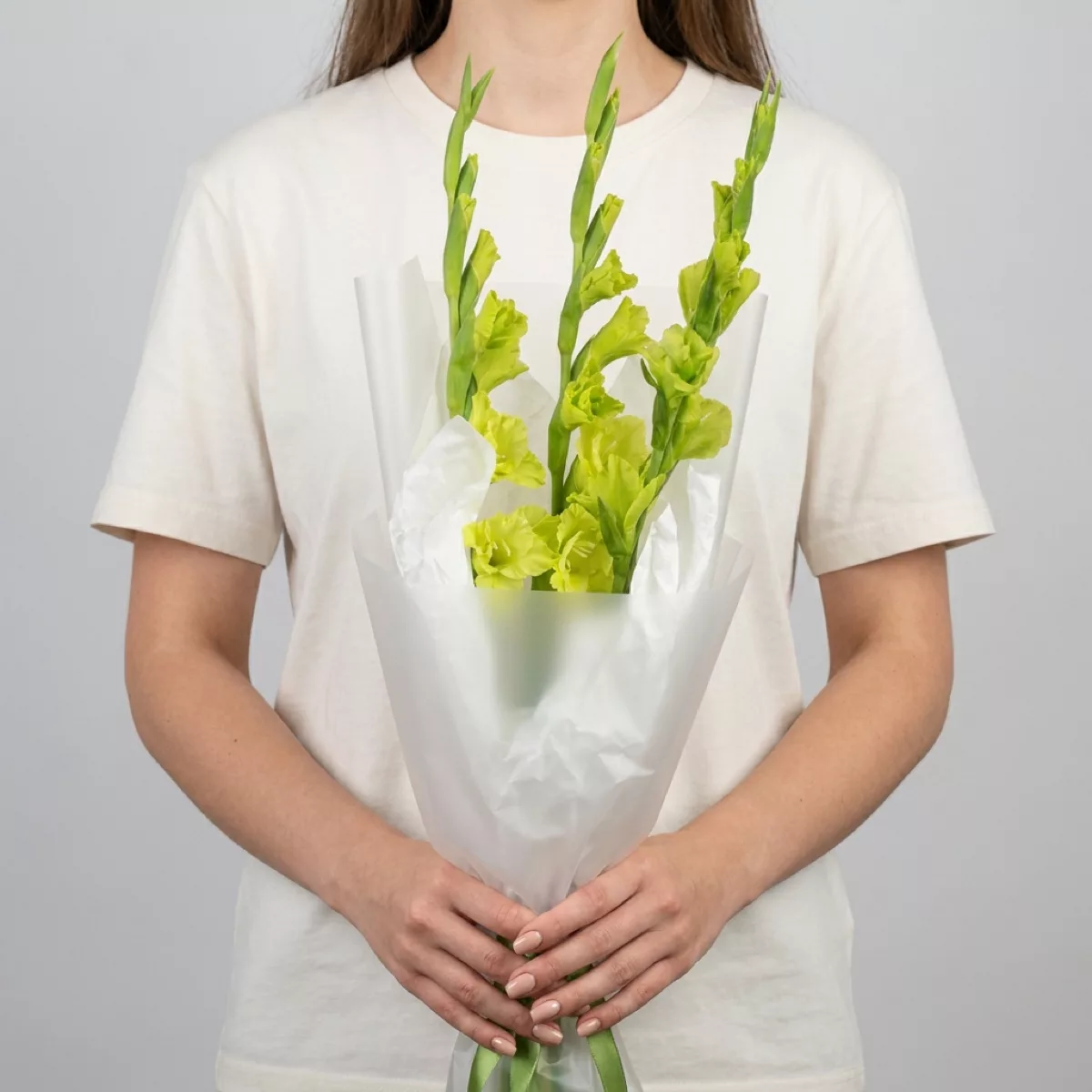
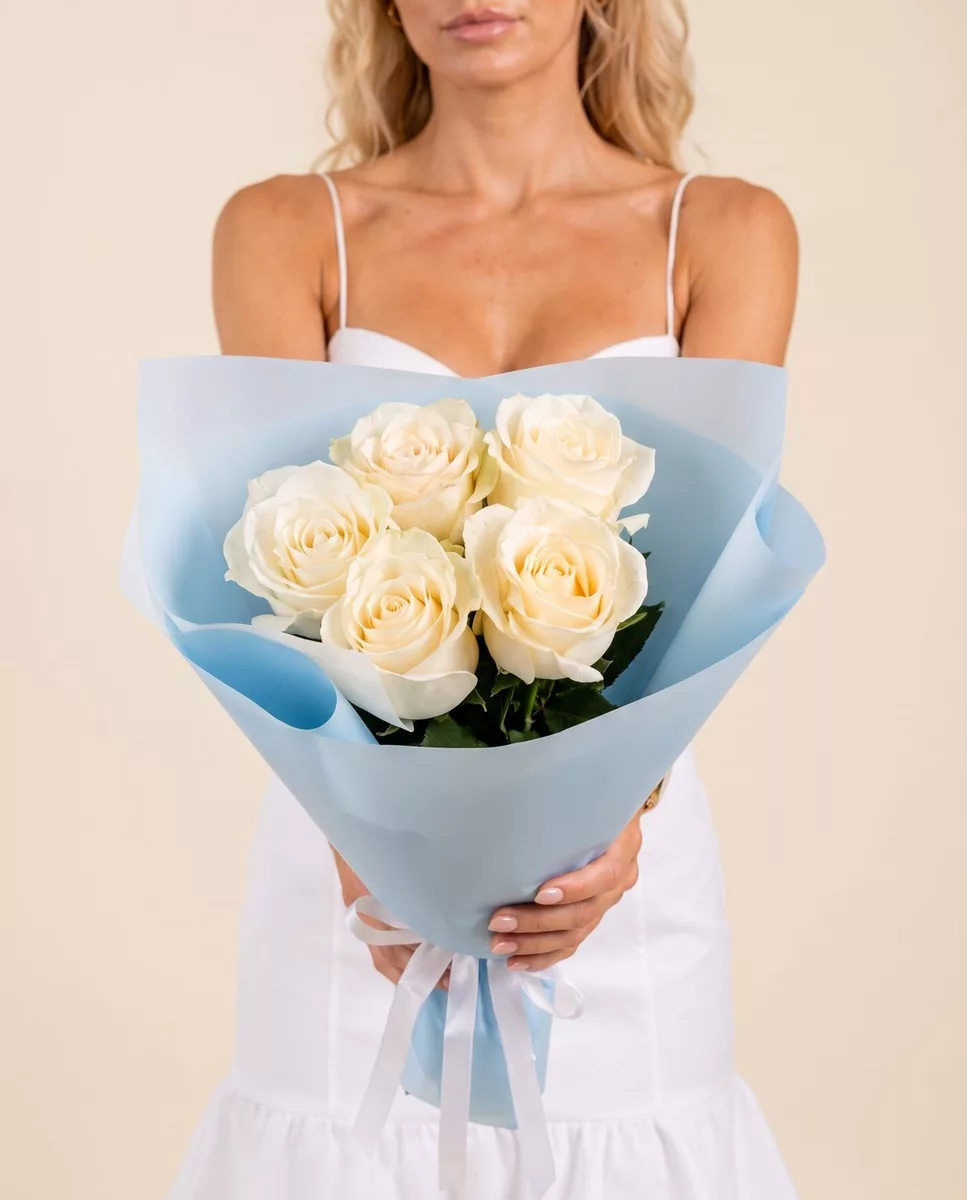
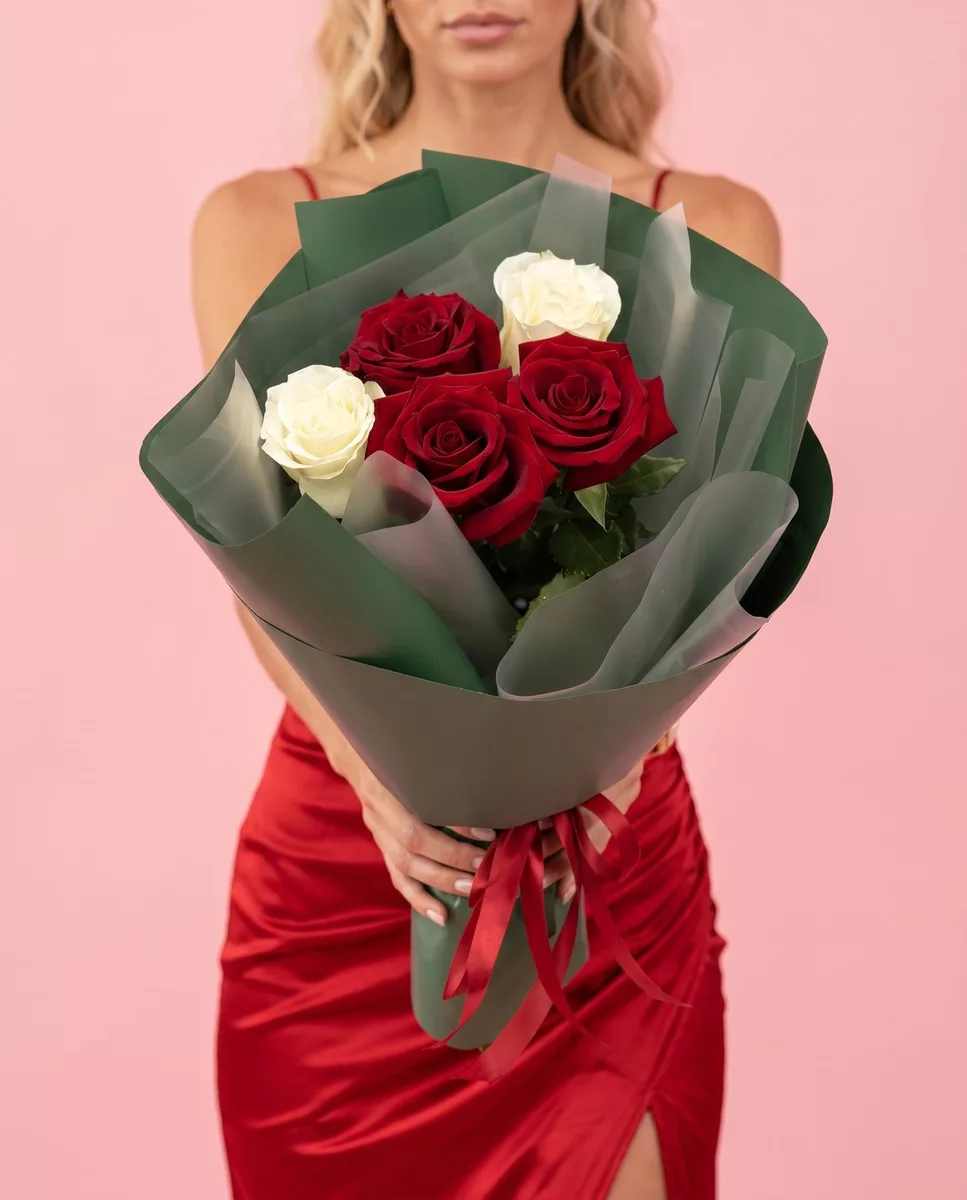
Bouquets we can deliver

Reading the Occasion Before You Choose the Flowers
Before you think about which flowers to pick, think about the person receiving them and what this moment means to them. A birthday for a woman in her sixties in a Russian city like Starodub carries different emotional weight than a birthday for a twenty-five-year-old. Older recipients often respond deeply to classic combinations — cream and blush roses mixed with fragrant alstroemeria, or a generous arrangement of chrysanthemums in warm tones. Younger recipients tend to appreciate something more playful: garden-style bouquets with ranunculus, spray roses and eucalyptus, or a bold single-variety bunch of sunflowers.
Russian culture places real importance on the number of flowers in a bouquet. An odd number — five, seven, nine, eleven — is the standard for celebratory occasions. Even numbers are associated with somber events. If you are ordering online from abroad and the shop gives you a choice, always select an odd count for anything joyful. This is one of those small details that will be noticed by the recipient even if they never mention it to you.
The occasion also shapes the colour story. Red roses remain the clearest romantic statement in Russian tradition, but they can feel too formal for a friendship or a thank-you. Soft pinks and whites work beautifully for new mothers or close female friends. Bright yellows and oranges read as cheerful and energetic — good for congratulations on a new job or a graduation. Knowing the relationship and the mood before you browse varieties will save you from choosing something technically beautiful that somehow misses the mark emotionally.
Navigating the Time Difference When Ordering from Abroad
Starodub runs on Moscow Time, which is UTC plus three hours. That gap is manageable from Europe but becomes significant if you are ordering from North America or Asia. If you are in New York, Starodub is eight hours ahead. If you are in Los Angeles, it is eleven. This means that your instinct to order flowers in the evening after work may actually place the order in the middle of the Starodub night, delaying processing until the following morning.
The practical rule is simple: place your order the evening before the occasion at the very latest, and ideally a full day ahead. This gives the florist time to source the specific stems you want, prepare the arrangement properly, and schedule the delivery window that works for the recipient. Rush orders are possible, but they narrow your choices and raise the risk that a key flower — say, white peonies in early spring before the season peaks — simply is not available that day.
Also consider when the recipient will actually be home. Sending flowers to a workplace in Starodub is perfectly normal and often more reliable than a home address for daytime deliveries. If you are sending to a home address, think about whether your recipient has a predictable schedule. A missed delivery in a smaller city is more disruptive than in a large urban centre with flexible rescheduling options. When you place your order, leave a note with any helpful context — building entrance codes, a preferred time window, or a neighbour who can receive the bouquet if needed. That kind of detail makes the difference between a smooth delivery and a frustrating one.
Choosing Flowers by Season in the Bryansk Region
Seasonal availability is not just a florist's concern — it directly affects how long your bouquet will look beautiful after delivery. Flowers that are in season locally or regionally arrive fresher, have not spent days in refrigerated transit from distant greenhouses, and hold their shape and fragrance far longer in the vase. When you are ordering from abroad, leaning into the season is one of the smartest choices you can make.
In spring, from March through May, tulips are the defining flower of Russian celebrations. They come in single colours and parrot varieties with ruffled petals, and they are genuinely abundant and fresh during this window. Peonies begin arriving in late May and peak through June — if you have the chance to send them, do. They are adored across Russia and carry a sense of generosity that few other flowers match.
Summer brings sunflowers, lisianthus in purple and white, and garden roses with their fuller, softer shape compared to hothouse varieties. Autumn is the season of chrysanthemums, which Russians genuinely love and which last exceptionally well — up to two weeks with proper care. Dahlias appear in late summer and early autumn, bold and architectural, wonderful for someone who appreciates something less conventional.
Winter is the season of roses, solidago, and hypericum berries, all of which travel and hold well in cold conditions. Spray roses are particularly reliable in winter because their smaller heads are less vulnerable to cold shock than large-headed hybrid tea roses. Avoid ordering tropical flowers like bird of paradise or anthurium for winter Starodub deliveries unless you are confident the recipient has a warm home — they suffer in the cold and look it.
Writing the Card Message Across a Language and Cultural Gap
The card message is the part of the gift that carries the most personal weight, and it is also the part most likely to get lost in translation — sometimes literally. If you write your message in English, ask the florist to include it exactly as written rather than translating it, unless you specifically want a Russian translation. An imperfect translation of a heartfelt sentence can flatten the emotion entirely. Many recipients in smaller Russian cities have enough English to read a simple, warm message, and the fact that it is in your language actually makes it more personal.
If you do want the message in Russian, write what you want to say in your own language and ask for a faithful translation, not a generic greeting. Phrases like happy birthday or congratulations are easy, but anything more nuanced deserves care. A florist who handles international orders regularly will be used to this request.
Russian card culture tends toward the direct and warm rather than the witty or ironic. Humour in card messages does not always land across cultural distance. A sincere, specific sentence — mentioning what you are celebrating, how far you are sending these flowers from, and what you wish for the person — will almost always be more moving than something clever. Brevity is fine. Two or three genuine sentences are enough. The flowers themselves carry the gesture; the card simply tells the recipient that you thought about them specifically, not just about sending something.
What to Expect After the Bouquet Is Delivered
Once the flowers have been delivered, your job is essentially done — but it helps to know what the recipient will experience so you can set expectations in advance. In Russia, it is common to send a photo of the bouquet to the sender, especially when the sender is far away. Do not be surprised if your phone buzzes with a picture within an hour of the delivery window. That photo is a genuine expression of gratitude, not just an acknowledgement.
Cut flowers in Starodub, as anywhere, will last longest with simple care. The recipient should trim the stems at an angle under running water and place them in a clean vase with fresh, cool water. Changing the water every two days and keeping the bouquet away from direct sunlight and heat sources — radiators are particularly common in Russian apartments and are hard on flowers — will extend vase life considerably. Roses typically last seven to ten days with good care. Tulips, four to six days. Chrysanthemums can go two weeks or longer.
If you want to mention care instructions in your message or in a note with the bouquet, that is a thoughtful touch, especially for recipients who do not often receive cut flowers. It is not presumptuous — it reads as attentive. Some florists include a small care card with the arrangement. If yours does not, you can include a brief note when placing the order. The goal is for the flowers to be enjoyed for as long as possible, not just admired on arrival and forgotten by day three.
Common Mistakes Senders from Abroad Make and How to Avoid Them
The most common mistake is ordering too late. From abroad, the time difference makes it easy to feel like you have more time than you do. If the occasion is tomorrow and it is already evening in Starodub, same-day delivery may still be possible — but your options for specific varieties and presentation styles will be limited. Building in a buffer of at least twenty-four hours gives the florist room to do their best work.
The second mistake is over-specifying. Asking for a very precise combination of flowers that depends on three or four varieties all being available simultaneously on a specific day is a recipe for disappointment. Instead, describe the mood and colour palette you want — soft and romantic, bright and celebratory, elegant and understated — and let the florist make professional choices within that direction. The result will almost always be better than a rigid specification that cannot be met exactly.
A third mistake is forgetting to provide complete address details. Russian addresses include the city, street, building number, apartment number, and often an entrance number and floor. If you are missing any of these, the delivery may be delayed or impossible. Ask the recipient casually for their full address in advance if you do not have it — most people understand this without guessing the reason.
Finally, do not assume that the recipient will know the flowers came from you if you forget to include a card. Surprise deliveries without any identification are more common than you might think when ordering from abroad, and they create an awkward moment for the recipient who does not know who to thank. Always include at least your name on the card, even if the message is short.
Sending flowers to Starodub from the other side of the world is a gesture that carries real weight precisely because of the distance involved. The person receiving that bouquet knows that someone thought of them carefully enough to navigate a time zone, a language, and a geography they may never have visited. Get the timing right, choose for the season, write something genuine on the card, and trust a florist who knows the city — and what arrives at that door will feel like exactly what you intended it to be.
Frequently asked questions
How far in advance should I order flowers for delivery to Starodub from abroad?
Ordering at least twenty-four hours before the occasion is strongly recommended when you are placing an order from a different time zone. This window allows the florist to source the specific flowers you want, prepare the arrangement properly, and schedule a delivery slot that suits the recipient. For major dates like birthdays or anniversaries, ordering two days ahead removes any last-minute pressure entirely.
Can I write the card message in English for a recipient in Starodub?
Yes, and it often makes the gesture more personal. A simple, sincere message in your own language tells the recipient exactly who it is from and feels genuinely warm rather than generic. If you prefer a Russian translation, provide your original text and request a faithful version rather than a standard greeting. Avoid complex humour or idioms that may not carry across the language gap.
Which flowers hold up best during cold winter deliveries to Starodub?
Roses, spray roses, chrysanthemums, solidago and hypericum berries all travel well in cold conditions and are reliable choices for winter orders. Tropical varieties like anthuriums and bird of paradise are sensitive to temperatures below ten degrees Celsius and can show damage quickly. Asking for insulated packaging when placing a winter order is a sensible precaution worth mentioning in your notes.
Is it acceptable to send flowers to someone's workplace in Starodub?
Completely normal and often preferable for daytime deliveries. Workplace deliveries are a reliable way to ensure someone is present to receive the bouquet, and receiving flowers at work in front of colleagues is considered a pleasant and flattering experience in Russian culture. Just make sure you have the correct organisation name and office address, including any building or floor details.
Why does the number of flowers in a Russian bouquet matter?
In Russian tradition, an odd number of flowers is given for happy, celebratory occasions, while even numbers are associated with somber events. This convention is widely observed and genuinely noticed by recipients. When placing your order, always specify an odd count — five, seven, nine, eleven or more — for any joyful occasion. Most florists in Russia follow this automatically, but confirming it gives you peace of mind.
Ready to send flowers?
Pick the city, choose the bouquet, and a local florist takes it from there.
Choose a city →