Sending Flowers to Strezhevoy from Abroad: What You Need to Know
Strezhevoy sits deep in Western Siberia, a compact oil-industry city surrounded by taiga and river floodplains. If someone you love lives there and you are placing an order from London, Berlin, Dubai or Toronto, you already know the distance feels enormous. The good news is that the distance does not have to show in the flowers. With the right choices, a little planning and an understanding of how Siberian winters affect fresh stems, you can send an arrangement that arrives looking as though it was assembled around the corner.
Understanding Strezhevoy Before You Order
Strezhevoy is a closed-type city in the Tomsk Oblast, originally built to serve the oil and gas industry. Its population is relatively small and tight-knit, which means a flower delivery is noticed and remembered in a way it might not be in a large metropolitan centre. When something arrives for someone at their workplace or apartment block, colleagues and neighbours often see it, so presentation genuinely matters here more than in an anonymous city crowd.
The city sits at roughly 60 degrees north latitude, which places it firmly in a continental Siberian climate. Winters are long and severe, with temperatures regularly dropping below minus twenty-five Celsius from November through March. Summers are short but surprisingly warm. This climate detail is not just geography — it directly shapes which flowers survive transit and how they should be packaged for the last stretch of the journey.
As a sender abroad, you are unlikely to know the local street layout or building numbering conventions. Russian addresses follow the pattern of city, street, building number, apartment number, and the recipient's full name in Russian is essential for a smooth handover. When placing your order, double-check that you have the apartment or office number and a working Russian mobile number for the recipient. Couriers will call ahead before arriving, and a missed call in Strezhevoy means a delayed delivery rather than a left-on-the-doorstep arrangement.
Bouquets we can deliver

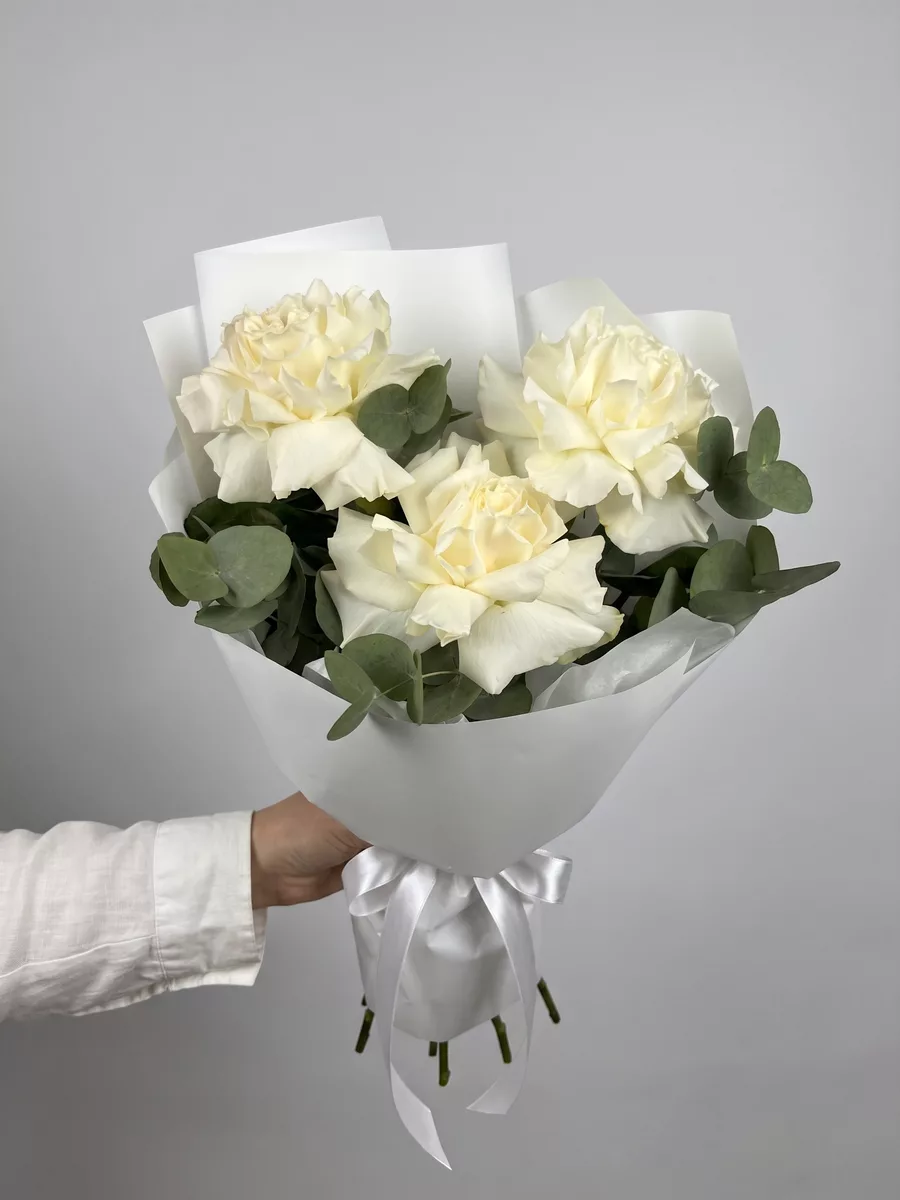
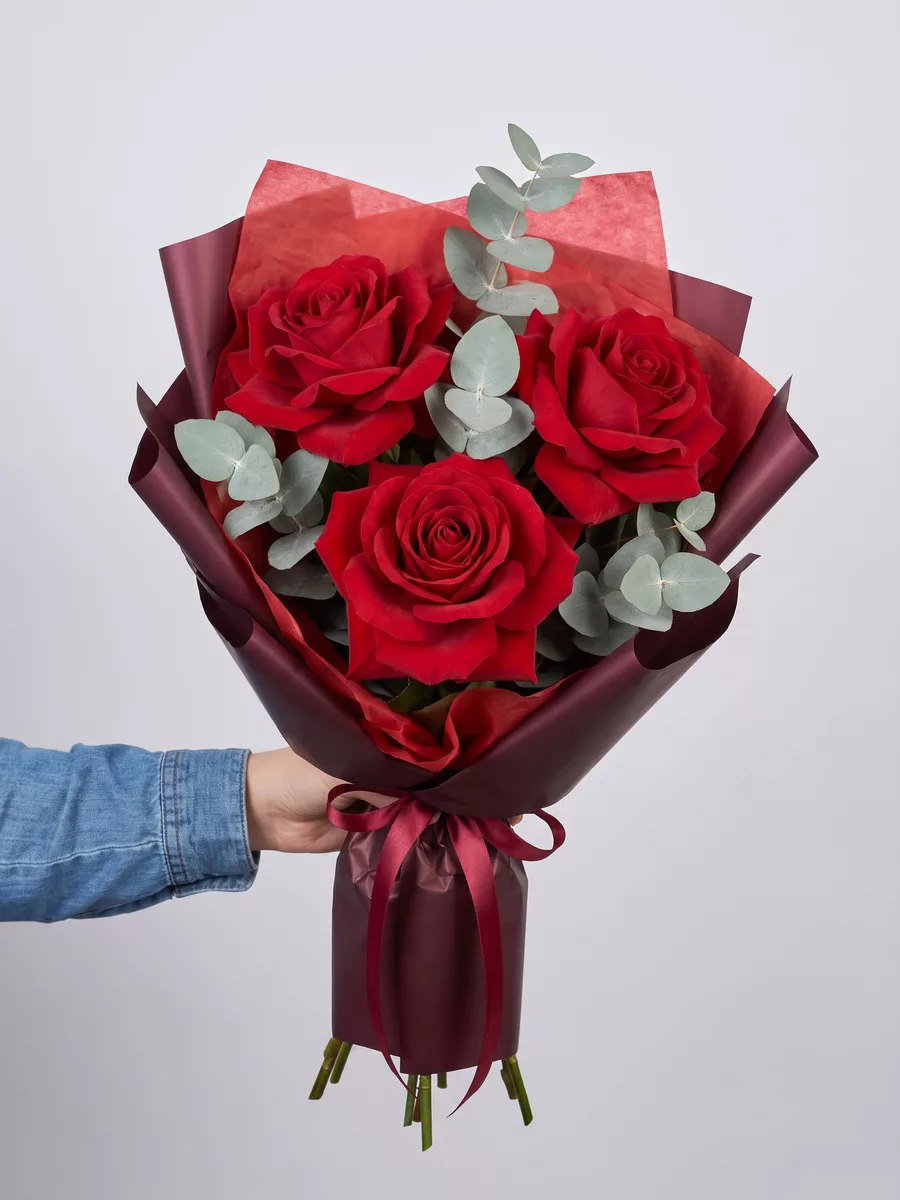
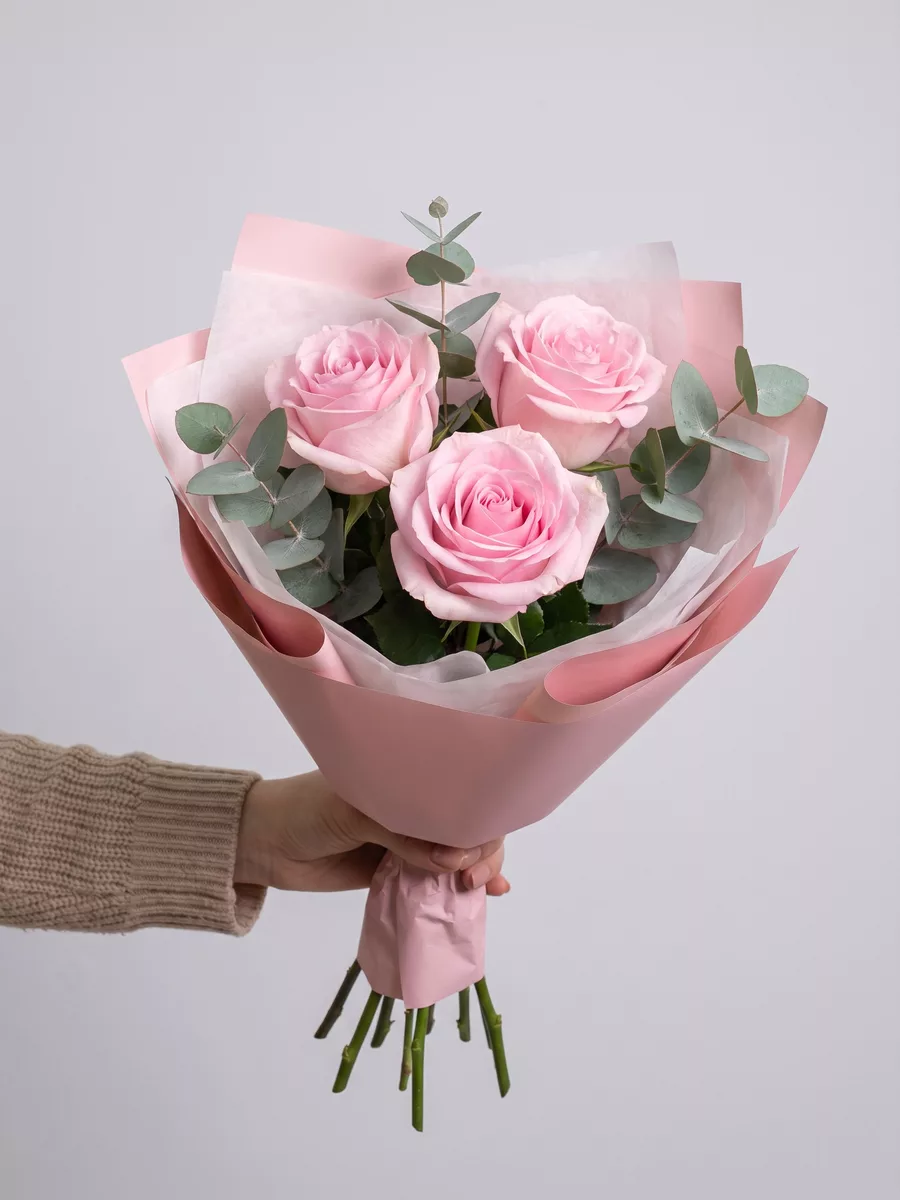
Choosing the Right Occasion Framing
Before you think about which flower, think about who is receiving it and what you want them to feel in that first moment. A young woman celebrating a birthday in a city where winters feel endless will respond very differently to a burst of bright gerberas and orange spray roses than she would to a restrained white arrangement. A mother marking her child's school graduation deserves something that photographs well against a Siberian apartment interior — think rich peonies in season or full-headed garden roses in blush and cream.
Russian flower-giving culture has a few customs worth knowing. Odd numbers of stems are given to the living; even numbers carry a different social meaning entirely and should be avoided for celebratory occasions. Red roses are a strong romantic statement and are read that way clearly by Russian recipients, so choose them intentionally rather than by default. Yellow flowers have historically carried associations with separation in Russian tradition, though younger generations are far less attached to this belief — when in doubt, mix yellow with white or orange to soften the symbolism.
For professional milestones — a promotion, a project completion, a work anniversary — arrangements that feel generous without being overly romantic are ideal. Chrysanthemums in bold colours, alstroemeria mixed with lisianthus, or a structured arrangement of carnations and solidago all read as respectful and celebratory. Think of the arrangement as a handshake that happens to smell wonderful, and you will land on the right tone.
What the Siberian Climate Means for Your Flower Choice
In winter, the cold in Strezhevoy is not merely uncomfortable — it is genuinely dangerous for tropical and semi-tropical flowers. Anthurium, bird of paradise, and orchid stems suffer cell damage when exposed to temperatures below five degrees Celsius even briefly. A courier moving from a warm vehicle into minus twenty-five air and back again creates repeated thermal stress that will show as blackened petal edges or collapsed stems within hours of delivery.
The flowers that handle Siberian winter transit best are those with dense, waxy petals or sturdy stems. Roses, particularly those with tightly furled buds, are excellent travellers in cold because the outer petals act as insulation. Chrysanthemums are remarkably cold-tolerant and arrive looking fresh even after a chilly last-mile journey. Carnations and alstroemeria are similarly robust. Lisianthus, when in bud rather than fully open, also travels well in cold conditions.
In summer, the challenge reverses. Strezhevoy summers can push above thirty degrees Celsius, and heat accelerates the opening and aging of flowers dramatically. In July and August, avoid fully open peonies or garden roses — they will be overblown within a day. Request buds or half-open blooms. Sunflowers, on the other hand, are bred for heat and are a wonderful summer choice that also carries a cheerful, warm emotional tone.
Spring and early autumn are the most forgiving seasons for flower delivery to Siberian cities. Tulips in March and April, dahlias in September — these are moments when the temperature is moderate and the flower selection is at its most generous.
Budget Ranges and What Each Gets You
Sending flowers internationally means your budget translates into roubles at the point of order, so it helps to think in terms of what the arrangement will look like rather than a specific currency figure. At the entry level, a single-variety bouquet of seasonal stems — think spray roses, alstroemeria or standard chrysanthemums — still makes a genuine impression when wrapped beautifully. The craft paper wrapping, the ribbon, and the handwritten card are included, and in a city like Strezhevoy, even a modest bouquet delivered to someone's door feels significant.
In the mid-range, you move into mixed arrangements where the florist can layer textures and heights. A combination of Dutch roses as the focal flower, backed by waxflower or eucalyptus and accented with lisianthus, creates something that reads as considered and personal rather than a standard order. This range also allows for a small decorative element — dried pampas grass, cotton stems, or a few branches of eucalyptus that last long after the fresh flowers have faded.
At the higher end, you are looking at large-format arrangements with premium focal flowers: garden roses, peonies in season, or hydrangea heads that fill out a vase impressively. These arrangements are best for landmark occasions — a significant birthday, a graduation, a new home. They photograph beautifully and fill a room with scent. If the recipient lives alone or in a small apartment, consider whether a large arrangement fits their space; sometimes two medium bouquets delivered together create more joy than one oversized one.
Timing Your Order Across Time Zones
Strezhevoy operates on Moscow Time plus four hours, which places it seven hours ahead of London in winter, ten hours ahead of New York, and three hours behind Dubai. This gap matters enormously when you are placing an order and hoping for a specific delivery window. If you are ordering from Western Europe in the evening, it is already the middle of the night in Strezhevoy, and a morning delivery the next day requires your order to be placed well in advance.
Turboflora delivers across Russia within one to two hours of order confirmation, which means the limiting factor is not preparation time but rather your ability to place the order during Strezhevoy's daytime hours. The most reliable window for same-day delivery in Strezhevoy is between nine in the morning and seven in the evening local time. Work backwards from that window using your own time zone to find your ordering deadline.
For birthdays and anniversaries, do not rely on placing the order on the day itself unless you have calculated the time zones carefully. A missed morning delivery because the order arrived at three in the morning local time is a preventable disappointment. Place orders at least a day ahead and specify the preferred delivery window in the order notes — for example, after six in the evening when the recipient is home from work, or between noon and two during a lunch break.
Russian public holidays also affect delivery rhythm. Victory Day on the ninth of May, New Year across the thirty-first of December and first of January, and International Women's Day on the eighth of March are all peak demand periods when advance ordering is strongly recommended.
Writing the Card Message Across Languages
One of the most personal parts of sending flowers is the message, and when you are writing from abroad to someone in Russia, the language question deserves real thought. If you write in English and the recipient reads English comfortably, a message in your own language can feel intimate and authentic. If the recipient does not read English, a message transliterated into Russian or translated by you before ordering is far more meaningful than one that requires a dictionary.
When you place your order, you can include the card text in English and request that it be written as given, or you can provide a Russian translation. Avoid using online machine translation for emotional messages — the results are often grammatically awkward in Russian, and a clumsy phrasing on a card can undercut an otherwise beautiful arrangement. If you know even a few words of Russian, a short phrase in Russian followed by the rest in English often lands with warmth.
Keep card messages concise and specific. Rather than a general happy birthday, mention something particular — a shared memory, a quality you admire, a reference to an inside joke. Florists read the message when writing the card, and a specific, warm message tells us that this is not a routine order but something that matters. That awareness carries through into how the arrangement is assembled and presented.
For deliveries to workplaces, remember that colleagues may see or hear the card read aloud. Keep the tone appropriate to the setting — warm and celebratory rather than deeply private. For home deliveries, you have more freedom to be personal.
Helping the Recipient Keep Flowers Fresh Longer
Flowers delivered in Strezhevoy in winter arrive from the warm delivery vehicle into a heated apartment, which is a significant temperature shift. The recipient should unwrap the bouquet immediately and not leave it in its paper wrapping for more than a few minutes, as trapped warmth accelerates wilting. A clean vase filled with cool — not cold, not warm — water is the first step.
Stem cutting is the single most impactful thing a recipient can do. Using a sharp knife or scissors, cutting each stem at a forty-five-degree angle under running water or while submerged removes the air bubble that forms when stems are exposed to air. This sounds like a small detail but it genuinely extends vase life by several days. Roses and gerberas in particular are prone to air embolism and benefit enormously from this step.
Strip any leaves that will sit below the waterline. Submerged leaves rot quickly in Strezhevoy's heated, dry apartment air and cloud the water, which introduces bacteria that shorten the life of every stem in the vase. Change the water every two days and re-cut the stems each time. A small pinch of sugar and a drop of bleach in the water is a traditional Russian household trick that genuinely works as a basic preservative.
Keep the arrangement away from radiators, which are prominent features in Siberian apartments and run hot through the long winter. A spot on a windowsill away from direct heating vents, where the air is slightly cooler, will add days to the life of the bouquet. In summer, avoid direct sunlight through the glass, which heats quickly.
Sending flowers to Strezhevoy from another country is an act of real effort and real feeling, and the person receiving them will know that. The distance, the time zone arithmetic, the careful thought about cold-weather varieties — all of it arrives with the bouquet even if none of it is visible. What the recipient sees is a beautiful arrangement at their door, proof that someone far away was thinking about them specifically, on this day, in this city. That is what flowers do best, and it is entirely achievable from anywhere in the world.
Frequently asked questions
Can I order flowers for Strezhevoy delivery if I live outside Russia and do not speak Russian?
Yes. Turboflora accepts orders in English through the website. You will need the recipient's full name, Russian mobile number, and complete address including apartment number. Providing these details accurately is the most important thing a sender abroad can do to ensure smooth delivery. The card message can be written in English or in Russian if you provide a translation.
Which flowers should I avoid sending to Strezhevoy in winter?
Tropical flowers such as anthurium, bird of paradise, and orchid stems are sensitive to cold and can suffer visible damage during the last stretch of a Siberian winter delivery. Roses with tight buds, chrysanthemums, carnations, and alstroemeria are far better suited to cold-weather transit and will arrive in excellent condition even when temperatures outside are severe.
How far in advance should I place an order for a specific delivery time?
For same-day delivery, place your order during Strezhevoy daytime hours — nine in the morning to seven in the evening local time, which is Moscow Time plus four hours. For peak dates such as the eighth of March or New Year, ordering one to two days ahead is strongly recommended. If you are unsure about the time zone calculation, ordering the day before removes the risk entirely.
Is it true that even numbers of flowers carry a negative meaning in Russia?
Yes, this is a genuine and widely observed custom. Even numbers of stems are associated with mourning occasions in Russian culture, while odd numbers are given for celebrations and everyday gifting. When ordering, it is worth checking that your chosen arrangement uses an odd stem count. Turboflora follows this convention by default for all celebratory orders.
What is the best way to help the recipient keep the flowers fresh in a Strezhevoy apartment?
The most important steps are cutting the stems at a diagonal angle immediately on arrival, removing leaves below the waterline, and placing the bouquet in cool water away from radiators. Siberian apartments are heated intensely in winter and the air is very dry, which shortens vase life. Changing the water every two days and re-cutting stems each time will extend freshness noticeably.
Ready to send flowers?
Pick the city, choose the bouquet, and a local florist takes it from there.
Choose a city →