Sending Flowers to Sukhoy Log from Abroad? Read This First
You are somewhere far from Russia — another country, another time zone — and someone you care about is in Sukhoy Log, a quiet city in the Sverdlovsk Oblast in the Urals. Maybe it is their birthday, an anniversary, or simply a moment when you want them to open the door and feel seen. The distance makes the gesture bigger, but it also raises real questions: Will the flowers arrive fresh? Will they understand the occasion? Will anyone even pick up if something goes wrong? This article answers all of that plainly, so you can order with confidence and your recipient can have a genuinely beautiful day.
What Sukhoy Log Means for Flower Delivery Timing
Sukhoy Log sits about 90 kilometres east of Yekaterinburg, and its climate matters more than most senders realise. The city experiences a sharply continental climate: winters drop well below minus 20 degrees Celsius and summers can push past 30. Both extremes affect cut flowers in transit, so the time of year you order shapes everything from variety choice to packaging.
In winter, roses and tulips need insulated wrapping to survive even a short outdoor journey. A bouquet left on a cold doorstep for ten minutes in January can show frost damage on the petals before the recipient even touches it. In summer, the opposite problem appears — heat wilts delicate blooms like ranunculus and sweet peas within the hour if the delivery window is not tight.
Turboflora delivers within one to two hours across its service area, which makes the timing risk manageable. Still, as a sender abroad, you should factor in the local clock. Sukhoy Log runs on Yekaterinburg time, which is UTC plus 5, meaning no daylight saving shifts. If you are ordering from Western Europe, North America or Southeast Asia, calculate the recipient's local time before placing the order — a midday delivery in Berlin is 4 p.m. in Sukhoy Log, which is fine; a 9 a.m. order from New York lands at 5 p.m. local time, still workable but worth confirming the recipient will be home.
The safest delivery windows are between 10 a.m. and 7 p.m. local Sukhoy Log time. Outside those hours, surprise deliveries become logistically harder and the emotional impact can shift from delight to disruption.
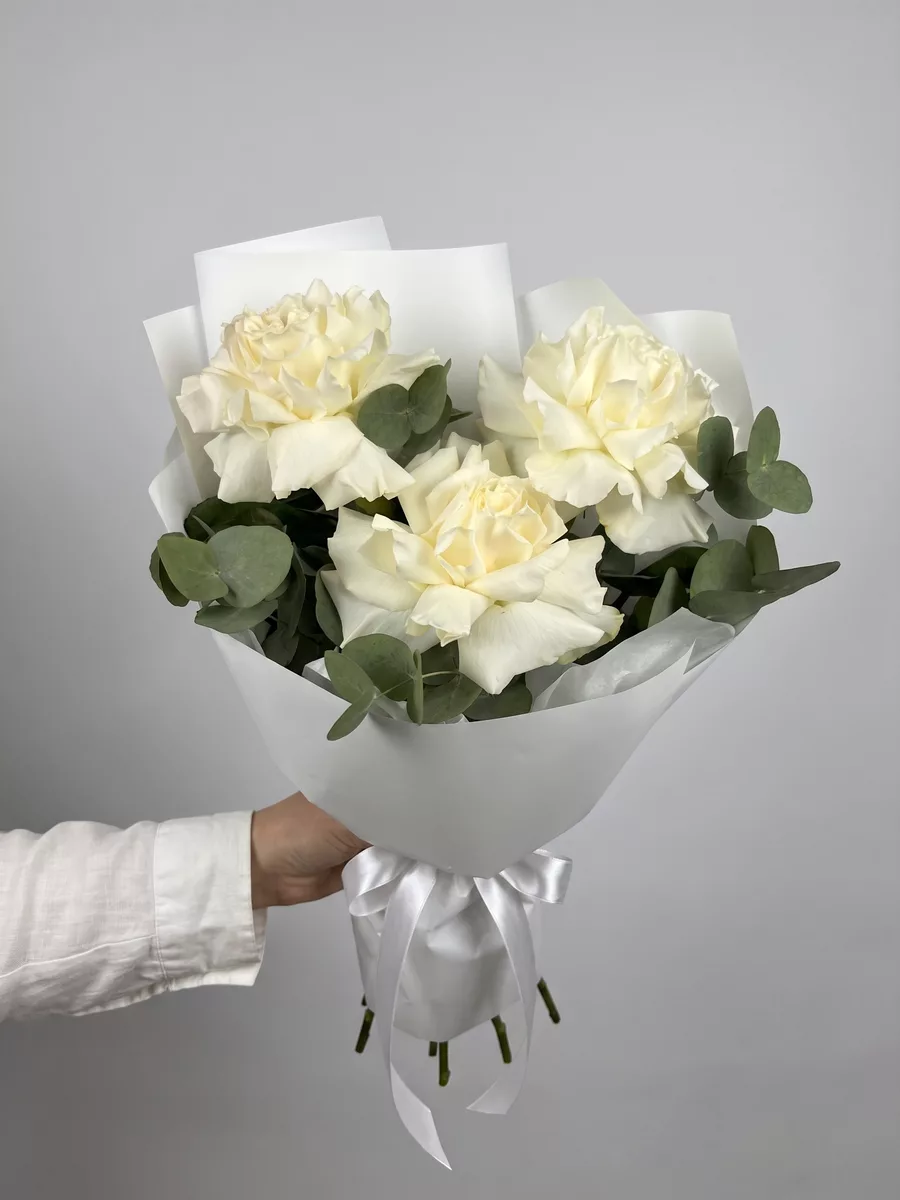
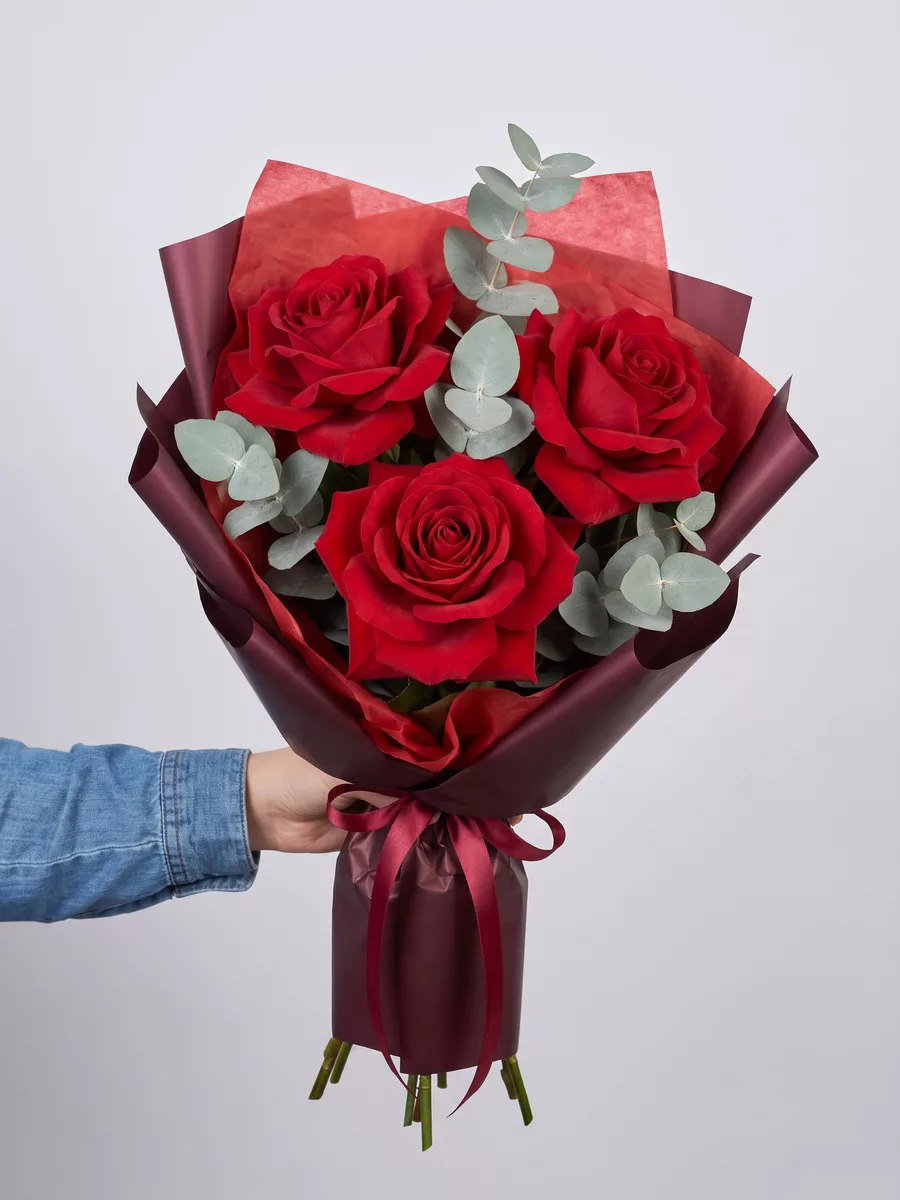
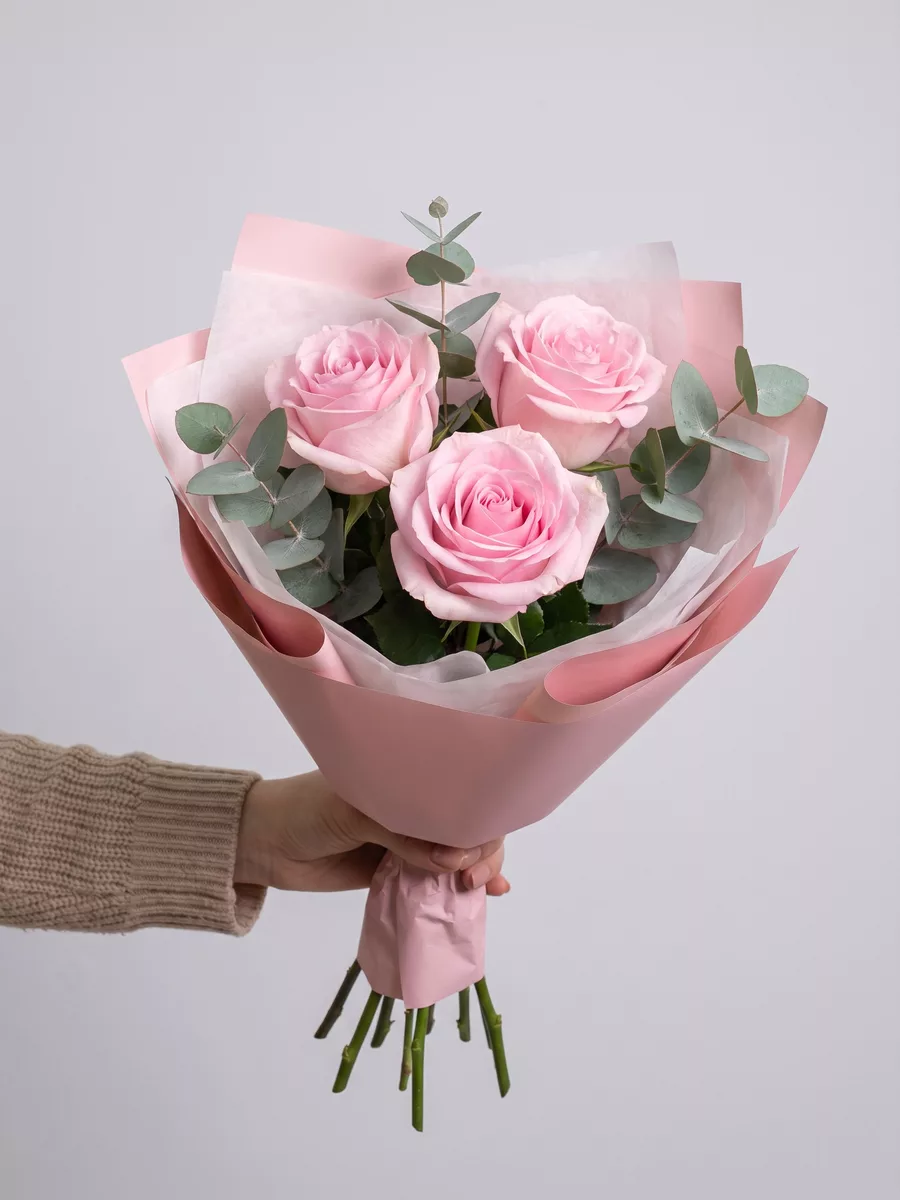
Bouquets we can deliver

Russian Flower Customs a Foreign Sender Should Know
Flowers carry specific meaning in Russian culture, and a few customs can catch international senders off guard. The most important one is the odd-number rule. In Russia, even numbers of flowers are traditionally associated with mourning and are brought to graves or funerals. When you send a bouquet to someone celebrating a birthday, an anniversary or a new job, the stem count should always be odd — three, five, seven, nine, eleven and so on. Most professional florists follow this automatically, but it is worth knowing so you understand what you are receiving.
Colour associations are less rigid than in some other cultures, but there are still soft preferences. Red roses signal romantic love clearly and universally. White flowers, particularly white chrysanthemums, are more commonly seen in solemn contexts, so a fully white bouquet for a birthday can feel slightly off to a Russian recipient even if it looks elegant to you. Mixing white with other colours — blush pink, coral, lavender — works beautifully and sidesteps any ambiguity.
Russians also tend to value lush, generous arrangements over minimal ones. A single-stem presentation that reads as chic in a Scandinavian context might feel sparse in Sukhoy Log. Combining a focal flower like a garden rose or a peony with secondary blooms such as alstroemeria, waxflower or eucalyptus gives the bouquet visual weight and signals genuine effort.
Finally, it is perfectly normal and appreciated to include a printed card with a message in Russian. If you write your note in English, the shop can often help with a simple transliteration or translation — just ask when you place the order.
Choosing Flowers for the Occasion, Not Just the Season
The occasion should drive your choice before season or budget does. Think about who is receiving the bouquet and what you want them to feel in the moment the door opens.
For a birthday, warmth and celebration are the goal. Garden roses in coral or deep pink, spray roses mixed with solidago and lisianthus, or a full arrangement of sunflowers with green fillers all read as festive and personal. Avoid anything that looks too formal or corporate — tight, symmetrical arrangements in neutral tones can feel like an office gift rather than a heartfelt one.
For a romantic occasion — an anniversary, Valentine's Day, or simply telling someone you miss them — red or blush roses remain the clearest language. A bouquet of long-stemmed red roses is a classic that still lands with full emotional force. If you want something softer, blush peonies in season (late spring through early summer) or garden roses with ranunculus create a romantic mood without the formality of a dozen red stems.
For congratulations — a new baby, a promotion, a graduation — go for colour and energy. Bright gerberas, mixed tulips in spring, or a cheerful combination of yellow and orange roses with green leaves all carry the right feeling. A new mother might particularly appreciate something soft and fragrant, like freesia or white alstroemeria, since strong scents can be overwhelming in a maternity ward or a newborn's room.
If you are unsure of the occasion's exact tone, a mixed bouquet with a clear dominant colour is almost always the right call. It gives the florist room to make it beautiful and gives the recipient something that feels curated rather than generic.
Seasonal Availability and What to Expect Month by Month
Knowing what is naturally in season helps you set realistic expectations and often results in a better bouquet than insisting on a specific flower that has to travel thousands of kilometres to reach Sukhoy Log in winter.
January through March is the coldest stretch. Dutch imports dominate: roses, chrysanthemums, alstroemeria, carnations and gerberas are reliably available and hold up well in cold transit. Tulips arrive from Dutch growers in large volumes through February and March, and they are a genuinely lovely choice — they open gradually over several days, giving the recipient a slow, unfolding display. Avoid tropical flowers like anthuriums for winter deliveries; they are sensitive to cold and can show damage quickly.
April and May bring the first Russian-grown spring flowers. Tulips are still strong, and the first peonies from southern Russian and Uzbek growers begin appearing by mid-May. If you are ordering for a May birthday or for the Russian holiday of May 9th, peonies are a wonderful and seasonally appropriate choice.
June through August is peak season for peonies, lisianthus, sunflowers and a wide range of garden roses. The Ural summer is short but real, and locally grown flowers can appear in the supply chain, meaning stems are fresher and travel times are shorter.
September and October bring dahlias, which are underused and spectacular — their layered petals and rich autumn colours make them one of the best choices for a September birthday. Chrysanthemums also peak in autumn and last exceptionally well in a vase.
November and December return to imported varieties. Amaryllis, red roses and white lilies are all strong options for winter celebrations and the New Year season.
How to Order from Outside Russia Without Stress
The practical steps of ordering internationally are simpler than most people expect, but a few details make the difference between a smooth experience and a frustrating one.
Start with the recipient's address written in full Russian format: street name, building number, apartment number, city, postal code. If you only have the address in transliterated Latin characters, that is usually workable, but a Cyrillic version reduces the chance of any ambiguity. If your recipient lives in a large apartment complex, the entrance number (podyezd) and floor are helpful details — delivery couriers in Russian cities navigate these buildings daily, but a precise address saves time.
Payment from abroad is handled through international card processing. Standard Visa and Mastercard work for most senders; some banks flag Russian merchant transactions as unusual and may require you to approve the charge through your bank's app. It is worth having your banking app open when you check out so you can confirm the transaction immediately if needed.
Your message on the card can be written in any language. If you write in English, the card will be printed as you wrote it. Russian recipients who do not read English will sometimes ask a friend or family member to translate, which can actually add a small moment of warmth to the delivery. If you want the message in Russian and do not speak the language, you can write it in English and ask for a translation when placing the order.
Always double-check the recipient's phone number. The courier may call ahead to confirm the delivery point, particularly in residential areas. A working local number is the single most important detail after the address itself.
Flower Care Instructions Your Recipient Will Actually Use
One of the most thoughtful things you can do as a sender is make sure the recipient knows how to keep the bouquet looking its best. Russian recipients are generally comfortable with flowers, but a few specific tips extend vase life significantly — and a bouquet that lasts ten days rather than four carries your gesture much further.
The first step is always a fresh diagonal cut on each stem, made with a sharp knife rather than scissors. Scissors crush the stem's vascular tissue and reduce water uptake. A clean cut at a 45-degree angle increases the surface area and helps the flower drink properly. This should be done immediately before placing stems in water, ideally under running water to prevent air bubbles from entering the stem.
Vase water should be clean, cool and changed every two days. Warm water accelerates bacterial growth, which is the primary reason flowers wilt prematurely. Removing all leaves that would sit below the waterline prevents the same problem — submerged leaves rot quickly and cloud the water with bacteria.
Different flowers have different needs worth knowing. Tulips continue to grow after cutting and will bend toward light sources — rotating the vase keeps them upright. Roses benefit from being re-cut every two to three days. Lilies, if included in a mixed bouquet, have stamens that produce orange pollen staining fabric and petal surfaces; removing the stamens with a tissue before they open keeps everything cleaner.
Keep the bouquet away from direct sunlight, heating radiators and fruit bowls. Ripening fruit releases ethylene gas, which accelerates flower ageing noticeably. A cool spot — a kitchen table away from the window, or a hallway shelf — is often the best place.
Making the Moment Land: Presentation and Personal Touches
The physical bouquet is only part of what the recipient experiences. How it arrives, what accompanies it and what the card says all shape the emotional moment — and from abroad, you have more control over these elements than you might think.
Wrapping style in Russia tends toward the lavish. Kraft paper with ribbon, layered tissue, or cellophane with a satin bow are all common and well-received. A bouquet that arrives looking like it was assembled with care rather than packed for transit feels like a gift rather than a delivery. When you place your order, note if there is a preferred colour palette or a style preference — warm earth tones for a cosy autumn feel, pastel wrapping for a spring birthday, classic white and green for something elegant.
Adding a small accompanying gift — chocolates, a candle, a small plant — is increasingly popular and makes the delivery feel more considered. For a recipient who lives alone or is far from family, a surprise delivery that includes something to enjoy over the following days (a box of good chocolates, for instance) extends the emotional warmth beyond the flowers themselves.
Your card message deserves more thought than a quick sign-off. Write something specific: a memory you share, a quality you admire, a wish that is particular to this person and this occasion. Generic messages like 'Happy Birthday, thinking of you' are fine, but a single specific sentence — 'I still think about that evening in Lisbon and hope you have a hundred more like it' — transforms a nice delivery into something the recipient will remember.
From abroad, the act of sending flowers to Sukhoy Log already communicates care and effort. A thoughtful card makes it unforgettable.
Sending flowers to Sukhoy Log from another country is not complicated once you know the details — the time zone, the seasonal varieties, the odd-number custom, the address format. What matters most is the same thing that always matters with flowers: the intention behind them. Someone in Sukhoy Log will open their door, see a bouquet that came from you across thousands of kilometres, and feel it. Turboflora handles the logistics and the freshness; you bring the reason.
Frequently asked questions
Can I order flowers for Sukhoy Log if I do not speak Russian?
Yes, entirely. The ordering process at turboflora.com is available in English, and your card message can be written in any language. If you want the card translated into Russian for a recipient who does not read English, mention it in the order comments and we will handle it. You do not need to know a word of Russian to place a successful order.
How far in advance should I order from a different time zone?
Sukhoy Log is UTC plus 5 with no daylight saving. Calculate your recipient's local time before ordering and aim for a delivery window between 10 a.m. and 7 p.m. their time. Ordering two to three hours before your desired local delivery time gives comfortable margin. For special dates like birthdays, placing the order the evening before your date eliminates any time-zone confusion entirely.
What flowers hold up best in Sukhoy Log's cold winters?
Roses, chrysanthemums, alstroemeria, carnations and tulips are the most reliable choices in winter. They tolerate cold packaging well and have strong vase life once inside. Avoid tropical varieties like anthuriums or bird of paradise in January and February — they are sensitive to temperature drops and can show petal damage even during a brief outdoor transit.
Is it true I should always send an odd number of flowers?
Yes, this is a firmly held Russian custom. Even numbers of flowers are associated with mourning and are brought to graves, so a bouquet of ten or twelve stems can feel inappropriate for a celebration even if it looks generous. Always choose an odd count — five, seven, eleven, fifteen. Professional florists at Turboflora follow this automatically, so you do not need to count manually when ordering a pre-arranged bouquet.
What happens if my recipient is not home when the flowers arrive?
The courier will call the recipient's phone number before or upon arrival to confirm they are available. This is why a working local mobile number is essential when you place the order. If the recipient is temporarily unavailable, the courier can wait briefly or arrange a revised delivery time. Providing a neighbour's name or a building concierge as a backup contact is also a helpful detail to include in your order notes.
Ready to send flowers?
Pick the city, choose the bouquet, and a local florist takes it from there.
Choose a city →