Sending Flowers to Surovikino from Abroad: A Practical Guide
You are somewhere outside Russia — maybe London, Dubai, or New York — and you want to send flowers to someone in Surovikino, a small city in the Volgograd region. The distance feels enormous, but the gesture does not have to be complicated. What matters is knowing what to expect from the climate, the local customs, and the delivery window, so the bouquet arrives looking exactly the way you imagined it when you placed the order.
Why Surovikino Is Different from Sending to a Big Russian City
Surovikino sits in the southern steppe of Russia, in the Volgograd Oblast, far from the flower markets and same-day logistics networks that serve Moscow or Saint Petersburg. That geographic reality shapes everything — from the varieties that travel well to the time of day when delivery makes the most sense. When you send from abroad, you are not just crossing a time zone; you are sending into a climate that swings between dry, blistering summers and cold, windy winters.
The continental climate here means temperatures can reach above 35°C in July and drop well below minus 15°C in January. Both extremes stress cut flowers. In summer, roses and tulips can wilt within minutes if left on a doorstep. In winter, delicate petals like those of anemones or ranunculus can freeze during the short walk from a vehicle to a front door. Understanding this is not meant to discourage you — it is meant to help you choose the right flowers and the right moment.
Surovikino is a working city with a real community. People there receive flowers for birthdays, anniversaries, graduations, and professional milestones just as they do anywhere in Russia. The difference is that the recipient will notice the quality immediately, because fresh flowers are not an everyday sight on every corner. A well-chosen bouquet lands with genuine impact here, which makes it worth getting the details right from the start.
Bouquets we can deliver
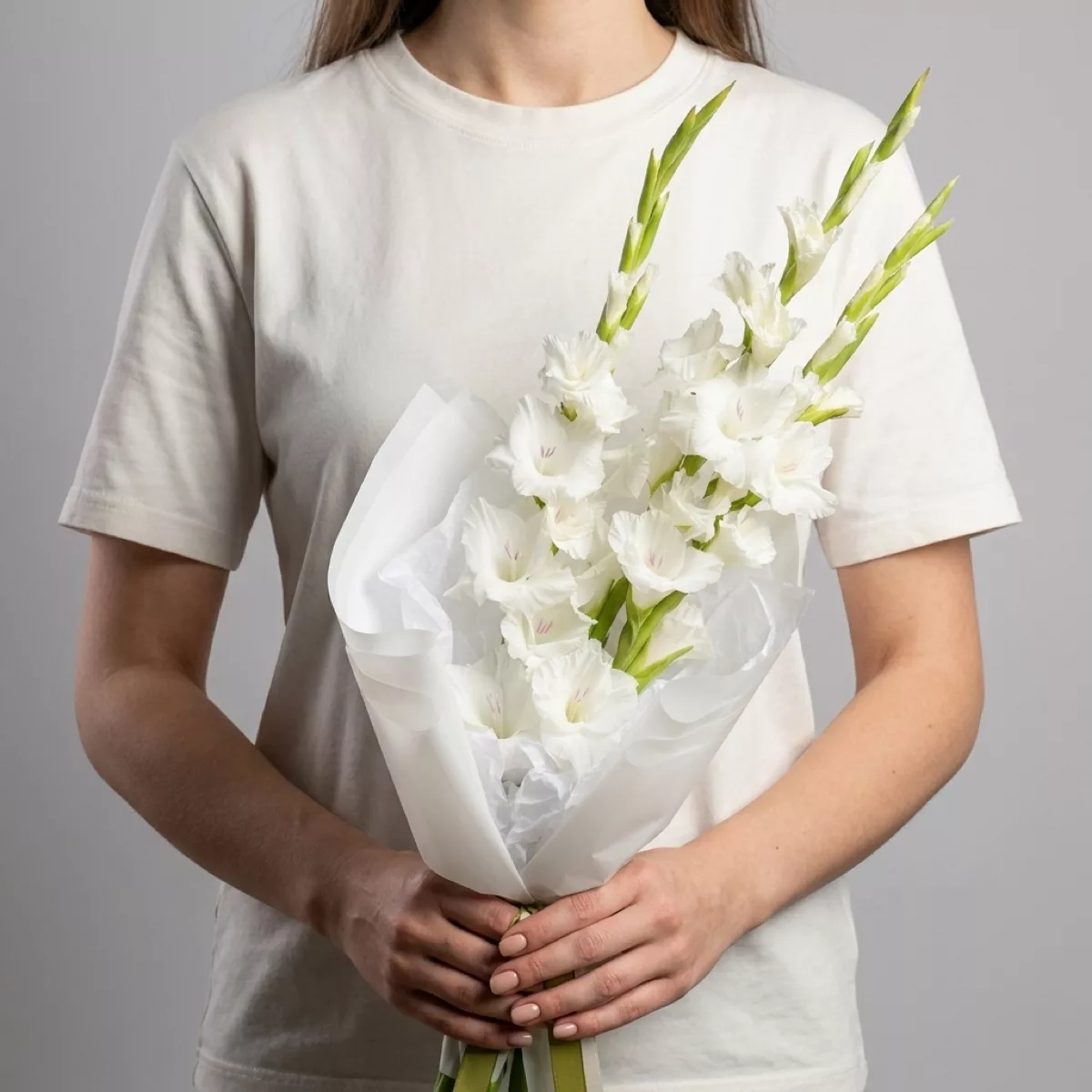
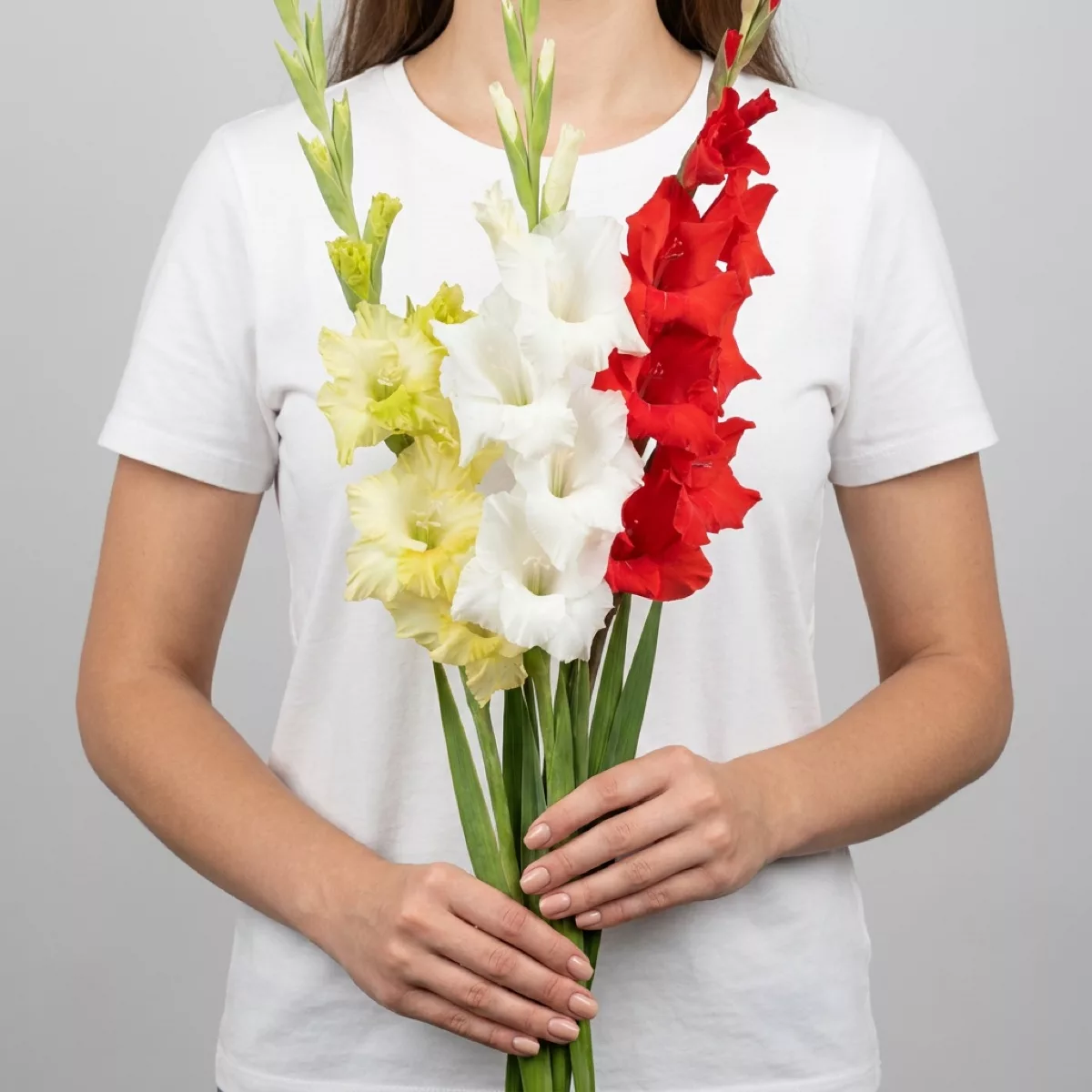
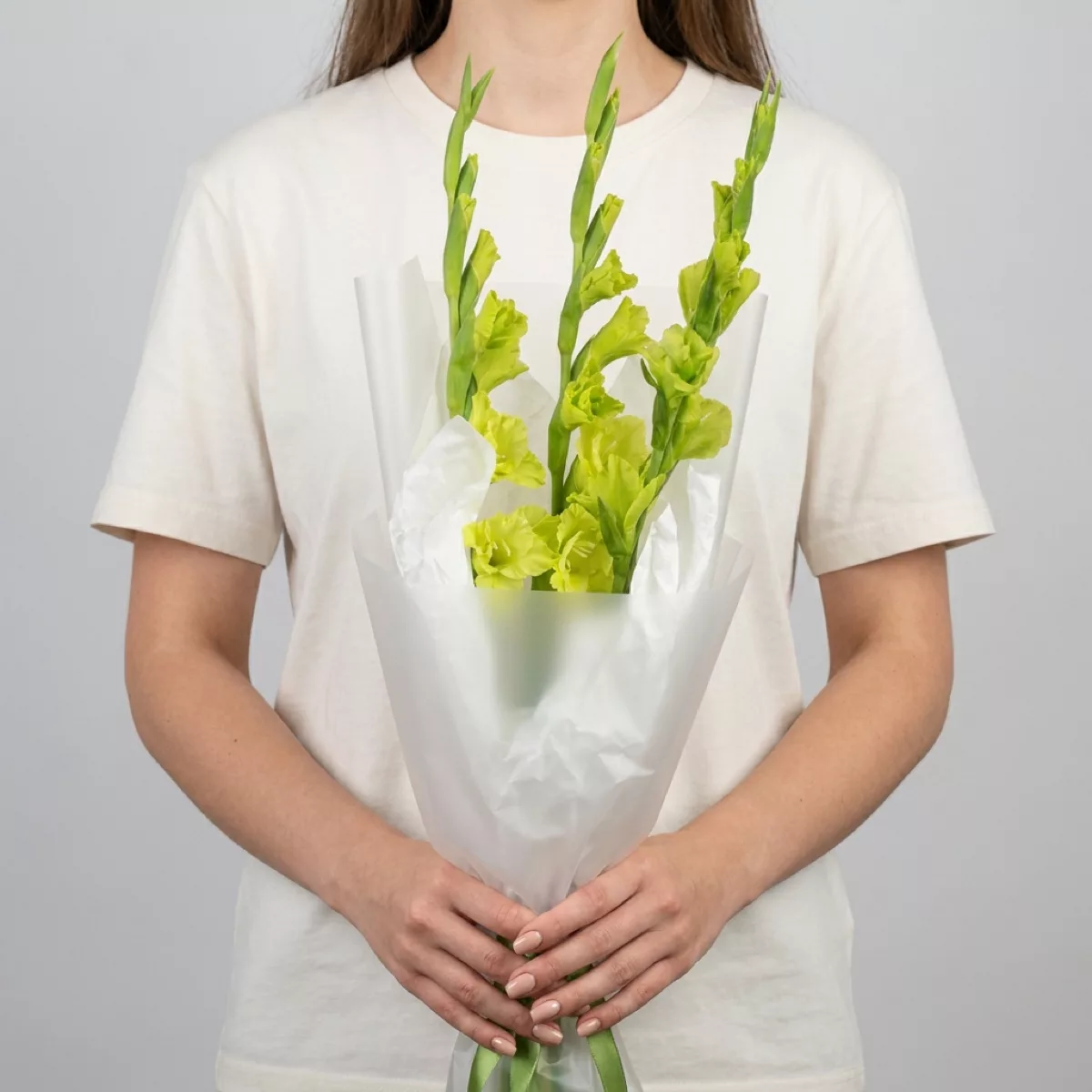
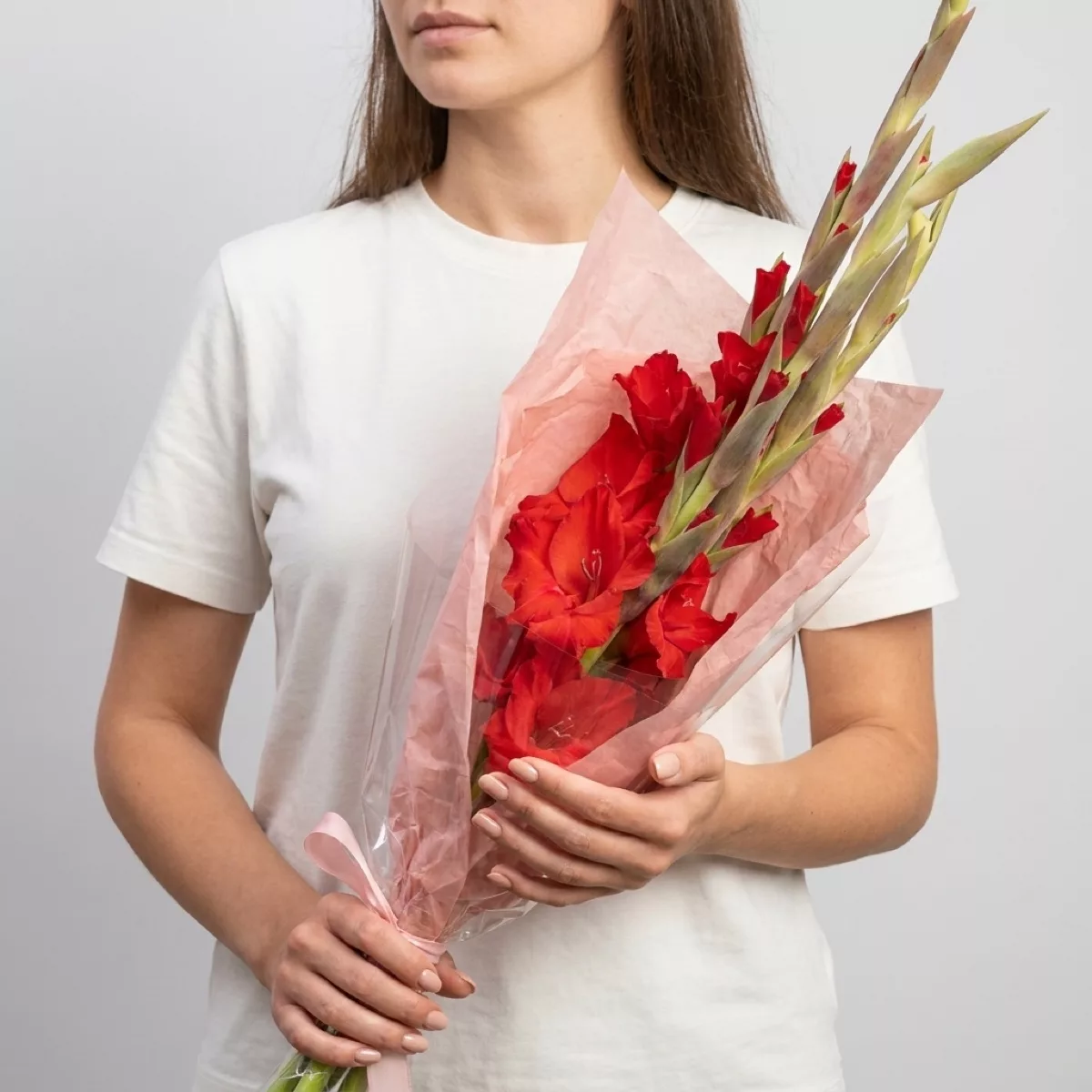
Choosing the Right Time to Order When You Are in a Different Time Zone
Surovikino operates on Moscow Standard Time, which is UTC plus 3. If you are placing an order from Western Europe, you are one to two hours behind. From the United States East Coast, you are eight hours behind. From the Gulf region, you are one hour ahead. These differences matter more than most senders realize, because a bouquet ordered at what feels like midday your time might arrive at the recipient's door at an inconvenient hour — or outside the delivery window altogether.
The most considerate delivery times in Surovikino are between 10:00 and 20:00 local time. Arriving before 9:00 can catch someone before they have left for work, which sounds thoughtful but often means flowers sit in a warm hallway unattended. Arriving after 21:00 can feel intrusive, especially in a smaller city where evenings tend to be quieter and more private than in a metropolis.
When placing your order, always convert the desired delivery time to Moscow time and state it clearly in the order notes. If the occasion is a birthday and you know the recipient's schedule — for example, that they finish work at 18:00 — aim for delivery between 18:30 and 19:30. This small piece of coordination transforms the bouquet from a pleasant surprise into a perfectly timed one. If you are unsure of their schedule, a midday delivery between 12:00 and 14:00 Moscow time is the safest default for most working adults.
Which Flowers Hold Up Best in Surovikino's Climate
Not every flower is equally suited to the conditions in the Volgograd steppe. For summer orders — roughly May through September — you want varieties with strong, waxy petals and firm stems that resist heat stress. Garden roses, spray chrysanthemums, alstroemeria, and lisianthus all perform well in warm conditions. They hold their shape and colour even when temperatures spike, and they do not drop petals during transport the way more delicate blooms might.
Avoid sending open-faced flowers like gerbera daisies or large hydrangea heads in peak summer unless the recipient is home to receive them immediately. These varieties lose moisture quickly and can look tired within an hour of leaving the cool of a delivery vehicle. If the occasion calls for something lush and full — an anniversary, a major birthday — consider a mixed bouquet anchored by roses or alstroemeria with greenery like eucalyptus or pittosporum that adds volume without fragility.
In winter, the challenge reverses. Flowers need to be wrapped in insulating paper sleeves during transport, and the stems should not be exposed to frost even briefly. Roses, carnations, and freesia handle cold better than most. Tulips are a winter staple in Russia and travel beautifully in the cold — they actually continue to open slowly after delivery, which recipients love because the bouquet feels alive and changing over several days. Spring orders, from March through April, are ideal for tulips and daffodils, and these are culturally beloved gifts in Russia for International Women's Day on March 8th.
Understanding Russian Flower Customs Before You Order
If you are sending flowers from outside Russia, a few local customs will help you avoid unintentional missteps. The most important is the odd-number rule. In Russia, even numbers of flowers are traditionally associated with mourning and are brought to cemeteries. Always choose an odd number — three, five, seven, nine, or more. A bouquet of twelve roses, while generous and beautiful in many countries, will strike a Russian recipient as unusual at best and unsettling at worst. A bouquet of eleven or thirteen is the right instinct.
Colour carries meaning too, though less rigidly than the number rule. Red roses signal romantic love and are perfect for a partner. White flowers — particularly white roses or white lilies — are elegant and appropriate for a wide range of occasions, from professional congratulations to birthdays. Yellow flowers have historically carried a superstition of bad luck in relationships in Russian culture, though younger generations are far less concerned with this. If you are unsure, a mixed bouquet with warm tones — coral, peach, burgundy, soft pink — is universally well received and avoids any ambiguity.
It is also worth noting that Russians tend to appreciate generous, full bouquets rather than minimalist arrangements. A single stem, however beautiful, may feel sparse. Three to five stems reads as a small gift. Seven to eleven stems feels appropriately celebratory. If the occasion is significant — a major birthday, a wedding anniversary, a graduation — lean toward fifteen stems or more, and consider adding a complementary element like decorative cotton stems, dried pampas grass, or seasonal greenery to give the bouquet presence.
How to Write a Card Message That Lands Well
The card message is often an afterthought for international senders, but in Russia it carries real weight. A handwritten-style note attached to the bouquet is the personal signature of the gift. If you are writing in English, consider whether your recipient reads English comfortably. Many people in smaller Russian cities are more comfortable in Russian, and a message in their own language will feel far more intimate and considered.
If you do not speak Russian, you can write your message in English and ask in the order notes for it to be transliterated or translated into Russian. Alternatively, keep the message short and emotionally clear — a few words of warmth are better than a long paragraph that might not be fully understood. Phrases like a birthday greeting, an expression of love, or a congratulation do not require complex language to be felt.
Avoid overly formal or corporate-sounding messages, which can feel cold when attached to flowers. Instead, write the way you would speak to the person if you were in the same room. Use their name. Mention the occasion specifically. If you are far away and the distance is part of the story — say so. Something like acknowledging that you wish you could be there in person adds emotional depth that makes the bouquet feel like a bridge across the distance rather than just a purchase. Recipients in Surovikino, like anywhere, respond to sincerity over polish.
Caring for the Flowers After Delivery: What to Tell Your Recipient
Part of sending flowers well is making sure they last. You will not be there to help, so it is worth passing on a few simple care instructions to the person receiving them — either through the card message or a quick message of your own after delivery is confirmed. Fresh flowers in Surovikino can last anywhere from four to ten days depending on the variety and the care they receive in the first few hours.
The single most important step is recutting the stems at an angle — about two centimetres from the bottom — immediately before placing them in water. This reopens the stem's water channels, which close during transport. The water should be cool and clean, changed every two days. The vase should be rinsed each time to prevent bacterial buildup, which is the main reason flowers fade prematurely. Flower food sachets, if included with the bouquet, should be dissolved in the water on day one.
Placement matters enormously in the continental climate of the Volgograd region. In summer, keep flowers away from direct sunlight and away from fans or air conditioning vents, which dry out petals quickly. In winter, keep them away from radiators, which are often very warm in Russian apartments. A cool interior room or a spot near a north-facing window is ideal year-round. Tulips, which are beloved in Russia, will continue to grow and lean toward light after delivery — rotating the vase slightly each day keeps them upright and even. Roses will open fully within two to three days and look their most dramatic just before the petals begin to loosen.
What to Do If Something Goes Wrong with the Delivery
Sending flowers internationally involves variables you cannot fully control — address errors, building access issues, recipients who are unexpectedly away from home, or flowers that arrive in a condition that does not meet your expectations. Knowing how to handle these situations calmly and quickly makes the difference between a frustrating experience and one that gets resolved.
The most common issue is an incorrect or incomplete address. Russian addresses follow a specific format: city, street, building number, apartment number. In Surovikino, many residential buildings have multiple entrances, and the entrance number — called a podezd — is often essential for delivery. When placing your order, double-check the full address with the recipient in advance if possible, or ask them casually without revealing the surprise. A missed delivery because of a missing apartment number is entirely avoidable.
If the recipient is not home at the time of delivery, contact the shop immediately. In most cases, a new delivery time can be arranged, or the bouquet can be left with a neighbour if the recipient gives permission. If flowers arrive damaged or wilted — which is rare with proper packaging but can happen in extreme weather — document the condition with a photograph immediately and contact customer support. A reputable flower delivery service will work to make the situation right, whether through a replacement or a partial refund. The key is to act within the same day rather than waiting, because cut flowers deteriorate quickly and the window for a meaningful resolution is short.
Sending flowers to Surovikino from abroad is a genuinely meaningful act — the distance makes it more so, not less. When you get the details right, the bouquet becomes proof that someone on the other side of the world was thinking carefully about a person they love. Choose varieties suited to the season, respect the odd-number custom, write a message that sounds like you, and make sure the address is complete. The rest is taken care of.
Frequently asked questions
Can I order flowers for delivery in Surovikino if I do not speak Russian?
Yes, entirely. You can place your order in English and include your card message in English as well. If you would like the message written in Russian for the recipient, note that in your order comments and we will handle the translation. The delivery address should be written in standard Russian format — city, street, building, apartment — which you can confirm with the recipient beforehand.
Why do Russian flower customs say I should never send an even number of flowers?
In Russian tradition, even numbers of flowers are associated with mourning and are typically brought to gravesites. Sending an even number to a living person carries an unintended and unwelcome symbolism. Always choose an odd number — five, seven, nine, eleven — for any celebratory or affectionate occasion. This rule is taken seriously across generations and regions, including in Surovikino.
What is the best flower choice for a summer birthday delivery in Surovikino?
In summer, when temperatures in the Volgograd region can exceed 35°C, choose heat-tolerant varieties like spray roses, alstroemeria, lisianthus, or garden roses with firm petals. Avoid large open-faced blooms like hydrangea or gerbera unless the recipient will be home immediately. A mixed bouquet anchored by roses with sturdy greenery like eucalyptus will look full and last well even in the heat.
How far in advance should I place my order from abroad to ensure timely delivery?
For a specific delivery time, place your order at least three to four hours ahead, accounting for the time zone difference between your location and Surovikino's Moscow Standard Time. For important occasions like anniversaries or milestone birthdays, ordering the day before gives you more flexibility to confirm the address and choose the exact delivery window without time pressure.
What should the recipient do first when the flowers arrive to make them last longer?
The most important step is to recut the stems at a diagonal angle, about two centimetres from the bottom, and place them immediately in a clean vase with cool water. Change the water every two days and keep the bouquet away from direct sunlight, radiators in winter, and air conditioning vents in summer. Following these steps, most varieties will stay fresh and beautiful for five to eight days.
Ready to send flowers?
Pick the city, choose the bouquet, and a local florist takes it from there.
Choose a city →