Sending Flowers to Talitsa from Abroad? Read This First
You are somewhere outside Russia — maybe London, Berlin, Dubai or Toronto — and someone you love is in Talitsa, a quiet town in the Sverdlovsk region of the Urals. You want to send flowers that arrive fresh, look generous and feel personal. The distance between you and the recipient does not have to show in the bouquet. What it does require is a little planning on your end, and the right information before you place the order.
Why Talitsa Is Different from Sending to a Big City
Talitsa sits in the Sverdlovsk Oblast, roughly in the middle of the Urals, and it is not a metropolitan centre. That matters when you are ordering flowers from abroad, because your expectations may be shaped by sending to Moscow or Saint Petersburg, where same-day delivery to any address is routine. Talitsa has its own rhythm, its own roads and its own climate, and a florist who understands that geography will serve your recipient far better than one who treats every Russian postcode the same way.
The Urals experience serious winters. From November through March, outdoor temperatures regularly fall below minus fifteen degrees Celsius, sometimes much lower. Flowers travelling in those conditions need proper insulation and fast transit — exposed stems in a cold car can suffer damage in under twenty minutes. In summer, the opposite challenge appears: heat above thirty degrees can wilt delicate petals before the courier rings the doorbell. Seasonal awareness is not optional here; it is the difference between a beautiful arrangement and a wilted disappointment.
When you order from abroad, you are trusting a florist to make decisions on your behalf in real time. Choose one that assembles the bouquet close to departure time rather than hours in advance, and that uses temperature-appropriate packaging for the Ural seasons. A well-assembled bouquet of sturdy chrysanthemums, spray roses or alstroemeria will survive a Talitsa winter delivery far better than an arrangement built around open garden roses or fragile sweet peas. Knowing which flowers are appropriate for the season is the first practical step you can take as a sender.
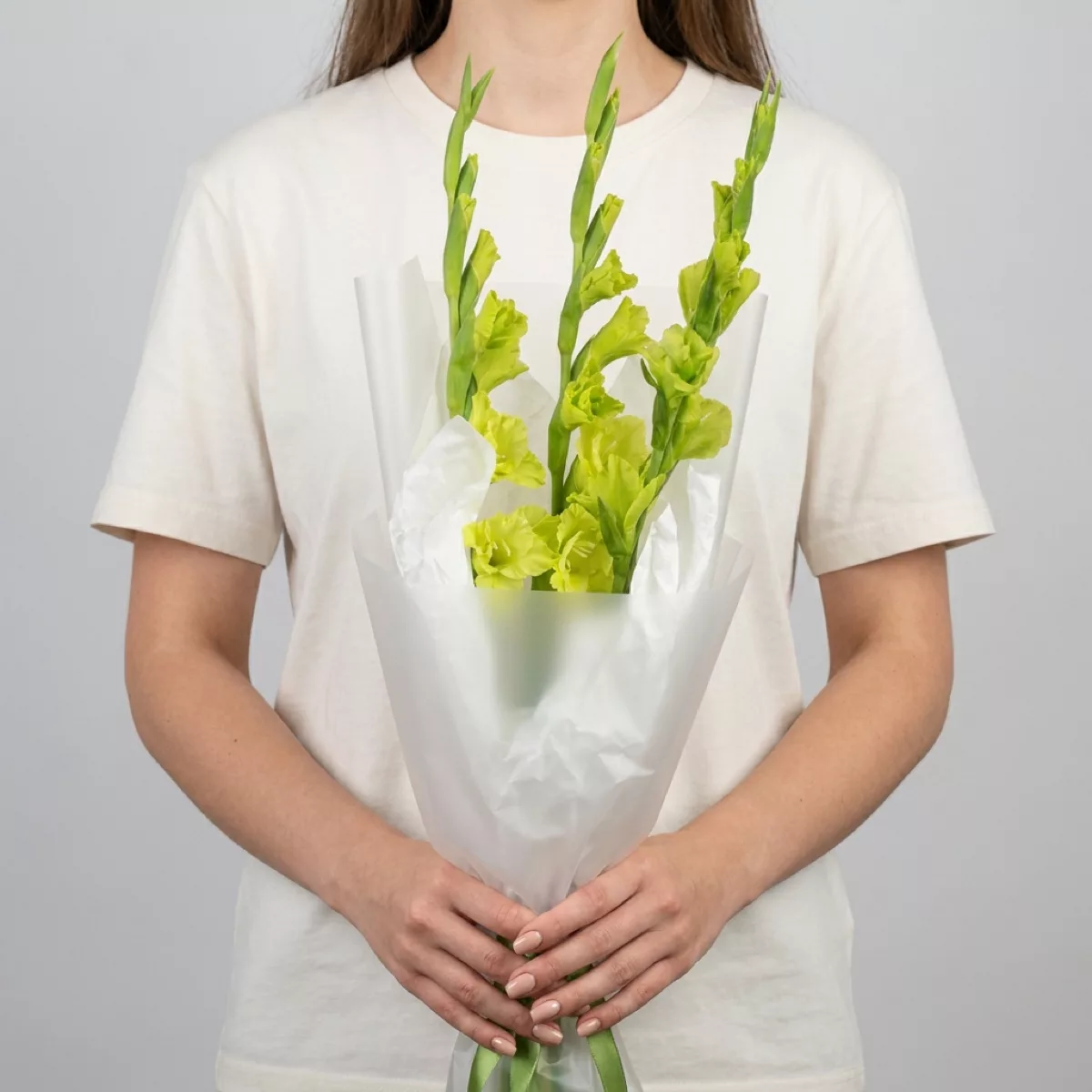
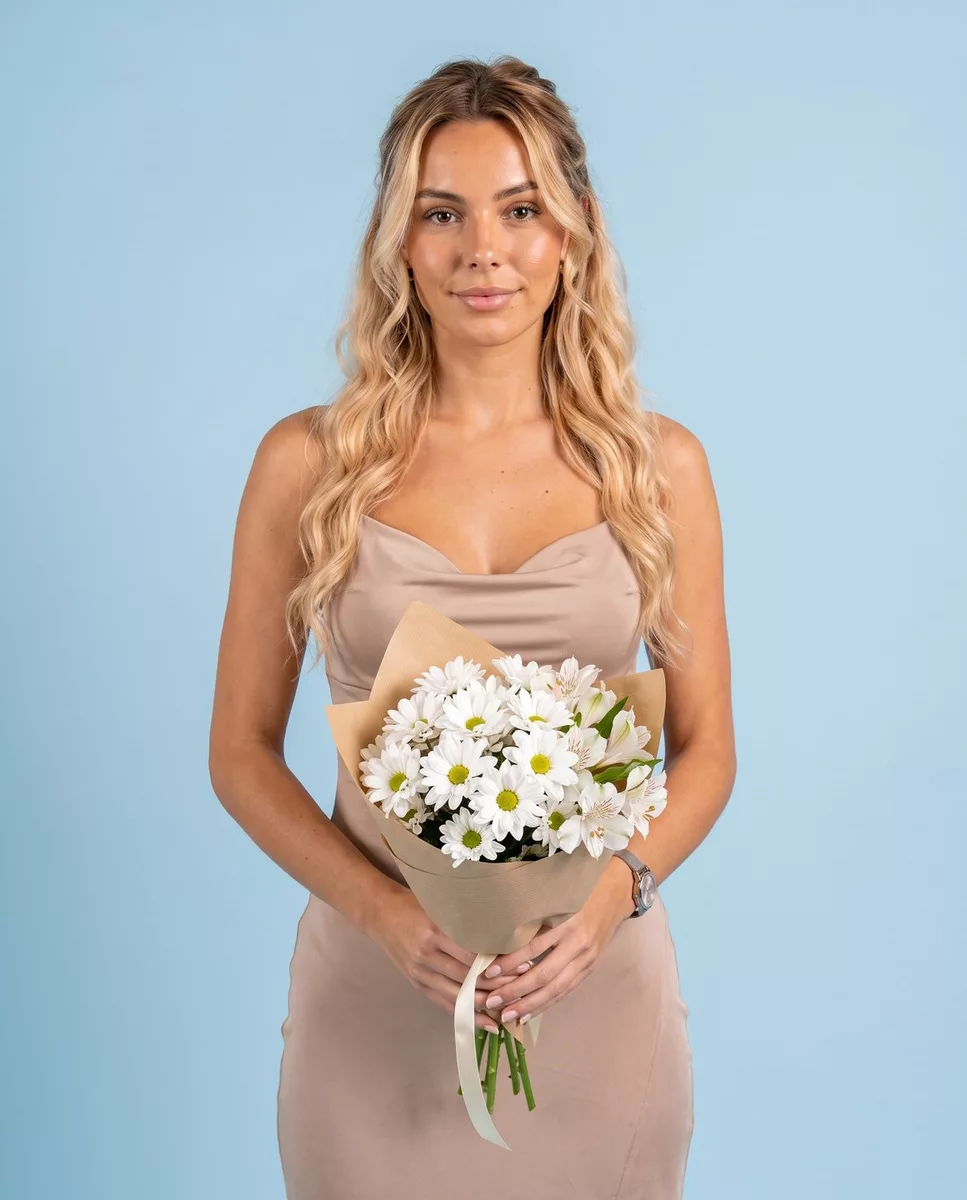
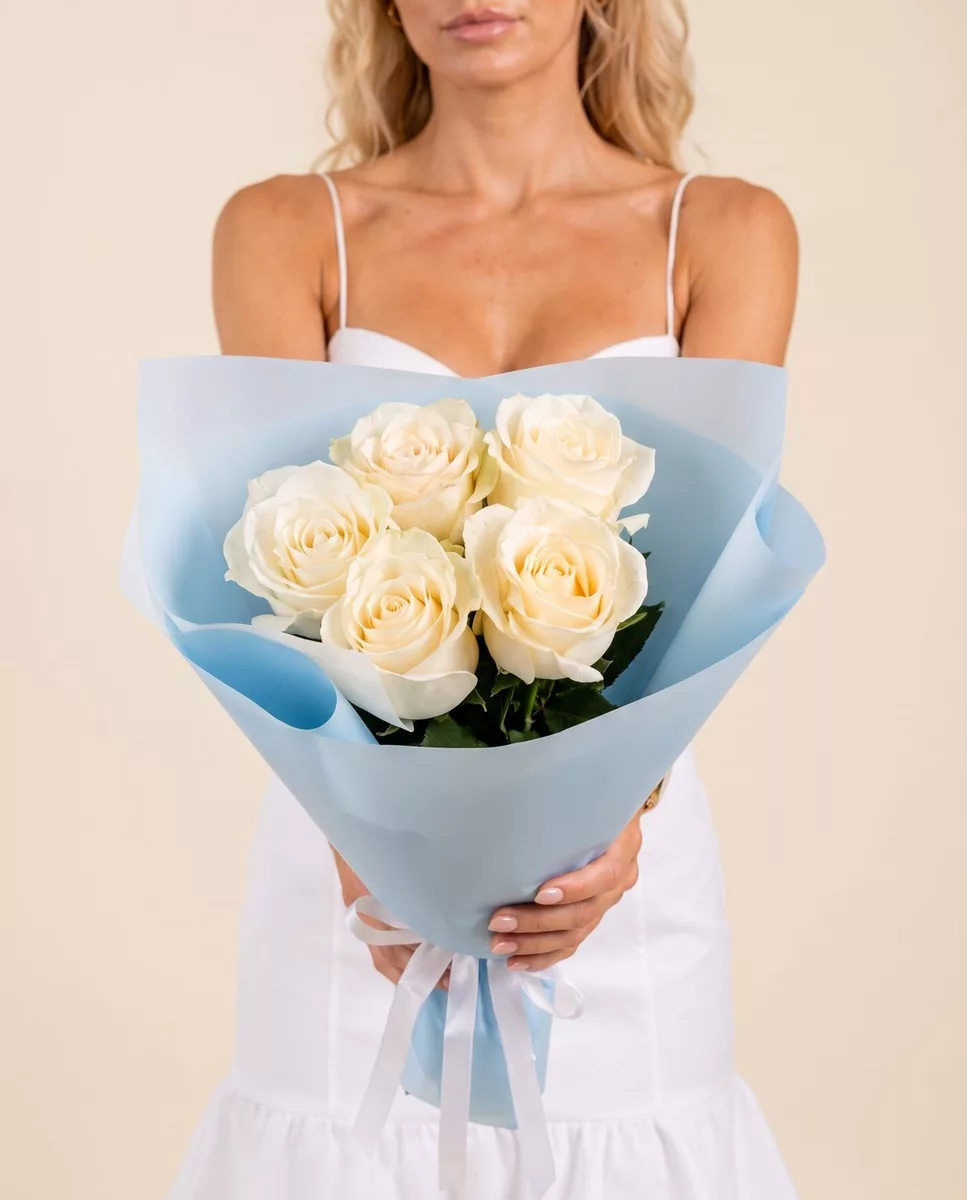
Bouquets we can deliver

The Right Moment to Order When You Are in a Different Time Zone
Time zones are the silent complication in every international flower order. Talitsa operates on Yekaterinburg Time, which is UTC plus five. If you are in Western Europe, that means Talitsa is two or three hours ahead of you. If you are on the East Coast of the United States, the gap is eight hours. If you are in the Gulf region, you are only two hours behind Talitsa. Knowing this gap is essential because it determines when your order actually reaches the florist and how much preparation time exists before the delivery window you have in mind.
A common mistake is placing an order at what feels like mid-morning your time, assuming same-day delivery is still possible, only to discover that it is already late afternoon in Talitsa. Turboflora delivers within one to two hours of order confirmation, but that confirmation needs to happen while the working day still has room for it. As a practical rule, place your order at least three to four hours before the moment you want the flowers to arrive, and convert that time carefully into Yekaterinburg Time before you submit.
For milestone moments — a birthday, an anniversary, a graduation — consider ordering the evening before your local time if the delivery is meant for morning in Talitsa. This removes time-zone anxiety entirely and gives the florist space to select the freshest stems available. It also means your recipient wakes up to flowers rather than waiting through the afternoon. That small shift in timing can make the gesture feel far more considered and deliberate.
Choosing Flowers That Actually Suit the Occasion
Russian flower culture has its own logic, and it is worth understanding before you choose. Odd numbers of stems are traditional for celebratory occasions — birthdays, anniversaries, congratulations of any kind. Even numbers are associated with mourning, so a bouquet of ten roses, however beautiful, carries an unintended message. If you are unsure, ask for an odd count: eleven roses, fifteen stems of mixed spray carnations, twenty-three tulips in spring. The recipient will notice, and the gesture will feel culturally fluent rather than foreign.
For a birthday in Talitsa, warm colours tend to read as generous and festive: deep coral roses, orange alstroemeria, yellow freesia, bright gerbera daisies. These hold well in transit and photograph beautifully, which matters when your recipient will almost certainly send you a photo to say thank you. For a romantic occasion, red roses remain the clearest signal across cultures, but a mix of blush and burgundy spray roses with eucalyptus feels more current and just as sincere.
If the recipient is older, consider chrysanthemums — they are deeply respected in Russian culture and associated with warmth and care rather than the cooler connotations they carry in some Western countries. A full bouquet of white or yellow chrysanthemums with a few stems of statice for texture is a classic choice that will be genuinely appreciated. For a new baby or a housewarming, soft pinks, creamy whites and gentle lavender tones communicate celebration without overwhelming the space. Let the occasion and the person guide the palette before you think about specific varieties.
Budget, Presentation and What Generous Looks Like in Talitsa
When you are sending from abroad, the bouquet you choose represents you in a room you cannot enter. Presentation matters enormously, and in Russian flower culture, volume and fullness are read as signs of care. A slim, minimalist arrangement that might feel elegantly restrained in a Copenhagen florist can look sparse to a recipient in the Urals who is used to lush, generous bouquets. This is not a criticism of either aesthetic — it is simply useful to know before you choose.
At a modest budget, a well-assembled bouquet of spray roses or alstroemeria with seasonal greenery and a satin ribbon can look genuinely beautiful. These varieties are sturdy, travel well and last up to ten days in a vase with proper care. At a mid-range budget, you can add focal flowers: a few stems of lisianthus, which resembles a ruffled rose but costs less and lasts longer, or some waxflower for texture and fragrance. At a more generous budget, garden roses, peonies in season or large-headed hydrangeas create real drama and photograph like something from a magazine.
Presentation wrapping also signals effort. Kraft paper with a velvet ribbon reads as artisan and thoughtful. Cellophane alone reads as basic. If you have the option to add a handwritten card — even a short note transcribed by the florist — do it. In Russian culture, the written word accompanying a gift carries real weight. A message in Russian is a lovely touch if you can manage it, but a sincere note in English will also be appreciated and often treasured.
Care Instructions Your Recipient Will Actually Use
Most people receive flowers, put them in a vase and hope for the best. Your recipient in Talitsa deserves better than that, and a short note about care — either on the card or sent separately by message — can double the life of the bouquet. The basics are simple but often skipped: trim the stems at a forty-five-degree angle before placing them in water, remove any leaves that sit below the waterline, and change the water every two days.
Tap water in Talitsa, as in much of Russia, is safe for flowers, but room-temperature water is preferable to cold water straight from the tap, especially in winter when the contrast between cold water and warm room air can stress the stems. A small pinch of sugar in the water provides nutrients, and a drop of bleach prevents bacterial growth that clouds the water and shortens vase life. These are not complicated steps, but they genuinely extend how long the bouquet remains beautiful.
Different varieties have different lifespans, and knowing this helps your recipient manage expectations. Alstroemeria and chrysanthemums regularly last twelve to fourteen days with good care. Spray roses last seven to ten days. Tulips, which are stunning in spring, are shorter-lived at five to seven days but open dramatically in a warm room. Lisianthus sits comfortably at ten to twelve days. Hydrangeas need deep water and should be misted lightly every day in a heated Ural apartment during winter, when indoor air is very dry. Sharing this information with your recipient is a small act of care that extends the gift.
What Can Go Wrong and How to Avoid It
International flower orders fail for predictable reasons, and most of them are avoidable with a little preparation. The most common problem is an incomplete or incorrect delivery address. Russian addresses follow a specific format: city, street, building number, apartment number. In Talitsa, many buildings are multi-entrance Soviet-era apartment blocks, and missing the entrance number or apartment number means the courier cannot complete the delivery. Before you place the order, confirm the full address with your recipient — or with someone who knows it — and write it out in the correct sequence.
The second common problem is unreachable recipients. If your recipient is at work, at school or has their phone on silent, a courier arriving at the door will not be able to complete the delivery. Some people prefer to send flowers as a surprise, which is completely understandable, but in that case it helps to have a trusted third party — a family member or neighbour — who can receive the bouquet if the primary recipient is unavailable. Let the florist know this when you place the order.
A third issue is seasonal mismatch. Ordering a bouquet of open garden roses in January in the Urals without discussing packaging and transit with the florist is a risk. The flowers may exist in the cooler, but getting them from assembly point to doorstep in minus twenty weather without damage requires specific handling. Trust the florist's seasonal recommendations rather than insisting on a variety that is technically available but poorly suited to the conditions. The florist's goal is the same as yours: a beautiful bouquet that arrives in perfect condition.
How to Make the Moment Feel Personal from Far Away
Distance is the hardest part of sending flowers from abroad. The bouquet can be beautiful, the delivery can be on time, and still the sender sometimes worries that the gesture felt impersonal — like clicking a button rather than handing something over. There are small things you can do to close that gap and make the moment feel genuinely warm.
A card message is the most powerful tool you have. Write something specific: not just happy birthday, but a memory, a private joke, a line about what the person means to you. If you want the message in Russian, most florists can help with a simple translation, or you can use a translation tool and ask the florist to check it. A sentence of imperfect Russian from someone who does not speak the language is often more touching than a perfect message in English, because it shows effort.
You can also coordinate with the recipient's household without spoiling the surprise. A quick message to a spouse, sibling or close friend — asking them to make sure the person is home at a certain time without revealing why — keeps the surprise intact while ensuring the delivery lands properly. In Russian culture, receiving flowers at home is more intimate than receiving them at a workplace, so if you have the choice, a home delivery on a day off or an evening delivery tends to feel more special.
Finally, ask your recipient to send you a photo when the flowers arrive. It transforms the experience from a transaction into a shared moment across time zones, and it closes the loop in a way that makes the distance feel smaller for both of you.
Sending flowers to Talitsa from abroad is entirely achievable, and when it is done well, it lands with real force. The recipient knows that someone on the other side of the world took the time to think about them, to navigate the time zones, to choose the right flowers for the season and the occasion, and to write something honest on a card. That combination of effort and care is what a bouquet actually communicates — the flowers are just the most visible part of it. Turboflora assembles and delivers across Russia, including Talitsa, within one to two hours of order confirmation, with seasonal packaging and florist guidance built into every order. The distance is yours to manage; the flowers are ours.
Frequently asked questions
Can I order flowers for Talitsa delivery in the middle of the night my time?
You can place the order at any hour, but delivery happens during operating hours in Talitsa, which runs on Yekaterinburg Time (UTC+5). If you submit an order at 2 a.m. your local time and Talitsa is already mid-morning, the florist will process it promptly. For early-morning deliveries in Talitsa, placing the order the evening before your local time is the safest approach.
Do I need to write the delivery address in Russian or will English work?
Providing the address in Russian Cyrillic is strongly preferred, as it removes any ambiguity for the courier. If you only have the address in Latin characters, include it and note that it needs transliteration. The most important details are the street name, building number, entrance number and apartment number — missing any of these in a Talitsa apartment block can prevent a successful delivery.
What flowers are available in Talitsa in winter?
In winter, the most reliably available and transit-safe varieties include chrysanthemums, spray roses, alstroemeria, carnations, lisianthus and statice. These all handle cold-weather transit well when packaged correctly. Garden roses and tulips are available but require more careful handling in extreme cold. The florist will recommend the strongest options for the specific date and current weather conditions.
Is it true that I should always send an odd number of flowers in Russia?
Yes, this is a genuine and widely observed custom. Odd numbers — seven, nine, eleven, fifteen — are associated with celebration and good wishes. Even numbers are traditionally reserved for funerals and carry an unintended message in any other context. When in doubt, ask the florist to confirm the stem count before the bouquet is assembled. It is a small detail that the recipient will almost certainly notice.
What happens if my recipient is not home when the flowers are delivered?
The courier will attempt to contact the recipient by phone. If there is no answer, the delivery may be rescheduled or left with a neighbour if that has been arranged in advance. To avoid this, either inform a trusted person at the recipient's address to expect a delivery, or choose a delivery time when you know the recipient will be home. You do not need to reveal the surprise — just ensure someone is present.
Ready to send flowers?
Pick the city, choose the bouquet, and a local florist takes it from there.
Choose a city →