Sending Flowers to Tara from Abroad: Your Practical Sender's Guide
Tara is a quiet Siberian city sitting on the Irtysh River in Omsk Oblast, and if someone you love lives there, distance does not have to mean a cold or impersonal gesture. Ordering flowers from London, Berlin, Toronto or anywhere else outside Russia is more straightforward than most people expect — but the details matter. The right variety for the season, a message that lands correctly in Russian culture, and an honest understanding of delivery timing will make the difference between a bouquet that feels personal and one that simply arrives.
Why Tara Is Different from Ordering to a Major Russian City
Most people ordering flowers internationally think first of Moscow or Saint Petersburg, where same-day delivery is almost taken for granted. Tara is a smaller city in western Siberia, roughly 300 kilometres north of Omsk, and that geography shapes everything about how a bouquet reaches your recipient. The city has a genuine urban centre with residential districts, so delivery is absolutely possible — but you need to work with a shop that has real reach into the Omsk Oblast region rather than one that only covers the two capitals.
Tara also sits in a continental climate zone, which means temperature swings are dramatic. In winter, outdoor temperatures can drop below minus 25 degrees Celsius, and flowers left in an unheated vehicle or entrance hall even briefly will suffer. In summer, the heat can climb above 30 degrees, which accelerates wilting in soft-petalled flowers like garden roses and ranunculus. A sender abroad should factor in the season when choosing varieties, not just what looks beautiful in a photograph.
The practical upside is that Tara residents are genuinely touched when flowers arrive from far away. The gesture carries extra weight precisely because it requires effort. Getting the logistics right — correct address format, a working local phone number for the recipient, and a realistic delivery window — transforms that effort into something the recipient will actually talk about for weeks.
Bouquets we can deliver

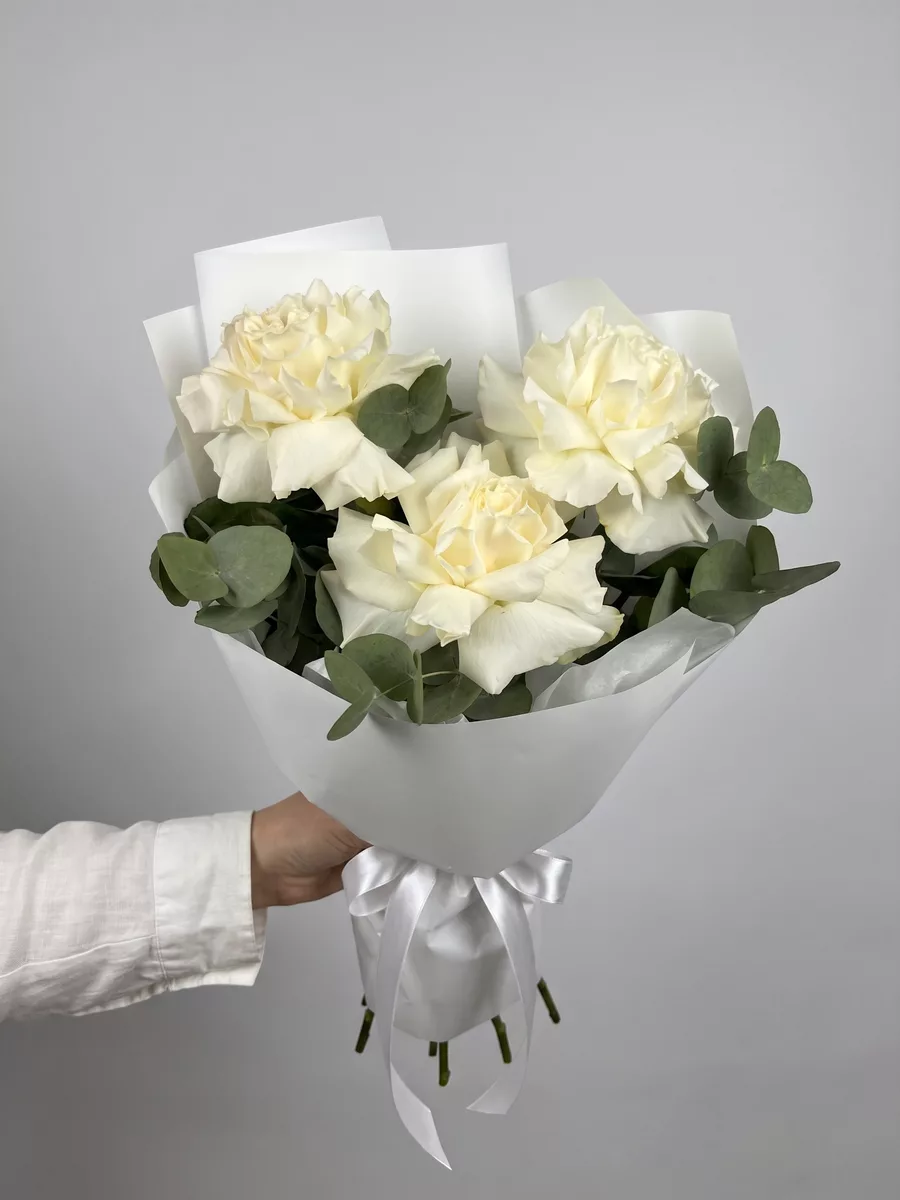
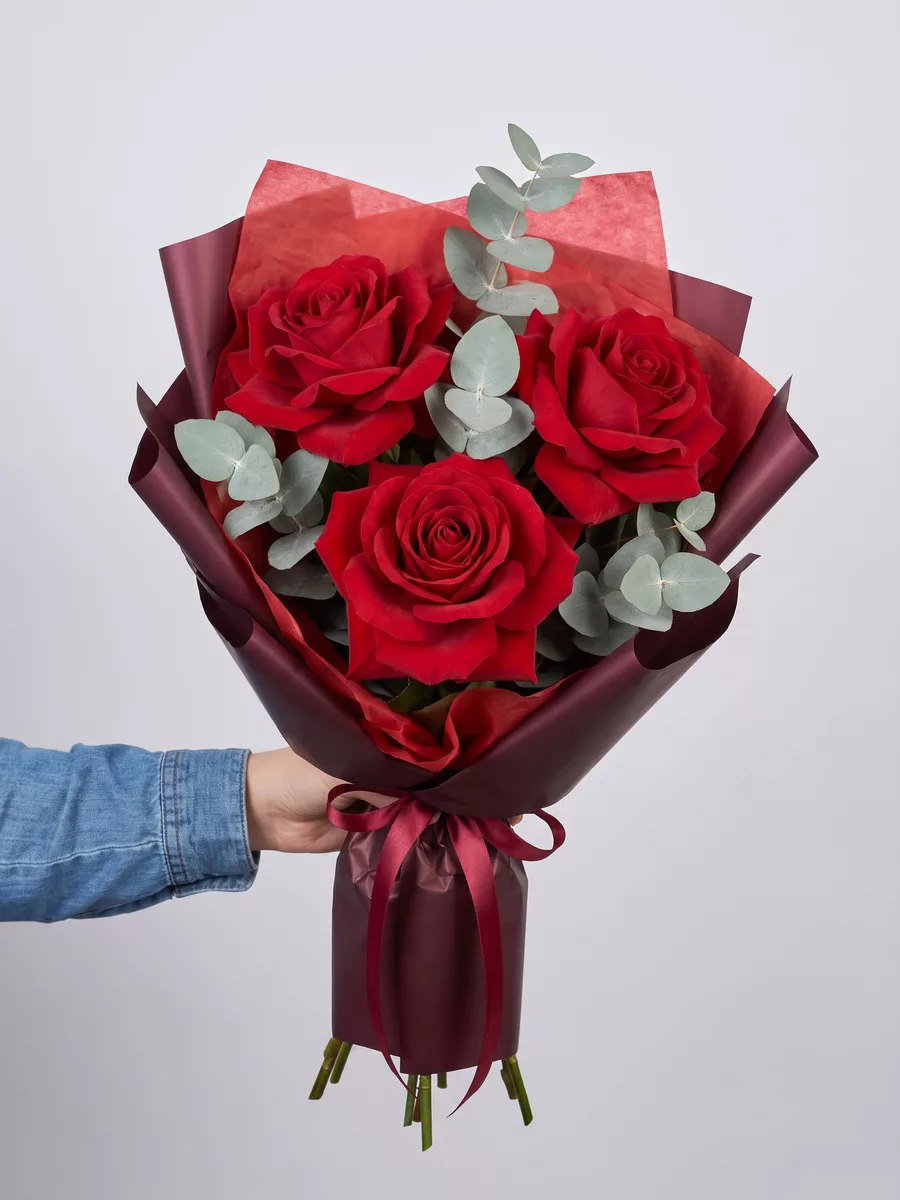
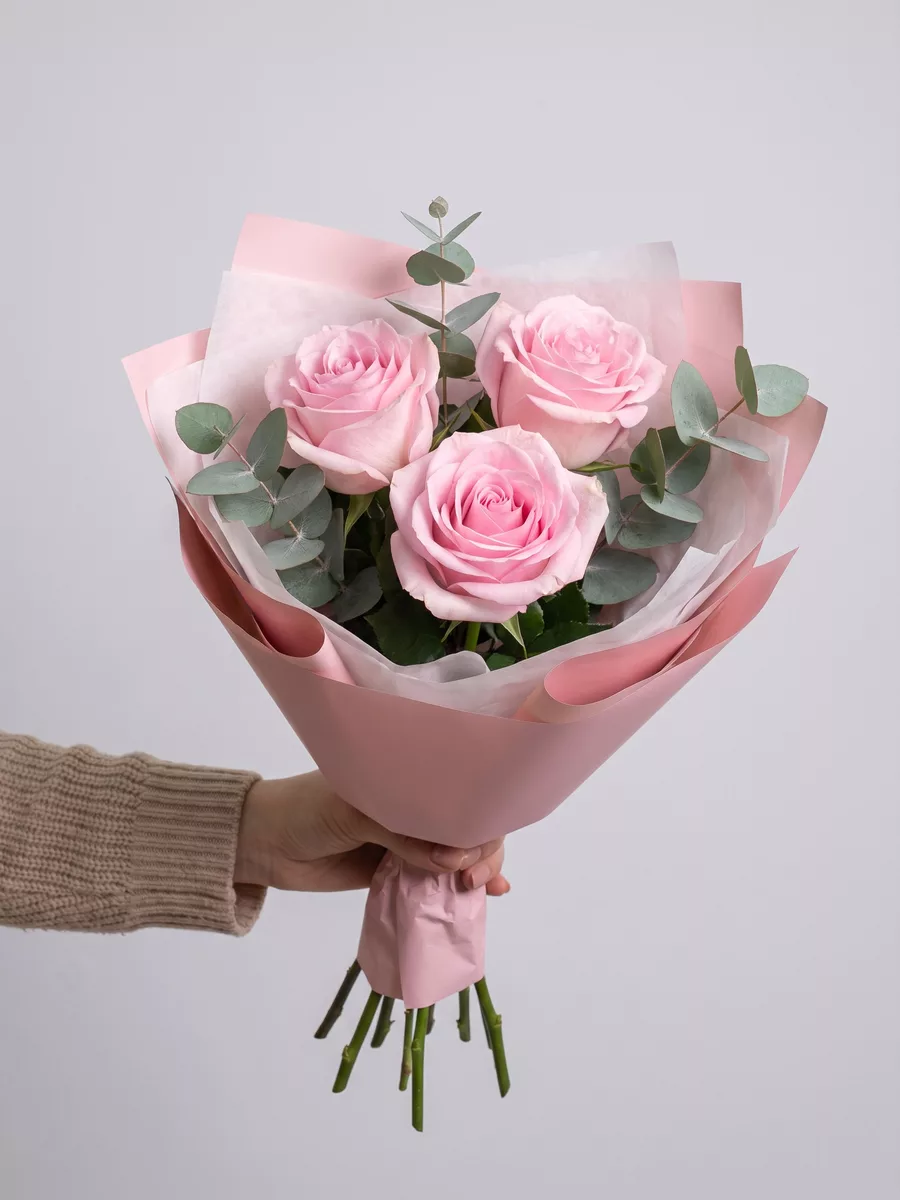
What Russian Gifting Customs Mean for Your Bouquet Choice
If you are sending flowers from outside Russia, a few cultural details are worth knowing before you choose your arrangement. The most important one is the odd-number rule: bouquets in Russia are almost always made with an odd number of stems — three, five, seven, nine, eleven. Even numbers of flowers are associated with mourning and funerals, so a bouquet of twelve roses, however generous it looks on a website, will feel wrong to a Russian recipient. Always confirm odd numbers when placing your order.
Colour carries meaning too, though the associations are softer than the number rule. Red roses are strongly romantic and are best reserved for a partner or spouse. Yellow flowers have historically been linked to separation or jealousy in Russian popular culture, so while yellow tulips or sunflowers are genuinely cheerful and widely sold, they can occasionally raise an eyebrow depending on the recipient's age and background. If you are unsure, white, pink, coral or mixed-colour arrangements are universally safe and warmly received.
Wrapping and presentation also matter. Russian bouquets are typically wrapped in generous layers of kraft paper or translucent film, often with a ribbon. A bouquet that looks minimalist or unwrapped can feel unfinished to a Russian eye. When ordering, ask that the presentation style follows local convention rather than the pared-back Scandinavian aesthetic that has become popular in Western Europe. The visual generosity of the wrapping signals care, and that is part of the gift itself.
Choosing the Right Flowers for the Season in Tara
Tara's Siberian climate makes seasonal awareness genuinely important, not just a florist's talking point. In January and February, outdoor temperatures are brutal, which means only cold-hardy stems travel reliably: spray chrysanthemums, alstroemeria, standard carnations and hypericum berries all hold up well in cold transit. Roses in winter are available but need to be transported in insulated packaging and moved indoors quickly. Avoid delicate open-faced flowers like anemones or sweet peas in deep winter — they simply will not survive the outdoor leg of any delivery.
Spring in Tara arrives later than in European Russia, usually in April and May. Tulips are enormously popular at this time of year, especially around International Women's Day on 8 March, when they become the single most requested flower in the country. Daffodils, muscari and hyacinths are also seasonal and feel genuinely fresh rather than greenhouse-forced. If your occasion falls in early spring, a monobouquet of tulips in one strong colour — deep purple, coral, or white — is a completely reliable and culturally resonant choice.
Summer brings peonies, lisianthus and sunflowers into season, and these are wonderful for Tara because they are robust enough to handle warm-weather delivery if the florist works quickly. Autumn is the season for dahlias, solidago and rich burgundy tones. Matching your flower choice to the actual season where your recipient lives shows a level of thoughtfulness that no imported-year-round rose can quite replicate, and it almost always results in a longer vase life.
Navigating the Order Process from Outside Russia
Placing an order from abroad involves a handful of practical steps that differ from ordering domestically. The first is payment: international cards are accepted through standard online checkout, but it is worth checking that your card issuer does not flag Russian merchant transactions as unusual. Some European and North American banks have added friction to Russia-related payments in recent years, so having a backup payment method ready saves time.
The address format in Russia runs in the opposite direction from Western convention: it starts with the country and region, then the city, then the street, then the building and apartment number. For Tara, a correct address would begin with Russia, Omsk Oblast, Tara, and then the street details. If your recipient has given you an address in casual format — just a street name and apartment — ask them to confirm the full postal address including the district, because delivery drivers use precise routing.
A local phone number for the recipient is not optional — it is essential. Russian delivery drivers will call ahead or on arrival, and a foreign number is not reachable from a local SIM in the same simple way. If your recipient has a Russian mobile number, use that. If they only have a foreign number or a messaging app, note that in the order comments and ask the shop how they handle contact. Getting this detail right prevents the most common reason a delivery is delayed or missed entirely.
Finally, plan your order at least 24 hours ahead when ordering from abroad. This gives time to resolve any payment questions and confirm the address before the florist prepares the arrangement.
Matching the Bouquet to the Occasion and the Person
The most successful bouquets start from the recipient rather than from a price point. Think first about who this person is and what the moment means to them, and the flowers will follow naturally from that.
For a birthday, abundance reads as celebration: a full, generous arrangement with mixed textures works better than a single-variety bouquet. Combine roses with spray roses, add some eucalyptus or ruscus for greenery, and choose a colour palette that suits the recipient's personality rather than defaulting to red. A woman who loves gardening will appreciate something that looks like it came from a cutting garden — loose, layered, slightly asymmetrical. A more formal recipient might prefer a structured, monochromatic arrangement.
For a new baby or a mother who has just given birth — a significant gifting moment in Russia — soft whites, creams and pale pinks are the conventional choice. Chrysanthemums and alstroemeria are practical here because they last well and the new mother does not need the extra task of intensive flower care. Avoid strongly scented flowers like lilies in a home with a newborn.
For a professional achievement, anniversary or housewarming, a larger statement arrangement with premium stems — garden roses, lisianthus, ranunculus in season — communicates that the occasion is genuinely special. If you are sending to mark a graduation or a job promotion, a bouquet that looks generous and considered, rather than a quick purchase, carries the right message. Add a handwritten card in Russian if you can manage even a simple phrase — recipients always notice the effort.
Vase Life and Care Advice to Pass On to Your Recipient
One of the kindest things a sender can do is pass along basic care instructions, especially if the recipient is not used to receiving cut flowers regularly. A bouquet that is properly cared for will last significantly longer, which extends the pleasure of your gesture.
The first step when the flowers arrive is to cut the stems at an angle under running water or in a bowl — cutting at an angle increases the surface area for water uptake, and cutting under water prevents an air bubble from blocking the stem. Remove any leaves that would sit below the waterline in the vase, because submerged leaves rot quickly and cloud the water. Change the vase water every two days, and re-cut the stems each time.
In Tara's dry indoor climate — Siberian homes tend to have strong central heating in winter, which reduces humidity — flowers dehydrate faster than they would in a more temperate environment. Keeping the vase away from radiators and out of direct sunlight will noticeably extend vase life. A cool room overnight also helps: flowers rest in lower temperatures just as they would in a refrigerated display case.
Different varieties have different lifespans. Alstroemeria and chrysanthemums regularly last ten to fourteen days with good care. Standard roses typically give seven to ten days. Tulips and ranunculus are shorter-lived at five to seven days, but they are so visually striking while they last that the trade-off is worth it. Peonies open beautifully over two to three days and then fade quickly — they are worth every day they give.
Common Mistakes Senders from Abroad Make — and How to Avoid Them
The single most common mistake is ordering too close to the occasion. International senders sometimes assume that because they are paying for express delivery, the order can be placed an hour before the desired arrival time. In practice, the florist needs time to source, arrange and dispatch — and if you are ordering across time zones, what feels like 'this morning' to you in New York may already be late afternoon in Tara. Build in a buffer of at least 24 hours, more for major holidays.
The second mistake is choosing flowers based on the sender's own taste rather than the recipient's context. A dramatic black-wrapped avant-garde arrangement might be striking in a London flat, but it can feel cold or confusing to a recipient in a smaller Russian city where floral conventions are more traditional. When in doubt, go warmer, fuller and more generous rather than minimal.
A third mistake is forgetting to include a card message, or writing one only in English. Russian recipients will appreciate even a simple transliterated phrase, and many florists can help with this if you ask. A card that says nothing but the sender's name feels incomplete.
Finally, some senders try to save money by ordering the smallest available arrangement, then feel disappointed when the photos show something modest. For a long-distance gesture, the bouquet is doing emotional work that physical presence cannot do — it is worth choosing a size that feels genuinely generous rather than technically adequate. The recipient will remember not just the flowers but the feeling the bouquet gave them when it arrived.
Sending flowers to Tara from abroad is a gesture that lands with real warmth when it is done thoughtfully. The distance itself becomes part of the story — your recipient knows that you navigated time zones, address formats and cultural conventions to make something beautiful appear at their door. Get the basics right: odd number of stems, season-appropriate varieties, a working local phone number, and an order placed with enough lead time. Everything else is about knowing the person well enough to choose flowers that feel like them rather than flowers that simply filled a box. Turboflora delivers fresh bouquets to Tara within one to two hours of order confirmation, so the logistics are handled — your job is just to make the choice feel personal.
Frequently asked questions
Can I really get flowers delivered to Tara the same day I order?
Yes, same-day delivery to Tara is available when the order is confirmed during operating hours and the recipient's address and phone number are correct. Orders placed across time zones can sometimes land outside the delivery window, so check the local Tara time before placing your order and aim to confirm at least a few hours ahead of when you want the bouquet to arrive.
What flowers should I avoid sending to Tara in winter?
Avoid open-faced, soft-petalled flowers that are vulnerable to cold: anemones, sweet peas, open garden roses and delicate tropical varieties all struggle when outdoor temperatures fall below minus 15 degrees Celsius. Safer winter choices include spray chrysanthemums, alstroemeria, standard carnations and closed rose buds, which can tolerate brief cold exposure during the outdoor portion of delivery.
Is it true I should never send an even number of flowers to a Russian recipient?
Yes, this is a firmly held convention across Russia. Even numbers of flowers are associated with mourning, so a bouquet of ten, twelve or twenty stems will feel inappropriate regardless of how beautiful the flowers are. Always order an odd number — five, seven, nine, eleven — and confirm this with the florist when placing your order from abroad.
What information do I need to have ready before placing an international order?
You will need the recipient's full Russian postal address including Omsk Oblast, the city of Tara, the street name, building number and apartment number. A working Russian mobile phone number for the recipient is essential — drivers call ahead. Have your payment card ready and note the occasion and any colour preferences in the order comments so the florist can tailor the arrangement.
How long will the bouquet last once it arrives in Tara?
Vase life depends on the variety and how well the recipient cares for the flowers. Alstroemeria and chrysanthemums last ten to fourteen days with fresh water and trimmed stems. Roses give seven to ten days. Tulips and peonies are shorter at five to seven days but are visually striking throughout. Tara's dry heated interiors in winter can shorten vase life, so advise your recipient to keep the vase away from radiators.
Ready to send flowers?
Pick the city, choose the bouquet, and a local florist takes it from there.
Choose a city →