Sending Flowers to Tatarsk from Abroad? Start Here
You are somewhere far from Russia — maybe Berlin, Dubai, or Toronto — and someone you love is in Tatarsk, a quiet Novosibirsk Oblast town sitting in the West Siberian Plain. You want to send them flowers, something real and fresh, not a gift card or a digital message. The distance feels like a problem, but it does not have to be. What you actually need is a clear picture of how fresh delivery works in a smaller Russian city, what the recipient will likely expect, and which flowers will still look beautiful after travelling through a Siberian winter or a blazing July afternoon.
What Tatarsk Is Like and Why It Matters for Your Order
Tatarsk sits in the steppe zone of western Siberia, roughly halfway between Omsk and Novosibirsk along the Trans-Siberian railway corridor. The climate is sharply continental: winters drop well below minus twenty Celsius, summers can push above thirty. That temperature range matters enormously for flowers, because a bouquet left on a cold doorstep in January or baked in a hot entrance hall in July will deteriorate fast without the right conditioning.
The town itself is modest in size, which means your recipient is probably used to receiving flowers on birthdays and anniversaries rather than as a casual Tuesday gesture. A bouquet arriving at the door carries real weight here. People notice it. Neighbours notice it. The person answering the door will almost certainly be touched by the fact that someone thought to arrange this from so far away.
When you place an order from abroad, you are not just choosing flowers — you are sending a signal about how much effort you put in. Tatarsk residents tend to appreciate classic, generous arrangements over minimalist ones. A single stem feels incomplete; a full, rounded bouquet of fifteen or twenty-one roses or a lush mixed composition with greenery reads as genuinely celebratory. Odd numbers are the traditional Russian convention for gifting, so keep that in mind when selecting stem counts. Even numbers are reserved for mourning, and your florist will guide you accordingly.
Bouquets we can deliver

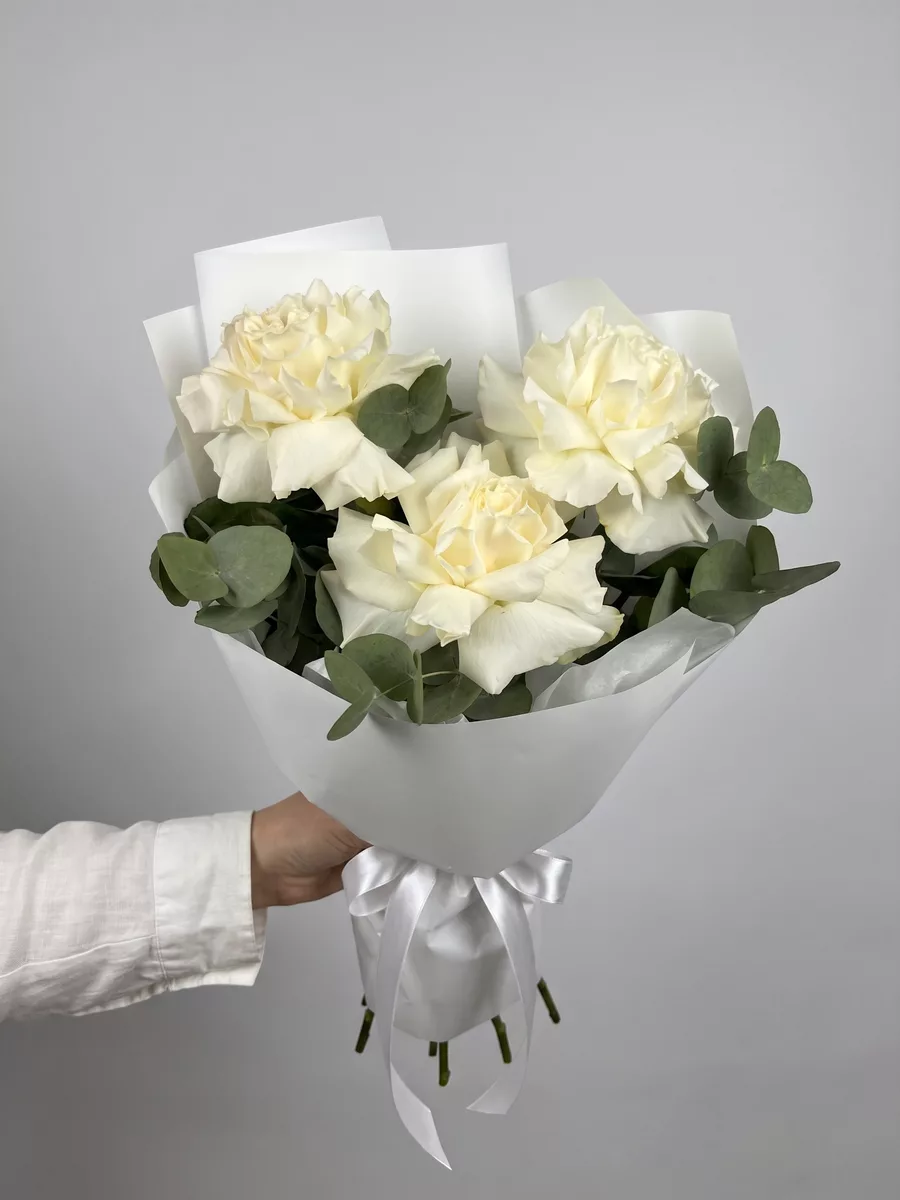
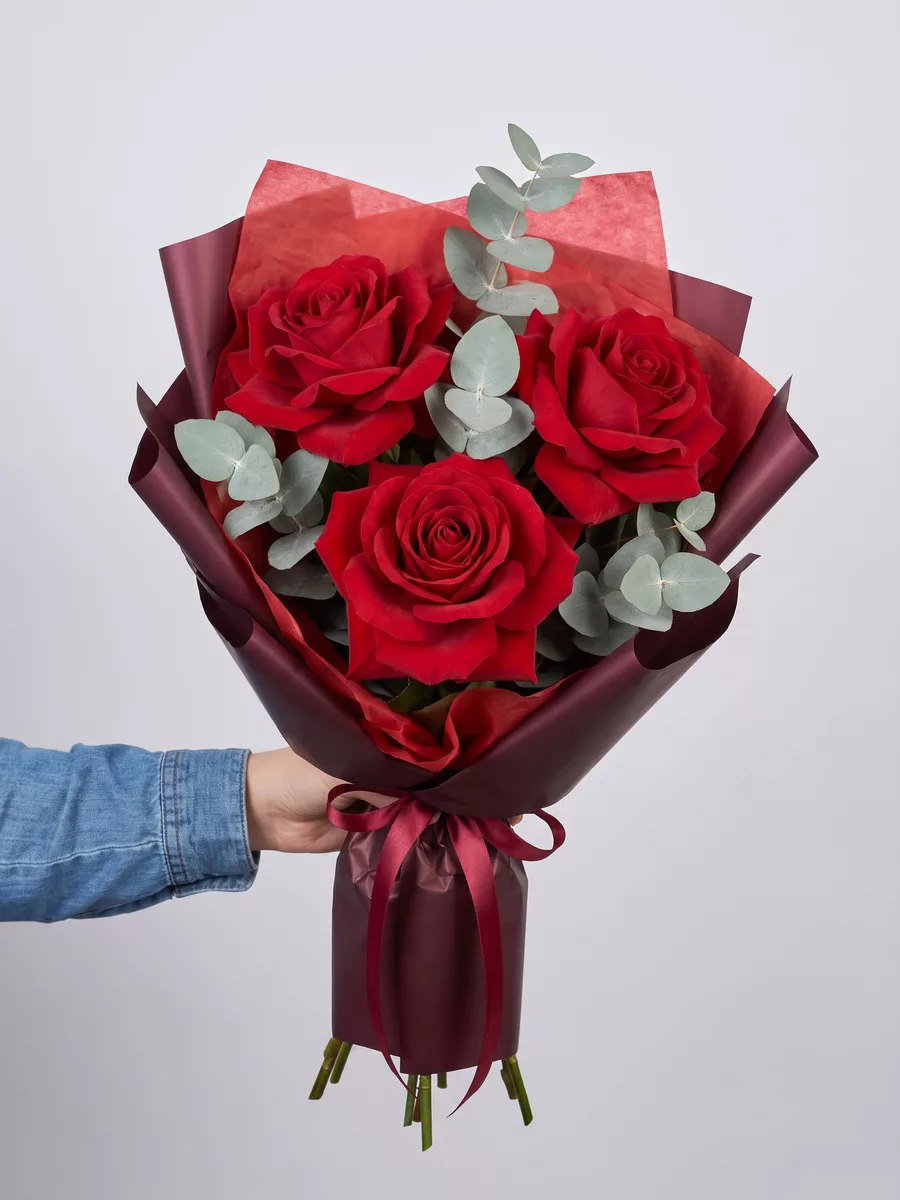
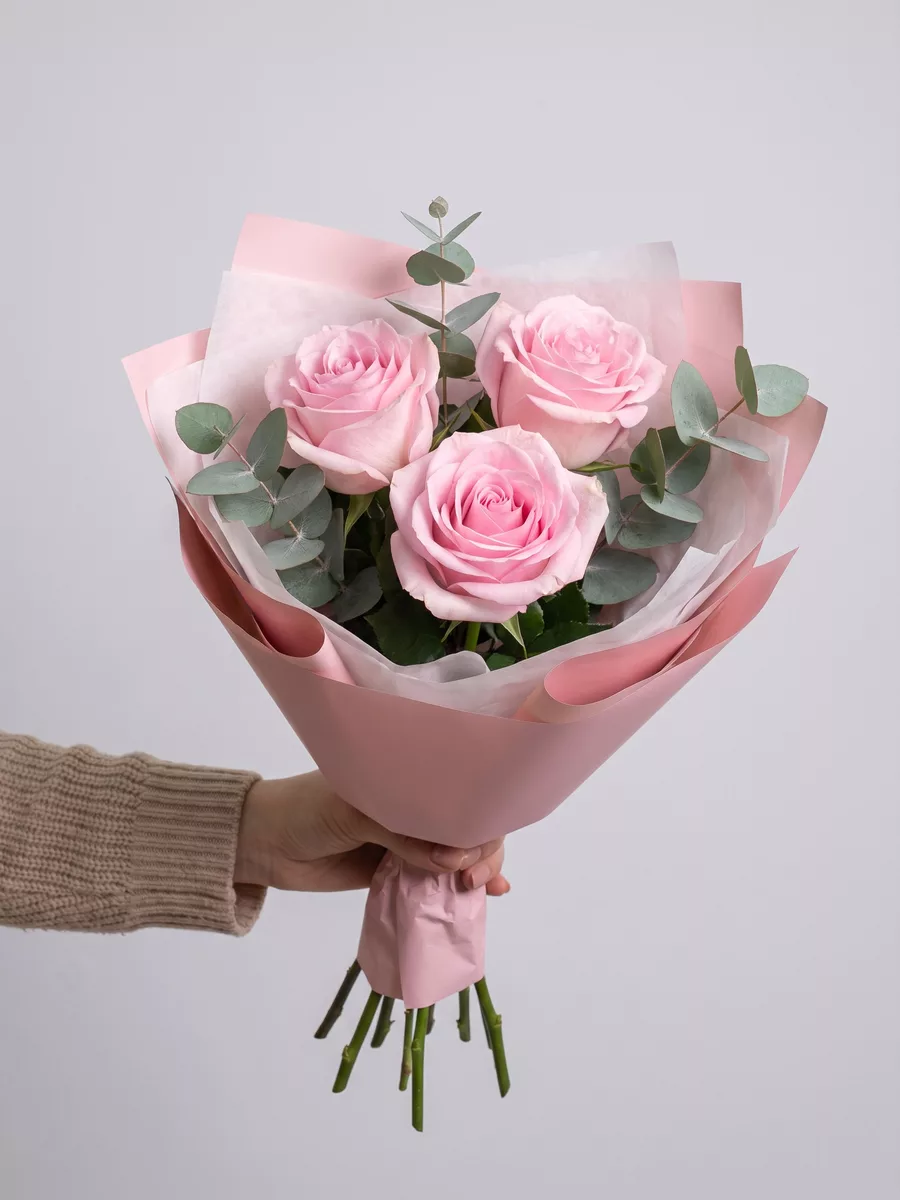
Choosing Flowers for the Person, Not Just the Occasion
Before you think about the occasion, think about the recipient. A woman in her sixties who tends a garden will respond differently to a bouquet than a twenty-five-year-old who decorates her apartment with succulents and concrete pots. One might love lush garden roses in blush and peach tones with eucalyptus; the other might be more moved by architectural stems like anthurium, protea, or allium in a graphic, modern wrap.
For a mother or grandmother, peonies are almost universally beloved in Russia when they are in season, roughly late May through June. Their full, fragrant heads feel warm and generous. Outside peony season, garden roses — David Austin varieties in particular, with their cupped, many-petalled form — carry a similar emotional weight. Spray roses mixed with lisianthus and soft ruscus create a bouquet that feels abundant without being overwhelming.
For a younger recipient, tulips in spring are a strong choice: they are fresh, cheerful, and hold up well in cool Siberian temperatures. Ranunculus, with their paper-thin layered petals in cream, coral, and burgundy, photograph beautifully and feel current without being cold. If the person you are sending to has a bold personality, sunflowers combined with orange gerbera and solidago make a statement that reads as warm and confident rather than sentimental.
The key is to move past the generic and think about one specific thing you know about that person — their favourite colour, a flower they once mentioned, the season of their birthday — and let that anchor the arrangement.
Navigating Russian Gifting Customs from Outside the Country
If you did not grow up in Russia, a few conventions might surprise you. The odd-number rule for stems is the most important: seven, nine, eleven, fifteen, nineteen, twenty-one are all fine. Twelve or ten roses, while standard in many Western countries, would feel out of place at a birthday or celebration here. Your florist will automatically apply this, but it is worth knowing so you can specify stem counts confidently.
Flowers in Russia are typically given unwrapped or only lightly wrapped, so the recipient can see the blooms immediately. A heavy kraft paper cone or a cellophane wrap is common, but the flowers are not boxed and hidden the way they might be in a Japanese or Korean-style presentation. The visual impact happens the moment the door opens, which is why the front-facing structure of the bouquet matters so much.
There is also a cultural expectation around freshness. Russian recipients, particularly older generations, will check the stems and petals closely. A bouquet that looks even slightly tired will register as a lesser gift, regardless of the price. This is why same-day or one-to-two-hour delivery is not a luxury in Russia — it is a baseline expectation for a gift that is meant to impress.
Finally, a handwritten card in Russian, even a short phrase, is received warmly. If you write your message in English or another language, that is perfectly fine too — it adds a personal, international touch that many recipients find charming rather than awkward.
Timing Your Order Across Time Zones
Tatarsk operates on Omsk Time, which is UTC plus six. If you are placing an order from Western Europe, you are five or six hours behind. From the East Coast of the United States, you are nine hours behind. From the Gulf region, you are three hours behind. These gaps matter because you need to place your order early enough in the day for delivery to arrive at a reasonable hour for the recipient.
A bouquet delivered at eight in the evening is still a lovely surprise. A bouquet delivered at eleven at night, when the recipient is already in bed, loses its moment. Aim for delivery between noon and seven in the evening Tatarsk time. Work backwards from that window using the time difference, and place your order at least three to four hours before your target delivery time to allow for preparation and transit.
For major dates — March 8th, which is International Women's Day and the single biggest flower-gifting day in Russia, February 14th, and May 9th — place your order at least twenty-four hours in advance. These dates see a significant surge in demand across all Russian cities, including smaller ones like Tatarsk. Leaving it to the morning of the holiday risks delays or limited variety availability.
If you are ordering for a birthday and you are not sure of the exact time the person will be home, include a note in your order with any helpful context — for instance, that the recipient finishes work at six. A good florist will use that information to time the delivery well.
Seasonal Flowers and Siberian Temperatures: What Travels Well
Tatarsk's climate creates real constraints on which flowers perform well at different times of year, and understanding this will help you make a smarter choice rather than a disappointing one.
In winter, from November through March, temperatures outside can be brutal. Flowers that are sensitive to cold — tropical varieties like bird of paradise or heliconia — are risky because even a few minutes of exposure during handover can cause blackening and collapse. Roses, chrysanthemums, alstroemeria, and carnations are far more cold-tolerant and will arrive looking intact. Hypericum berries and cotton stems add texture and hold up beautifully in the cold.
Spring, from April through May, is one of the best times to send flowers to Tatarsk. Tulips flood the market in every colour, ranunculus are at peak quality, and the first peonies begin appearing by late May. Temperatures are cool enough that flowers stay fresh during transit without needing special insulation.
Summer brings heat, which means you should avoid very delicate petals like sweet peas or anemones, which wilt quickly above twenty-five degrees. Sunflowers, gerbera, lisianthus, and eustoma are sturdy summer choices. Hydrangea can work if the stems are properly hydrated before delivery.
Autumn is a rich season for dahlias, which come in extraordinary forms — ball, cactus, dinner-plate — and hold up well in mild temperatures. Paired with rosehips, ornamental grasses, or amaranthus, they make arrangements that feel genuinely seasonal and abundant rather than generic.
How to Write Your Order Details When You Are Far Away
Placing an order from abroad requires a little more precision than a local call, because you cannot easily follow up in real time if something is unclear. The most important piece of information is the recipient's full address including the apartment number, entrance number, and floor. In Russian cities, large residential buildings often have multiple entrances numbered separately, and a delivery driver without that detail can spend twenty minutes trying to find the right door.
A working phone number for the recipient is equally essential. Drivers will call ahead to confirm someone is home, and if the number is wrong or the recipient does not answer, the bouquet may not be delivered on the first attempt. If you are surprising someone, you can note in your order that the driver should call only when they are already at the building, giving the recipient less time to guess what is happening.
For your message card, keep it short and genuine. A sentence or two in any language is enough. If you want the card written in Russian transliteration of your words, mention that when ordering and a florist can help. The card is printed or handwritten and attached to the bouquet, so it arrives as part of the gift rather than separately.
Finally, provide your own contact details — a WhatsApp number or email — so the florist can reach you if there is any question about the address or timing. Being reachable across time zones shows you are a serious sender and makes the whole process run smoothly.
Helping the Recipient Keep the Flowers Fresh Longer
Even the most beautiful bouquet starts declining the moment it leaves water, so giving the recipient a few care instructions — either through a note with the flowers or a quick message — can extend the vase life significantly and make your gift last a week or more instead of three days.
The first step is re-cutting the stems at a forty-five-degree angle as soon as the bouquet arrives home, then placing them immediately in a clean vase with cool, fresh water. The diagonal cut increases the surface area for water uptake. Warm or room-temperature water actually encourages bacterial growth, which blocks the stems. Cool water, changed every two days, is the simple standard that makes the biggest difference.
Strip any leaves that would sit below the waterline. Submerged foliage rots quickly and clouds the water, shortening vase life for the whole arrangement. Roses and alstroemeria in particular benefit from having their lower leaves removed entirely.
Keep the vase away from direct sunlight, radiators, and fruit bowls. Ripening fruit releases ethylene gas, which accelerates petal drop in roses and tulips especially. A cool spot — a hallway, a shaded windowsill — will keep the flowers looking their best.
Tulips are worth a special mention: they continue to grow after cutting, sometimes by several centimetres, and they follow the light. If you want them to stay upright, turn the vase regularly or keep it in even, indirect light. Wrapping them loosely in paper for the first few hours after arrival helps them hold their shape while they hydrate.
Sending flowers to Tatarsk from abroad is genuinely possible, and when it is done well, it lands with more emotional force than almost any other gift you could arrange remotely. The distance you crossed to make it happen is part of the message. Choose flowers that suit the person and the season, get the address details exactly right, time your order with the time zone in mind, and trust that a fresh, well-made bouquet arriving at a door in western Siberia will be remembered long after the petals have fallen.
Frequently asked questions
Can I order flowers for Tatarsk if I do not speak Russian?
Yes, entirely. You can place your order in English through Turboflora's website. Provide the recipient's address, phone number, and your message in any language, and the florist will handle all local communication. Your card message can be written in your language or transliterated into Russian if you prefer — just note your preference when ordering.
How far in advance should I order for a birthday in Tatarsk?
For a regular date, placing your order three to four hours before your desired delivery window is usually sufficient. For major Russian holidays like March 8th or February 14th, order at least twenty-four hours ahead. If you are unsure of the recipient's schedule, include any helpful timing details in your order notes so the florist can plan the delivery accordingly.
Why do Russian bouquets use odd numbers of stems?
Odd numbers are a longstanding Russian gifting tradition for celebrations and expressions of affection. Even numbers are associated with mourning and are placed at memorials. Choosing seven, nine, fifteen, or twenty-one stems signals that the bouquet is a joyful gift. Turboflora automatically follows this convention, so you do not need to calculate it yourself.
Which flowers should I avoid sending to Tatarsk in winter?
Avoid tropical varieties such as bird of paradise, heliconia, and anthurium in deep winter, as brief exposure to sub-zero temperatures during handover can cause irreversible blackening. Stick to cold-tolerant options like roses, chrysanthemums, alstroemeria, and carnations. These varieties travel well in Siberian winter conditions and arrive looking fresh and undamaged.
What if the recipient is not home when the flowers are delivered?
The delivery driver will call the recipient's phone number before or upon arrival. If there is no answer, a second delivery attempt is made. This is why providing an accurate, working local phone number is essential when ordering from abroad. You can also note in your order if there is a neighbour or building concierge who can receive the bouquet safely.
Ready to send flowers?
Pick the city, choose the bouquet, and a local florist takes it from there.
Choose a city →