Sending Flowers to Teykovo from Abroad? Read This First
Teykovo is a quiet textile town in the Ivanovo region, and sending flowers there from another country feels like a leap of faith — you cannot knock on the door yourself, you cannot check the bouquet, and you are working across time zones with a language barrier in the background. The good news is that with the right florist and the right information, a fresh, beautiful arrangement can reach your recipient within one to two hours of your order, no matter where in the world you are placing it.
Understanding Teykovo Before You Order
Teykovo sits roughly 300 kilometres northeast of Moscow, a compact city of about 30,000 people surrounded by the flat, forested landscape typical of central Russia. It is not a tourist destination, which means the person receiving your flowers will almost certainly be surprised — in the best possible way. A delivery arriving from abroad carries extra emotional weight here, precisely because it is unexpected in a town where international gestures are still a novelty.
The city has a single central district where most addresses cluster, and residential blocks are the norm rather than private houses. When you fill in the delivery address, ask your recipient in advance for the full apartment number and entrance code if the building has one — many Soviet-era blocks have a door keypad, and without the code the courier cannot get inside. This is not a complication unique to Teykovo; it applies across Russian cities, but senders from abroad often overlook it.
Teykovo experiences a proper continental climate: cold winters that can drop well below minus twenty Celsius, warm summers, and sharp transitional seasons in spring and autumn. That temperature range matters for the flowers you choose and how they will survive the journey from the preparation point to the door. Knowing the season when you order is not just helpful — it shapes every decision that follows.
Bouquets we can deliver

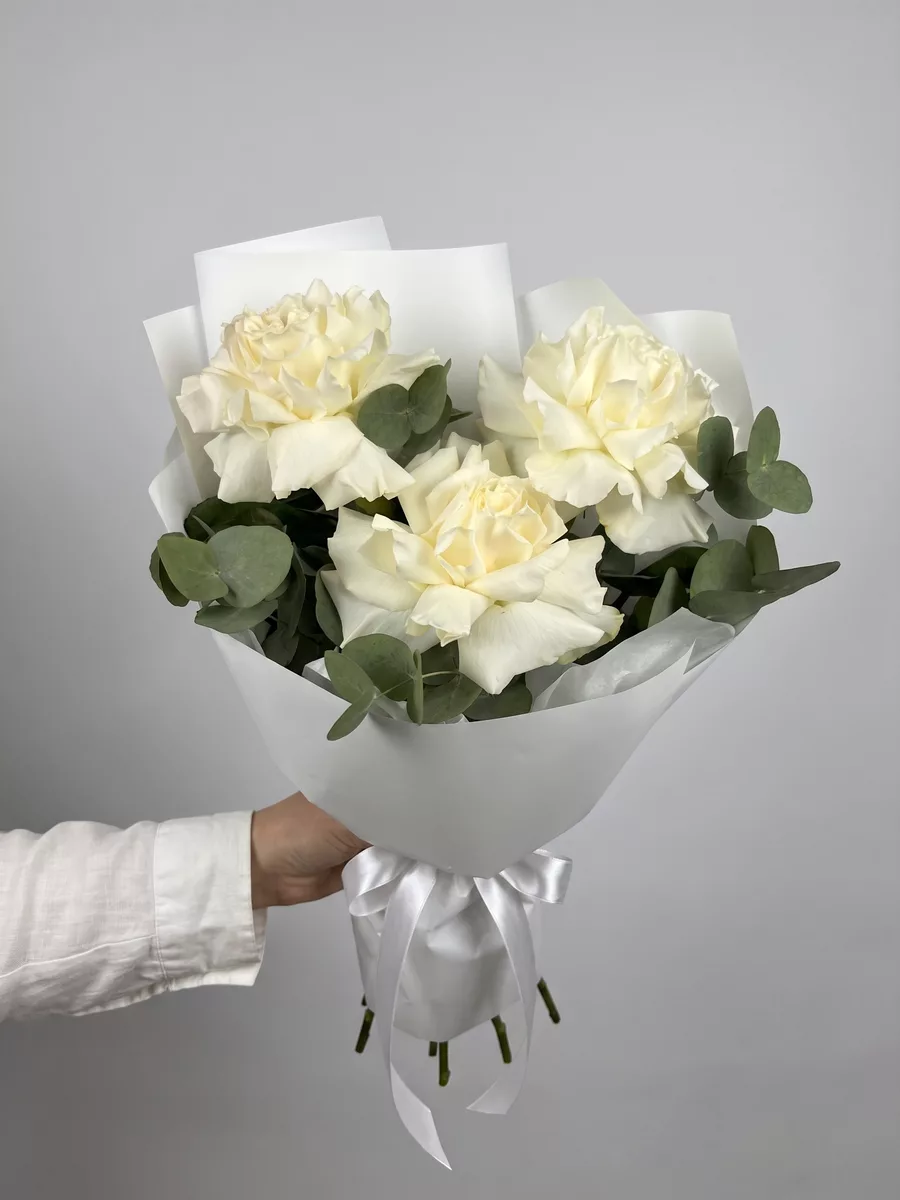
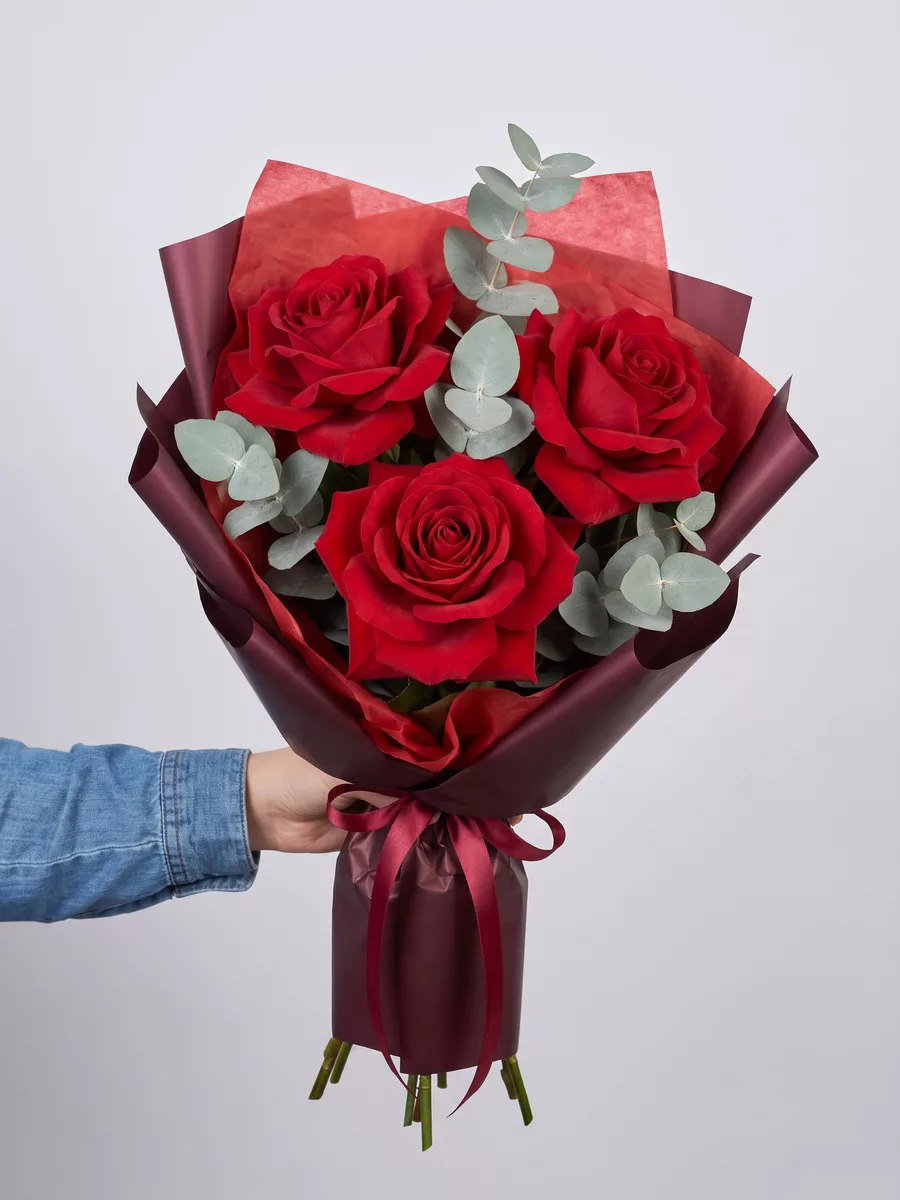
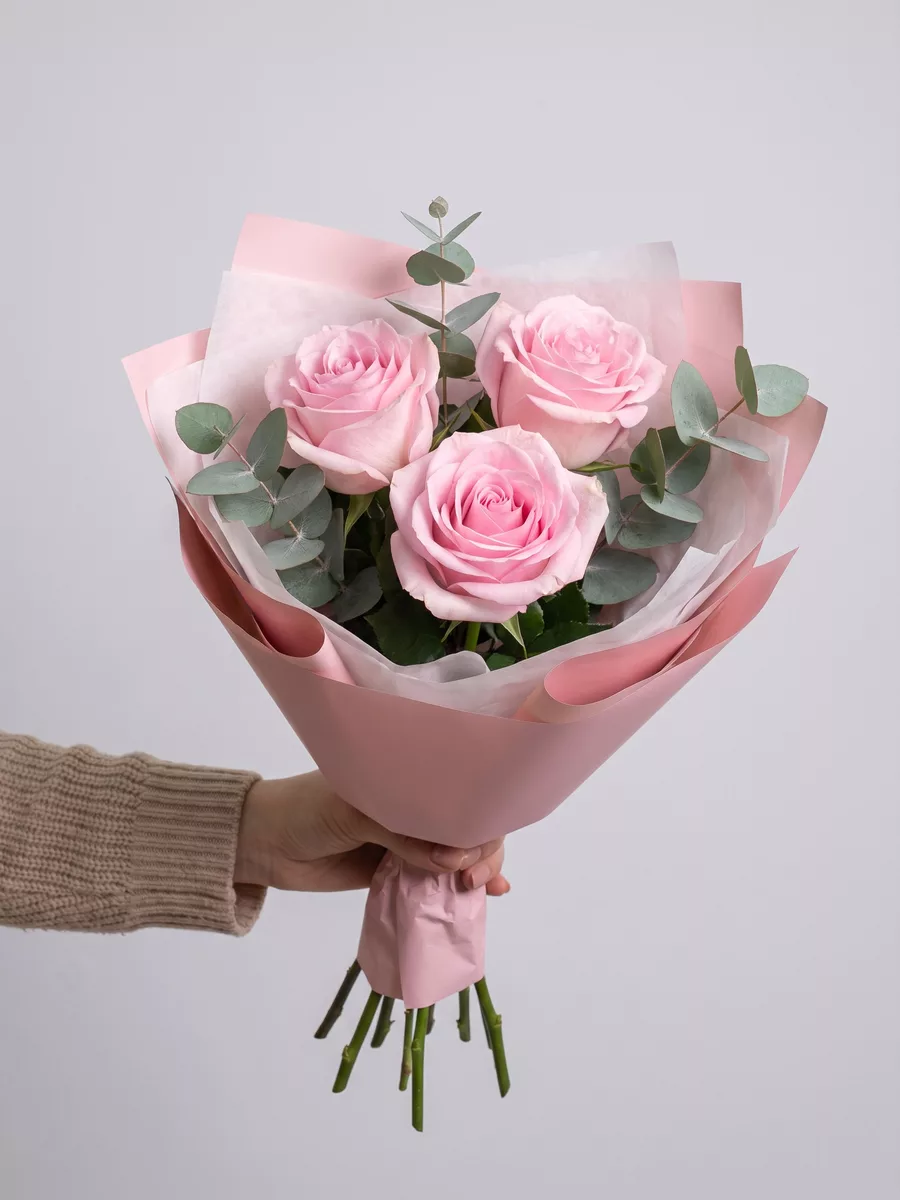
Choosing Flowers for the Person, Not Just the Occasion
Before you think about roses versus tulips, think about the recipient. A grandmother celebrating her birthday responds differently to a tight cluster of garden-style ranunculus and lisianthus than to a stiff formal arrangement. A young woman marking a work achievement might love a loose, airy bouquet of spray roses mixed with eucalyptus. A friend who has just moved into a new flat will appreciate something long-lasting and easy to care for — alstroemeria and chrysanthemums hold beautifully in a vase for up to two weeks.
In Russian gifting culture, odd numbers of flowers are for celebrations and even numbers are reserved for mourning. This is one of the most important customs to know as a sender from abroad — a bouquet of ten roses, however beautiful, sends entirely the wrong message. Always choose seven, nine, eleven, or any other odd count. Your florist should follow this automatically, but it is worth confirming.
Colour carries meaning too, though less rigidly than the odd-number rule. Red roses signal romantic love and are perfectly appropriate for partners. Soft pinks, whites, and lilacs work for almost any relationship — mother, colleague, close friend. Yellow flowers were historically associated with separation in Soviet culture, though younger Russians increasingly ignore this. If you are unsure about your recipient's age or sensibility, a mixed pastel palette is always safe and always beautiful. When in doubt, ask the florist to guide the palette rather than specifying exact colours yourself.
Timing Your Order Across Time Zones
Teykovo operates on Moscow Standard Time, which is UTC plus three hours and does not observe daylight saving. If you are ordering from Western Europe, you are two to three hours behind. From the United States East Coast, you are eight hours behind. From California, eleven. This gap matters enormously because delivery windows are based on local Teykovo time, not your time.
The practical rule is simple: place your order at least two to three hours before you want the flowers to arrive, and account for the time zone difference when calculating that window. If you want a morning delivery at ten o'clock Teykovo time and you are in London, you need to place your order no later than seven in the morning London time — and ideally the evening before, so the arrangement can be prepared fresh at the start of the working day.
For birthdays and anniversaries, same-day delivery is entirely achievable as long as you order before the early afternoon in Teykovo time. The one situation that catches people out is ordering late at night from a distant time zone without realising it is already the following day in Russia. If your recipient's celebration is on a Tuesday, make sure your order lands with the florist on Tuesday morning Teykovo time, not Tuesday morning your time. A quick check of the current hour in Moscow before you confirm the order takes ten seconds and prevents the most common timing mistake senders from abroad make.
Seasonal Flowers and What Survives the Russian Climate
Winter in Teykovo, from November through March, means sub-zero temperatures that can hover between minus ten and minus twenty-five on the coldest days. Flowers travel from the florist to the door in an insulated wrap, but the exposure time matters. For winter orders, choose robust varieties: roses, chrysanthemums, carnations, and alstroemeria all handle brief cold exposure well. Delicate blooms like sweet peas, anemones, or open garden peonies are more vulnerable and are better reserved for warmer months.
Spring, particularly April and May, is the peak season for tulips across Russia. Tulips are enormously popular and culturally significant — they are the flower of the season in a way that feels almost ceremonial. A spring birthday bouquet built around Dutch tulips in soft coral, cream, or violet, combined with waxflower or pittosporum for texture, feels both timely and generous. Lilac branches become available in May and carry a nostalgic warmth that Russians respond to deeply.
Summer brings sunflowers, which are widely loved across Russia for their cheerfulness and their generous size. A summer bouquet of sunflowers mixed with lemon-yellow spray roses and green bells of Ireland is vivid, seasonal, and long-lasting. Autumn is the season for dahlias, solidago, and rich-toned roses in burgundy and terracotta — colours that feel exactly right against the backdrop of falling leaves. Matching your flower choice to the actual season in Teykovo is not just practical; it shows the recipient that someone thought carefully about them.
Budget Ranges and What Each Level Delivers
Flower budgets translate differently across countries, so it helps to think in terms of what you actually receive rather than a number on a screen. An entry-level bouquet — a modest but well-composed arrangement — typically holds around seven to nine stems of a single focal flower such as roses or alstroemeria, with simple greenery. It is a genuine, pretty gift, not a token gesture, and it photographs well on the recipient's table.
A mid-range bouquet opens up the design considerably. At this level you can combine two or three flower types — for example, garden roses with lisianthus and eucalyptus, or spray roses with freesia and ruscus — and the overall volume becomes noticeably more impressive. This is the range where most senders from abroad feel comfortable: it says something meaningful without requiring a special occasion to justify it.
A premium bouquet is a statement. It might feature large-headed peonies in season, premium David Austin-style roses, orchid stems woven through the arrangement, or a generous mixed design in a presentation box rather than a wrapped bunch. These are the orders that get photographed and shared, that sit on a coffee table for a week and prompt every visitor to ask where they came from. For milestone birthdays, anniversaries, or a first time sending flowers to someone you want to impress, the premium tier earns its price. Whatever your budget, specify it clearly when ordering — a good florist will build the best possible composition within it rather than simply scaling down a standard design.
Writing Your Card Message for a Russian Recipient
The card is often what the recipient reads first, before they even look at the flowers properly. From abroad, you have a small but important decision to make: write in your own language, in Russian, or in both. If your relationship with the recipient is naturally conducted in English, French, or another language, writing in that language is warm and personal — it sounds like you. If the recipient does not read your language easily, a few words in Russian alongside your own language shows effort and care.
You do not need to write in Russian yourself. When placing your order, you can ask the florist to translate a short message, or you can use a simple phrase. A classic Russian birthday greeting is S Dnyom Rozhdeniya, which means Happy Birthday. S prazdnikom means Congratulations on the occasion and works for almost any celebration. Zhelayu tebya schastya means I wish you happiness — simple, sincere, and universally understood.
Keep the message short and specific rather than generic. Instead of Wishing you all the best, try something like Thinking of you in Teykovo from across the world, or I wanted you to have flowers today even though I cannot be there. Specific messages land harder. They tell the recipient that you sat down and thought about them, not just about the transaction. The card is also where you can acknowledge the distance explicitly — and in a small city like Teykovo, a message that arrives from London or Toronto or Sydney feels genuinely extraordinary.
After Delivery: Vase Life and Care Tips to Pass Along
Once the bouquet arrives, its lifespan depends almost entirely on how it is handled in the first hour. If you want to pass care instructions along to your recipient — perhaps in the card message or a follow-up text — here is what actually makes a difference. The stems should be cut at an angle with a sharp knife or scissors, removing about two centimetres, and placed immediately into clean, cool water. Warm water shortens vase life; water that has been sitting in a vase for days shortens it faster.
All leaves below the waterline should be removed. Submerged foliage rots quickly and introduces bacteria into the water, which is the main reason flowers die early. Changing the water every two days and re-cutting the stems each time adds several days to the arrangement's life. Keeping the vase away from direct sunlight, radiators, and ripening fruit — bananas and apples release ethylene gas that accelerates wilting — makes a real difference.
Roses can be revived if they droop by re-cutting the stems and placing them in very warm water for thirty minutes before returning them to a cooler vase. Tulips continue to grow after cutting and will lean toward any light source, which some people find charming and others find annoying — rotating the vase daily keeps them upright. Alstroemeria and chrysanthemums are the most forgiving varieties and need the least attention. Knowing the expected vase life helps set the right expectations: roses typically last seven to ten days with good care, tulips five to seven, and alstroemeria up to fourteen.
Sending flowers to Teykovo from abroad is a more achievable gesture than it sounds. The distance is real, the time zone gap is real, and the language difference is real — but none of those things prevent a fresh, thoughtfully composed bouquet from arriving at a door in this small Russian city within hours of your order. What matters most is the detail you bring to the decision: knowing the recipient, choosing the right season and variety, getting the address right down to the apartment entrance code, and writing something on the card that sounds genuinely like you. The flowers do the rest.
Frequently asked questions
Can I order flowers for Teykovo if I do not speak Russian?
Yes, completely. The order form and customer support at Turboflora are accessible in English. You can write your card message in any language you choose, and if you would like it translated into Russian for your recipient, simply ask when placing the order. The florist handles all local coordination on your behalf.
What is the latest I can order for same-day delivery to Teykovo?
Same-day delivery is available when you order before early afternoon Teykovo time, which runs on Moscow Standard Time at UTC plus three. If you are ordering from a distant time zone, convert carefully — what feels like midday to you may already be evening in Russia. When in doubt, place the order the evening before to guarantee a morning delivery.
Why do Russian bouquets always have an odd number of flowers?
In Russian tradition, even numbers of flowers are associated with mourning and are brought to funerals. Odd numbers are for celebrations, gratitude, and love. This custom is observed across generations and across the country. Any reputable Russian florist will automatically compose bouquets in odd numbers for gift deliveries, but it is worth knowing the reason behind it.
What happens to the flowers if no one is home at delivery time?
Before placing the order, confirm with your recipient that they will be available — or let them know a delivery is coming without revealing the full surprise. The courier will attempt contact by phone. If the recipient is temporarily unavailable, a new delivery window can usually be arranged. Providing a working Russian mobile number for the recipient is essential.
Are there flowers I should avoid sending to Russia in winter?
Very delicate open blooms — such as fully open peonies, sweet peas, or garden anemones — are more vulnerable to brief cold exposure during the final walk from the vehicle to the door. Roses, chrysanthemums, carnations, and alstroemeria handle winter conditions reliably. Your florist will advise on the best choices for the temperature on the day of delivery.
Ready to send flowers?
Pick the city, choose the bouquet, and a local florist takes it from there.
Choose a city →