Sending Flowers to Toguchin from Abroad? Start Here
Toguchin sits in the Novosibirsk region of Siberia, and if someone you love lives there, distance should not make your gift feel smaller. Ordering flowers from another country sounds complicated until you understand a few practical things about timing, seasonal availability, and what actually lands well with a Russian recipient. This guide walks you through every step so your bouquet arrives feeling personal, not accidental.
Why Toguchin Requires a Little Extra Planning
Toguchin is a smaller town in the Novosibirsk Oblast, which means it does not have the same infrastructure as a regional capital. That matters for flower delivery because freshness depends on speed, and speed depends on logistics being well-organised from the start. When you order from abroad, you are adding a time-zone gap on top of the geographic one, so understanding how those layers interact is the first practical step.
The Novosibirsk region sits in UTC+7, which is seven hours ahead of Central European Time and ten hours ahead of London. If you are placing an order from New York, Toguchin is already thirteen hours into the next day. This means an order placed on a Tuesday evening in New York may already be Wednesday morning in Siberia, and that changes which same-day window is still open to you.
The good news is that Turboflora handles delivery across Russia, including Siberian destinations, and the ordering process is designed for international senders. You do not need to speak Russian or have a Russian phone number. What you do need is a precise delivery address, the recipient's full name, and a realistic idea of when you want the flowers to arrive. Toguchin's climate is also genuinely cold for much of the year, and that affects which flowers travel well and which ones struggle. Planning around those realities is what separates a bouquet that impresses from one that disappoints.
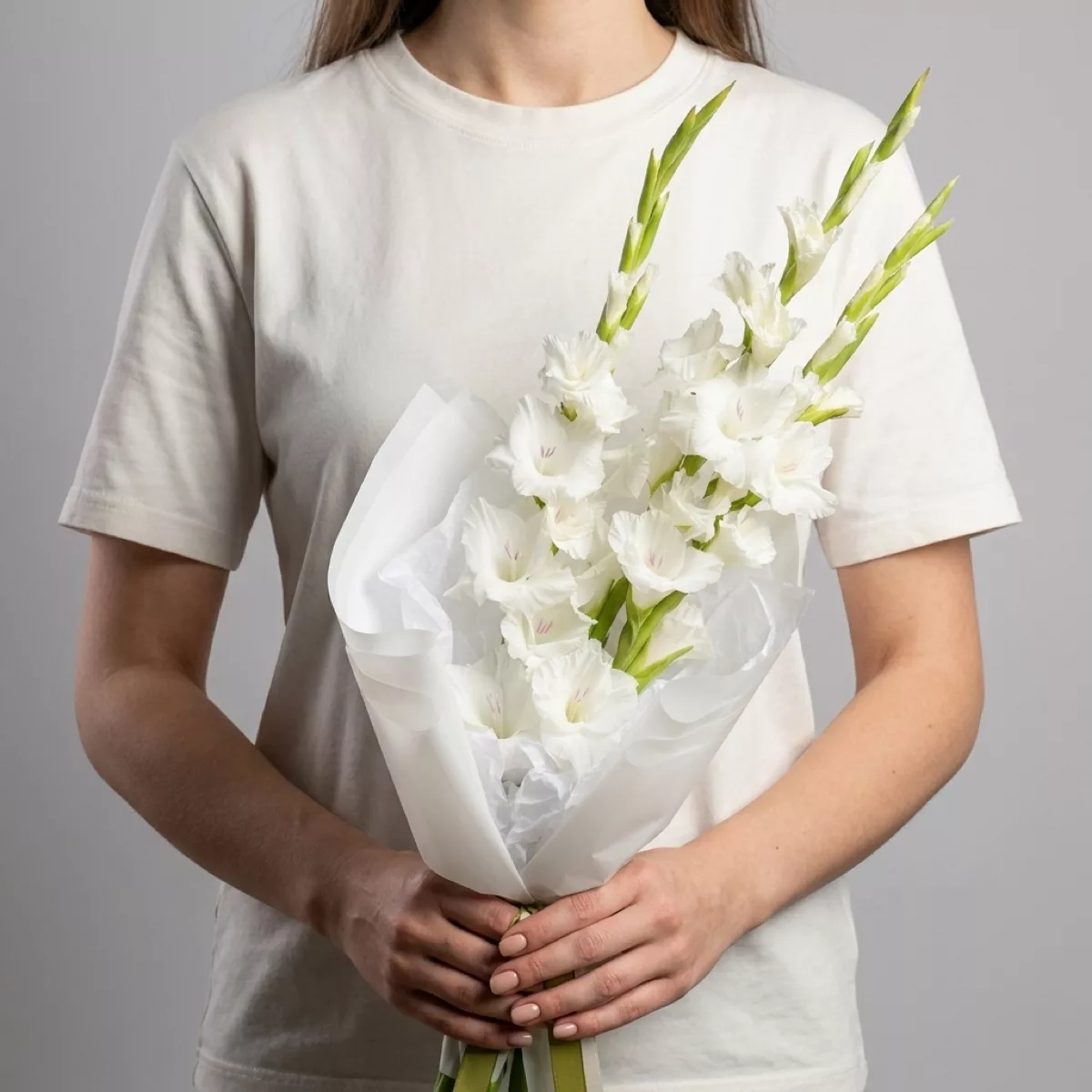
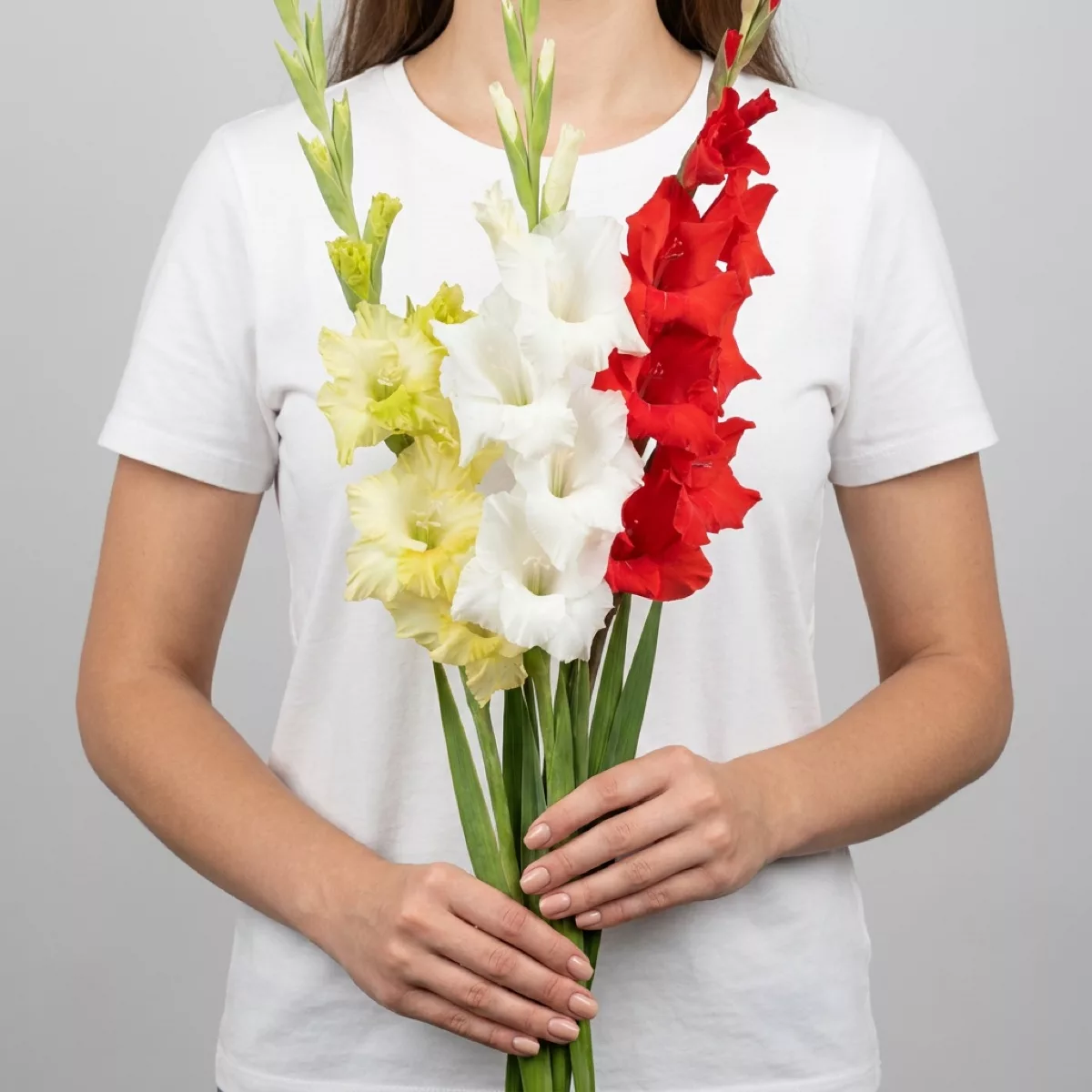
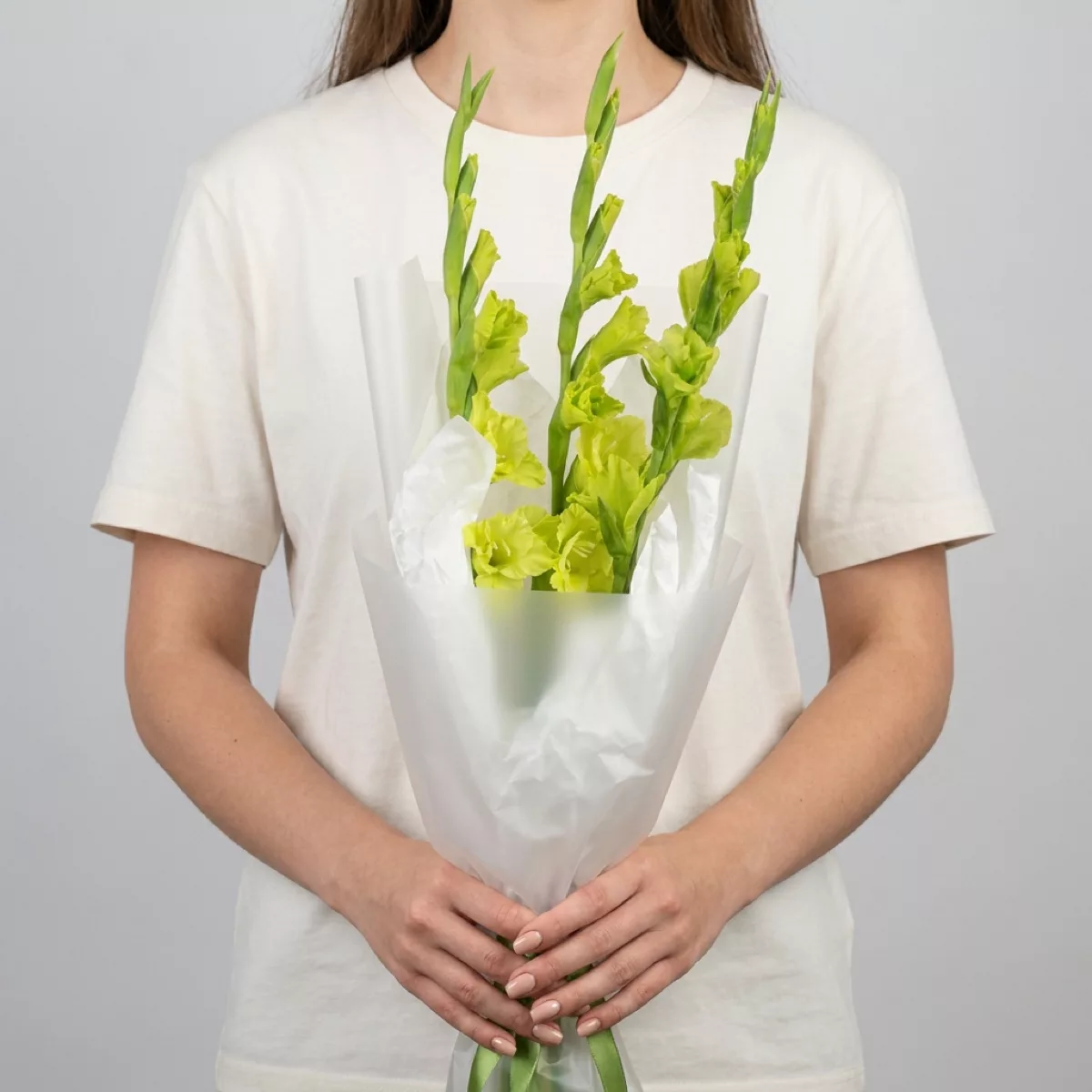
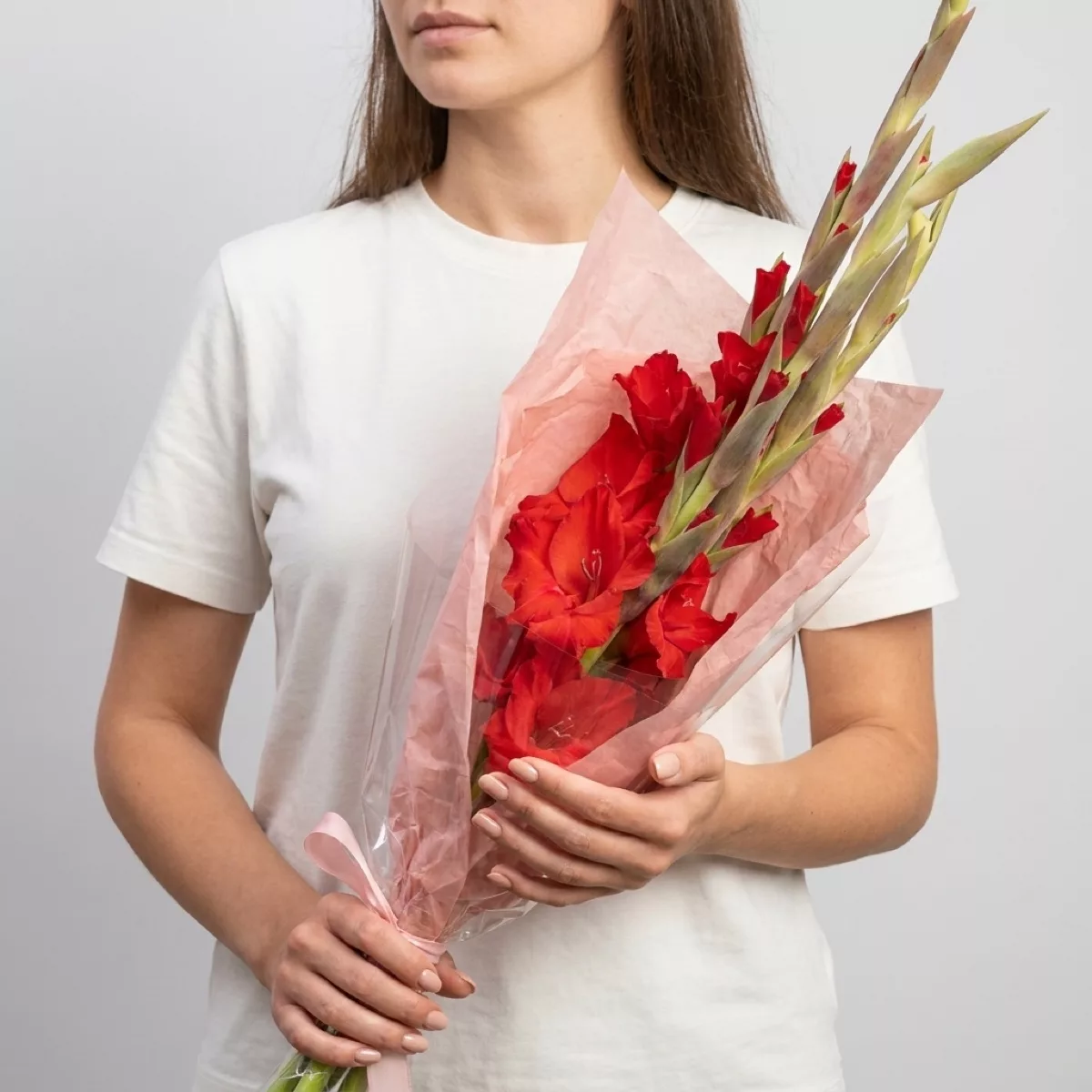
Bouquets we can deliver
Reading the Siberian Calendar: When to Send and What to Expect
Siberian winters are long and serious. From November through March, outdoor temperatures in Toguchin regularly drop well below minus twenty degrees Celsius. That extreme cold is not just a detail for locals to manage — it directly affects how cut flowers survive transit from the point of packaging to the recipient's door. Delicate blooms like garden roses with many open petals, or tropical stems like anthuriums, can suffer in those conditions even during a short outdoor exposure.
Spring arrives later than in European Russia, usually in April, and it brings a welcome shift in what is available and what travels safely. Summer months from June through August are warm and sometimes genuinely hot, which creates a different challenge: flowers can wilt quickly if they sit in a warm vehicle or hallway. Autumn, roughly September and October, is often the most pleasant season for flower delivery because temperatures are moderate and the recipient is likely to be home rather than away on holiday.
For winter orders, the most reliable choices are flowers with firm, closed or semi-open heads: spray chrysanthemums, alstroemeria, and standard carnations all handle cold transit better than open garden roses or ranunculus. For summer, request that the bouquet be assembled with conditioning in mind — flowers that have been properly hydrated before packing last noticeably longer. Knowing the season when you order is not just background information; it is the single most useful thing you can tell your florist so they can build something that will still look beautiful when the door opens.
Choosing the Right Flowers for Your Recipient
Russian gifting culture has its own logic, and understanding it helps you choose something that feels right rather than accidentally awkward. The most important rule: always send an odd number of stems. Even numbers of flowers are associated with mourning in Russian tradition, and while younger urban recipients may be relaxed about this, it is genuinely worth following as a baseline courtesy, especially if you do not know the recipient's preferences well.
For a birthday, roses remain the classic choice and they work across generations. Red roses carry romantic weight, so for a friend or colleague, mixed-colour bouquets or single-colour arrangements in pink, peach, or white tend to feel more appropriate. Peonies are beloved across Russia and carry a sense of celebration and generosity — if they are in season between May and June, they make an exceptional choice. Tulips are strongly associated with spring and Women's Day on the eighth of March, so they read as seasonal and festive in that window.
For a more personal or thoughtful gift, consider combinations that balance texture and colour rather than single-variety bunches. Roses paired with eucalyptus and lisianthus feel elegant without being stiff. Alstroemeria mixed with solidago and hypericum berries gives warmth and longevity. If your recipient is a man, which is less common but not unusual for Russian gifting, sunflowers, large-headed chrysanthemums, and tropical leaves like monstera work well. Think about the person first — their age, their home, their personality — and let that guide the variety before you think about the occasion.
Budgeting Across Borders: What Shapes the Final Cost
When you are ordering from abroad, the price you see reflects the bouquet, the delivery, and the logistics of reaching a specific address in Toguchin. Delivery to smaller Siberian towns involves more coordination than delivery to a central Saint Petersburg address, and that is honestly reflected in pricing. It is worth understanding what you are paying for rather than comparing a Toguchin delivery to a same-city order in your home country.
At a modest budget, you can expect a well-composed single-variety bouquet — spray roses, alstroemeria, or a mixed seasonal arrangement — that looks thoughtful and arrives fresh. The presentation will be clean, wrapped in paper or a box, with a card message. This is a perfectly appropriate gift for many occasions.
A mid-range budget opens up combination bouquets with premium foliage, ribbon finishing, and a wider selection of varieties. You might add lisianthus for softness, eucalyptus for fragrance and texture, or a few stems of garden roses alongside spray varieties. The visual impact increases noticeably at this level.
At a higher budget, you move into designer arrangements, larger stem counts, and the possibility of including premium varieties like peonies when in season, David Austin-style roses, or orchid stems. Packaging becomes part of the gift — a hat box, a wooden crate, or a structured arrangement rather than a hand-tied bouquet. Whatever your budget, the most important thing is to communicate clearly what the occasion is and who the recipient is, so the composition feels intentional rather than generic.
Writing Your Card Message Across a Language Gap
A card message is not a small detail. In Russian culture, the written word in a gift context carries real weight, and a thoughtful message — even a short one — elevates the bouquet from a transaction to a genuine gesture. If you are writing in English, that is completely fine: many Russian recipients, particularly those under fifty, read English well enough to appreciate a heartfelt note, and the effort of writing in your own language can itself feel personal.
If you want the message in Russian, you can write it in English and ask for it to be translated, or you can use a trusted translation tool for short phrases and then have a native speaker check it. Avoid machine-translating long, emotional paragraphs — the results can be grammatically strange in ways that undercut the sentiment. For most occasions, a few sincere sentences are more powerful than a long message.
Some phrases that translate naturally into warm Russian sentiment: wishing someone health is always appropriate and deeply valued in Russian culture, more so than in many Western contexts. Wishing joy and warmth to the home also lands well. Avoid overly casual or ironic tones if you are not certain the recipient shares your sense of humour — warmth and sincerity are the safest register across any language gap.
If the flowers are a surprise, you can include a note asking the florist not to reveal who sent them until the card is read. That small detail adds a moment of anticipation that makes the gift more memorable. Think of the card as the voice of the bouquet — it is worth spending five minutes on it.
Confirming Delivery and Staying in Touch from Abroad
One of the most common anxieties for international senders is not knowing whether the flowers actually arrived. You have placed an order, paid, and then you are simply waiting, possibly across a significant time difference, with no way to check in easily. Planning for this in advance makes the experience much less stressful.
The most reliable solution is straightforward: tell the recipient that something is coming. This is not only practical — it also gives the recipient a chance to be home or to make arrangements if they are out. In Russian culture, a surprise delivery is lovely, but an unattended doorstep in a Siberian winter is a genuine problem. Flowers left outside in minus fifteen degrees will not survive even a short wait.
When you place your order, provide a contact number for the recipient so the delivery team can call ahead. This is standard practice and makes a real difference in completion rates. If you want to keep the sender a secret, you can still provide the recipient's number without revealing who ordered — the delivery team will simply confirm the address and timing without disclosing details.
For your own peace of mind, note the time difference before you expect a confirmation. If you ordered for a two o'clock delivery in Toguchin and you are in Paris, that confirmation will come back to you at eight in the morning your time. Building that calculation into your expectations means you are not anxiously refreshing your inbox at midnight. Communication across time zones works — it just requires a little arithmetic on your end.
Helping Your Recipient Keep the Flowers Fresh Longer
A beautiful bouquet deserves a long vase life, and the difference between flowers that last four days and flowers that last ten often comes down to a few simple habits. If you know your recipient well enough to pass on some care advice — through a message, a follow-up call, or a note tucked into the bouquet — it is genuinely worth doing.
The first step is always the same: trim the stems at an angle, about two centimetres from the bottom, using a sharp knife rather than scissors. Scissors crush the stem fibres and reduce water uptake. The cut should be made under running water or immediately before placing the stems in water to prevent air from entering the stem. This alone extends vase life noticeably.
Vase water should be cool and changed every two days. Most florists include a sachet of flower food, which contains a mild acidifier, a sugar source, and a biocide — all three do useful work and the sachet should be used. If there is no sachet, a small amount of sugar and a drop of bleach in the water achieves a similar effect.
In Toguchin's heated winter interiors, where central heating can make rooms quite dry and warm, flowers benefit from being kept away from radiators and direct sunlight. A cooler spot in the room, or even a cool hallway overnight, significantly slows deterioration. Chrysanthemums and alstroemeria are among the most forgiving varieties and will often last two weeks with basic care. Roses and tulips are more sensitive but reward good care with genuinely beautiful vase life if the stems are refreshed regularly.
Sending flowers to Toguchin from another country is an act of real thoughtfulness, and the logistics, while they require a little planning, are entirely manageable. Know the time zone, respect the season, choose varieties that travel well, write a card that sounds like you, and make sure someone is home to receive the bouquet. Those five things cover most of what can go wrong, and when they go right, the person opening the door in Siberia feels exactly what you wanted them to feel — that someone far away was thinking of them with care.
Frequently asked questions
Can I order flowers for Toguchin if I do not speak Russian?
Yes, entirely. Turboflora's ordering process works in English, and you do not need a Russian phone number or address. Provide the recipient's full name, their address in Toguchin, and a contact number for them so the delivery team can coordinate arrival. Your card message can be in English or translated — both work well.
How far in advance should I order for a specific delivery date in Toguchin?
Ordering at least twenty-four hours ahead is strongly recommended for Toguchin, especially from abroad where the time-zone difference can compress your window. For major dates like the eighth of March or Valentine's Day, place your order two to three days early. Same-day delivery may be possible depending on your time zone and the local hour in Toguchin when your order arrives.
Which flowers survive Siberian winter delivery best?
Spray chrysanthemums, alstroemeria, standard carnations, and closed-bud roses handle cold transit most reliably. They have firm petals and tolerate brief temperature drops better than open tropical blooms or fully open garden roses. In winter, always let the florist know the delivery season so the bouquet is composed with that resilience in mind.
Is it acceptable to send flowers to a man in Russia?
Yes, though it is less common than sending to women. Sunflowers, large chrysanthemums, tropical foliage arrangements, and architectural compositions with bold textures tend to feel appropriate. The key is choosing something that feels considered rather than defaulting to a romantic bouquet. A brief note explaining the occasion helps the florist compose something fitting.
What happens if the recipient is not home when the flowers arrive?
The delivery team will call the recipient's number to coordinate. This is why providing a contact number is important, especially in winter when flowers cannot wait outside. If no contact is reached, the team will attempt to reschedule. To avoid this entirely, give the recipient a heads-up that something is arriving, even if you keep the sender a surprise.
Ready to send flowers?
Pick the city, choose the bouquet, and a local florist takes it from there.
Choose a city →